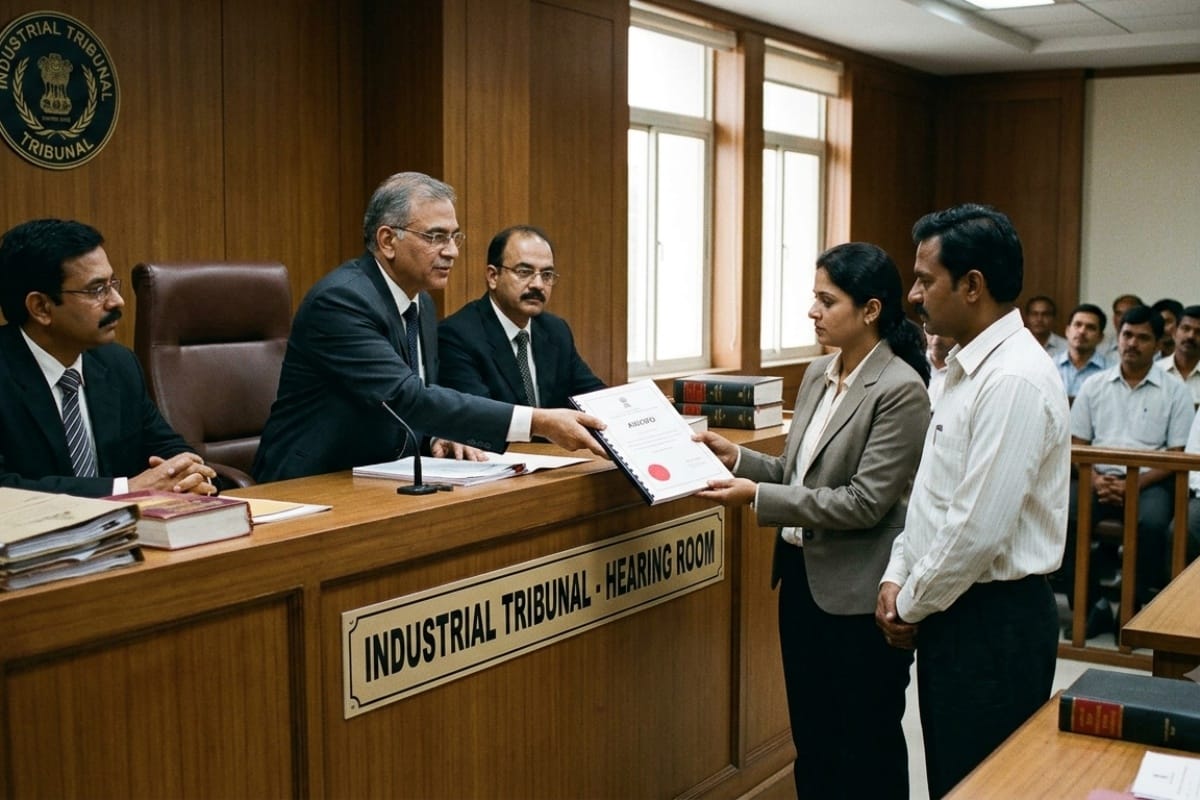
Deciding two connected writ petitions arising from a common Industrial Tribunal Award, the Delhi High Court set aside the Tribunal's direction granting hotel workmen a further…
Labour Laws
06/09/20264 min read
The GST authorities clarified that when goods are returned by a buyer, the applicable GST rate for issuing a credit note should correspond to the original invoice rate, not any revised or updated rate. This ruling aligns with the principle that the tax liability arises based on the transaction at the time of supply and is not subject to subsequent rate revisions. The clarification addresses frequent confusion among businesses handling returned goods, particularly in dynamic GST environments where rates are periodically updated. Analysts note that applying the original rate ensures consistency in input tax credit claims, avoids disputes over tax adjustments, and maintains compliance integrity. Businesses must update their accounting and GST filing systems to reflect the original transaction rates when processing credit notes, thereby ensuring accurate GST reporting and mitigating the risk of penalties or future assessments. The clarification also has implications for reconciliations in GST returns, as misalignment between invoice rates and credit note rates can trigger notices or discrepancies. The GST Council’s guidance reinforces the importance of aligning procedural practice with statutory provisions, ensuring legal certainty, and safeguarding taxpayer interests. This measure aids in streamlining GST compliance, reducing administrative burdens, and providing clarity for auditors, accountants, and businesses. Overall, the decision underscores the principle of transactional consistency in GST law and provides actionable guidance for handling returned goods effectively under the tax framework.
Deciding two connected writ petitions arising from a common Industrial Tribunal Award, the Delhi High Court set aside the Tribunal's direction granting hotel workmen a further…

Headnote The Delhi High Court dismissed a prosecutrix's appeal against acquittal of the accused on charges under Sections 328/376 2 n /377/506/509 IPC, despite DNA evidence…
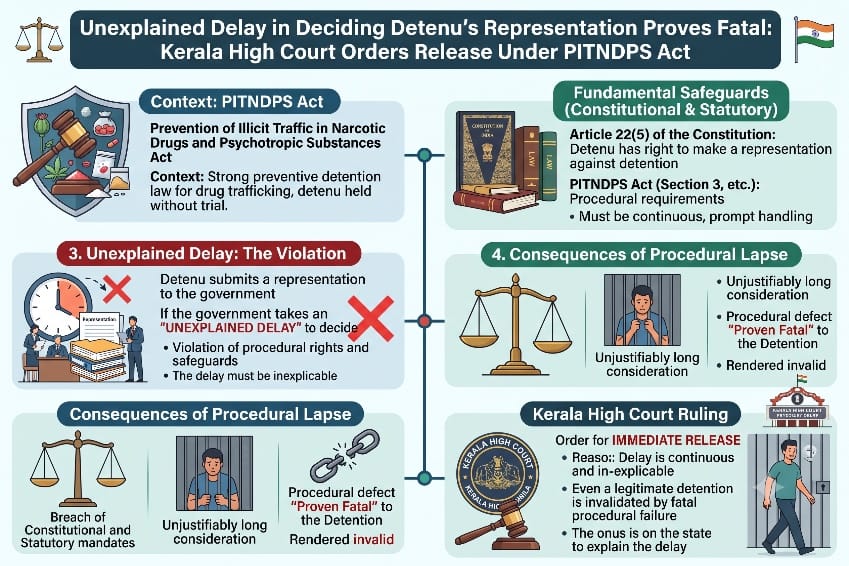
Fathimath Thasneem V.K. v. Union of India and Others | High Court of Kerala at Ernakulam | 3rd September, 2026 A habeas corpus writ petition by the wife of a detenu challenging…
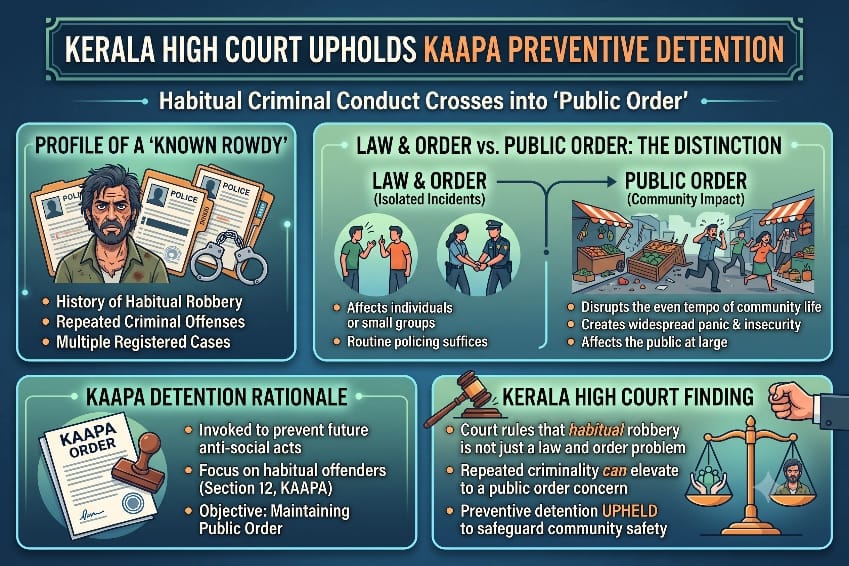
Thasmitha Abukutty v. State of Kerala and Others | High Court of Kerala at Ernakulam | 2nd September, 2026 A writ petition by the wife of a preventive detenu challenging a…
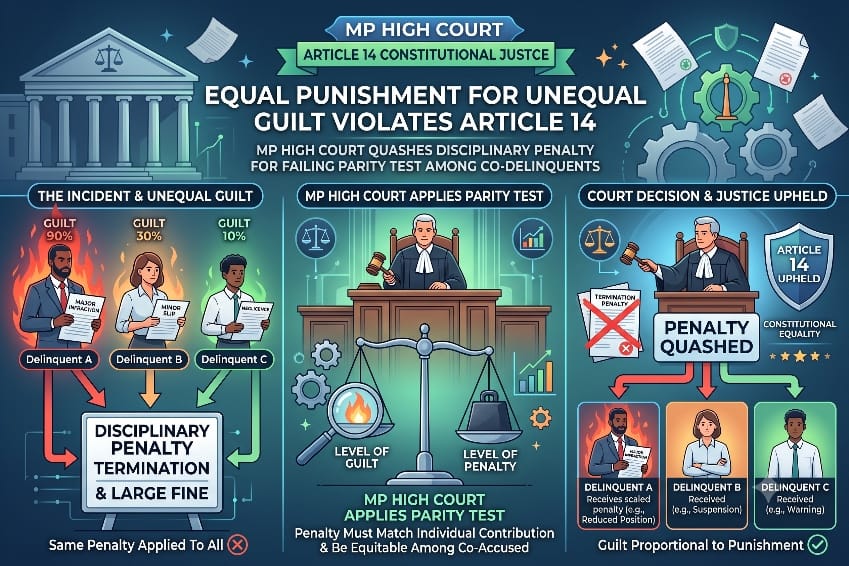
Brahm Kishore Dixit v. The State of Madhya Pradesh and Others | High Court of Madhya Pradesh, Gwalior | 1st September, 2026 A writ petition under Article 226 by a police Assistant…
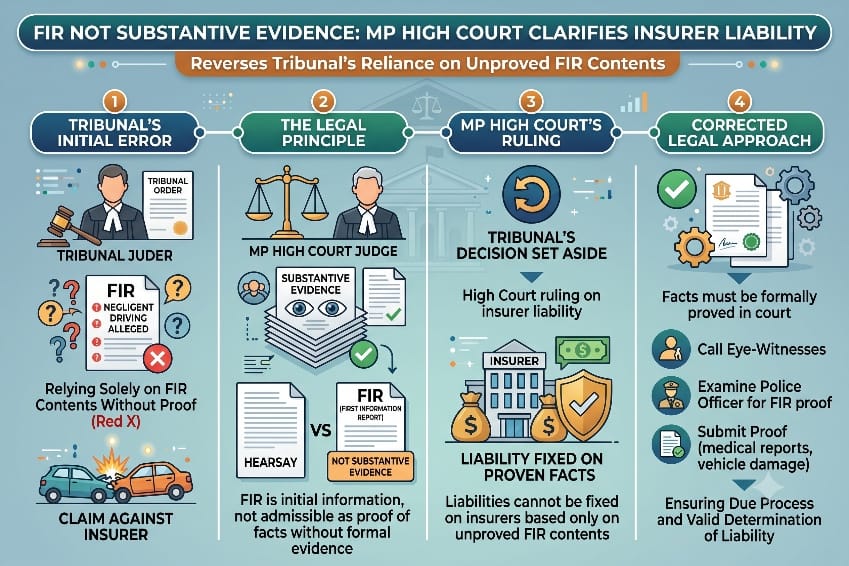
Anil Kumar Patel v. Smt. Munni Bai Barman and Others | High Court of Madhya Pradesh, Jabalpur | 1st September, 2026 A Motor Vehicle Act appeal under Section 173 1 against a Claims…
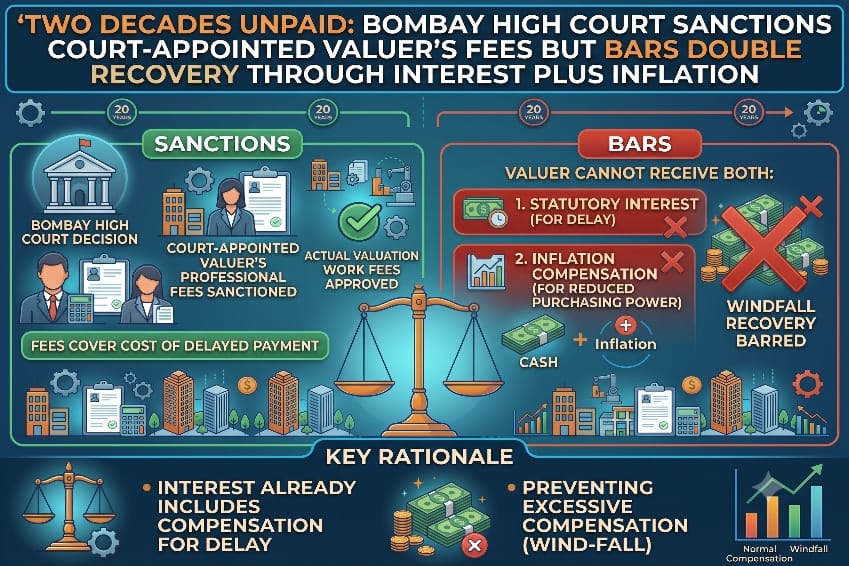
M/s. Kuber Mutual Benefits Ltd. & Ors. v. The State of Maharashtra & Ors. | High Court of Judicature at Bombay Appellate Side | 3rd September, 2026 A Court Receiver's Report…
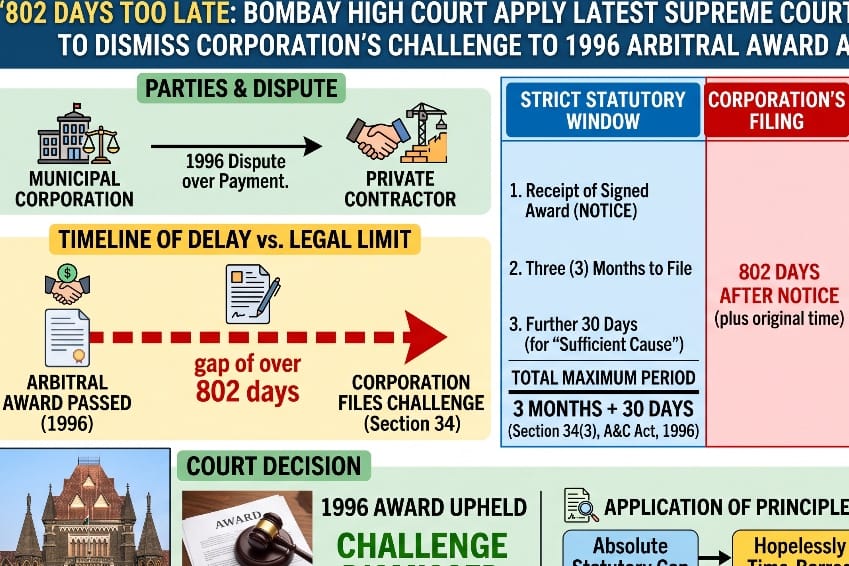
The Municipal Corporation of Greater Bombay v. M/s. Atul Raj Builders Pvt. Ltd. | High Court of Judicature at Bombay Ordinary Original Civil Jurisdiction | 3rd September, 2026 A…
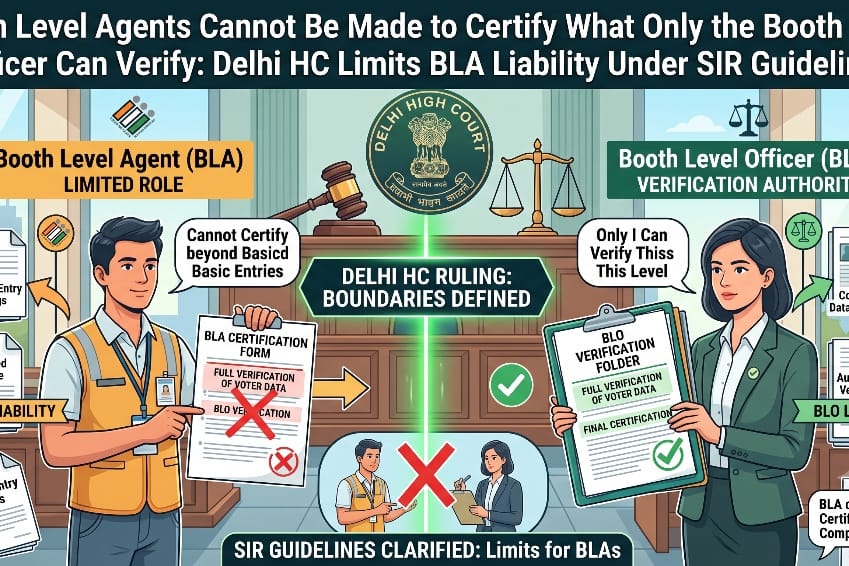
Devender Yadav & Anr. v. Election Commission of India & Anr. | High Court of Delhi Single Judge | Decided on: 03.09.2026 In a challenge to the Election Commission of India's…
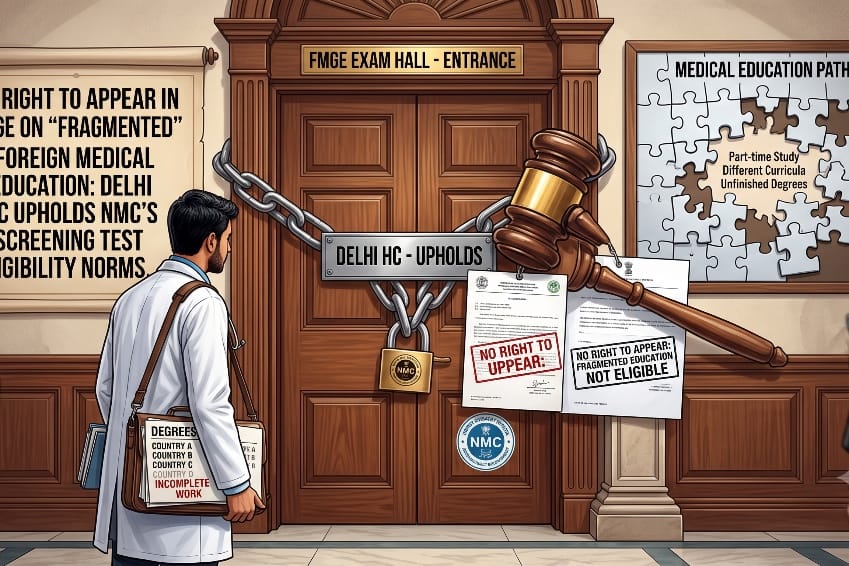
Brij Sharadbhai Bhatt & Ors. v. National Medical Commission & Ors. | High Court of Delhi Division Bench | Decided on: 03.09.2026 The Delhi High Court dismissed a challenge by…