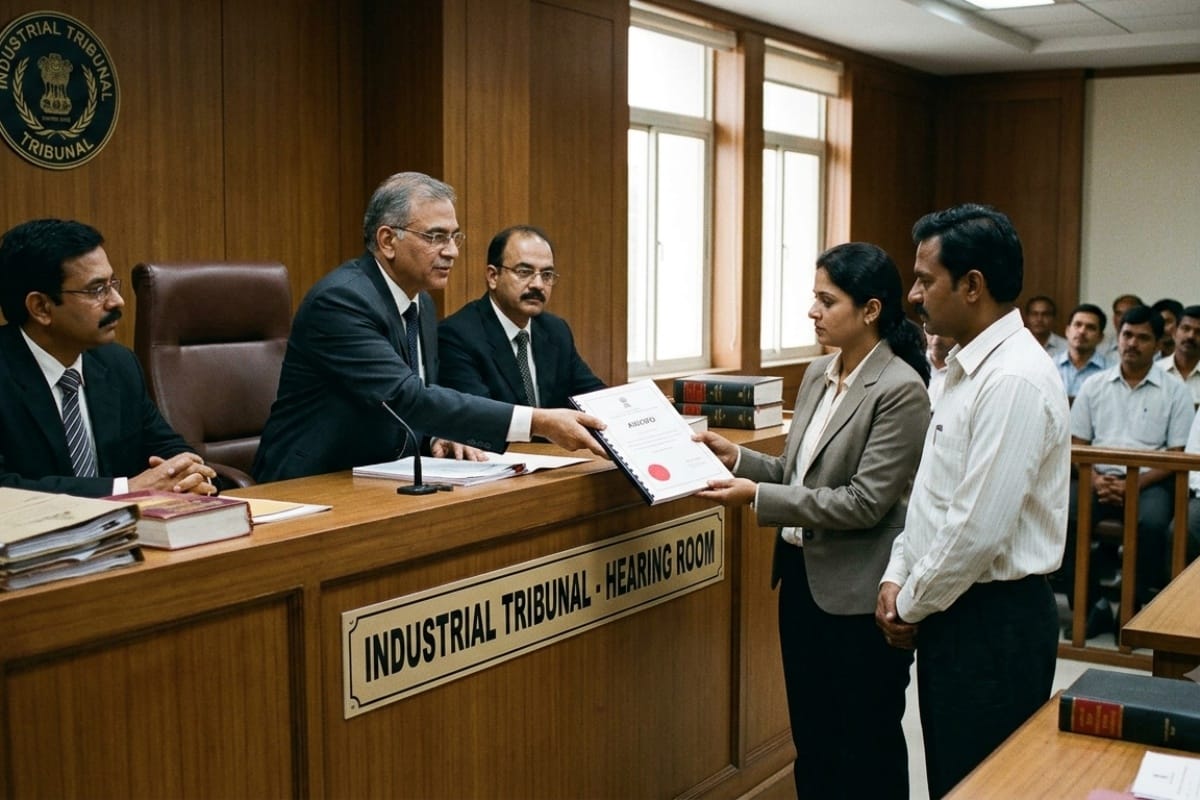
Deciding two connected writ petitions arising from a common Industrial Tribunal Award, the Delhi High Court set aside the Tribunal's direction granting hotel workmen a further…
Labour Laws
06/09/20264 min read
Update / Judgement Date
29 Oct 2025
Source
WCP News Bulletin
Author
Sakshi Bhardwaj — WCP Legal Desk
Reading Time
3 min read
The High Court held that for purposes of computing the limitation period under Section 144C(13) of the Income‑tax Act, 1961, the date of “receipt of directions” from the Dispute Resolution Panel (DRP) is to be reckoned from the date the directions were uploaded on the ITBA portal and thereby became visible to the Assessing Officer. In the instant case, because the directions were uploaded on 26 May 2022 and the final assessment order was passed on 1 July 2022 (beyond the one-month period ending 30 June 2022), the assessment order was held time-barred and void.
• The respondent/assessee, Hyundai Rotem Company, a Korean-incorporated company, filed its return for AY 2018-19 declaring income of ₹ 13,64,92,120.
• The case was selected under CASS; a notice under Section 143(2) was issued; the case was referred to a TPO, which made an upward adjustment of ₹ 7,36,34,508 for “Provision of administrative support services”.
• The DRP gave directions on 24 May 2022; according to the Department the directions were uploaded to the ITBA portal on 26 May 2022 and the AO passed the Final Assessment Order on 1 July 2022 for an assessed income of ₹ 19,77,18,255.
• The Assessee challenged the assessment order before the ITAT on grounds including limitation under Section 144C(13). The ITAT held the assessment void on limitation grounds.
• The central question was whether the “receipt” of the DRP directions by the AO occurs when the physical dak is received (1 June 2022) or when they were uploaded to the ITBA portal (26 May 2022) and thereby visible.
• The Court held that in the e-assessment scheme context, uploading on the portal constitutes dispatch/issue and receipt, under Section 13 of the Information Technology Act, 2000 and Section 282 of the Income-tax Act.
• The Court emphasized that Section 144C(13) is a self-contained, non-obstante clause requiring the AO to complete assessment “within one month from the end of the month in which the directions are received”.
• Once the DRP directions became available on 26 May 2022, the one-month period ended 30 June 2022. Since the FAO was passed 1 July 2022, it was beyond limitation. The Court rejected the Department’s argument that physical dak receipt on 1 June 2022 was the trigger.
• The Court noted that the E-Assessment Scheme mandates all communications among the units to be via electronic mode, supporting that portal upload is sufficient for “receipt”.
• Section 144C(13), Income-tax Act, 1961 – Regarding time-limit for AO to complete assessment after DRP directions.
• Sections 144B, 143(3A), 143(3A)(b), Income-tax Act, 1961 – E-assessment scheme, faceless assessment and electronic communications.
• Section 282, Income-tax Act, 1961 – Modes of service of communications.
• Section 13, Information Technology Act, 2000 – Receipt of electronic records.
The appeal was allowed in part: the High Court held the Final Assessment Order as time-barred and void. The matter will proceed further on the basis of this finding.
Citation: 2025:DHC:ITA 304/2025
Case: Commissioner of Income Tax (International Taxation)-2, New Delhi v. Hyundai Rotem Company
Court: High Court of Delhi at New Delhi
Coram: Justice V. Kameswar Rao & Justice Vinod Kumar
Date of Decision: 29 October 2025
Appeal No.: ITA No. 304/2025 & CM Appl. 50009/2025
Deciding two connected writ petitions arising from a common Industrial Tribunal Award, the Delhi High Court set aside the Tribunal's direction granting hotel workmen a further…
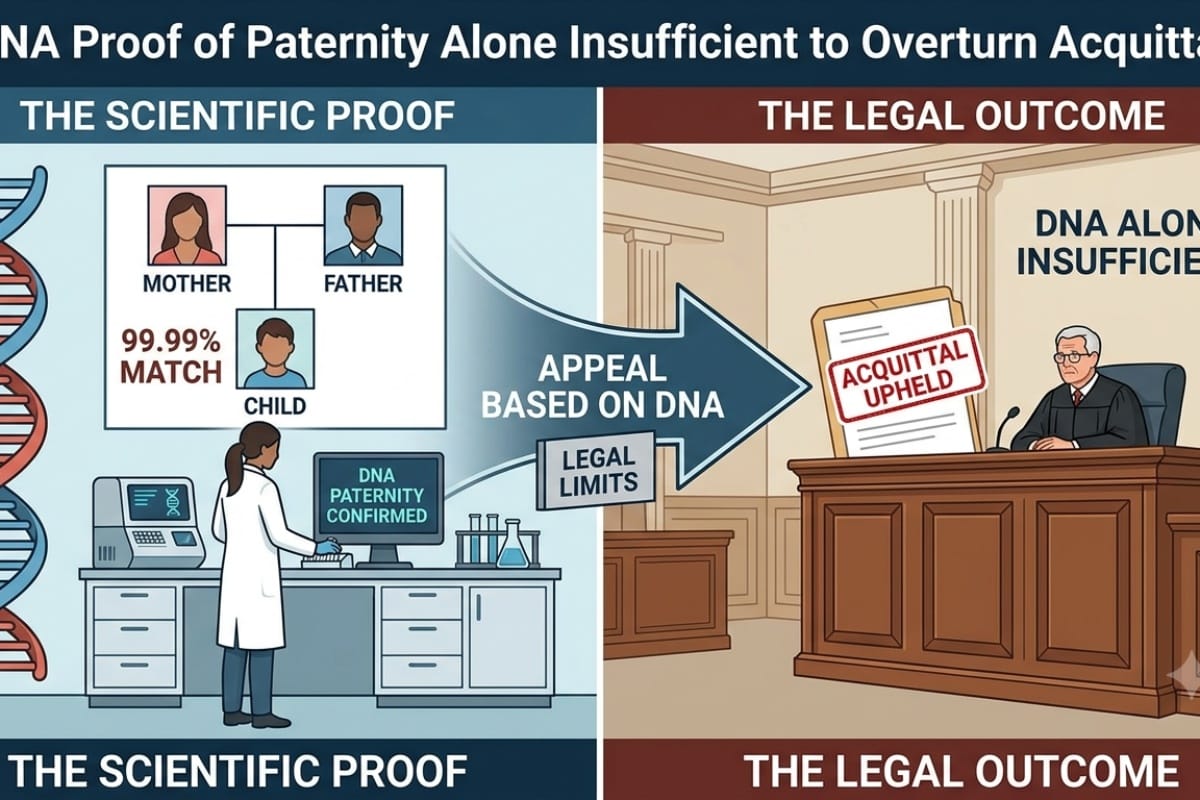
Headnote The Delhi High Court dismissed a prosecutrix's appeal against acquittal of the accused on charges under Sections 328/376 2 n /377/506/509 IPC, despite DNA evidence…
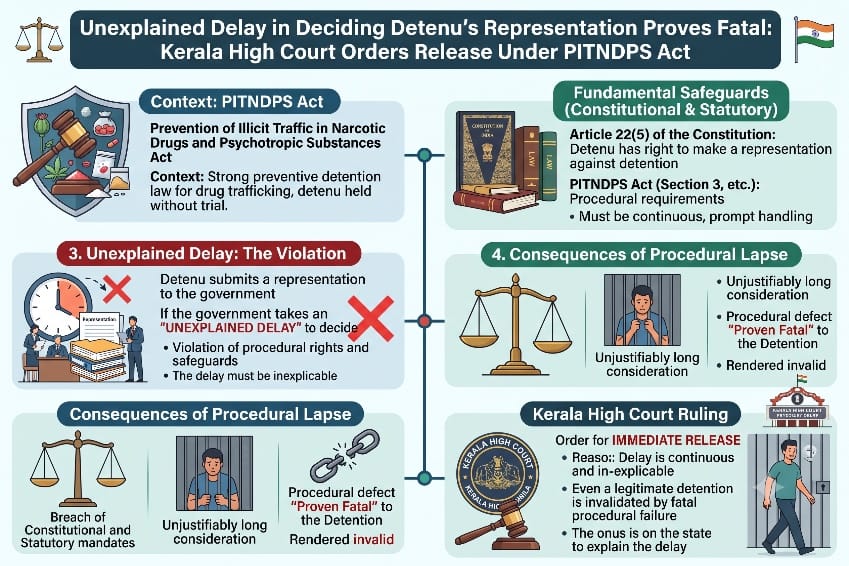
Fathimath Thasneem V.K. v. Union of India and Others | High Court of Kerala at Ernakulam | 3rd September, 2026 A habeas corpus writ petition by the wife of a detenu challenging…
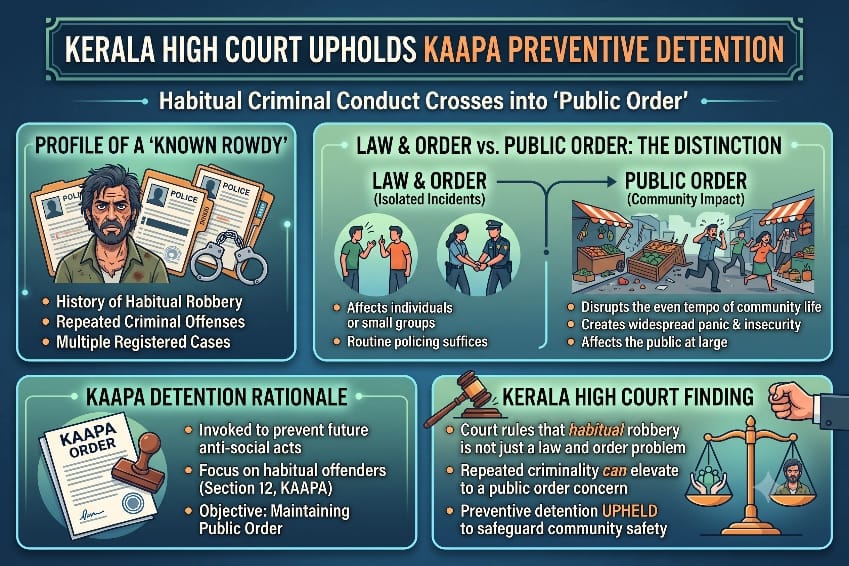
Thasmitha Abukutty v. State of Kerala and Others | High Court of Kerala at Ernakulam | 2nd September, 2026 A writ petition by the wife of a preventive detenu challenging a…
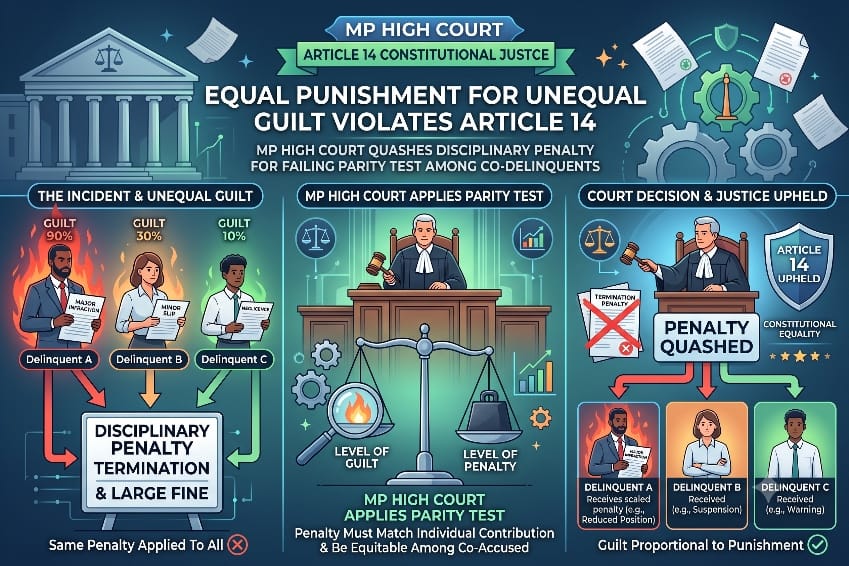
Brahm Kishore Dixit v. The State of Madhya Pradesh and Others | High Court of Madhya Pradesh, Gwalior | 1st September, 2026 A writ petition under Article 226 by a police Assistant…
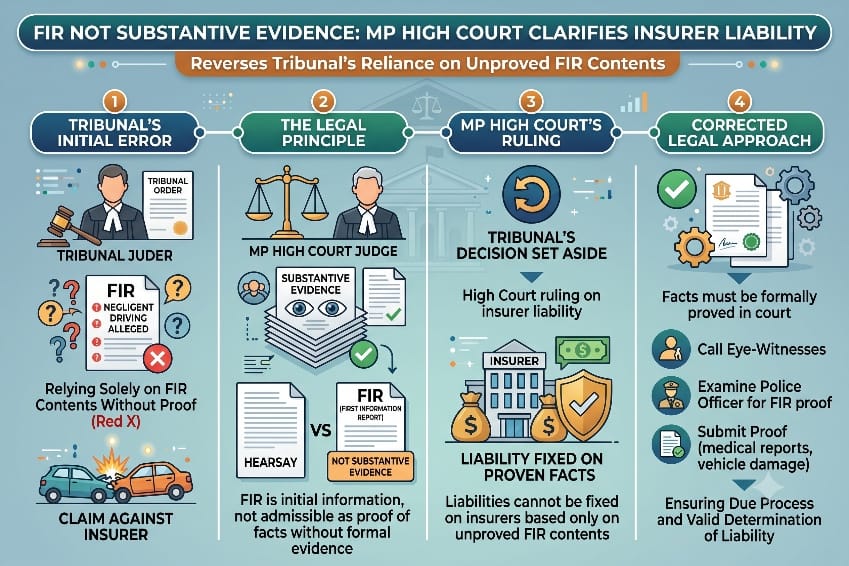
Anil Kumar Patel v. Smt. Munni Bai Barman and Others | High Court of Madhya Pradesh, Jabalpur | 1st September, 2026 A Motor Vehicle Act appeal under Section 173 1 against a Claims…
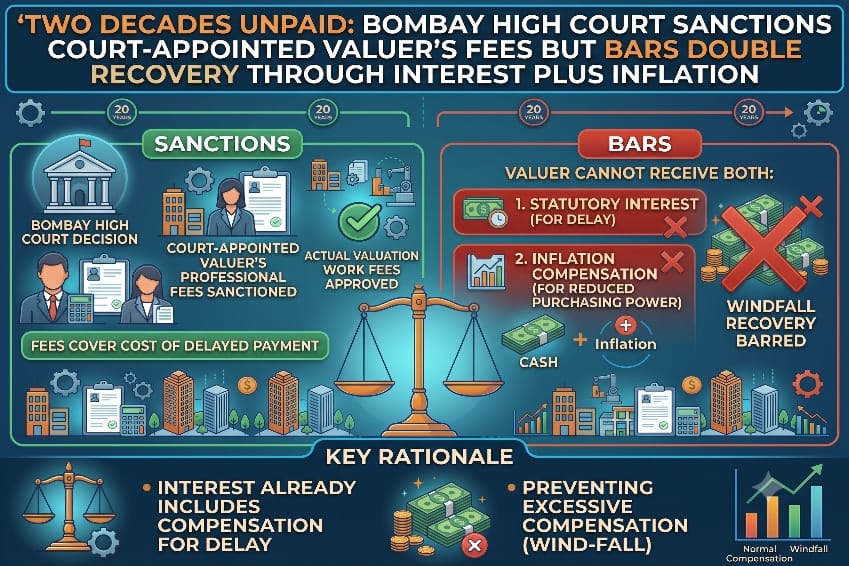
M/s. Kuber Mutual Benefits Ltd. & Ors. v. The State of Maharashtra & Ors. | High Court of Judicature at Bombay Appellate Side | 3rd September, 2026 A Court Receiver's Report…
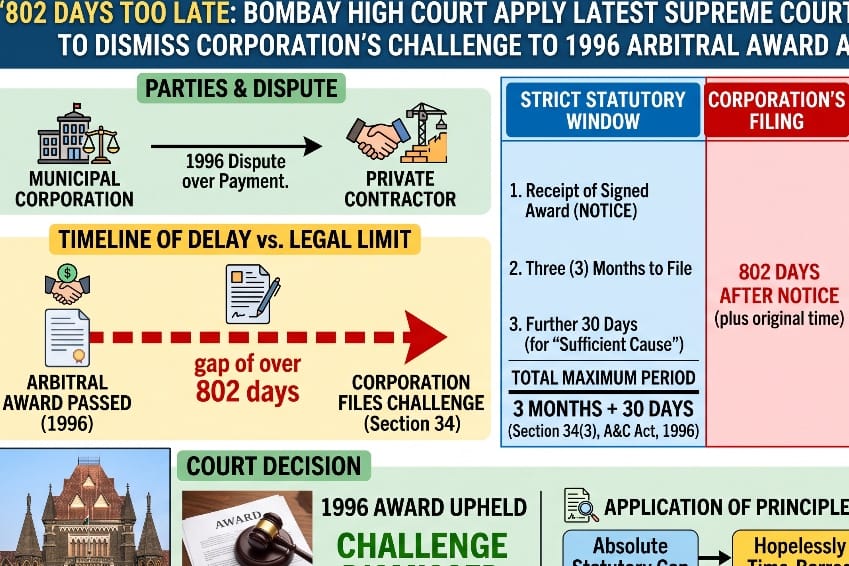
The Municipal Corporation of Greater Bombay v. M/s. Atul Raj Builders Pvt. Ltd. | High Court of Judicature at Bombay Ordinary Original Civil Jurisdiction | 3rd September, 2026 A…
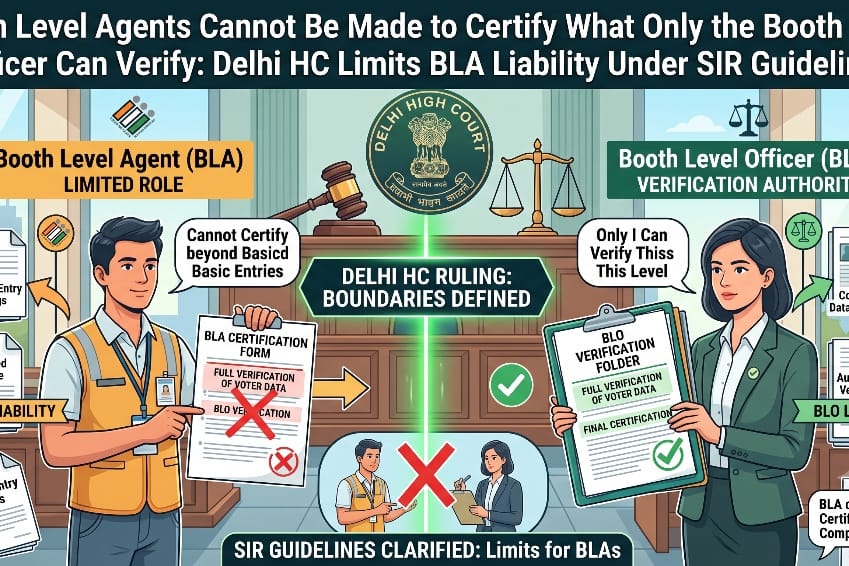
Devender Yadav & Anr. v. Election Commission of India & Anr. | High Court of Delhi Single Judge | Decided on: 03.09.2026 In a challenge to the Election Commission of India's…
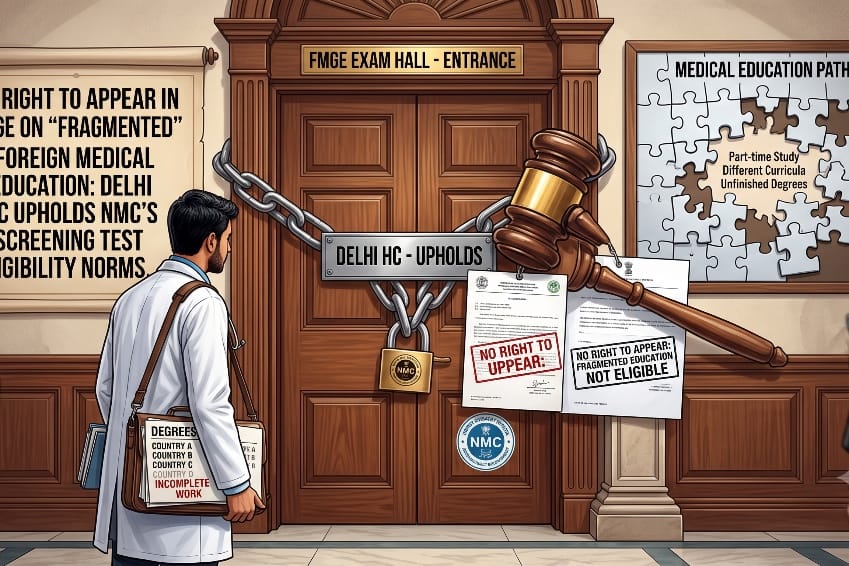
Brij Sharadbhai Bhatt & Ors. v. National Medical Commission & Ors. | High Court of Delhi Division Bench | Decided on: 03.09.2026 The Delhi High Court dismissed a challenge by…