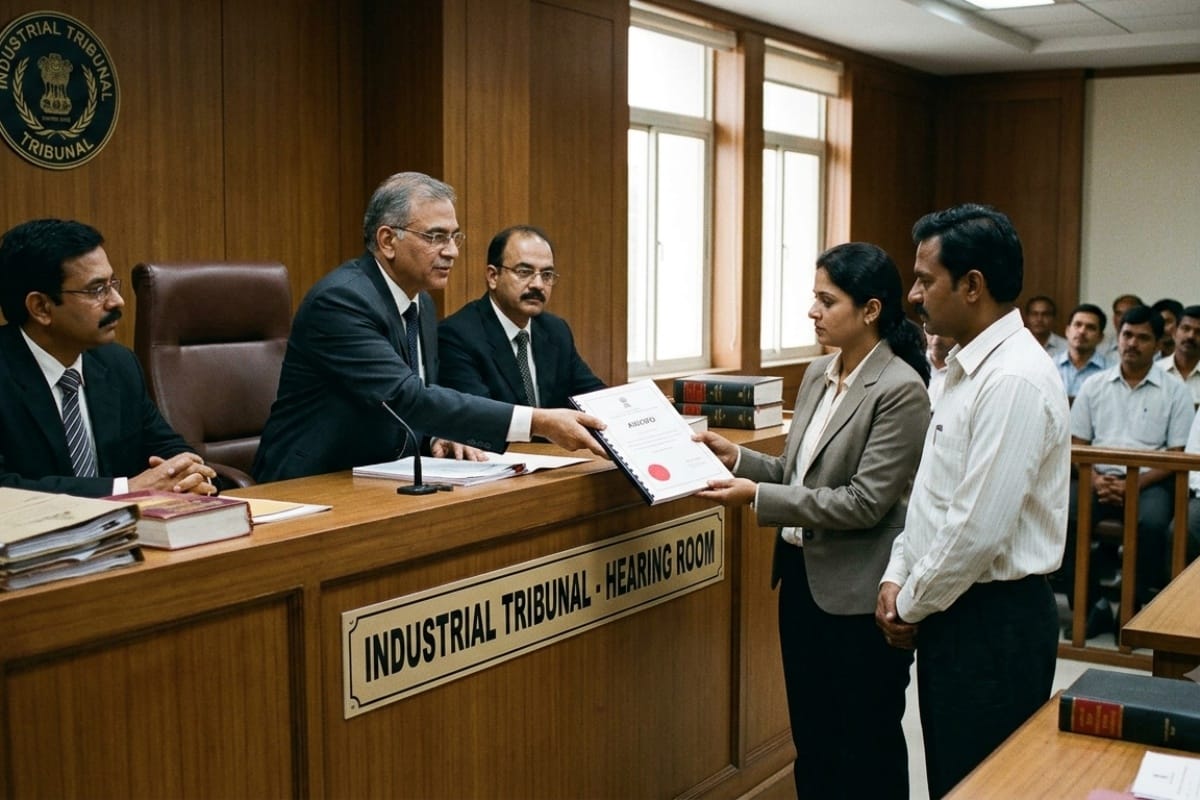
Deciding two connected writ petitions arising from a common Industrial Tribunal Award, the Delhi High Court set aside the Tribunal's direction granting hotel workmen a further…
Labour Laws
06/09/20264 min read
Court / Authority
Insolvency & Bankruptcy Board
Update / Judgement Date
30 Aug 2026
Source
WCP News Bulletin
Author
Manas Yadav — WCP Legal Desk
Reading Time
2 min read
The Insolvency and Bankruptcy Board of India, through its Disciplinary Committee, in its order dated 30 March 2026, examined allegations against Insolvency Professional Hitesh Goel in relation to the CIRP of Supertech Limited, particularly the Eco Village II project, and reaffirmed the strict compliance obligations imposed under the Insolvency and Bankruptcy Code, 2016.
Allegations
The CIRP, admitted on 25 March 2022, evolved into a project-wise resolution process following NCLAT directions, with Eco Village II treated separately. The RP argued that this constituted a “test process” outside the conventional CIRP framework. The Disciplinary Committee rejected this contention, holding that statutory duties under the Code and CIRP Regulations continued to apply in full force. The primary allegation concerned deficiencies in the Information Memorandum, including non-disclosure of audited financial statements and incomplete project-specific data. The RP relied on a Virtual Data Room to supplement disclosures; however, the Committee found no verifiable evidence that such information was available to stakeholders at the relevant time. It emphasized that the IM must be substantially self-contained and enable informed decision-making by resolution applicants.
Further contraventions included failure to file the IM with CIRP Form-3, delay in conducting the first CoC meeting, and a substantial delay in filing avoidance applications. The RP attributed these lapses to practical constraints such as data complexity, judicial stays, and reliance on external professionals. The Committee rejected these explanations, holding that statutory timelines, even if directory, impose a binding standard of diligence.
Findings and Implications
The Committee concluded that the RP failed to meet the required standards of transparency, timeliness, and consistency. It clarified that procedural modifications by appellate authorities do not dilute statutory obligations and that responsibility for compliance rests solely with the Resolution Professional.
The order reinforces that incomplete disclosures and delayed actions can undermine value maximization and distort the resolution process. It thus underscores a strict regulatory approach, emphasizing that insolvency professionals must maintain high standards of accountability even in complex, non-traditional CIRP structures.
Full Judgement / Attachment
Full Judgement
Deciding two connected writ petitions arising from a common Industrial Tribunal Award, the Delhi High Court set aside the Tribunal's direction granting hotel workmen a further…

Headnote The Delhi High Court dismissed a prosecutrix's appeal against acquittal of the accused on charges under Sections 328/376 2 n /377/506/509 IPC, despite DNA evidence…
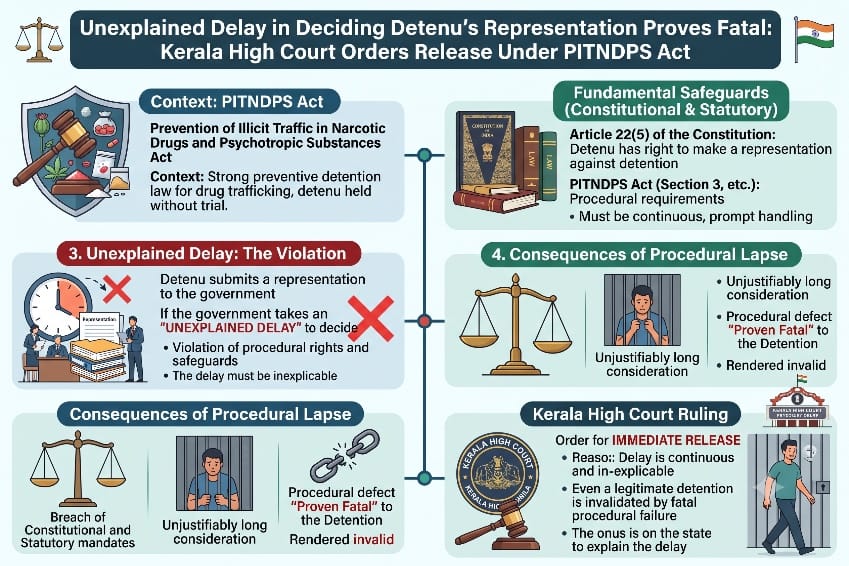
Fathimath Thasneem V.K. v. Union of India and Others | High Court of Kerala at Ernakulam | 3rd September, 2026 A habeas corpus writ petition by the wife of a detenu challenging…
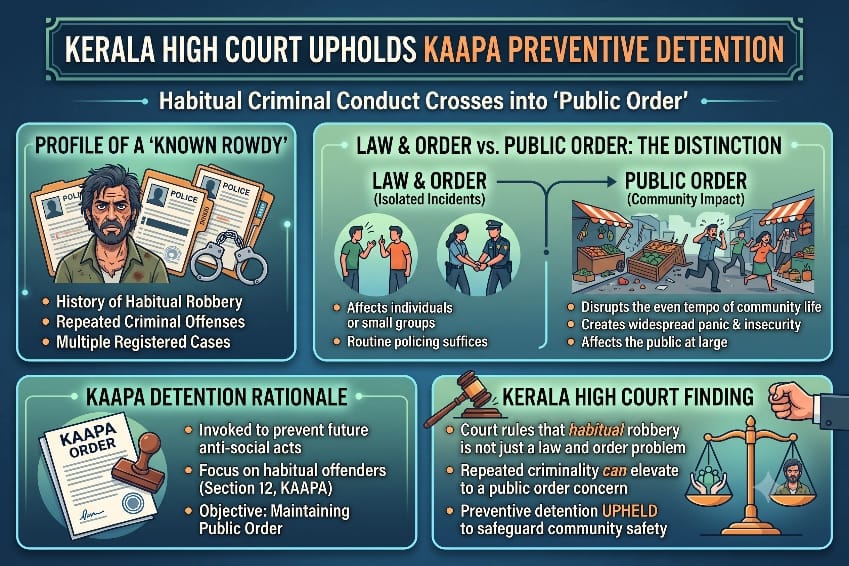
Thasmitha Abukutty v. State of Kerala and Others | High Court of Kerala at Ernakulam | 2nd September, 2026 A writ petition by the wife of a preventive detenu challenging a…
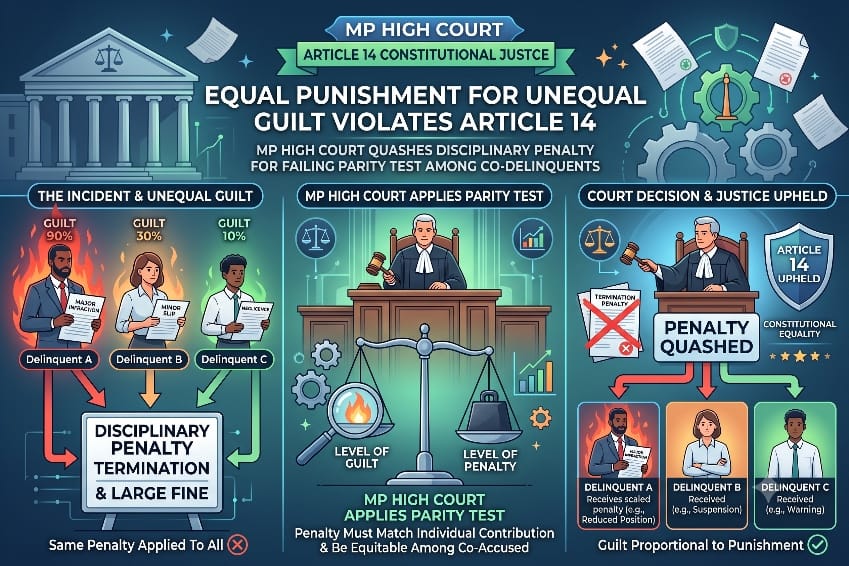
Brahm Kishore Dixit v. The State of Madhya Pradesh and Others | High Court of Madhya Pradesh, Gwalior | 1st September, 2026 A writ petition under Article 226 by a police Assistant…
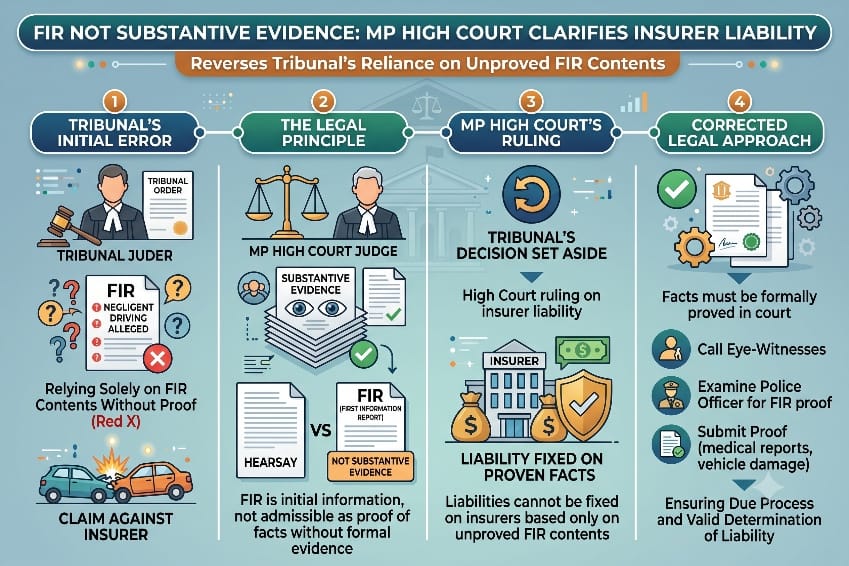
Anil Kumar Patel v. Smt. Munni Bai Barman and Others | High Court of Madhya Pradesh, Jabalpur | 1st September, 2026 A Motor Vehicle Act appeal under Section 173 1 against a Claims…
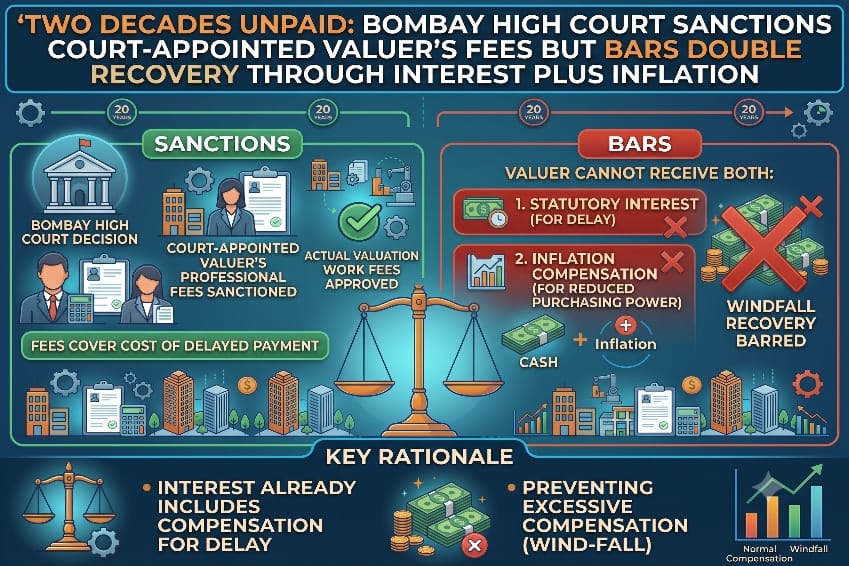
M/s. Kuber Mutual Benefits Ltd. & Ors. v. The State of Maharashtra & Ors. | High Court of Judicature at Bombay Appellate Side | 3rd September, 2026 A Court Receiver's Report…
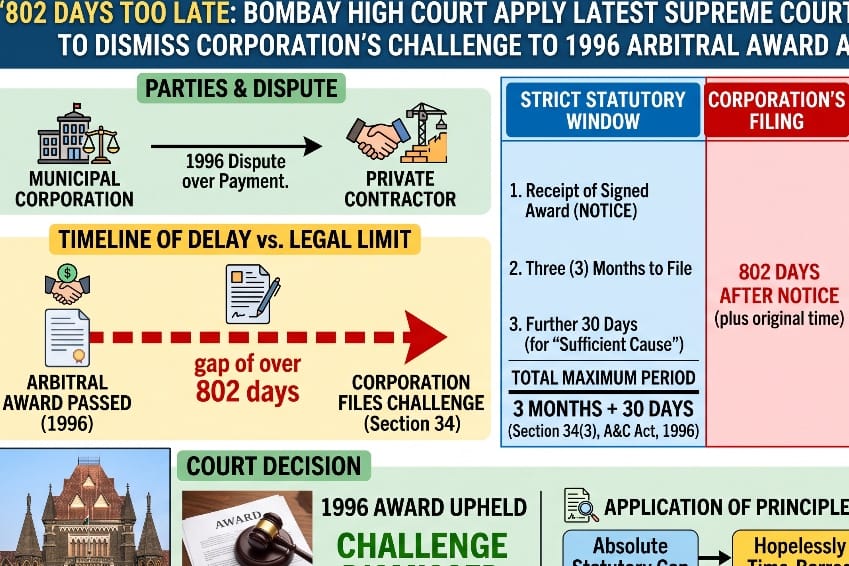
The Municipal Corporation of Greater Bombay v. M/s. Atul Raj Builders Pvt. Ltd. | High Court of Judicature at Bombay Ordinary Original Civil Jurisdiction | 3rd September, 2026 A…
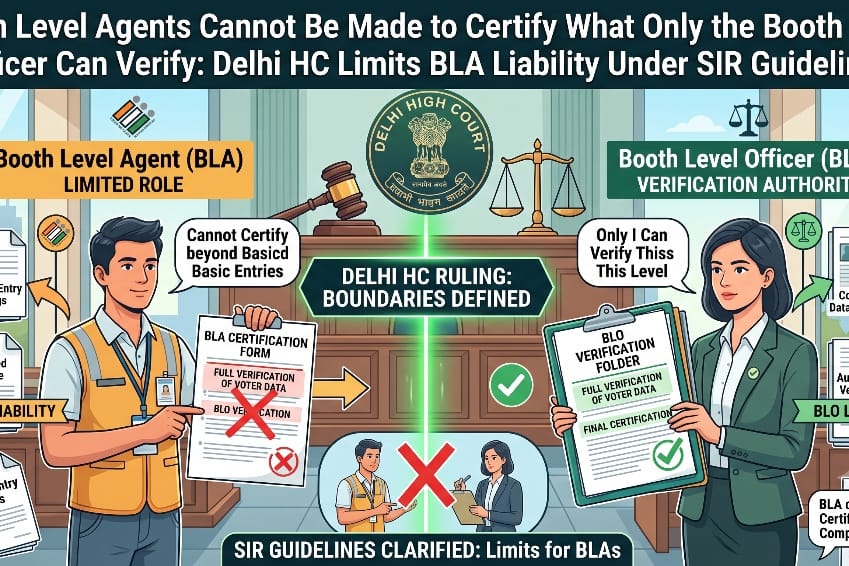
Devender Yadav & Anr. v. Election Commission of India & Anr. | High Court of Delhi Single Judge | Decided on: 03.09.2026 In a challenge to the Election Commission of India's…
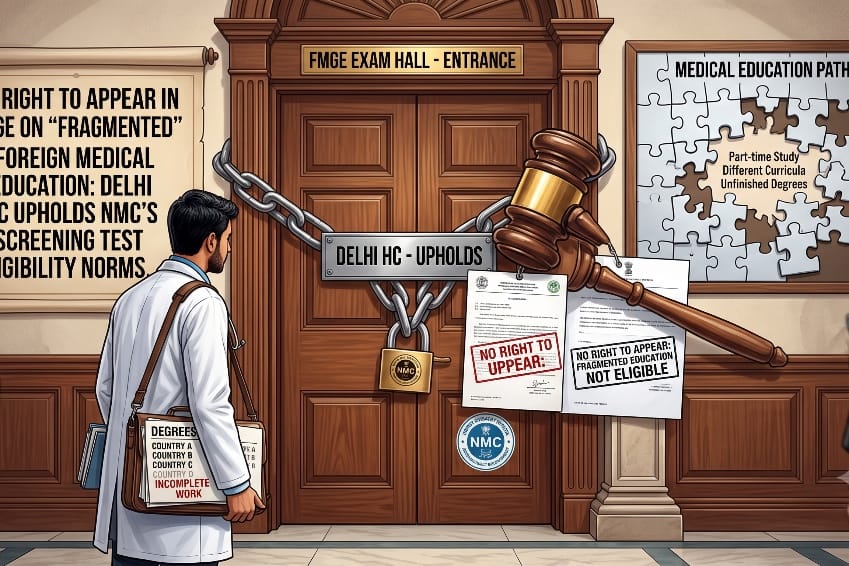
Brij Sharadbhai Bhatt & Ors. v. National Medical Commission & Ors. | High Court of Delhi Division Bench | Decided on: 03.09.2026 The Delhi High Court dismissed a challenge by…