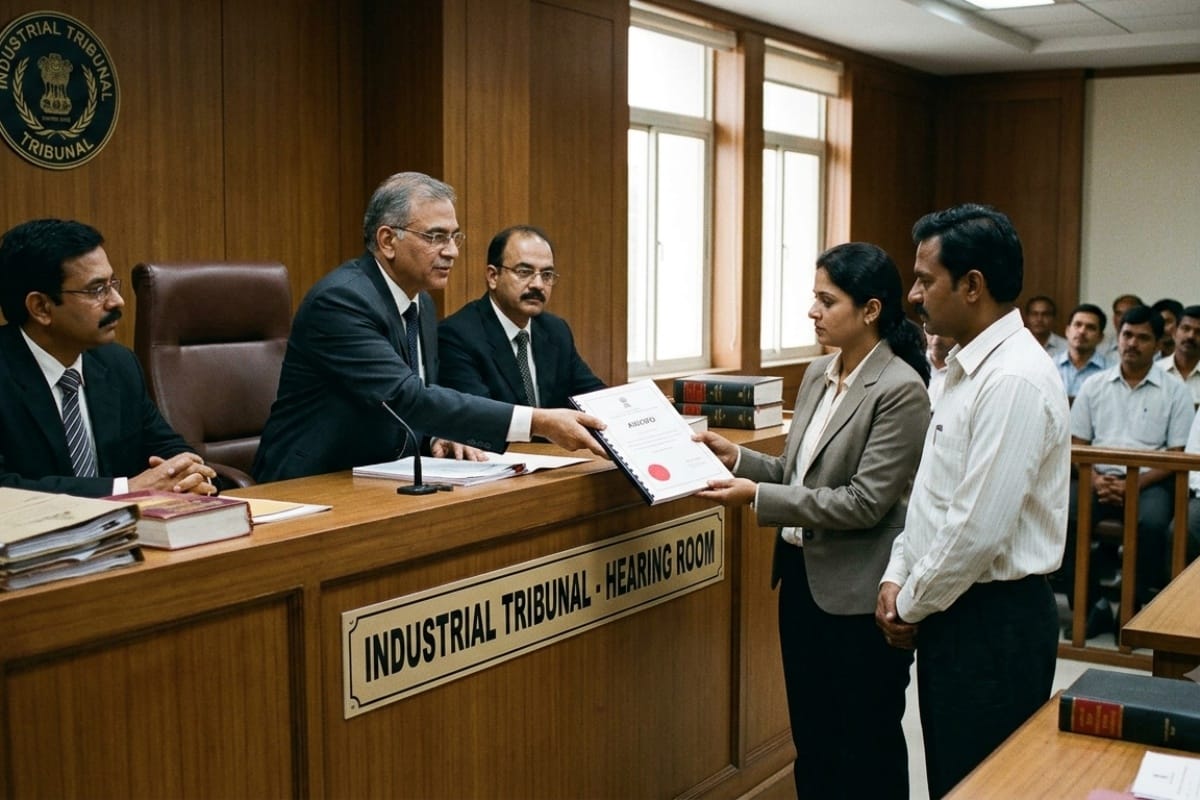
Deciding two connected writ petitions arising from a common Industrial Tribunal Award, the Delhi High Court set aside the Tribunal's direction granting hotel workmen a further…
Labour Laws
06/09/20264 min read
Court / Authority
Insolvency & Bankruptcy Board
Update / Judgement Date
30 Aug 2026
Source
WCP News Bulletin
Author
Manas Yadav — WCP Legal Desk
Reading Time
3 min read
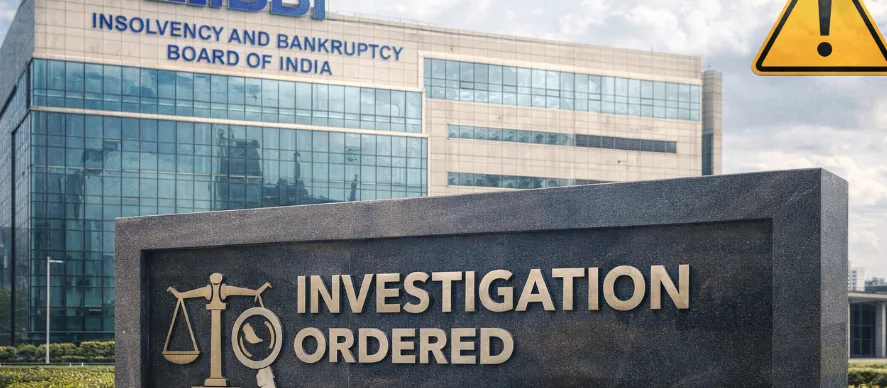
The Insolvency and Bankruptcy Board of India (IBBI), through its Disciplinary Committee, in its order dated 30 March 2026, examined allegations of procedural irregularities against Insolvency Professional Rajan Garg in the CIRP of Truly Creative Developers Private Limited, ultimately referring the matter for further investigation while refraining from imposing immediate penalties.
Allegations and Context
The CIRP was initiated on 11 November 2022, with Mr. Rajan Garg acting as Interim Resolution Professional and later confirmed as Resolution Professional. The primary allegation concerned the wrongful constitution of the Committee of Creditors due to the inclusion of Western Habitat Partnership Firm as a financial creditor with approximately 24.6 percent voting share. This inclusion enabled Western Habitat to participate in the first five CoC meetings, during which critical decisions were taken, including confirmation of the RP, approval of CIRP costs, and issuance of expression of interest.
Subsequently, Western Habitat was removed from the CoC after it was determined that its claim did not qualify as “financial debt” under Section 5(8) of the Code. The Disciplinary Committee observed that such inclusion without adequate verification indicated a lack of due diligence, especially given the underlying Joint Development Agreement relationship between the parties. Mr. Garg defended his conduct by invoking Regulation 14, asserting that initial admission was based on available documents and subject to further verification. He also highlighted procedural disruptions caused by appellate stays and lack of cooperation from the suspended management. Importantly, he argued that exclusion of Western Habitat would not have materially altered voting outcomes in CoC decisions.
Findings and Broader Regulatory Concerns
The Disciplinary Committee, however, identified systemic concerns extending beyond mere procedural lapse. It noted that Western Habitat’s role as a joint developer should have triggered heightened scrutiny at the admission stage. The delayed reclassification, after participation in multiple CoC meetings, raised serious questions about the integrity of the CoC’s composition. Further, the Committee flagged a broader pattern in the conduct of the Resolution Professional. It observed that pre-CIRP litigation involving allegations against Western Habitat was not actively pursued, and subsequent legal proceedings were narrowly framed around moratorium issues without adequately representing stakeholder interests, particularly those of homebuyers and financial creditors. Judicial observations by the Bombay High Court were also noted, criticizing the limited scope and merit of such proceedings.
The Committee also highlighted unexamined allegations regarding other creditors, including PVG Enterprises, Labh Shubh Properties, and Mitej Developers, whose claims may similarly fail the test of “financial debt.” If so, their inclusion could have significantly altered CoC composition and voting dynamics, undermining the legitimacy of earlier decisions.
In light of these cumulative concerns, the Disciplinary Committee refrained from issuing a conclusive finding on misconduct but referred the matter to the Board for a comprehensive investigation. The order thus underscores the critical importance of rigorous claim verification and institutional integrity in insolvency processes, particularly where CoC composition directly impacts the trajectory of resolution.
Full Judgement / Attachment
Full Judgement
Deciding two connected writ petitions arising from a common Industrial Tribunal Award, the Delhi High Court set aside the Tribunal's direction granting hotel workmen a further…
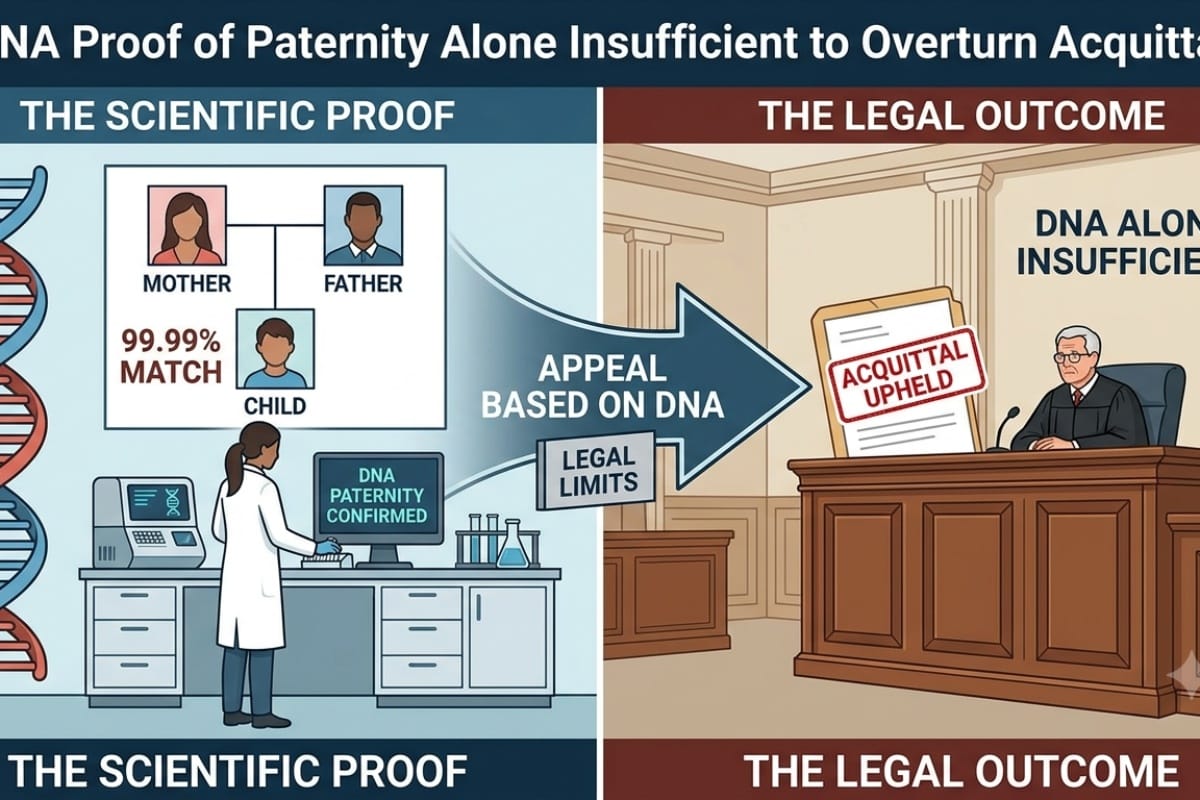
Headnote The Delhi High Court dismissed a prosecutrix's appeal against acquittal of the accused on charges under Sections 328/376 2 n /377/506/509 IPC, despite DNA evidence…
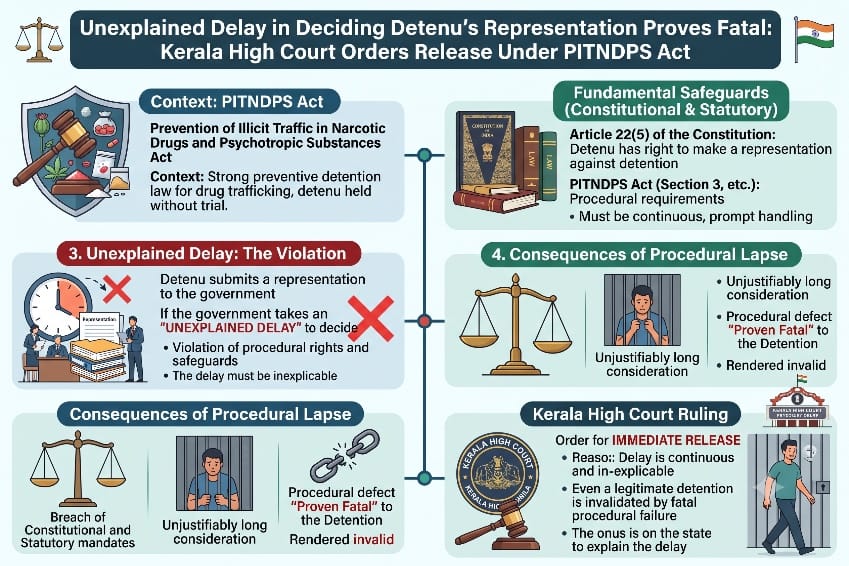
Fathimath Thasneem V.K. v. Union of India and Others | High Court of Kerala at Ernakulam | 3rd September, 2026 A habeas corpus writ petition by the wife of a detenu challenging…
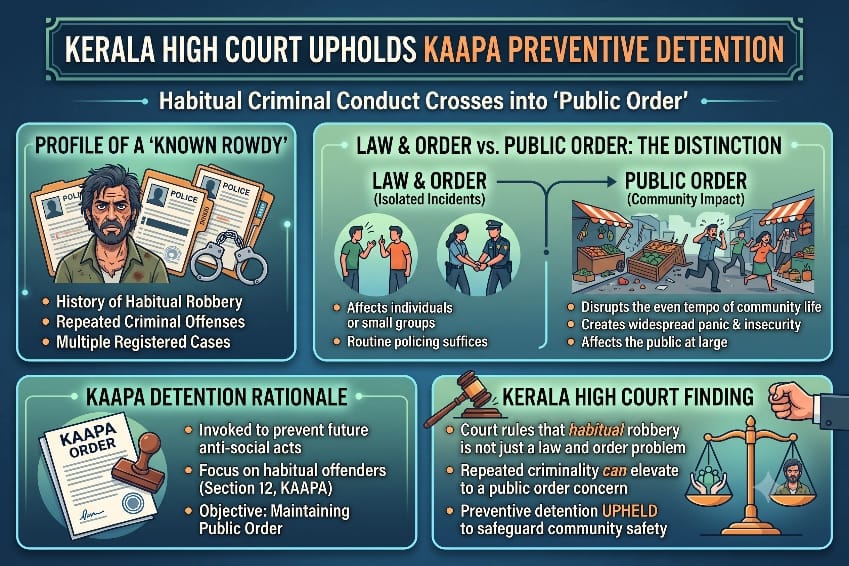
Thasmitha Abukutty v. State of Kerala and Others | High Court of Kerala at Ernakulam | 2nd September, 2026 A writ petition by the wife of a preventive detenu challenging a…
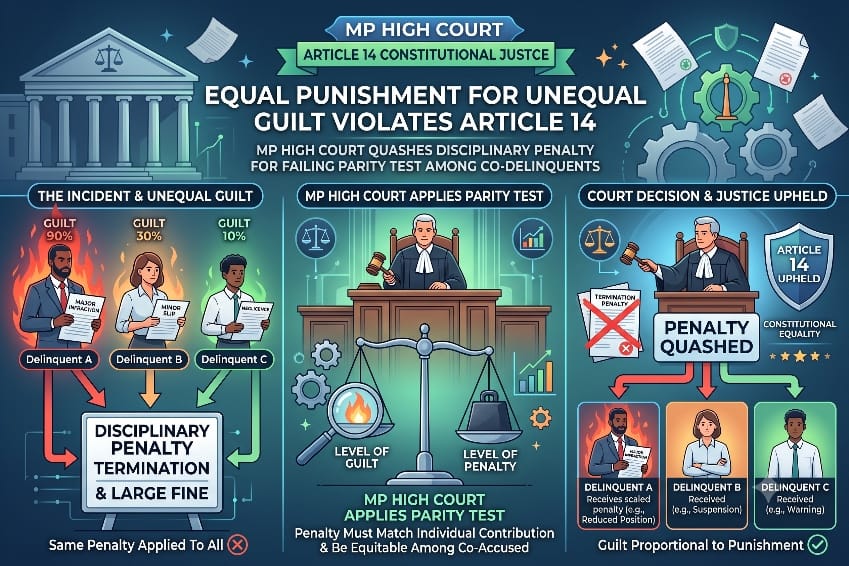
Brahm Kishore Dixit v. The State of Madhya Pradesh and Others | High Court of Madhya Pradesh, Gwalior | 1st September, 2026 A writ petition under Article 226 by a police Assistant…
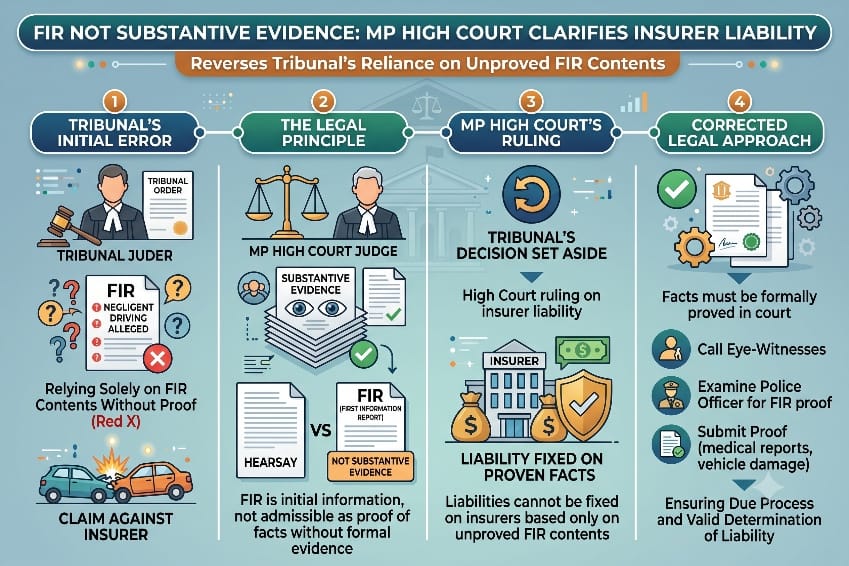
Anil Kumar Patel v. Smt. Munni Bai Barman and Others | High Court of Madhya Pradesh, Jabalpur | 1st September, 2026 A Motor Vehicle Act appeal under Section 173 1 against a Claims…
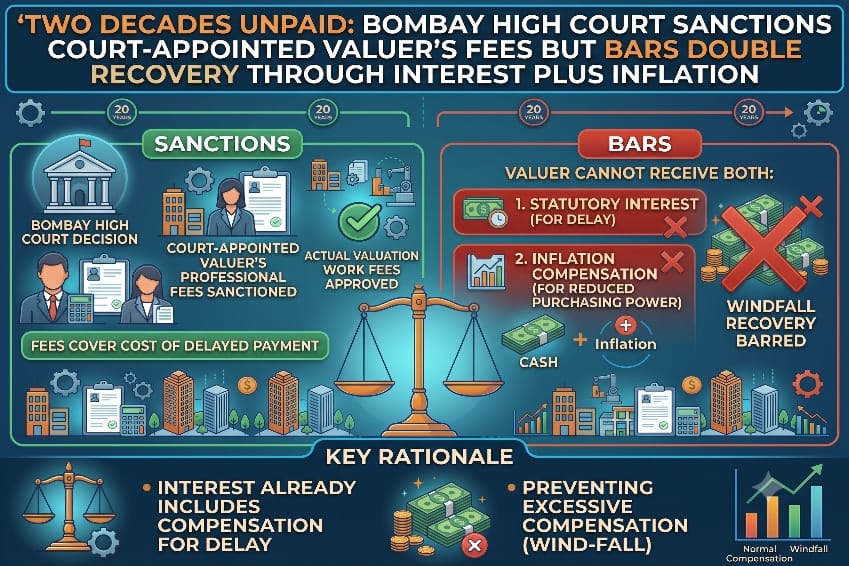
M/s. Kuber Mutual Benefits Ltd. & Ors. v. The State of Maharashtra & Ors. | High Court of Judicature at Bombay Appellate Side | 3rd September, 2026 A Court Receiver's Report…
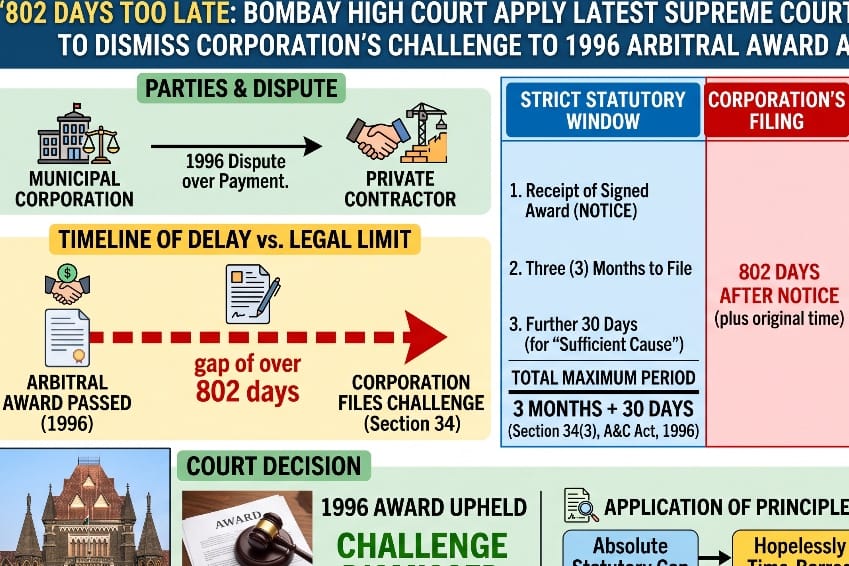
The Municipal Corporation of Greater Bombay v. M/s. Atul Raj Builders Pvt. Ltd. | High Court of Judicature at Bombay Ordinary Original Civil Jurisdiction | 3rd September, 2026 A…
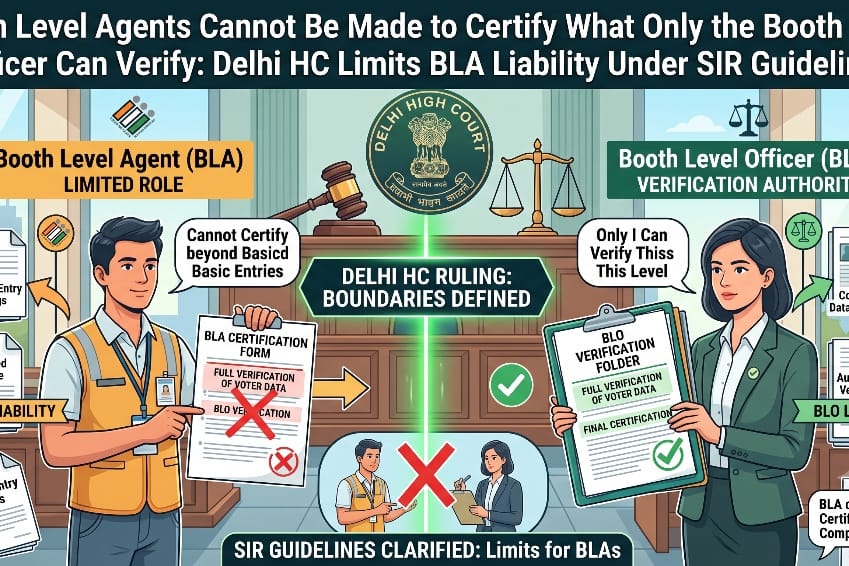
Devender Yadav & Anr. v. Election Commission of India & Anr. | High Court of Delhi Single Judge | Decided on: 03.09.2026 In a challenge to the Election Commission of India's…
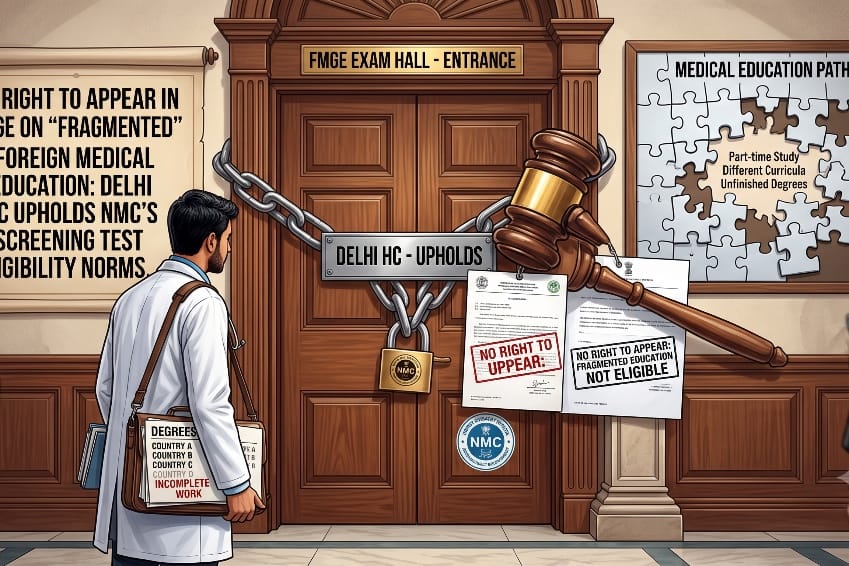
Brij Sharadbhai Bhatt & Ors. v. National Medical Commission & Ors. | High Court of Delhi Division Bench | Decided on: 03.09.2026 The Delhi High Court dismissed a challenge by…