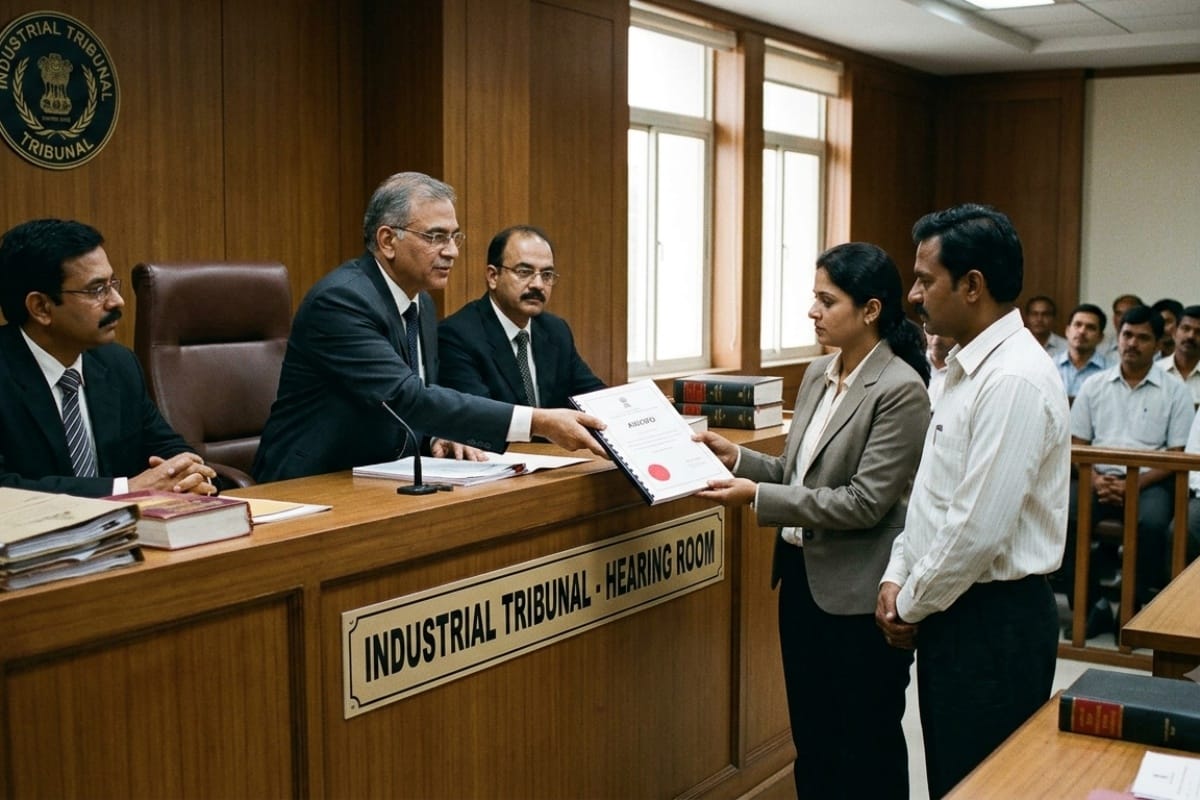
Deciding two connected writ petitions arising from a common Industrial Tribunal Award, the Delhi High Court set aside the Tribunal's direction granting hotel workmen a further…
Labour Laws
06/09/20264 min read
The Institute of Chartered Accountants of India (ICAI) has expressed serious concern over technical glitches on the Income Tax Department’s e-filing portal that are affecting the workflow of chartered accountants and tax professionals. These glitches include difficulties in form submissions, errors in uploading documents, and inconsistencies in portal functionality, creating delays in compliance and filing timelines for taxpayers. ICAI has reportedly decided to approach the Central Board of Direct Taxes (CBDT) to highlight the operational hurdles and seek immediate rectification. The organization emphasizes that such technical issues can cause widespread disruption, particularly during peak filing seasons, impacting both tax professionals and taxpayers. Further, ICAI urges CBDT to consider extending deadlines, clarifying procedural ambiguities, and ensuring seamless portal functioning. The move is also indicative of the increasing reliance of tax professionals on digital infrastructure and the criticality of robust IT systems for accurate compliance. The ICAI-CBDT interaction is expected to include proposed technical solutions, interim procedural measures, and strategies to prevent recurrence of such glitches. Observers suggest that proactive engagement between professional bodies and the tax authorities will help maintain trust in digital filing systems, reduce compliance burden, and mitigate risks arising from portal-related failures. The initiative also underscores the growing expectations of stakeholders for responsive governance, timely resolution of IT issues, and transparency in digital tax administration. Overall, ICAI’s approach seeks to balance regulatory adherence with operational feasibility, ensuring that digital platforms remain reliable tools for compliance rather than obstacles for professionals and taxpayers alike.
Deciding two connected writ petitions arising from a common Industrial Tribunal Award, the Delhi High Court set aside the Tribunal's direction granting hotel workmen a further…
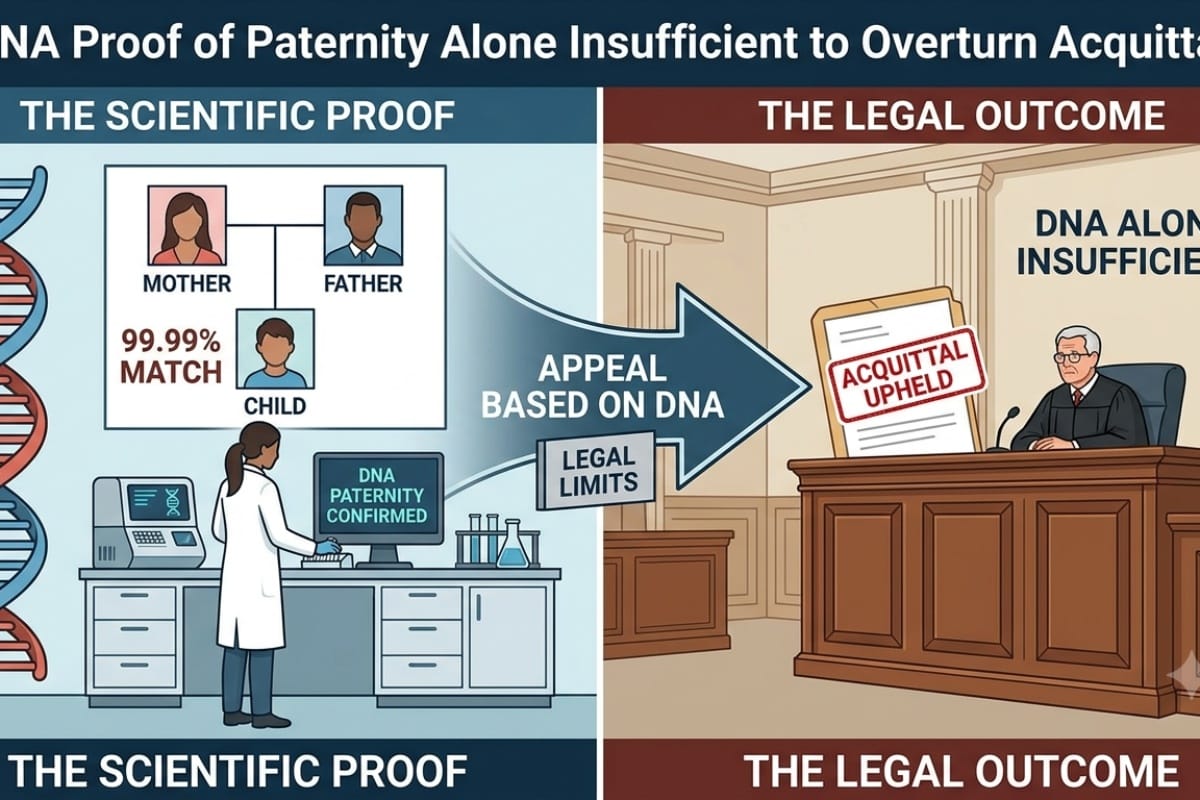
Headnote The Delhi High Court dismissed a prosecutrix's appeal against acquittal of the accused on charges under Sections 328/376 2 n /377/506/509 IPC, despite DNA evidence…
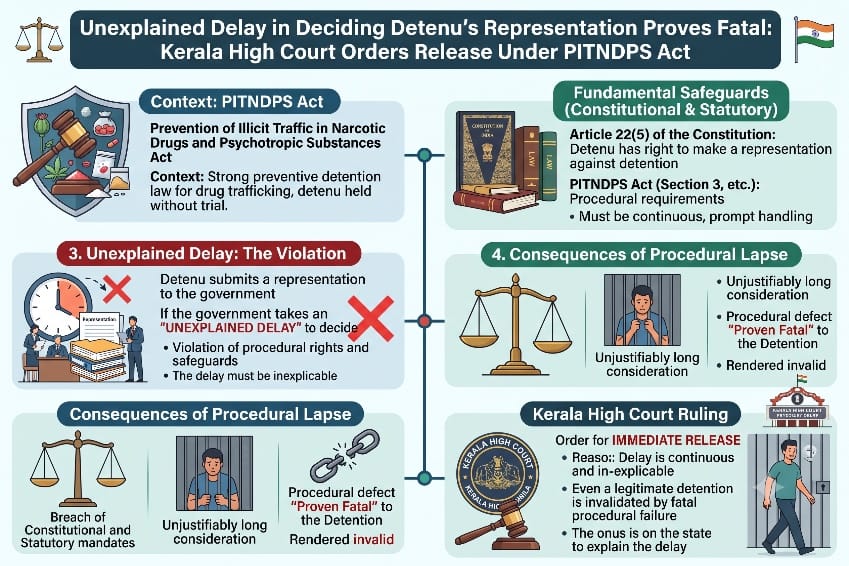
Fathimath Thasneem V.K. v. Union of India and Others | High Court of Kerala at Ernakulam | 3rd September, 2026 A habeas corpus writ petition by the wife of a detenu challenging…
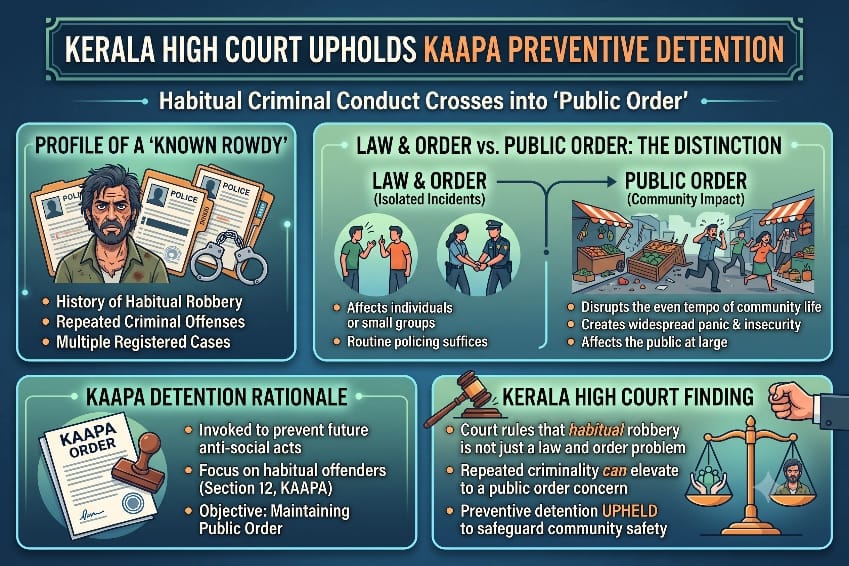
Thasmitha Abukutty v. State of Kerala and Others | High Court of Kerala at Ernakulam | 2nd September, 2026 A writ petition by the wife of a preventive detenu challenging a…
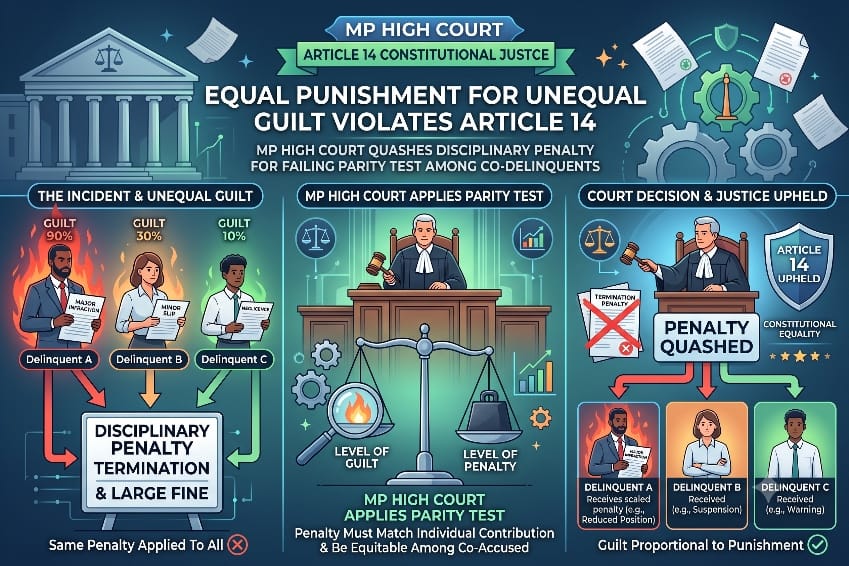
Brahm Kishore Dixit v. The State of Madhya Pradesh and Others | High Court of Madhya Pradesh, Gwalior | 1st September, 2026 A writ petition under Article 226 by a police Assistant…
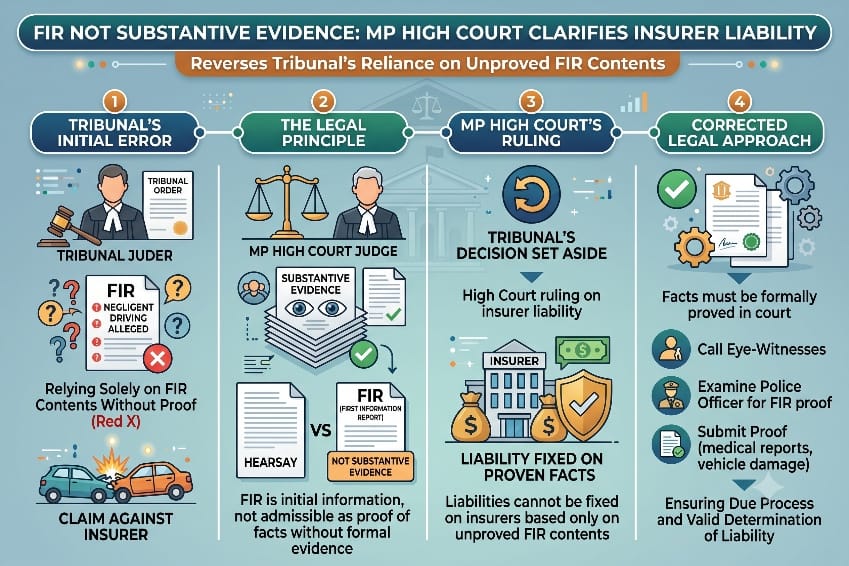
Anil Kumar Patel v. Smt. Munni Bai Barman and Others | High Court of Madhya Pradesh, Jabalpur | 1st September, 2026 A Motor Vehicle Act appeal under Section 173 1 against a Claims…
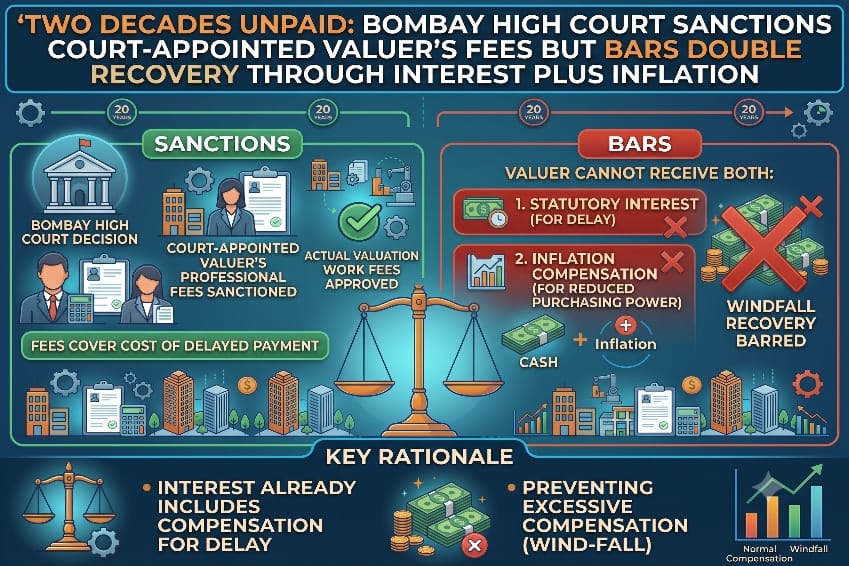
M/s. Kuber Mutual Benefits Ltd. & Ors. v. The State of Maharashtra & Ors. | High Court of Judicature at Bombay Appellate Side | 3rd September, 2026 A Court Receiver's Report…
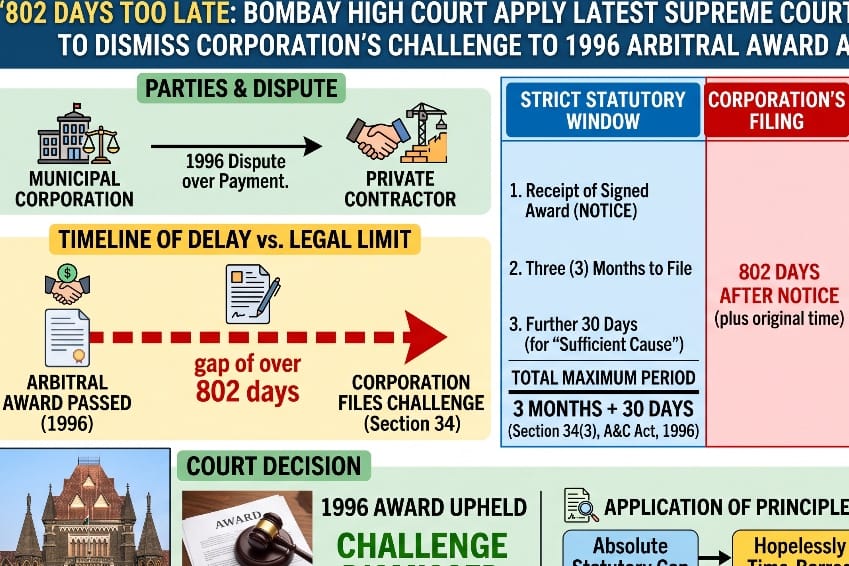
The Municipal Corporation of Greater Bombay v. M/s. Atul Raj Builders Pvt. Ltd. | High Court of Judicature at Bombay Ordinary Original Civil Jurisdiction | 3rd September, 2026 A…
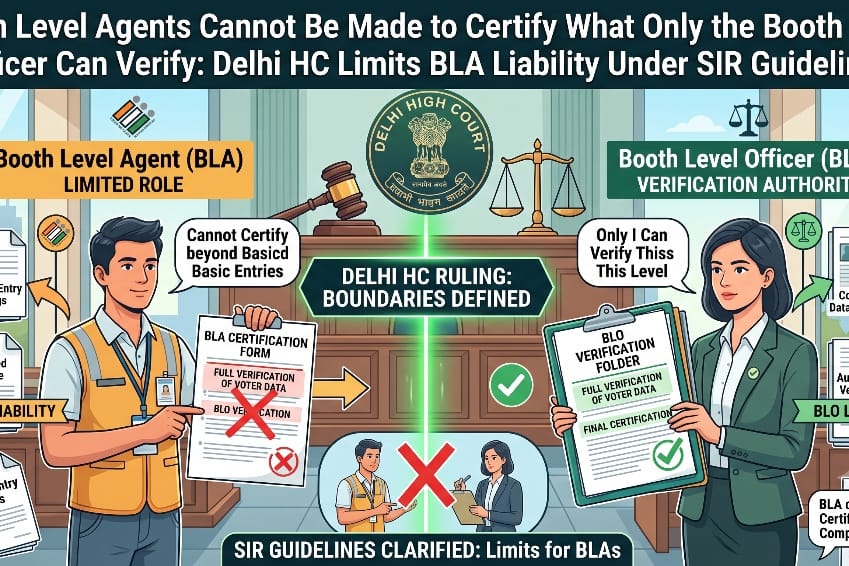
Devender Yadav & Anr. v. Election Commission of India & Anr. | High Court of Delhi Single Judge | Decided on: 03.09.2026 In a challenge to the Election Commission of India's…
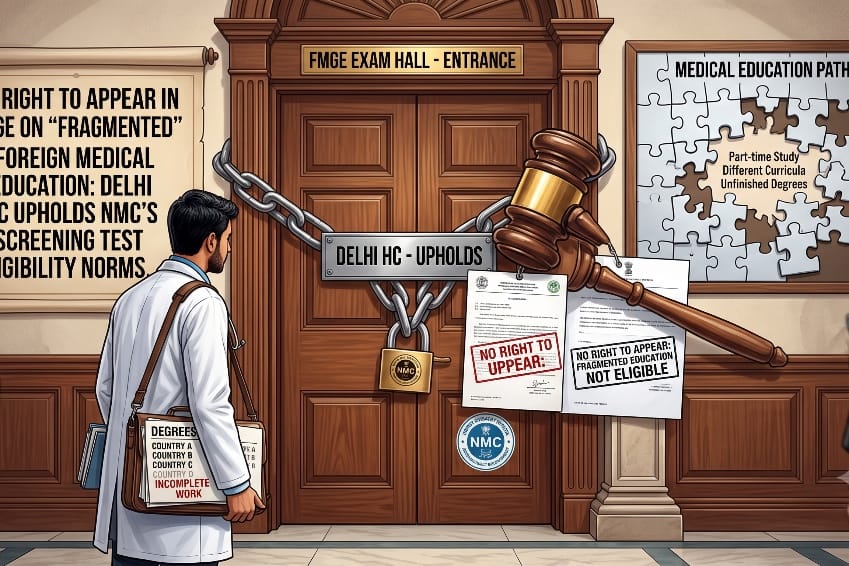
Brij Sharadbhai Bhatt & Ors. v. National Medical Commission & Ors. | High Court of Delhi Division Bench | Decided on: 03.09.2026 The Delhi High Court dismissed a challenge by…