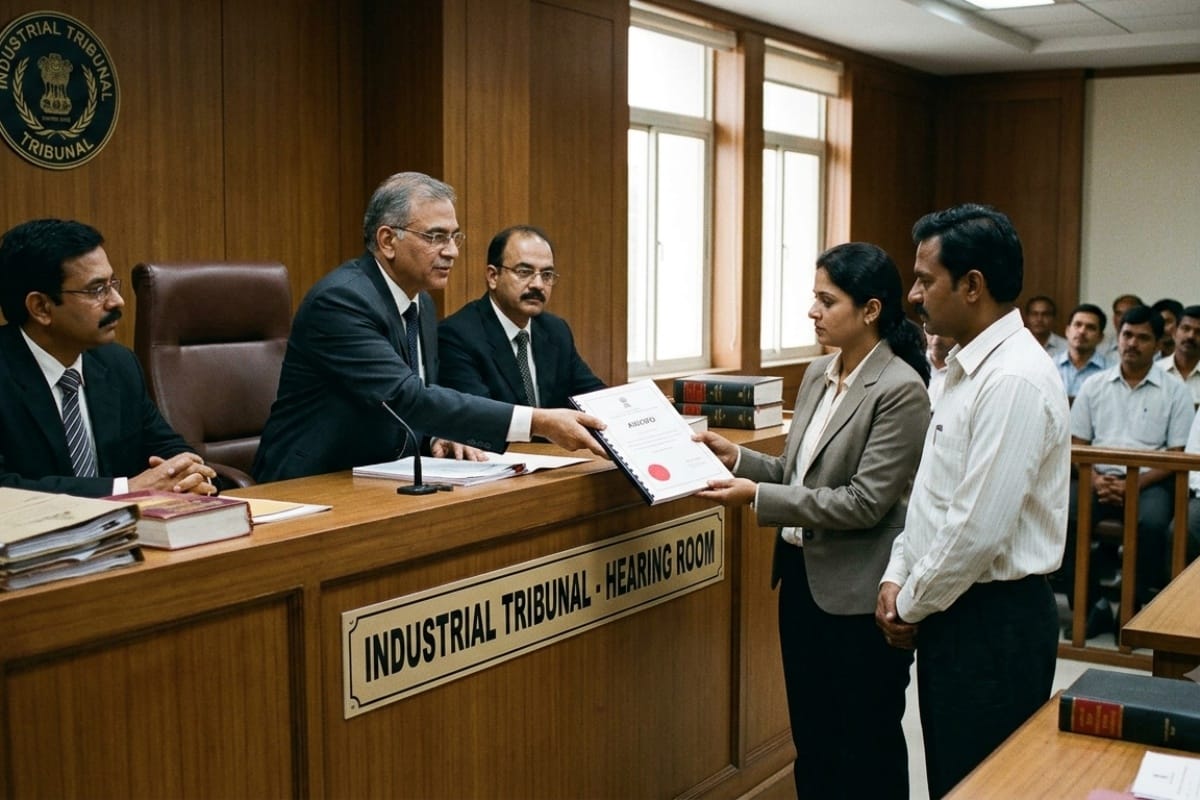
Deciding two connected writ petitions arising from a common Industrial Tribunal Award, the Delhi High Court set aside the Tribunal's direction granting hotel workmen a further…
Labour Laws
06/09/20264 min read
Update / Judgement Date
27 Oct 2025
Source
WCP News Bulletin
Author
Sakshi Bhardwaj — WCP Legal Desk
Reading Time
3 min read
The Delhi Bench of the Income Tax Appellate Tribunal (ITAT) deleted an addition of ₹48,19,438 made under Section 68 of the Income Tax Act, 1961, treating Long-Term Capital Gains (LTCG) on sale of shares of Kappac Pharma Ltd. as unexplained income. The Tribunal held that mere suspicion arising from high appreciation in penny stock value, off-market purchase, or reliance on investigation reports is insufficient without concrete evidence linking the assessee to price manipulation or accommodation entry transactions.
Mere reliance on general investigation reports or market suspicion is insufficient for additions under Section 68.
Documentary evidence proving purchase, holding, and sale through legitimate channels must be given due consideration.
The burden of proof shifts back to the Revenue once the assessee establishes genuineness through verifiable records.
The decision reinforces the principle that tax authorities must rely on evidence, not presumptions, in cases involving alleged penny stock transactions.
Citation: 2025:ITAT:DEL:3605
Case: Anjali Gupta v. Income Tax Officer, Ward–1(2), Gurgaon
Court: Income Tax Appellate Tribunal, Delhi Bench
Coram: Shri G.S. Pannu (President) & Shri Chandra Mohan Garg (Judicial Member)
Deciding two connected writ petitions arising from a common Industrial Tribunal Award, the Delhi High Court set aside the Tribunal's direction granting hotel workmen a further…
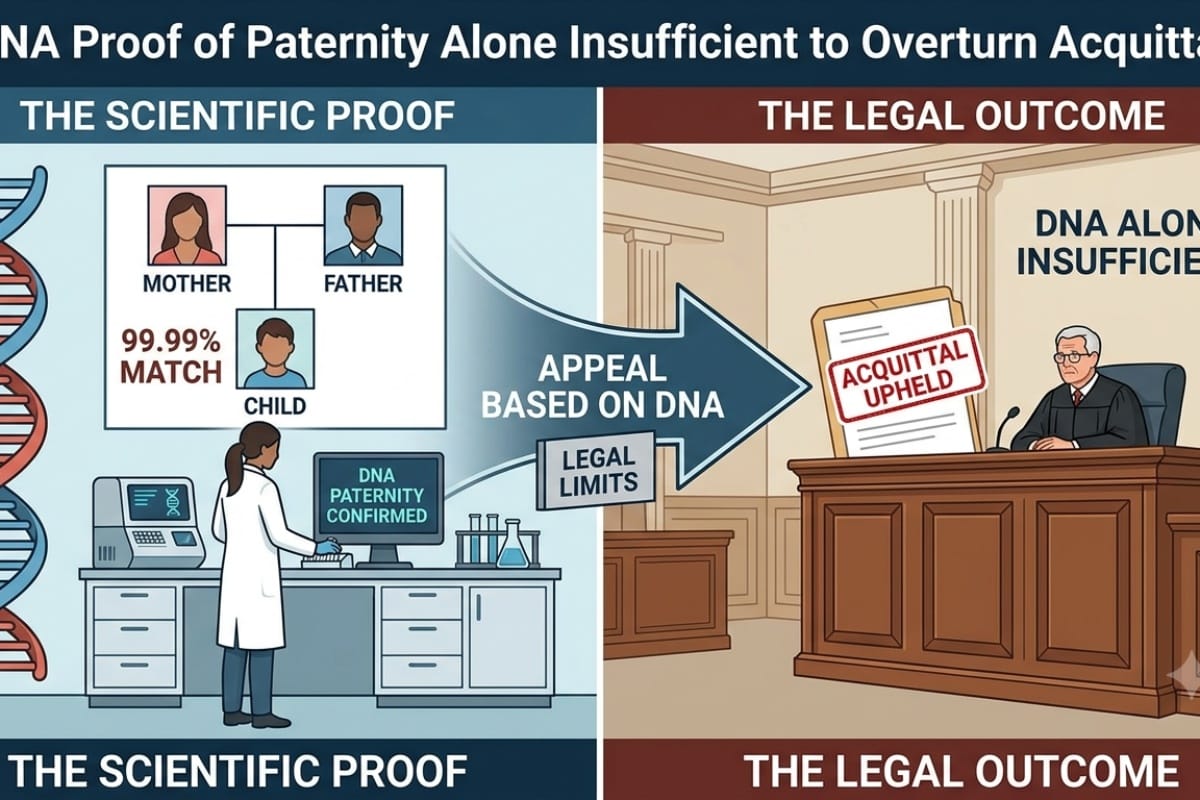
Headnote The Delhi High Court dismissed a prosecutrix's appeal against acquittal of the accused on charges under Sections 328/376 2 n /377/506/509 IPC, despite DNA evidence…
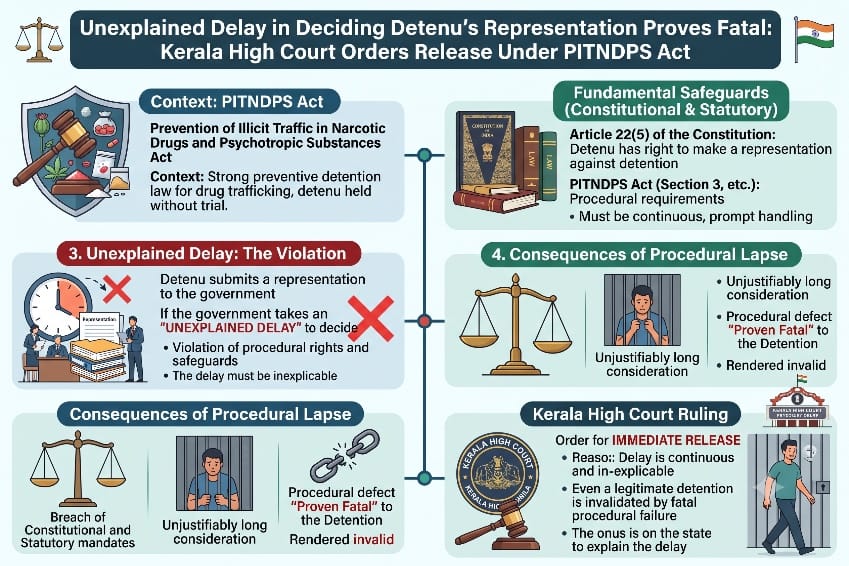
Fathimath Thasneem V.K. v. Union of India and Others | High Court of Kerala at Ernakulam | 3rd September, 2026 A habeas corpus writ petition by the wife of a detenu challenging…
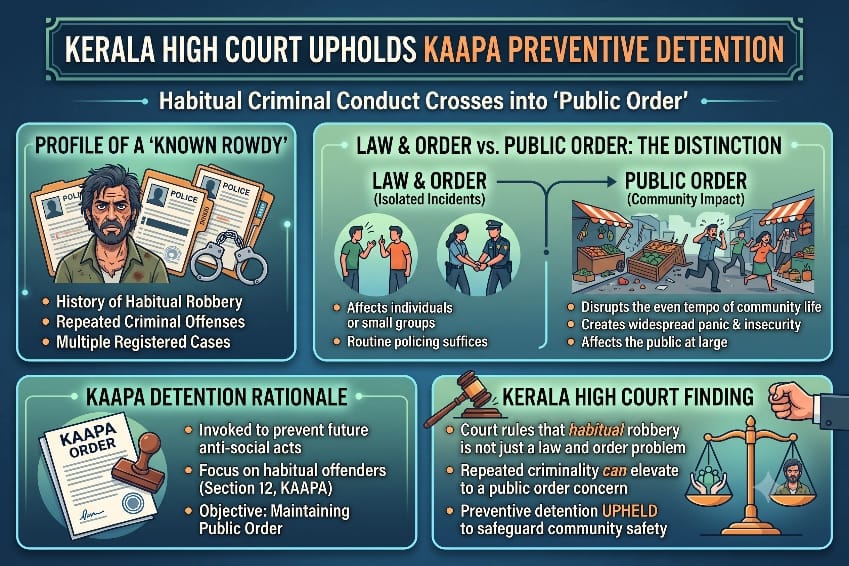
Thasmitha Abukutty v. State of Kerala and Others | High Court of Kerala at Ernakulam | 2nd September, 2026 A writ petition by the wife of a preventive detenu challenging a…
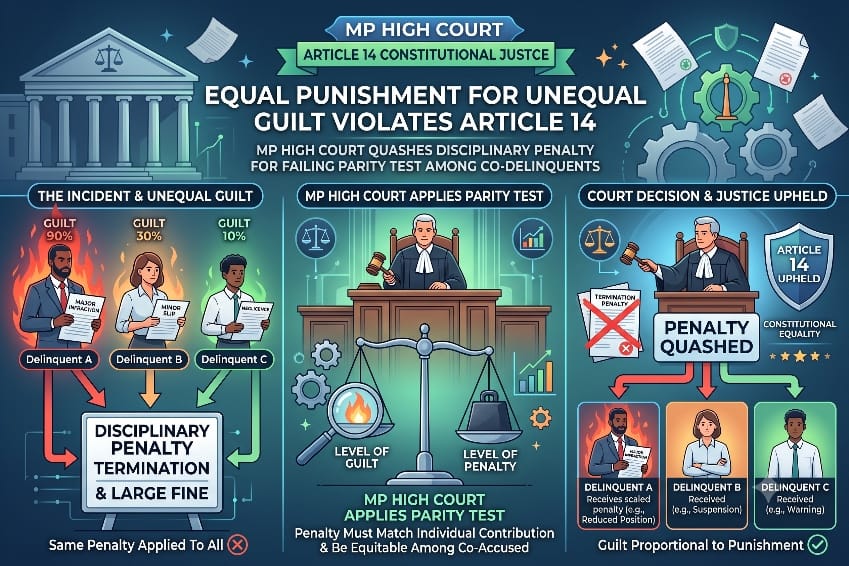
Brahm Kishore Dixit v. The State of Madhya Pradesh and Others | High Court of Madhya Pradesh, Gwalior | 1st September, 2026 A writ petition under Article 226 by a police Assistant…
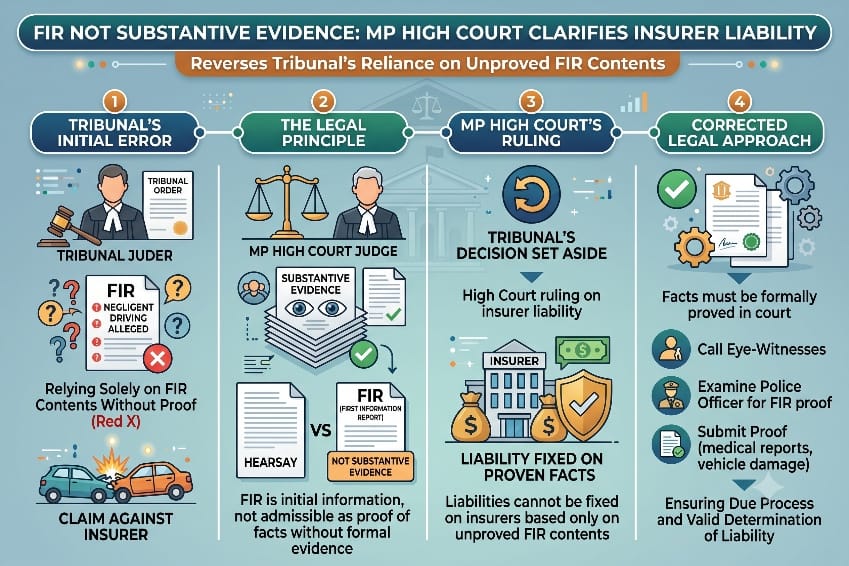
Anil Kumar Patel v. Smt. Munni Bai Barman and Others | High Court of Madhya Pradesh, Jabalpur | 1st September, 2026 A Motor Vehicle Act appeal under Section 173 1 against a Claims…
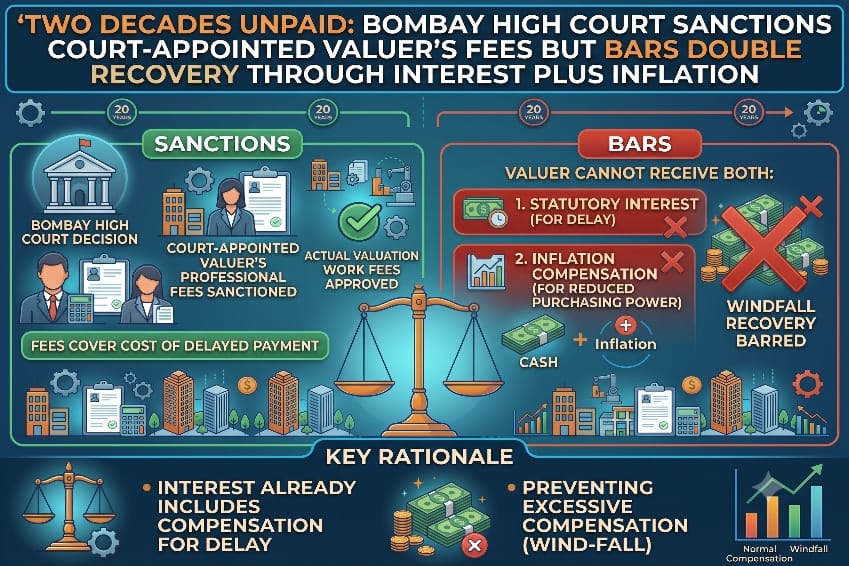
M/s. Kuber Mutual Benefits Ltd. & Ors. v. The State of Maharashtra & Ors. | High Court of Judicature at Bombay Appellate Side | 3rd September, 2026 A Court Receiver's Report…
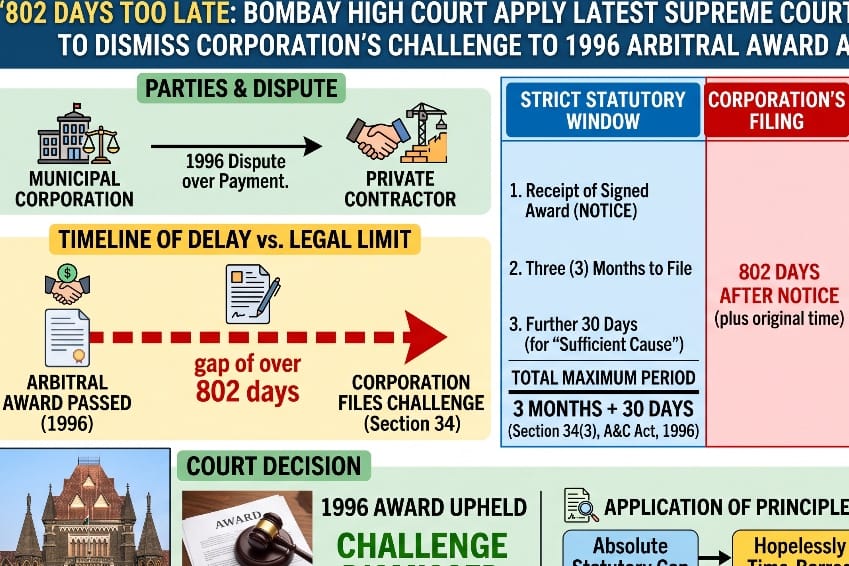
The Municipal Corporation of Greater Bombay v. M/s. Atul Raj Builders Pvt. Ltd. | High Court of Judicature at Bombay Ordinary Original Civil Jurisdiction | 3rd September, 2026 A…
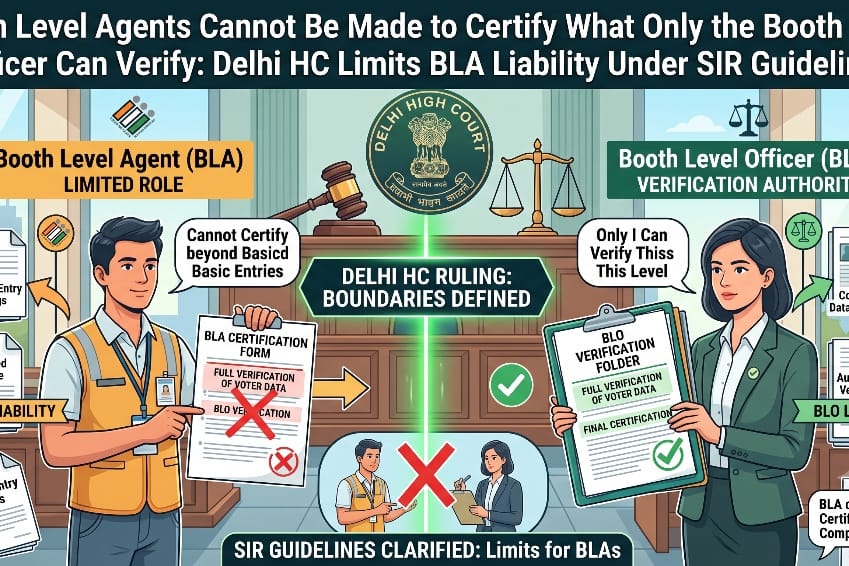
Devender Yadav & Anr. v. Election Commission of India & Anr. | High Court of Delhi Single Judge | Decided on: 03.09.2026 In a challenge to the Election Commission of India's…
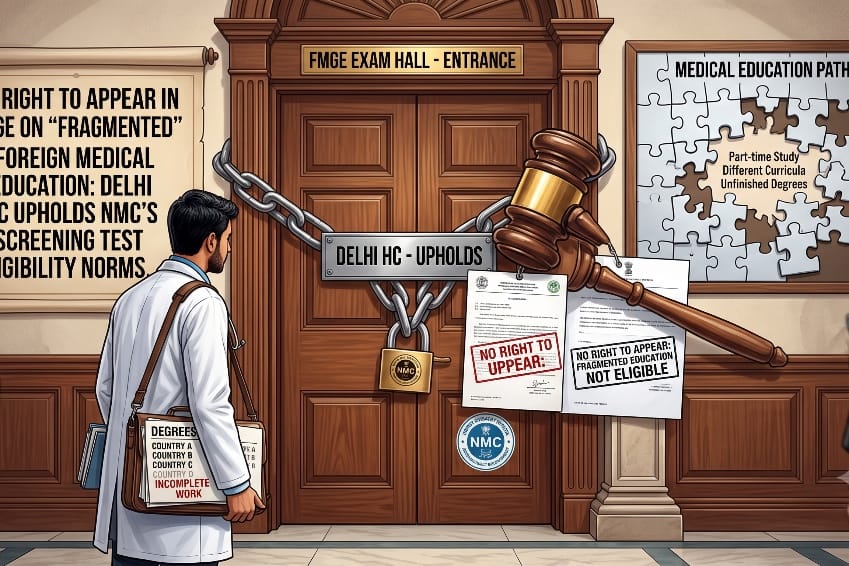
Brij Sharadbhai Bhatt & Ors. v. National Medical Commission & Ors. | High Court of Delhi Division Bench | Decided on: 03.09.2026 The Delhi High Court dismissed a challenge by…