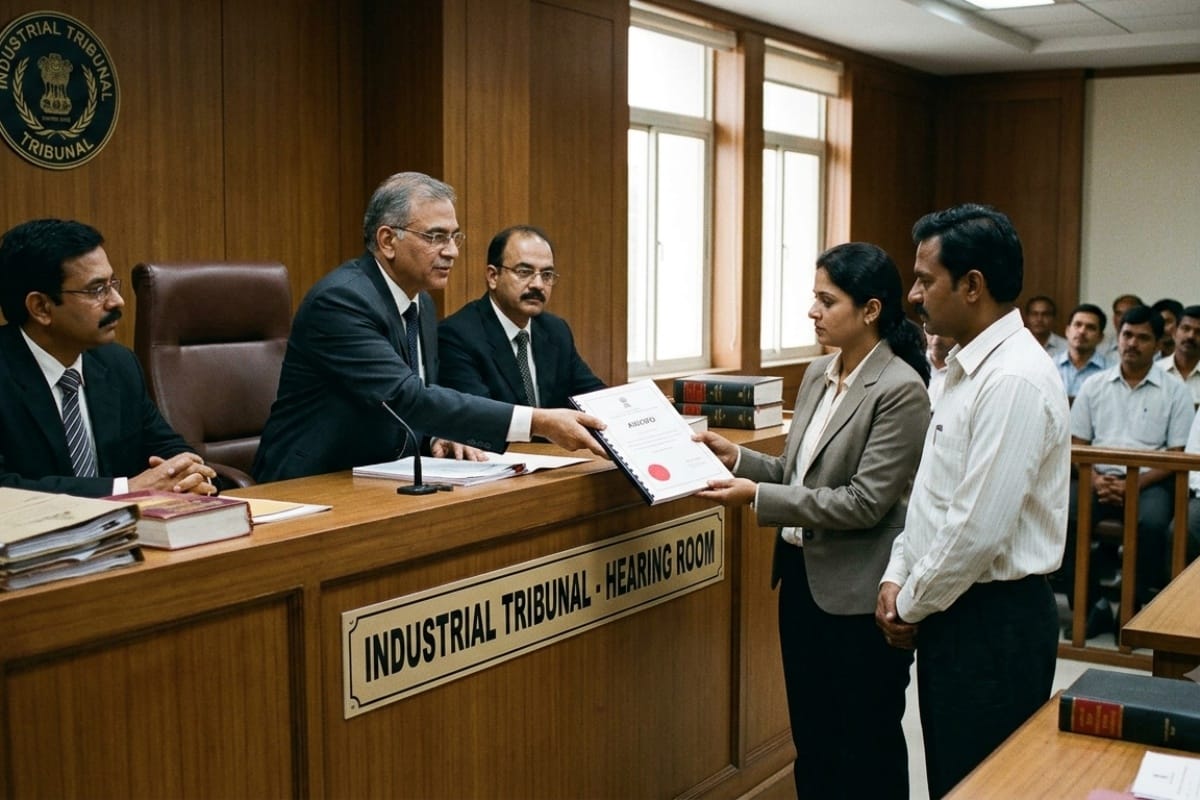
Deciding two connected writ petitions arising from a common Industrial Tribunal Award, the Delhi High Court set aside the Tribunal's direction granting hotel workmen a further…
Labour Laws
06/09/20264 min read
Update / Judgement Date
27 Oct 2025
Source
WCP News Bulletin
Author
Sakshi Bhardwaj — WCP Legal Desk
Reading Time
3 min read
Headnote:
The Income Tax Appellate Tribunal (ITAT) quashed the revision order passed under Section 263 of the Income Tax Act, 1961, holding that the underlying reassessment order under Section 147 read with Section 144B was invalid. The Tribunal observed that once the reassessment itself is void, any revision based on it cannot survive. The reassessment was found invalid as the Assessing Officer failed to make additions on the issue for which the case was reopened and did not dispose of the assessee’s objections in accordance with law.
Background:
• The assessee, Sunita Saini, filed an appeal challenging the revision order passed by the Principal Commissioner of Income Tax (PCIT), Faridabad, under Section 263 dated 04.03.2024.
• The reassessment order under Section 147 r.w.s. 144B dated 10.03.2022 was reopened based on information from the Investigation Wing.
• The PCIT held that the reassessment was erroneous and prejudicial to the interest of the Revenue as the Assessing Officer failed to examine certain issues.
• The assessee contended that the reassessment order itself was invalid because:
– The AO did not make any addition on the issue for which reopening was initiated.
– The AO did not pass a speaking order while disposing of the objections to reopening.
– The PCIT relied on Explanation 2 to Section 263(1) in the final order without mentioning it in the show-cause notice.
Court’s Observations:
• The Tribunal relied on the rulings in Ranbaxy Laboratories Ltd. v. CIT (336 ITR 136) and CIT v. Jet Airways (I) Ltd. (331 ITR 236), which held that if no addition is made on the ground of reopening, the entire reassessment is invalid.
• The AO’s failure to pass a speaking order on objections was a violation of the Supreme Court’s judgment in GKN Driveshafts (India) Ltd. v. ITO (259 ITR 19).
• The PCIT exceeded jurisdiction by invoking Explanation 2 to Section 263 without giving prior notice, violating the principles of natural justice as held in PCIT v. Shree Ji Prints Pvt. Ltd. (2021) 130 taxmann.com 294 (SC).
• Consequently, since the reassessment was invalid, the revision order u/s 263 based upon it could not stand.
Legal Provisions Discussed:
• Section 147 – Income escaping assessment.
• Section 144B – Faceless assessment.
• Section 263 – Revision of orders prejudicial to revenue interest.
• Section 151 – Sanction for issue of notice.
• GKN Driveshafts (India) Ltd. v. ITO (259 ITR 19) – Requirement of speaking order on objections to reopening.
• Ranbaxy Laboratories Ltd. v. CIT (336 ITR 136) – Invalid reassessment if no addition made on original issue.
Citation: ITA No. 1877/DEL/2024
Case: Sunita Saini v. Income Tax Officer, Ward 1(4), Faridabad
Court: Income Tax Appellate Tribunal, Delhi Bench “G”
Coram: Shri Challa Nagendra Prasad (Judicial Member) & Shri M. Balaganesh (Accountant Member)
Assessment Year: 2016–17
Deciding two connected writ petitions arising from a common Industrial Tribunal Award, the Delhi High Court set aside the Tribunal's direction granting hotel workmen a further…
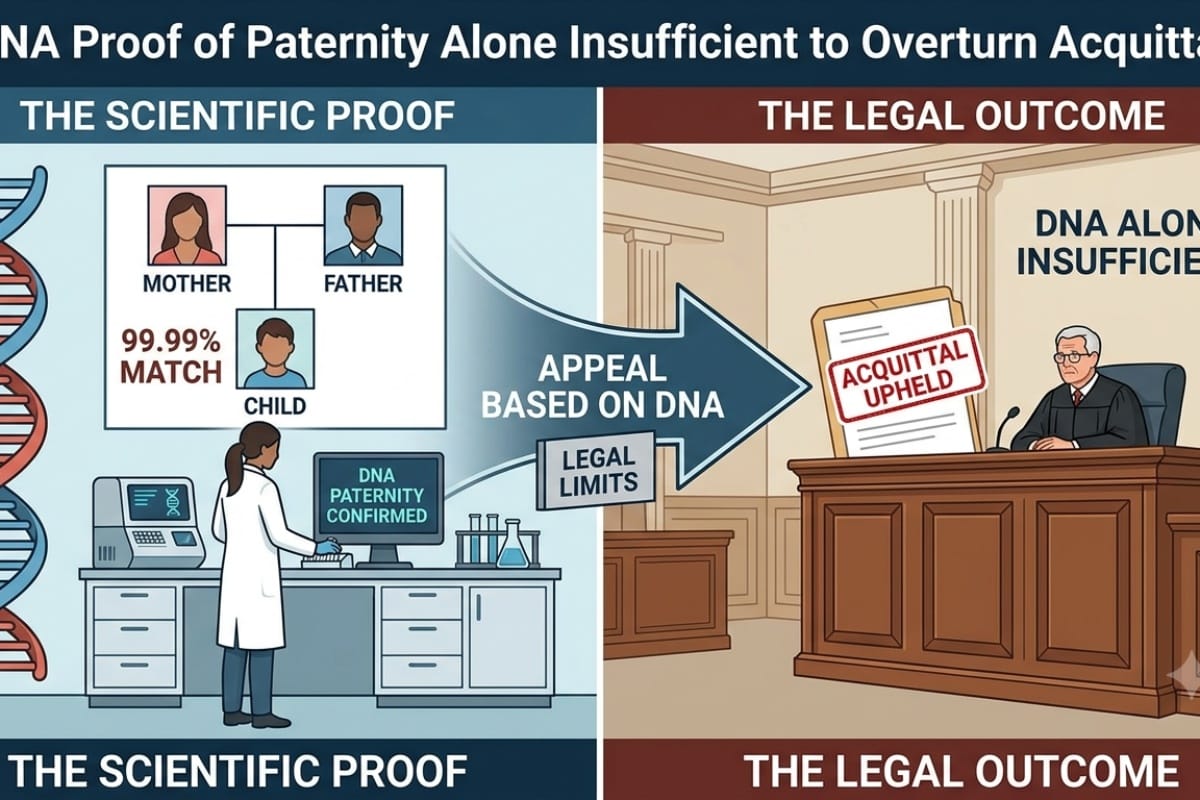
Headnote The Delhi High Court dismissed a prosecutrix's appeal against acquittal of the accused on charges under Sections 328/376 2 n /377/506/509 IPC, despite DNA evidence…
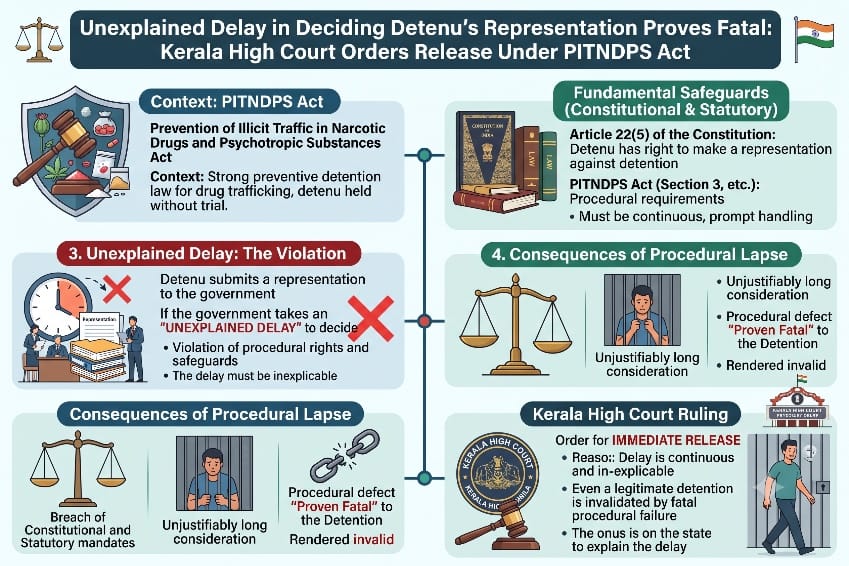
Fathimath Thasneem V.K. v. Union of India and Others | High Court of Kerala at Ernakulam | 3rd September, 2026 A habeas corpus writ petition by the wife of a detenu challenging…
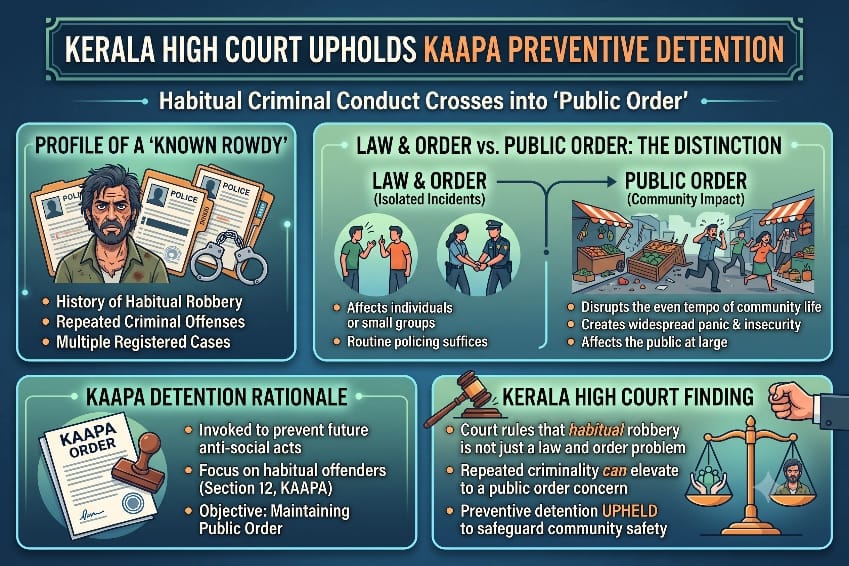
Thasmitha Abukutty v. State of Kerala and Others | High Court of Kerala at Ernakulam | 2nd September, 2026 A writ petition by the wife of a preventive detenu challenging a…
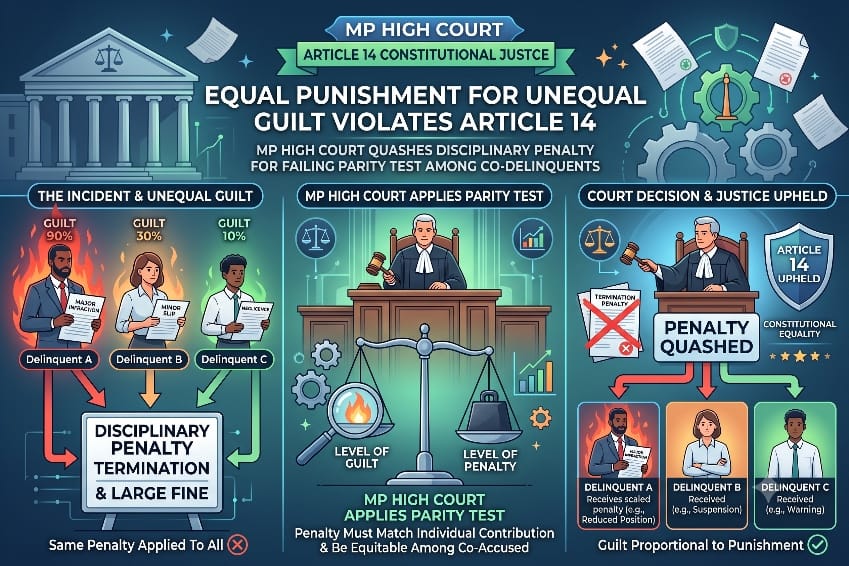
Brahm Kishore Dixit v. The State of Madhya Pradesh and Others | High Court of Madhya Pradesh, Gwalior | 1st September, 2026 A writ petition under Article 226 by a police Assistant…
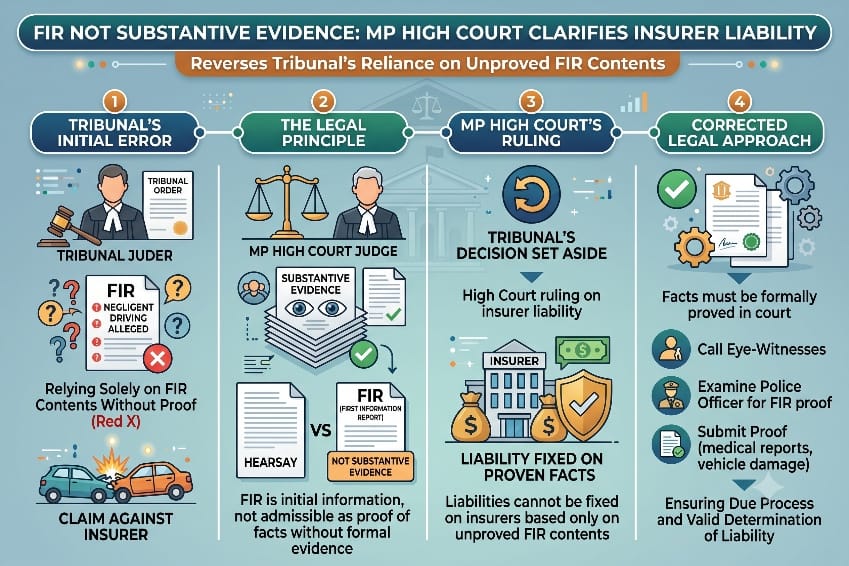
Anil Kumar Patel v. Smt. Munni Bai Barman and Others | High Court of Madhya Pradesh, Jabalpur | 1st September, 2026 A Motor Vehicle Act appeal under Section 173 1 against a Claims…
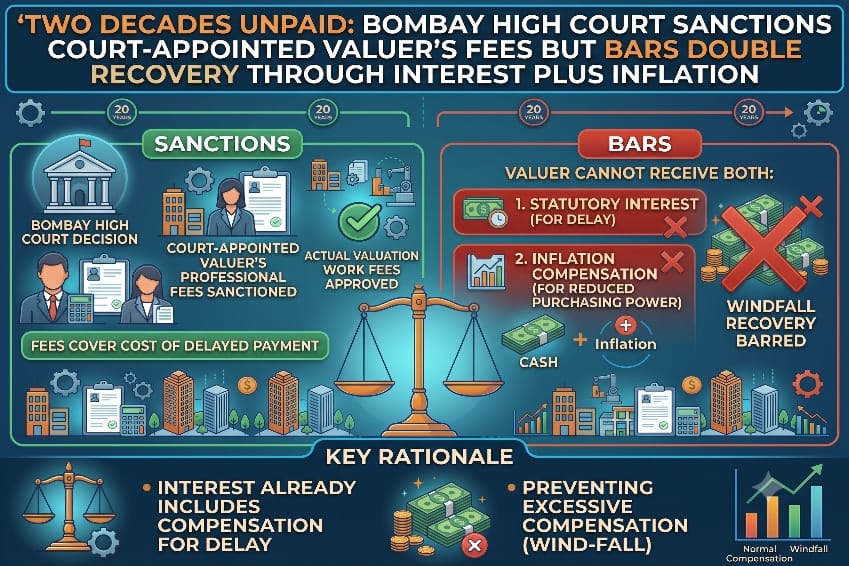
M/s. Kuber Mutual Benefits Ltd. & Ors. v. The State of Maharashtra & Ors. | High Court of Judicature at Bombay Appellate Side | 3rd September, 2026 A Court Receiver's Report…
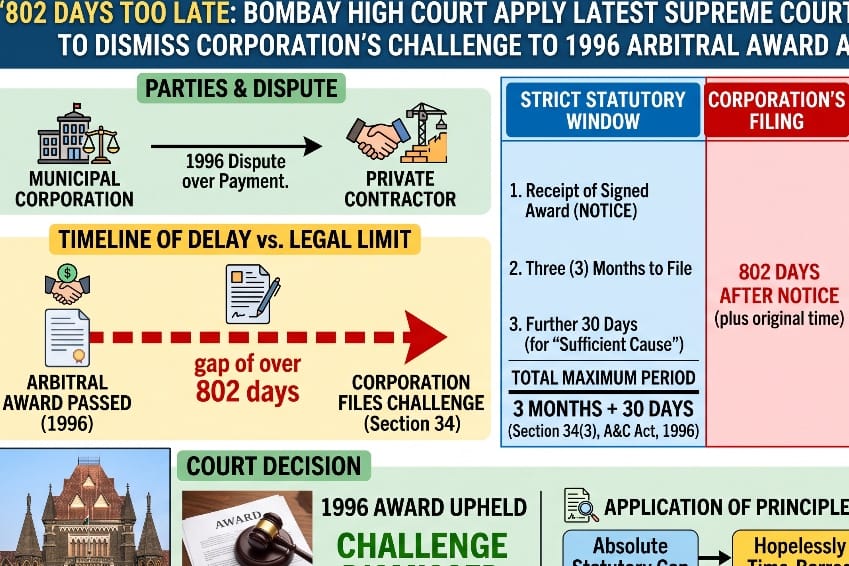
The Municipal Corporation of Greater Bombay v. M/s. Atul Raj Builders Pvt. Ltd. | High Court of Judicature at Bombay Ordinary Original Civil Jurisdiction | 3rd September, 2026 A…
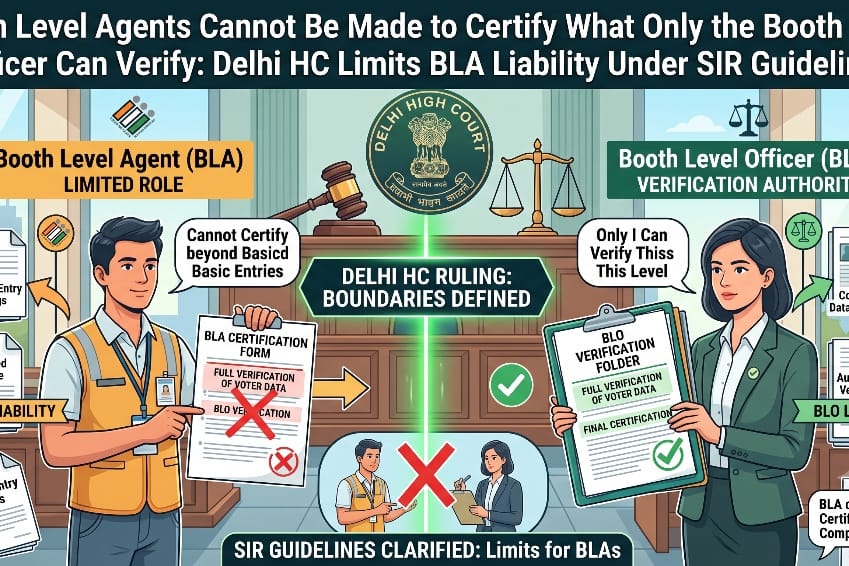
Devender Yadav & Anr. v. Election Commission of India & Anr. | High Court of Delhi Single Judge | Decided on: 03.09.2026 In a challenge to the Election Commission of India's…
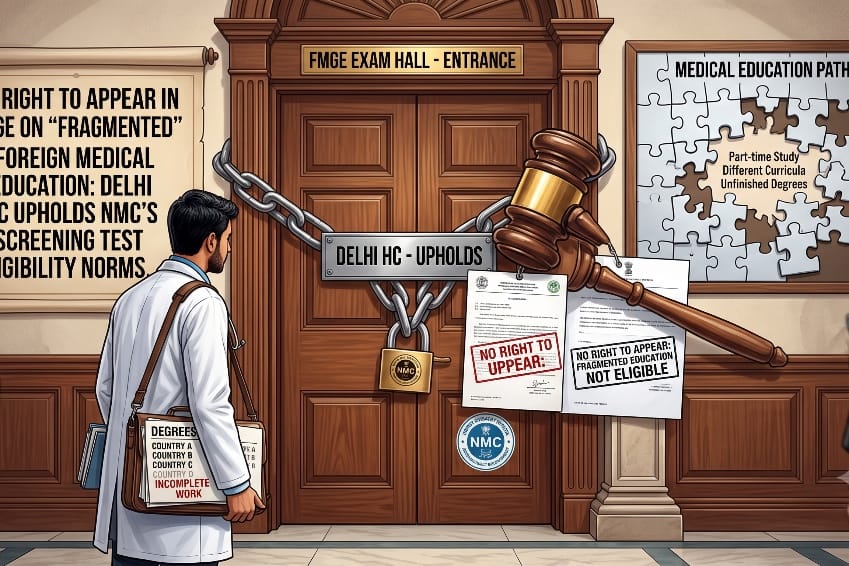
Brij Sharadbhai Bhatt & Ors. v. National Medical Commission & Ors. | High Court of Delhi Division Bench | Decided on: 03.09.2026 The Delhi High Court dismissed a challenge by…