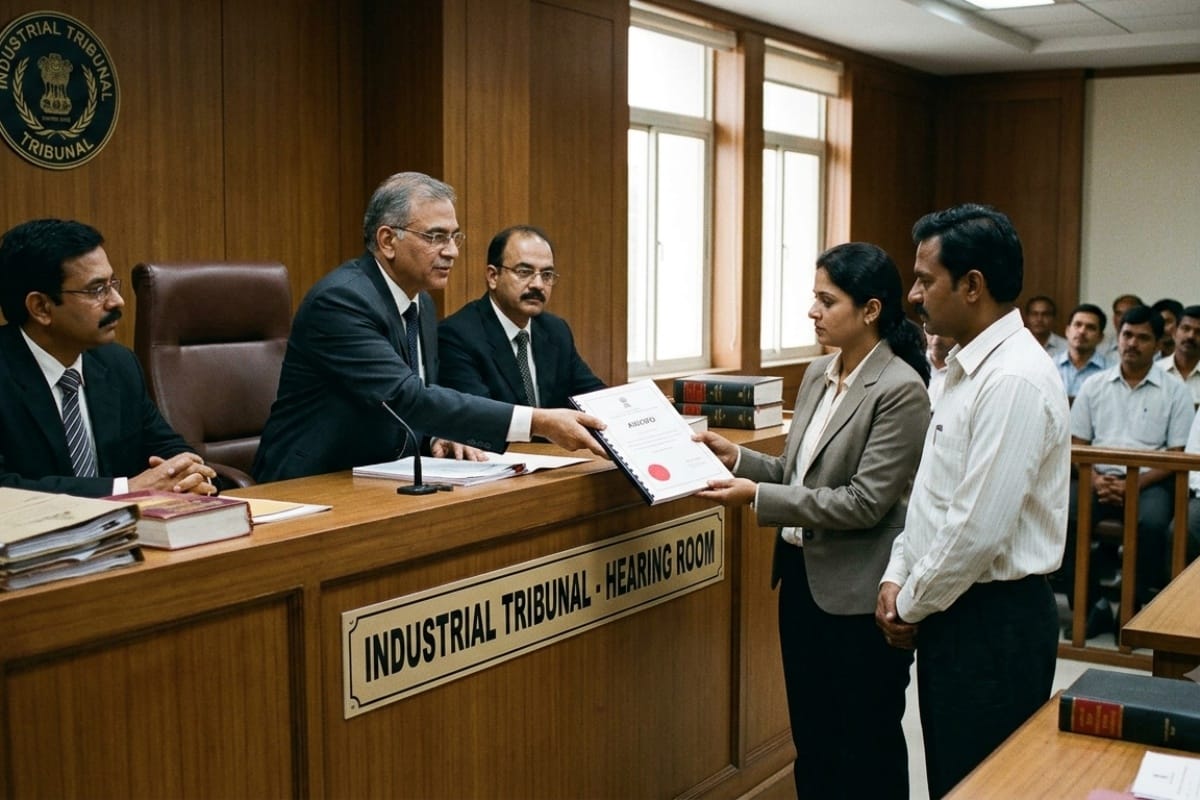
Deciding two connected writ petitions arising from a common Industrial Tribunal Award, the Delhi High Court set aside the Tribunal's direction granting hotel workmen a further…
Labour Laws
06/09/20264 min read
Update / Judgement Date
29 Oct 2025
Source
WCP News Bulletin
Author
Sakshi Bhardwaj — WCP Legal Desk
Reading Time
4 min read
The Delhi Bench of the ITAT upheld the Commissioner of Income Tax (Appeals)’s order favouring PVR Ltd., dismissing Revenue’s appeals. The Tribunal ruled that (i) entertainment tax subsidies from state governments are capital receipts, not taxable; (ii) leasehold improvement expenses are revenue in nature, even if capitalized in books; (iii) Section 14A disallowance applies only to investments that yielded exempt income; (iv) no TDS is required on bank charges as per CBDT Circular No. 56/2012; and (v) provisions for gratuity, leave encashment, and bonus are ascertained statutory liabilities, not to be added under Section 115JB for MAT computation. All Revenue appeals were dismissed, and the assessee’s cross-objections were held to be academic.
• PVR Ltd. is engaged in film exhibition, production of cinema advertising, and in-cinema food & beverage sales.
• The Assessing Officer made additions treating subsidies as revenue income, disallowed leasehold improvement expenses, and made disallowances under Sections 14A, 40(a)(ia), and 115JB.
• The CIT(A) deleted these additions based on precedents in PVR’s own earlier cases, leading to appeals by both sides before the ITAT.
• The subsidies were received under E-tax schemes from the States of Uttar Pradesh, Maharashtra, and Madhya Pradesh to promote cinema infrastructure.
• The ITAT affirmed that these are capital receipts, as they were linked to setting up cinema halls and not to revenue operations.
• This issue had already been decided in favour of the assessee by the Delhi High Court and earlier ITAT orders; hence, Revenue’s grounds were rejected.
2. Leasehold Improvement Expenses (₹7.01 crore)• The expenses related to civil and acoustic works like flooring, ceiling, waterproofing, painting, etc., to maintain and improve multiplex premises.
• Though capitalized in books, they were not added to any depreciation block and were claimed as revenue expenditure.
• The Tribunal held that such expenses were recurring refurbishments, not new assets, following prior ITAT and Delhi High Court rulings in PVR’s own cases.
3. Section 14A Disallowance (₹58.76 lakh)• The AO wrongly applied Rule 8D to all investments, including those not generating exempt income.
• The CIT(A) restricted the disallowance to ₹1.27 lakh.
• The ITAT upheld this, relying on PCIT v. Era Infrastructure (India) Ltd. [2022] 141 taxmann.com 289 (Delhi HC), holding that Rule 8D applies only to income-yielding investments, and that the 2022 amendment is not retrospective.
4. Disallowance under Section 40(a)(ia) – Bank Charges (₹2.02 crore)• The AO disallowed expenses for non-deduction of TDS on credit card commission, bank guarantee, cash management, and commitment charges.
• The CIT(A) deleted the addition applying CBDT Circular No. 56/2012, which clarifies that no TDS is required on such payments to banks.
• The ITAT upheld the deletion, relying on PCIT v. Make My Trip (India) Pvt. Ltd. [2019] 104 taxmann.com 263 (Delhi HC), confirming the circular’s retrospective applicability.
5. MAT Adjustments under Section 115JB• The AO added provisions for gratuity, leave encashment, bonus, and Section 14A disallowance to book profits as unascertained liabilities.
• The ITAT held these were ascertained statutory liabilities—
• The assessee’s cross-objections regarding MAT treatment of subsidy were held academic, as the main issue was already decided in its favour.
• All Revenue appeals dismissed.
• Assessee’s appeals and cross-objections dismissed as academic.
• The ITAT reaffirmed that the CIT(A)’s conclusions were consistent with statutory principles and prior judicial precedents.
• Section 14A – Disallowance for expenditure related to exempt income.
• Rule 8D – Method for computing such disallowance.
• Section 40(a)(ia) – Disallowance for failure to deduct tax at source.
• Section 115JB – Computation of book profit under MAT.
• CBDT Circular No. 56/2012 – Clarifies no TDS on certain bank charges.
• Judicial References:
Citation: 2025:ITAT(DEL):5403
Case: DCIT, Circle-19(2), New Delhi v. PVR Ltd.
Court: Income Tax Appellate Tribunal, Delhi Bench “F”
Coram: Shri Anubhav Sharma (Judicial Member) & Shri Krinwant Sahay (Accountant Member)
Date of Decision: 29 October 2025
ITA Nos.: 5403/Del/2015, 1963/Del/2018, 2080/Del/2018
Cross Objections: CO Nos. 41/Del/2016 & 47/Del/2022
Deciding two connected writ petitions arising from a common Industrial Tribunal Award, the Delhi High Court set aside the Tribunal's direction granting hotel workmen a further…
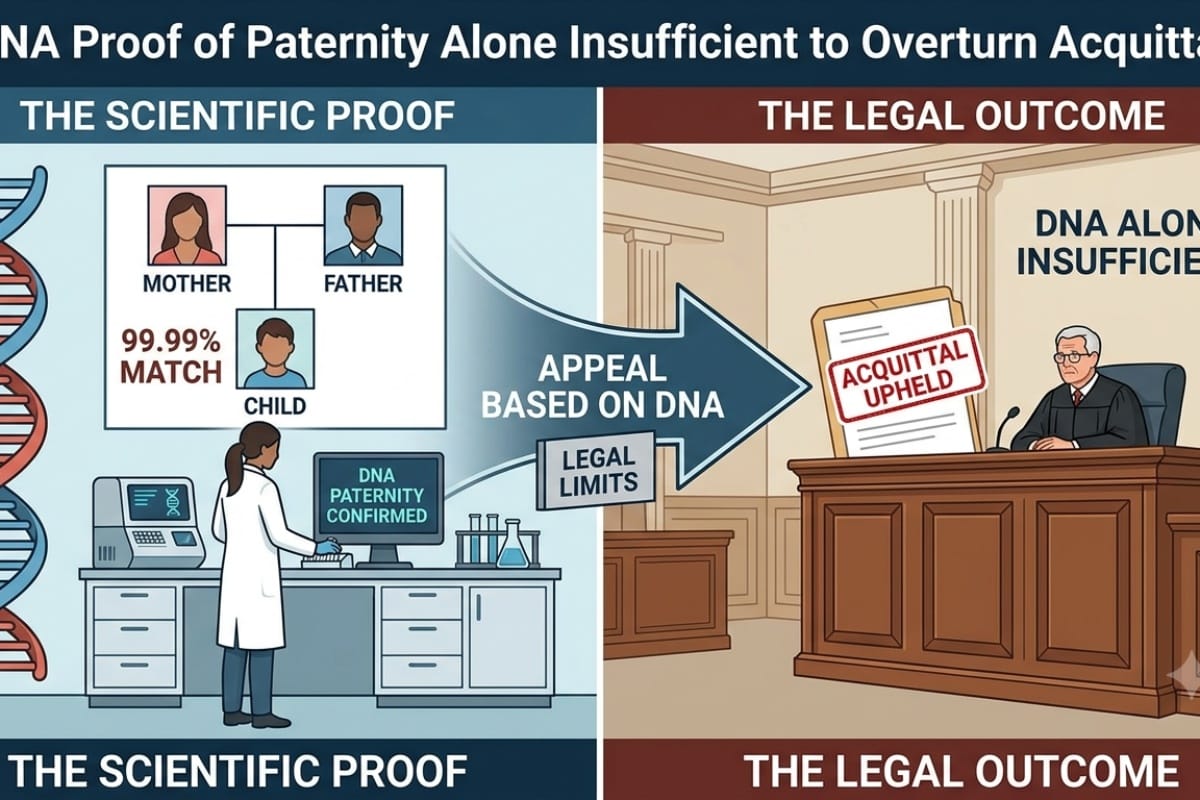
Headnote The Delhi High Court dismissed a prosecutrix's appeal against acquittal of the accused on charges under Sections 328/376 2 n /377/506/509 IPC, despite DNA evidence…
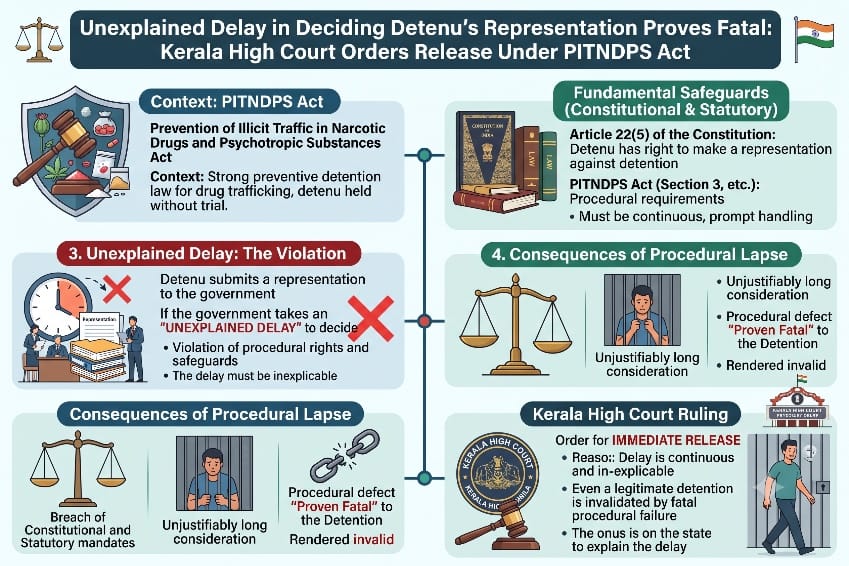
Fathimath Thasneem V.K. v. Union of India and Others | High Court of Kerala at Ernakulam | 3rd September, 2026 A habeas corpus writ petition by the wife of a detenu challenging…
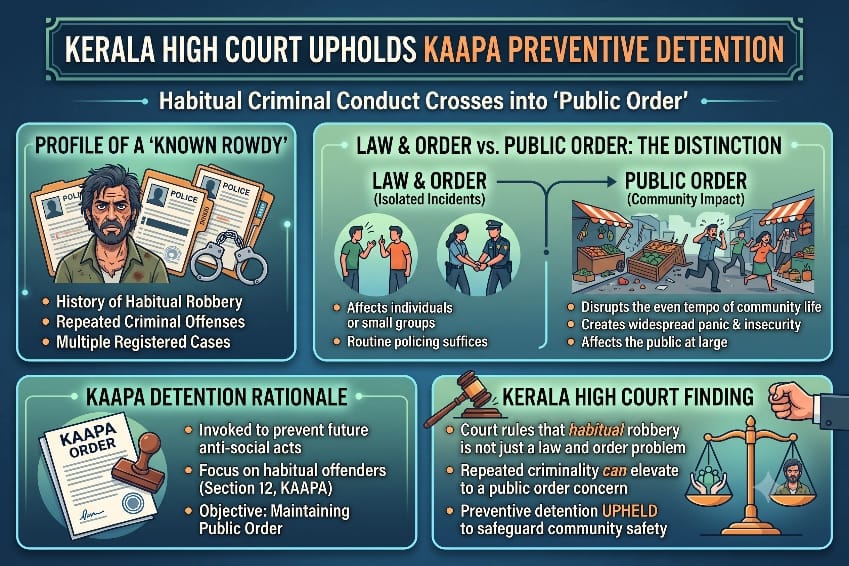
Thasmitha Abukutty v. State of Kerala and Others | High Court of Kerala at Ernakulam | 2nd September, 2026 A writ petition by the wife of a preventive detenu challenging a…
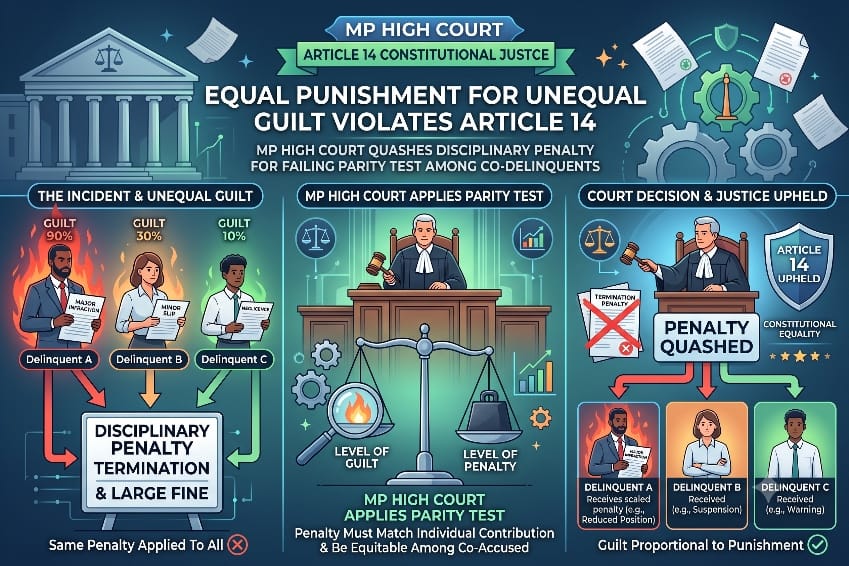
Brahm Kishore Dixit v. The State of Madhya Pradesh and Others | High Court of Madhya Pradesh, Gwalior | 1st September, 2026 A writ petition under Article 226 by a police Assistant…
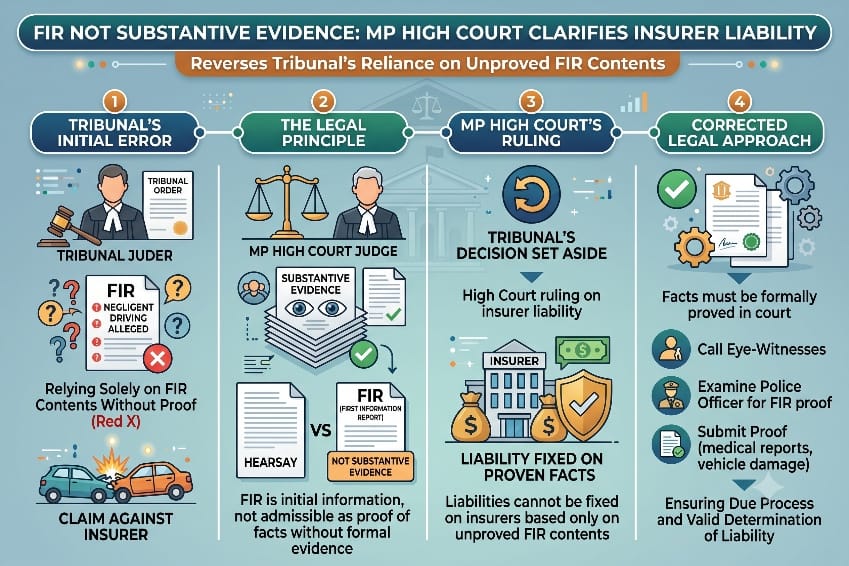
Anil Kumar Patel v. Smt. Munni Bai Barman and Others | High Court of Madhya Pradesh, Jabalpur | 1st September, 2026 A Motor Vehicle Act appeal under Section 173 1 against a Claims…
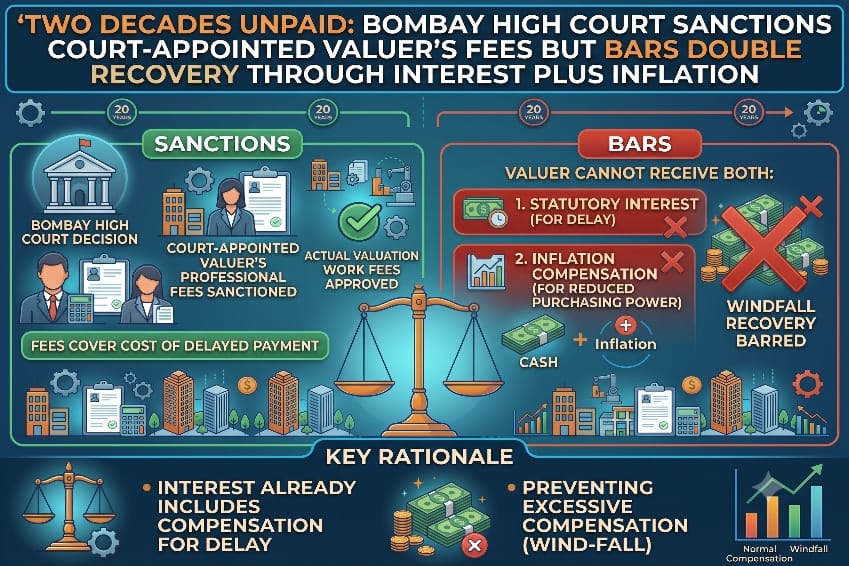
M/s. Kuber Mutual Benefits Ltd. & Ors. v. The State of Maharashtra & Ors. | High Court of Judicature at Bombay Appellate Side | 3rd September, 2026 A Court Receiver's Report…
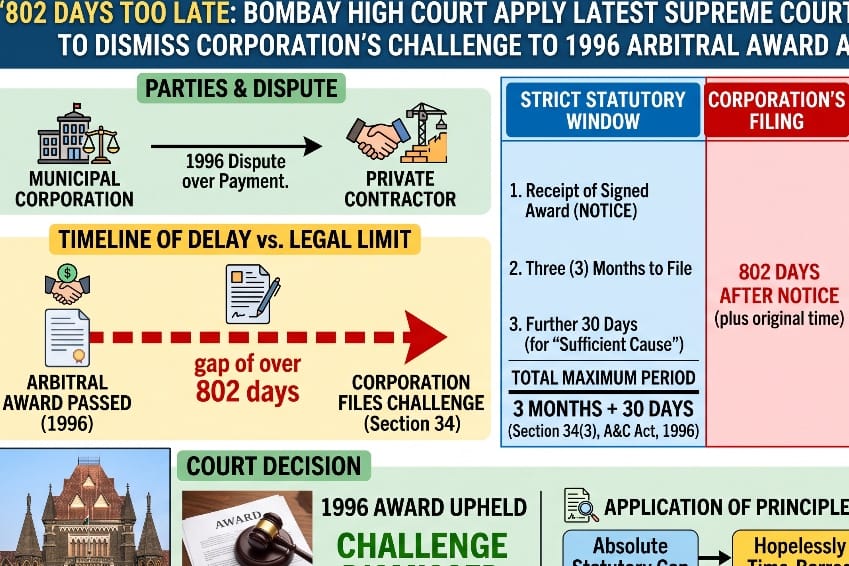
The Municipal Corporation of Greater Bombay v. M/s. Atul Raj Builders Pvt. Ltd. | High Court of Judicature at Bombay Ordinary Original Civil Jurisdiction | 3rd September, 2026 A…
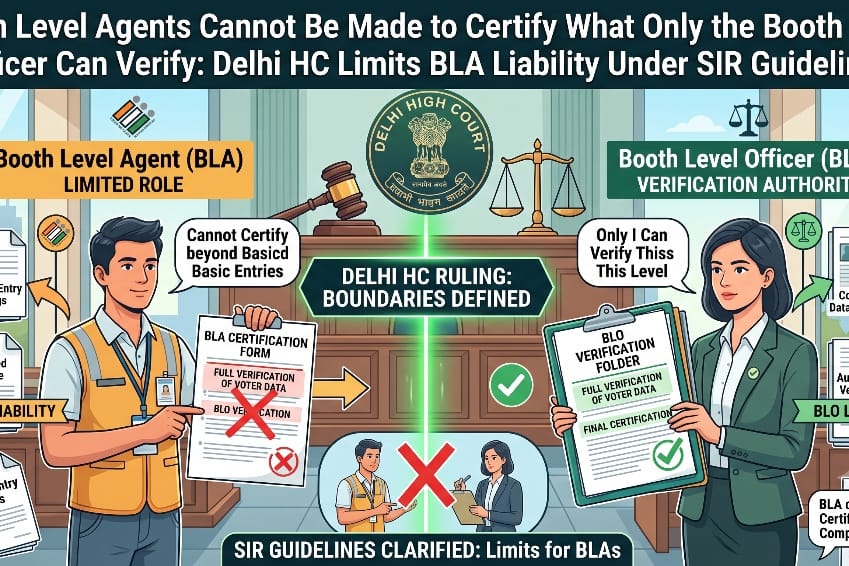
Devender Yadav & Anr. v. Election Commission of India & Anr. | High Court of Delhi Single Judge | Decided on: 03.09.2026 In a challenge to the Election Commission of India's…
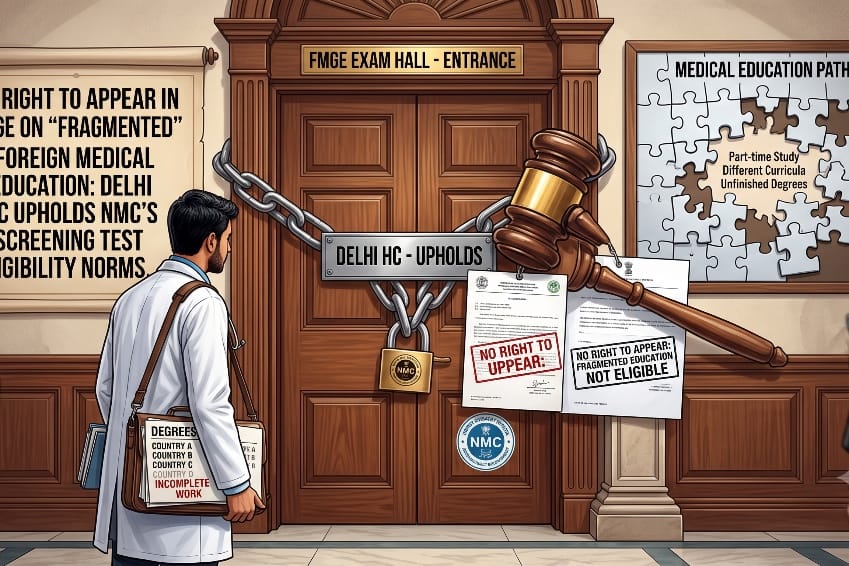
Brij Sharadbhai Bhatt & Ors. v. National Medical Commission & Ors. | High Court of Delhi Division Bench | Decided on: 03.09.2026 The Delhi High Court dismissed a challenge by…