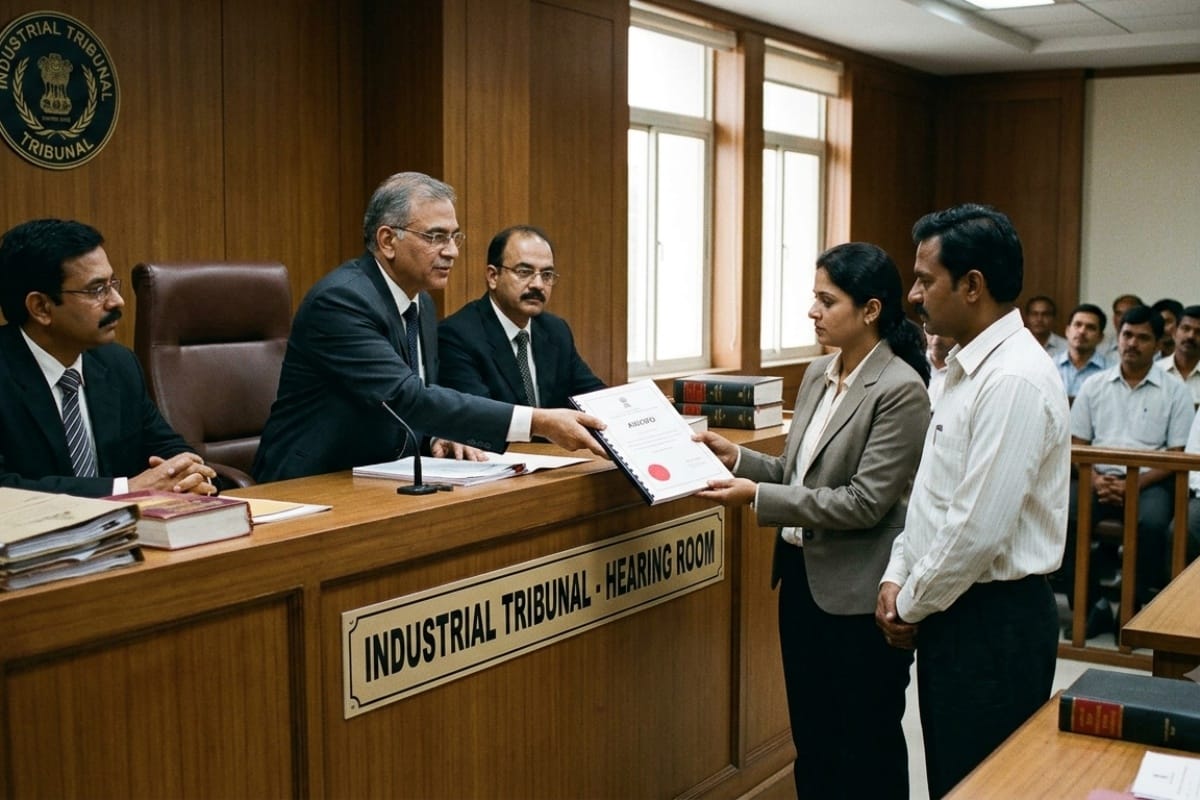
Deciding two connected writ petitions arising from a common Industrial Tribunal Award, the Delhi High Court set aside the Tribunal's direction granting hotel workmen a further…
Labour Laws
06/09/20264 min read
This article outlines legislative and policy changes proposed (and debated) to replace archaic colonial era port laws with a modern Indian Ports Act aimed at creating an integrated tariff framework, enhancing regulatory governance, and improving commercial operation of ports. The new framework contemplates clearer powers for port regulators, tariff setting mechanisms aligned with market realities, dispute resolution pathways, and measures to enhance private investment and PPP models. It discusses objectives: streamlined licensing, uniform safety/security standards, modernization of tariff schedules, and empowerment of port authorities to act commercially while protecting stakeholder interests. Legal practitioners and port operators should note implications for concession agreements, re-negotiation of legacy contracts, labour regulations, and environmental compliance. For policymakers, the piece stresses the balance between regulatory oversight and commercial autonomy to attract capital while safeguarding public interest. The enactment would have broad ramifications for maritime logistics, trade facilitation, and India’s competitiveness in port services — necessitating transitional arrangements for existing contracts and tariff orders.
Deciding two connected writ petitions arising from a common Industrial Tribunal Award, the Delhi High Court set aside the Tribunal's direction granting hotel workmen a further…

Headnote The Delhi High Court dismissed a prosecutrix's appeal against acquittal of the accused on charges under Sections 328/376 2 n /377/506/509 IPC, despite DNA evidence…
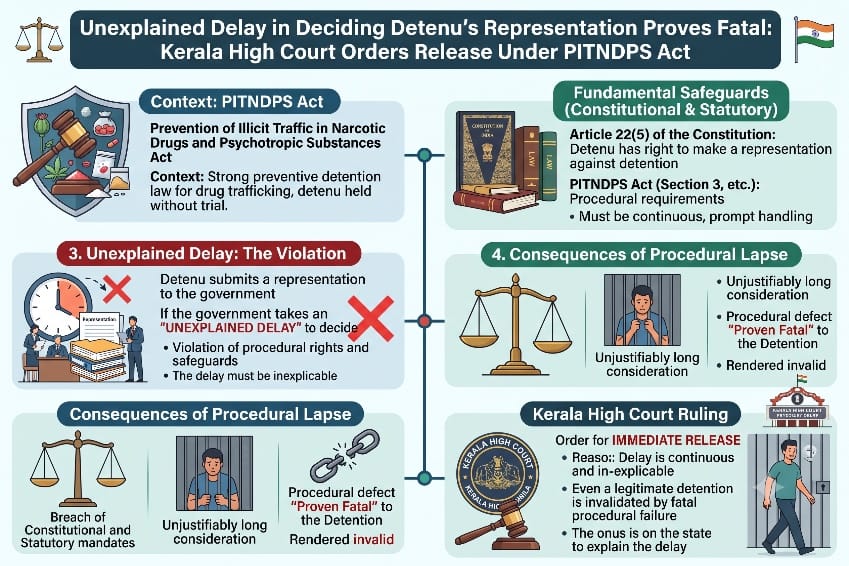
Fathimath Thasneem V.K. v. Union of India and Others | High Court of Kerala at Ernakulam | 3rd September, 2026 A habeas corpus writ petition by the wife of a detenu challenging…
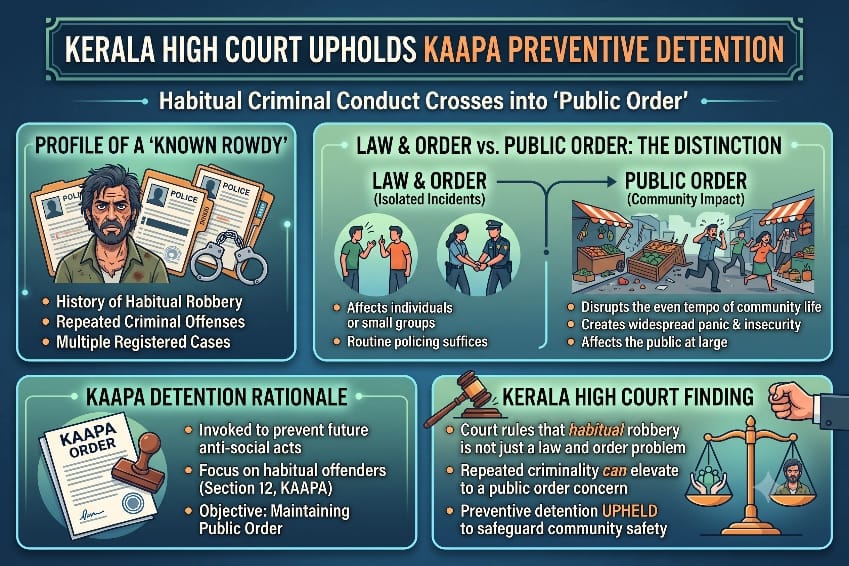
Thasmitha Abukutty v. State of Kerala and Others | High Court of Kerala at Ernakulam | 2nd September, 2026 A writ petition by the wife of a preventive detenu challenging a…
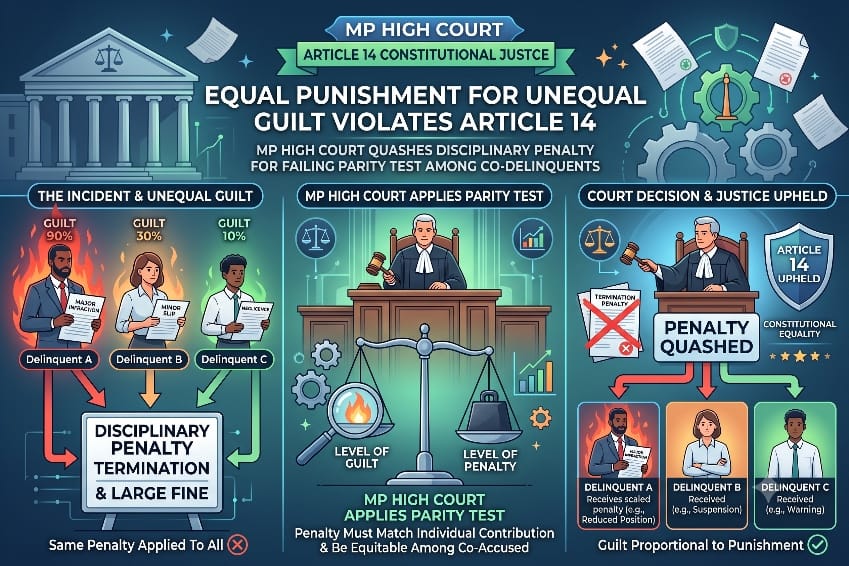
Brahm Kishore Dixit v. The State of Madhya Pradesh and Others | High Court of Madhya Pradesh, Gwalior | 1st September, 2026 A writ petition under Article 226 by a police Assistant…
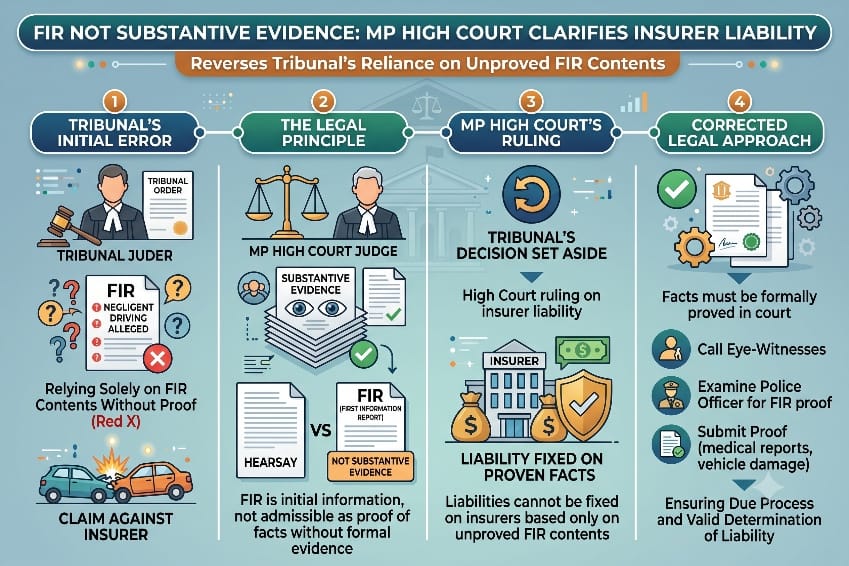
Anil Kumar Patel v. Smt. Munni Bai Barman and Others | High Court of Madhya Pradesh, Jabalpur | 1st September, 2026 A Motor Vehicle Act appeal under Section 173 1 against a Claims…
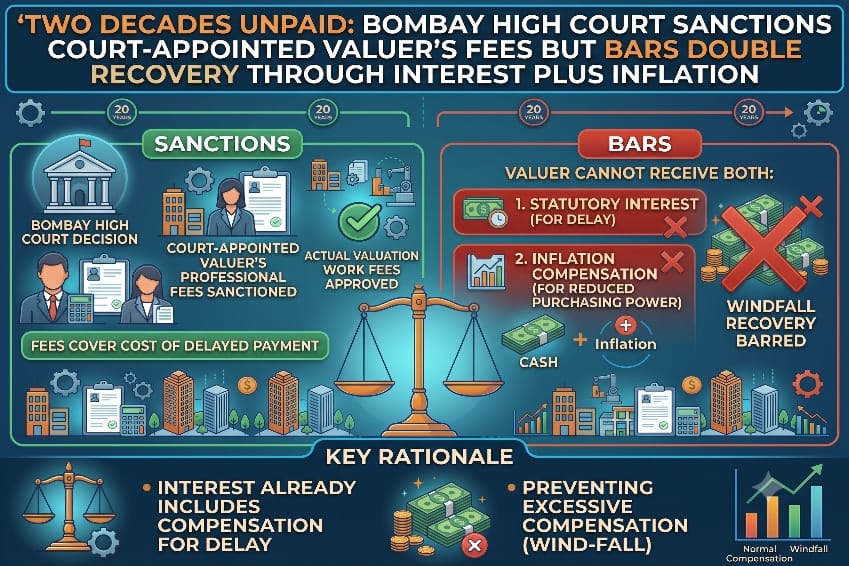
M/s. Kuber Mutual Benefits Ltd. & Ors. v. The State of Maharashtra & Ors. | High Court of Judicature at Bombay Appellate Side | 3rd September, 2026 A Court Receiver's Report…
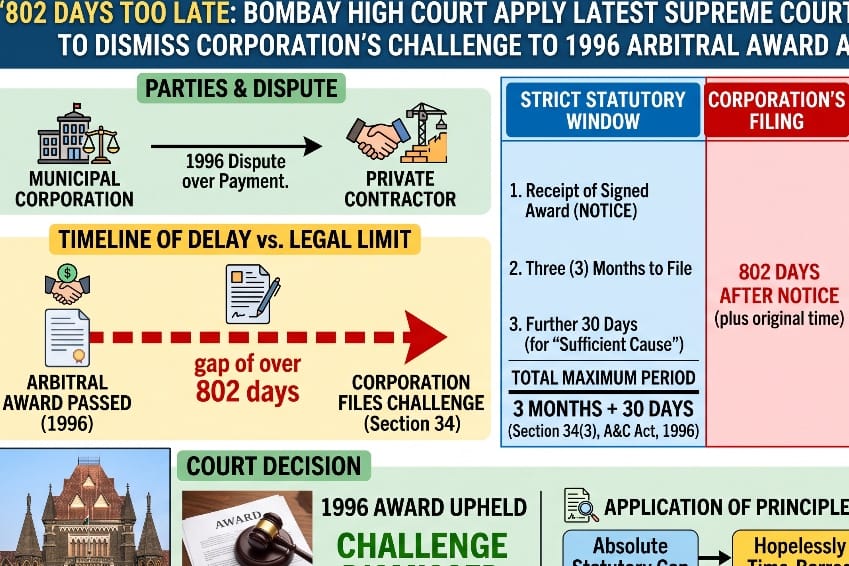
The Municipal Corporation of Greater Bombay v. M/s. Atul Raj Builders Pvt. Ltd. | High Court of Judicature at Bombay Ordinary Original Civil Jurisdiction | 3rd September, 2026 A…
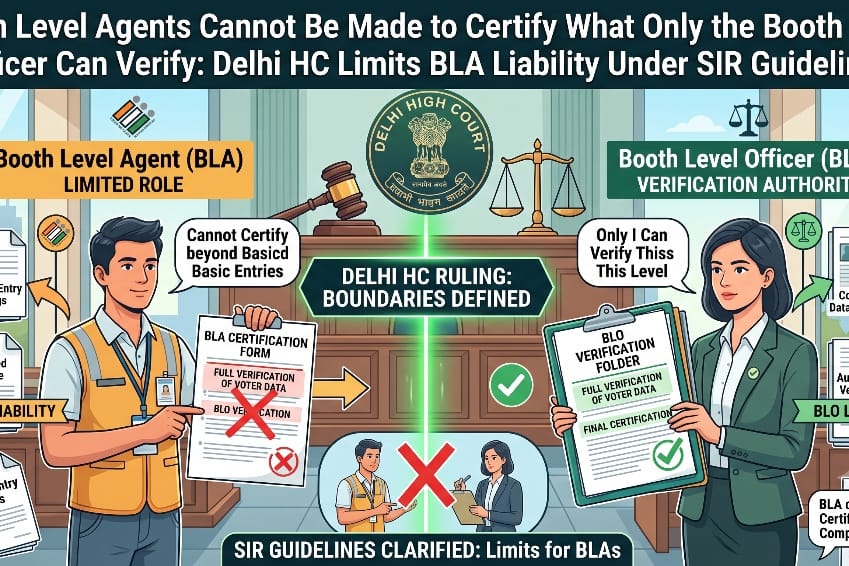
Devender Yadav & Anr. v. Election Commission of India & Anr. | High Court of Delhi Single Judge | Decided on: 03.09.2026 In a challenge to the Election Commission of India's…
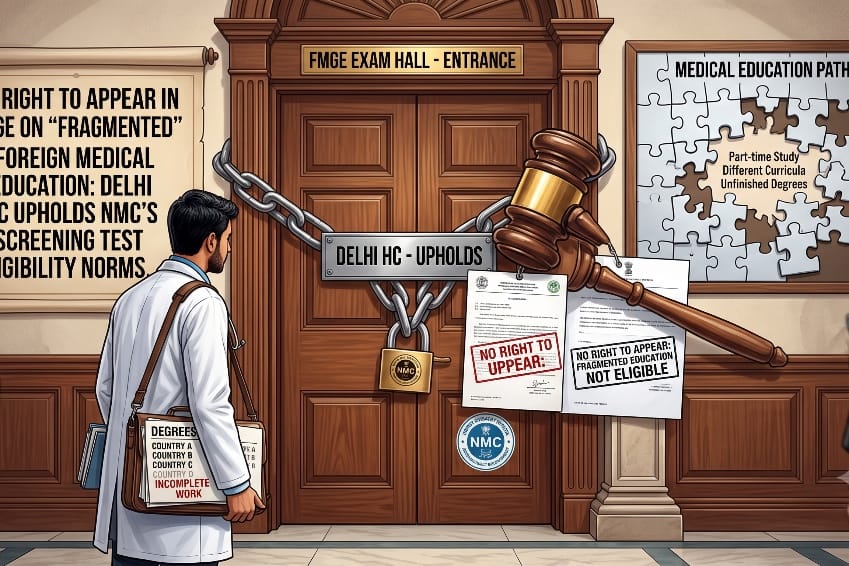
Brij Sharadbhai Bhatt & Ors. v. National Medical Commission & Ors. | High Court of Delhi Division Bench | Decided on: 03.09.2026 The Delhi High Court dismissed a challenge by…