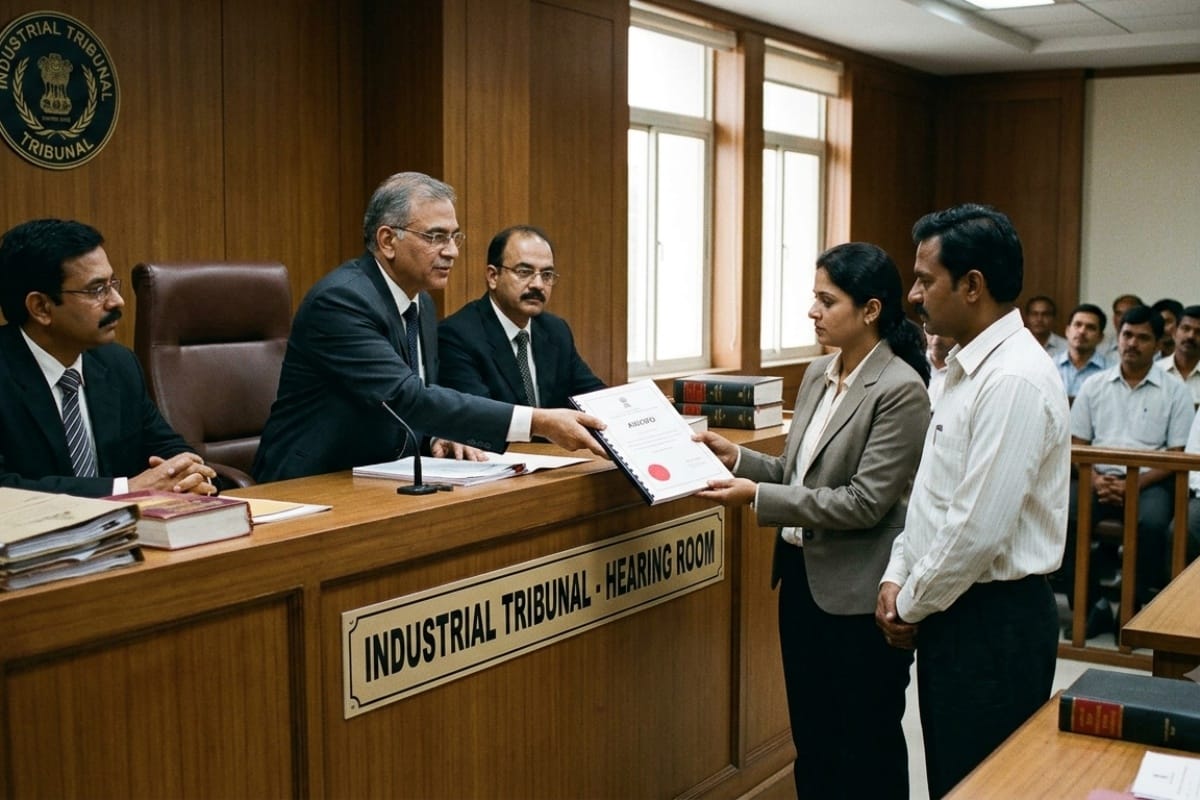
Deciding two connected writ petitions arising from a common Industrial Tribunal Award, the Delhi High Court set aside the Tribunal's direction granting hotel workmen a further…
Labour Laws
06/09/20264 min read
Court / Authority
Income Tax Tribunal
Update / Judgement Date
23 Jul 2026
Source
WCP News Bulletin
Author
Manas Yadav — WCP Legal Desk
Reading Time
2 min read

The “SMC” Bench of the Income Tax Appellate Tribunal, Bangalore, delivered its order on 24 February 2026 in the case of Sri Sai Souhardha Credit Co-operative Society Ltd. for Assessment Year 2020–21. The appeal arose from dismissal by the National Faceless Appeal Centre on the ground of inordinate delay in fi ling the fi rst appeal against assessment disallowing deductions under Section 80P of the Income-tax Act.
Disallowance of Section 80P Deduction on Other Income and Bank Interest
The assessee, a credit co-operative society registered under the Karnataka Souhardha Act, had claimed full deduction under Section 80P on its income. The Assessing Officer found that certain receipts such as processing fees, share entry fees, e-stamping service charges, and miscellaneous collections amounting to ₹7.17 lakh were not part of the core activity of providing credit facilities to members and therefore not eligible for deduction. Further, interest income of ₹27.96 lakh earned from deposits with national and private banks was treated as “income from other sources” and not attributable to the society’s business of lending to members. The AO accordingly denied deduction on these amounts and assessed taxable income at ₹35.14 lakh instead of nil.
Tribunal Upholds Dismissal for Inordinate Delay
The assessee’s appeal before the CIT(A) was fi led after a delay of 840 days, which was sought to be explained on the ground that the Chartered Accountant handling tax matters had not informed the society about the assessment order and demand. The CIT(A) rejected this explanation and dismissed the appeal in limine. The ITAT agreed with this approach, observing that all notices and orders were available on the income-tax portal and that the assessee failed to show diligence in tracking its case. Merely shifting blame to the tax professional was held insufficient to constitute “sufficient cause” for condonation.
Emphasising that limitation laws protect legal certainty and discourage negligence, the Tribunal refused to condone the delay and dismissed the appeal.
Full Judgement / Attachment
Full Judgement
Deciding two connected writ petitions arising from a common Industrial Tribunal Award, the Delhi High Court set aside the Tribunal's direction granting hotel workmen a further…
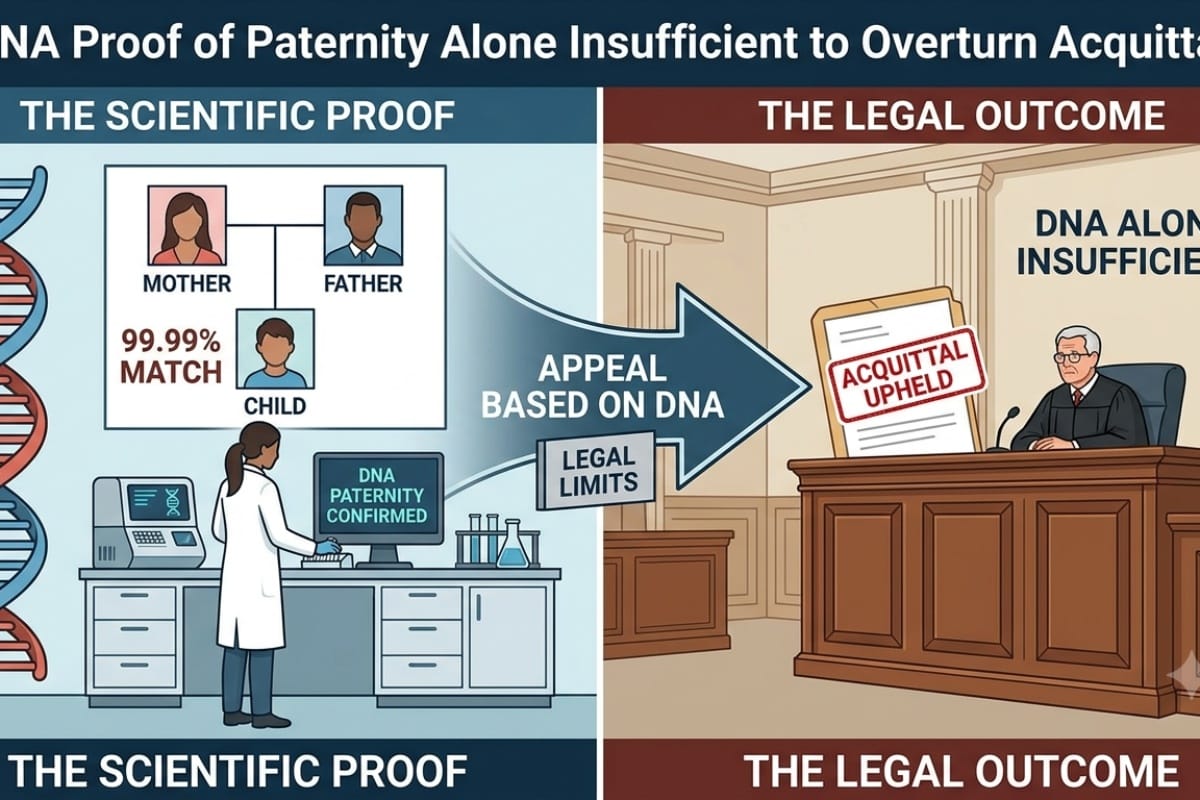
Headnote The Delhi High Court dismissed a prosecutrix's appeal against acquittal of the accused on charges under Sections 328/376 2 n /377/506/509 IPC, despite DNA evidence…
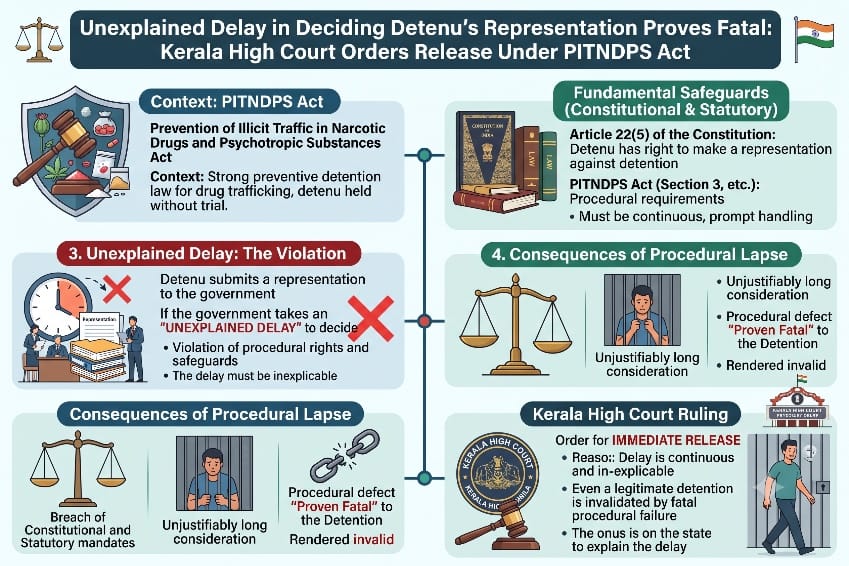
Fathimath Thasneem V.K. v. Union of India and Others | High Court of Kerala at Ernakulam | 3rd September, 2026 A habeas corpus writ petition by the wife of a detenu challenging…
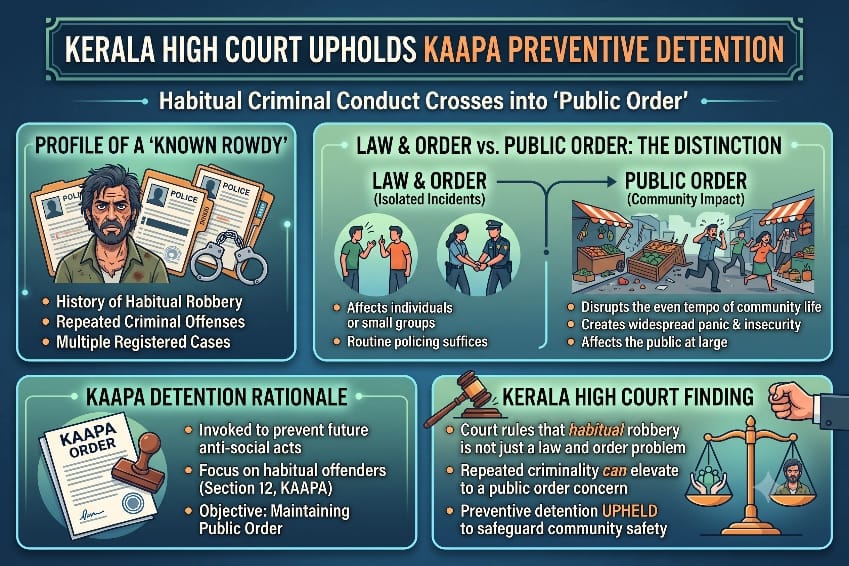
Thasmitha Abukutty v. State of Kerala and Others | High Court of Kerala at Ernakulam | 2nd September, 2026 A writ petition by the wife of a preventive detenu challenging a…
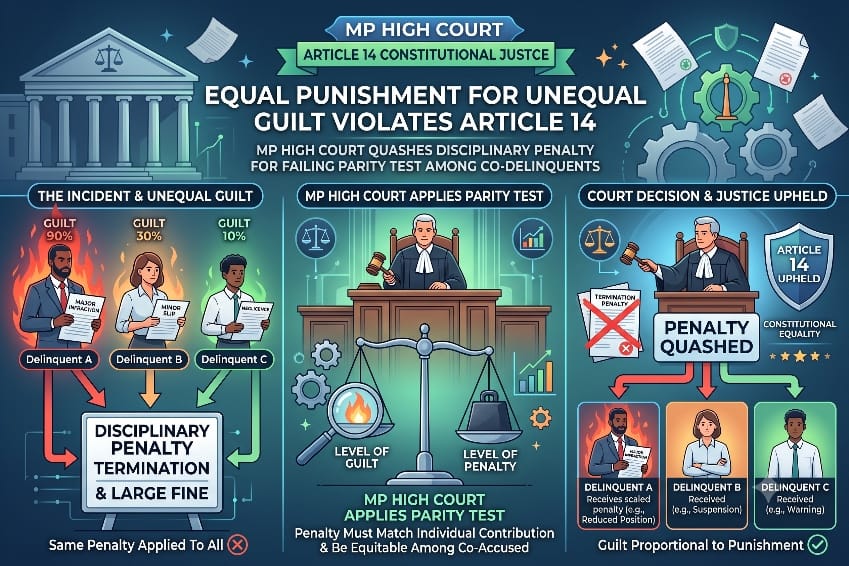
Brahm Kishore Dixit v. The State of Madhya Pradesh and Others | High Court of Madhya Pradesh, Gwalior | 1st September, 2026 A writ petition under Article 226 by a police Assistant…
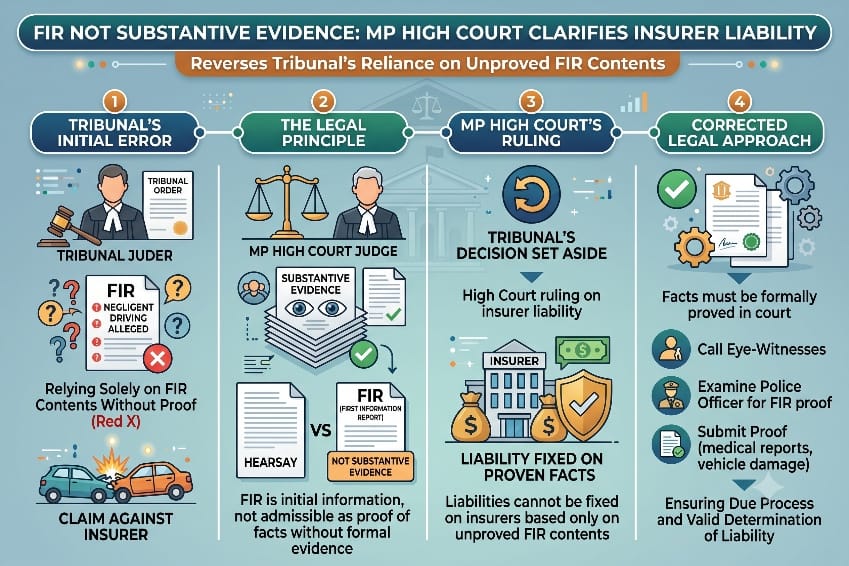
Anil Kumar Patel v. Smt. Munni Bai Barman and Others | High Court of Madhya Pradesh, Jabalpur | 1st September, 2026 A Motor Vehicle Act appeal under Section 173 1 against a Claims…
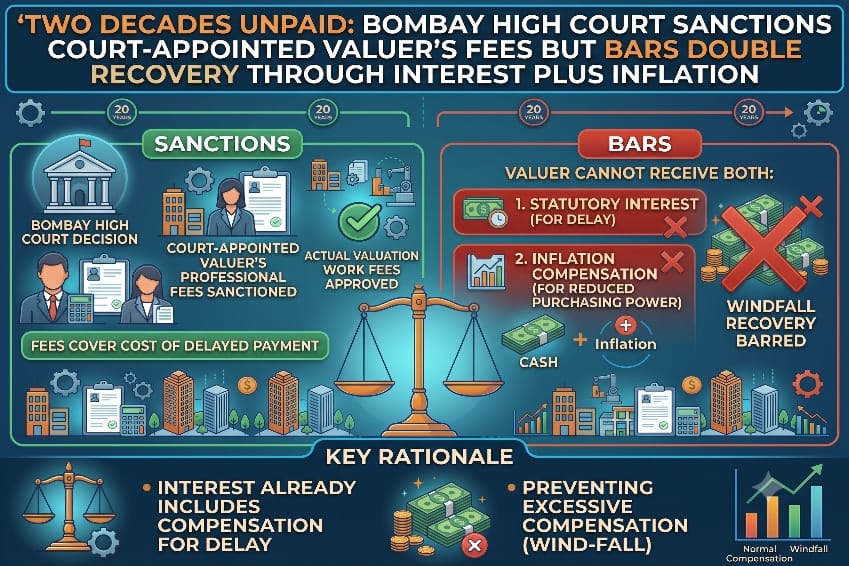
M/s. Kuber Mutual Benefits Ltd. & Ors. v. The State of Maharashtra & Ors. | High Court of Judicature at Bombay Appellate Side | 3rd September, 2026 A Court Receiver's Report…
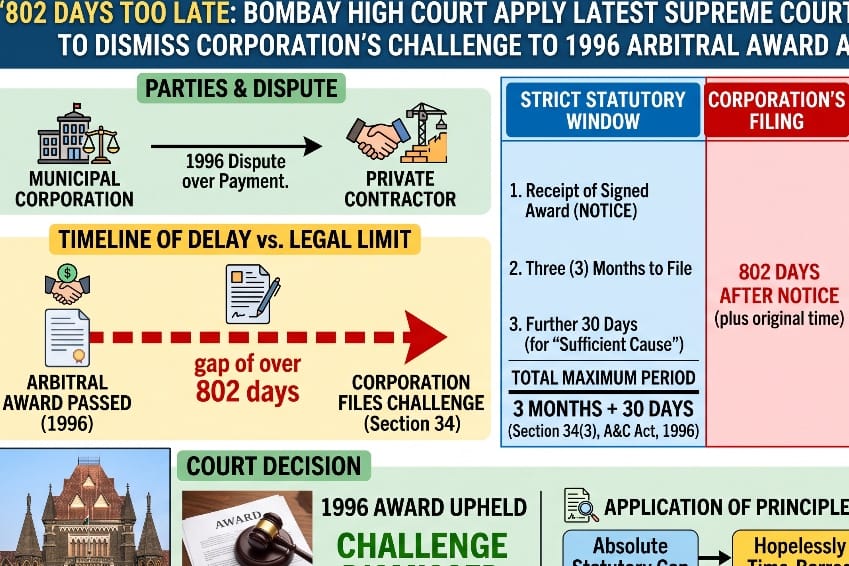
The Municipal Corporation of Greater Bombay v. M/s. Atul Raj Builders Pvt. Ltd. | High Court of Judicature at Bombay Ordinary Original Civil Jurisdiction | 3rd September, 2026 A…
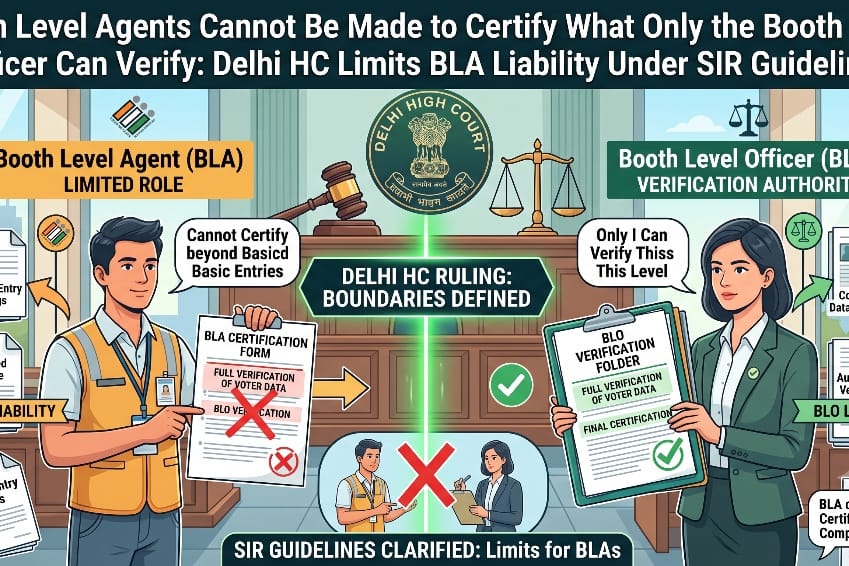
Devender Yadav & Anr. v. Election Commission of India & Anr. | High Court of Delhi Single Judge | Decided on: 03.09.2026 In a challenge to the Election Commission of India's…
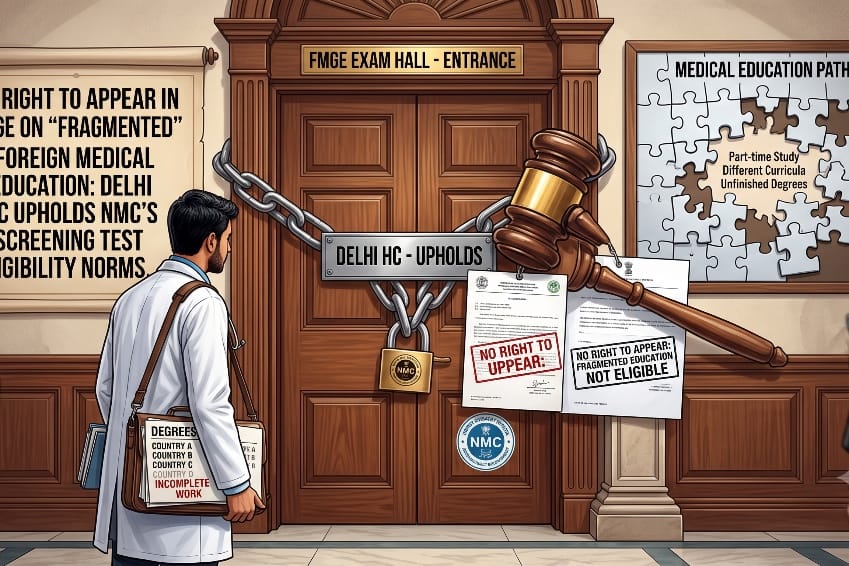
Brij Sharadbhai Bhatt & Ors. v. National Medical Commission & Ors. | High Court of Delhi Division Bench | Decided on: 03.09.2026 The Delhi High Court dismissed a challenge by…