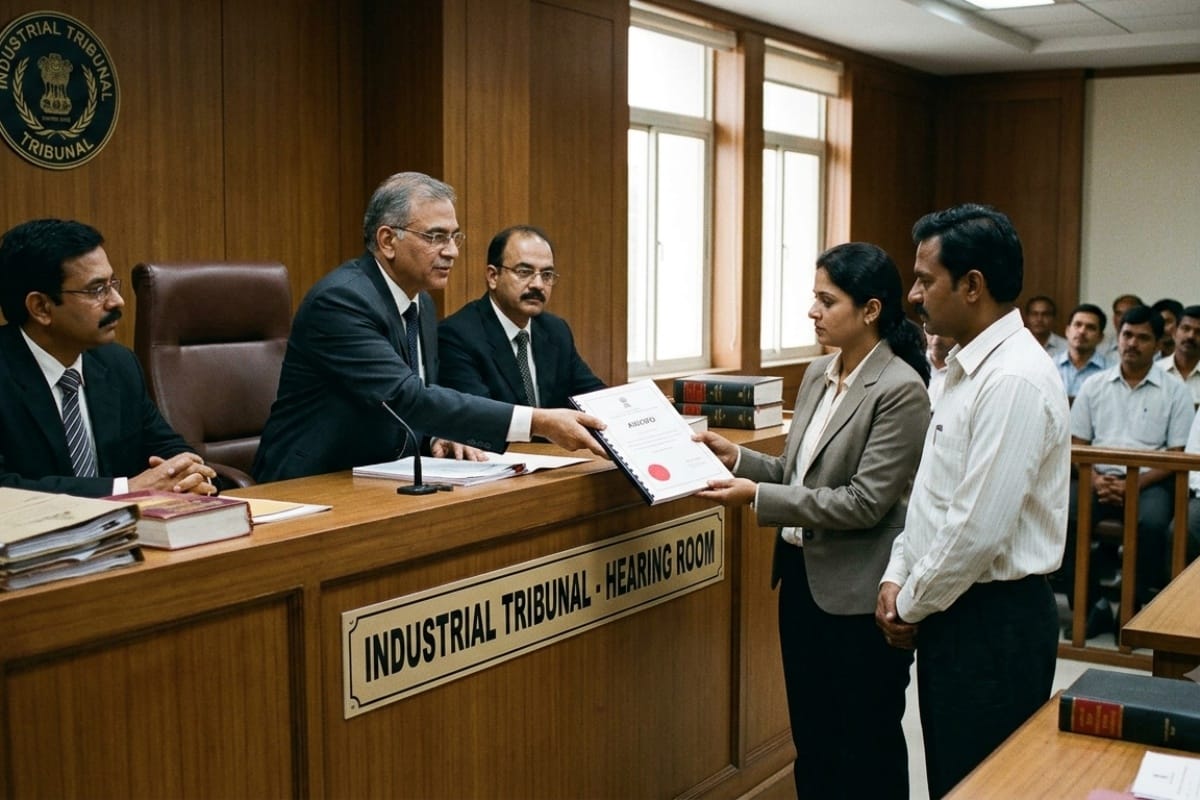
Deciding two connected writ petitions arising from a common Industrial Tribunal Award, the Delhi High Court set aside the Tribunal's direction granting hotel workmen a further…
Labour Laws
06/09/20264 min read
Court / Authority
Income Tax Tribunal
Update / Judgement Date
19 Aug 2026
Source
WCP News Bulletin
Author
Manas Yadav — WCP Legal Desk
Reading Time
2 min read
Key Facts and Tribunal Findings
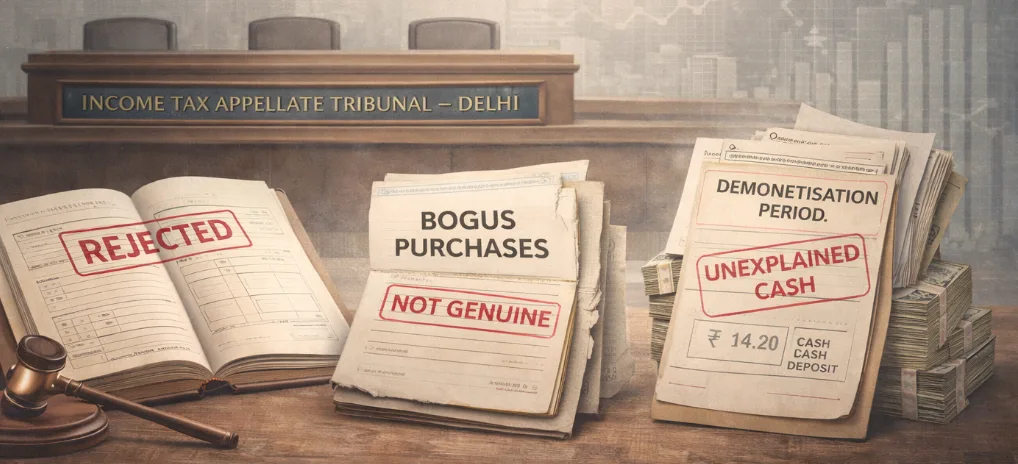
The Delhi ITAT, in the case of Deepanshu Srivastava, upheld additions made on account of estimated gross profit and unexplained cash deposits, dismissing the assessee’s appeals for AYs 2017–18 and 2021–22. For AY 2021–22, the Assessing Officer rejected the books of account under Section 145(3) due to multiple deficiencies, including non-production of purchase bills, failure to furnish confirmations from suppliers, absence of stock records, discrepancies between audited financials and ITR disclosures, and unexplained large cash withdrawals. Notices issued under Section 133(6) to suppliers remained uncomplied with, leading the AO to treat purchases as unverifiable.
Given these defects, the AO estimated gross profit at 9.96%, being the average of the preceding two years, resulting in an addition of ₹1.75 crore. The CIT(A) upheld the addition, noting complete non-cooperation by the assessee during both assessment and appellate proceedings. The ITAT affirmed these findings, observing that the assessee failed to substantiate the genuineness of purchases, identity and creditworthiness of parties, or correctness of accounts. In absence of supporting documentation, the rejection of books and estimation of income was held to be justified. For AY 2017–18, the Tribunal upheld an addition of ₹14.20 lakh under Section 69A, relating to cash deposits made during the demonetisation period. The assessee failed to provide any explanation or documentary evidence to establish the source of such deposits despite multiple opportunities.
Legal Analysis and Practical Implications
The ruling reinforces the principle that rejection of books under Section 145(3) is justified where accounts are incomplete, unreliable, or unsupported by verifiable evidence. The Tribunal emphasized that failure to maintain stock records, furnish purchase confirmations, or reconcile financial discrepancies undermines the credibility of accounts. A key takeaway is that once books are rejected, the Assessing Officer is empowered to estimate income on a reasonable basis. In this case, reliance on historical gross profit rates was held to be a valid method, particularly in the absence of contrary evidence from the assessee. The decision also underscores the burden of proof on the taxpayer to establish genuineness of transactions. Mere assertions or partial disclosures—such as GST returns without supporting books—are insufficient to discharge this burden.
On demonetisation-related deposits, the Tribunal reaffirmed that unexplained cash credits under Section 69A can be sustained where the assessee fails to provide credible explanation regarding source, especially in cases involving high-value deposits during sensitive periods.
Full Judgement / Attachment
Full Judgement
Deciding two connected writ petitions arising from a common Industrial Tribunal Award, the Delhi High Court set aside the Tribunal's direction granting hotel workmen a further…
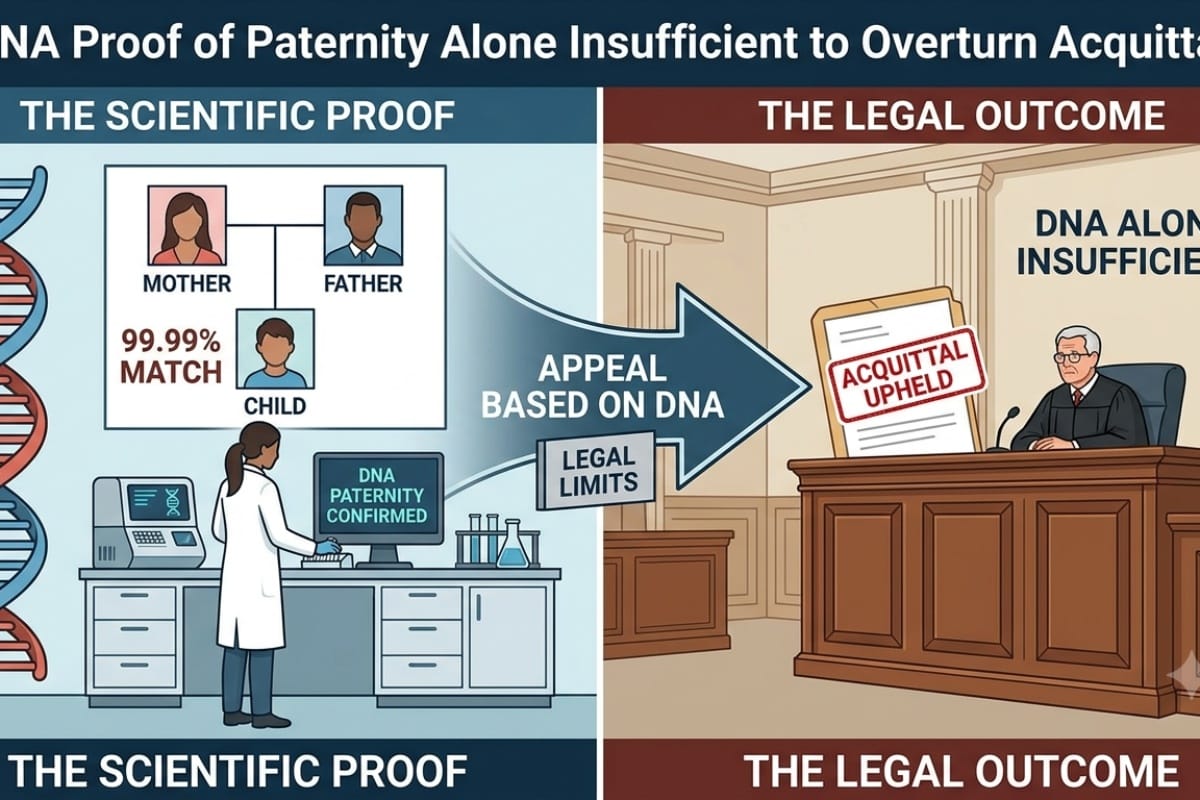
Headnote The Delhi High Court dismissed a prosecutrix's appeal against acquittal of the accused on charges under Sections 328/376 2 n /377/506/509 IPC, despite DNA evidence…
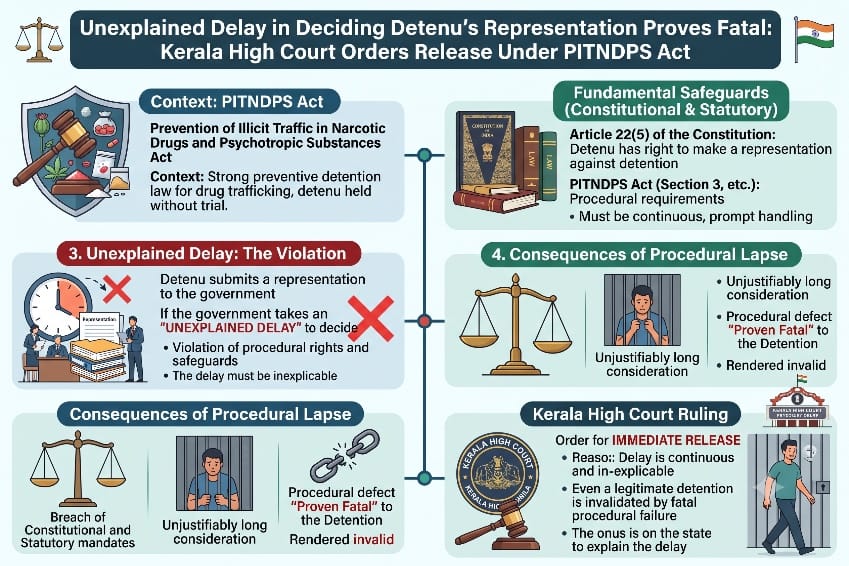
Fathimath Thasneem V.K. v. Union of India and Others | High Court of Kerala at Ernakulam | 3rd September, 2026 A habeas corpus writ petition by the wife of a detenu challenging…
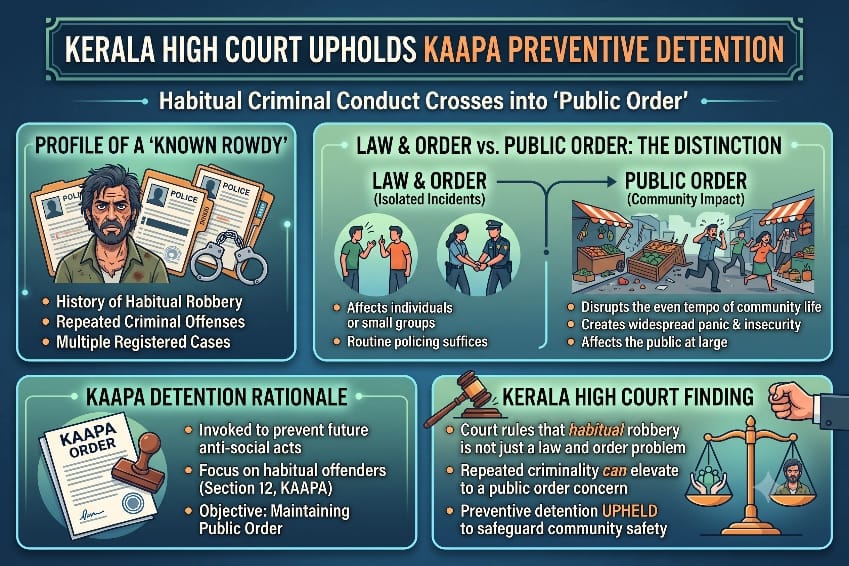
Thasmitha Abukutty v. State of Kerala and Others | High Court of Kerala at Ernakulam | 2nd September, 2026 A writ petition by the wife of a preventive detenu challenging a…
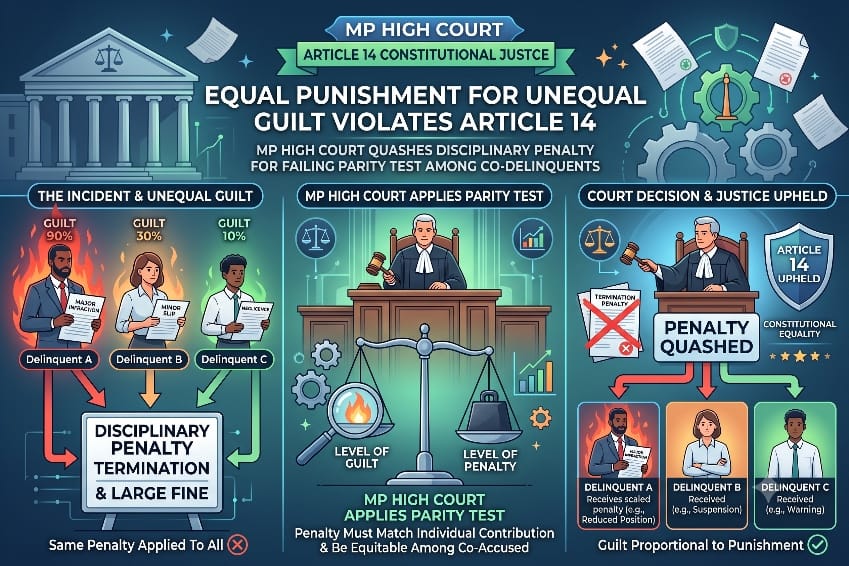
Brahm Kishore Dixit v. The State of Madhya Pradesh and Others | High Court of Madhya Pradesh, Gwalior | 1st September, 2026 A writ petition under Article 226 by a police Assistant…
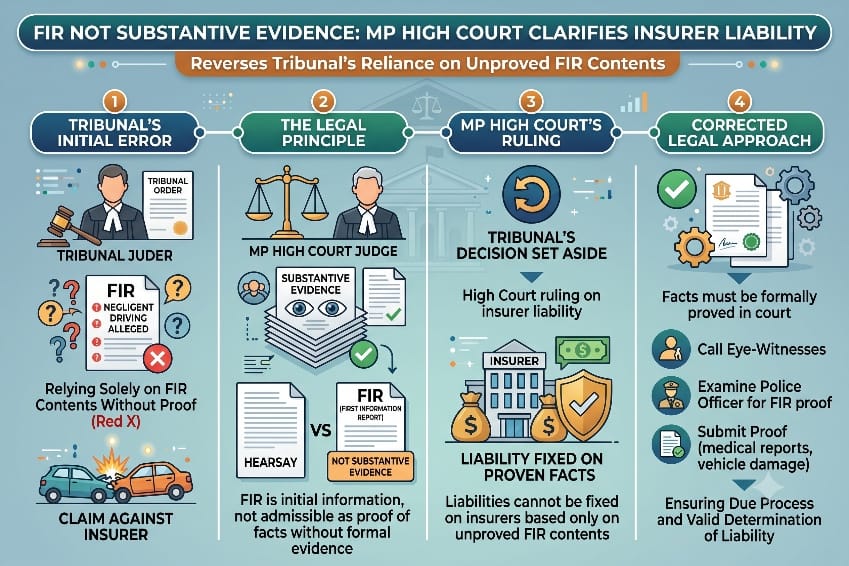
Anil Kumar Patel v. Smt. Munni Bai Barman and Others | High Court of Madhya Pradesh, Jabalpur | 1st September, 2026 A Motor Vehicle Act appeal under Section 173 1 against a Claims…
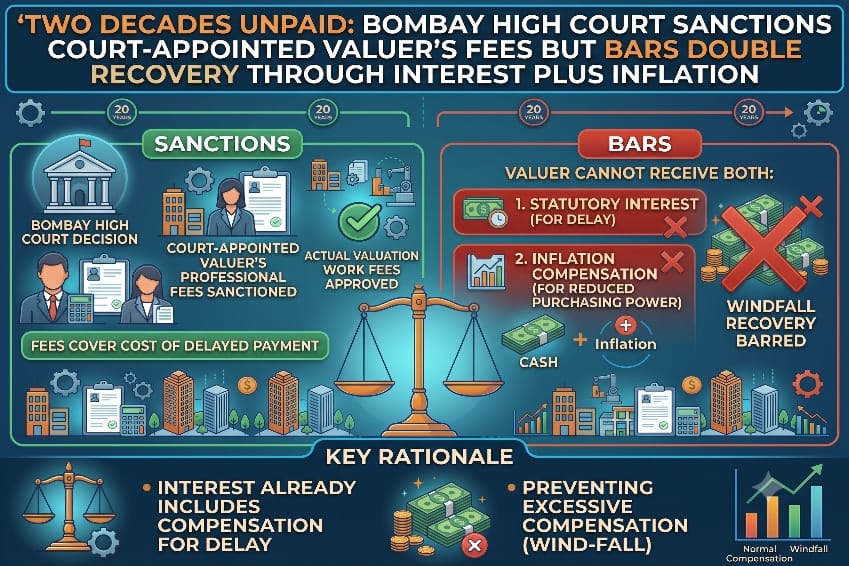
M/s. Kuber Mutual Benefits Ltd. & Ors. v. The State of Maharashtra & Ors. | High Court of Judicature at Bombay Appellate Side | 3rd September, 2026 A Court Receiver's Report…
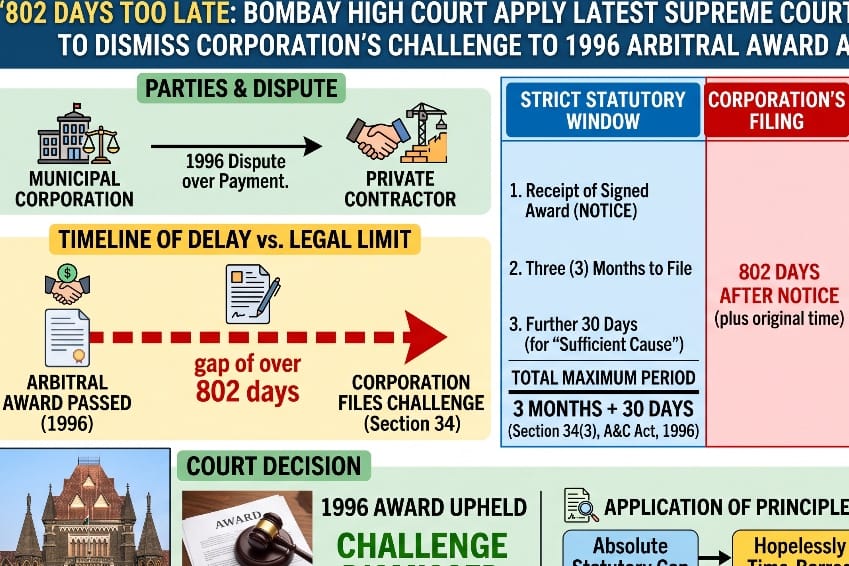
The Municipal Corporation of Greater Bombay v. M/s. Atul Raj Builders Pvt. Ltd. | High Court of Judicature at Bombay Ordinary Original Civil Jurisdiction | 3rd September, 2026 A…
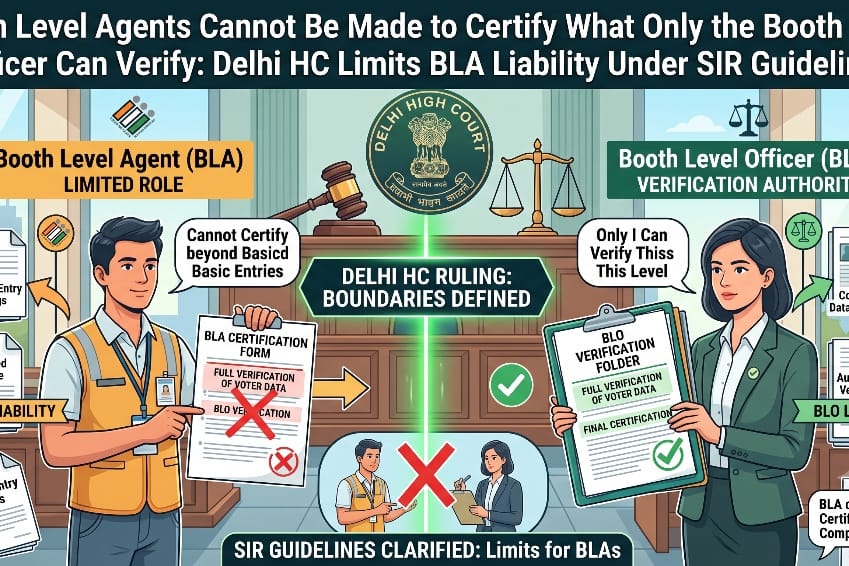
Devender Yadav & Anr. v. Election Commission of India & Anr. | High Court of Delhi Single Judge | Decided on: 03.09.2026 In a challenge to the Election Commission of India's…
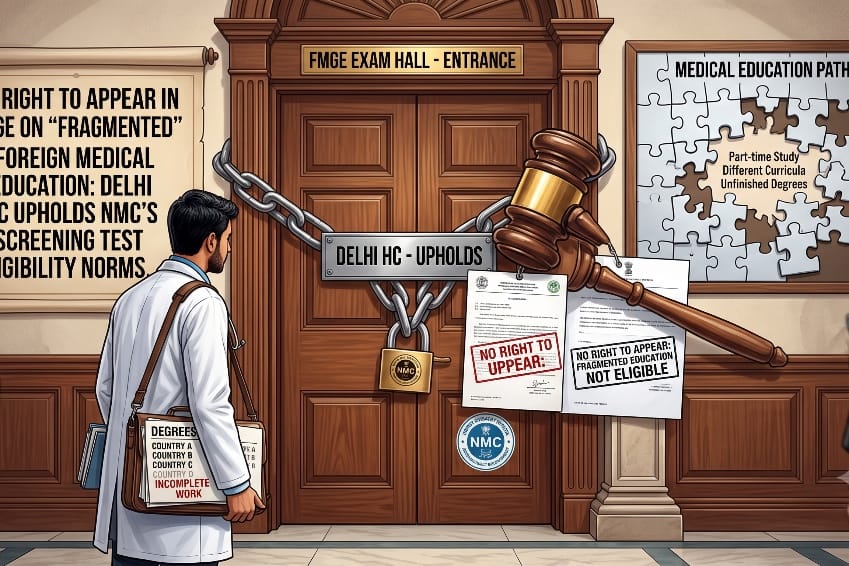
Brij Sharadbhai Bhatt & Ors. v. National Medical Commission & Ors. | High Court of Delhi Division Bench | Decided on: 03.09.2026 The Delhi High Court dismissed a challenge by…