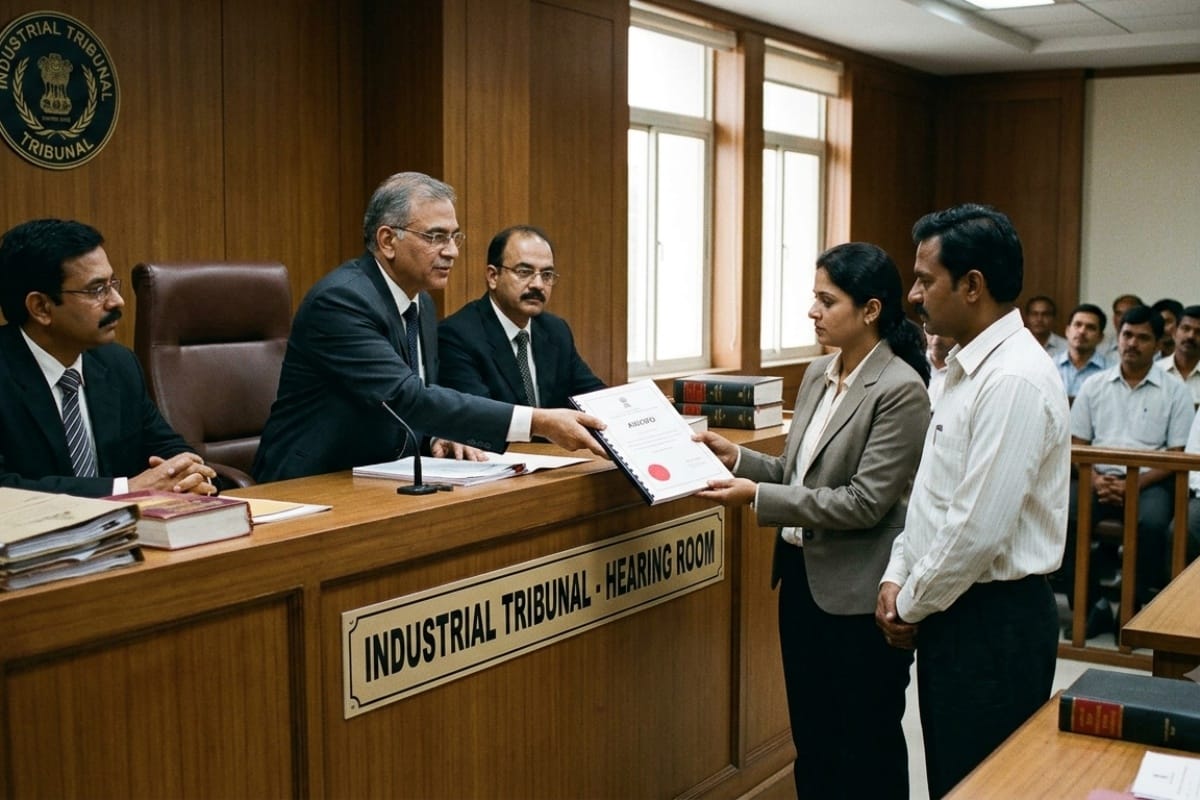
Deciding two connected writ petitions arising from a common Industrial Tribunal Award, the Delhi High Court set aside the Tribunal's direction granting hotel workmen a further…
Labour Laws
06/09/20264 min read
Update / Judgement Date
19 Nov 2025
Source
WCP News Bulletin
Author
Sakshi Bhardwaj — WCP Legal Desk
Reading Time
3 min read
Headnote:
The Income Tax Appellate Tribunal (ITAT), Delhi dismissed a batch of nine appeals filed by the Revenue, holding that no notional or ad-hoc interest can be added as income without any supporting material or evidence. The Assessing Officer had added 4% notional interest on alleged offshore bank balances in HSBC Geneva, treating it as undisclosed income. The Tribunal affirmed the Commissioner of Income Tax (Appeals)' decision that notional interest cannot be taxed, especially when no principal amount was added and no material indicated that any such interest accrued to the assessee. The appeals were dismissed in entirety.
Background:
The appeals concerned one assessee, Sh. Anurag Dalmia, covering several years (AYs 2006-07 to 2011-12).
The Assessing Officer made additions on account of notional/ad-hoc 4% interest supposedly earned on alleged balances in HSBC, Geneva accounts.
No principal deposits were added; only hypothetical interest was taxed.
The CIT(A) deleted these additions, holding that:
There was no evidence of actual accrual of interest.
A notional interest rate of 4% was adopted without basis.
Taxing notional income is impermissible in law.
The Revenue appealed against the deletions before ITAT.
Tribunal’s Observations:
The Tribunal noted that the Assessing Officer had not added the principal amount of the alleged foreign bank deposit.
There was no material on record indicating that the assessee actually earned any interest from the alleged account.
Relying on the Supreme Court judgment in Chainrup Sampatram v. CIT (1953) 24 ITR 481 (SC), the ITAT reiterated that:
Income cannot be taxed on the basis of hypothetical or notional accrual.
Tax liability arises only when an income accrues with reasonable certainty.
The 4% rate adopted by the AO was arbitrary, ad-hoc, and unsupported.
The Tribunal found no error in the CIT(A)’s conclusion and rejected the Revenue’s argument for revival of the addition.
Consequently, all nine Revenue appeals—covering both quantum and penalty matters—were dismissed as the penalty cases were purely consequential.
Legal Provisions Discussed:
Section 69, Income-tax Act, 1961 – Unexplained investments (applied by AO for notional interest).
Sections 153A/143(3), 271(1)(c), 154, Income-tax Act – Assessment, penalty, and rectification proceedings involved in various years.
Principle of real income – As per Chainrup Sampatram (SC), only real income can be taxed, not hypothetical or notional income.
Citation: 2025:ITAT-DEL:ANURAG-DALMIA
Case: DCIT, Central Circle-26, New Delhi v. Sh. Anurag Dalmia
Court/Tribunal: Income Tax Appellate Tribunal, Delhi Bench ‘A’
Coram: Shri Satbeer Singh Godara (Judicial Member) & Shri S. Rifaur Rahman (Accountant Member)
Date of Decision: 20 November 2025
ITA Nos.: 6516 to 6521/Del/2017 & 6539 to 6541/Del/2017 (AYs 2006-07 to 2011-12)
Deciding two connected writ petitions arising from a common Industrial Tribunal Award, the Delhi High Court set aside the Tribunal's direction granting hotel workmen a further…
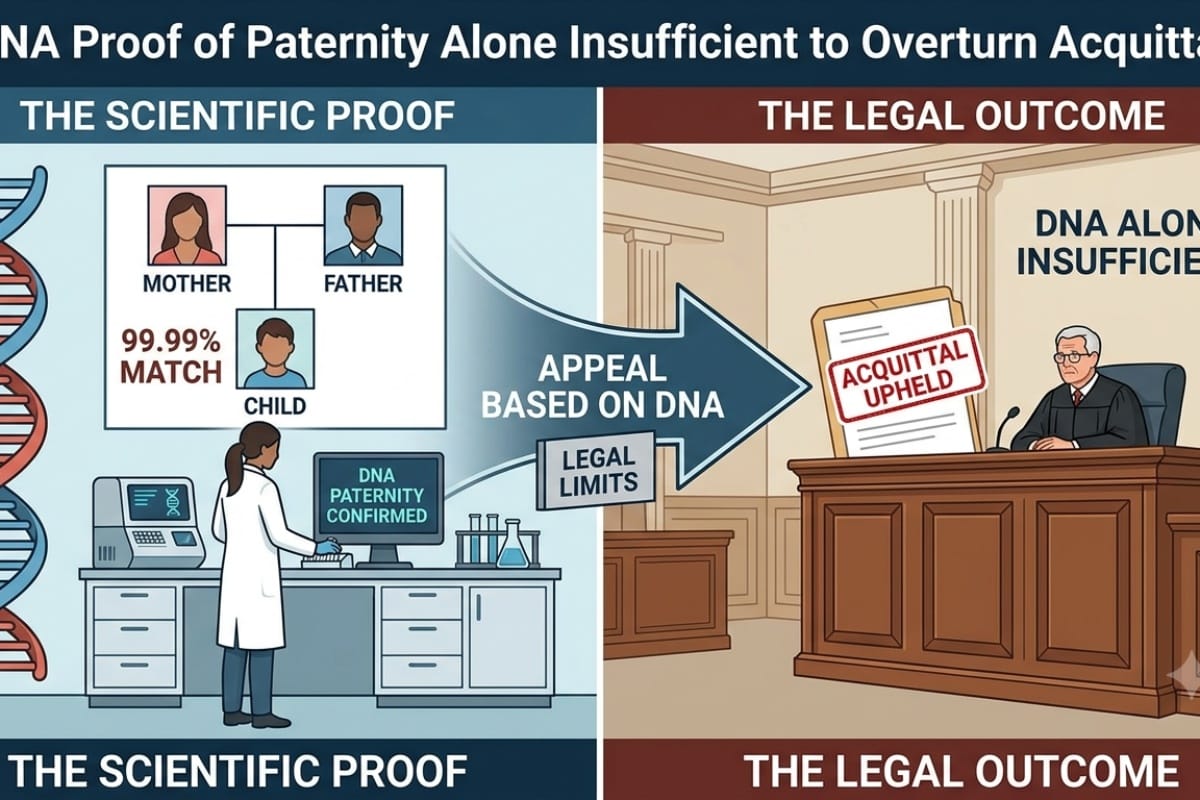
Headnote The Delhi High Court dismissed a prosecutrix's appeal against acquittal of the accused on charges under Sections 328/376 2 n /377/506/509 IPC, despite DNA evidence…
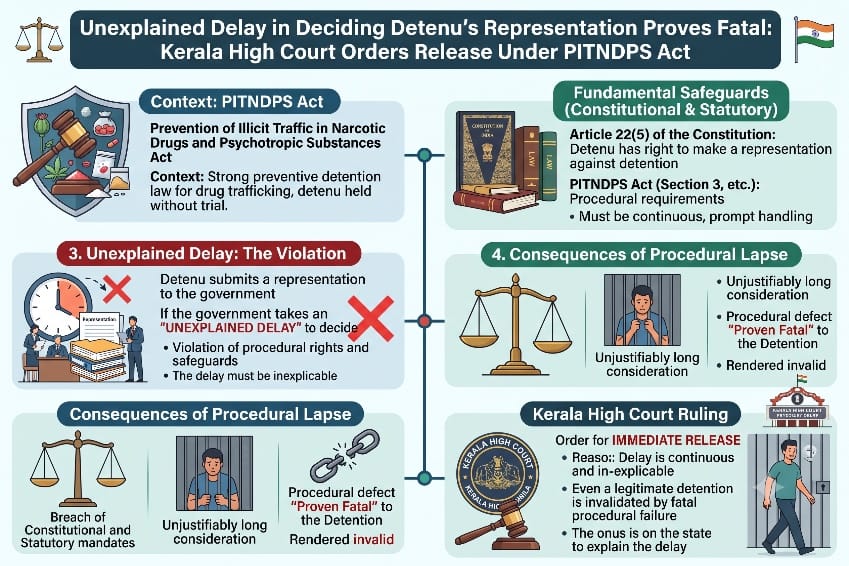
Fathimath Thasneem V.K. v. Union of India and Others | High Court of Kerala at Ernakulam | 3rd September, 2026 A habeas corpus writ petition by the wife of a detenu challenging…

Thasmitha Abukutty v. State of Kerala and Others | High Court of Kerala at Ernakulam | 2nd September, 2026 A writ petition by the wife of a preventive detenu challenging a…
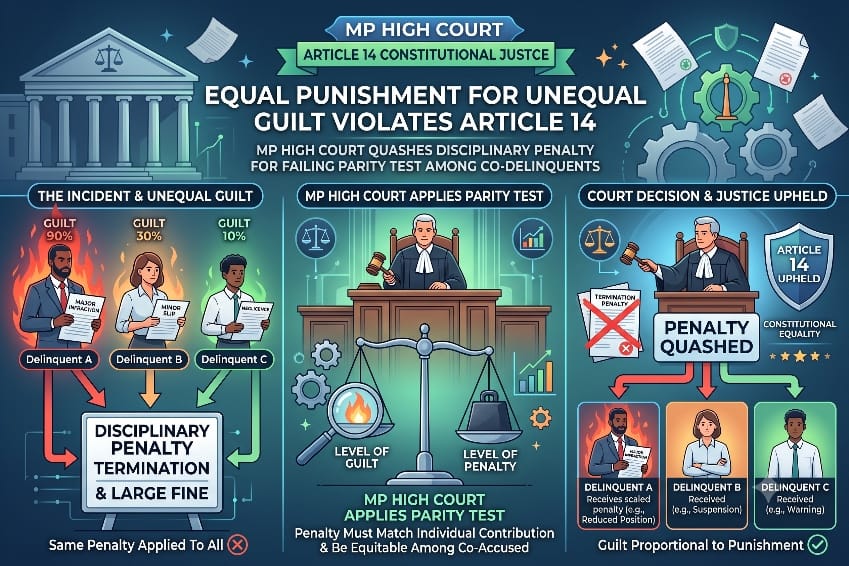
Brahm Kishore Dixit v. The State of Madhya Pradesh and Others | High Court of Madhya Pradesh, Gwalior | 1st September, 2026 A writ petition under Article 226 by a police Assistant…
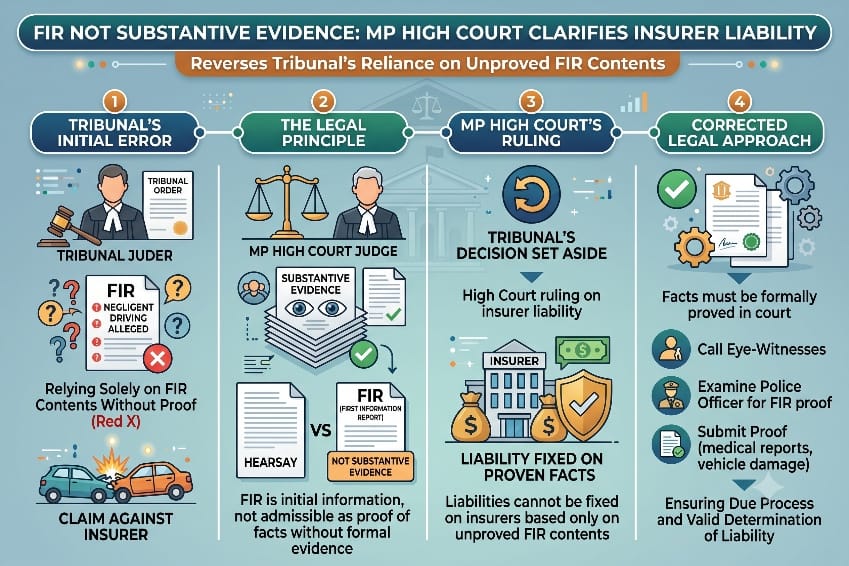
Anil Kumar Patel v. Smt. Munni Bai Barman and Others | High Court of Madhya Pradesh, Jabalpur | 1st September, 2026 A Motor Vehicle Act appeal under Section 173 1 against a Claims…
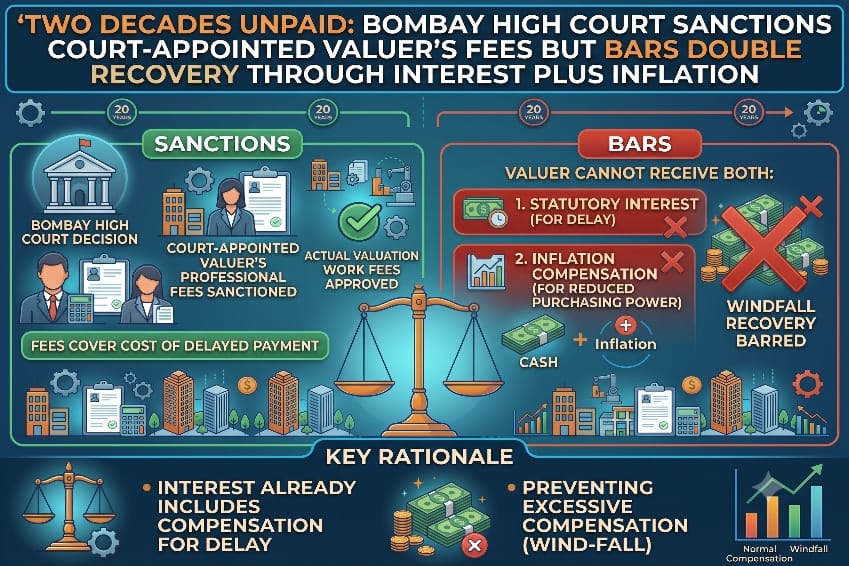
M/s. Kuber Mutual Benefits Ltd. & Ors. v. The State of Maharashtra & Ors. | High Court of Judicature at Bombay Appellate Side | 3rd September, 2026 A Court Receiver's Report…
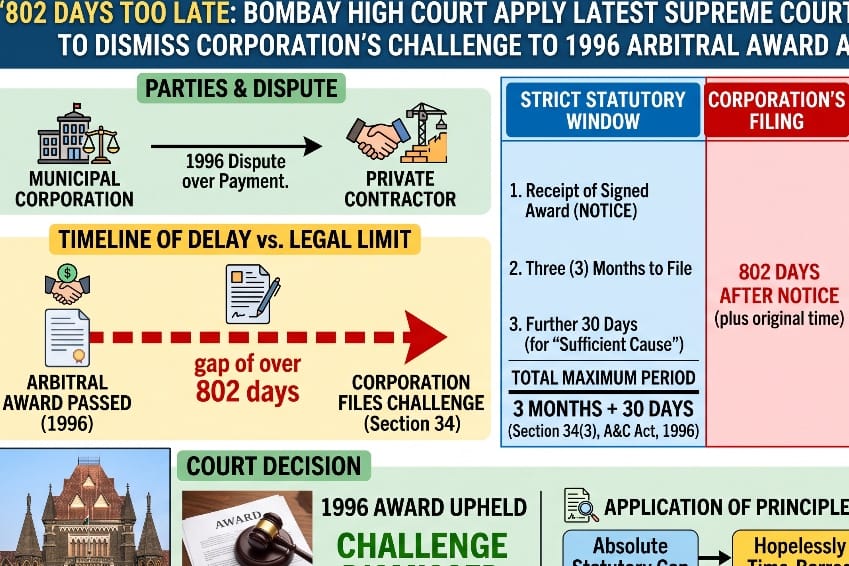
The Municipal Corporation of Greater Bombay v. M/s. Atul Raj Builders Pvt. Ltd. | High Court of Judicature at Bombay Ordinary Original Civil Jurisdiction | 3rd September, 2026 A…
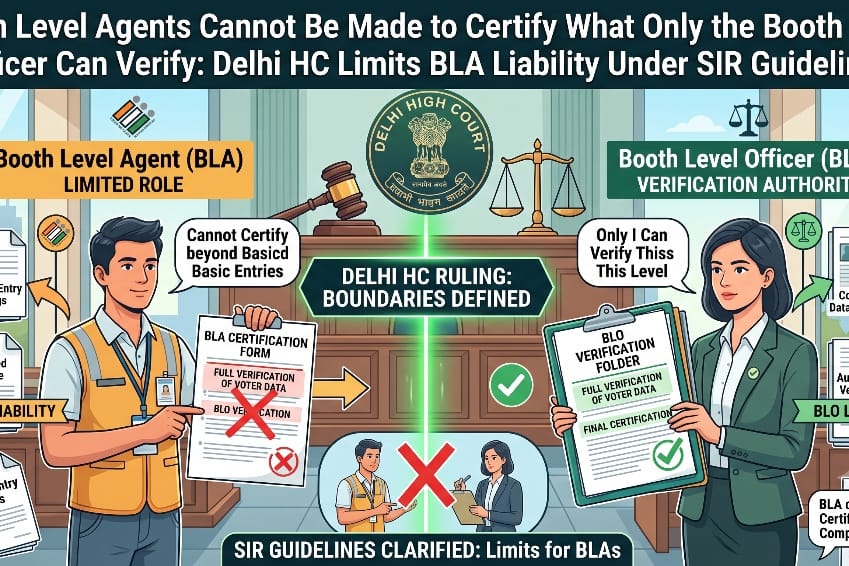
Devender Yadav & Anr. v. Election Commission of India & Anr. | High Court of Delhi Single Judge | Decided on: 03.09.2026 In a challenge to the Election Commission of India's…
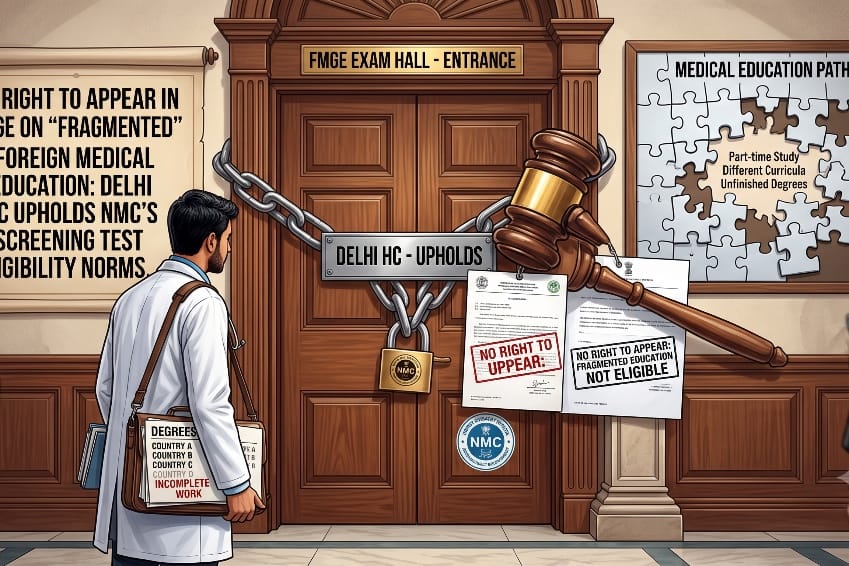
Brij Sharadbhai Bhatt & Ors. v. National Medical Commission & Ors. | High Court of Delhi Division Bench | Decided on: 03.09.2026 The Delhi High Court dismissed a challenge by…