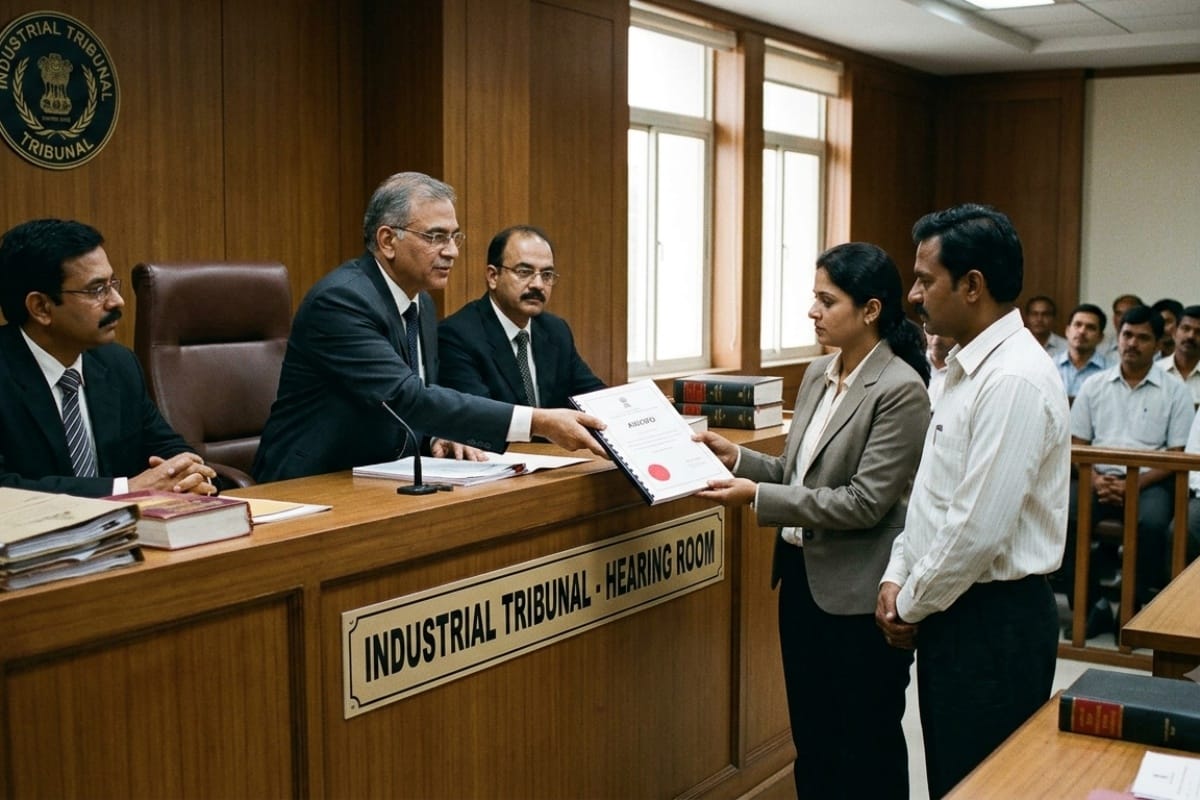
Deciding two connected writ petitions arising from a common Industrial Tribunal Award, the Delhi High Court set aside the Tribunal's direction granting hotel workmen a further…
Labour Laws
06/09/20264 min read
Court / Authority
Income Tax Tribunal
Update / Judgement Date
26 Aug 2026
Source
WCP News Bulletin
Author
Manas Yadav — WCP Legal Desk
Reading Time
2 min read
Key Facts and Tribunal Findings
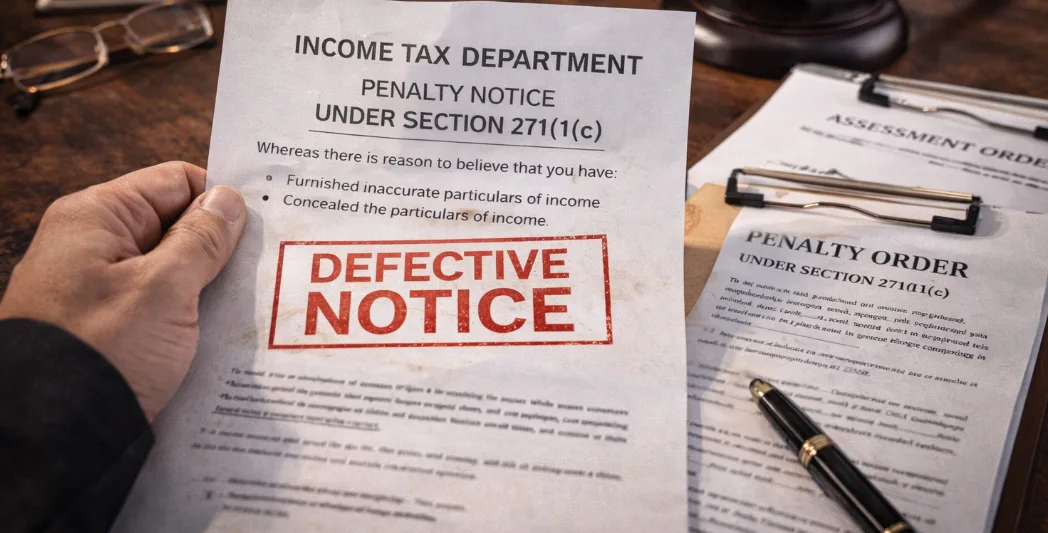
The Income Tax Appellate Tribunal (ITAT), Delhi Bench, allowed the appeal of M/s ZF Sterling Gear (India) Ltd. for Assessment Year 2014–15 and quashed penalty imposed under Section 271(1)(c) of the Income Tax Act on the ground of defective initiation of penalty proceedings.
The dispute arose from penalty proceedings initiated pursuant to an assessment order wherein the Assessing Officer proposed penalty under Section 271(1)(c). The assessee challenged the validity of the penalty on the ground that the Assessing Officer failed to specify whether the penalty was for “concealment of income” or for “furnishing inaccurate particulars of income.”
The Tribunal examined the assessment order, show cause notice, and penalty order, and found that the Assessing Officer had invoked both limbs of Section 271(1)(c) without striking off the inapplicable portion. Further, while the penalty order referred to furnishing inaccurate particulars, the actual imposition was made for concealment of income, indicating inconsistency and lack of clarity.
Relying on settled judicial precedents, including SSA’s Emerald Meadows and subsequent High Court rulings, the Tribunal held that failure to specify the exact charge at the stage of initiation renders the penalty proceedings invalid in law.
The Tribunal emphasized that clear satisfaction regarding the specific limb under Section 271(1)(c) is a mandatory requirement, and vague or omnibus notices violate principles of natural justice.
Accordingly, the Tribunal quashed the penalty order in entirety. As a consequence, other grounds raised in the appeal were rendered academic.
Full Judgement / Attachment
Full Judgement
Deciding two connected writ petitions arising from a common Industrial Tribunal Award, the Delhi High Court set aside the Tribunal's direction granting hotel workmen a further…
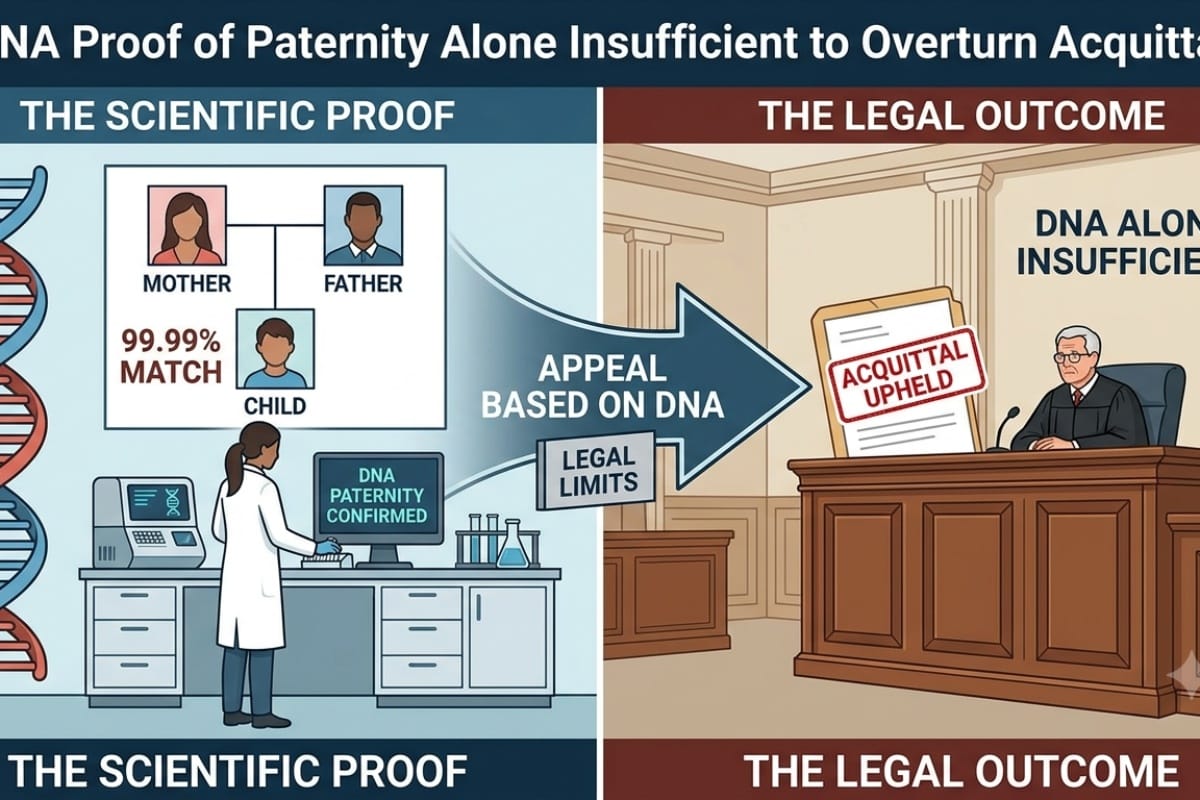
Headnote The Delhi High Court dismissed a prosecutrix's appeal against acquittal of the accused on charges under Sections 328/376 2 n /377/506/509 IPC, despite DNA evidence…
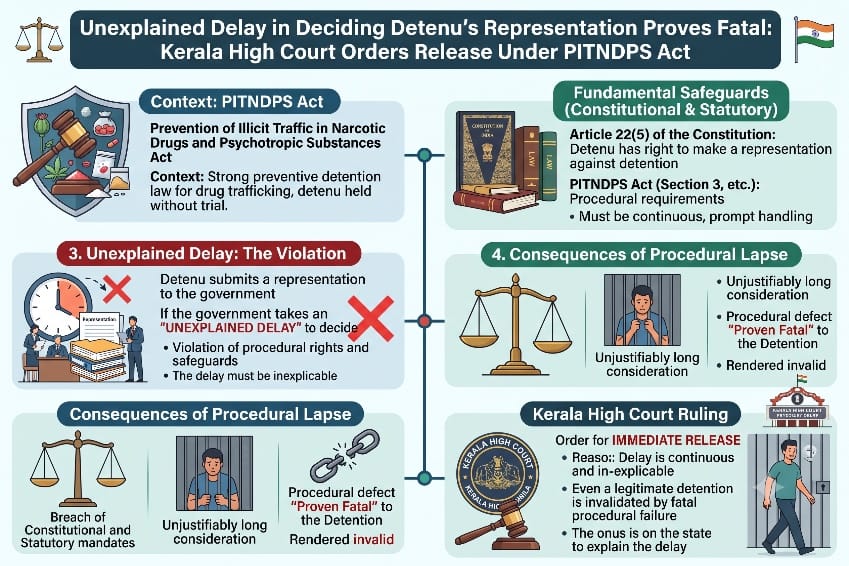
Fathimath Thasneem V.K. v. Union of India and Others | High Court of Kerala at Ernakulam | 3rd September, 2026 A habeas corpus writ petition by the wife of a detenu challenging…
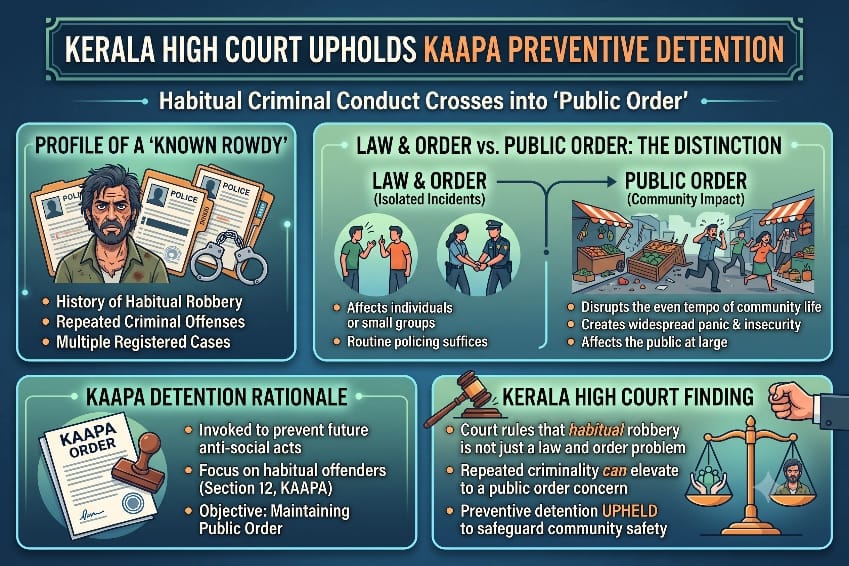
Thasmitha Abukutty v. State of Kerala and Others | High Court of Kerala at Ernakulam | 2nd September, 2026 A writ petition by the wife of a preventive detenu challenging a…
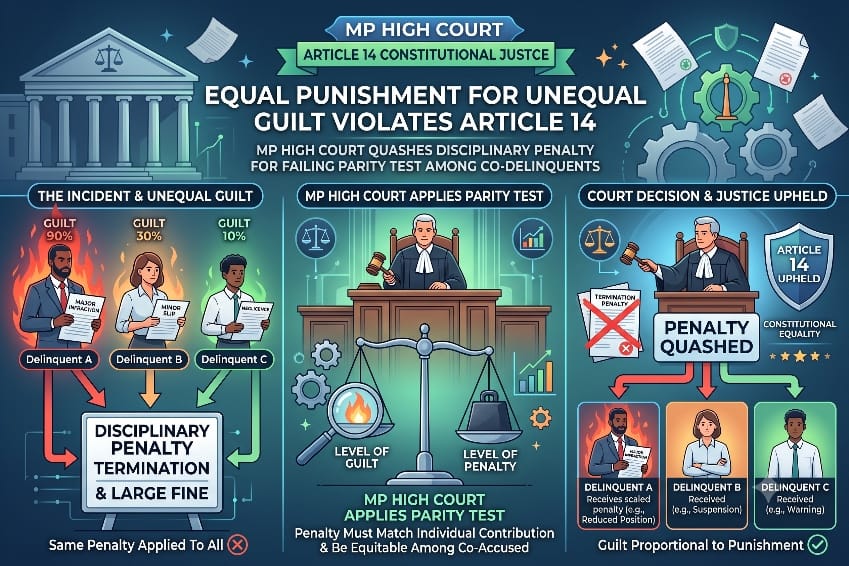
Brahm Kishore Dixit v. The State of Madhya Pradesh and Others | High Court of Madhya Pradesh, Gwalior | 1st September, 2026 A writ petition under Article 226 by a police Assistant…
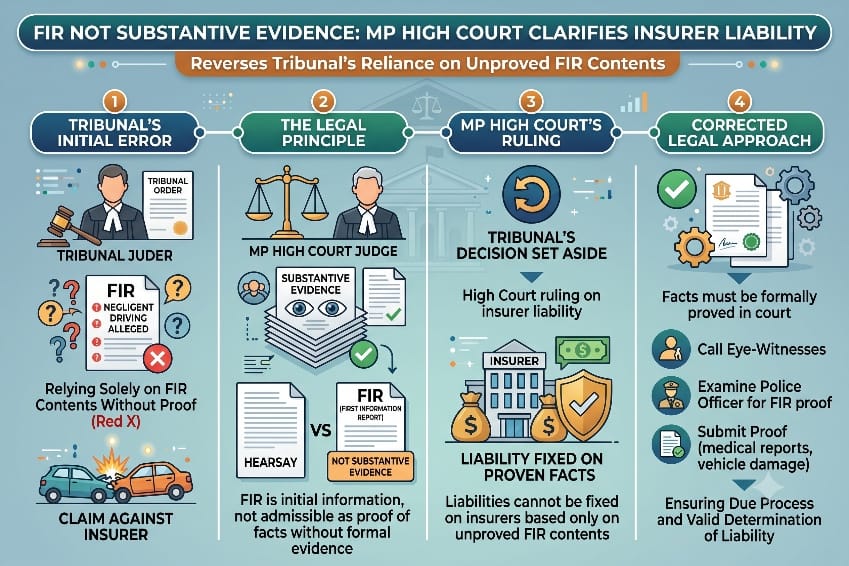
Anil Kumar Patel v. Smt. Munni Bai Barman and Others | High Court of Madhya Pradesh, Jabalpur | 1st September, 2026 A Motor Vehicle Act appeal under Section 173 1 against a Claims…
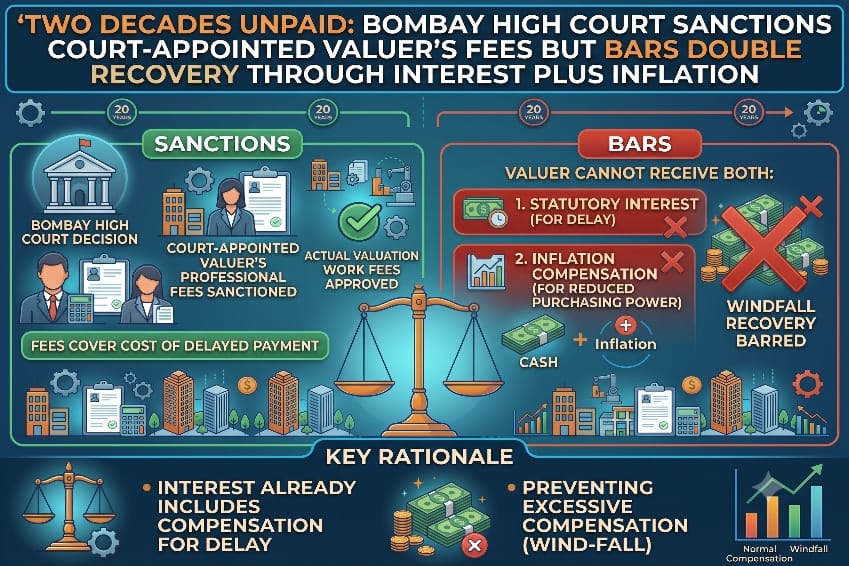
M/s. Kuber Mutual Benefits Ltd. & Ors. v. The State of Maharashtra & Ors. | High Court of Judicature at Bombay Appellate Side | 3rd September, 2026 A Court Receiver's Report…
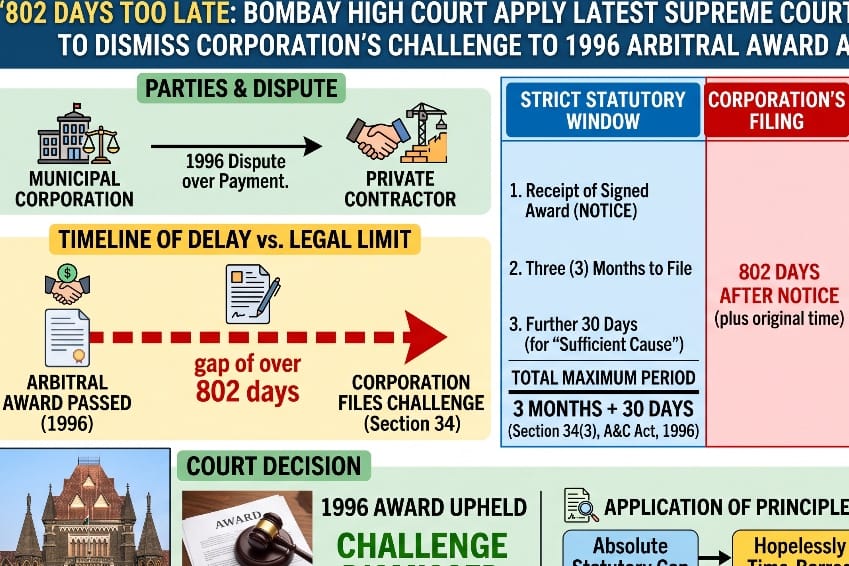
The Municipal Corporation of Greater Bombay v. M/s. Atul Raj Builders Pvt. Ltd. | High Court of Judicature at Bombay Ordinary Original Civil Jurisdiction | 3rd September, 2026 A…
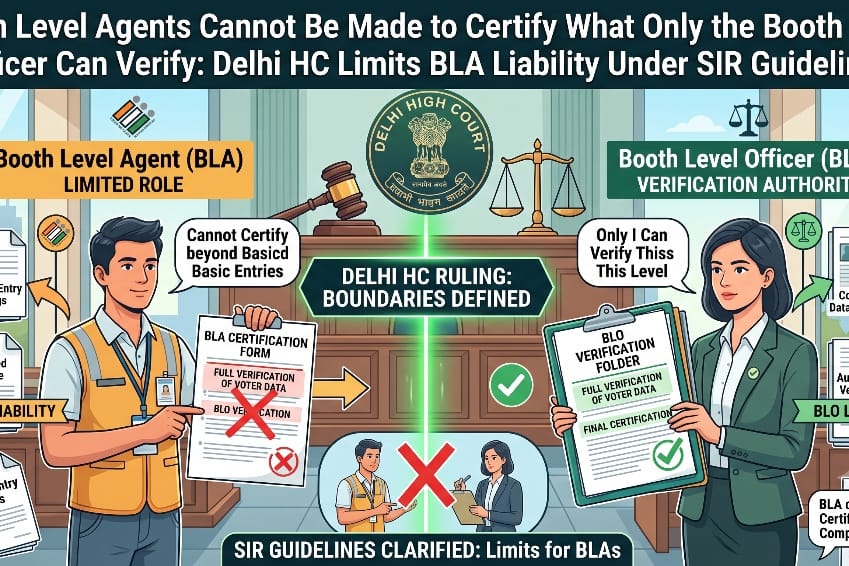
Devender Yadav & Anr. v. Election Commission of India & Anr. | High Court of Delhi Single Judge | Decided on: 03.09.2026 In a challenge to the Election Commission of India's…
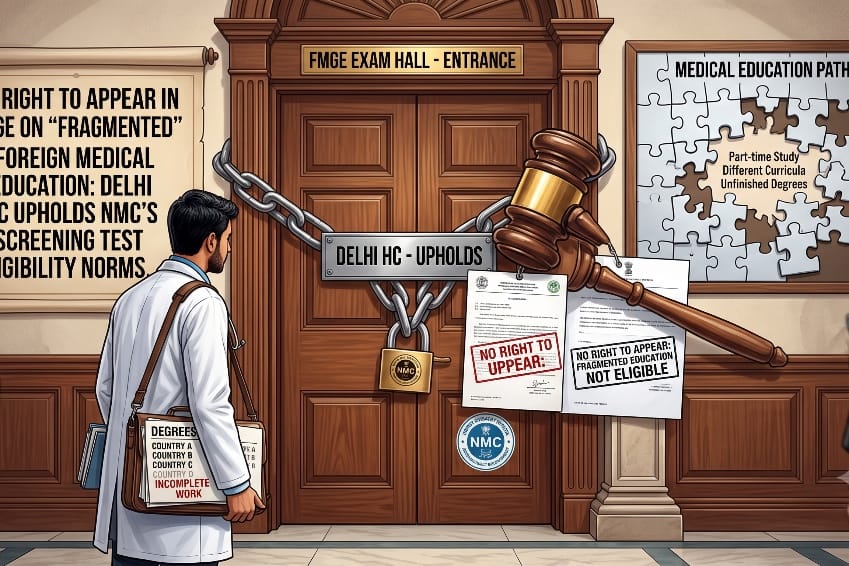
Brij Sharadbhai Bhatt & Ors. v. National Medical Commission & Ors. | High Court of Delhi Division Bench | Decided on: 03.09.2026 The Delhi High Court dismissed a challenge by…