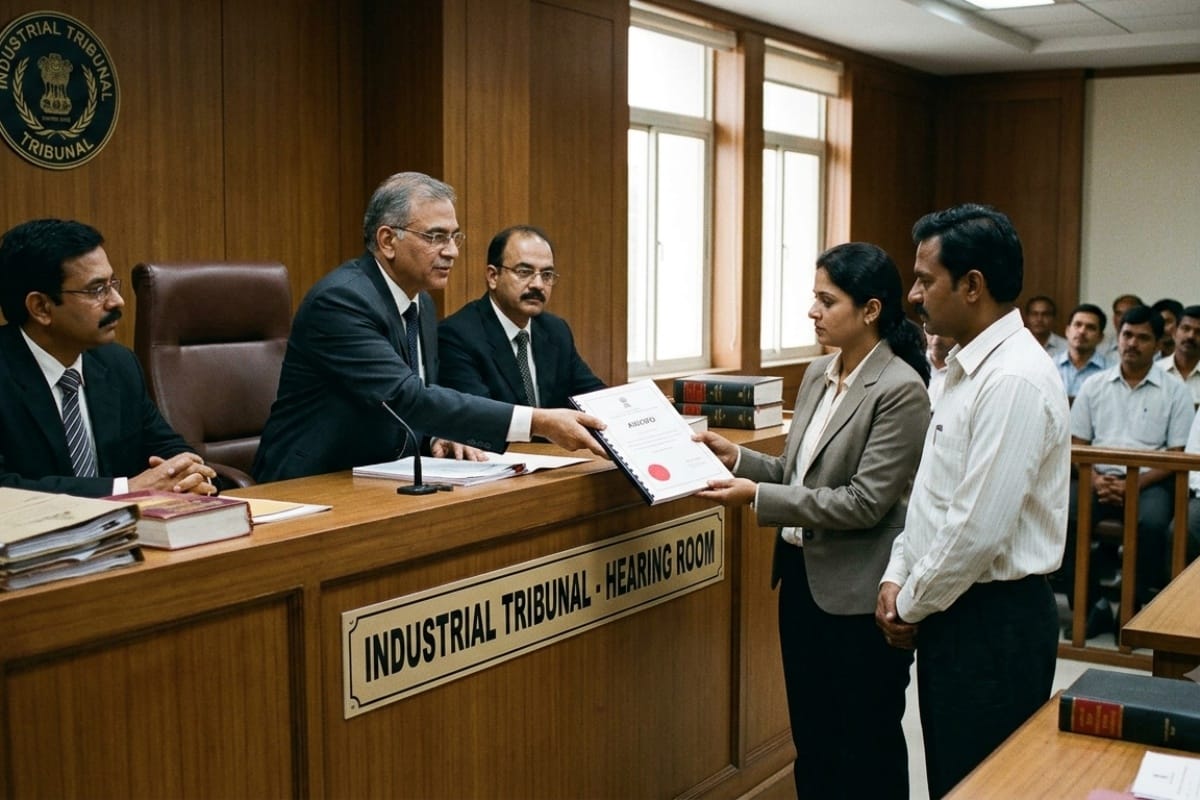
Deciding two connected writ petitions arising from a common Industrial Tribunal Award, the Delhi High Court set aside the Tribunal's direction granting hotel workmen a further…
Labour Laws
06/09/20264 min read
Court / Authority
Income Tax Tribunal
Update / Judgement Date
24 Jul 2026
Source
WCP News Bulletin
Author
Manas Yadav — WCP Legal Desk
Reading Time
2 min read

The “F” Bench of the Income Tax Appellate Tribunal, Delhi, delivered a common order on 25 February 2026 in a batch of appeals filed by Hriday, a charitable society engaged in youth health awareness and research activities. The dispute related to tax treatment of grants received from the National Institutes of Health, USA, and sub-grants remitted to the University of Texas for collaborative public health research projects.
Revenue’s Stand: Foreign Payments Not Eligible for Exemption
The Assessing Officer treated amounts remitted to the University of Texas as application of income outside India in violation of Section 11(1)(c) of the Income-tax Act. It was alleged that the grants were received solely by Hriday and that transferring part of the funds abroad amounted to misuse of charitable income. The AO further invoked Section 13(1)(c), claiming that the foreign university was a substantial contributor and that the remittances indirectly benefited prohibited persons. On this basis, exemption under Sections 11 and 12 was denied and both the sub-grants and surplus were brought to tax across multiple assessment years. The CIT(A) partly upheld the approach by treating foreign payments as ineligible application of income, though it clarified that total exemption could not be withdrawn and only the portion spent outside India should be taxed.
Tribunal’s Ruling: Tied-Up Grants and Overriding Title Apply
The ITAT found that the NIH grants were project-specific and jointly implemented by Indian investigators and the University of Texas. The foreign institution was a co-investigator responsible for research design, scientific supervision, and intervention development. The Tribunal held that these were tied-up grants subject to an overriding obligation to share funds with international collaborators. The amounts paid to the University of Texas were therefore diversion of income at source, not application of income after accrual. Only the net grant retained in India could be treated as Hriday’s income for charitable application. It also ruled that the University of Texas did not fall within the prohibited persons listed under Section 13(3), making the invocation of Section 13(1)(c) legally unsustainable.
On utilisation, the Tribunal noted that except for a shortfall in one year, Hriday had applied more than 85% of its receipts in subsequent years. Accordingly, additions were restricted only to the minor short application for AY 2010–11, and all other disallowances were deleted.
Full Judgement / Attachment
Full Judgement
Deciding two connected writ petitions arising from a common Industrial Tribunal Award, the Delhi High Court set aside the Tribunal's direction granting hotel workmen a further…
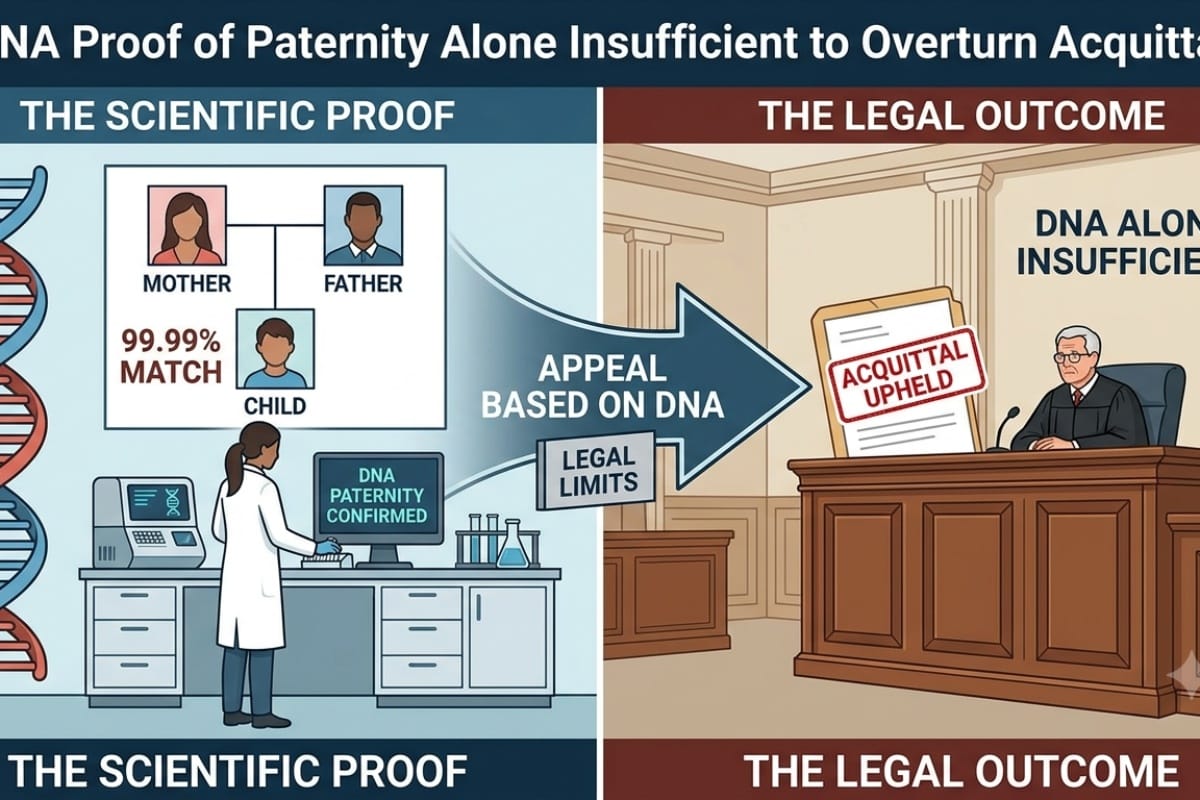
Headnote The Delhi High Court dismissed a prosecutrix's appeal against acquittal of the accused on charges under Sections 328/376 2 n /377/506/509 IPC, despite DNA evidence…
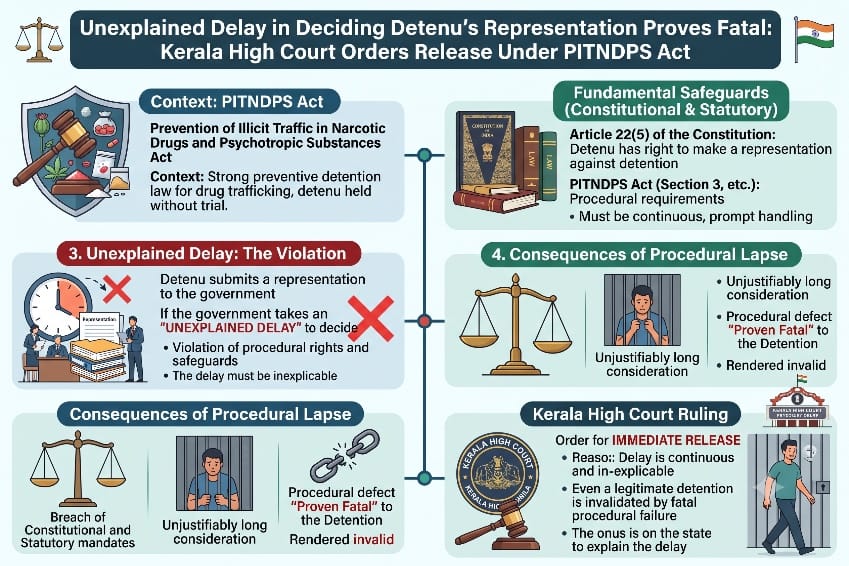
Fathimath Thasneem V.K. v. Union of India and Others | High Court of Kerala at Ernakulam | 3rd September, 2026 A habeas corpus writ petition by the wife of a detenu challenging…
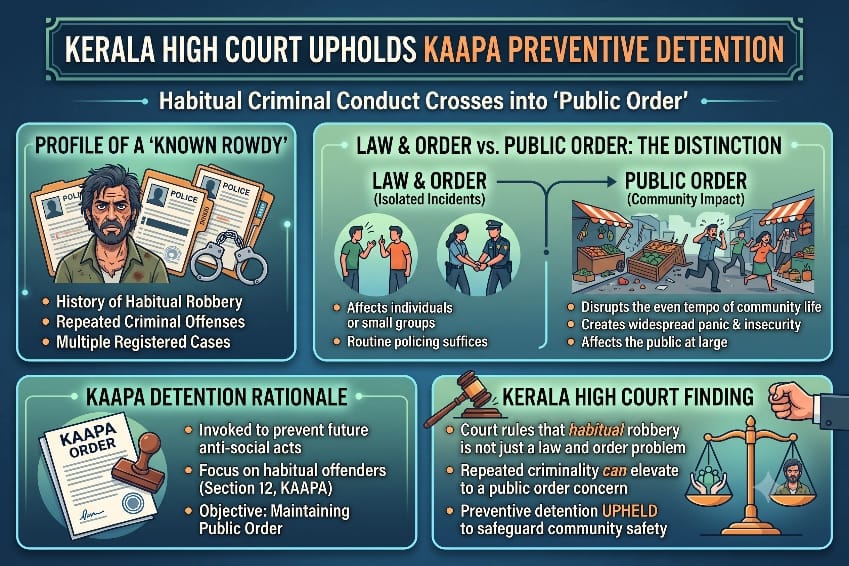
Thasmitha Abukutty v. State of Kerala and Others | High Court of Kerala at Ernakulam | 2nd September, 2026 A writ petition by the wife of a preventive detenu challenging a…
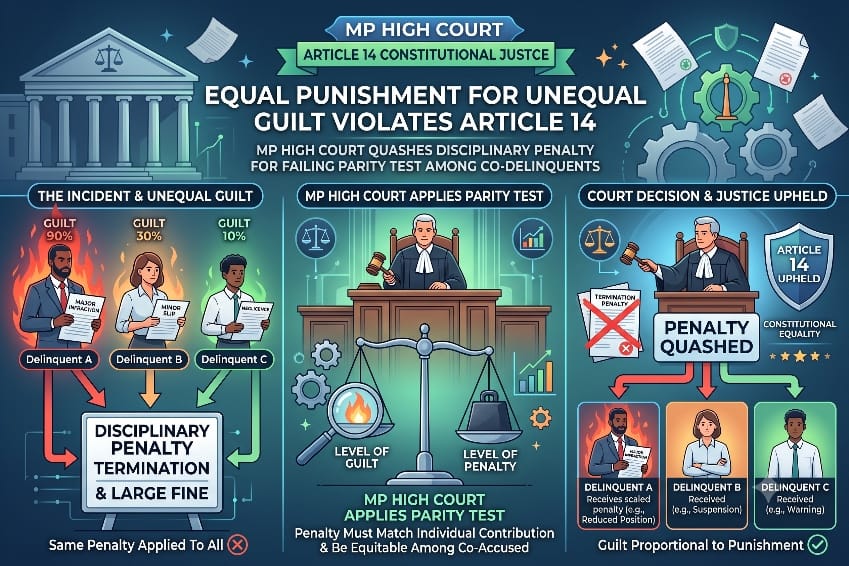
Brahm Kishore Dixit v. The State of Madhya Pradesh and Others | High Court of Madhya Pradesh, Gwalior | 1st September, 2026 A writ petition under Article 226 by a police Assistant…
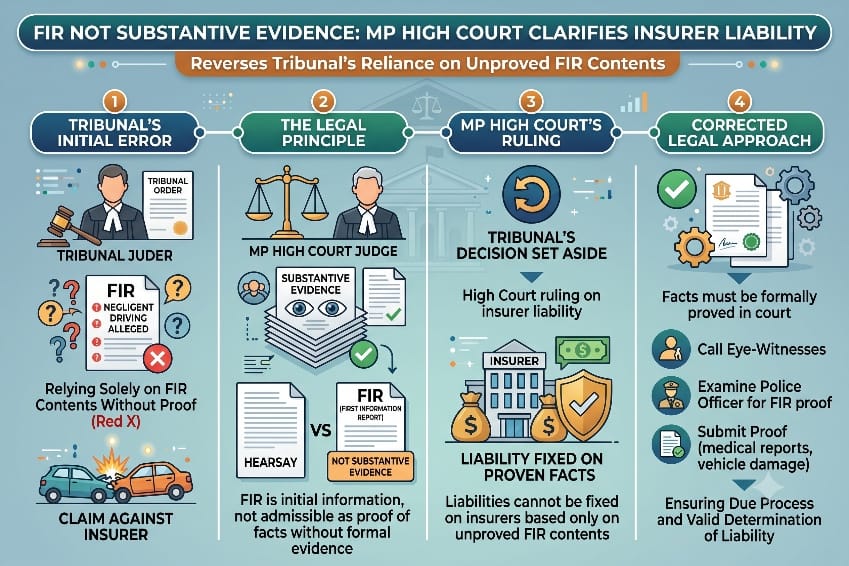
Anil Kumar Patel v. Smt. Munni Bai Barman and Others | High Court of Madhya Pradesh, Jabalpur | 1st September, 2026 A Motor Vehicle Act appeal under Section 173 1 against a Claims…
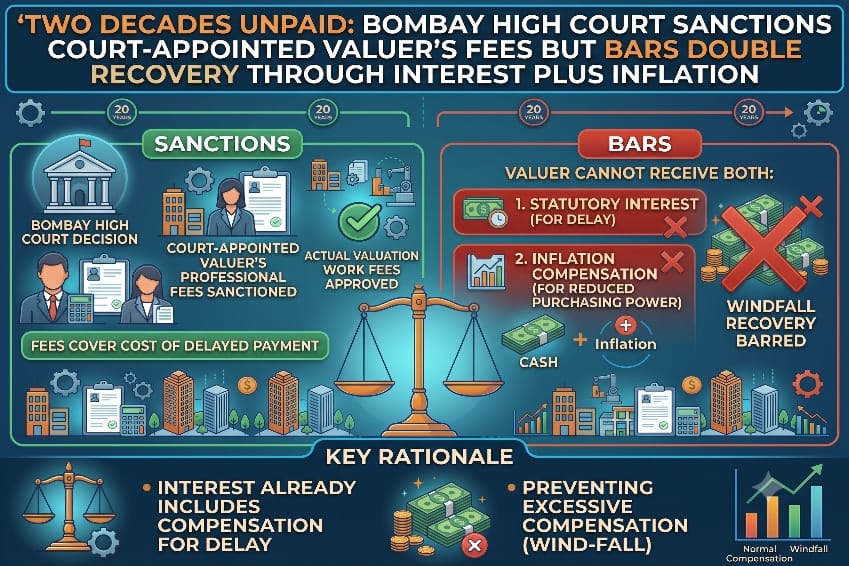
M/s. Kuber Mutual Benefits Ltd. & Ors. v. The State of Maharashtra & Ors. | High Court of Judicature at Bombay Appellate Side | 3rd September, 2026 A Court Receiver's Report…
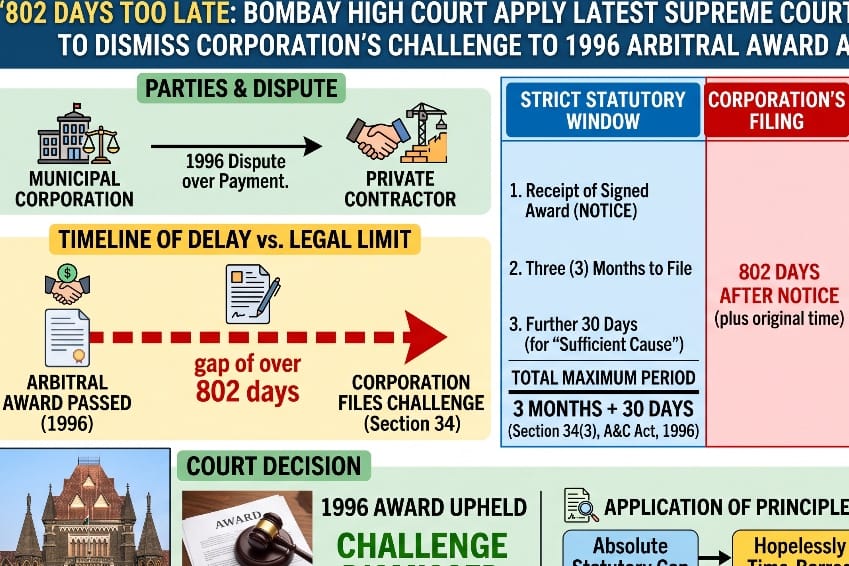
The Municipal Corporation of Greater Bombay v. M/s. Atul Raj Builders Pvt. Ltd. | High Court of Judicature at Bombay Ordinary Original Civil Jurisdiction | 3rd September, 2026 A…
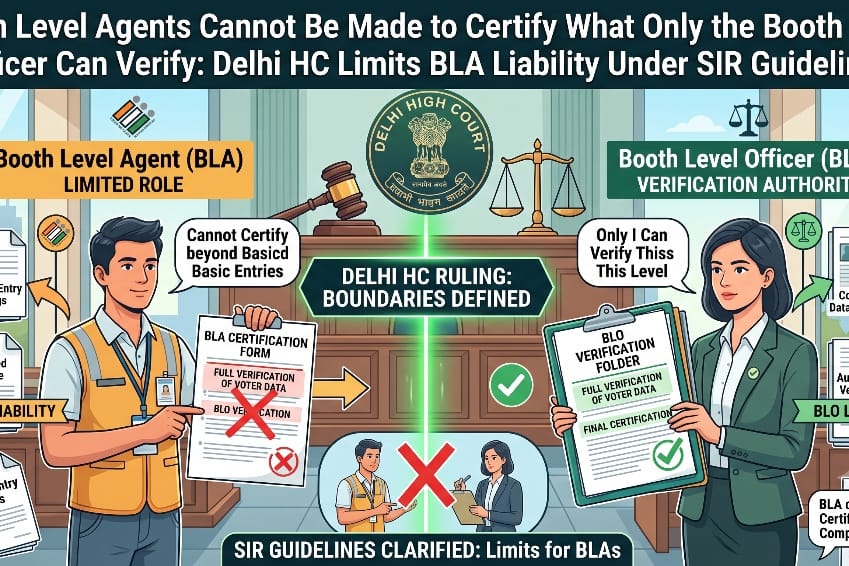
Devender Yadav & Anr. v. Election Commission of India & Anr. | High Court of Delhi Single Judge | Decided on: 03.09.2026 In a challenge to the Election Commission of India's…
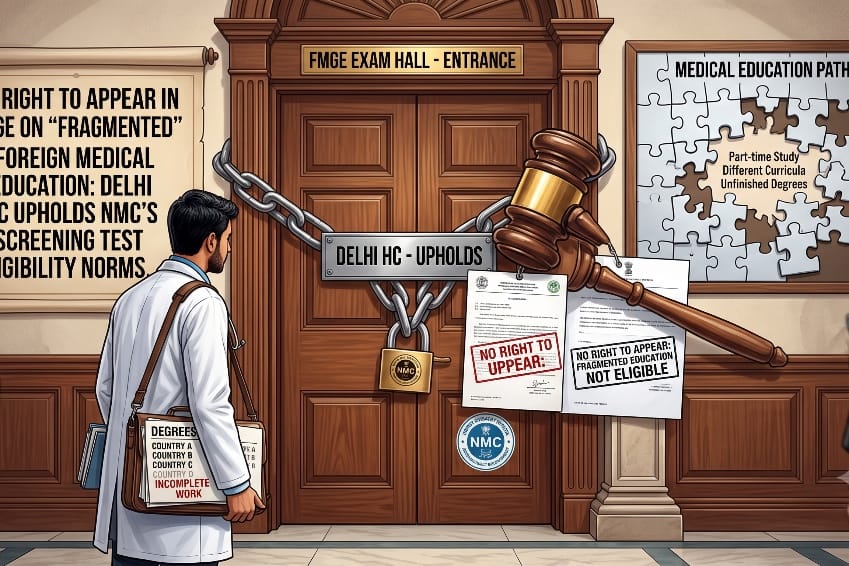
Brij Sharadbhai Bhatt & Ors. v. National Medical Commission & Ors. | High Court of Delhi Division Bench | Decided on: 03.09.2026 The Delhi High Court dismissed a challenge by…