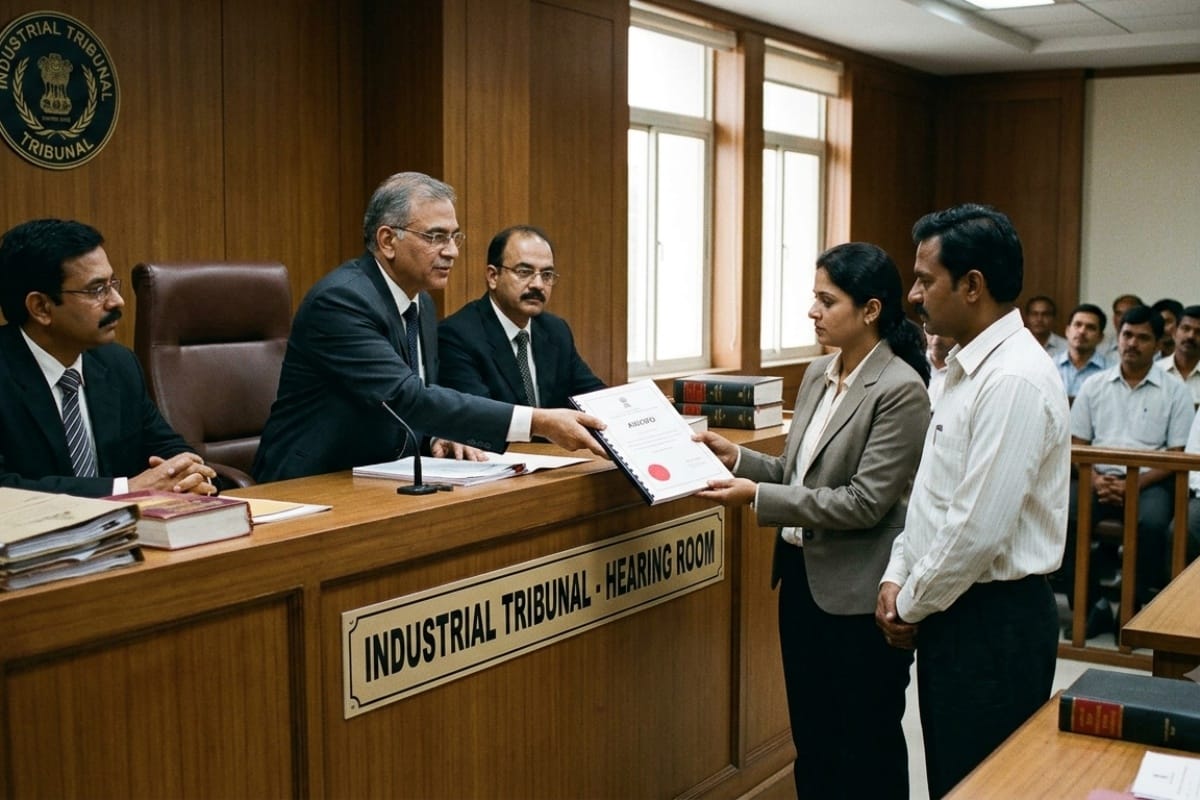
Deciding two connected writ petitions arising from a common Industrial Tribunal Award, the Delhi High Court set aside the Tribunal's direction granting hotel workmen a further…
Labour Laws
06/09/20264 min read
Court / Authority
Income Tax Tribunal
Update / Judgement Date
29 Aug 2026
Source
WCP News Bulletin
Author
Manas Yadav — WCP Legal Desk
Reading Time
2 min read
Key Facts and Tribunal Findings
The Income Tax Appellate Tribunal (ITAT), Delhi Bench “A”, has dismissed Revenue appeals in the cases of Subhash Chander Agarwal and Shanti Devi for Assessment Year 2020–21, upholding the allowability of short-term capital loss (STCL) arising from sale of compulsorily convertible debentures (CCDs) and its set-off against long-term capital gains (LTCG).
The dispute centered on the assessee’s claim of STCL of ₹12.48 crore on sale of CCDs of M/s MKY Constructions Pvt. Ltd., which was set off against LTCG of ₹10.38 crore arising from sale of a jointly owned residential property. The Assessing Officer treated the transaction as a colourable device designed to avoid tax, alleging lack of commercial substance and disallowed the set-off along with carry forward of loss.
The Commissioner (Appeals), however, allowed the claim, holding that the transactions were genuine, supported by documentary evidence, banking channels, and independent valuation. The Revenue challenged this finding before the Tribunal.
The Tribunal noted that the investment in CCDs was made in the backdrop of financial distress faced by the assessee’s family-owned company, which had defaulted on bank loans due to project-related disputes. The assessee, being a guarantor, had raised funds by mortgaging personal property and infused capital into the company to settle bank liabilities. The subsequent sale of CCDs at a nominal value was supported by an independent valuation indicating negative net worth.
Importantly, the Tribunal found no evidence to dispute the genuineness of the transactions, including subscription, funding, or sale. It held that the Assessing Officer’s conclusions were based on questioning commercial prudence rather than identifying any sham or fictitious arrangement.
Rejecting the Revenue’s reliance on the doctrine of “substance over form,” the Tribunal held that mere coincidence of capital gain and loss in the same year does not establish a tax avoidance scheme in the absence of incriminating material. It further observed that business decisions taken under financial distress cannot be evaluated solely on profitability considerations.
Accordingly, the Tribunal upheld the order of the Commissioner (Appeals) and dismissed both Revenue appeals.
Full Judgement / Attachment
Full Judgement
Deciding two connected writ petitions arising from a common Industrial Tribunal Award, the Delhi High Court set aside the Tribunal's direction granting hotel workmen a further…
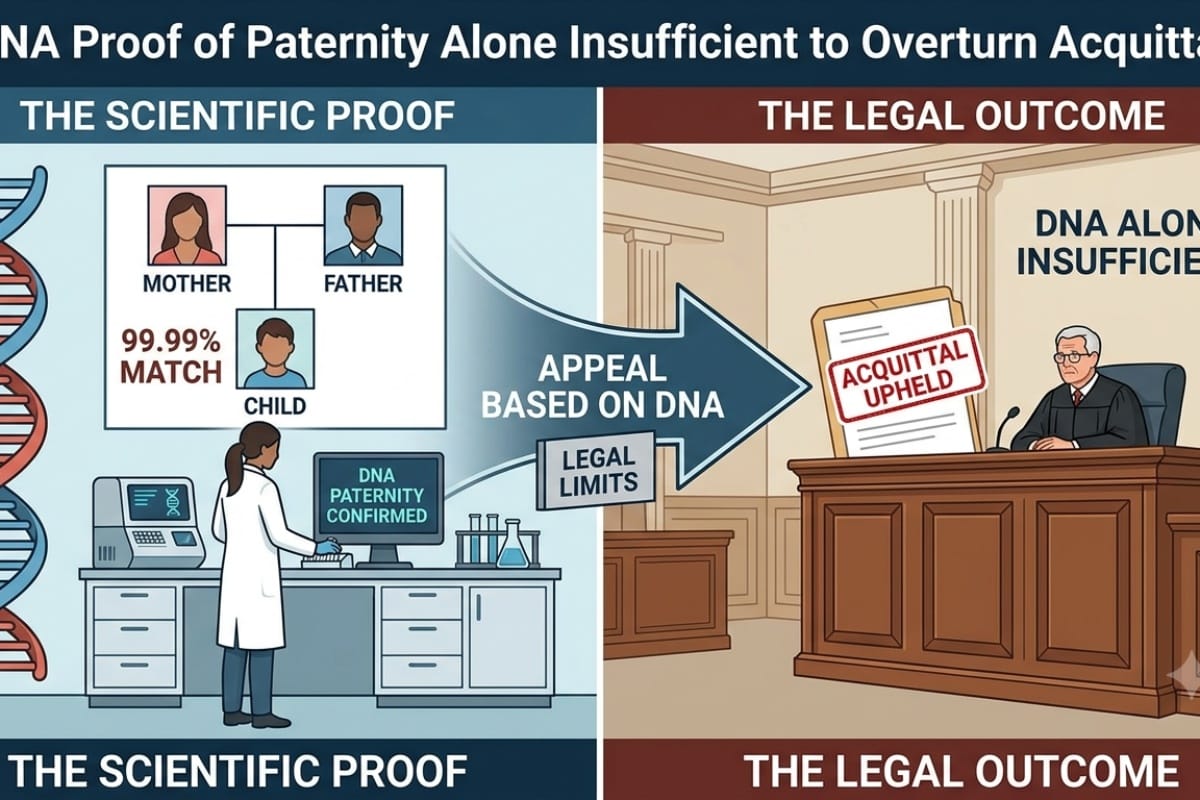
Headnote The Delhi High Court dismissed a prosecutrix's appeal against acquittal of the accused on charges under Sections 328/376 2 n /377/506/509 IPC, despite DNA evidence…
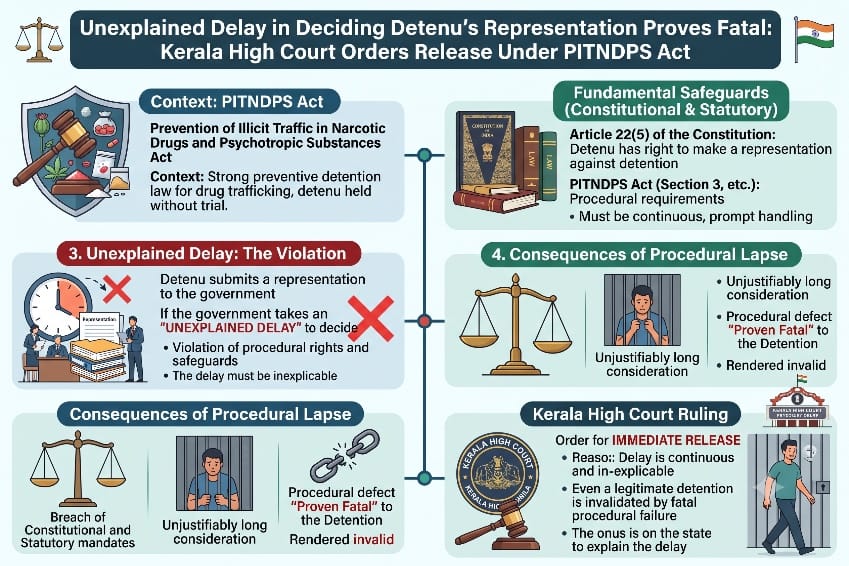
Fathimath Thasneem V.K. v. Union of India and Others | High Court of Kerala at Ernakulam | 3rd September, 2026 A habeas corpus writ petition by the wife of a detenu challenging…
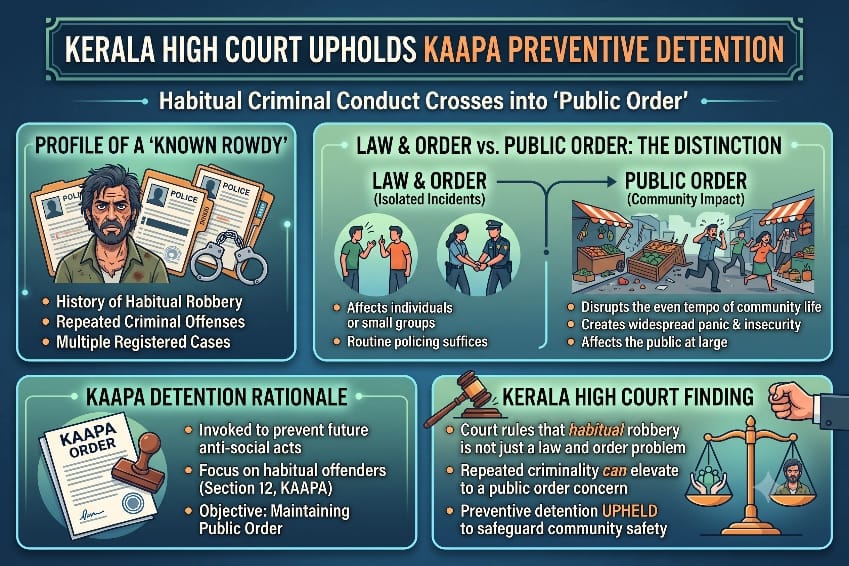
Thasmitha Abukutty v. State of Kerala and Others | High Court of Kerala at Ernakulam | 2nd September, 2026 A writ petition by the wife of a preventive detenu challenging a…
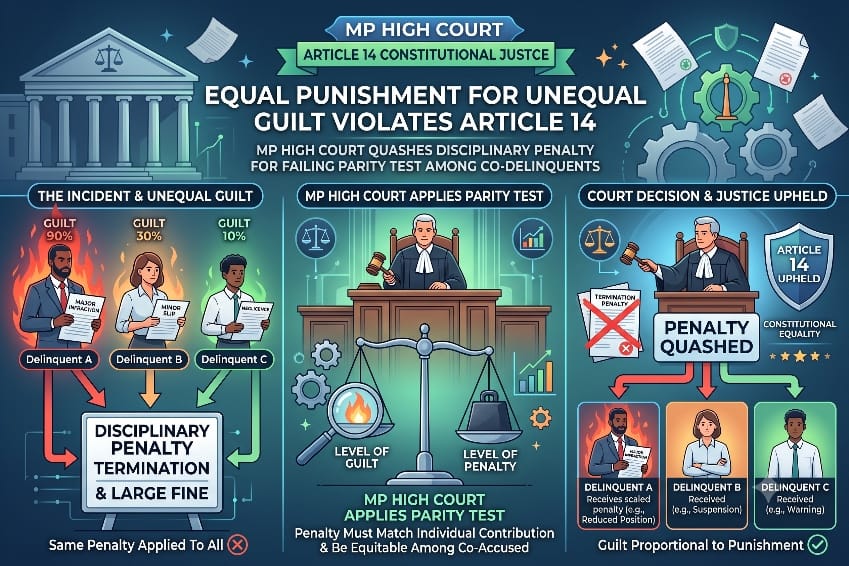
Brahm Kishore Dixit v. The State of Madhya Pradesh and Others | High Court of Madhya Pradesh, Gwalior | 1st September, 2026 A writ petition under Article 226 by a police Assistant…
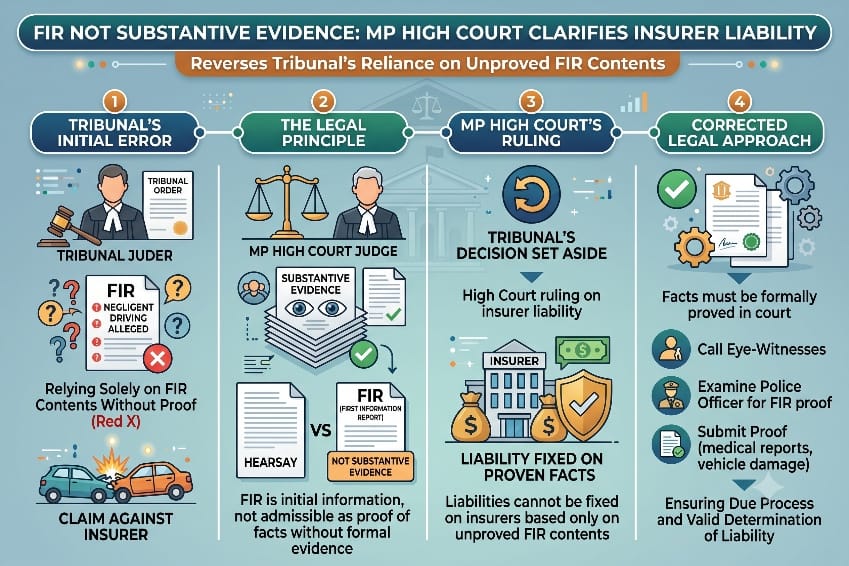
Anil Kumar Patel v. Smt. Munni Bai Barman and Others | High Court of Madhya Pradesh, Jabalpur | 1st September, 2026 A Motor Vehicle Act appeal under Section 173 1 against a Claims…
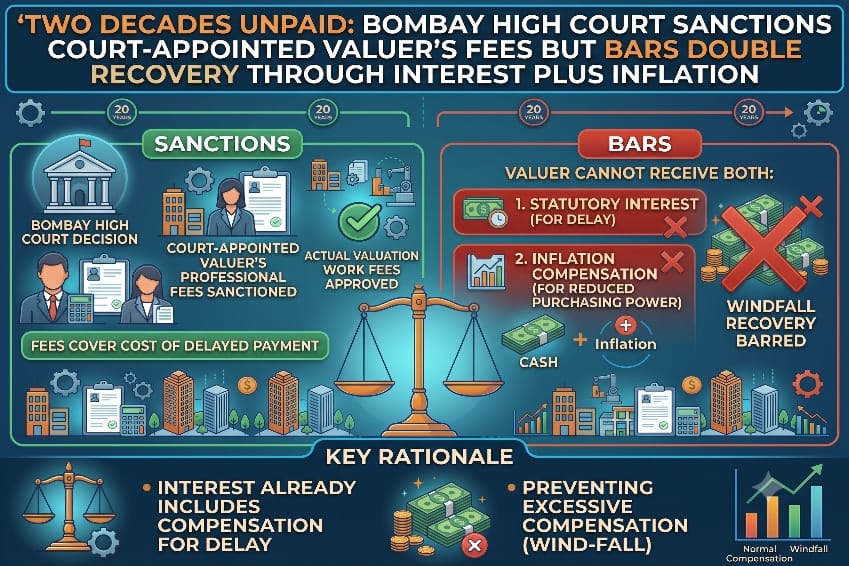
M/s. Kuber Mutual Benefits Ltd. & Ors. v. The State of Maharashtra & Ors. | High Court of Judicature at Bombay Appellate Side | 3rd September, 2026 A Court Receiver's Report…
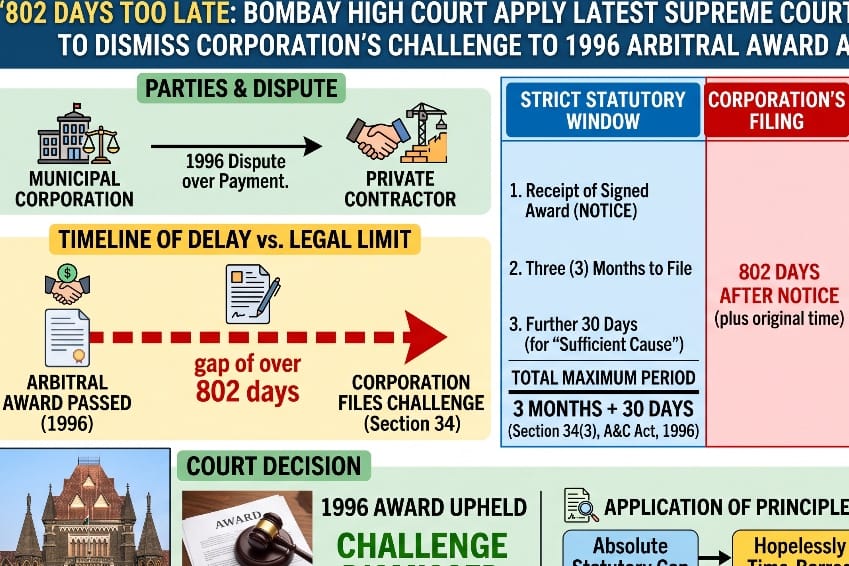
The Municipal Corporation of Greater Bombay v. M/s. Atul Raj Builders Pvt. Ltd. | High Court of Judicature at Bombay Ordinary Original Civil Jurisdiction | 3rd September, 2026 A…
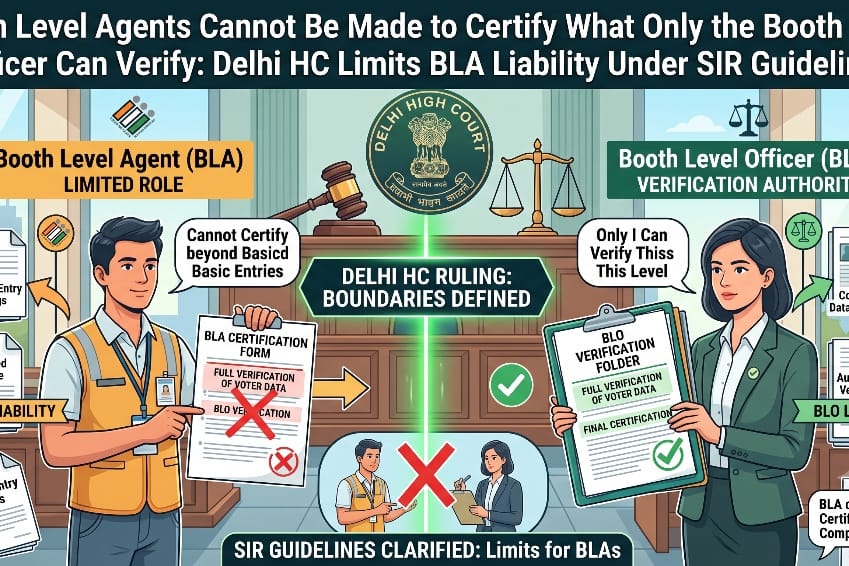
Devender Yadav & Anr. v. Election Commission of India & Anr. | High Court of Delhi Single Judge | Decided on: 03.09.2026 In a challenge to the Election Commission of India's…
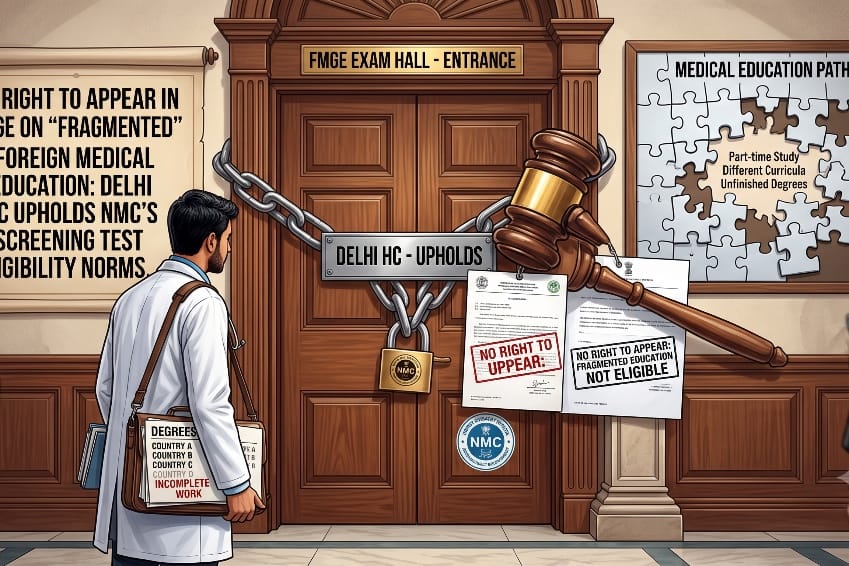
Brij Sharadbhai Bhatt & Ors. v. National Medical Commission & Ors. | High Court of Delhi Division Bench | Decided on: 03.09.2026 The Delhi High Court dismissed a challenge by…