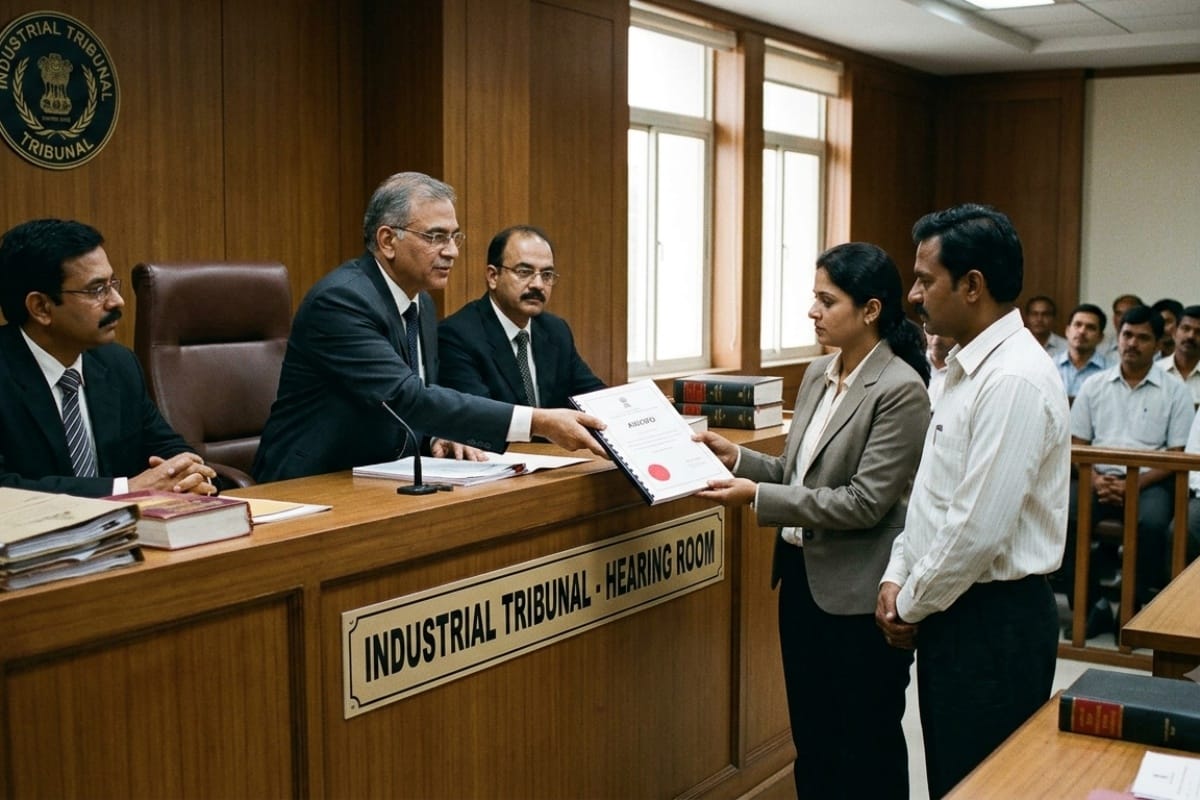
Deciding two connected writ petitions arising from a common Industrial Tribunal Award, the Delhi High Court set aside the Tribunal's direction granting hotel workmen a further…
Labour Laws
06/09/20264 min read
Court / Authority
Income Tax Tribunal
Update / Judgement Date
29 Aug 2026
Source
WCP News Bulletin
Author
Manas Yadav — WCP Legal Desk
Reading Time
2 min read
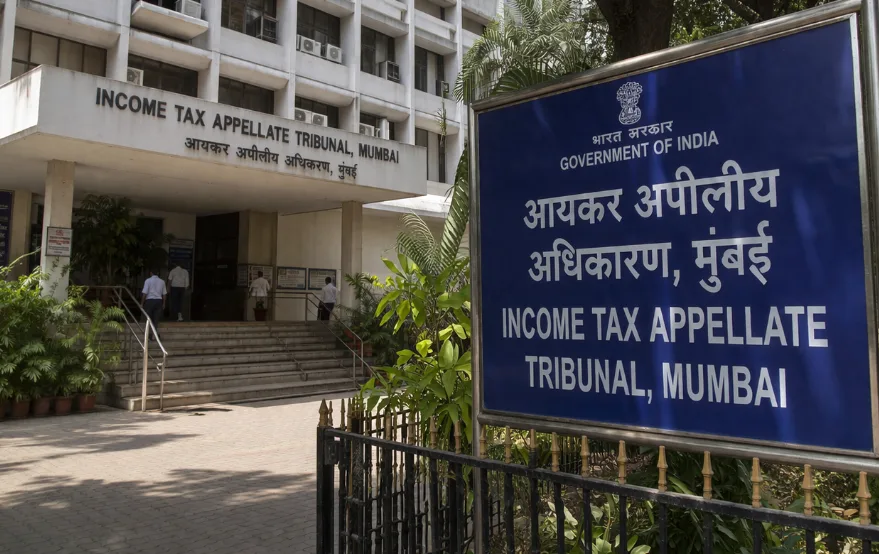
The Income Tax Appellate Tribunal (ITAT), Mumbai Bench “E”, has deleted an ad-hoc disallowance of ₹16.71 lakh sustained by the Commissioner (Appeals), holding that labour expenditure cannot be disallowed merely on suspicion in the absence of cogent evidence.
The assessee, engaged in the business of manufacturing and trading gold jewellery, had claimed labour expenses of ₹4.92 crore. The Assessing Officer (AO), based on bank analysis and verification reports, treated payments made to five labour contractors as non-genuine, primarily noting immediate cash withdrawals after cheque deposits and absence of contractors at recorded addresses. Consequently, the AO disallowed ₹1.67 crore as bogus expenditure.
On appeal, the Commissioner (Appeals) accepted the business model and evidentiary documentation but sustained a 10% disallowance (₹16.71 lakh) on a protective basis.
Before the Tribunal, the assessee demonstrated that all payments were made through banking channels, supported by invoices, confirmations, and statutory compliance. The Tribunal noted that the books of account were not rejected under Section 145(3), and no discrepancy in stock or turnover was identified. It further observed that all contractors responded to notices under Section 133(6), and no material evidence established any round-tripping of funds.
Crucially, the Tribunal held that in the jewellery industry, immediate cash withdrawals by labour contractors are commercially plausible, given the nature of payments to small artisans. It also found deficiencies in the verification exercise, including incorrect address identification.
Rejecting the “split-the-difference” approach adopted by the Commissioner (Appeals), the Tribunal held that once the expenditure is accepted as genuine, partial disallowance without evidence is arbitrary and unsustainable in law.
Accordingly, the Tribunal deleted the entire addition and allowed the appeal.
Full Judgement / Attachment
Full Judgement
Deciding two connected writ petitions arising from a common Industrial Tribunal Award, the Delhi High Court set aside the Tribunal's direction granting hotel workmen a further…
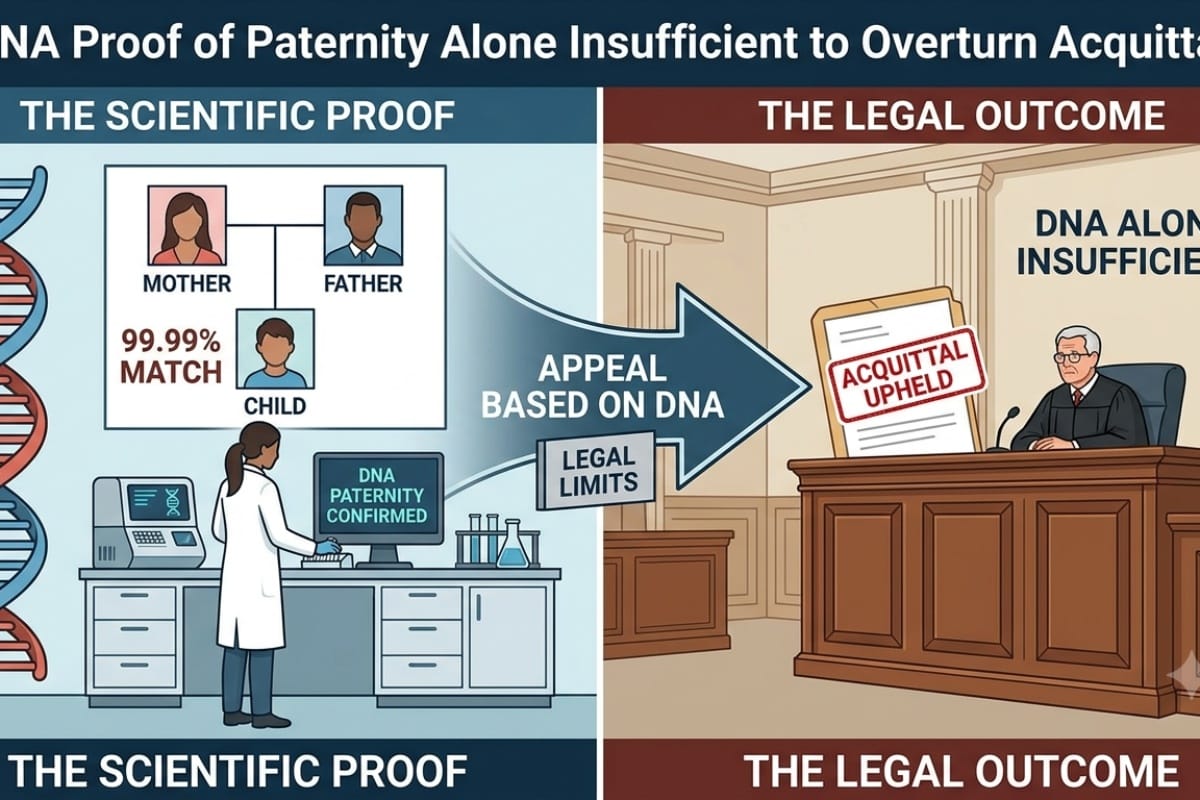
Headnote The Delhi High Court dismissed a prosecutrix's appeal against acquittal of the accused on charges under Sections 328/376 2 n /377/506/509 IPC, despite DNA evidence…
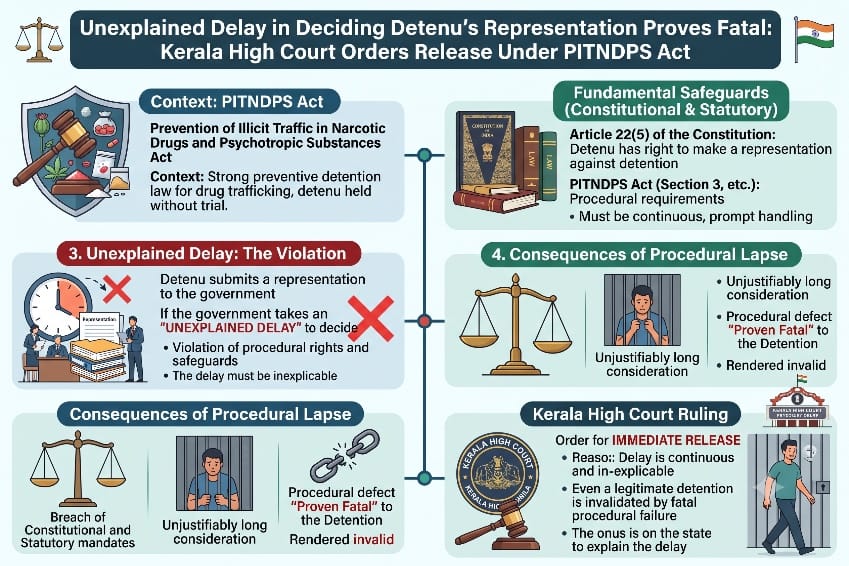
Fathimath Thasneem V.K. v. Union of India and Others | High Court of Kerala at Ernakulam | 3rd September, 2026 A habeas corpus writ petition by the wife of a detenu challenging…
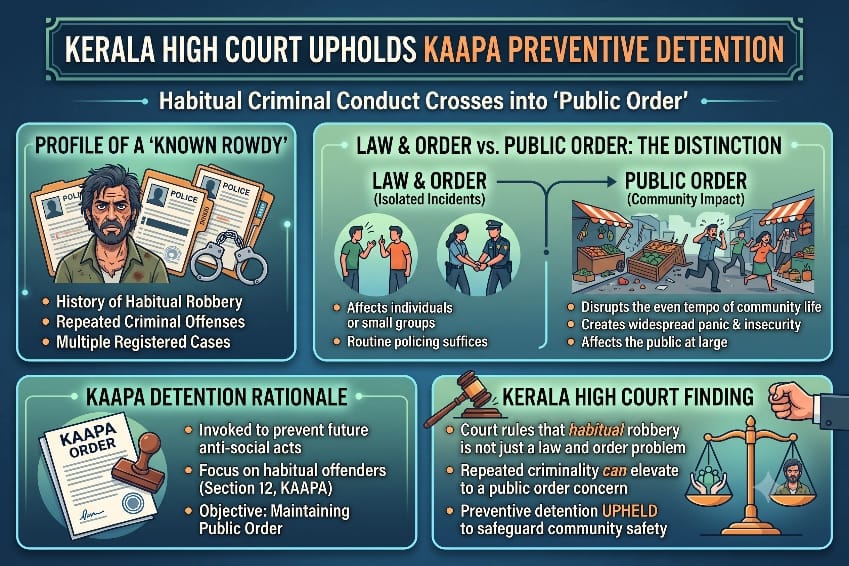
Thasmitha Abukutty v. State of Kerala and Others | High Court of Kerala at Ernakulam | 2nd September, 2026 A writ petition by the wife of a preventive detenu challenging a…
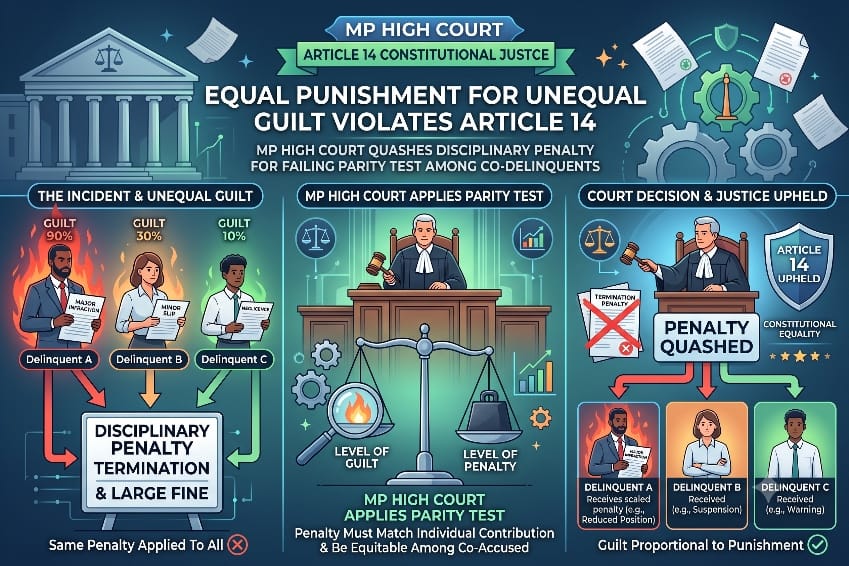
Brahm Kishore Dixit v. The State of Madhya Pradesh and Others | High Court of Madhya Pradesh, Gwalior | 1st September, 2026 A writ petition under Article 226 by a police Assistant…
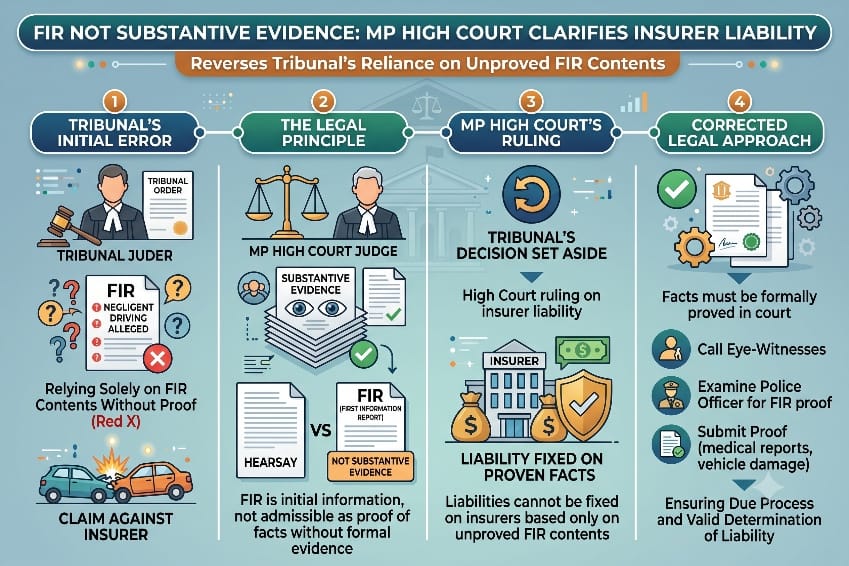
Anil Kumar Patel v. Smt. Munni Bai Barman and Others | High Court of Madhya Pradesh, Jabalpur | 1st September, 2026 A Motor Vehicle Act appeal under Section 173 1 against a Claims…
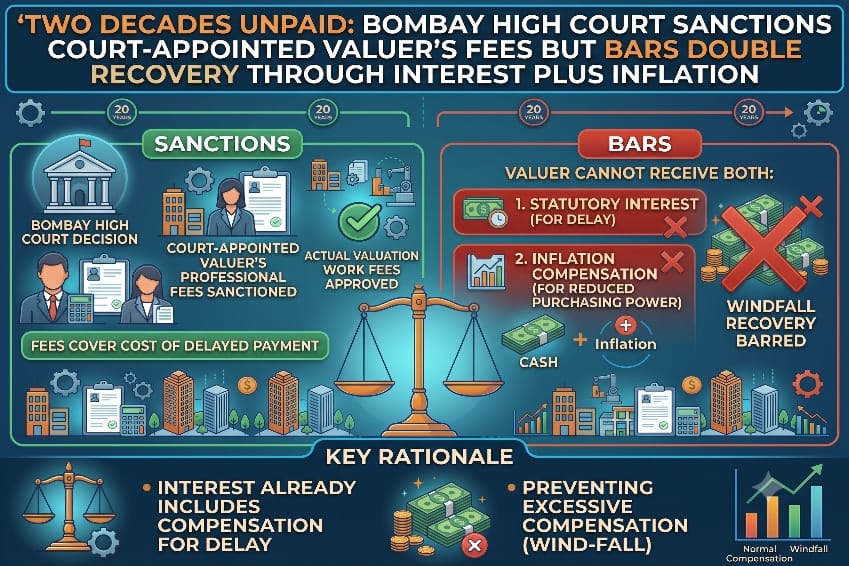
M/s. Kuber Mutual Benefits Ltd. & Ors. v. The State of Maharashtra & Ors. | High Court of Judicature at Bombay Appellate Side | 3rd September, 2026 A Court Receiver's Report…
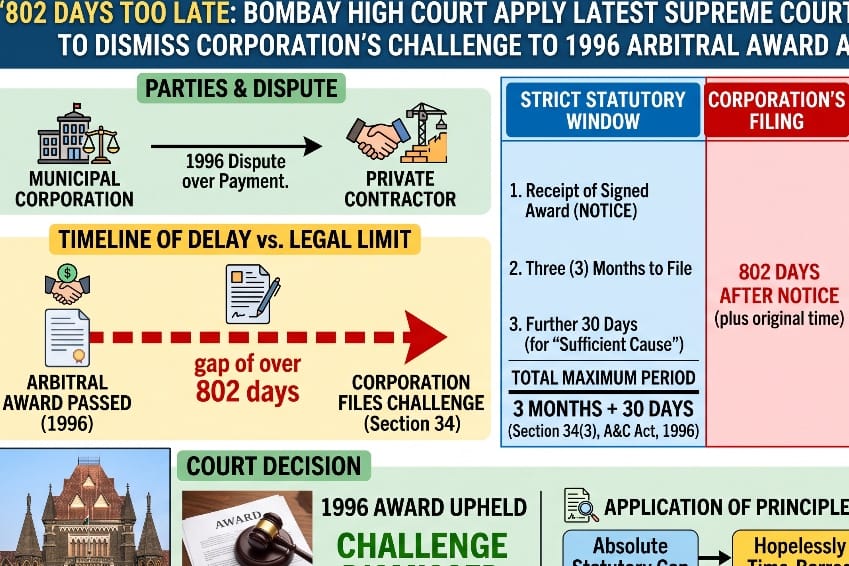
The Municipal Corporation of Greater Bombay v. M/s. Atul Raj Builders Pvt. Ltd. | High Court of Judicature at Bombay Ordinary Original Civil Jurisdiction | 3rd September, 2026 A…
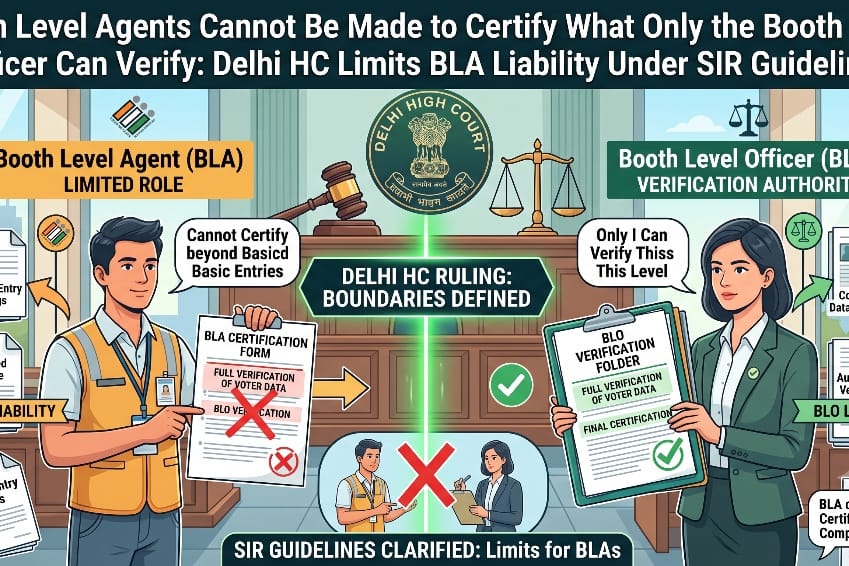
Devender Yadav & Anr. v. Election Commission of India & Anr. | High Court of Delhi Single Judge | Decided on: 03.09.2026 In a challenge to the Election Commission of India's…
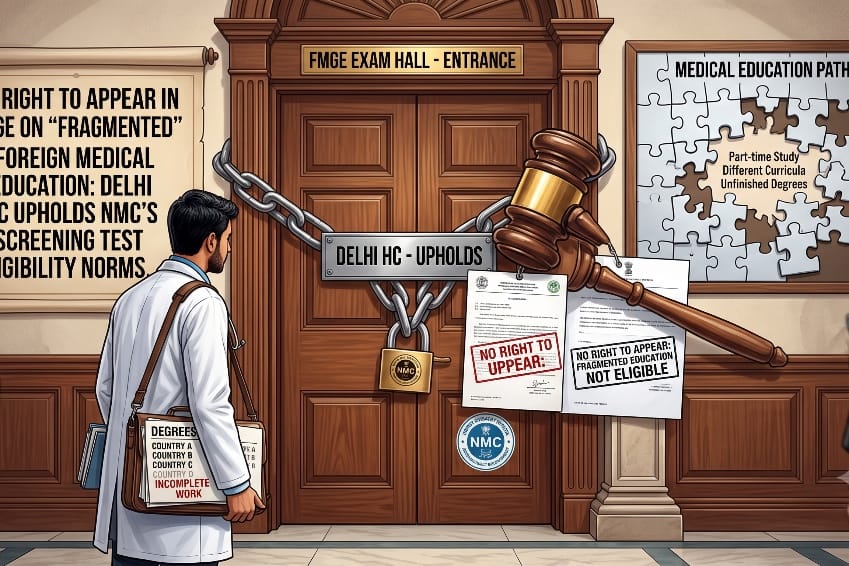
Brij Sharadbhai Bhatt & Ors. v. National Medical Commission & Ors. | High Court of Delhi Division Bench | Decided on: 03.09.2026 The Delhi High Court dismissed a challenge by…