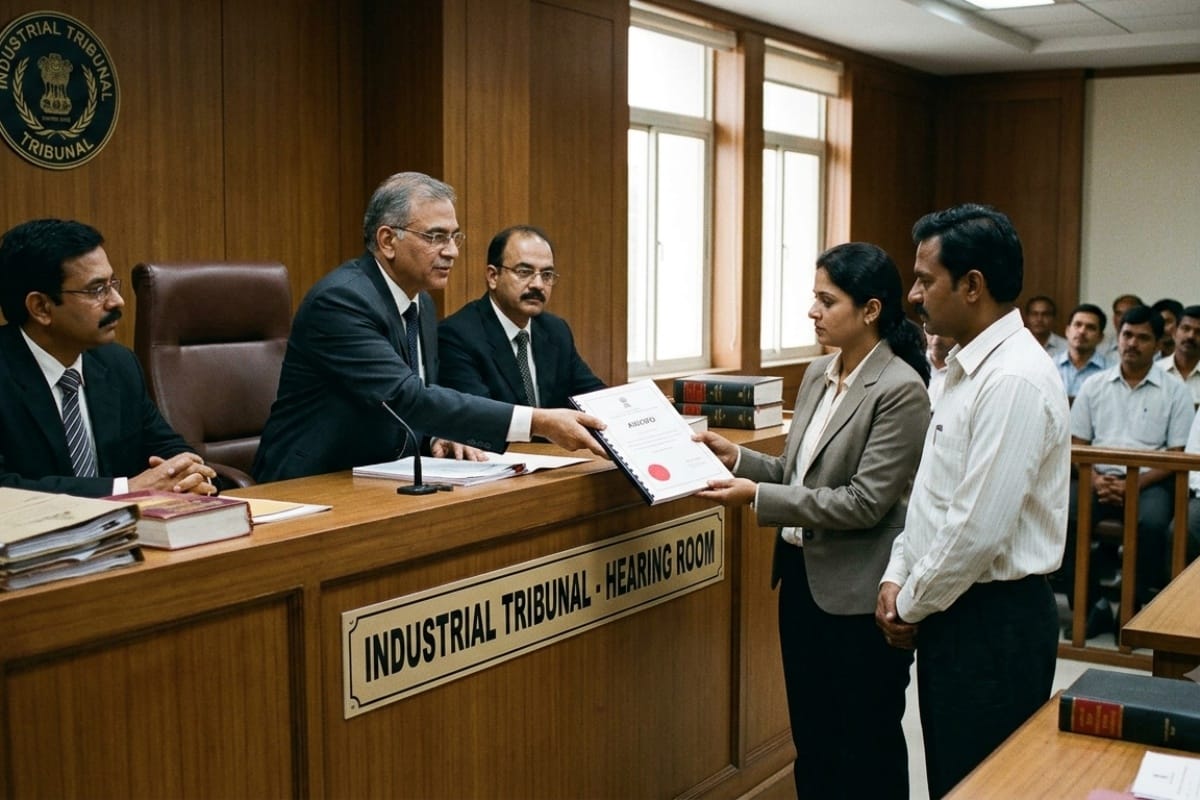
Deciding two connected writ petitions arising from a common Industrial Tribunal Award, the Delhi High Court set aside the Tribunal's direction granting hotel workmen a further…
Labour Laws
06/09/20264 min read
Court / Authority
Income Tax Tribunal
Update / Judgement Date
26 Jul 2026
Source
WCP News Bulletin
Author
Manas Yadav — WCP Legal Desk
Reading Time
3 min read

The “B” Bench of the Income Tax Appellate Tribunal, Mumbai, in the case of Nimish Vivek Juvekar (AY 2015–16), held that jurisdictional challenges to reassessment must be examined prior to adjudicating the merits and accordingly expanded the scope of remand to the Assessing Officer.
Background: Ex Parte Assessment Set Aside by CIT(A)
Reassessment proceedings were initiated under Sections 148A(b), 148A(d), and 148 based on risk management inputs. The assessment was ultimately completed under Sections 147 read with 144, making additions including short-term capital gains arising from redevelopment of property, gains on securities, and unexplained credit card payments. Before the CIT(A), the assessee explained non-compliance on the ground that he was residing in the United Kingdom on a student visa and lacked local support due to personal circumstances. Accepting this as a bona fide explanation, the CIT(A), invoking amended powers under Section 251(1)(a) (effective 01.10.2024), set aside the ex parte assessment and restored the matter to the Assessing Officer for de novo adjudication.
Tribunal: Jurisdictional Issues Must Be Decided First
Before the ITAT, the assessee raised additional legal grounds challenging:
The Tribunal admitted these additional grounds, relying on the principle laid down in National Thermal Power Corporation Ltd. v. CIT (229 ITR 383, SC), that pure questions of law can be raised at any stage.
However, the Bench observed that the determination of limitation and jurisdiction required verification of foundational facts, including:
Since the assessment had already been set aside, the Tribunal held that the ends of justice would be served by restoring even the jurisdictional objections to the Assessing Officer.
Directions Issued by ITAT
The Assessing Officer has been directed to:
All issues were kept open, and the appeal was allowed for statistical purposes.
Full Judgement / Attachment
Full Judgement
Deciding two connected writ petitions arising from a common Industrial Tribunal Award, the Delhi High Court set aside the Tribunal's direction granting hotel workmen a further…

Headnote The Delhi High Court dismissed a prosecutrix's appeal against acquittal of the accused on charges under Sections 328/376 2 n /377/506/509 IPC, despite DNA evidence…
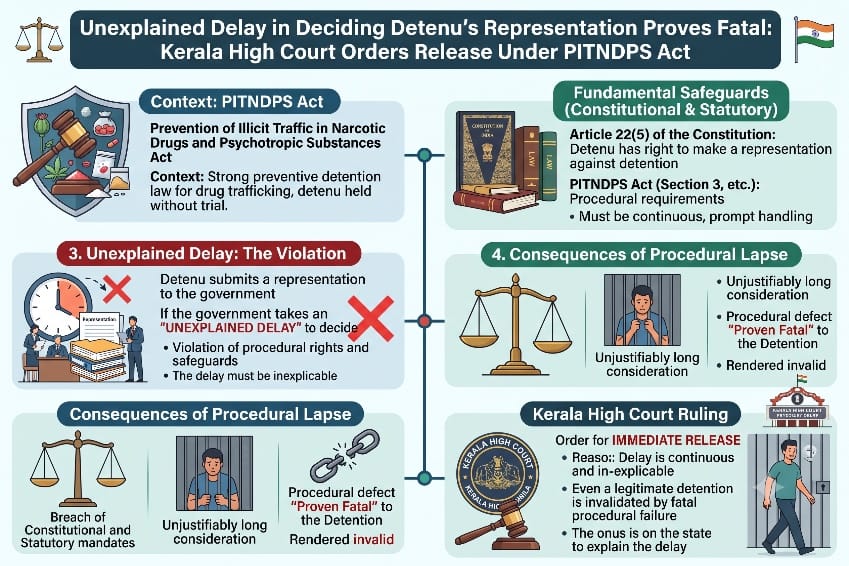
Fathimath Thasneem V.K. v. Union of India and Others | High Court of Kerala at Ernakulam | 3rd September, 2026 A habeas corpus writ petition by the wife of a detenu challenging…

Thasmitha Abukutty v. State of Kerala and Others | High Court of Kerala at Ernakulam | 2nd September, 2026 A writ petition by the wife of a preventive detenu challenging a…
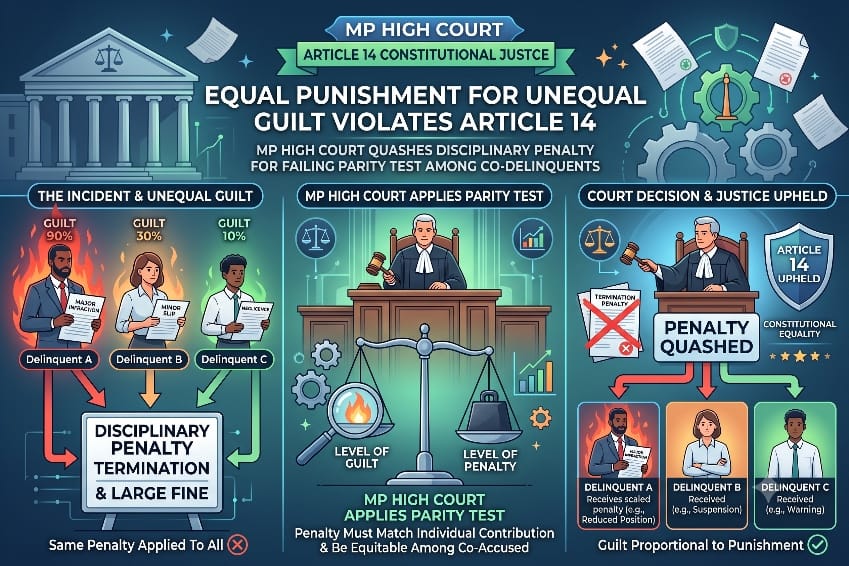
Brahm Kishore Dixit v. The State of Madhya Pradesh and Others | High Court of Madhya Pradesh, Gwalior | 1st September, 2026 A writ petition under Article 226 by a police Assistant…
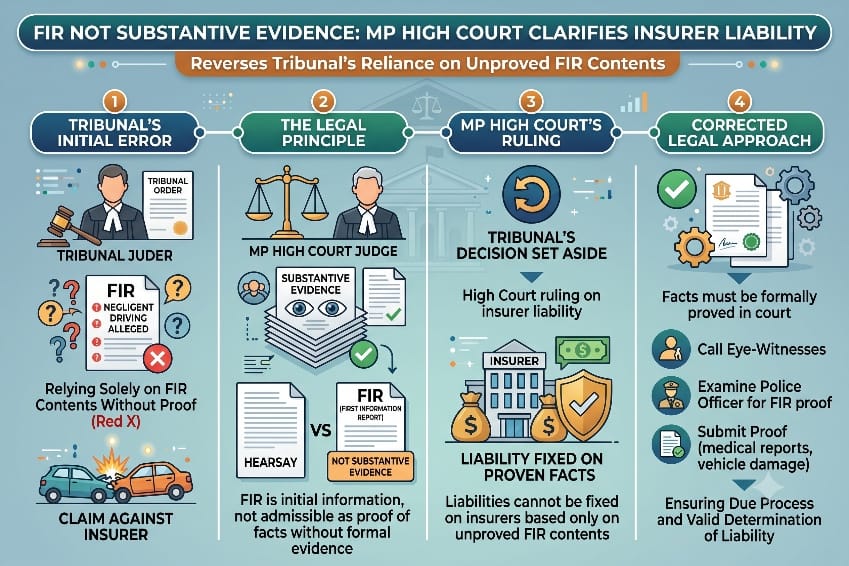
Anil Kumar Patel v. Smt. Munni Bai Barman and Others | High Court of Madhya Pradesh, Jabalpur | 1st September, 2026 A Motor Vehicle Act appeal under Section 173 1 against a Claims…
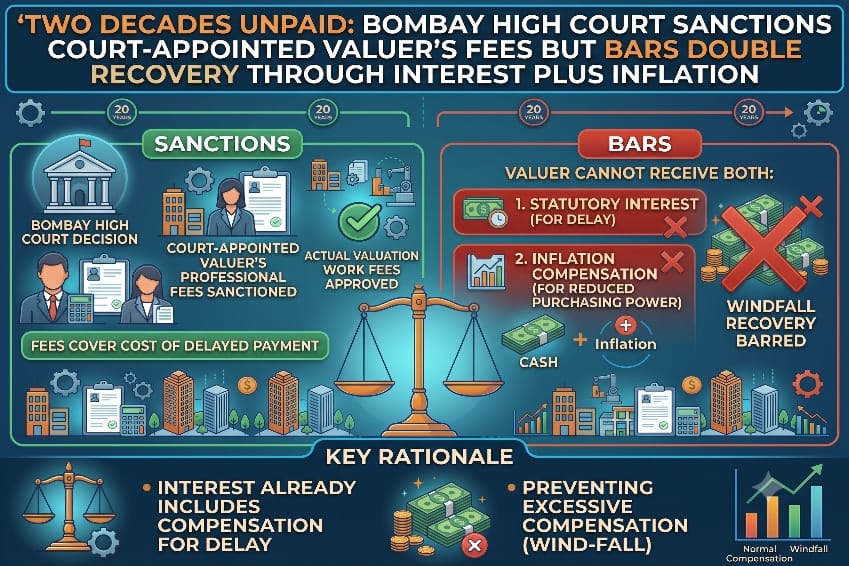
M/s. Kuber Mutual Benefits Ltd. & Ors. v. The State of Maharashtra & Ors. | High Court of Judicature at Bombay Appellate Side | 3rd September, 2026 A Court Receiver's Report…
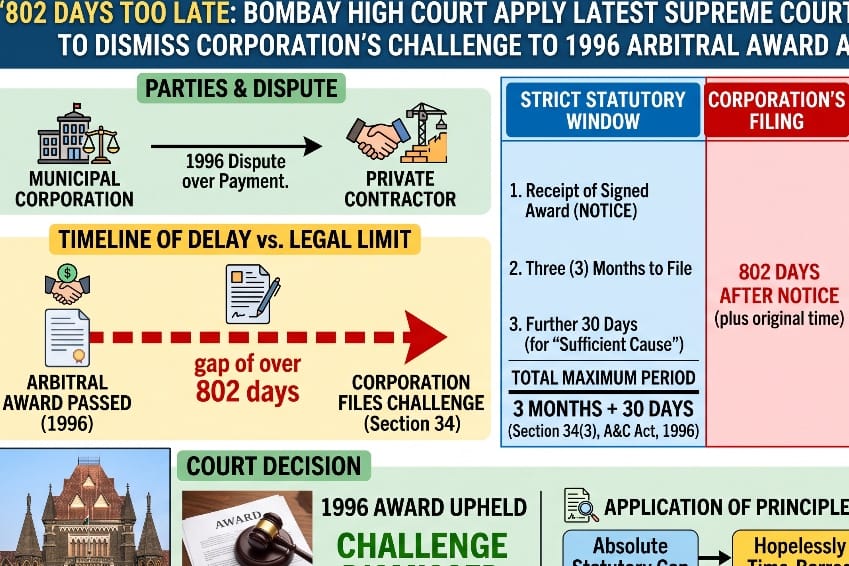
The Municipal Corporation of Greater Bombay v. M/s. Atul Raj Builders Pvt. Ltd. | High Court of Judicature at Bombay Ordinary Original Civil Jurisdiction | 3rd September, 2026 A…
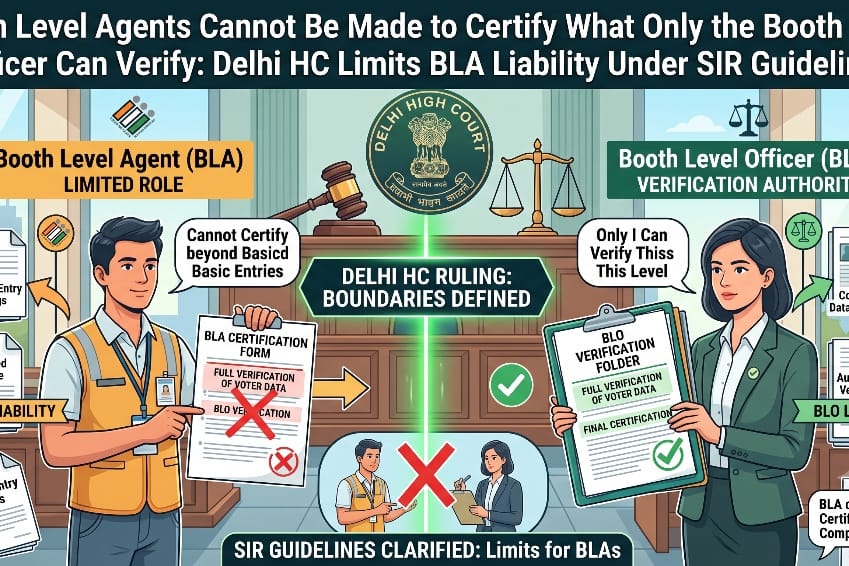
Devender Yadav & Anr. v. Election Commission of India & Anr. | High Court of Delhi Single Judge | Decided on: 03.09.2026 In a challenge to the Election Commission of India's…
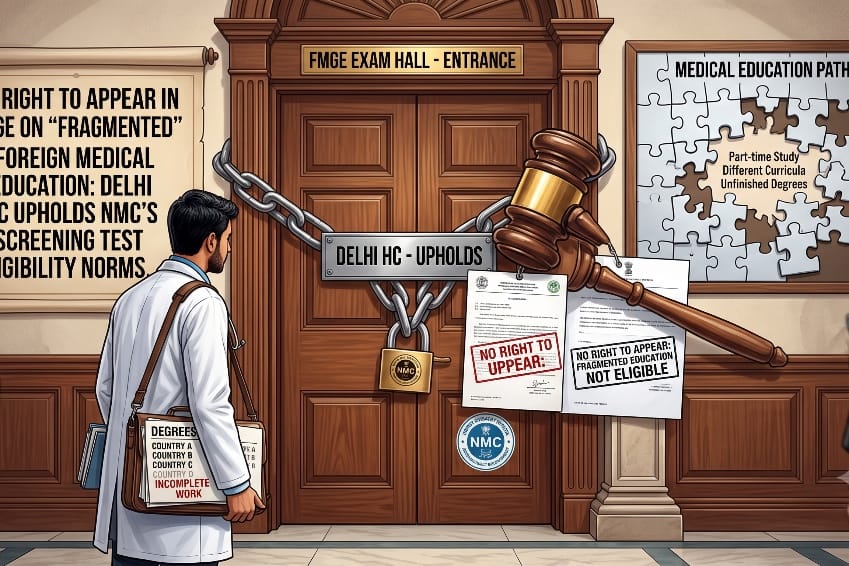
Brij Sharadbhai Bhatt & Ors. v. National Medical Commission & Ors. | High Court of Delhi Division Bench | Decided on: 03.09.2026 The Delhi High Court dismissed a challenge by…