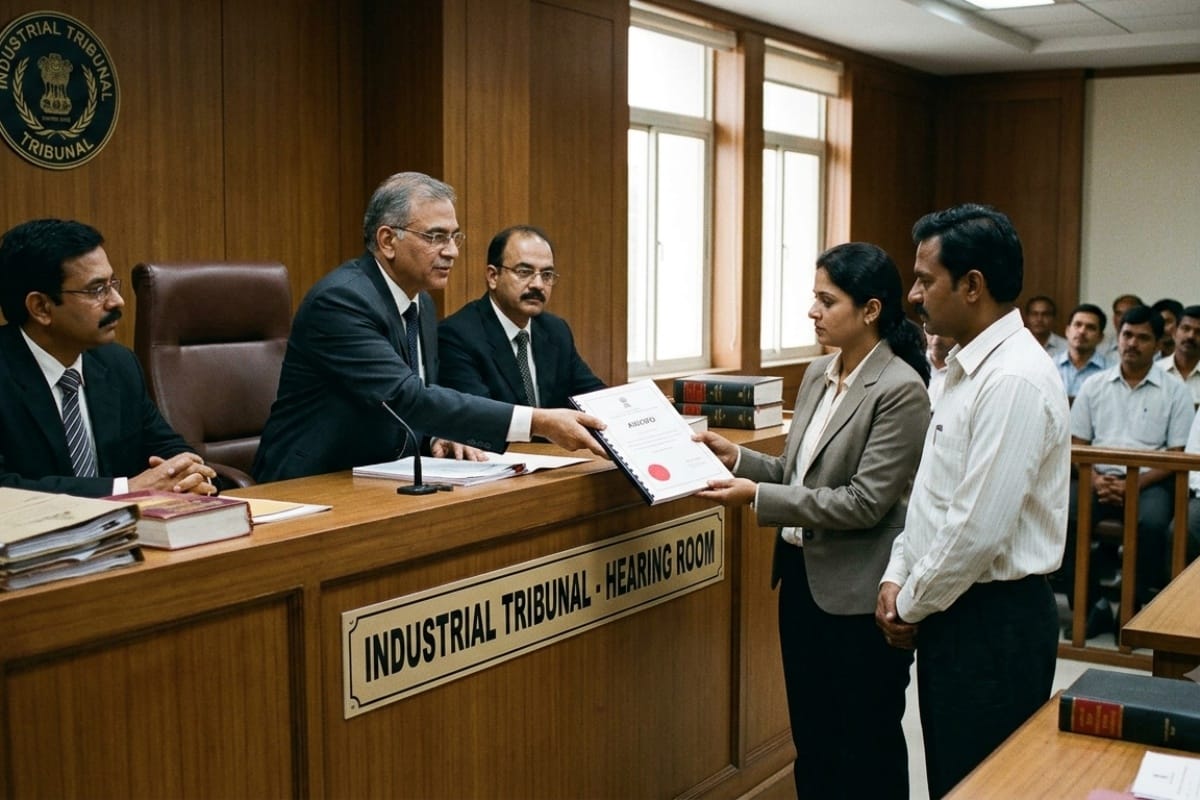
Deciding two connected writ petitions arising from a common Industrial Tribunal Award, the Delhi High Court set aside the Tribunal's direction granting hotel workmen a further…
Labour Laws
06/09/20264 min read
Update / Judgement Date
06 Jun 2026
Source
WCP News Bulletin
Author
Sakshi Bhardwaj — WCP Legal Desk
Reading Time
3 min read

The Madhya Pradesh High Court held that arbitration disputes between rival sports associations concerning recognition and representation are not “commercial disputes” under the Commercial Courts Act, 2015, and where no specified monetary value exists, applications under Section 34 of the Arbitration and Conciliation Act, 1996 cannot be transferred to a Commercial Court. Such matters must be heard by the Principal Civil Court of original jurisdiction (District Court) as defined under Section 2(e) of the Arbitration Act.
• A dispute arose between two rival sports bodies claiming recognition as the legitimate Athletics Association of Madhya Pradesh.
• Arbitration proceedings were initiated pursuant to directions of the High Court in a writ petition, based on the rules of the Indian Olympic Association.
• The Arbitral Tribunal passed an award dated 17.06.2016 declaring M.P. Athletics Association as the recognised body.
• The present petitioner challenged the award under Section 34 of the Arbitration and Conciliation Act, 1996.
• Initially, the challenge was pending before the District Court at Bhopal but was later transferred by the Principal District Judge to the Commercial Court (Civil Judge, Senior Division).
• The petitioner challenged this transfer order.
Issues for Consideration• The definition of “commercial dispute” under Section 2(1)(c) of the 2015 Act does not include disputes relating to recognition or governance of sports bodies.
• The arbitration did not involve any monetary claim, counterclaim, or commercial transaction.
• The arbitration arose solely from directions of the High Court to resolve an internal dispute between rival associations under the rules of the Indian Olympic Association.
• Section 12(2) of the Commercial Courts Act mandates determination of specified value based on the aggregate of claims and counterclaims—none existed in the present case.
• Therefore, the jurisdictional foundation for the Commercial Court was absent.
Distinction from Jaycee Housing (P) Ltd. v. High Court of Orissa• While the Supreme Court in Jaycee Housing held that the Commercial Courts Act has overriding effect and that arbitration matters of commercial disputes can be heard by Commercial Courts (including Civil Judge level),
• The said principle applies only where the dispute is commercial and of specified value.
• In the present case, neither condition was satisfied.
• Section 2(e), Arbitration and Conciliation Act, 1996 – Defines “Court” as the Principal Civil Court of original jurisdiction (District Judge).
• Sections 2(1)(c), 10, and 12, Commercial Courts Act, 2015 – Applicability depends on existence of a commercial dispute of specified value.
• Section 19, Civil Courts Act, 1977 (M.P.) – District Judge is the Principal Civil Court.
Decision• The petition was allowed.
• The order dated 25.06.2025 passed by the Principal District Judge transferring the cases to the Commercial Court was set aside.
• The Principal District Judge, Bhopal was directed to transfer the Section 34 applications to himself or a District Court under him within 30 days.
Ratio DecidendiArbitration disputes lacking commercial character and specified monetary value do not fall within the jurisdiction of Commercial Courts; challenges under Section 34 of the Arbitration and Conciliation Act in such cases must be heard by the District Court as the Principal Civil Court of original jurisdiction.
Deciding two connected writ petitions arising from a common Industrial Tribunal Award, the Delhi High Court set aside the Tribunal's direction granting hotel workmen a further…
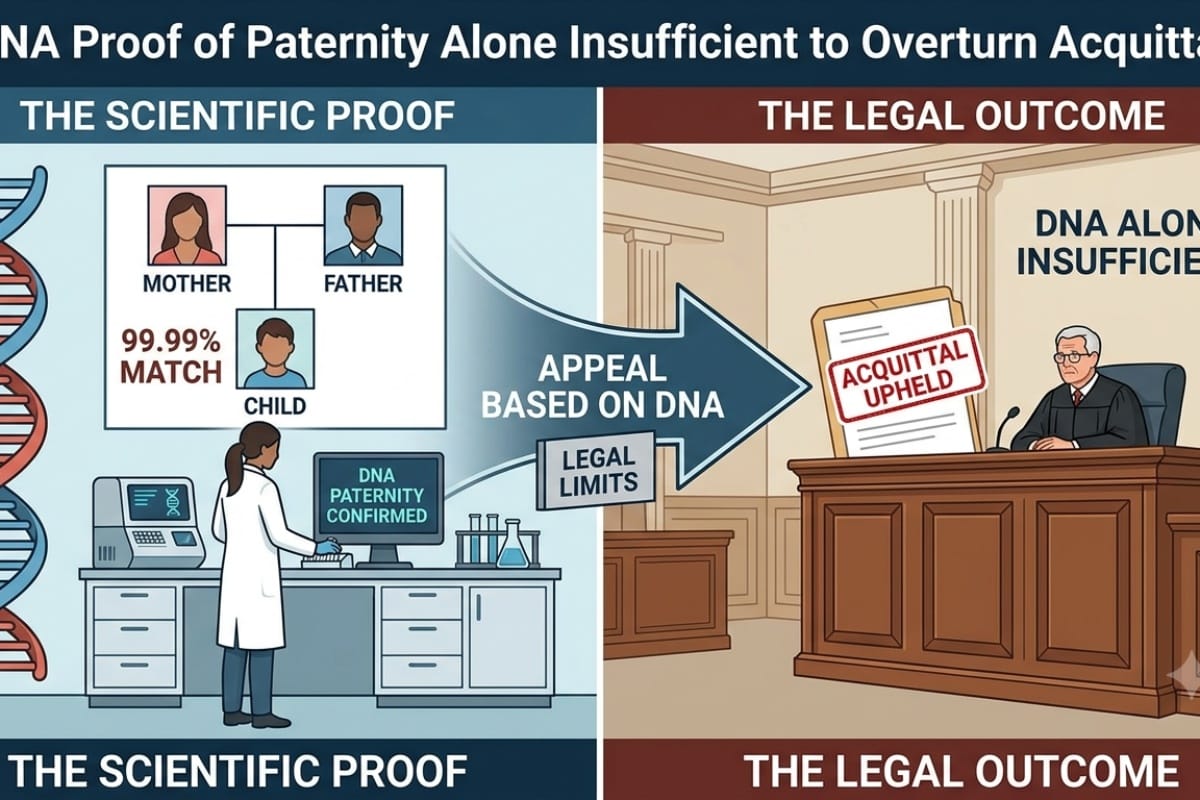
Headnote The Delhi High Court dismissed a prosecutrix's appeal against acquittal of the accused on charges under Sections 328/376 2 n /377/506/509 IPC, despite DNA evidence…
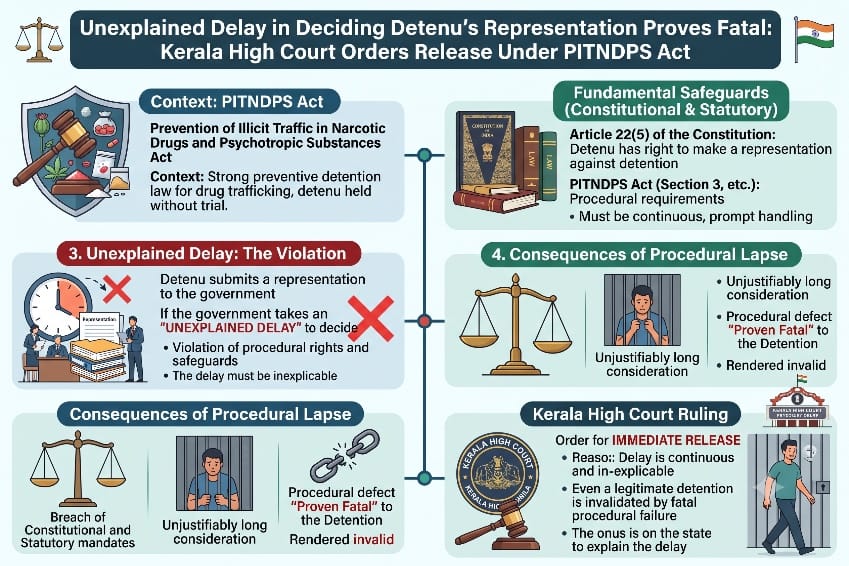
Fathimath Thasneem V.K. v. Union of India and Others | High Court of Kerala at Ernakulam | 3rd September, 2026 A habeas corpus writ petition by the wife of a detenu challenging…
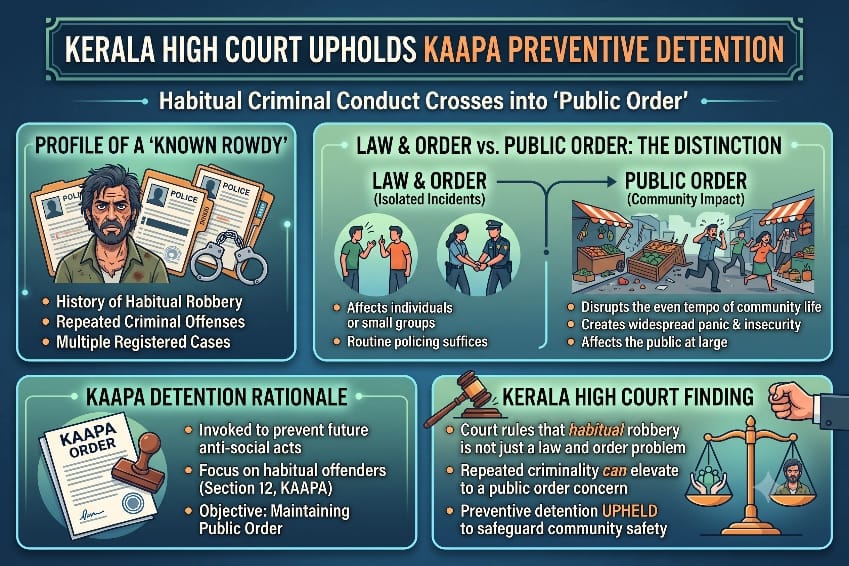
Thasmitha Abukutty v. State of Kerala and Others | High Court of Kerala at Ernakulam | 2nd September, 2026 A writ petition by the wife of a preventive detenu challenging a…
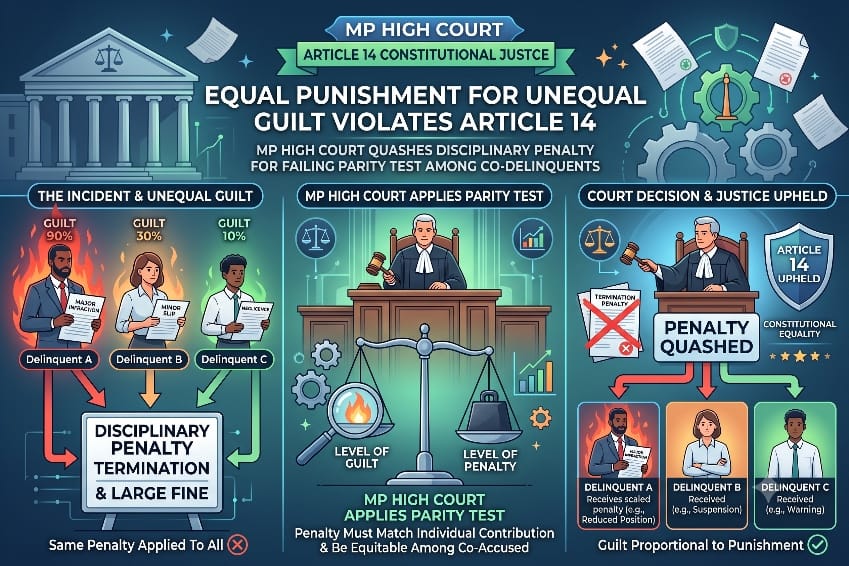
Brahm Kishore Dixit v. The State of Madhya Pradesh and Others | High Court of Madhya Pradesh, Gwalior | 1st September, 2026 A writ petition under Article 226 by a police Assistant…
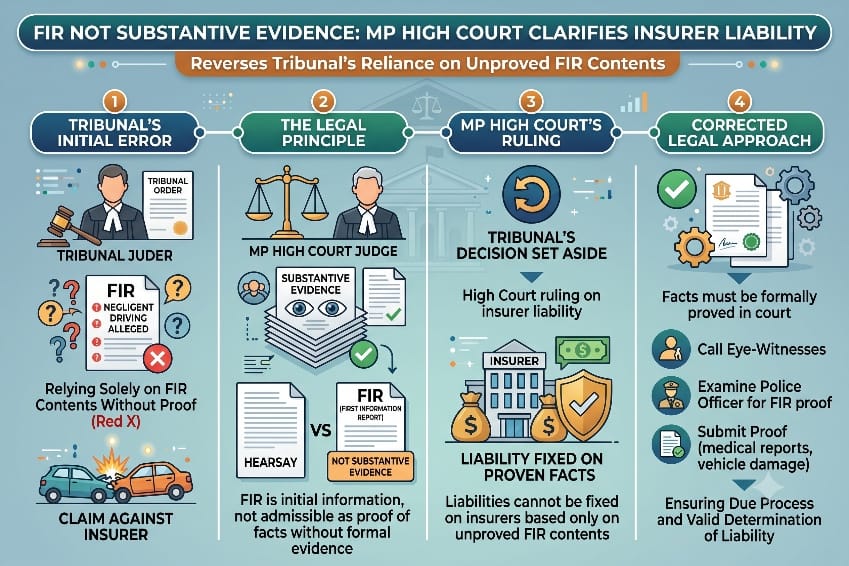
Anil Kumar Patel v. Smt. Munni Bai Barman and Others | High Court of Madhya Pradesh, Jabalpur | 1st September, 2026 A Motor Vehicle Act appeal under Section 173 1 against a Claims…
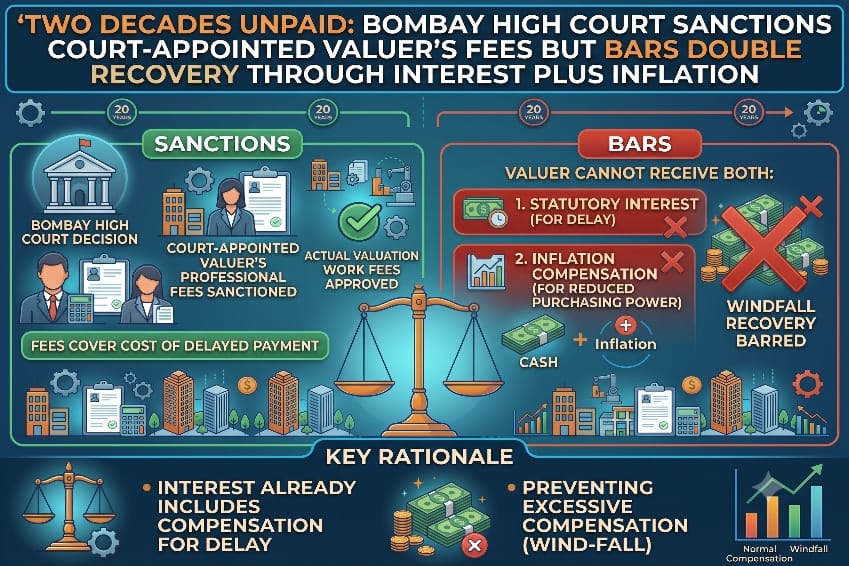
M/s. Kuber Mutual Benefits Ltd. & Ors. v. The State of Maharashtra & Ors. | High Court of Judicature at Bombay Appellate Side | 3rd September, 2026 A Court Receiver's Report…
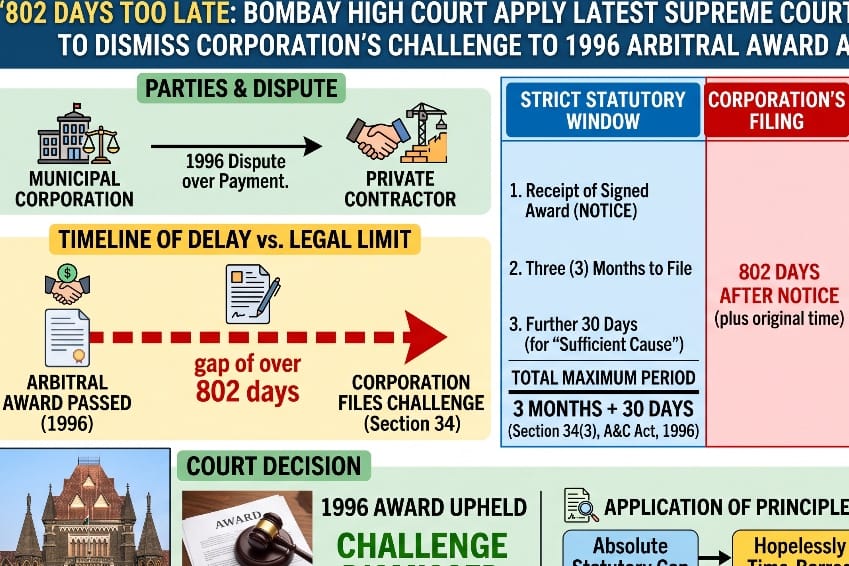
The Municipal Corporation of Greater Bombay v. M/s. Atul Raj Builders Pvt. Ltd. | High Court of Judicature at Bombay Ordinary Original Civil Jurisdiction | 3rd September, 2026 A…
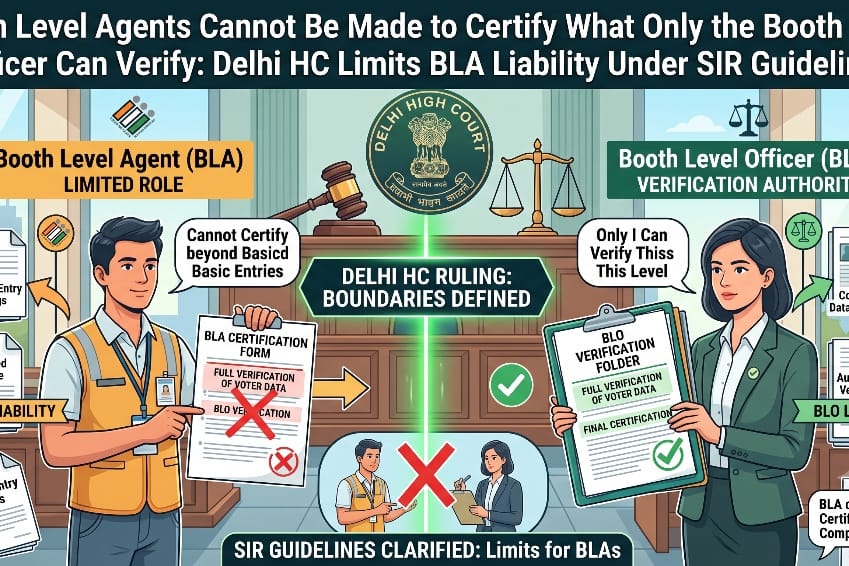
Devender Yadav & Anr. v. Election Commission of India & Anr. | High Court of Delhi Single Judge | Decided on: 03.09.2026 In a challenge to the Election Commission of India's…
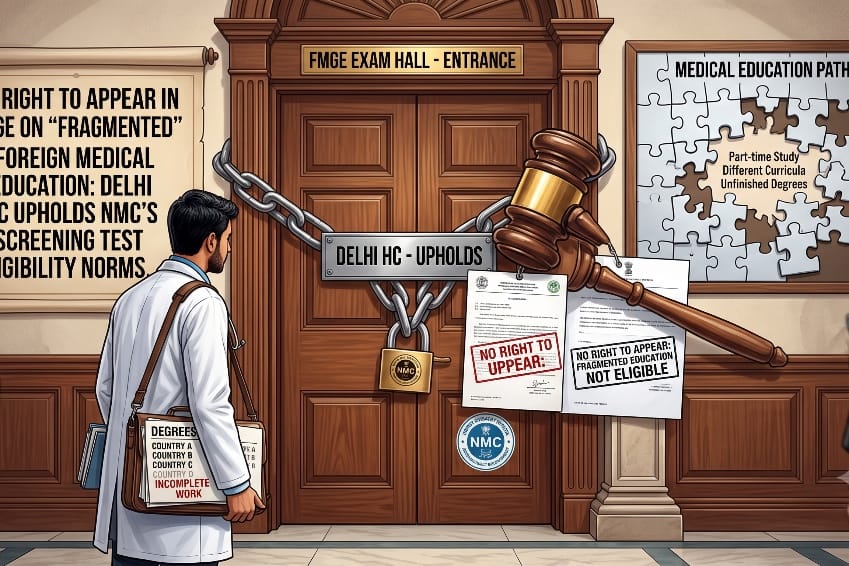
Brij Sharadbhai Bhatt & Ors. v. National Medical Commission & Ors. | High Court of Delhi Division Bench | Decided on: 03.09.2026 The Delhi High Court dismissed a challenge by…