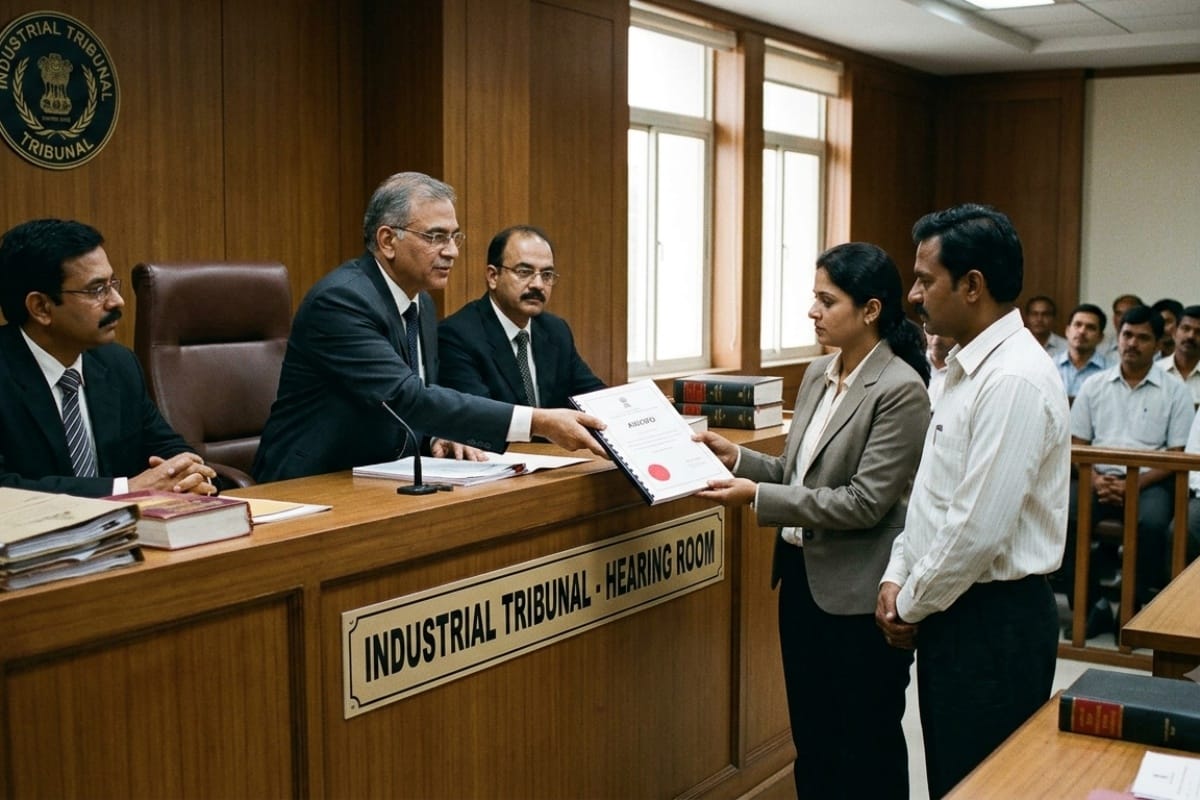
Deciding two connected writ petitions arising from a common Industrial Tribunal Award, the Delhi High Court set aside the Tribunal's direction granting hotel workmen a further…
Labour Laws
06/09/20264 min read
Update / Judgement Date
06 Jun 2026
Source
WCP News Bulletin
Author
Sakshi Bhardwaj — WCP Legal Desk
Reading Time
3 min read
The Madhya Pradesh High Court held that claims for gratuity cannot be rejected on the ground of delay, as the Payment of Gratuity Act, 1972 prescribes no limitation period for seeking gratuity. The Court further ruled that where contract labour has rendered continuous service for decades and contractors were frequently changed, the contract arrangement amounts to a camouflage, making the principal employer liable to pay gratuity, with liberty to recover the amount from the contractor.
• The Cement Corporation of India (CCI) filed multiple petitions challenging orders of the Controlling Authority and Appellate Authority directing payment of gratuity to retired security personnel.
• Employees had worked continuously from 1997–1999 till retirement between 2018–2021.
• Gratuity applications were filed 2–3 years after retirement.
• CCI contended that the employees were contract labour engaged through contractors and that liability to pay gratuity rested on the contractors under Clause 21 of the contract.
Issues• The Payment of Gratuity Act, 1972 does not prescribe any limitation for claiming gratuity.
• Rules prescribing timelines cannot defeat the substantive statutory right under the Act.
• Reliance placed on Division Bench judgments holding that delay does not invalidate gratuity claims, including WA No. 563/2023 and MP Madhya Kshetra Vidyut Vitran Co. Ltd. v. D.D. Singh.
• Gratuity is a statutory and constitutional right protected under Article 300-A.
Contract System Held To Be a Camouflage• Contractors were changed every 1–2 years, but employees continued uninterrupted service for over 20 years.
• Such long, continuous engagement established that the workers were, in substance, working for the principal employer.
• A contractor engaged for short durations could not practically discharge gratuity liability requiring five years of service.
Principal Employer’s Liability Under Contract Labour Act• Under Section 21(4) of the Contract Labour (Regulation & Abolition) Act, 1970, if the contractor fails to pay dues, the principal employer must pay and recover from the contractor.
• “Wages” under the Payment of Wages Act include gratuity payable upon termination of employment.
• Non-impleadment of the contractor cannot defeat the employee’s claim.
Interest Payable From Date of Retirement• Under Section 7(3A) of the Payment of Gratuity Act, interest is mandatory from the date gratuity becomes payable—i.e., date of exit from service, not from the date of application.
• No fault of employees was established to deny interest.
Reliance Placed On• State of Jharkhand v. Jitendra Kumar Srivastava, (2013) — Pension and gratuity are property under Article 300-A
• Superintending Engineer v. Appellate Authority, 2012 SCC OnLine Mad 5357
• Madras Fertilisers Ltd. v. Controlling Authority, (2003)
• Multiple Division Bench judgments of MP High Court affirming gratuity as a statutory right
Decision• All petitions dismissed.
• Orders of the Controlling Authority and Appellate Authority upheld.
• Employees permitted to withdraw deposited gratuity and recover any deficit.
• Principal employer granted liberty to recover the amount from contractors, if permissible.
Ratio DecidendiGratuity claims are not barred by delay; contract arrangements that mask long-term employment do not absolve the principal employer of statutory liability. Gratuity, being a constitutional and statutory right, must be paid with interest from the date of retirement.
Deciding two connected writ petitions arising from a common Industrial Tribunal Award, the Delhi High Court set aside the Tribunal's direction granting hotel workmen a further…
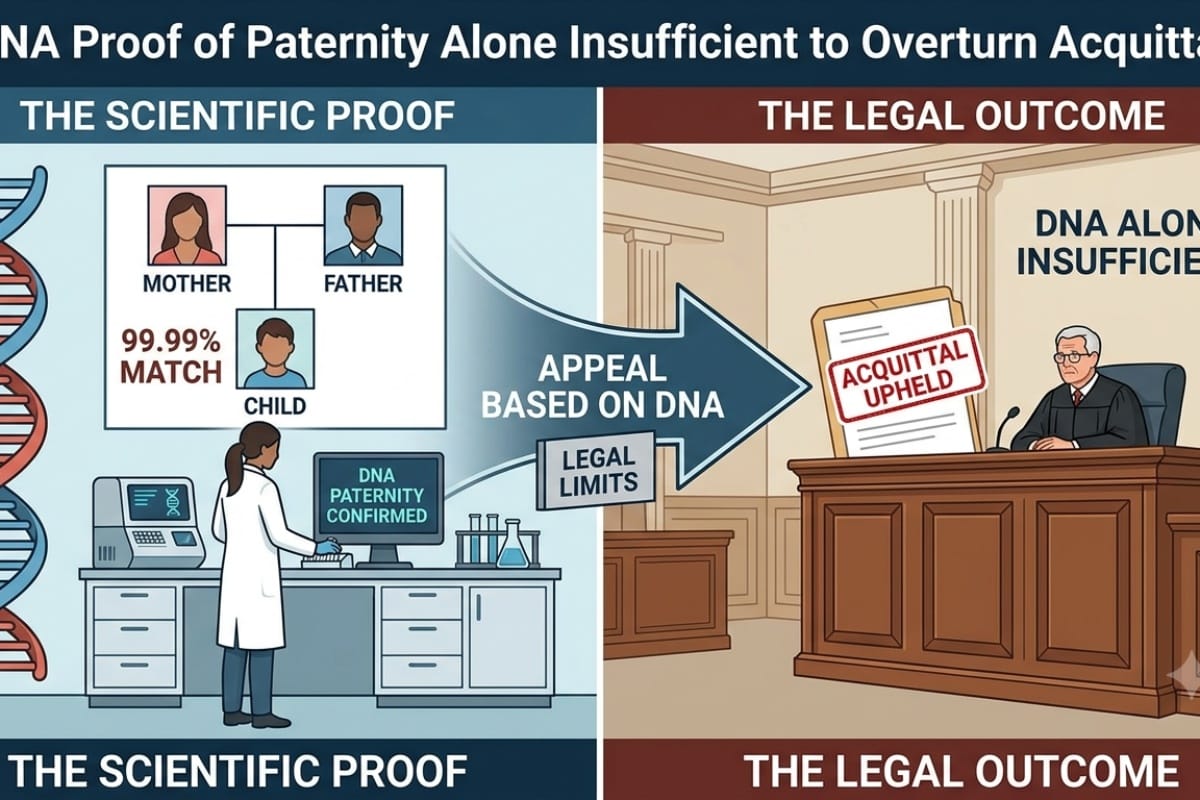
Headnote The Delhi High Court dismissed a prosecutrix's appeal against acquittal of the accused on charges under Sections 328/376 2 n /377/506/509 IPC, despite DNA evidence…
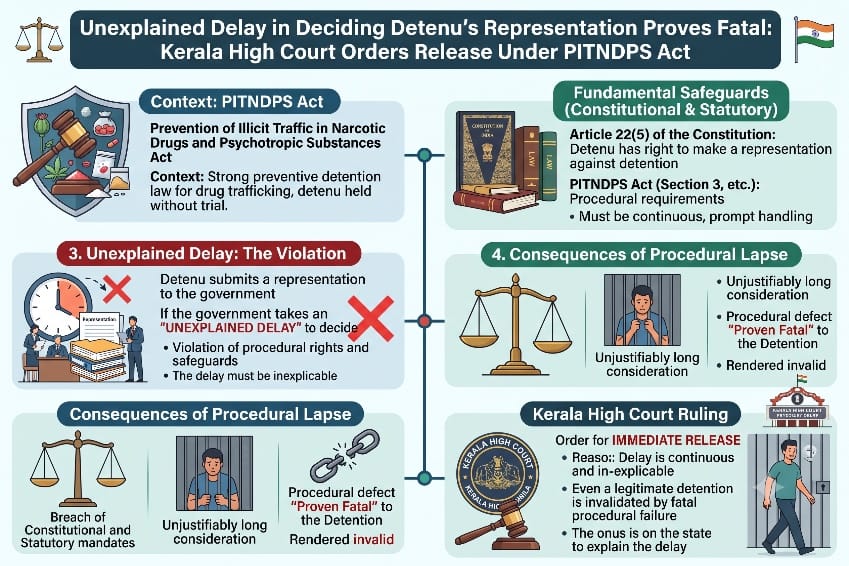
Fathimath Thasneem V.K. v. Union of India and Others | High Court of Kerala at Ernakulam | 3rd September, 2026 A habeas corpus writ petition by the wife of a detenu challenging…
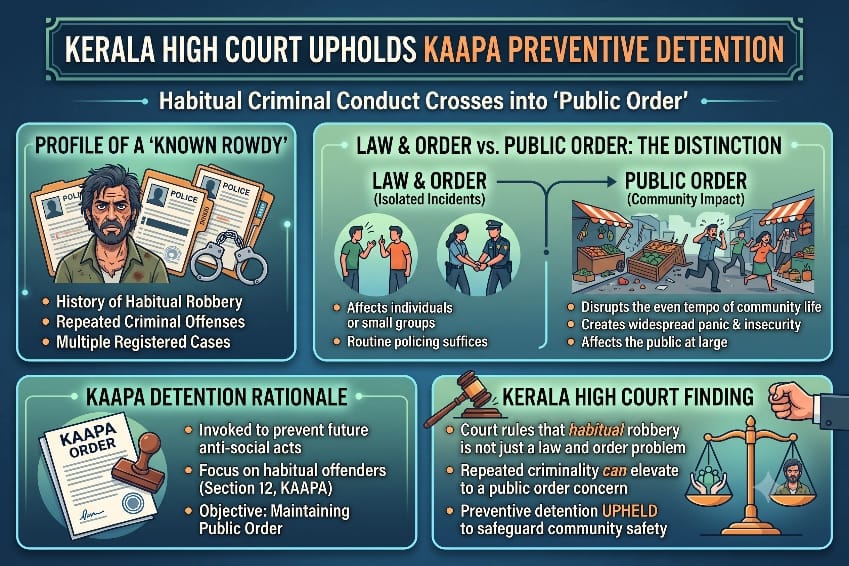
Thasmitha Abukutty v. State of Kerala and Others | High Court of Kerala at Ernakulam | 2nd September, 2026 A writ petition by the wife of a preventive detenu challenging a…
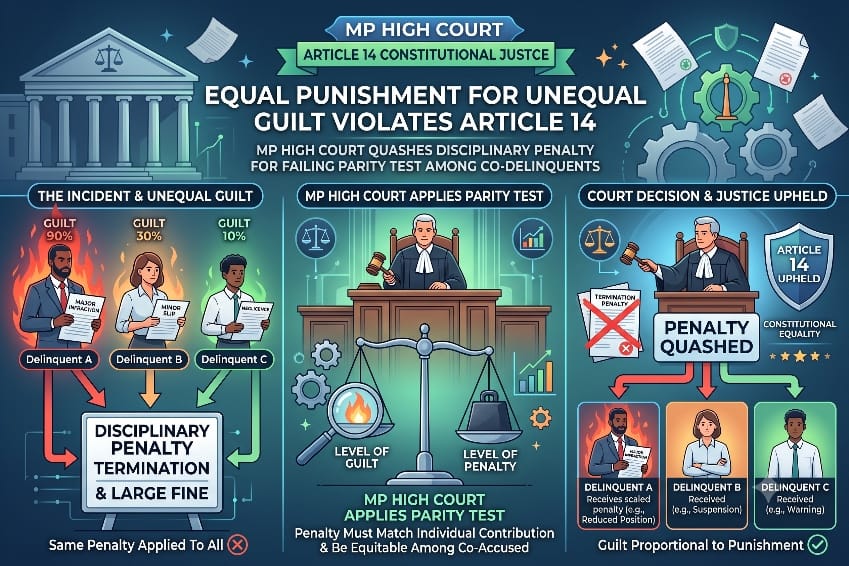
Brahm Kishore Dixit v. The State of Madhya Pradesh and Others | High Court of Madhya Pradesh, Gwalior | 1st September, 2026 A writ petition under Article 226 by a police Assistant…
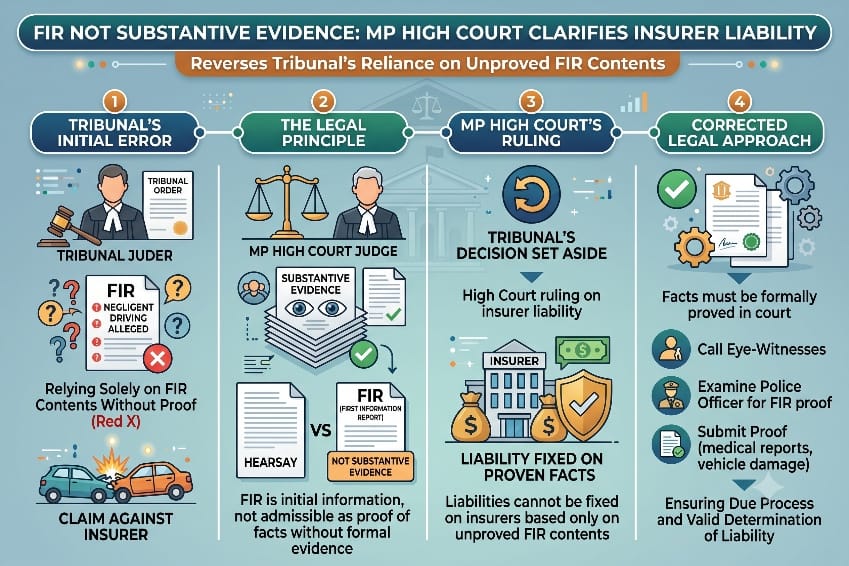
Anil Kumar Patel v. Smt. Munni Bai Barman and Others | High Court of Madhya Pradesh, Jabalpur | 1st September, 2026 A Motor Vehicle Act appeal under Section 173 1 against a Claims…
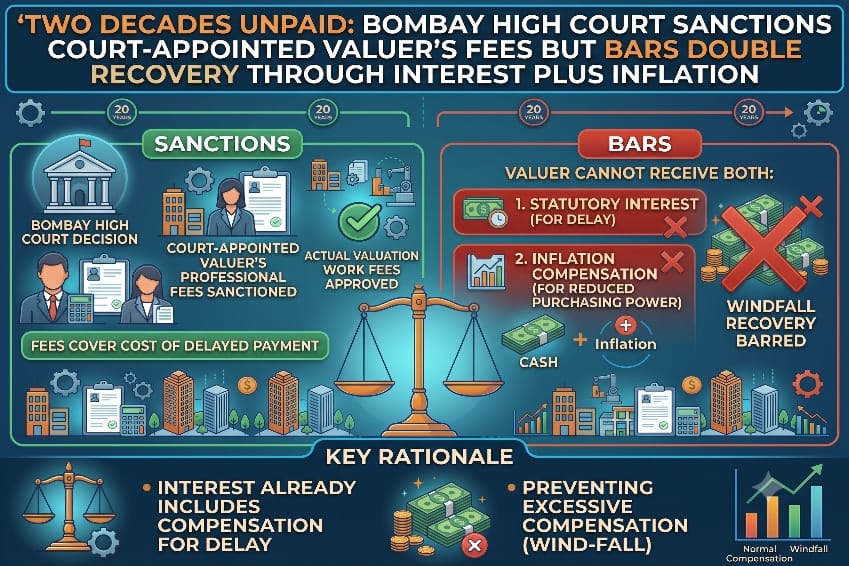
M/s. Kuber Mutual Benefits Ltd. & Ors. v. The State of Maharashtra & Ors. | High Court of Judicature at Bombay Appellate Side | 3rd September, 2026 A Court Receiver's Report…
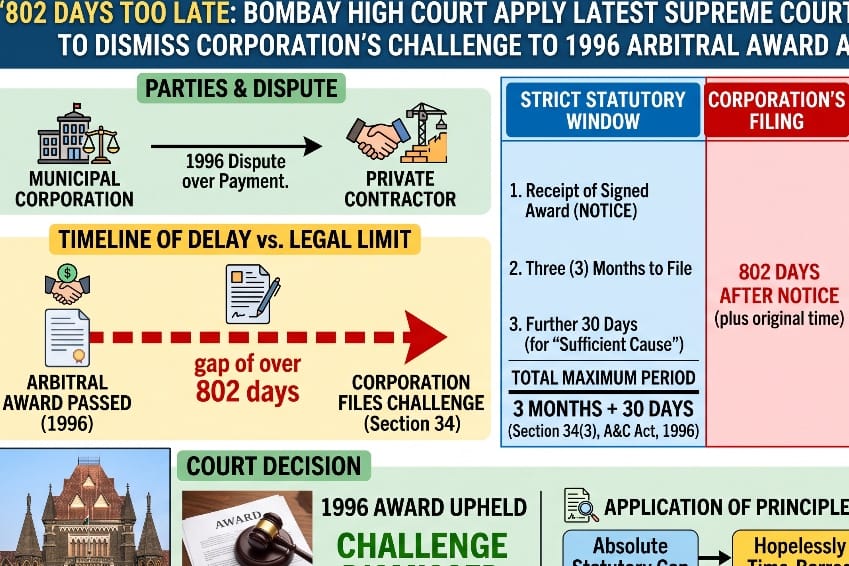
The Municipal Corporation of Greater Bombay v. M/s. Atul Raj Builders Pvt. Ltd. | High Court of Judicature at Bombay Ordinary Original Civil Jurisdiction | 3rd September, 2026 A…
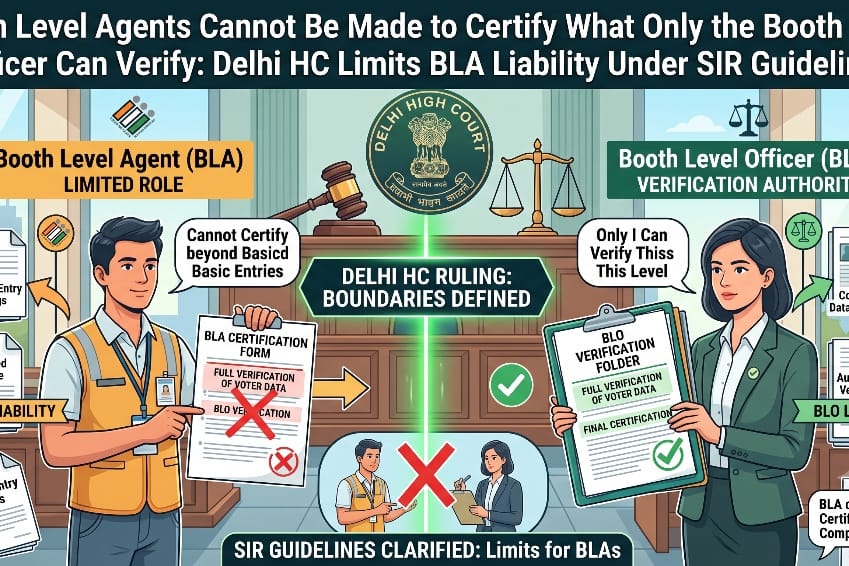
Devender Yadav & Anr. v. Election Commission of India & Anr. | High Court of Delhi Single Judge | Decided on: 03.09.2026 In a challenge to the Election Commission of India's…
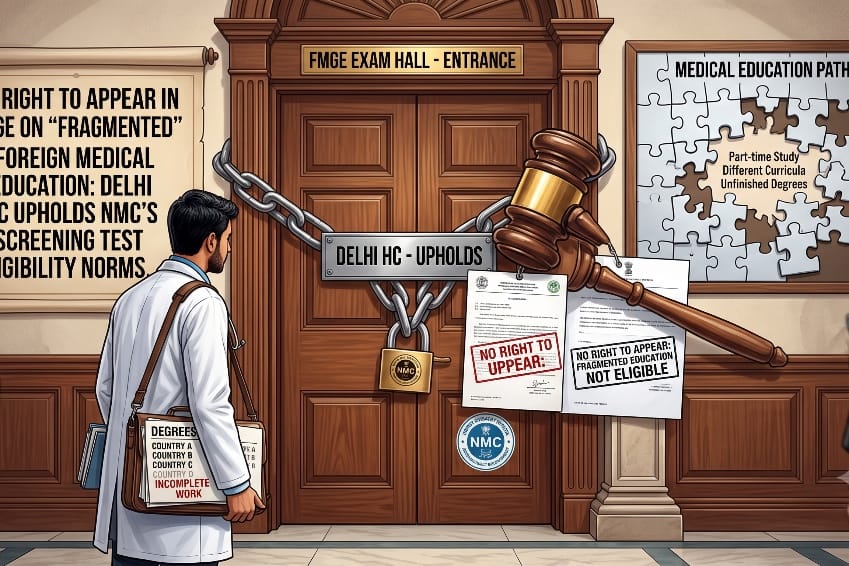
Brij Sharadbhai Bhatt & Ors. v. National Medical Commission & Ors. | High Court of Delhi Division Bench | Decided on: 03.09.2026 The Delhi High Court dismissed a challenge by…