Deciding two connected writ petitions arising from a common Industrial Tribunal Award, the Delhi High Court set aside the Tribunal's direction granting hotel workmen a further…
Labour Laws
06/09/20264 min read
Court / Authority
Insolvency & Bankruptcy Board
Update / Judgement Date
30 Aug 2026
Source
WCP News Bulletin
Author
Manas Yadav — WCP Legal Desk
Reading Time
3 min read
The National Company Law Tribunal, Kolkata Bench (Court I), in its order dated 26 March 2026, admitted a voluntary insolvency application filed under Section 10 of the Insolvency and Bankruptcy Code, 2016 by Fairsnow Aviation Limited, reaffirming the threshold test of “default” and the evidentiary value of balance sheet acknowledgments in insolvency proceedings.
Background and Financial Position of the Corporate Applicant
The Corporate Applicant sought initiation of CIRP on account of unpaid operational debts aggregating approximately ₹8.05 crore owed to Visa Steel Limited and Visa Resources India Limited. The defaults dated back to 2011, and the company had ceased its aviation operations as early as 2013 due to persistent financial losses. The financial statements reflected continued liabilities exceeding assets, absence of employees, and complete cessation of business activities.
A significant aspect of the case was the acknowledgment of debt in the company’s balance sheet as on 31 March 2025. The Tribunal relied on the Supreme Court’s ruling in Asset Reconstruction Company (India) Ltd. v. Bishal Jaiswal, holding that such entries constitute valid acknowledgment under Section 18 of the Limitation Act, thereby extending the limitation period and sustaining the claim despite the vintage of the default. The Tribunal further noted that the corporate applicant had duly complied with procedural requirements, including passing a special resolution with 99.97 percent shareholder approval, thereby satisfying the statutory conditions for initiation of CIRP under Section 10.
Tribunal Reasoning and Legal Consequences
The Bench applied the settled principle laid down in Innoventive Industries v. ICICI Bank, observing that once the Adjudicating Authority is satisfied that a “default” has occurred, admission of the application is mandatory unless the application is incomplete. The acknowledgment of liability in financial statements, coupled with the company’s financial distress and inability to resume operations, established the existence of default within the meaning of Section 3(12). The Tribunal also invoked Swiss Ribbons v. Union of India to reiterate that the objective of the Code is resolution and value maximization through an orderly process. Given the prolonged non-operational status of the company and its financial condition, the Bench found it appropriate to admit the application and initiate CIRP.
Consequently, the application was admitted, and moratorium under Section 14 was declared, prohibiting institution or continuation of proceedings, enforcement of security interests, and transfer of assets. An Interim Resolution Professional was appointed, and the management of the corporate debtor was vested in the IRP. The order also directed immediate public announcement and initiation of claims collation in accordance with the Code. The ruling reinforces that voluntary insolvency under Section 10 remains a viable route where financial distress is demonstrable, and that balance sheet acknowledgments continue to play a decisive role in overcoming limitation barriers in insolvency jurisprudence.
Full Judgement / Attachment
Full Judgement
Deciding two connected writ petitions arising from a common Industrial Tribunal Award, the Delhi High Court set aside the Tribunal's direction granting hotel workmen a further…

Headnote The Delhi High Court dismissed a prosecutrix's appeal against acquittal of the accused on charges under Sections 328/376 2 n /377/506/509 IPC, despite DNA evidence…
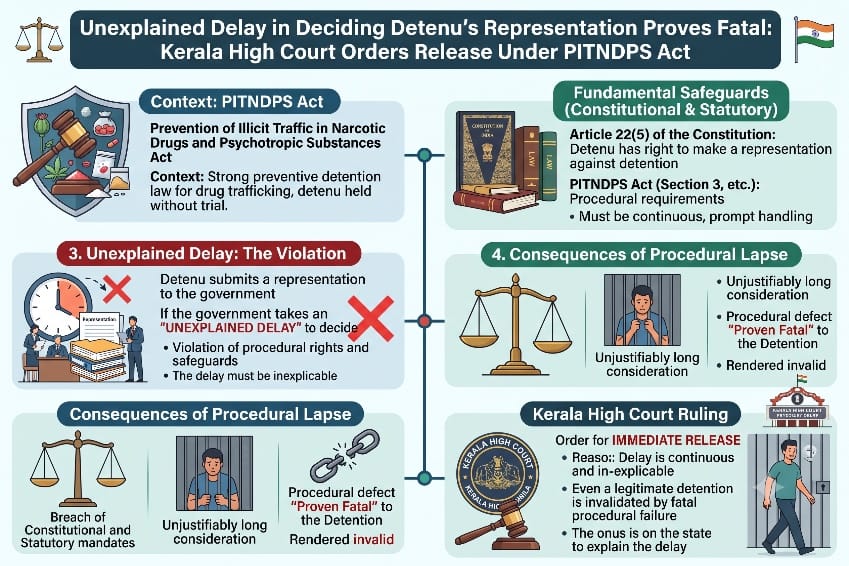
Fathimath Thasneem V.K. v. Union of India and Others | High Court of Kerala at Ernakulam | 3rd September, 2026 A habeas corpus writ petition by the wife of a detenu challenging…
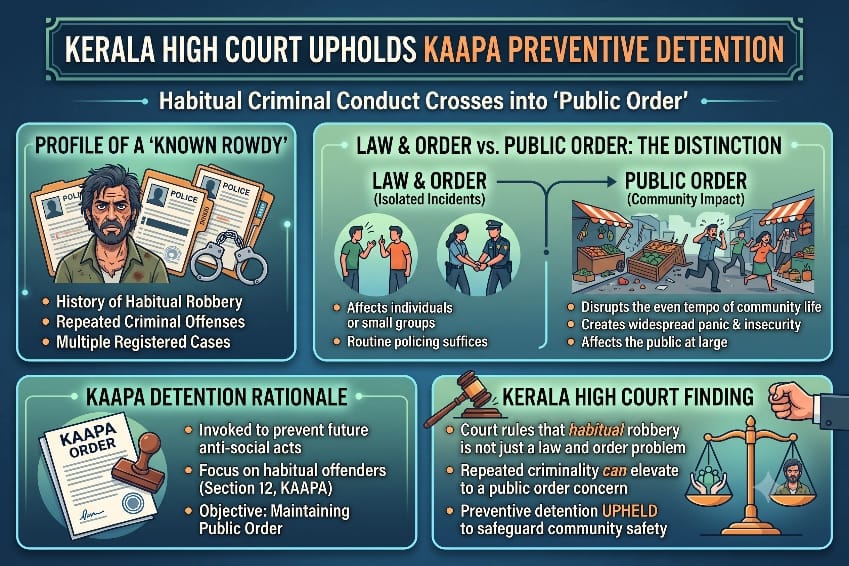
Thasmitha Abukutty v. State of Kerala and Others | High Court of Kerala at Ernakulam | 2nd September, 2026 A writ petition by the wife of a preventive detenu challenging a…
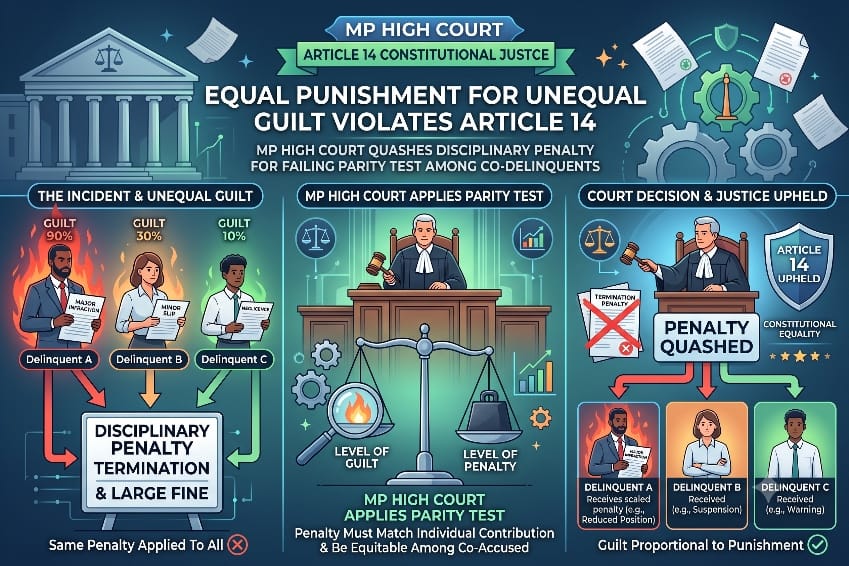
Brahm Kishore Dixit v. The State of Madhya Pradesh and Others | High Court of Madhya Pradesh, Gwalior | 1st September, 2026 A writ petition under Article 226 by a police Assistant…
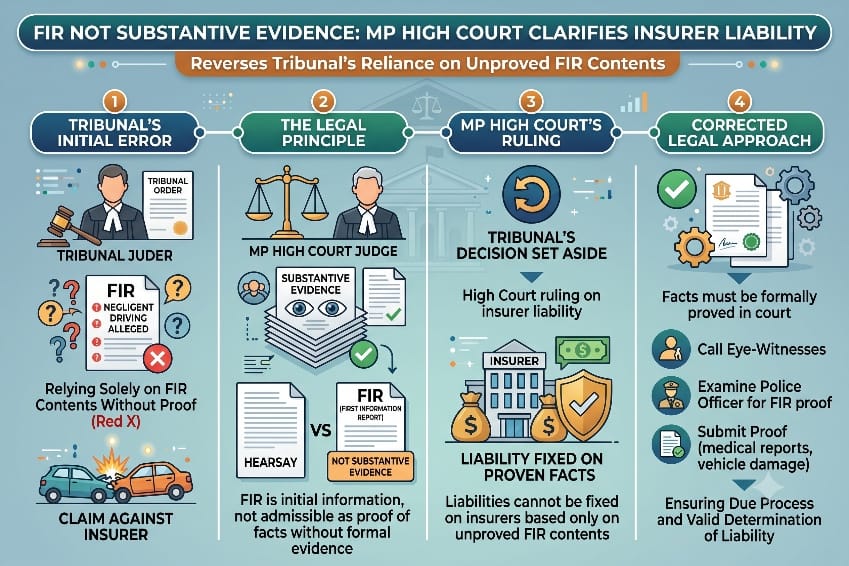
Anil Kumar Patel v. Smt. Munni Bai Barman and Others | High Court of Madhya Pradesh, Jabalpur | 1st September, 2026 A Motor Vehicle Act appeal under Section 173 1 against a Claims…
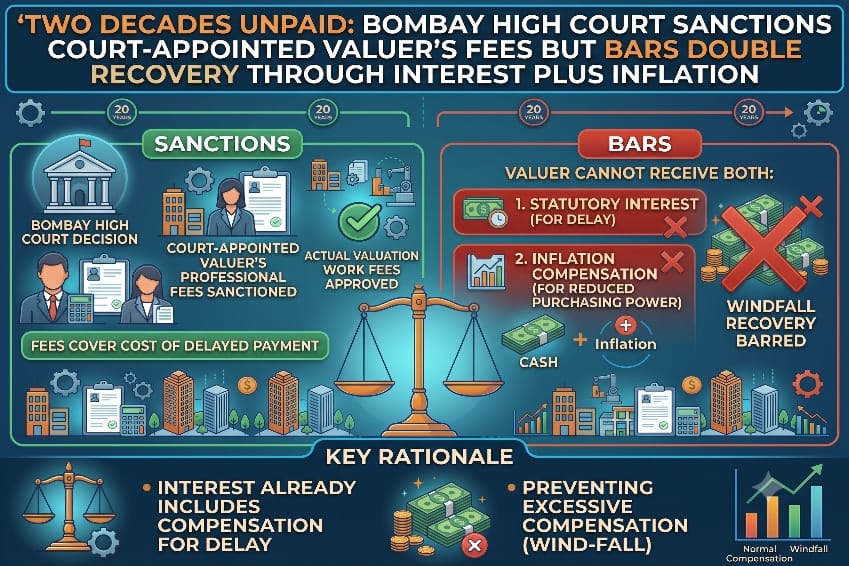
M/s. Kuber Mutual Benefits Ltd. & Ors. v. The State of Maharashtra & Ors. | High Court of Judicature at Bombay Appellate Side | 3rd September, 2026 A Court Receiver's Report…
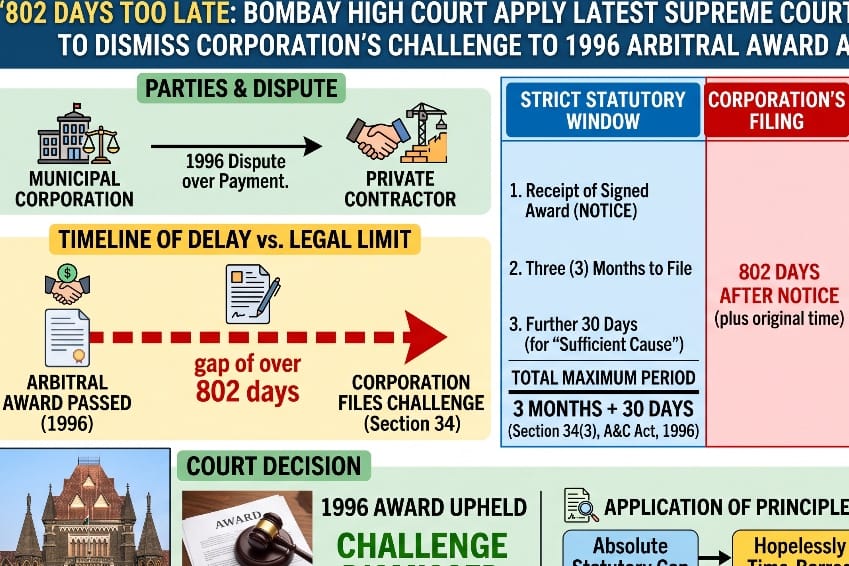
The Municipal Corporation of Greater Bombay v. M/s. Atul Raj Builders Pvt. Ltd. | High Court of Judicature at Bombay Ordinary Original Civil Jurisdiction | 3rd September, 2026 A…
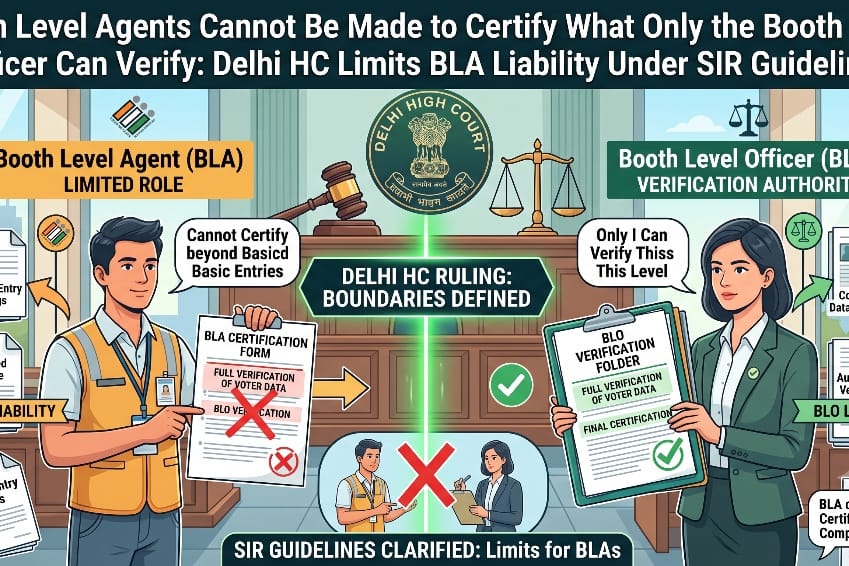
Devender Yadav & Anr. v. Election Commission of India & Anr. | High Court of Delhi Single Judge | Decided on: 03.09.2026 In a challenge to the Election Commission of India's…
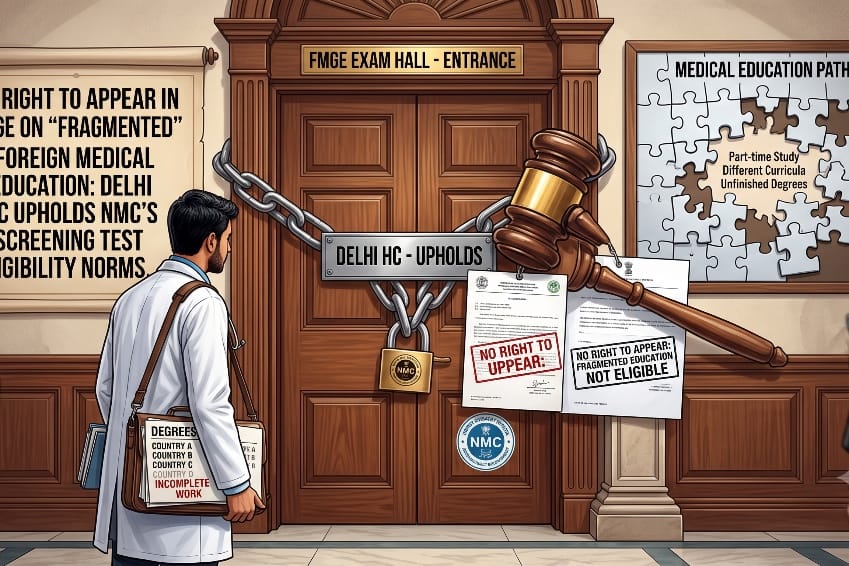
Brij Sharadbhai Bhatt & Ors. v. National Medical Commission & Ors. | High Court of Delhi Division Bench | Decided on: 03.09.2026 The Delhi High Court dismissed a challenge by…