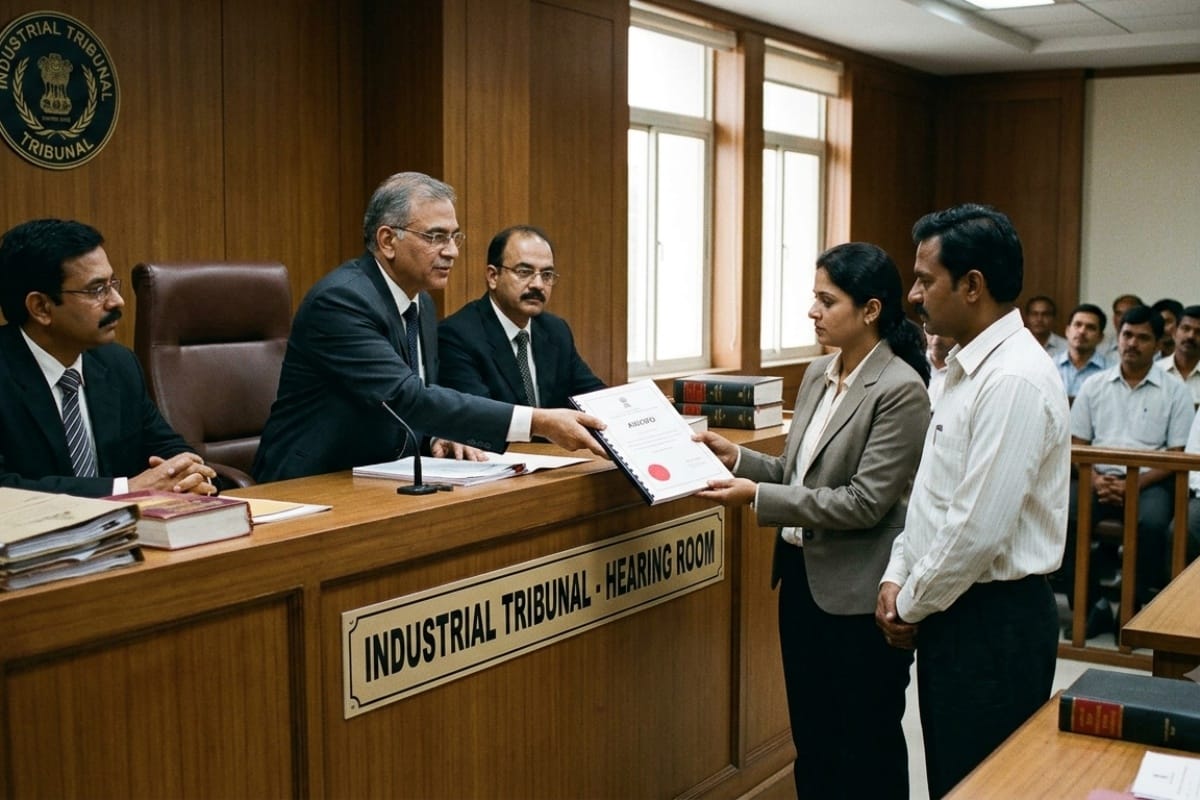
Deciding two connected writ petitions arising from a common Industrial Tribunal Award, the Delhi High Court set aside the Tribunal's direction granting hotel workmen a further…
Labour Laws
06/09/20264 min read
Court / Authority
Income Tax Tribunal
Update / Judgement Date
30 Aug 2026
Source
WCP News Bulletin
Author
Manas Yadav — WCP Legal Desk
Reading Time
4 min read
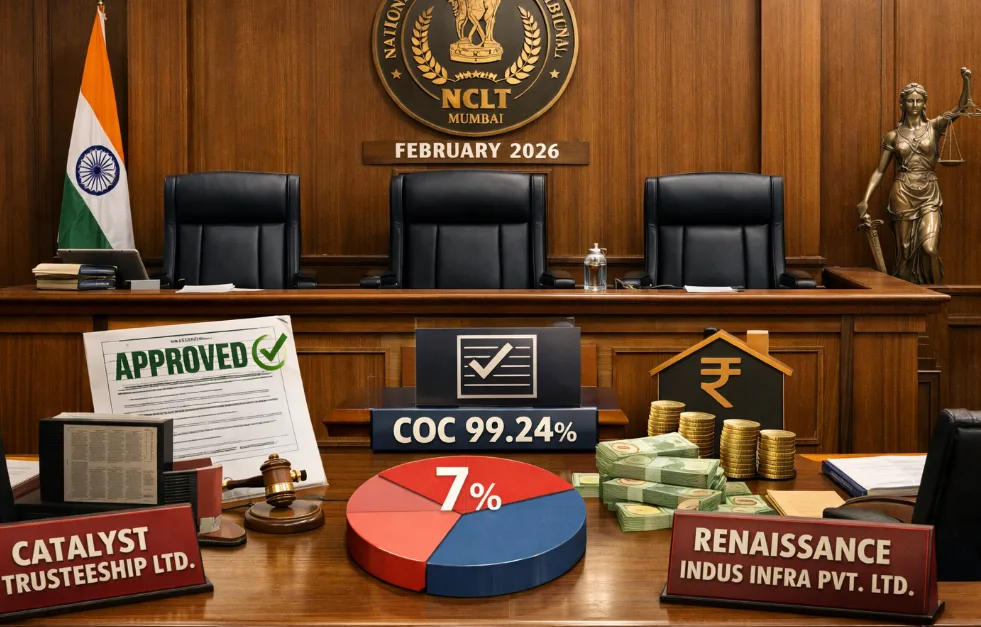
The National Company Law Tribunal, Mumbai Bench (Court V), in its order dated 17 February 2026, approved a resolution plan in the insolvency proceedings of Renaissance Indus Infra Private Limited, reinforcing the centrality of creditor primacy under the Insolvency and Bankruptcy Code, 2016.
CIRP Background and Resolution Process
The Corporate Insolvency Resolution Process commenced on 31 March 2023 upon admission of an application under Section 7 of the Code. The early phase of the process was marked by litigation initiated by the suspended management before the NCLAT and subsequently the Supreme Court, both of which declined to interfere, thereby allowing the CIRP to proceed. Following verification of claims, the Committee of Creditors was constituted and later restructured after assignment of debt in favour of Parijata Trading Private Limited, which emerged as the dominant financial creditor with 99.24 percent voting share.
Despite multiple invitations for expressions of interest and repeated extensions, the process ultimately yielded a single resolution plan submitted by Sankalp Industrial Infratech Private Limited. The plan was approved by the CoC with an overwhelming 99.24 percent majority, satisfying the statutory threshold under Section 30(4). The Resolution Professional subsequently placed the plan before the Adjudicating Authority along with the compliance certificate in Form H, confirming adherence to the Code and CIRP Regulations.
The financial structure of the plan reflects a total infusion of approximately ₹55 crore, with a combination of equity contribution and internal accruals. However, the recovery outcomes indicate a substantial haircut for creditors, with secured financial creditors recovering only a small fraction of their admitted claims and overall realization remaining around 7 percent. The Tribunal did not treat this as a ground for interference, aligning with settled law that the Code prioritizes resolution and feasibility over proportional recovery.
Tribunal Reasoning and Legal Implications
The approved plan fundamentally alters the corporate debtor’s capital structure by extinguishing existing shareholding and issuing fresh equity almost entirely in favour of the successful resolution applicant. Implementation is supervised through a monitoring committee comprising representatives of the CoC and the resolution applicant, ensuring compliance until completion of the plan obligations. The framework also permits additional fund infusion, indicating an emphasis on revival and operational continuity.
A significant aspect of the order is the allocation of benefits arising from avoidance proceedings to the resolution applicant. The Tribunal records that recoveries from preferential, undervalued, or fraudulent transactions will vest in the successful resolution applicant, with litigation costs borne by it. This reflects a broader acceptance of CoC-driven structuring of contingent value streams within resolution plans.
In its reasoning, the Tribunal relied on the Supreme Court’s decision in K. Sashidhar v. Indian Overseas Bank, reiterating that its jurisdiction under Section 31 is limited to verifying compliance with Section 30(2) and does not extend to questioning the commercial wisdom of the CoC. It further invoked Ghanshyam Mishra and Sons v. Edelweiss ARC to affirm that all claims not forming part of the resolution plan stand extinguished and that the successful resolution applicant is protected from past liabilities under Section 32A.
The order makes the resolution plan binding on all stakeholders, including governmental authorities, and bars initiation or continuation of proceedings relating to claims outside the plan. At the same time, it clarifies that statutory exemptions, including those relating to taxes or regulatory dues, are not automatically granted and must be pursued in accordance with applicable law. The decision ultimately reinforces the structural design of the IBC, where speed, finality, and creditor autonomy take precedence over distributive equity. Even in a scenario involving a single bidder and deep financial haircuts, the Tribunal has adhered to doctrinal consistency by deferring to the commercial judgment of the CoC, provided statutory compliance is satisfied.
Full Judgement / Attachment
Full Judgement
Deciding two connected writ petitions arising from a common Industrial Tribunal Award, the Delhi High Court set aside the Tribunal's direction granting hotel workmen a further…

Headnote The Delhi High Court dismissed a prosecutrix's appeal against acquittal of the accused on charges under Sections 328/376 2 n /377/506/509 IPC, despite DNA evidence…
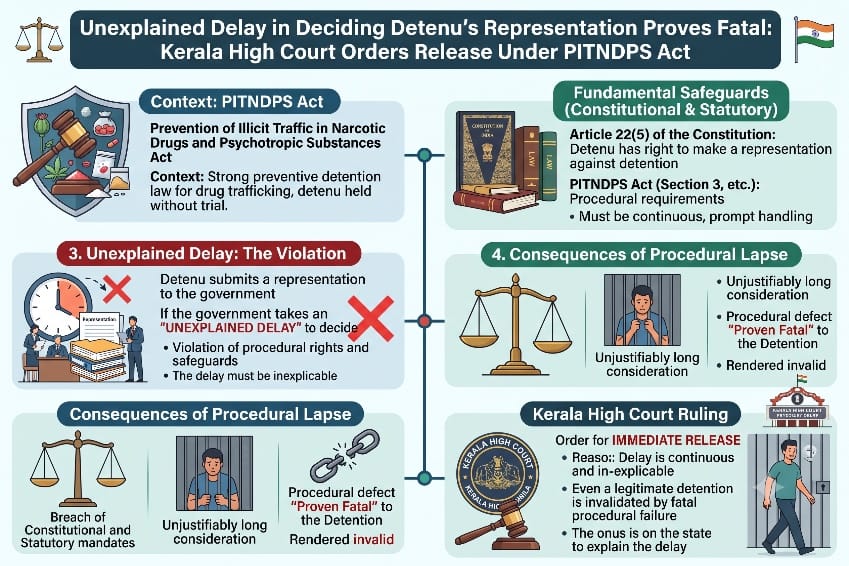
Fathimath Thasneem V.K. v. Union of India and Others | High Court of Kerala at Ernakulam | 3rd September, 2026 A habeas corpus writ petition by the wife of a detenu challenging…
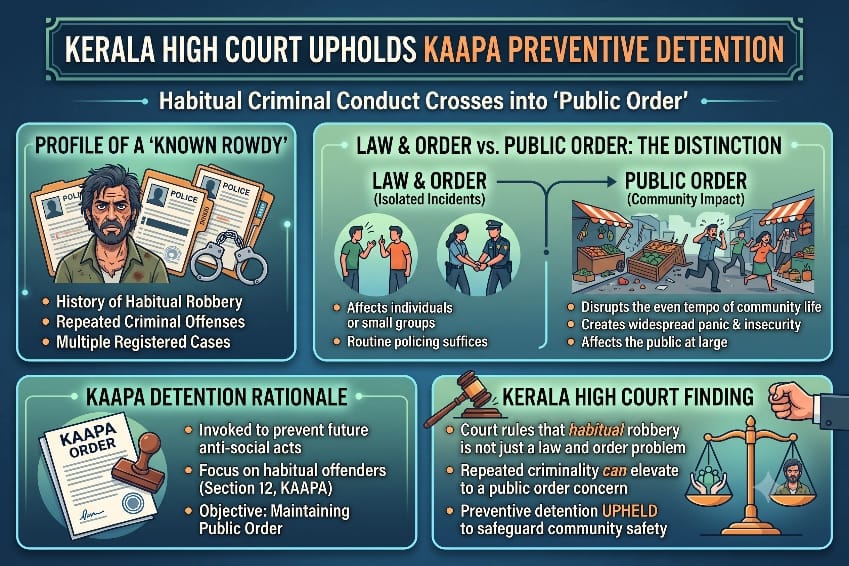
Thasmitha Abukutty v. State of Kerala and Others | High Court of Kerala at Ernakulam | 2nd September, 2026 A writ petition by the wife of a preventive detenu challenging a…
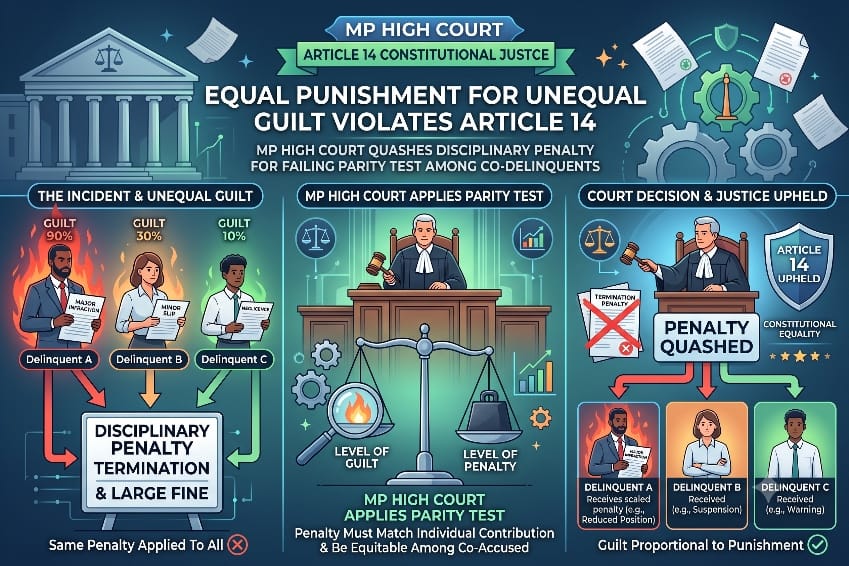
Brahm Kishore Dixit v. The State of Madhya Pradesh and Others | High Court of Madhya Pradesh, Gwalior | 1st September, 2026 A writ petition under Article 226 by a police Assistant…
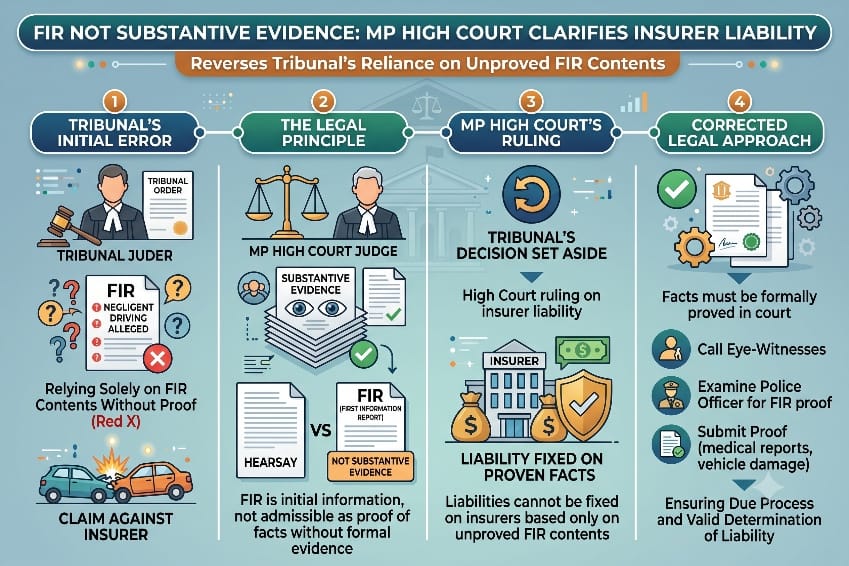
Anil Kumar Patel v. Smt. Munni Bai Barman and Others | High Court of Madhya Pradesh, Jabalpur | 1st September, 2026 A Motor Vehicle Act appeal under Section 173 1 against a Claims…
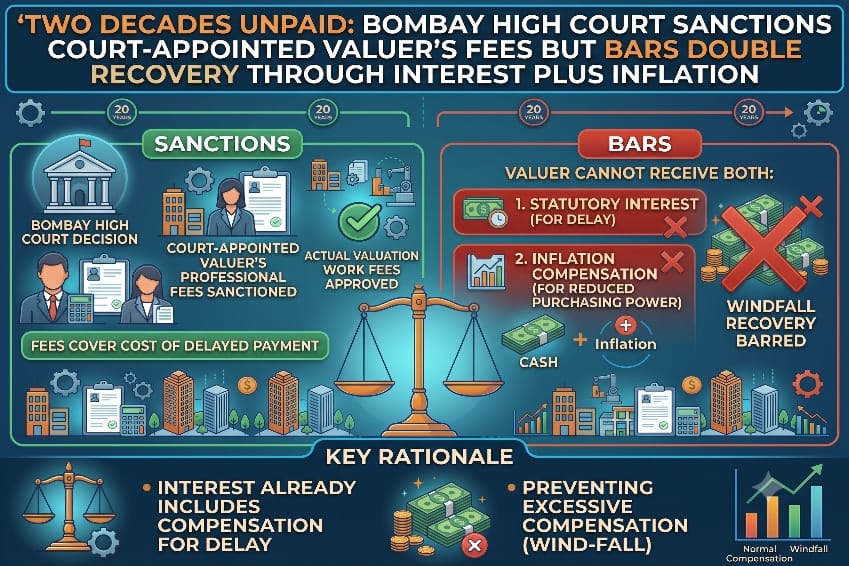
M/s. Kuber Mutual Benefits Ltd. & Ors. v. The State of Maharashtra & Ors. | High Court of Judicature at Bombay Appellate Side | 3rd September, 2026 A Court Receiver's Report…
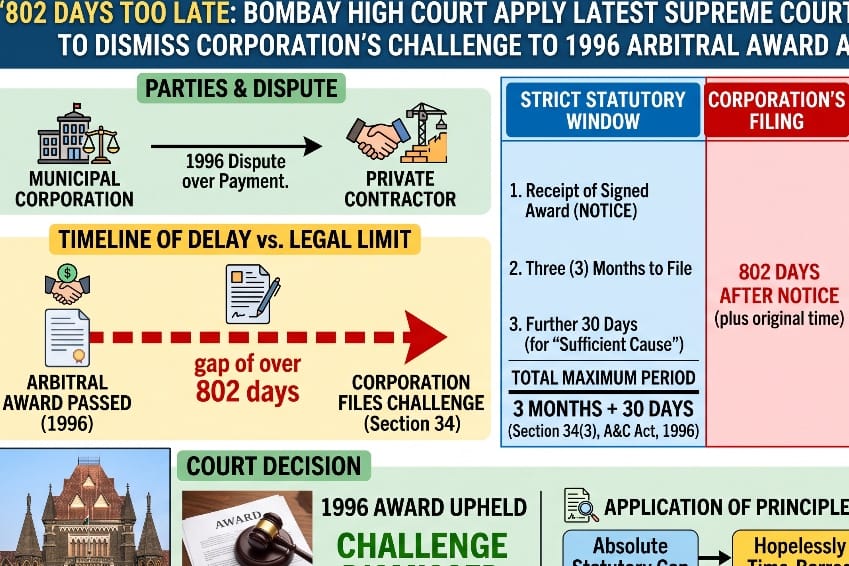
The Municipal Corporation of Greater Bombay v. M/s. Atul Raj Builders Pvt. Ltd. | High Court of Judicature at Bombay Ordinary Original Civil Jurisdiction | 3rd September, 2026 A…
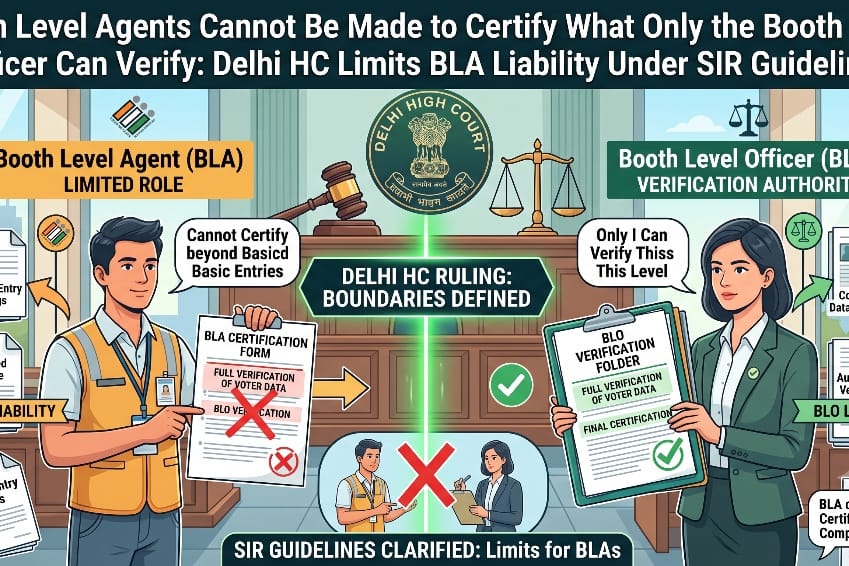
Devender Yadav & Anr. v. Election Commission of India & Anr. | High Court of Delhi Single Judge | Decided on: 03.09.2026 In a challenge to the Election Commission of India's…
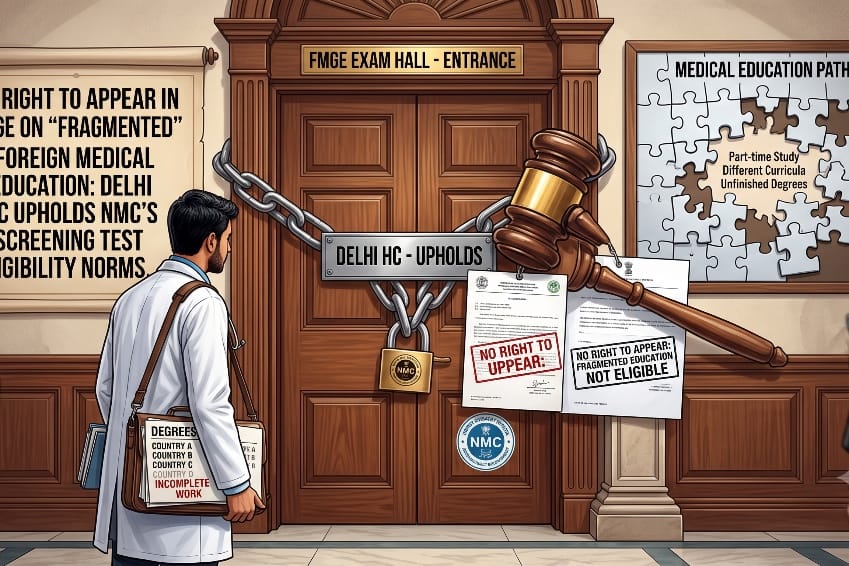
Brij Sharadbhai Bhatt & Ors. v. National Medical Commission & Ors. | High Court of Delhi Division Bench | Decided on: 03.09.2026 The Delhi High Court dismissed a challenge by…