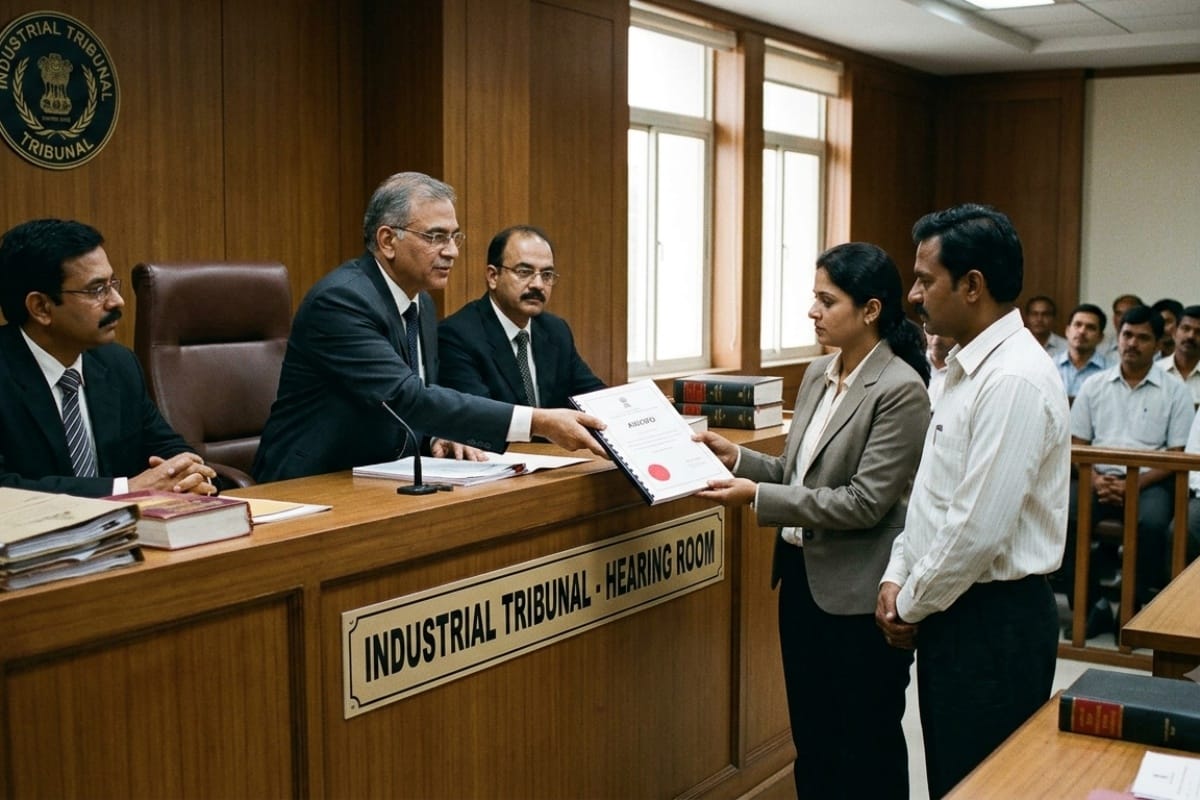
Deciding two connected writ petitions arising from a common Industrial Tribunal Award, the Delhi High Court set aside the Tribunal's direction granting hotel workmen a further…
Labour Laws
06/09/20264 min read
The Madhya Pradesh High Court, in a recent ruling by Justice Subodh Abhyankar, clarified that when an arbitration agreement gives parties the discretion to opt for arbitration, all parties must mutually agree for the dispute to be referred to arbitration.\r
The case involved the late Yeshwant Boolani, a partner in a partnership firm, whose son sought to become a partner after his father's death. The partnership deed contained an arbitration clause, but the High Court noted that the clause was optional and required mutual consent from all partners to proceed with arbitration.\r
The court highlighted clauses 21 and 23 of the partnership deed, emphasizing that the induction of a legal heir as a partner was at the discretion of the existing partners. Despite arguments based on Section 40 of the Arbitration Act, which addresses the enforceability of arbitration agreements against the legal representatives of deceased parties, the court held that the arbitration clause could not be enforced without mutual consent.\r
The High Court referred to previous judgments and concluded that since the arbitration clause clearly indicated arbitration was optional, parties could not be compelled into arbitration without mutual consent. Consequently, the court dismissed the application, granting the applicant the liberty to pursue other legal remedies.
Deciding two connected writ petitions arising from a common Industrial Tribunal Award, the Delhi High Court set aside the Tribunal's direction granting hotel workmen a further…
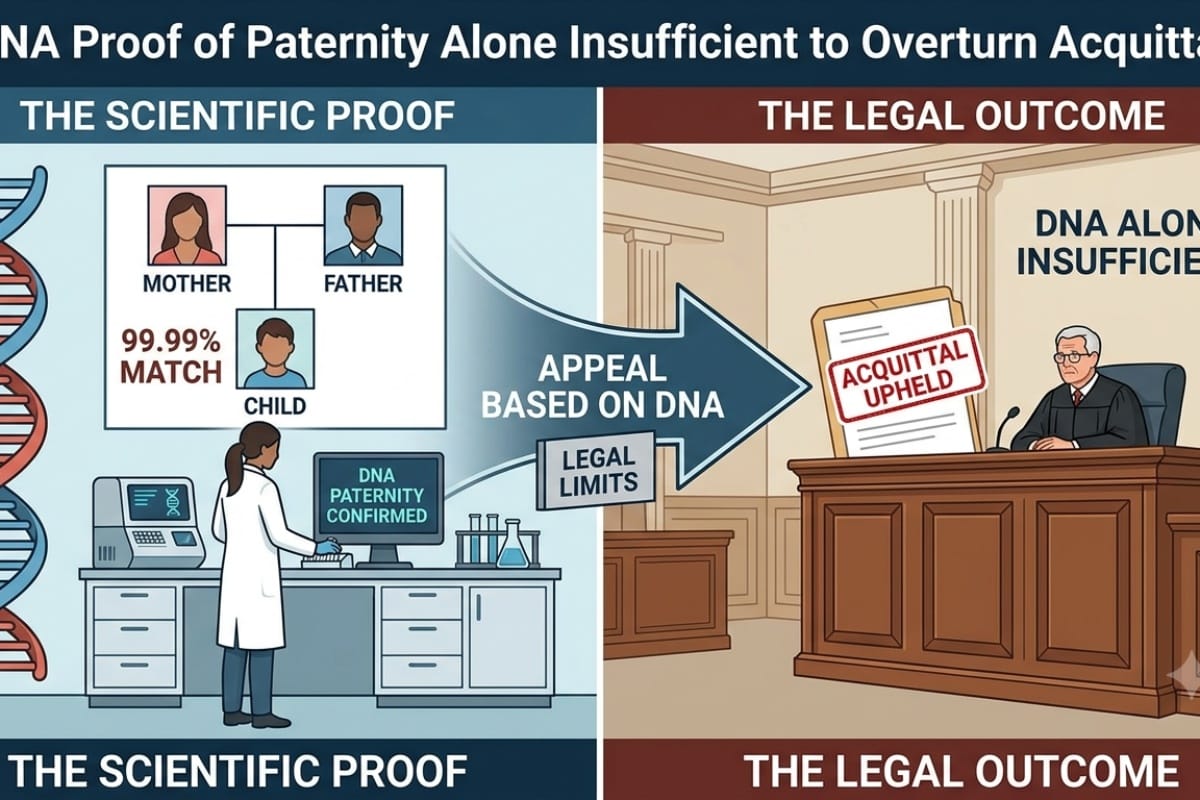
Headnote The Delhi High Court dismissed a prosecutrix's appeal against acquittal of the accused on charges under Sections 328/376 2 n /377/506/509 IPC, despite DNA evidence…
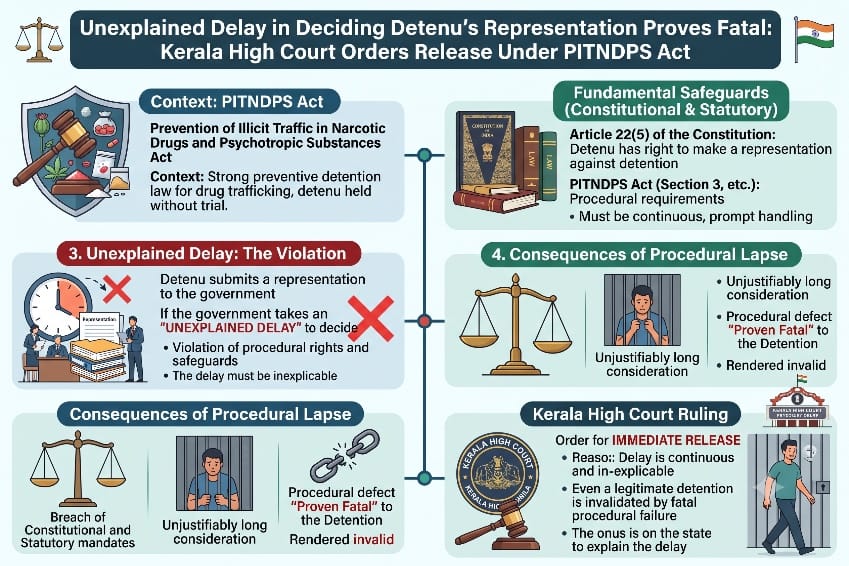
Fathimath Thasneem V.K. v. Union of India and Others | High Court of Kerala at Ernakulam | 3rd September, 2026 A habeas corpus writ petition by the wife of a detenu challenging…
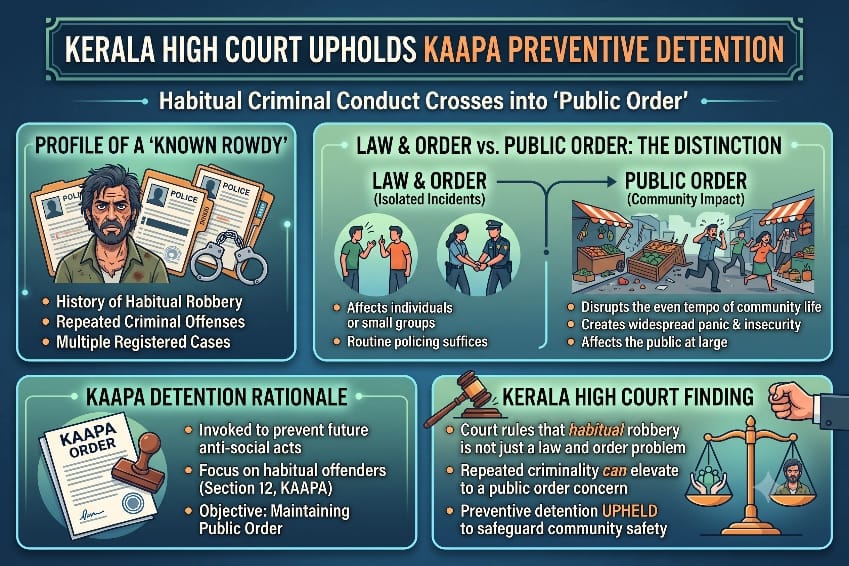
Thasmitha Abukutty v. State of Kerala and Others | High Court of Kerala at Ernakulam | 2nd September, 2026 A writ petition by the wife of a preventive detenu challenging a…
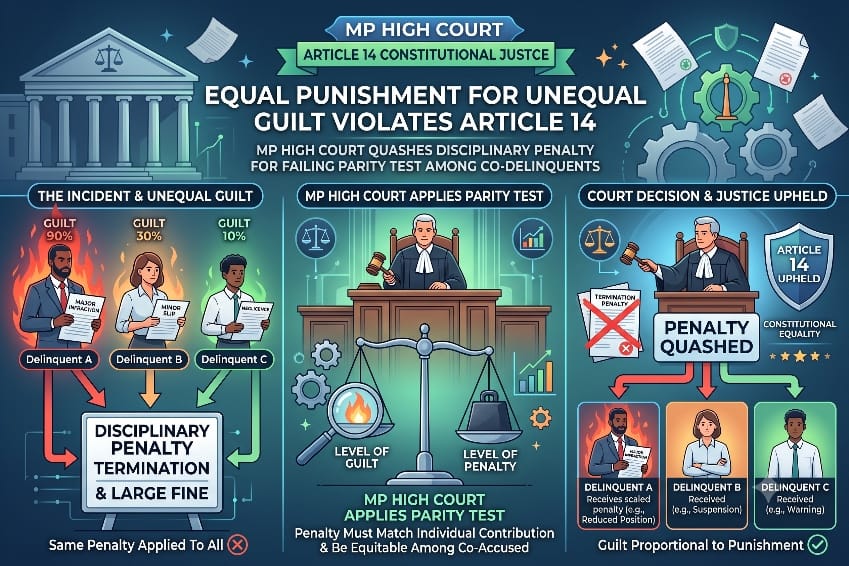
Brahm Kishore Dixit v. The State of Madhya Pradesh and Others | High Court of Madhya Pradesh, Gwalior | 1st September, 2026 A writ petition under Article 226 by a police Assistant…
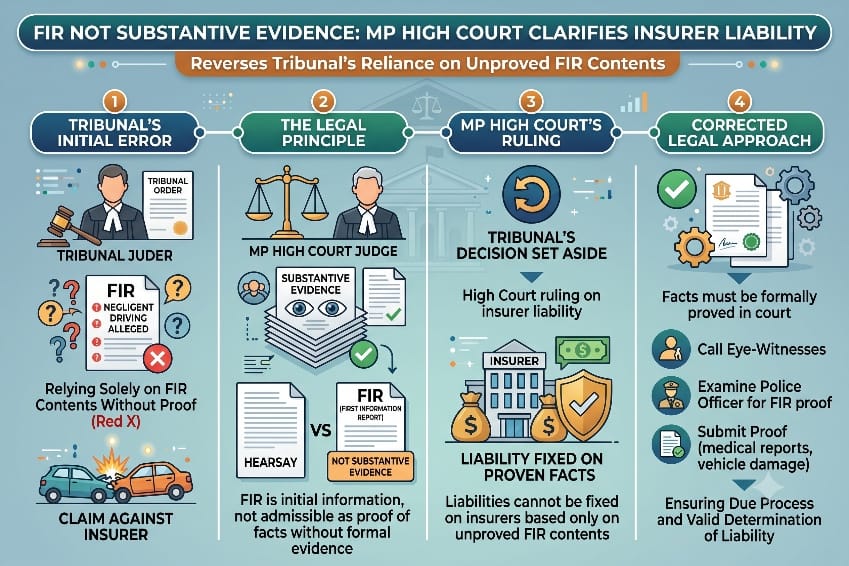
Anil Kumar Patel v. Smt. Munni Bai Barman and Others | High Court of Madhya Pradesh, Jabalpur | 1st September, 2026 A Motor Vehicle Act appeal under Section 173 1 against a Claims…
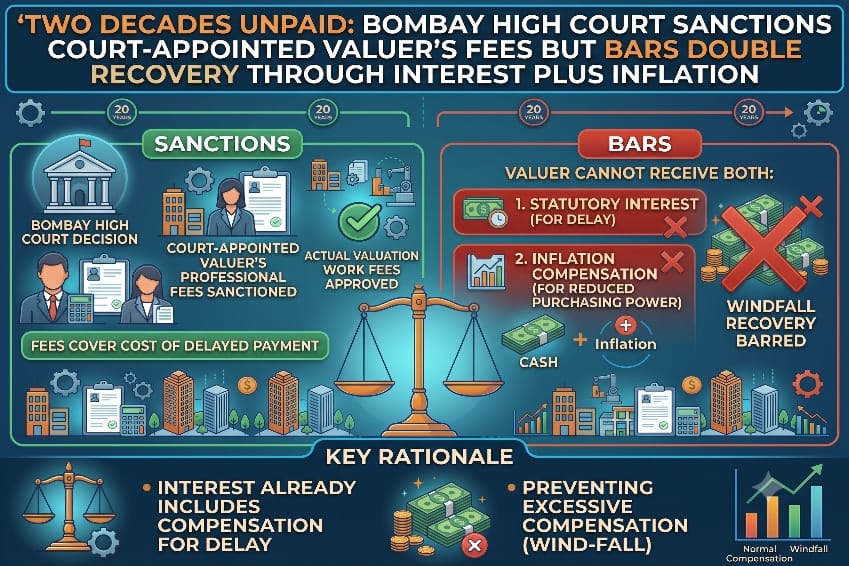
M/s. Kuber Mutual Benefits Ltd. & Ors. v. The State of Maharashtra & Ors. | High Court of Judicature at Bombay Appellate Side | 3rd September, 2026 A Court Receiver's Report…
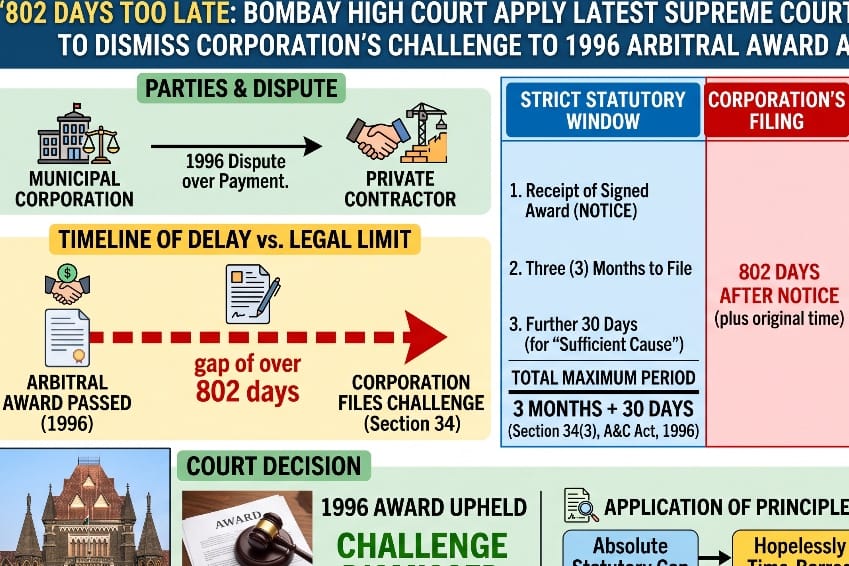
The Municipal Corporation of Greater Bombay v. M/s. Atul Raj Builders Pvt. Ltd. | High Court of Judicature at Bombay Ordinary Original Civil Jurisdiction | 3rd September, 2026 A…
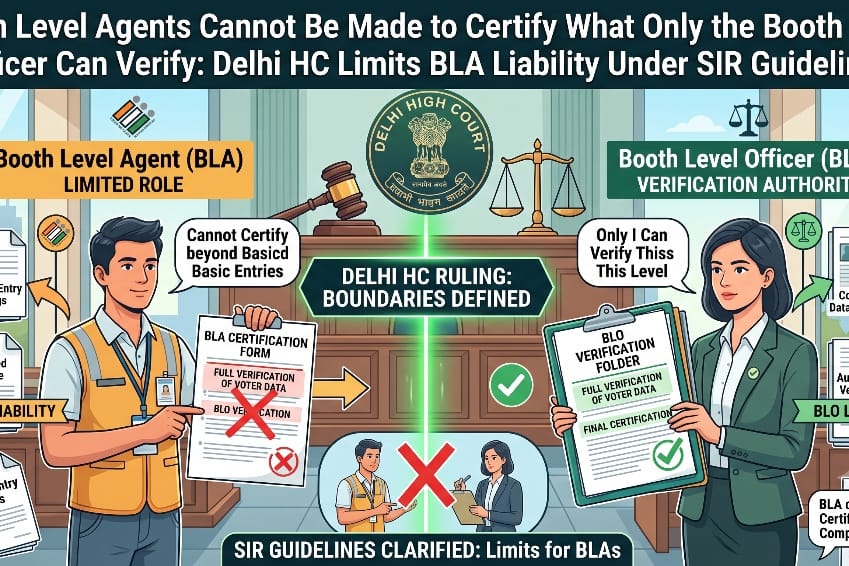
Devender Yadav & Anr. v. Election Commission of India & Anr. | High Court of Delhi Single Judge | Decided on: 03.09.2026 In a challenge to the Election Commission of India's…
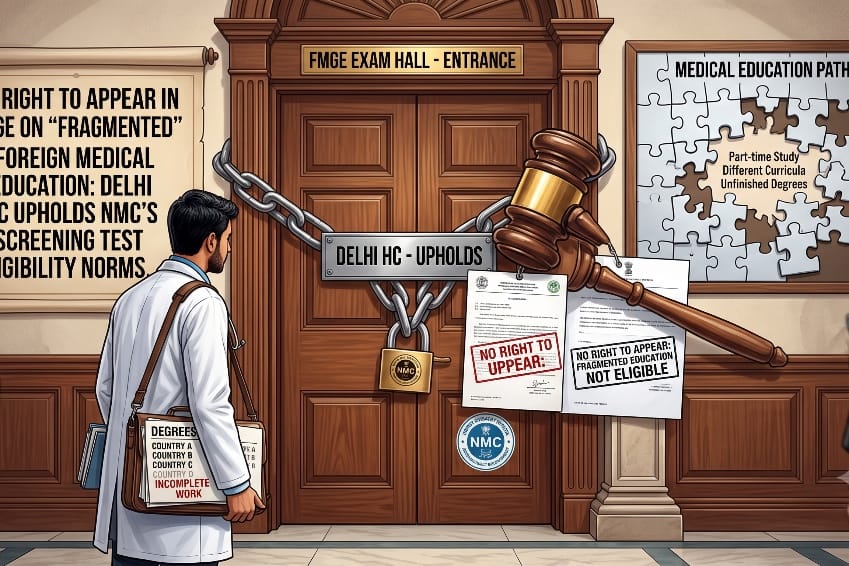
Brij Sharadbhai Bhatt & Ors. v. National Medical Commission & Ors. | High Court of Delhi Division Bench | Decided on: 03.09.2026 The Delhi High Court dismissed a challenge by…