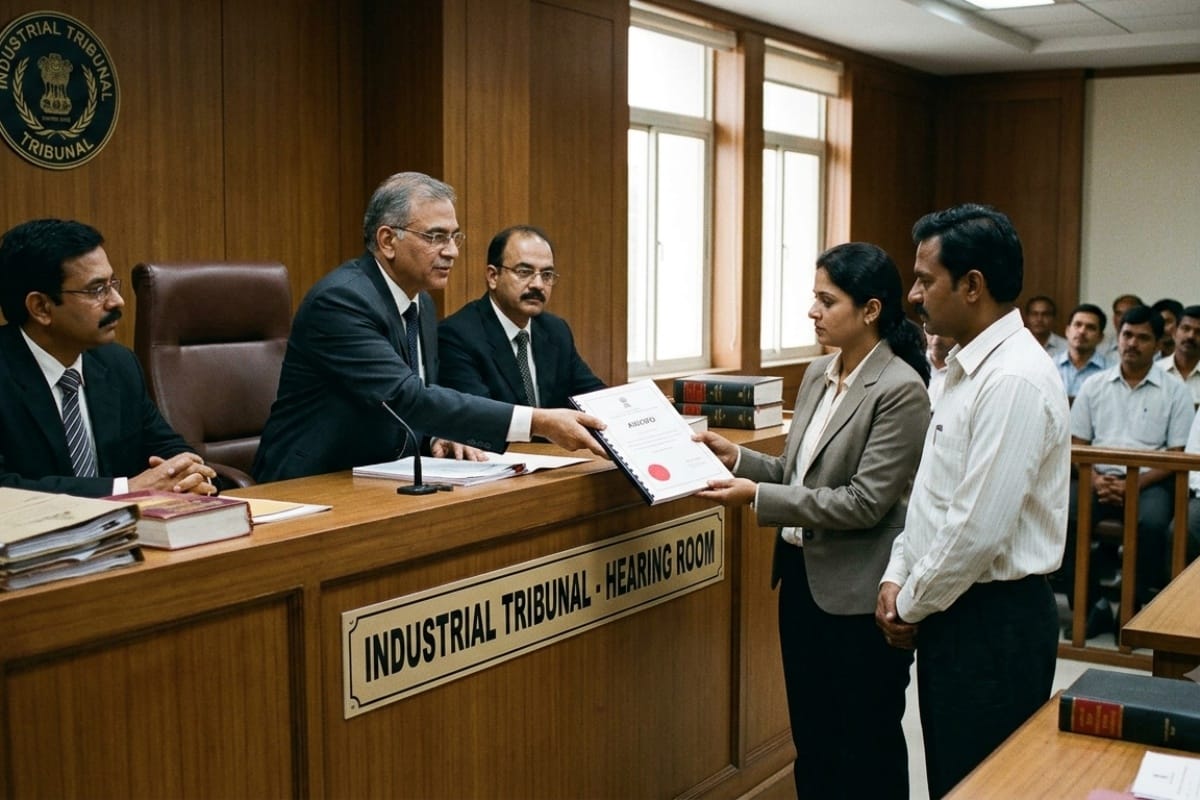
Deciding two connected writ petitions arising from a common Industrial Tribunal Award, the Delhi High Court set aside the Tribunal's direction granting hotel workmen a further…
Labour Laws
06/09/20264 min read
Update / Judgement Date
06 Oct 2025
Source
WCP News Bulletin
Author
Sakshi Bhardwaj — WCP Legal Desk
Reading Time
2 min read
Headnote:
The legal heirs of Late Jagdish challenged the penalty of Rs. 81,842/- levied under Section 271(1)(c) of the Income Tax Act, 1961, by the Assessing Officer (AO) and partly confirmed by the CIT(A). The appeal focused on whether penalty could be imposed posthumously and if legal heirs could be held liable. The Tribunal examined Section 159, the distinction between concealment of income and furnishing inaccurate particulars, and the onus of proving unexplained cash deposits. It was held that penalty proceedings could continue against legal heirs only to the extent of the estate capable of meeting the liability. The AO must clearly specify the limb of Section 271(1)(c) under which penalty is imposed. The case was remitted to the AO to determine the estate’s extent to satisfy the penalty.
Background:
Late Jagdish, assessee for AY 2007-08, had unexplained cash deposits of Rs. 3,80,000 and Long-Term Capital Gains (LTCG) of Rs. 14,62,758. The AO levied a penalty of Rs. 3,96,929 under Section 271(1)(c) for concealment of income and furnishing inaccurate particulars. CIT(A) deleted the penalty on LTCG but sustained it on unexplained cash deposits. The assessee passed away on 08.02.2018, and his legal heir, Shri Chhaju Ram, was substituted. The legal heir challenged the levy, arguing that penalty is personal to the deceased, Section 159(4) limits liability to tax payable, and penalty should not extend to legal heirs. It was also argued that AO failed to specify the correct limb of Section 271(1)(c) for imposition of penalty.
Conclusion:
The Tribunal upheld that penalty proceedings can continue against legal heirs only to the extent of the deceased’s estate capable of meeting the liability. The AO must specify the limb under Section 271(1)(c) (concealment or furnishing inaccurate particulars). The appeal was partly allowed by remanding the matter to the AO to determine the extent of estate available to satisfy the penalty. Penalty on unexplained cash deposits is sustained, while other claims remain subject to AO’s assessment.
Case No.: ITA No. 1437/JP/2024
Bench: Jaipur, AM: Rathod Kamlesh Jayantbhai, JM: Narinder Kumar
Assessment Year: 2007-08
Appellant: Legal heir of Late Jagdish, Shri Chhaju Ram
Respondent: ITO, Ward 7(1), Jaipur
Date of Hearing: 09/09/2025
Date of Pronouncement: 07/10/2025
Deciding two connected writ petitions arising from a common Industrial Tribunal Award, the Delhi High Court set aside the Tribunal's direction granting hotel workmen a further…
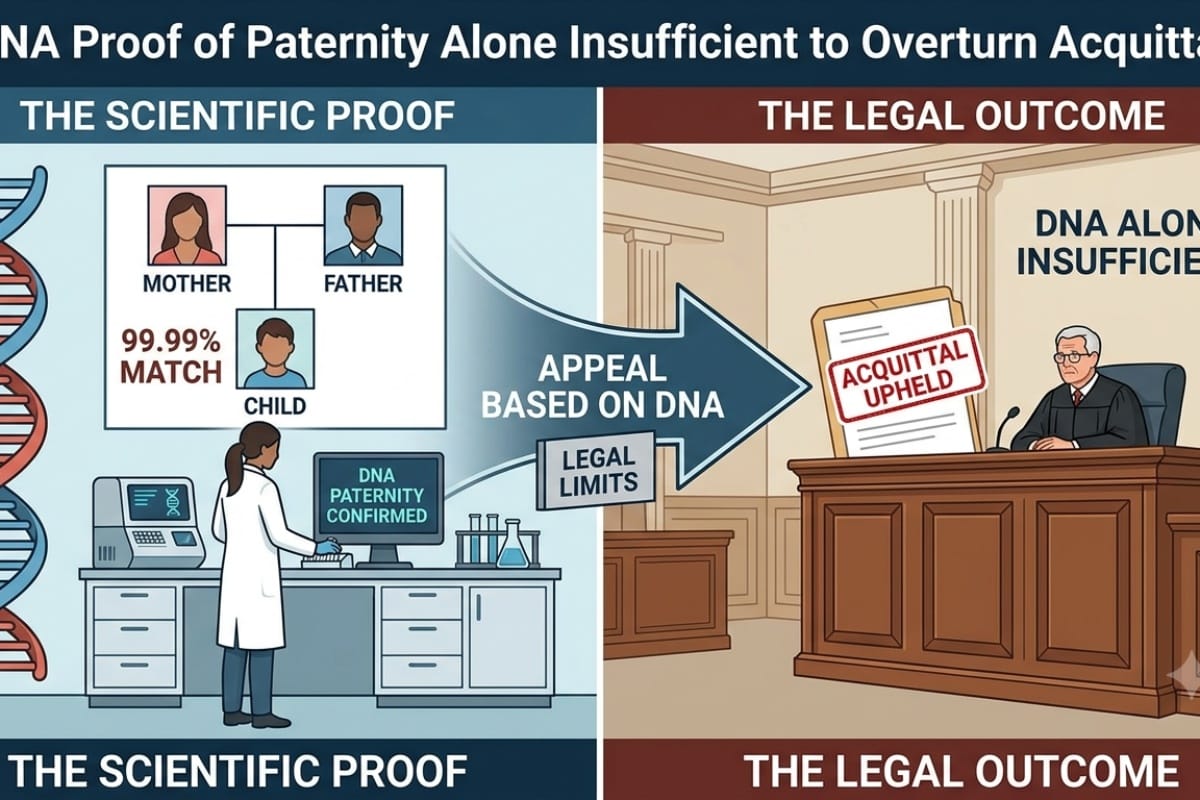
Headnote The Delhi High Court dismissed a prosecutrix's appeal against acquittal of the accused on charges under Sections 328/376 2 n /377/506/509 IPC, despite DNA evidence…
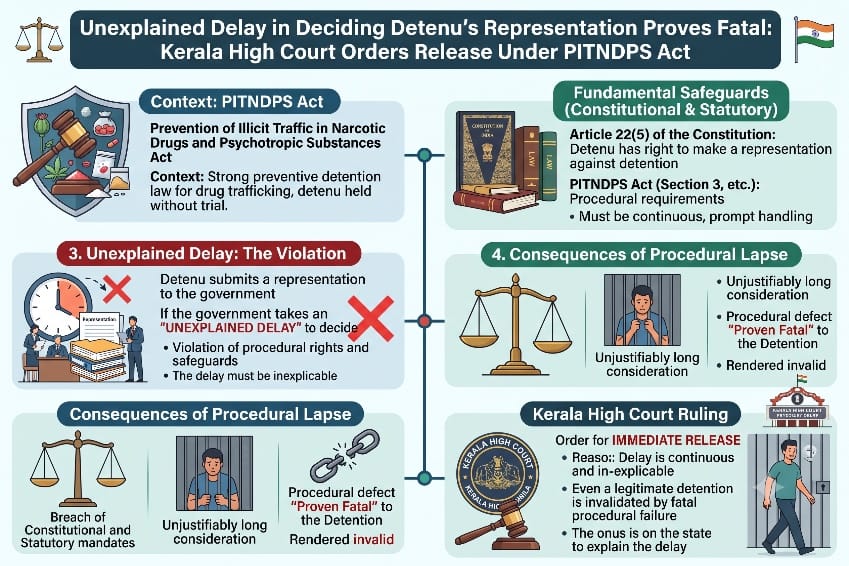
Fathimath Thasneem V.K. v. Union of India and Others | High Court of Kerala at Ernakulam | 3rd September, 2026 A habeas corpus writ petition by the wife of a detenu challenging…
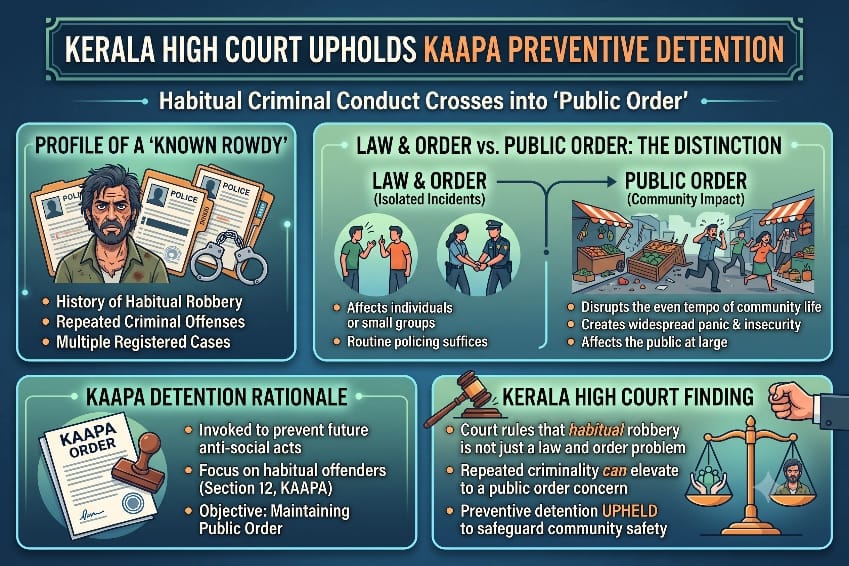
Thasmitha Abukutty v. State of Kerala and Others | High Court of Kerala at Ernakulam | 2nd September, 2026 A writ petition by the wife of a preventive detenu challenging a…
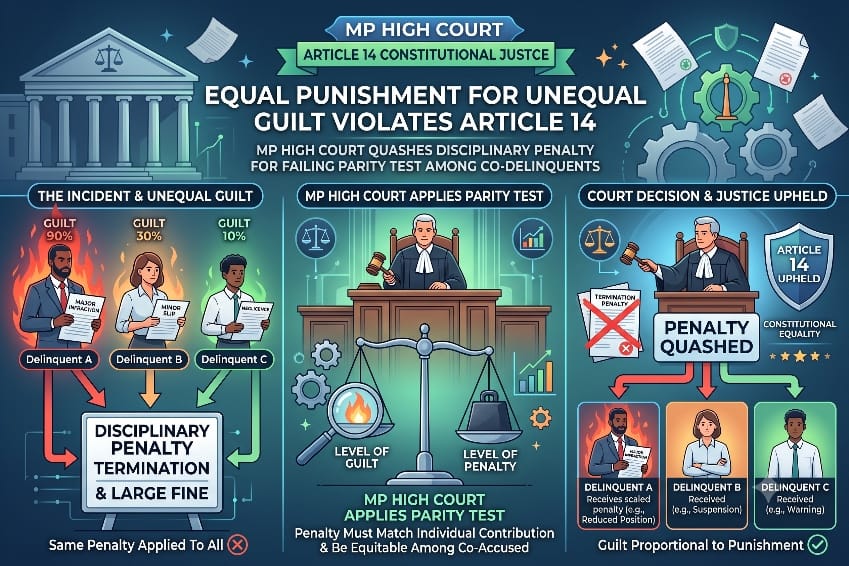
Brahm Kishore Dixit v. The State of Madhya Pradesh and Others | High Court of Madhya Pradesh, Gwalior | 1st September, 2026 A writ petition under Article 226 by a police Assistant…
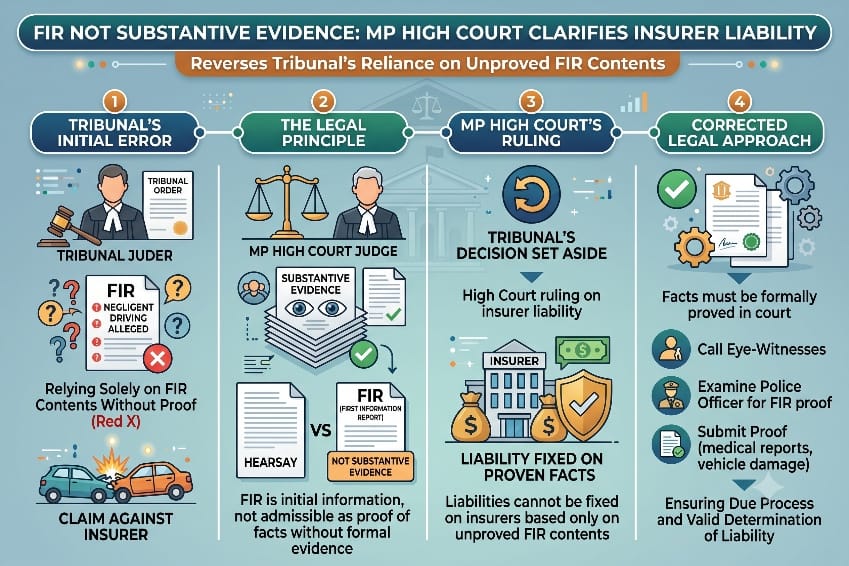
Anil Kumar Patel v. Smt. Munni Bai Barman and Others | High Court of Madhya Pradesh, Jabalpur | 1st September, 2026 A Motor Vehicle Act appeal under Section 173 1 against a Claims…
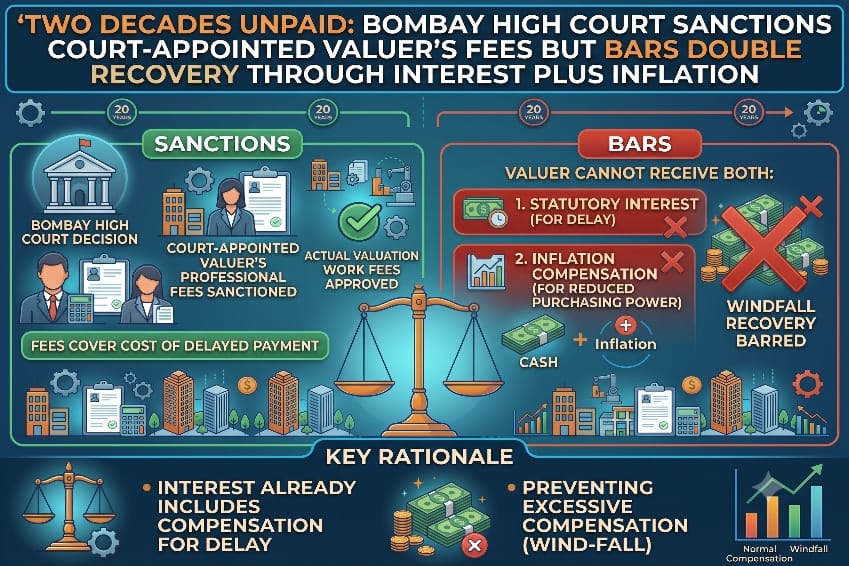
M/s. Kuber Mutual Benefits Ltd. & Ors. v. The State of Maharashtra & Ors. | High Court of Judicature at Bombay Appellate Side | 3rd September, 2026 A Court Receiver's Report…
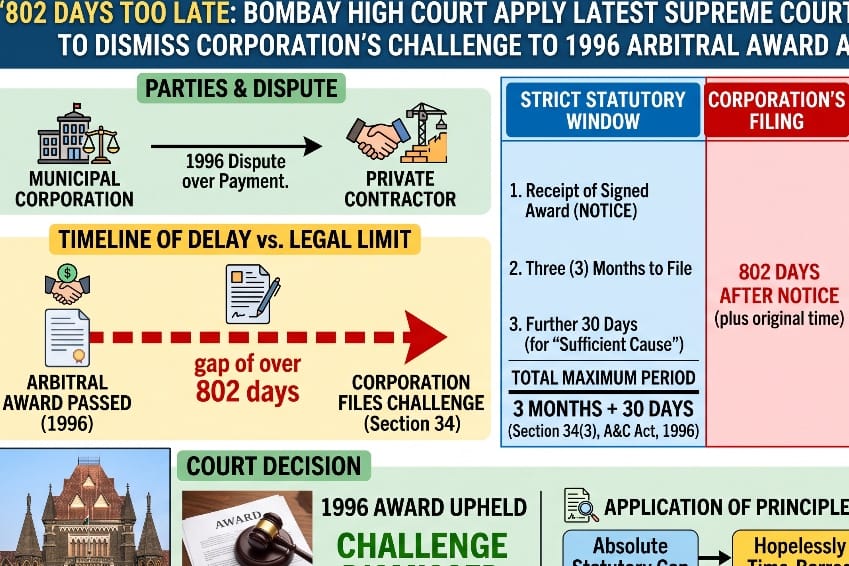
The Municipal Corporation of Greater Bombay v. M/s. Atul Raj Builders Pvt. Ltd. | High Court of Judicature at Bombay Ordinary Original Civil Jurisdiction | 3rd September, 2026 A…
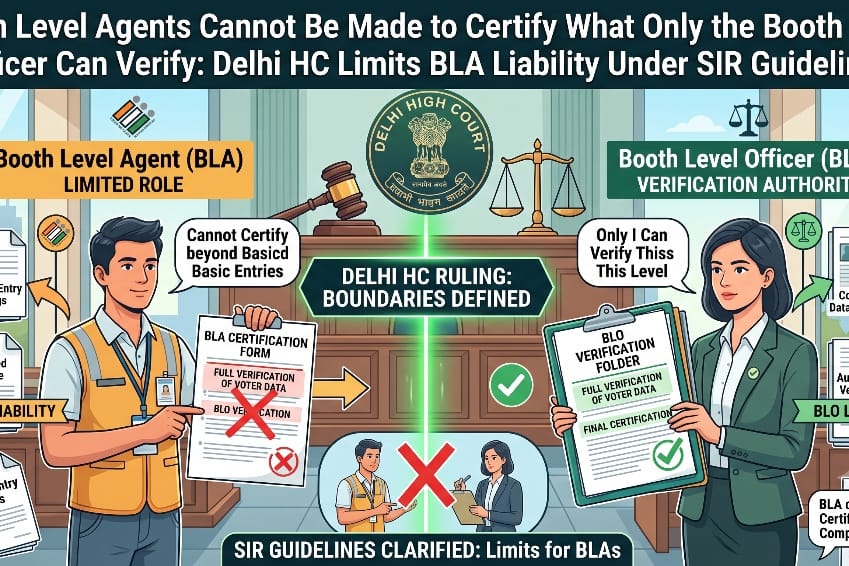
Devender Yadav & Anr. v. Election Commission of India & Anr. | High Court of Delhi Single Judge | Decided on: 03.09.2026 In a challenge to the Election Commission of India's…
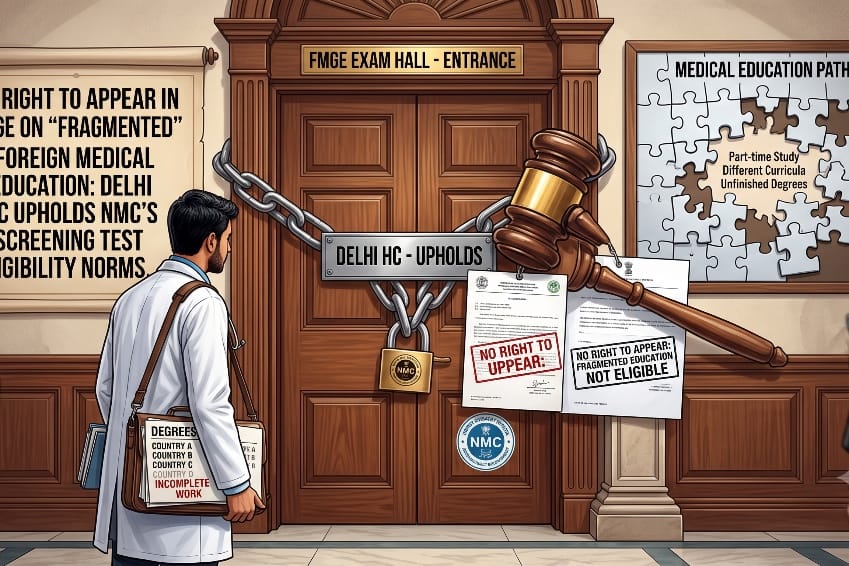
Brij Sharadbhai Bhatt & Ors. v. National Medical Commission & Ors. | High Court of Delhi Division Bench | Decided on: 03.09.2026 The Delhi High Court dismissed a challenge by…