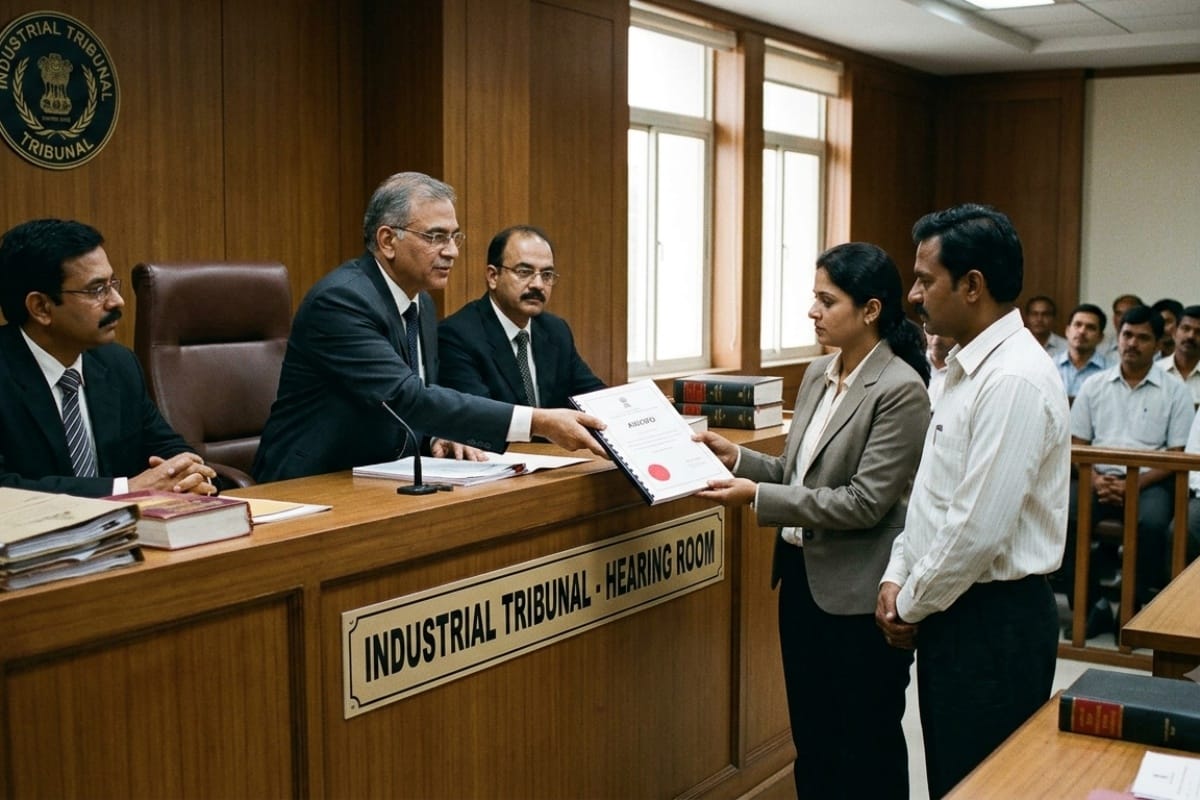
Deciding two connected writ petitions arising from a common Industrial Tribunal Award, the Delhi High Court set aside the Tribunal's direction granting hotel workmen a further…
Labour Laws
06/09/20264 min read
Update / Judgement Date
15 Dec 2025
Source
WCP News Bulletin
Author
Sakshi Bhardwaj — WCP Legal Desk
Reading Time
3 min read
The PMLA Court at Calcutta allowed restitution of properties valued at approximately ₹175 crore attached by the Directorate of Enforcement in a major bank fraud case involving M/s Shree Ganesh Jewellery House (I) Limited (SGJHIL). The Court held that the attached assets could be restored to the Liquidator for the purpose of enabling recovery of dues of public sector banks, subject to compliance with PMLA adjudication requirements.
• The case pertains to large-scale bank fraud committed by M/s Shree Ganesh Jewellery House (I) Limited and its Promoter-Directors Nilesh Parekh, Umesh Parekh, Kamlesh Parekh and others.
• The accused defrauded a consortium of 25 banks to the tune of approximately ₹2,672 crore through fraudulent banking transactions and diversion of loan funds.
• ED initiated investigation under the provisions of the PMLA, 2002, and attached properties located in West Bengal, Maharashtra, Gujarat and Telangana, aggregating to ₹193.11 crore, through two Provisional Attachment Orders.
• The investigation revealed that the promoters floated multiple companies in India and wholly-owned overseas subsidiaries in Dubai, Singapore and Hong Kong.
• A complex round-tripping mechanism was employed involving gold, bullion and jewellery. Jewellery manufactured in Manikanchan, Kolkata, was shown as exported to overseas entities controlled by the promoters.
• The goods were routed through associated companies and sold in foreign markets, but the export proceeds were not repatriated to India for repayment of bank loans.
• Instead, SGJHIL availed export bill discounting facilities from Indian banks, thereby receiving funds while the banks were unable to realise export proceeds.
• Through this modus operandi, the promoters misused credit facilities, retained export proceeds abroad, and concealed financial transactions, generating proceeds of crime.
• Considering the need to protect public interest and facilitate recovery of public sector bank funds, the ED held meetings with the Liquidator of the company.
• The Liquidator filed an application seeking restitution of the attached properties, which was supported by a consent petition filed by the ED.
• The Court allowed restitution of properties valued at approximately ₹175 crore, holding that banks are entitled to legitimate recovery of their dues.
• The Court recorded that the ED had no objection to restitution, subject to fulfilment of dues and deposit of any surplus amount before the competent authority for adjudication under the PMLA.
• Prevention of Money Laundering Act, 2002 – Attachment, adjudication and restitution of proceeds of crime.
• Principles governing restitution and recovery of public funds in financial fraud cases.
• Judicial oversight in balancing confiscation proceedings with liquidation and bank recovery processes.
Deciding two connected writ petitions arising from a common Industrial Tribunal Award, the Delhi High Court set aside the Tribunal's direction granting hotel workmen a further…

Headnote The Delhi High Court dismissed a prosecutrix's appeal against acquittal of the accused on charges under Sections 328/376 2 n /377/506/509 IPC, despite DNA evidence…
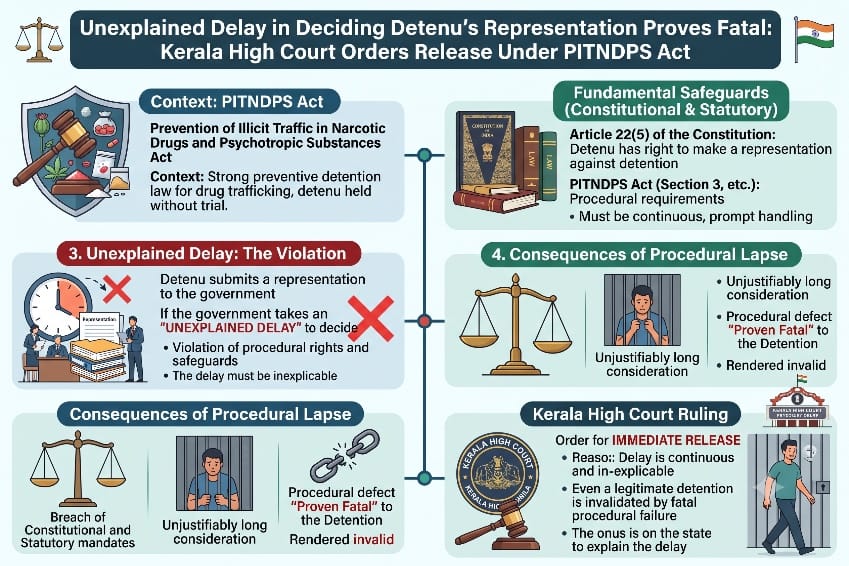
Fathimath Thasneem V.K. v. Union of India and Others | High Court of Kerala at Ernakulam | 3rd September, 2026 A habeas corpus writ petition by the wife of a detenu challenging…
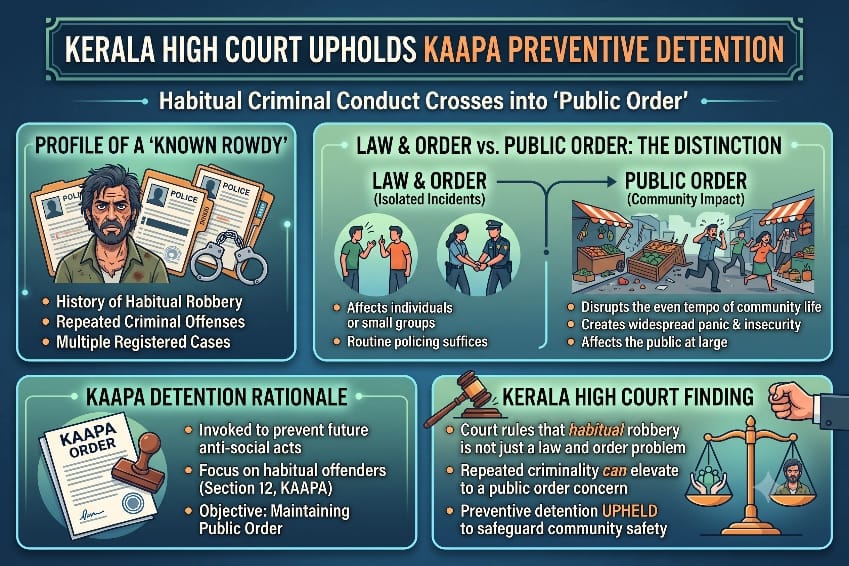
Thasmitha Abukutty v. State of Kerala and Others | High Court of Kerala at Ernakulam | 2nd September, 2026 A writ petition by the wife of a preventive detenu challenging a…
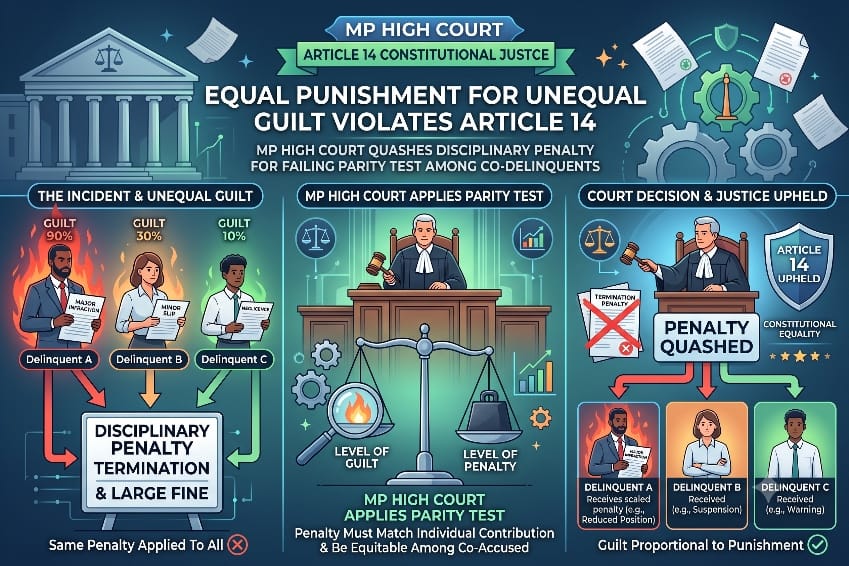
Brahm Kishore Dixit v. The State of Madhya Pradesh and Others | High Court of Madhya Pradesh, Gwalior | 1st September, 2026 A writ petition under Article 226 by a police Assistant…
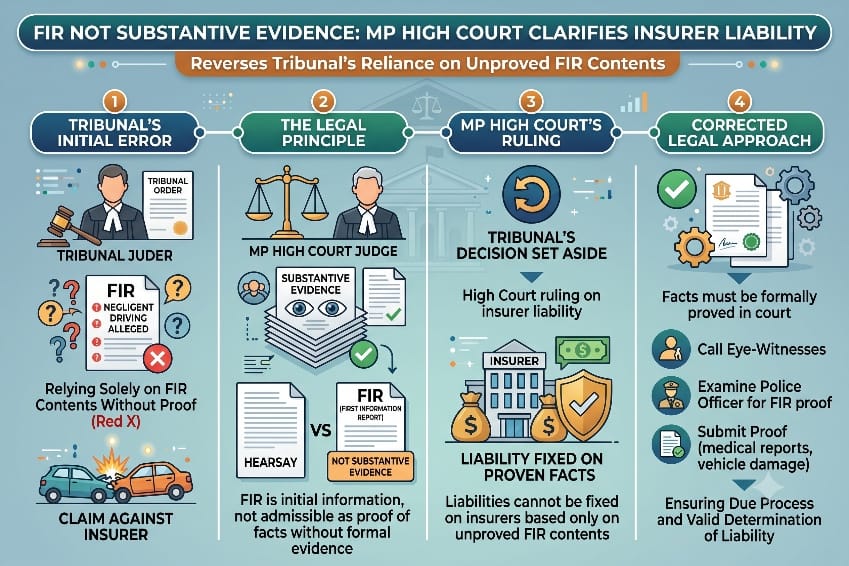
Anil Kumar Patel v. Smt. Munni Bai Barman and Others | High Court of Madhya Pradesh, Jabalpur | 1st September, 2026 A Motor Vehicle Act appeal under Section 173 1 against a Claims…
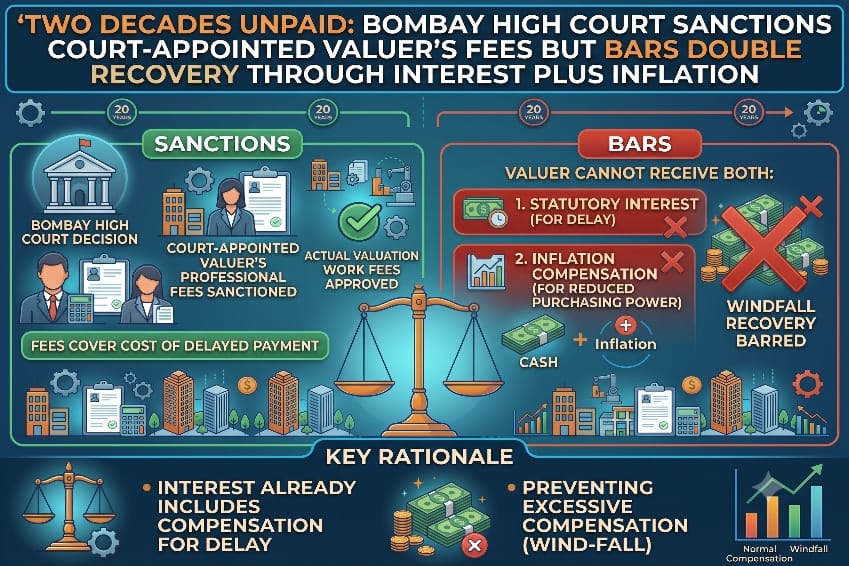
M/s. Kuber Mutual Benefits Ltd. & Ors. v. The State of Maharashtra & Ors. | High Court of Judicature at Bombay Appellate Side | 3rd September, 2026 A Court Receiver's Report…
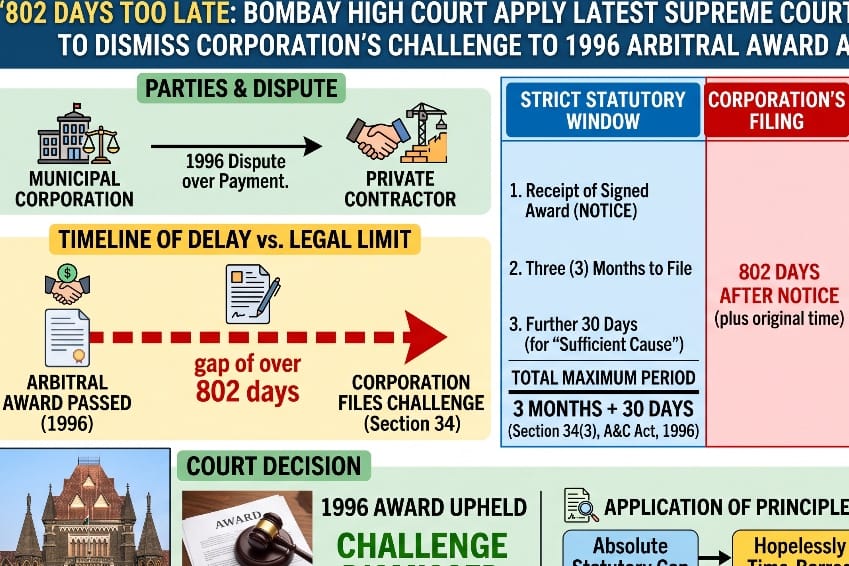
The Municipal Corporation of Greater Bombay v. M/s. Atul Raj Builders Pvt. Ltd. | High Court of Judicature at Bombay Ordinary Original Civil Jurisdiction | 3rd September, 2026 A…
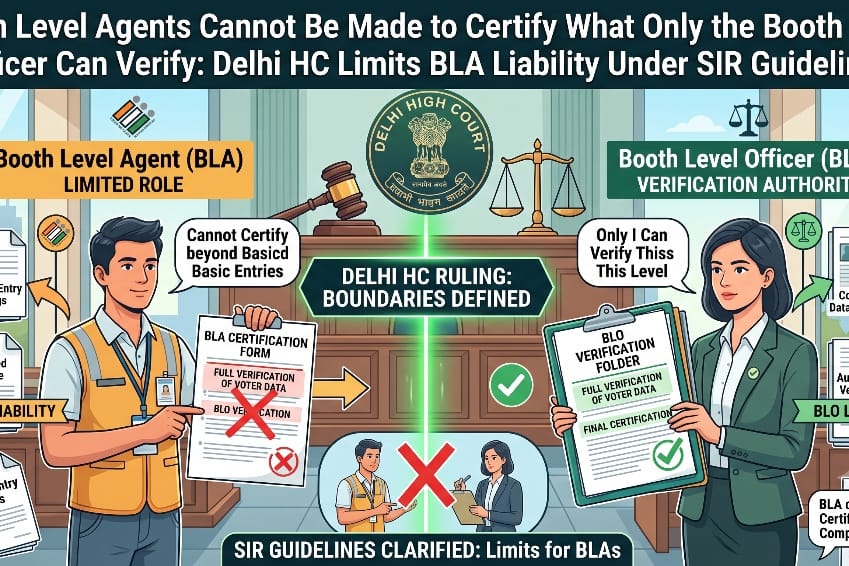
Devender Yadav & Anr. v. Election Commission of India & Anr. | High Court of Delhi Single Judge | Decided on: 03.09.2026 In a challenge to the Election Commission of India's…
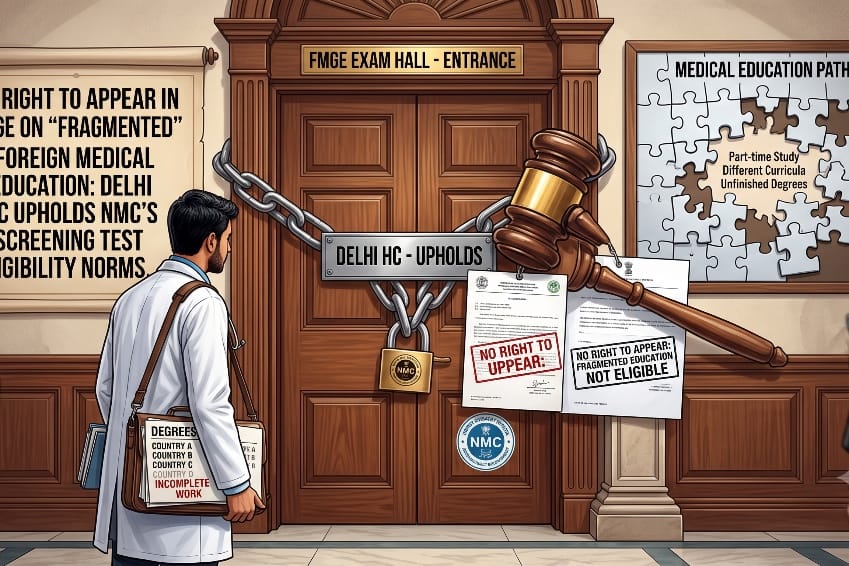
Brij Sharadbhai Bhatt & Ors. v. National Medical Commission & Ors. | High Court of Delhi Division Bench | Decided on: 03.09.2026 The Delhi High Court dismissed a challenge by…