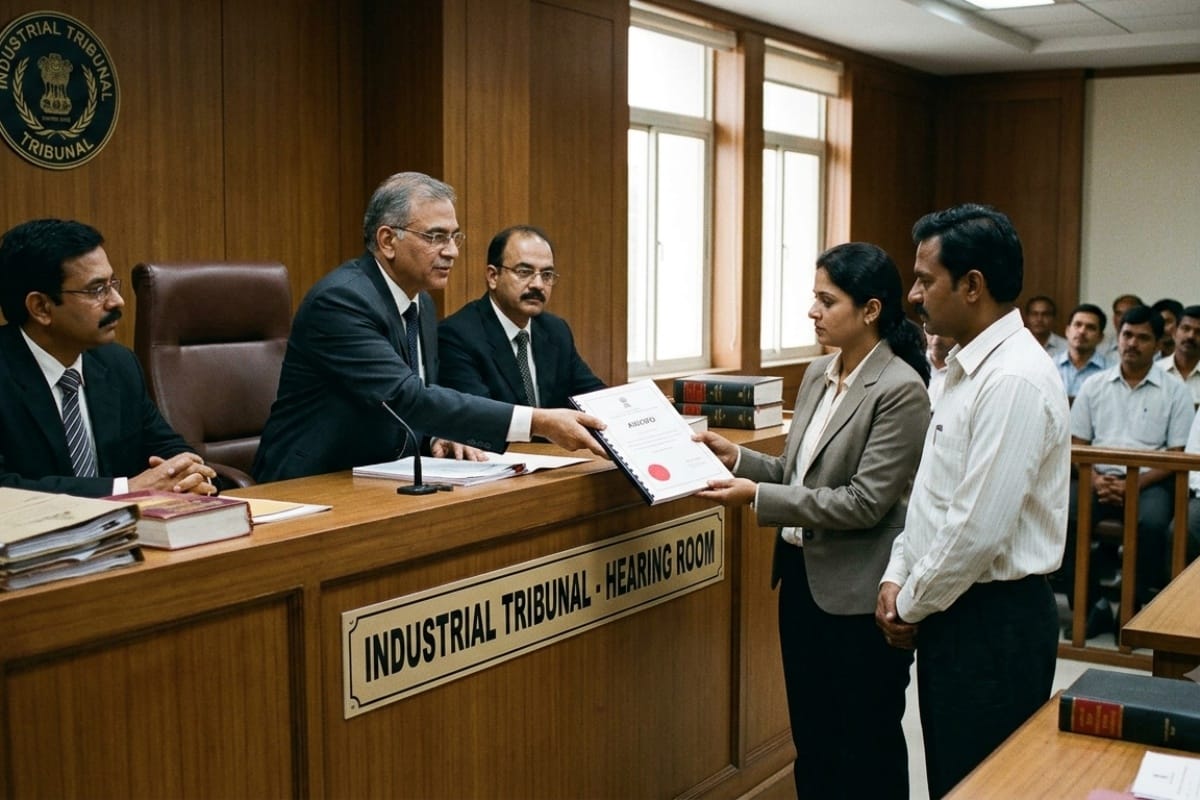
Deciding two connected writ petitions arising from a common Industrial Tribunal Award, the Delhi High Court set aside the Tribunal's direction granting hotel workmen a further…
Labour Laws
06/09/20264 min read
In a landmark ruling delivered on September 17, 2025, the Supreme Court carved out a narrow exception to the “speaking order” doctrine, reaffirming that while the validity of administrative orders should generally be assessed solely on the reasons expressly stated within them, courts may—in rare and limited situations—consider unstated grounds that are plainly evident from the record. A bench led by Justices Dipankar Datta and A.G. Masih set aside a direction of the Andhra Pradesh High Court that had compelled the State Bank of India (SBI) to reconsider a borrower’s One Time Settlement (OTS) proposal. The bank’s original rejection order failed to cite the borrower’s repeated defaults or the failure to deposit 5% of the dues upfront—a precondition stipulated by Clause 4(i) of the OTS 2020 Scheme—but these facts were incontrovertibly present in the records. Departing from conventional practice, the Supreme Court established a three-layer test permitting adjudication based on alternative grounds: (1) if the stated grounds are untenable; (2) the court may “trace” a valid reason from the record or factual narrative; and (3) provided the affected party receives notice and fair opportunity to respond. The judgment stresses that new grounds cannot be introduced extraneously or retroactively, protecting transparency and fairness in administrative review—a principle rooted in Mohinder Singh Gill v. Chief Election Commissioner (1978) 1 SCC 405. The Court clarified that where factual grounds are discernible but unstated, and the requirements of justice and fair procedure are met, orders may be upheld on such basis. In this specific case, though SBI’s rejection did not explicitly mention the lack of a 5% upfront payment, the record and OTS scheme made the deficiency obvious, and the borrower could not factually contest non-payment. The case title is “Assistant General Manager State Bank of India & Anr. vs. Tanya Energy Enterprises,” citation: 2025 LiveLaw (SC) 918. The decision not only reiterates fairness but also sets out procedural safeguards for future review of administrative orders.
Deciding two connected writ petitions arising from a common Industrial Tribunal Award, the Delhi High Court set aside the Tribunal's direction granting hotel workmen a further…
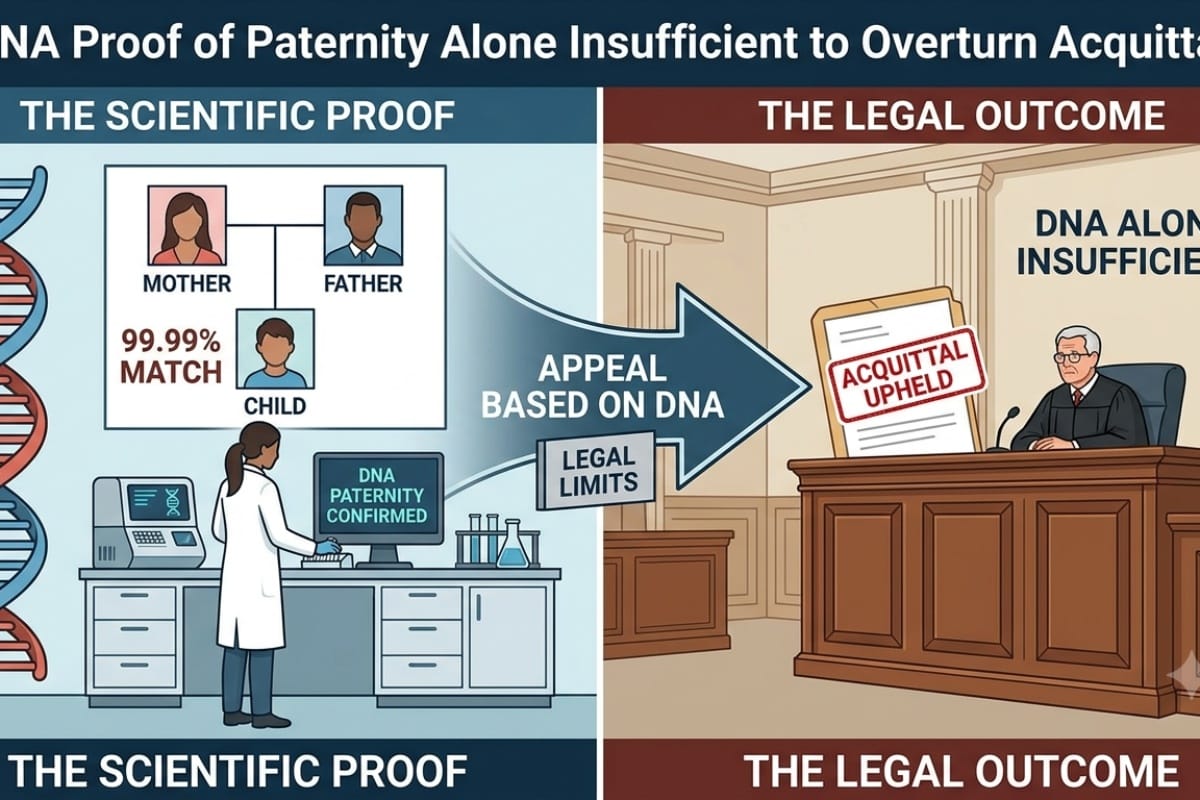
Headnote The Delhi High Court dismissed a prosecutrix's appeal against acquittal of the accused on charges under Sections 328/376 2 n /377/506/509 IPC, despite DNA evidence…
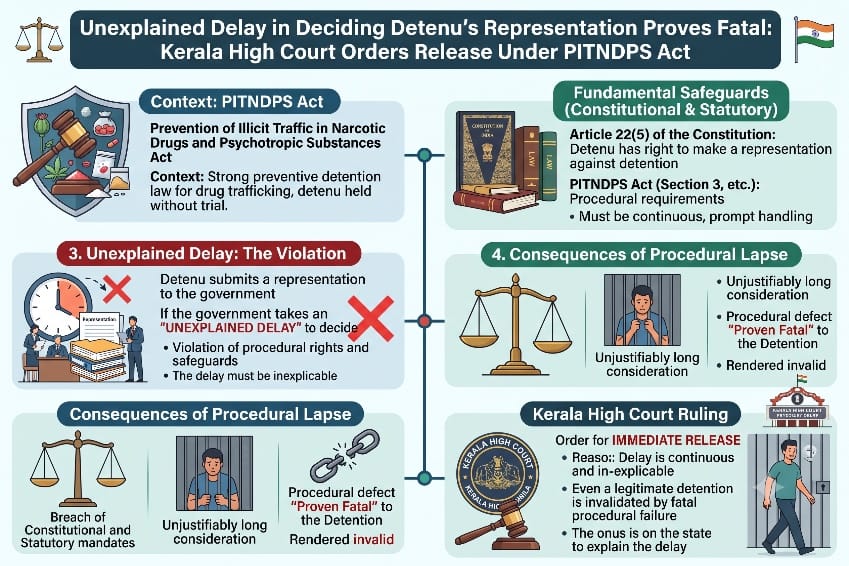
Fathimath Thasneem V.K. v. Union of India and Others | High Court of Kerala at Ernakulam | 3rd September, 2026 A habeas corpus writ petition by the wife of a detenu challenging…
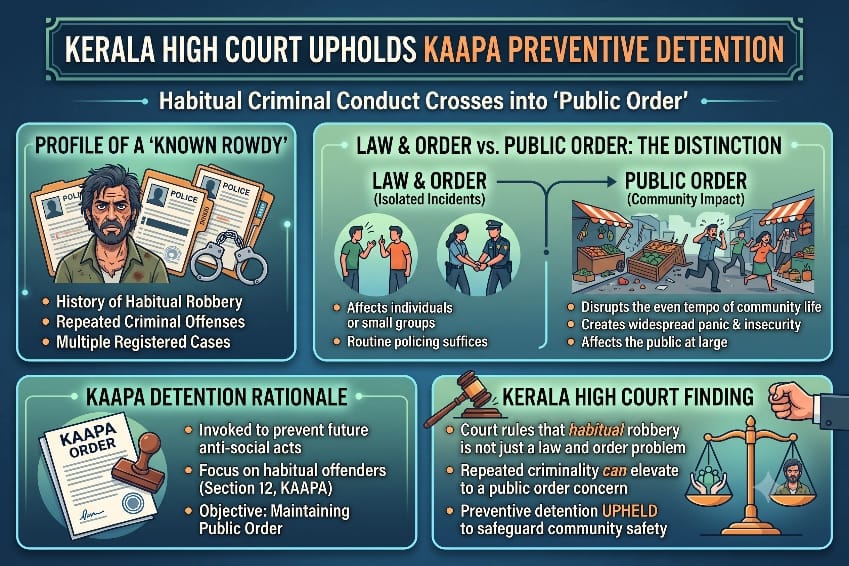
Thasmitha Abukutty v. State of Kerala and Others | High Court of Kerala at Ernakulam | 2nd September, 2026 A writ petition by the wife of a preventive detenu challenging a…
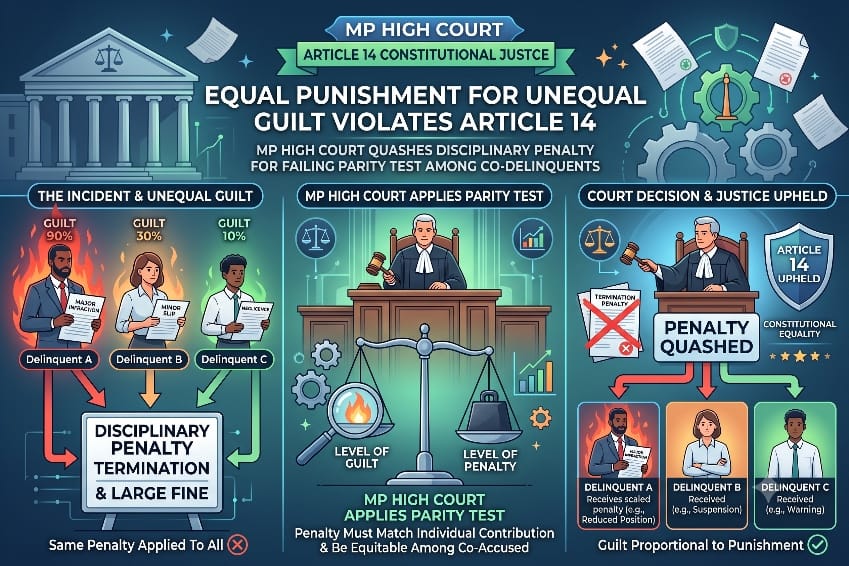
Brahm Kishore Dixit v. The State of Madhya Pradesh and Others | High Court of Madhya Pradesh, Gwalior | 1st September, 2026 A writ petition under Article 226 by a police Assistant…
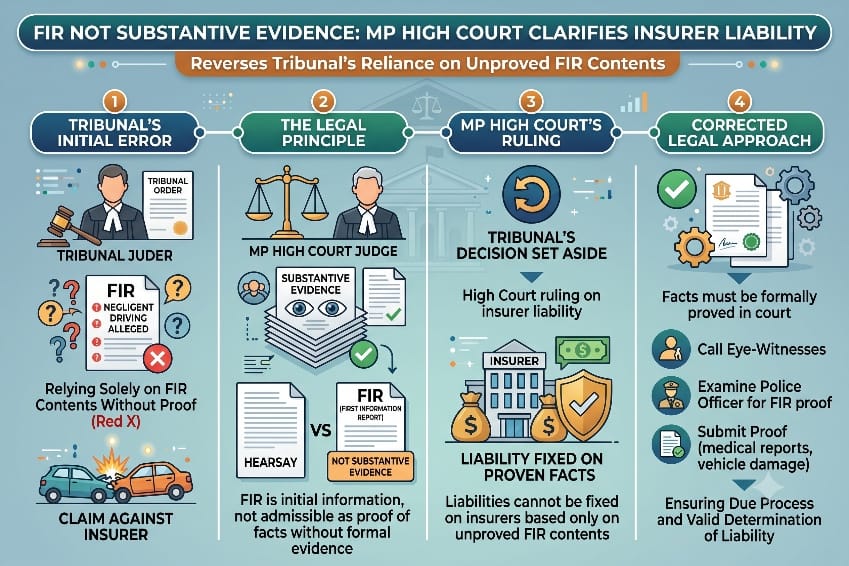
Anil Kumar Patel v. Smt. Munni Bai Barman and Others | High Court of Madhya Pradesh, Jabalpur | 1st September, 2026 A Motor Vehicle Act appeal under Section 173 1 against a Claims…
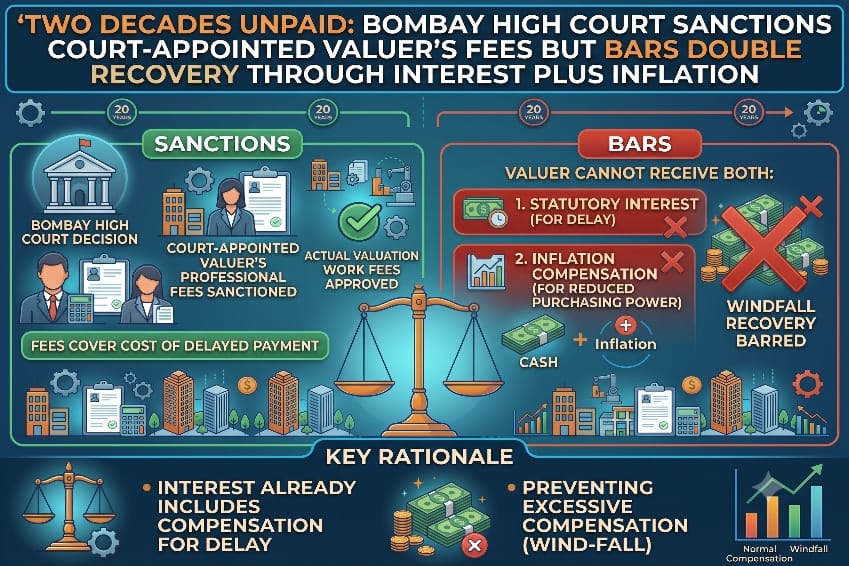
M/s. Kuber Mutual Benefits Ltd. & Ors. v. The State of Maharashtra & Ors. | High Court of Judicature at Bombay Appellate Side | 3rd September, 2026 A Court Receiver's Report…
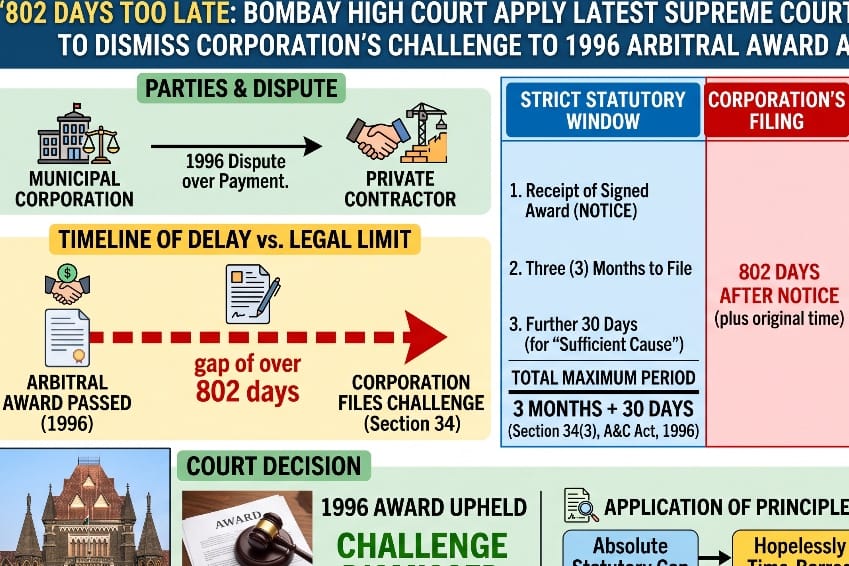
The Municipal Corporation of Greater Bombay v. M/s. Atul Raj Builders Pvt. Ltd. | High Court of Judicature at Bombay Ordinary Original Civil Jurisdiction | 3rd September, 2026 A…
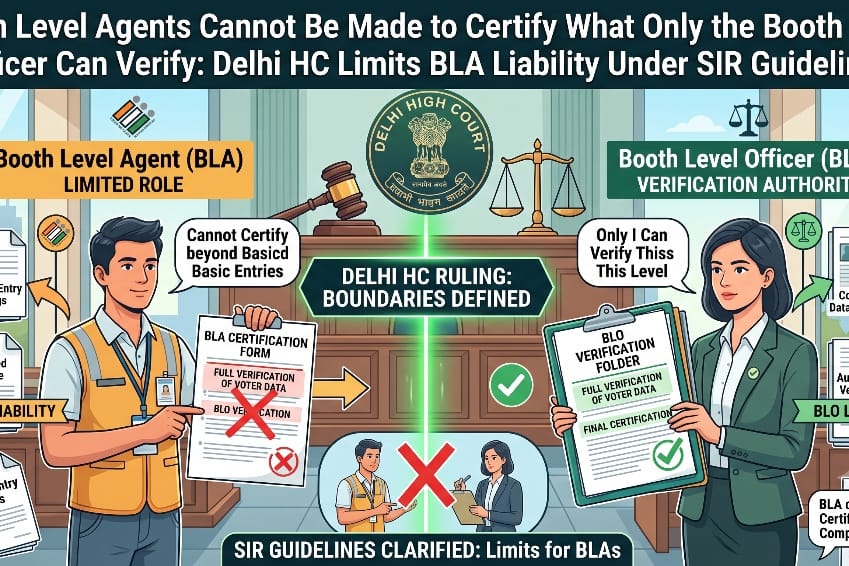
Devender Yadav & Anr. v. Election Commission of India & Anr. | High Court of Delhi Single Judge | Decided on: 03.09.2026 In a challenge to the Election Commission of India's…
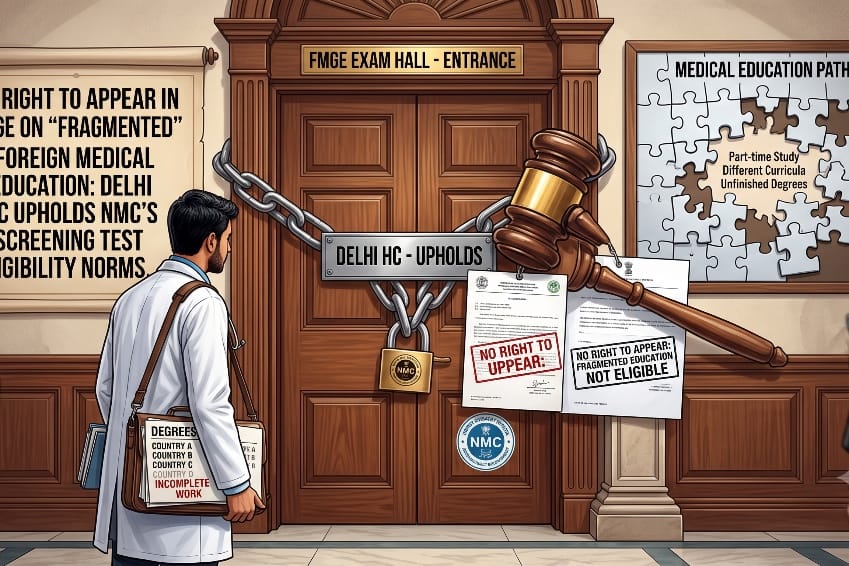
Brij Sharadbhai Bhatt & Ors. v. National Medical Commission & Ors. | High Court of Delhi Division Bench | Decided on: 03.09.2026 The Delhi High Court dismissed a challenge by…