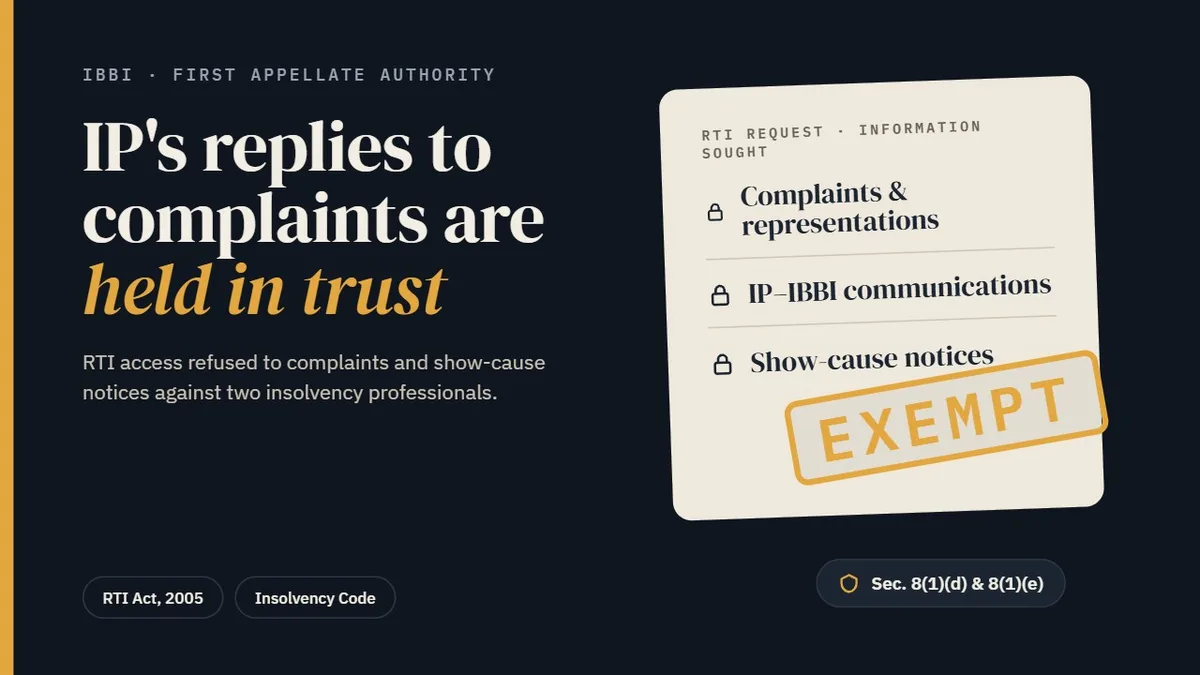
The appellant sought, under the RTI Act, records of complaints and representations received by IBBI, communications between IBBI and the insolvency professionals, and copies of…
Insolvency & Bankruptcy Code
24/11/20264 min read
Update / Judgement Date
14 Oct 2025
Source
WCP News Bulletin
Author
Sakshi Bhardwaj — WCP Legal Desk
Reading Time
4 min read
View Count
The CESTAT Delhi held that royalty payments made by Ericsson India Pvt. Ltd. to its foreign parent company for technical know-how are includible in the transaction value of imported components under Rule 10(1)(c) of the Customs Valuation Rules, 2007. The Tribunal found that the royalty was related to the imported goods and was a condition of their sale. Accordingly, it upheld the inclusion of royalty in assessable value, sustained the demand of duty, interest, penalties, and dismissed the appeals.
Whether royalty payments made by the appellant to its parent company should be added to the assessable value of imported goods under Rule 10(1)(c) of the Customs Valuation Rules, 2007.
Case Title: Ericsson India Pvt. Ltd. & Ors. v. Additional Director General (Adjudication)
Case Number: Customs Appeal No. 50439 of 2021 (and connected appeals)
Bench: CESTAT, Delhi
Coram: Hon’ble Mr. Justice Dilip Gupta (President) and Mr. P. V. Subba Rao (Technical Member)
© 2026 White Collar Professional Technologies Pvt. Ltd. All rights reserved. CIN: U74999MH2024PTC000001
The appellant sought, under the RTI Act, records of complaints and representations received by IBBI, communications between IBBI and the insolvency professionals, and copies of…
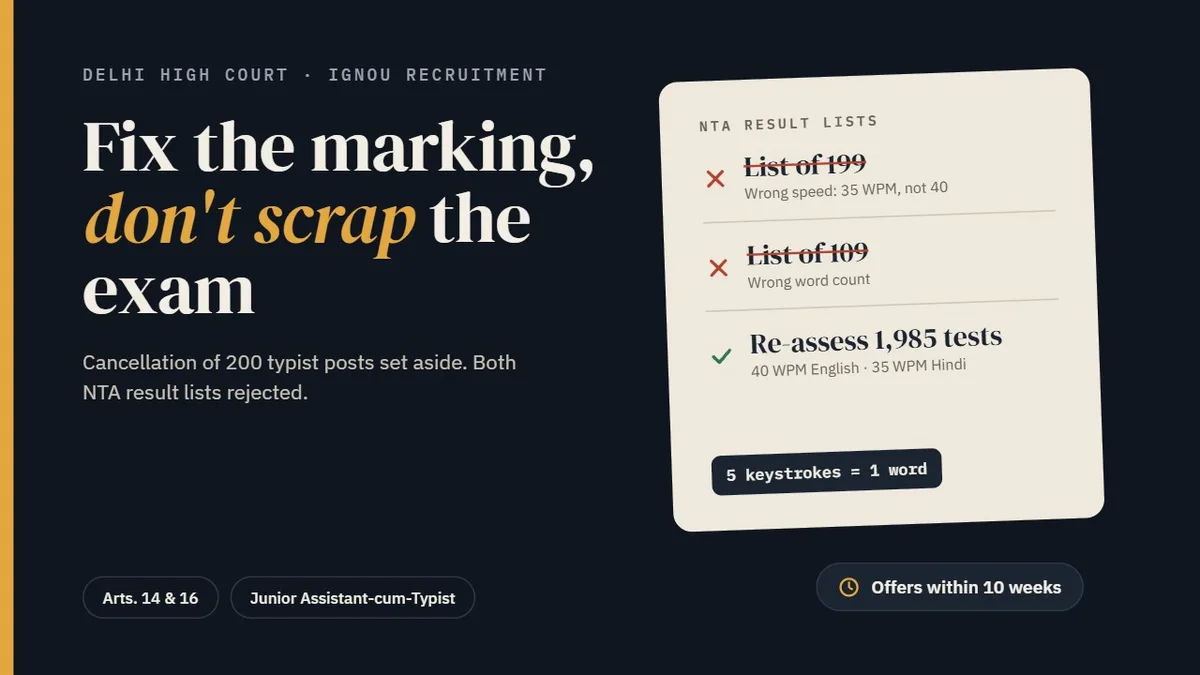
IGNOU entrusted recruitment to 200 Junior Assistant-cum-Typist posts to NTA; after a computer-based test 25,094 candidates and a typing test 1,985 candidates , NTA declared 199…
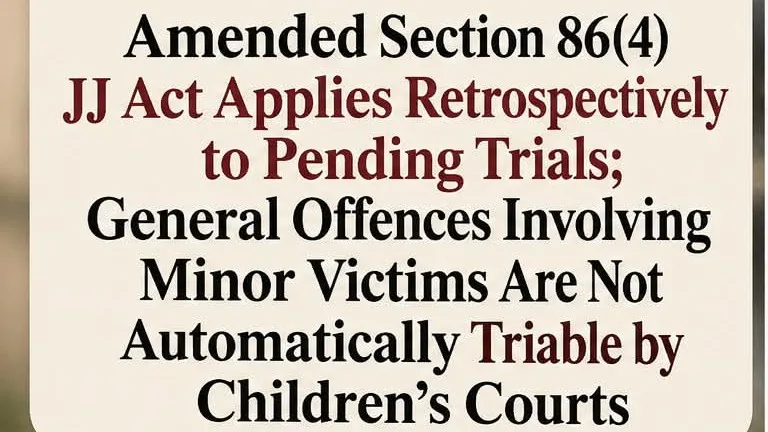
The Delhi High Court considered whether the 2021 amendment inserting Section 86 4 into the Juvenile Justice Care and Protection of Children Act, 2015 applied to trials already…
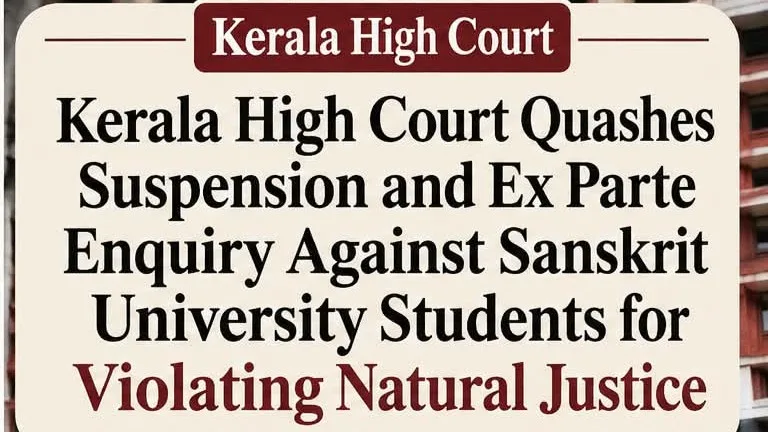
Sixteen students of Sree Sankaracharya University of Sanskrit, Kalady challenged their suspension and subsequent disciplinary punishments arising out of a campus protest during a…

The Kerala High Court held that the custody requirement in Section 306 4 b of the Code of Criminal Procedure, 1973 CrPC applies to a pardon tendered by a Magistrate under Section…

National Testing Agency had applied an incorrect typing-speed threshold and the assessment required correction, the identified discrepancies did not establish that the…
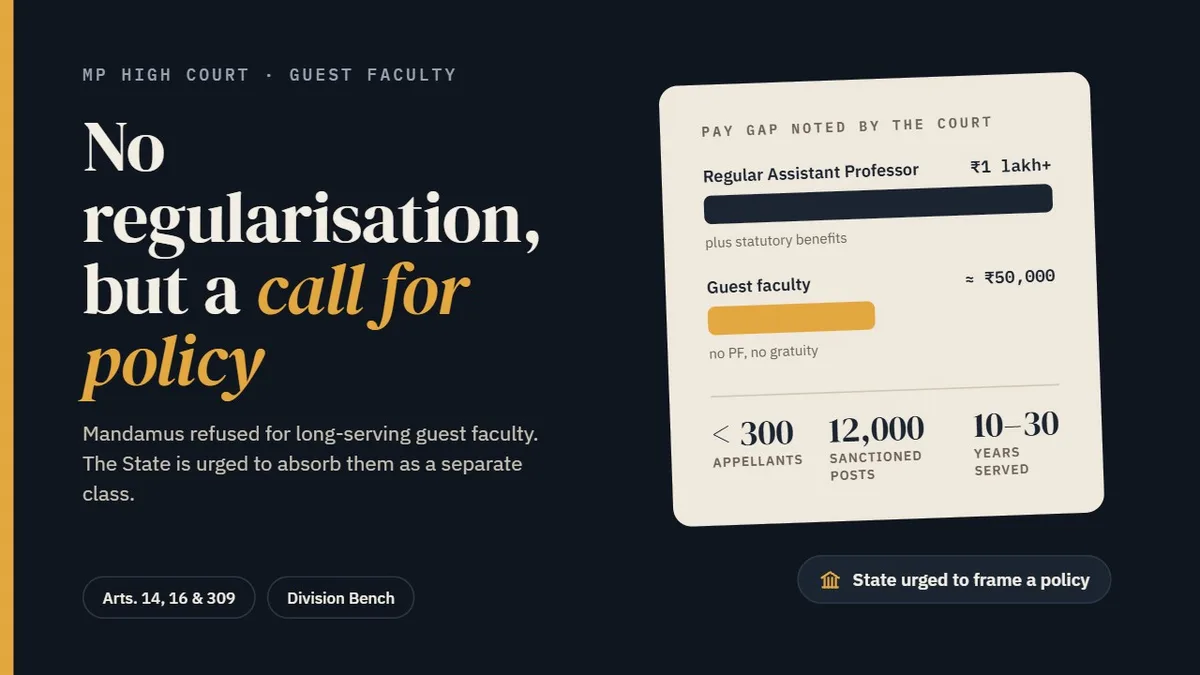
A batch of writ appeals was filed by guest faculty – Assistant Professors, Sports Officers and Librarians engaged after advertisement and selection and serving 10 to 30 years in…
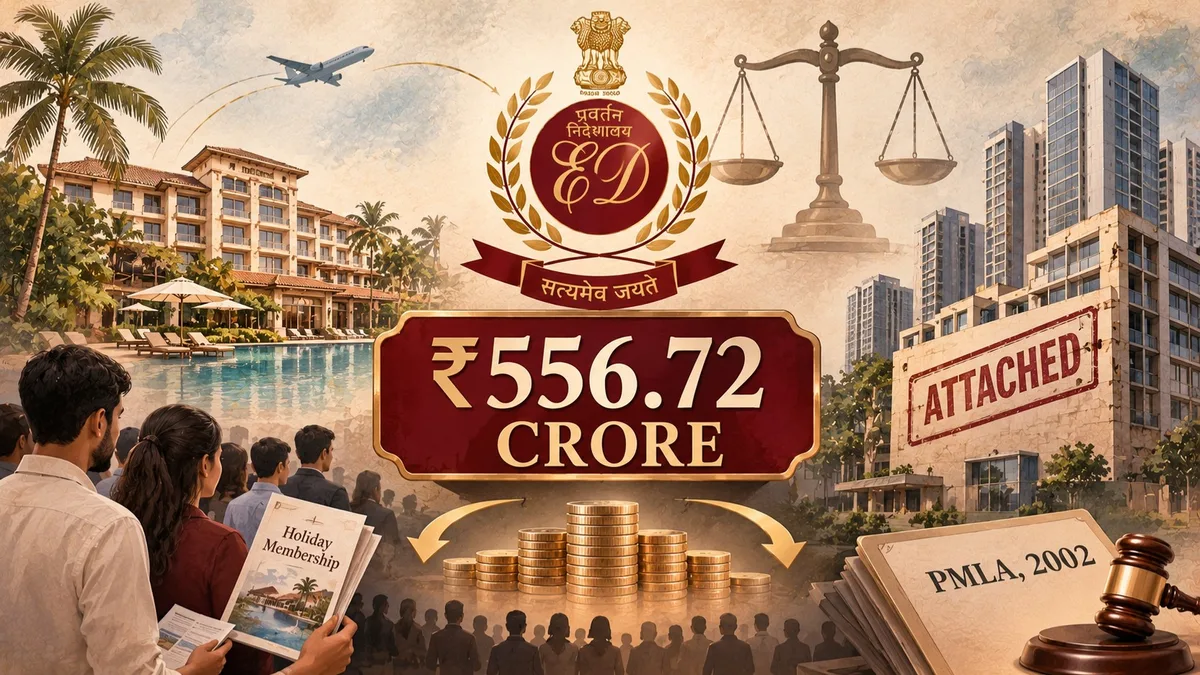
Directorate of Enforcement, Mumbai Zonal Office-I | Draft Press Release | 23 November 2026 The Directorate of Enforcement's draft press release states that its Mumbai Zonal…

The Directorate of Enforcement's draft press release states that its Guwahati Zonal Office-I has provisionally attached movable and immovable properties valued at ₹70.09 lakh in a…

The National Company Law Tribunal, New Delhi Court-IV, approved a resolution plan valued at ₹30.90 crore for Shyam Indofab Private Limited on 8 September 2026. The plan, submitted…