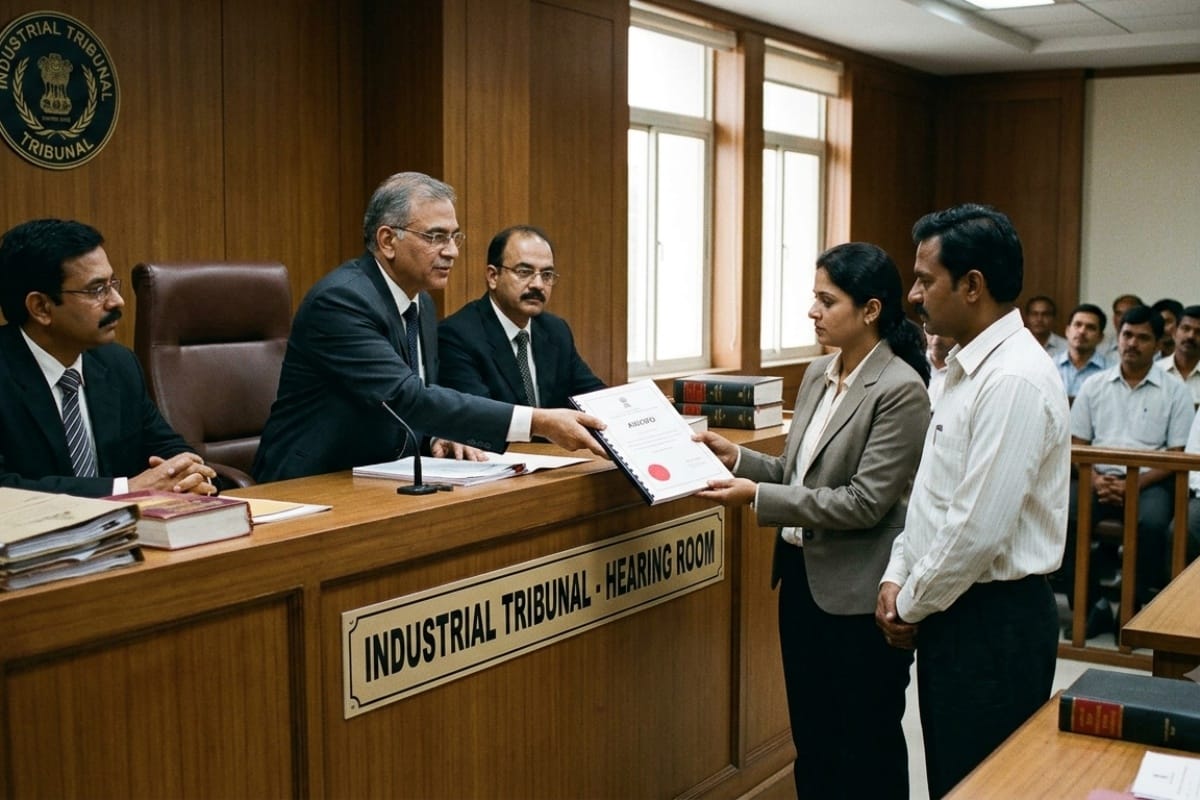
Deciding two connected writ petitions arising from a common Industrial Tribunal Award, the Delhi High Court set aside the Tribunal's direction granting hotel workmen a further…
Labour Laws
06/09/20264 min read
The Supreme Court has transferred to itself all cases pending before the High Courts of Madras, Karnataka, and Bombay concerning the constitutional validity of state laws regulating or prohibiting online gaming involving real money. The move aims to ensure uniformity and avoid conflicting judgments on an issue with nationwide implications, as multiple states have enacted laws seeking to curb online betting and gaming, citing concerns over addiction, financial losses, and public order. Petitioners, including gaming platforms, have challenged these laws as arbitrary restrictions on trade and commerce, violation of free speech, and excessive delegation of legislative powers. The Court observed that divergent High Court rulings could create uncertainty in the rapidly growing gaming sector, which involves significant investments, employment, and taxation potential. It also acknowledged the Centre’s evolving stance, given that digital gaming intersects with subjects like IT regulation, consumer protection, and GST. By consolidating the cases, the apex court has positioned itself to provide a definitive ruling that will balance state regulatory powers with constitutional freedoms and economic considerations. The outcome is expected to shape the legal framework governing online gaming, impacting businesses, consumers, and government revenues alike.
Deciding two connected writ petitions arising from a common Industrial Tribunal Award, the Delhi High Court set aside the Tribunal's direction granting hotel workmen a further…

Headnote The Delhi High Court dismissed a prosecutrix's appeal against acquittal of the accused on charges under Sections 328/376 2 n /377/506/509 IPC, despite DNA evidence…
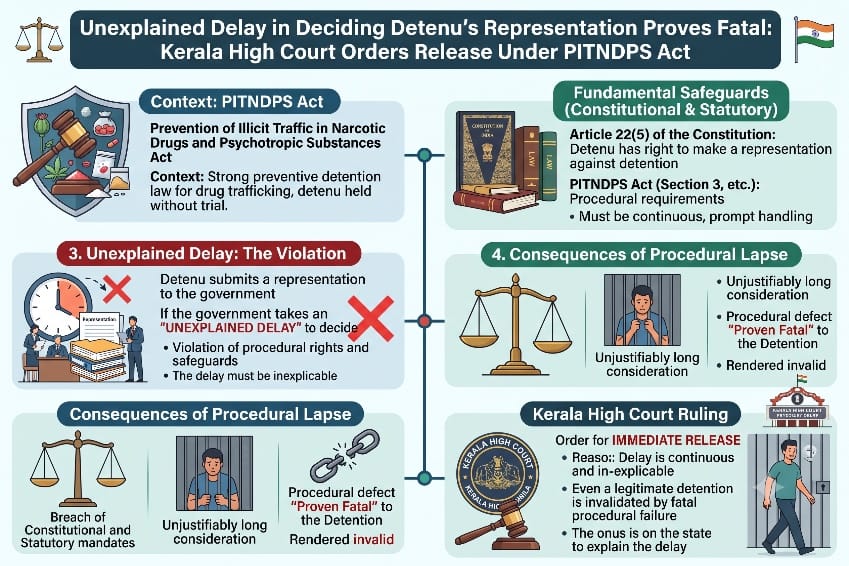
Fathimath Thasneem V.K. v. Union of India and Others | High Court of Kerala at Ernakulam | 3rd September, 2026 A habeas corpus writ petition by the wife of a detenu challenging…
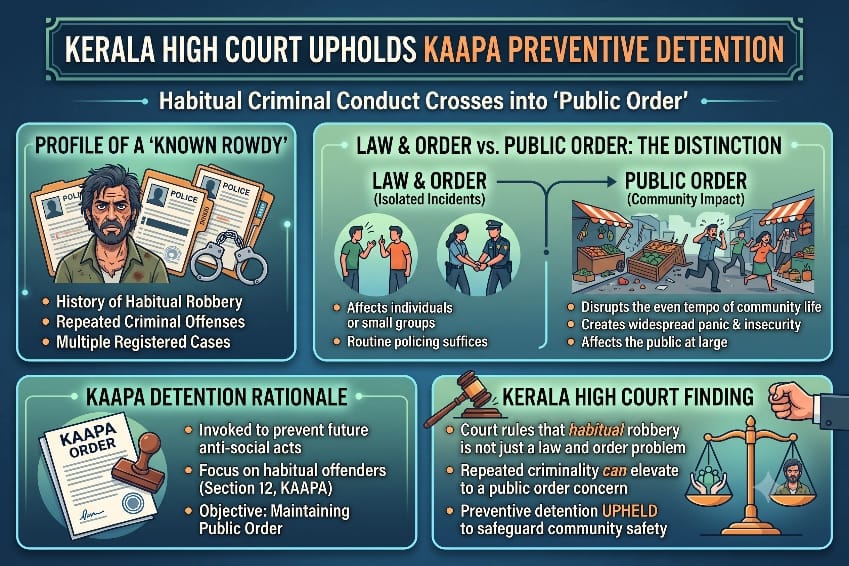
Thasmitha Abukutty v. State of Kerala and Others | High Court of Kerala at Ernakulam | 2nd September, 2026 A writ petition by the wife of a preventive detenu challenging a…
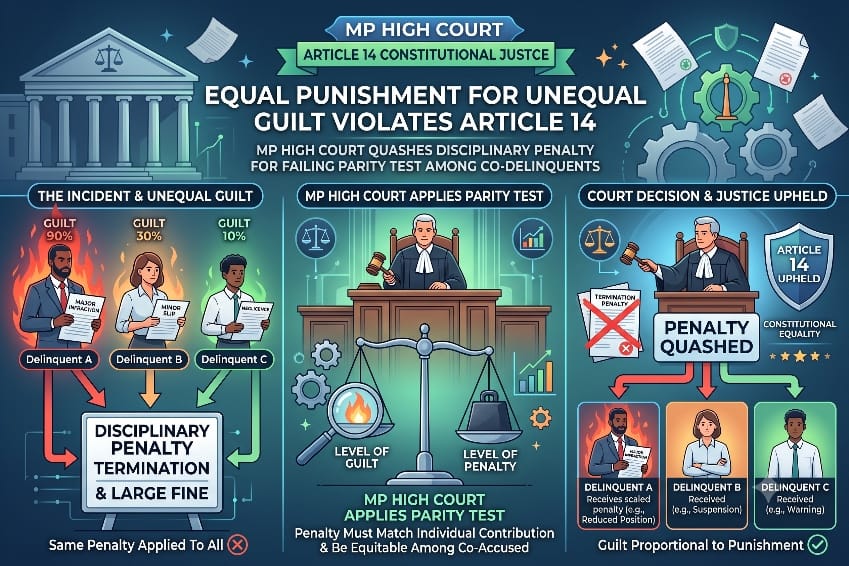
Brahm Kishore Dixit v. The State of Madhya Pradesh and Others | High Court of Madhya Pradesh, Gwalior | 1st September, 2026 A writ petition under Article 226 by a police Assistant…
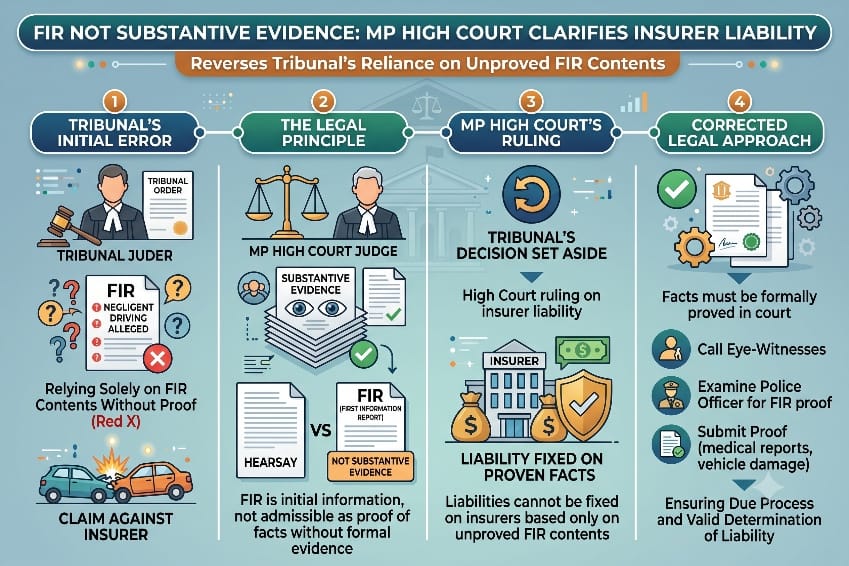
Anil Kumar Patel v. Smt. Munni Bai Barman and Others | High Court of Madhya Pradesh, Jabalpur | 1st September, 2026 A Motor Vehicle Act appeal under Section 173 1 against a Claims…
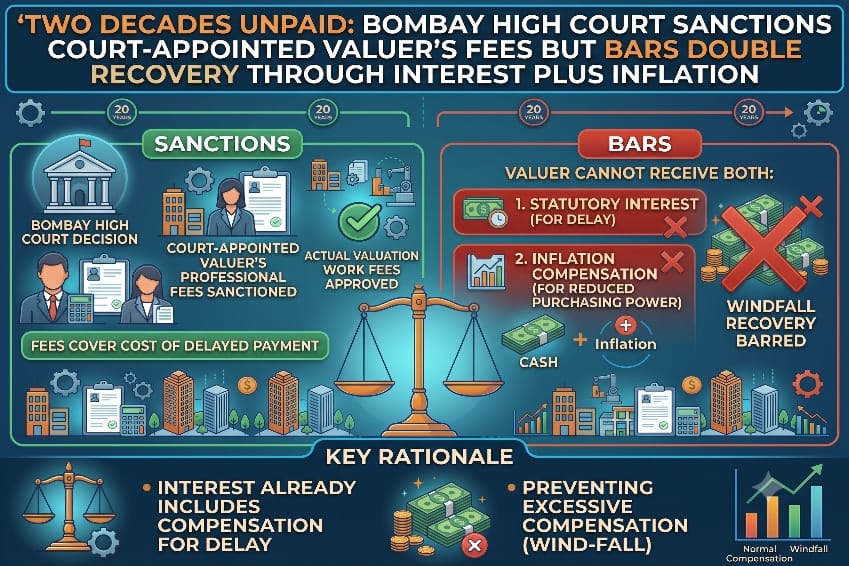
M/s. Kuber Mutual Benefits Ltd. & Ors. v. The State of Maharashtra & Ors. | High Court of Judicature at Bombay Appellate Side | 3rd September, 2026 A Court Receiver's Report…
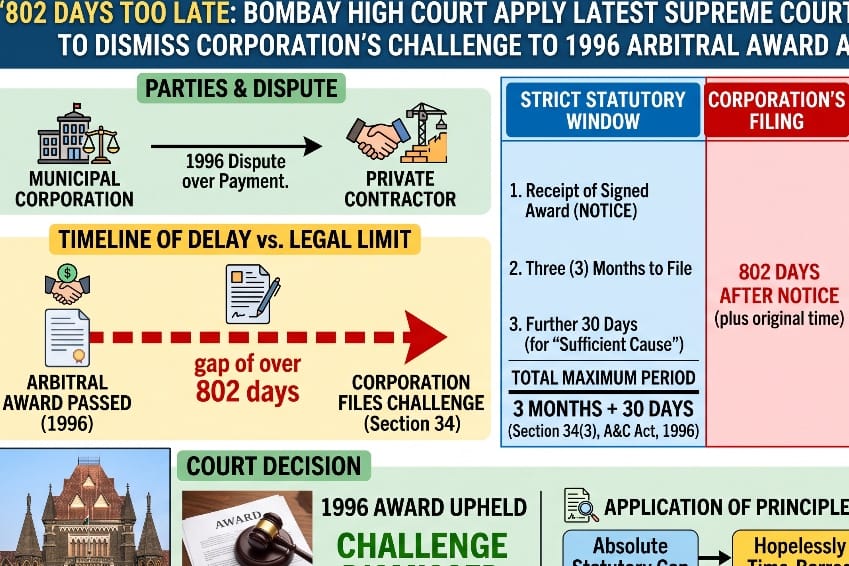
The Municipal Corporation of Greater Bombay v. M/s. Atul Raj Builders Pvt. Ltd. | High Court of Judicature at Bombay Ordinary Original Civil Jurisdiction | 3rd September, 2026 A…
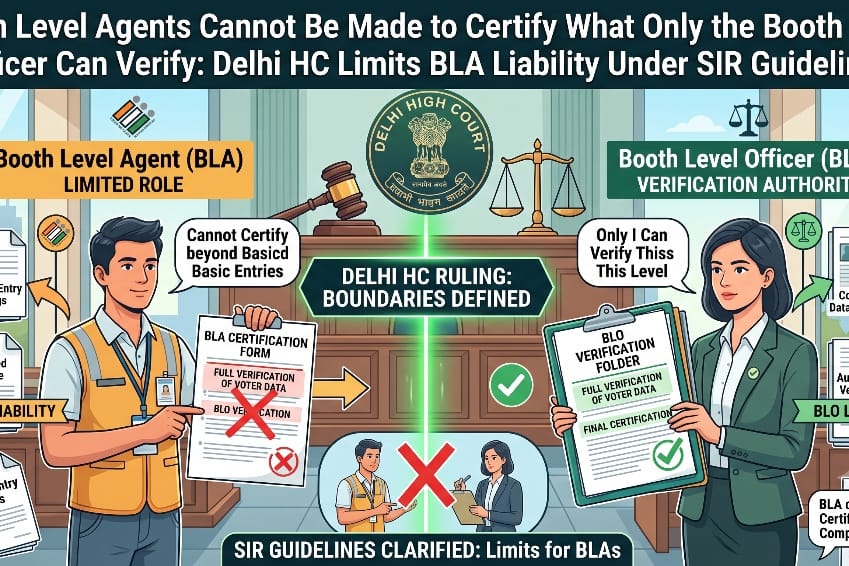
Devender Yadav & Anr. v. Election Commission of India & Anr. | High Court of Delhi Single Judge | Decided on: 03.09.2026 In a challenge to the Election Commission of India's…
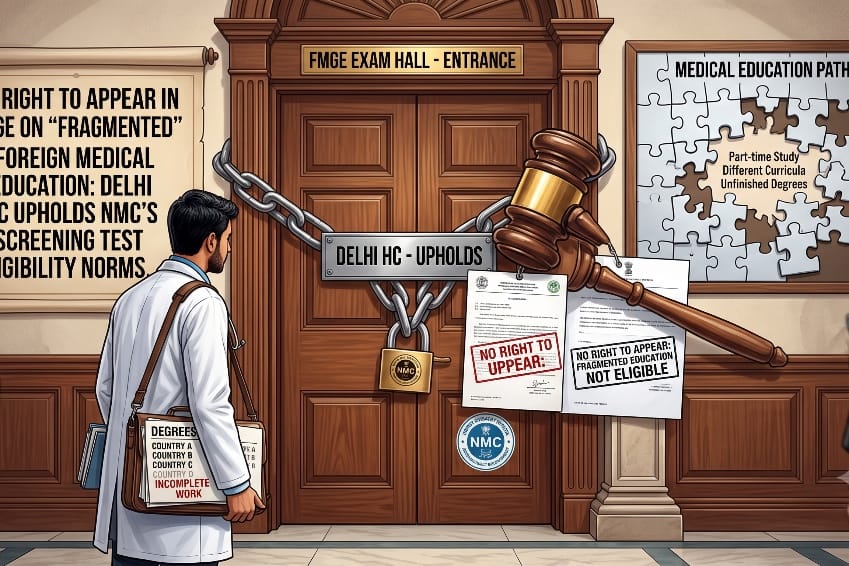
Brij Sharadbhai Bhatt & Ors. v. National Medical Commission & Ors. | High Court of Delhi Division Bench | Decided on: 03.09.2026 The Delhi High Court dismissed a challenge by…