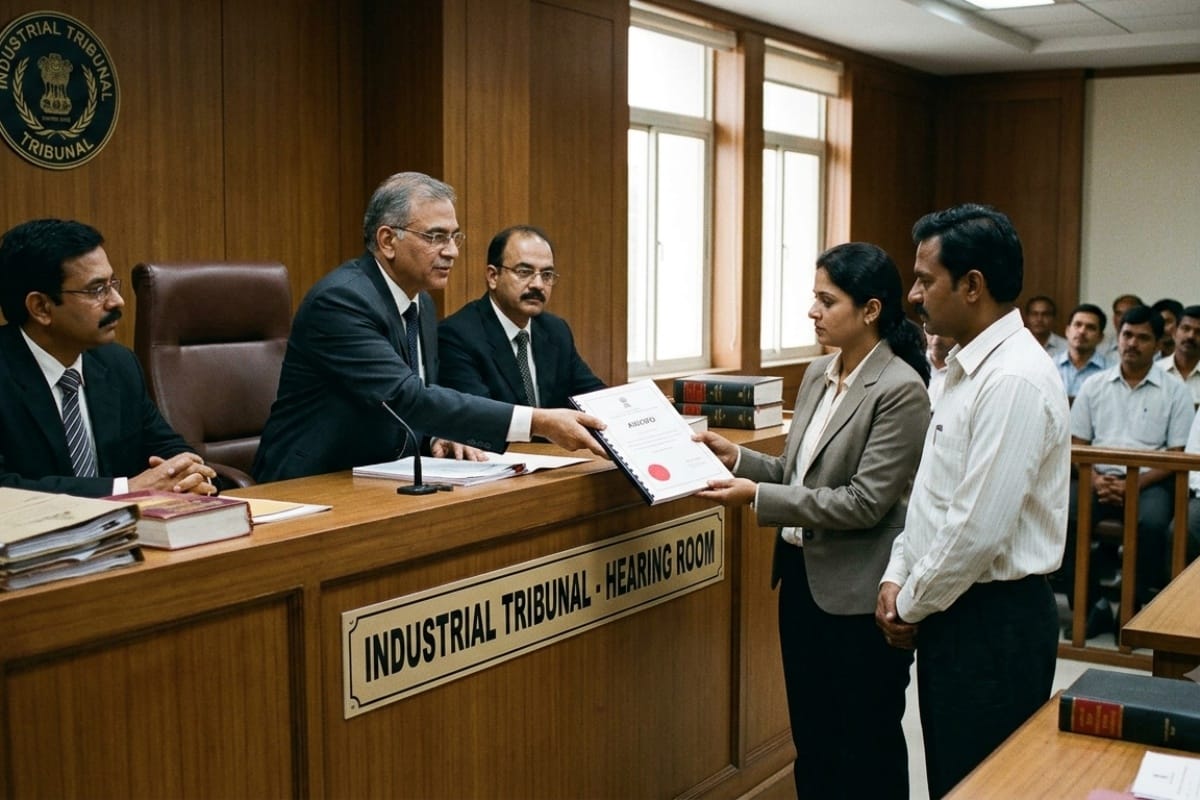
Deciding two connected writ petitions arising from a common Industrial Tribunal Award, the Delhi High Court set aside the Tribunal's direction granting hotel workmen a further…
Labour Laws
06/09/20264 min read
The Supreme Court clarified that the availability of an alternate statutory remedy does not bar the maintainability of a writ petition under Article 226 of the Constitution in cases involving violation of fundamental rights, lack of jurisdiction, or breach of natural justice. The ruling arose in a matter where the High Court had dismissed a writ petition, directing the petitioner to exhaust remedies under the statute. The apex court, however, held that while High Courts generally exercise restraint in entertaining writ petitions when alternate remedies exist, this principle is not absolute. It observed that writ jurisdiction serves as a constitutional safeguard against injustice and cannot be ousted merely by statutory frameworks if grave illegality is apparent. By reinstating the writ petition, the Court reinforced the doctrine that procedural remedies cannot override substantive justice, particularly when citizens’ fundamental rights are at stake. This decision has significant implications for administrative and regulatory law, as it ensures that High Courts retain flexibility to intervene in exceptional cases, thereby strengthening constitutional oversight over executive and quasi-judicial bodies. The judgment strikes a balance between judicial efficiency and access to remedies, signaling that litigants cannot be left remediless where statutory authorities act in bad faith or without jurisdiction.
Deciding two connected writ petitions arising from a common Industrial Tribunal Award, the Delhi High Court set aside the Tribunal's direction granting hotel workmen a further…
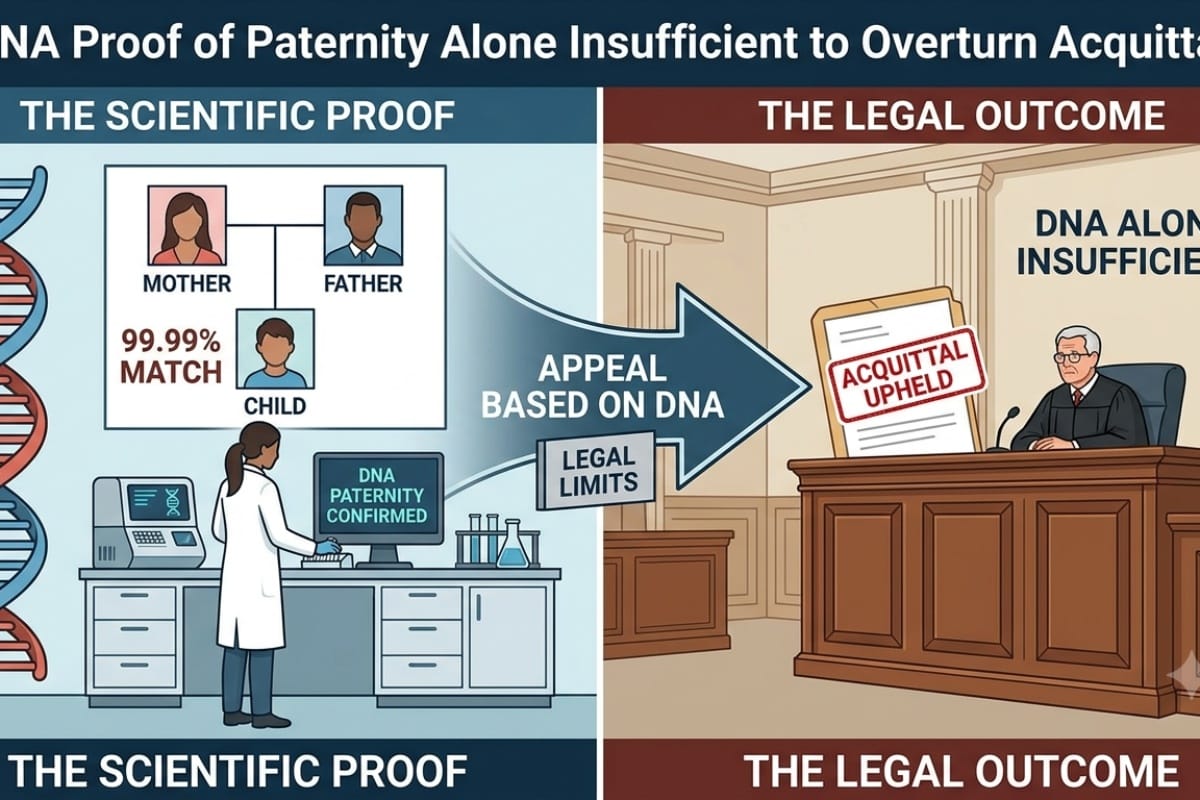
Headnote The Delhi High Court dismissed a prosecutrix's appeal against acquittal of the accused on charges under Sections 328/376 2 n /377/506/509 IPC, despite DNA evidence…
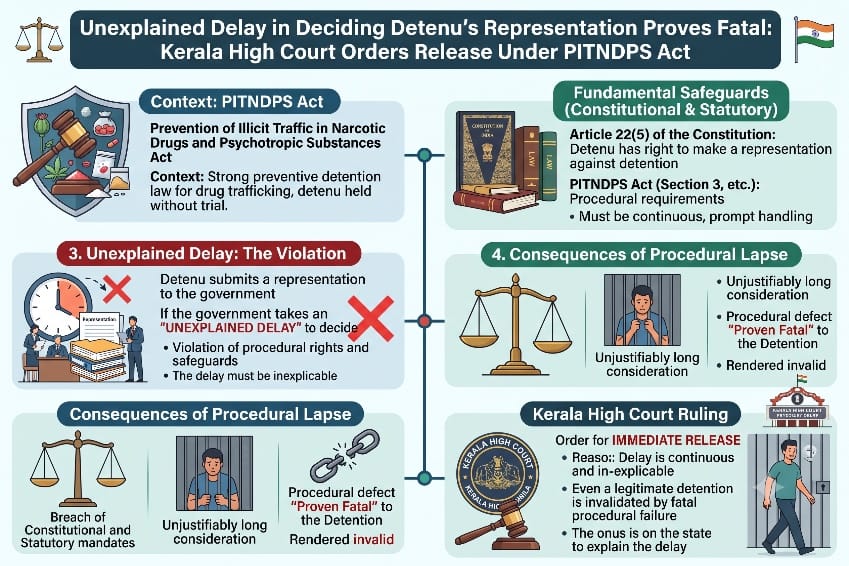
Fathimath Thasneem V.K. v. Union of India and Others | High Court of Kerala at Ernakulam | 3rd September, 2026 A habeas corpus writ petition by the wife of a detenu challenging…
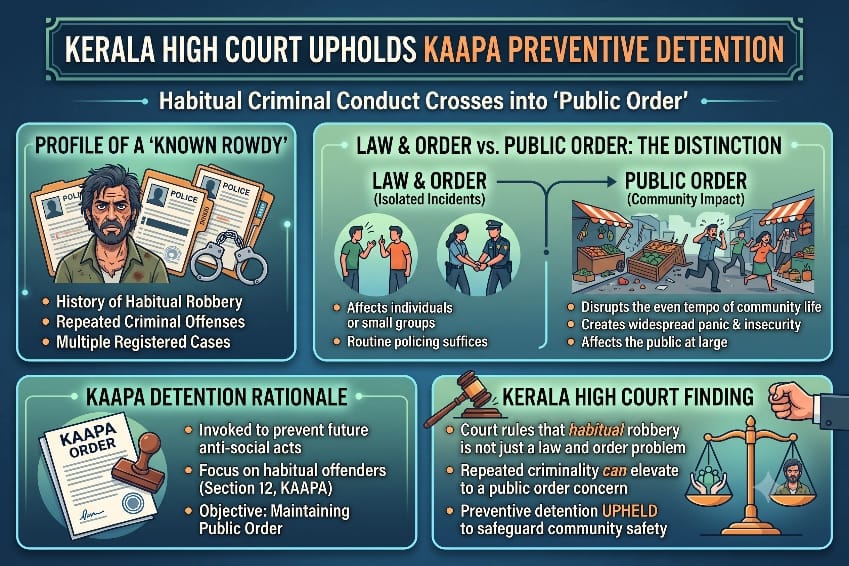
Thasmitha Abukutty v. State of Kerala and Others | High Court of Kerala at Ernakulam | 2nd September, 2026 A writ petition by the wife of a preventive detenu challenging a…
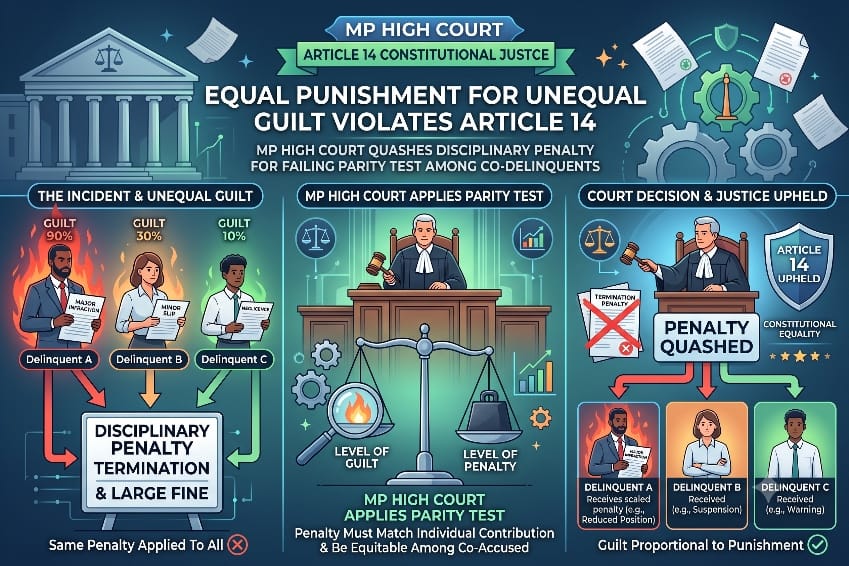
Brahm Kishore Dixit v. The State of Madhya Pradesh and Others | High Court of Madhya Pradesh, Gwalior | 1st September, 2026 A writ petition under Article 226 by a police Assistant…
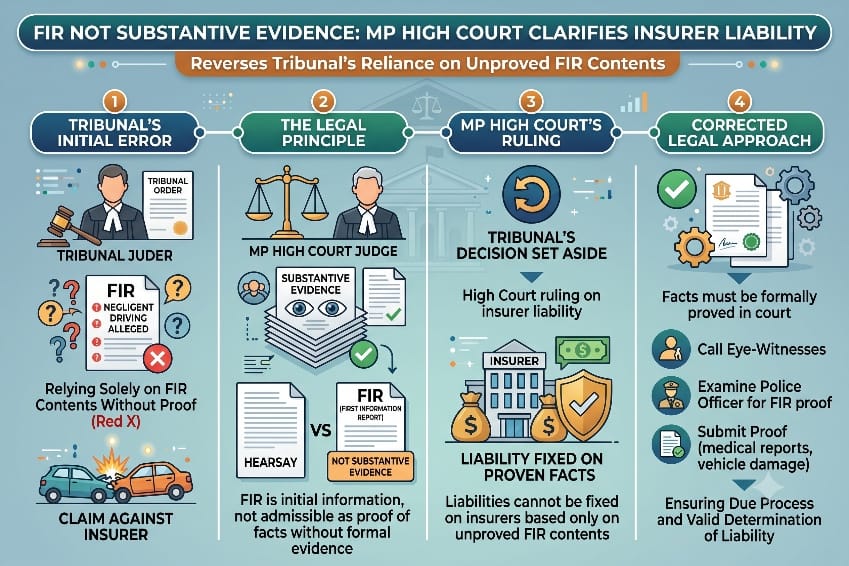
Anil Kumar Patel v. Smt. Munni Bai Barman and Others | High Court of Madhya Pradesh, Jabalpur | 1st September, 2026 A Motor Vehicle Act appeal under Section 173 1 against a Claims…
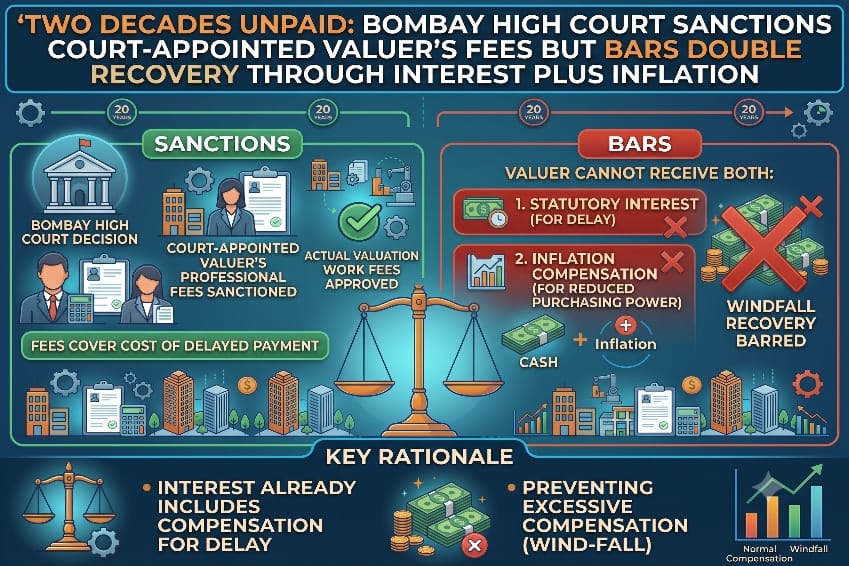
M/s. Kuber Mutual Benefits Ltd. & Ors. v. The State of Maharashtra & Ors. | High Court of Judicature at Bombay Appellate Side | 3rd September, 2026 A Court Receiver's Report…
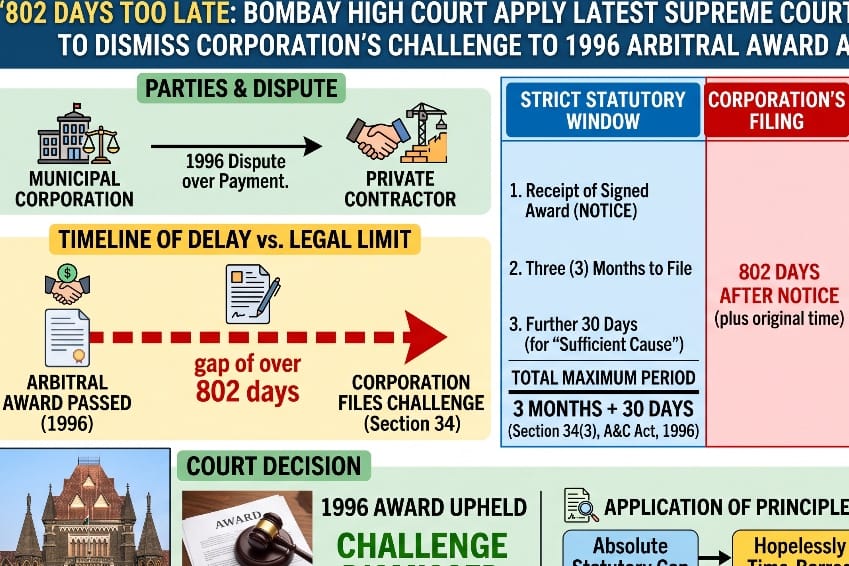
The Municipal Corporation of Greater Bombay v. M/s. Atul Raj Builders Pvt. Ltd. | High Court of Judicature at Bombay Ordinary Original Civil Jurisdiction | 3rd September, 2026 A…
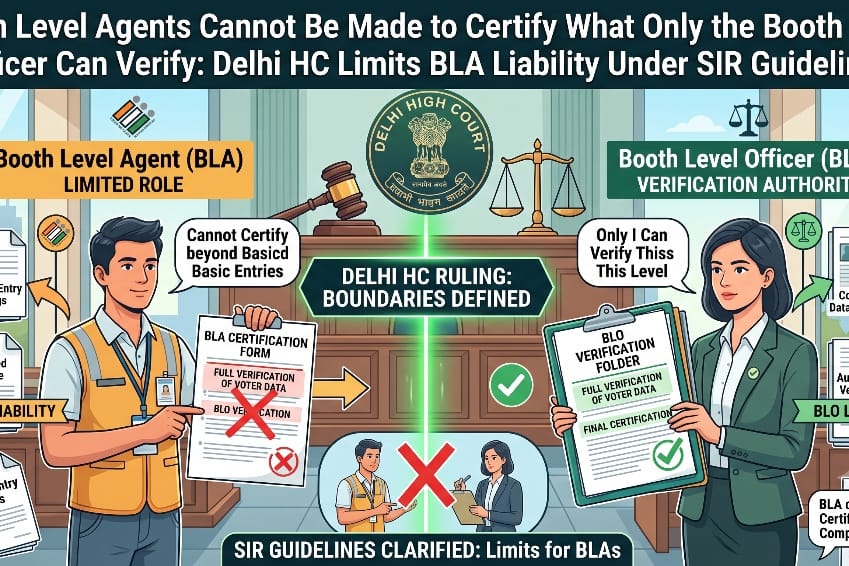
Devender Yadav & Anr. v. Election Commission of India & Anr. | High Court of Delhi Single Judge | Decided on: 03.09.2026 In a challenge to the Election Commission of India's…
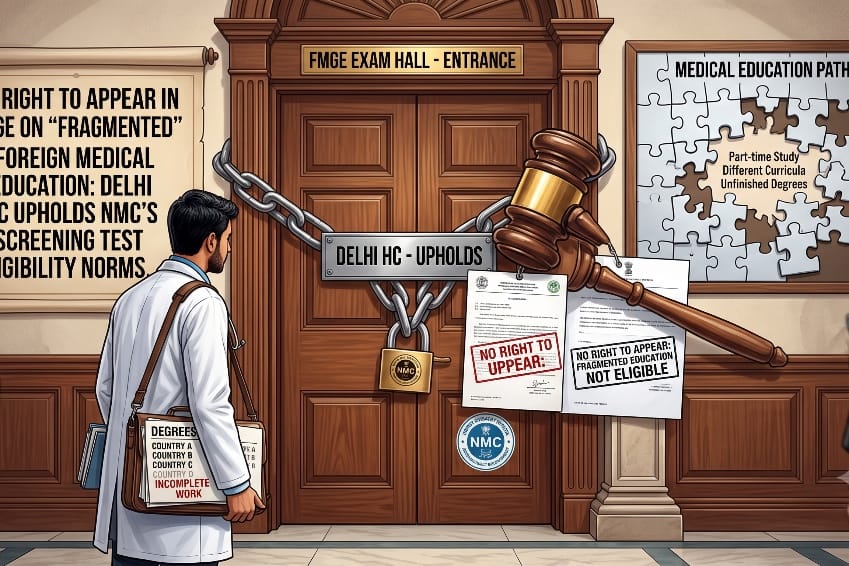
Brij Sharadbhai Bhatt & Ors. v. National Medical Commission & Ors. | High Court of Delhi Division Bench | Decided on: 03.09.2026 The Delhi High Court dismissed a challenge by…