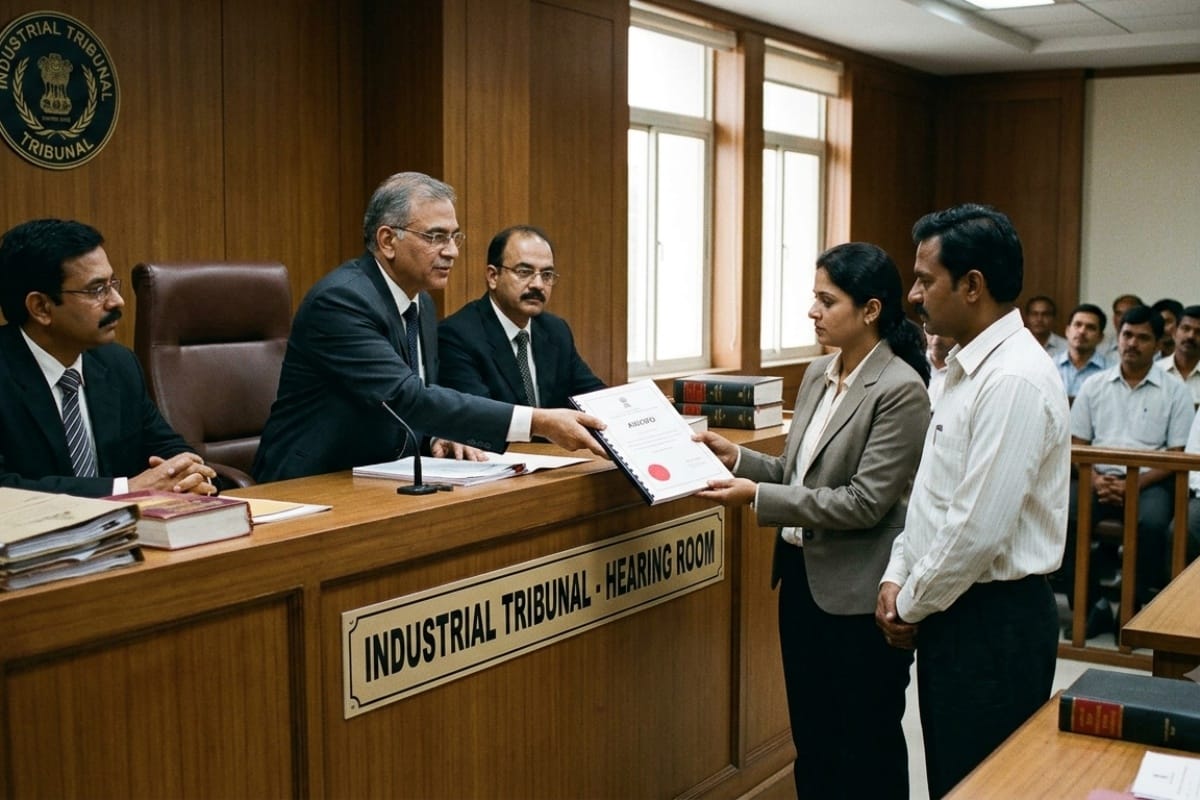
Deciding two connected writ petitions arising from a common Industrial Tribunal Award, the Delhi High Court set aside the Tribunal's direction granting hotel workmen a further…
Labour Laws
06/09/20264 min read
Court / Authority
NCLT & NCLAT
Update / Judgement Date
23 Aug 2026
Source
WCP News Bulletin
Author
Manas Yadav — WCP Legal Desk
Reading Time
2 min read

Findings
The High Court of Singapore has recognised the Corporate Insolvency Resolution Process (CIRP) of Compuage Infocom Limited as a foreign main proceeding under the UNCITRAL Model Law on Cross-Border Insolvency, as incorporated under the Insolvency, Restructuring and Dissolution Act 2018. The application was filed by Compuage Infocom Limited and its Resolution Professional, Mr. Gajesh Labhchand Jain, seeking recognition of CIRP initiated in India pursuant to orders of the National Company Law Tribunal (NCLT), Mumbai. The CIRP had been commenced following default on loan obligations, with Mr. Jain subsequently appointed as Resolution Professional.
The Court examined whether the CIRP qualified as a “foreign proceeding” under the Model Law. It held that the CIRP satisfied all statutory requirements, including that it is a collective judicial process conducted under insolvency law, involving supervision by a competent authority, namely the NCLT. The Court further recognised the NCLT as a “foreign court” given its adjudicatory role and supervisory powers over insolvency proceedings. It was also held that Mr. Jain qualified as a “foreign representative” authorised to administer the debtor’s affairs. The procedural requirements for recognition under Article 15 of the Model Law were found to be duly satisfied.
On the issue of Centre of Main Interests (COMI), the Court determined that India was the COMI of the corporate debtor, noting that its registered office, management, operations, and majority of creditors were located in India.
Accordingly, the Court granted recognition of the CIRP as a foreign main proceeding under Article 17 of the Model Law.
However, the Court declined to grant immediate relief permitting repatriation of assets from Singapore to India. It held that such relief would require prior leave of the Court to ensure adequate protection of Singapore-based creditors.
The decision marks one of the early instances of Singapore courts granting recognition to Indian insolvency proceedings, reinforcing cross-border insolvency cooperation under the Model Law framework.
Full Judgement / Attachment
Full Judgement
Deciding two connected writ petitions arising from a common Industrial Tribunal Award, the Delhi High Court set aside the Tribunal's direction granting hotel workmen a further…

Headnote The Delhi High Court dismissed a prosecutrix's appeal against acquittal of the accused on charges under Sections 328/376 2 n /377/506/509 IPC, despite DNA evidence…
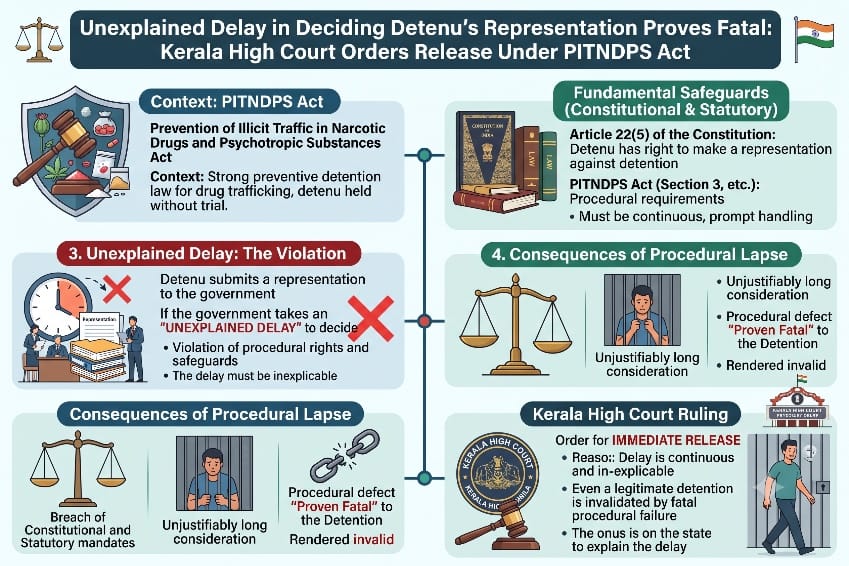
Fathimath Thasneem V.K. v. Union of India and Others | High Court of Kerala at Ernakulam | 3rd September, 2026 A habeas corpus writ petition by the wife of a detenu challenging…
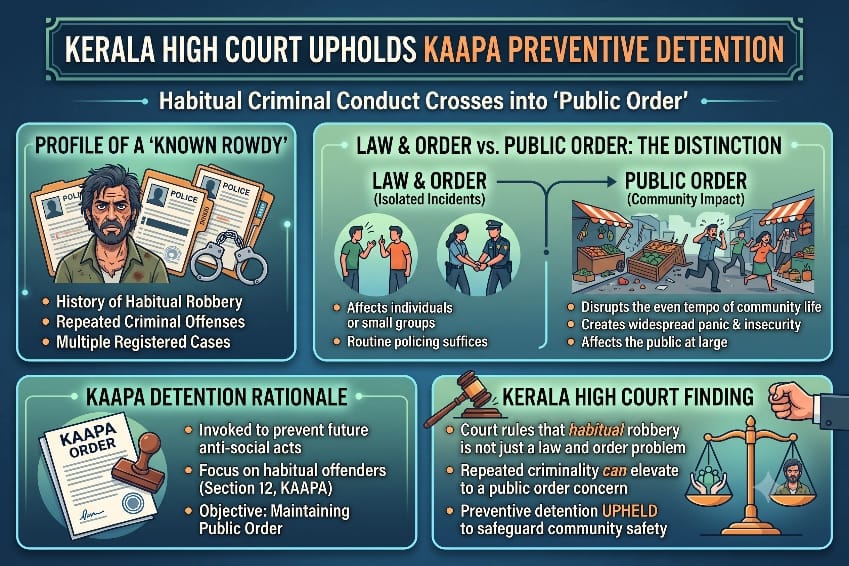
Thasmitha Abukutty v. State of Kerala and Others | High Court of Kerala at Ernakulam | 2nd September, 2026 A writ petition by the wife of a preventive detenu challenging a…
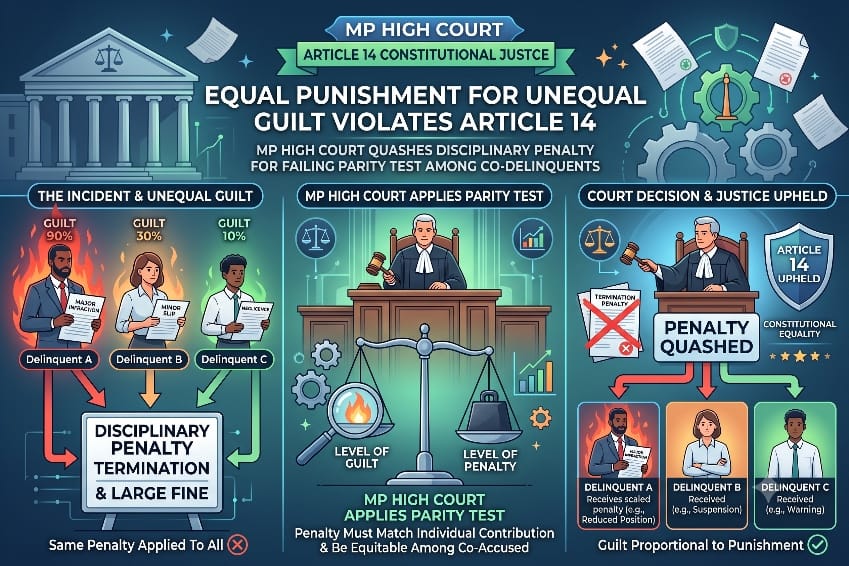
Brahm Kishore Dixit v. The State of Madhya Pradesh and Others | High Court of Madhya Pradesh, Gwalior | 1st September, 2026 A writ petition under Article 226 by a police Assistant…
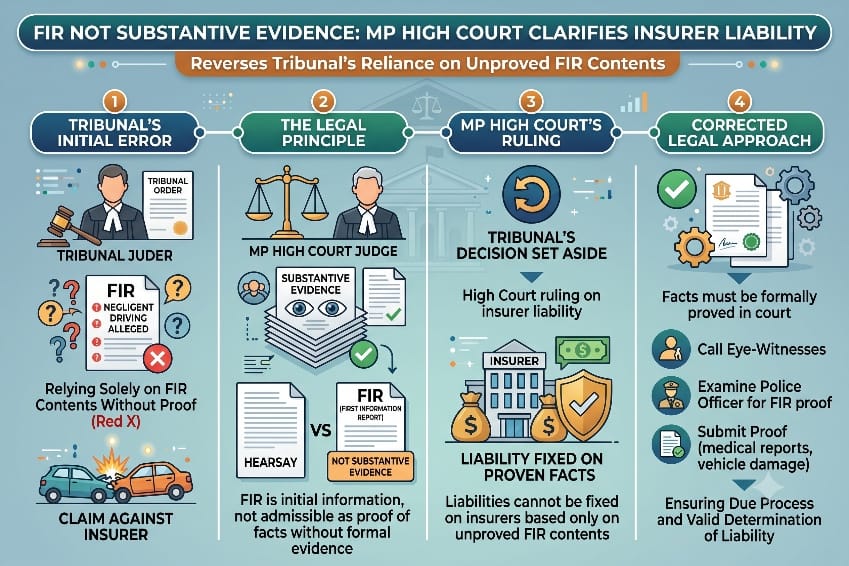
Anil Kumar Patel v. Smt. Munni Bai Barman and Others | High Court of Madhya Pradesh, Jabalpur | 1st September, 2026 A Motor Vehicle Act appeal under Section 173 1 against a Claims…
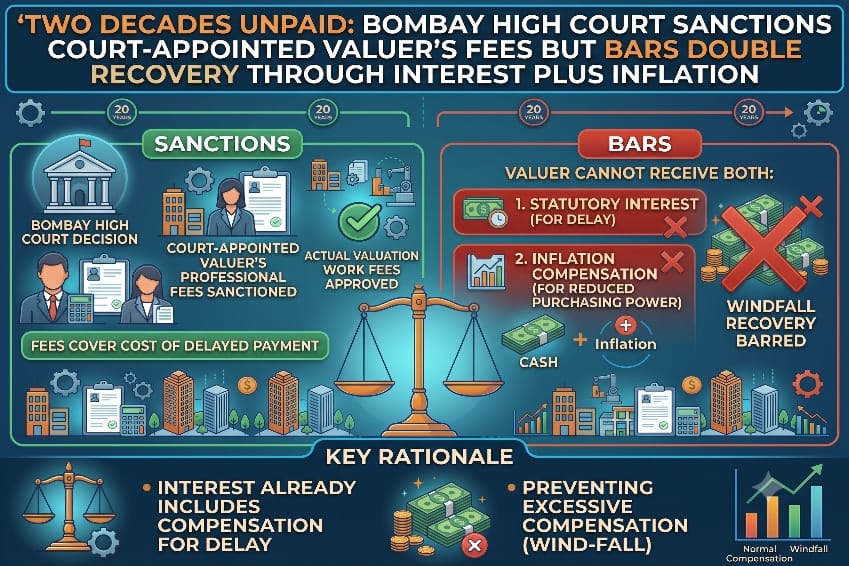
M/s. Kuber Mutual Benefits Ltd. & Ors. v. The State of Maharashtra & Ors. | High Court of Judicature at Bombay Appellate Side | 3rd September, 2026 A Court Receiver's Report…
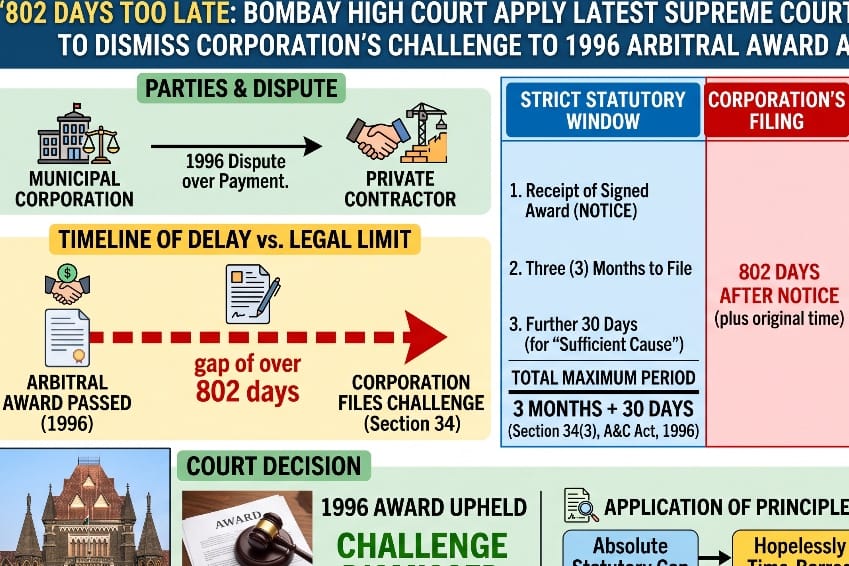
The Municipal Corporation of Greater Bombay v. M/s. Atul Raj Builders Pvt. Ltd. | High Court of Judicature at Bombay Ordinary Original Civil Jurisdiction | 3rd September, 2026 A…
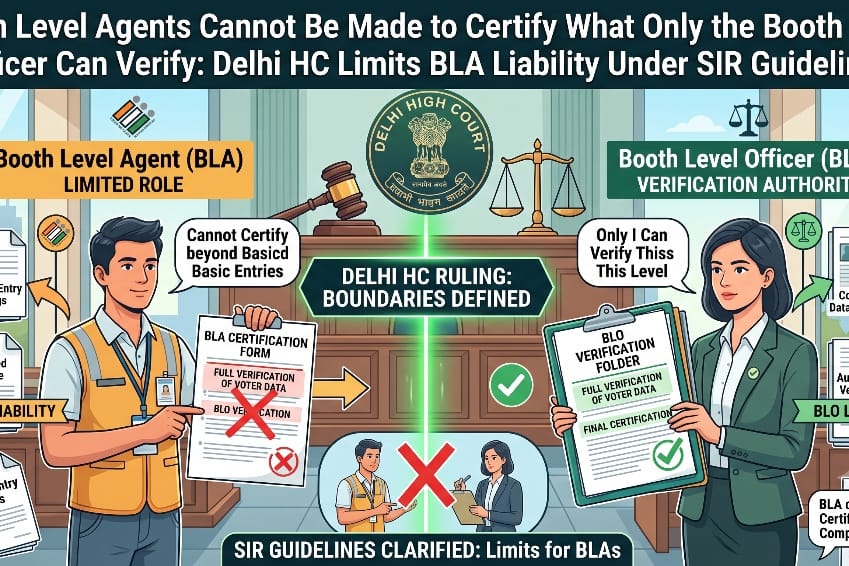
Devender Yadav & Anr. v. Election Commission of India & Anr. | High Court of Delhi Single Judge | Decided on: 03.09.2026 In a challenge to the Election Commission of India's…
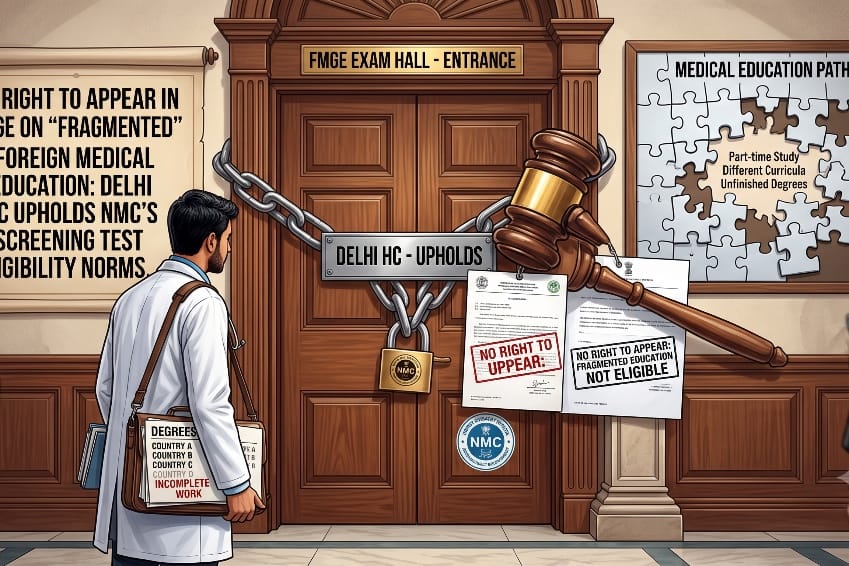
Brij Sharadbhai Bhatt & Ors. v. National Medical Commission & Ors. | High Court of Delhi Division Bench | Decided on: 03.09.2026 The Delhi High Court dismissed a challenge by…