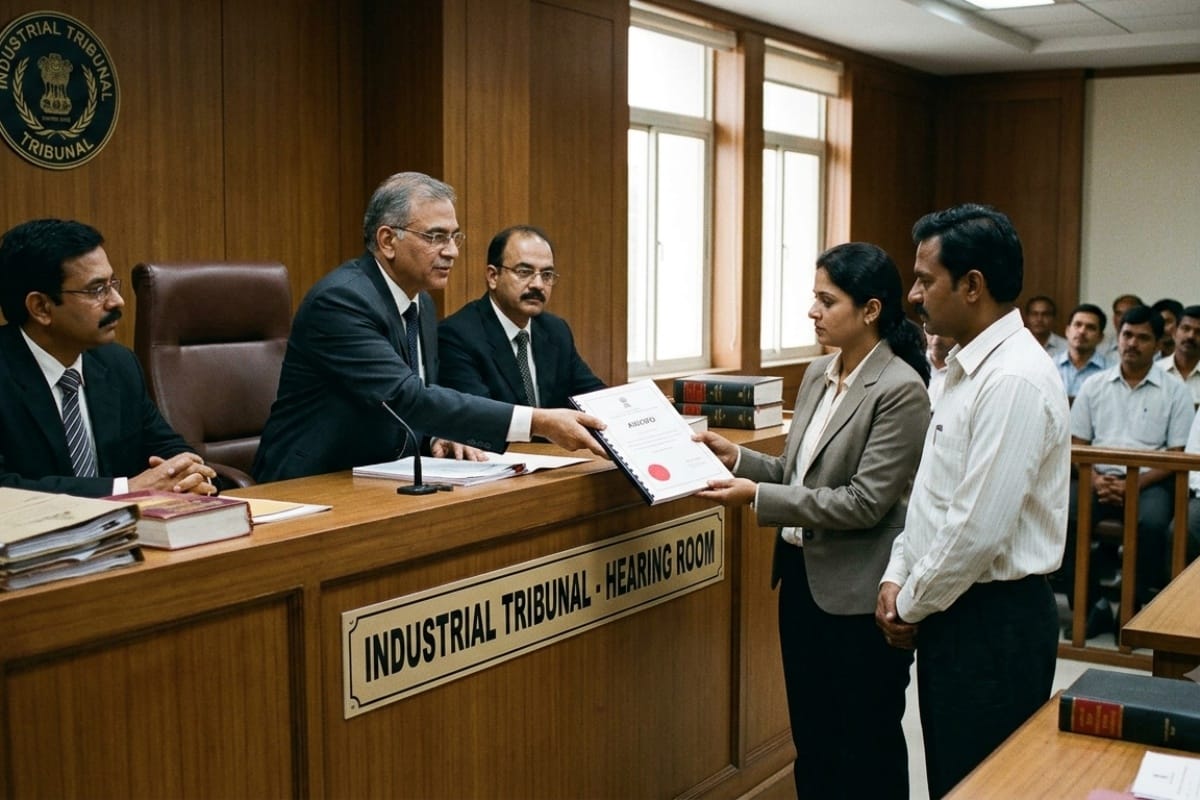
Deciding two connected writ petitions arising from a common Industrial Tribunal Award, the Delhi High Court set aside the Tribunal's direction granting hotel workmen a further…
Labour Laws
06/09/20264 min read
Update / Judgement Date
06 Oct 2025
Source
WCP News Bulletin
Author
Sakshi Bhardwaj — WCP Legal Desk
Reading Time
3 min read
Headnote:
In the case of Nazim & Ors. v. State of Uttarakhand, the Supreme Court of India overturned the convictions of three appellants—Nazim, Aftab, and Arman Ali—who were previously sentenced to life imprisonment for the murder of a 10-year-old boy, Muntiyaz Ali, in 2007. The Court found the circumstantial evidence presented by the prosecution to be incomplete and unreliable, leading to the acquittal of the appellants.
Background:
On June 6, 2007, the body of 10-year-old Muntiyaz Ali was discovered near his family's mango orchard in Kishanpur, Uttarakhand. His hands were tied, a rope was around his neck, and a blood-stained axe was found nearby. The initial FIR lodged by his father named six individuals with whom the family had prior enmity but did not mention the appellants. During the investigation, Nazim, Aftab, and Arman Ali were implicated and charged under Sections 302 (murder), 201 (causing disappearance of evidence), and 120-B (criminal conspiracy) of the Indian Penal Code. The trial court convicted them, sentencing each to life imprisonment and fines. The High Court upheld the convictions, leading to the present appeal.
Legal Provisions Concerned:
Court Opinion / Analysis:
The Supreme Court critically examined the evidence presented during the trial:
Omission in FIR: The appellants were not named in the initial FIR, despite being known to the complainant. This omission was deemed significant in evaluating the credibility of the prosecution's case.
Witness Testimonies:
PW-2 (scribe of FIR): Claimed to have overheard a conspiracy involving the appellants. However, this statement was not made during the investigation and was considered unreliable.
PW-3 & PW-4 (last-seen witnesses): Identified the appellants in court for the first time, and their testimonies lacked corroboration. No Test Identification Parade (TIP) was conducted, casting doubt on their reliability.
Forensic Evidence:The forensic analysis of the rope, axe, and clothes recovered from the scene yielded inconclusive results, and no direct link to the appellants was established.
Medical Evidence:
The post-mortem report confirmed death by strangulation and injuries consistent with blunt force trauma but did not establish a connection to the appellants.
Juvenility Claim: The appellants' claim of juvenility was not considered during the trial. However, subsequent records suggested they were juveniles at the time of the offense, raising concerns about procedural fairness.
The Court emphasized that in criminal cases, especially those based on circumstantial evidence, the prosecution must establish a complete and unbroken chain of events that excludes all reasonable hypotheses except the guilt of the accused. The failure to do so led to the acquittal of the appellants.Case Title: Nazim & Ors. v. State of Uttarakhand
Citation: 2025 INSC 1184
Court: Supreme Court of India
Bench / Judges: Hon'ble Mr. Justice Satish Chandra Sharma
Deciding two connected writ petitions arising from a common Industrial Tribunal Award, the Delhi High Court set aside the Tribunal's direction granting hotel workmen a further…
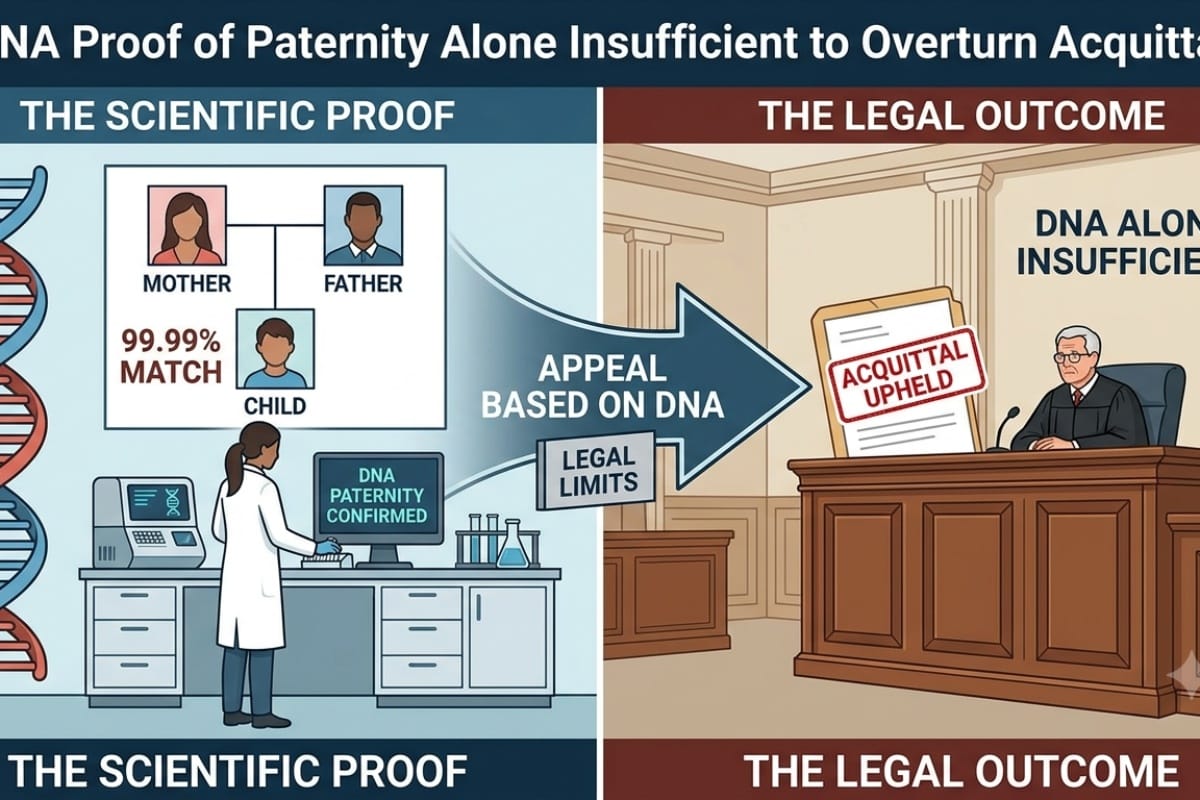
Headnote The Delhi High Court dismissed a prosecutrix's appeal against acquittal of the accused on charges under Sections 328/376 2 n /377/506/509 IPC, despite DNA evidence…
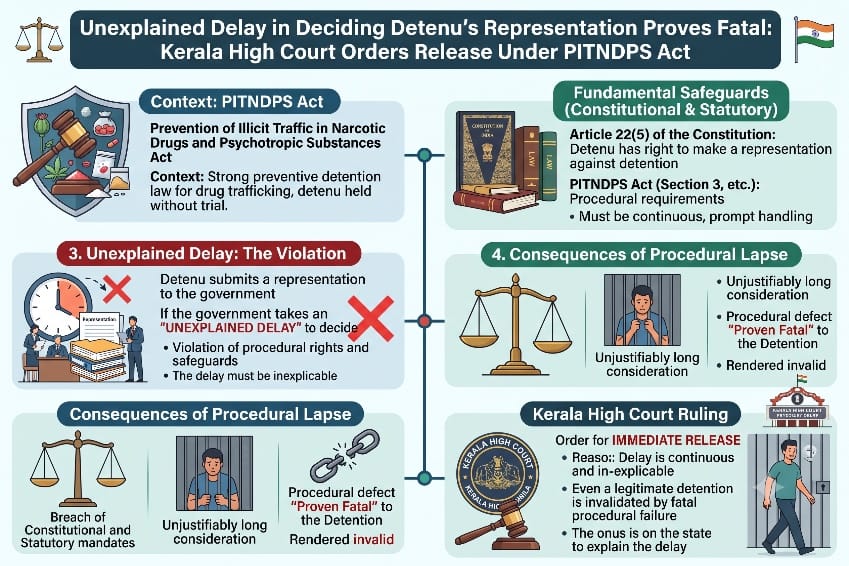
Fathimath Thasneem V.K. v. Union of India and Others | High Court of Kerala at Ernakulam | 3rd September, 2026 A habeas corpus writ petition by the wife of a detenu challenging…
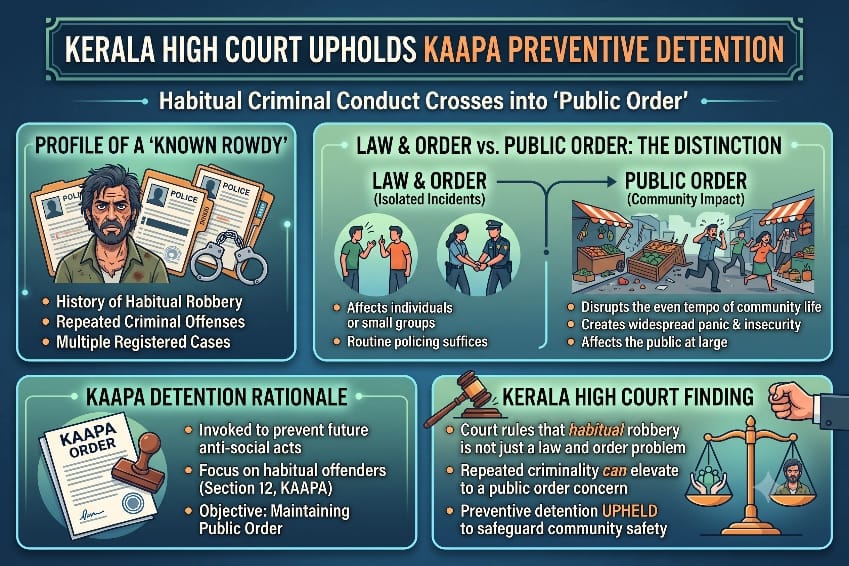
Thasmitha Abukutty v. State of Kerala and Others | High Court of Kerala at Ernakulam | 2nd September, 2026 A writ petition by the wife of a preventive detenu challenging a…
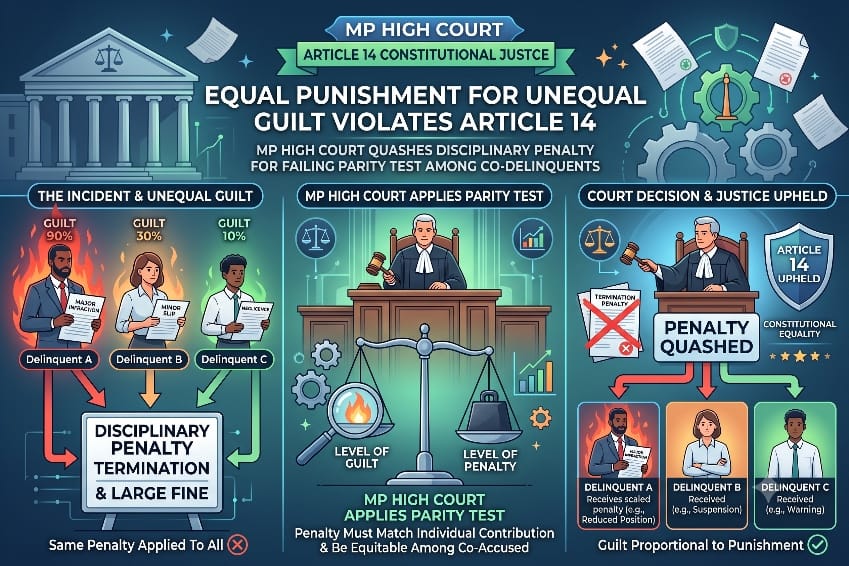
Brahm Kishore Dixit v. The State of Madhya Pradesh and Others | High Court of Madhya Pradesh, Gwalior | 1st September, 2026 A writ petition under Article 226 by a police Assistant…
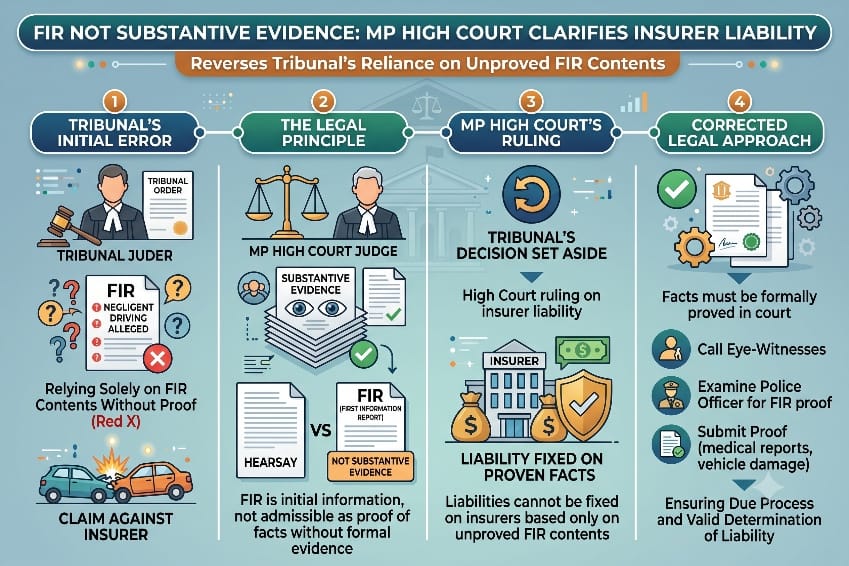
Anil Kumar Patel v. Smt. Munni Bai Barman and Others | High Court of Madhya Pradesh, Jabalpur | 1st September, 2026 A Motor Vehicle Act appeal under Section 173 1 against a Claims…
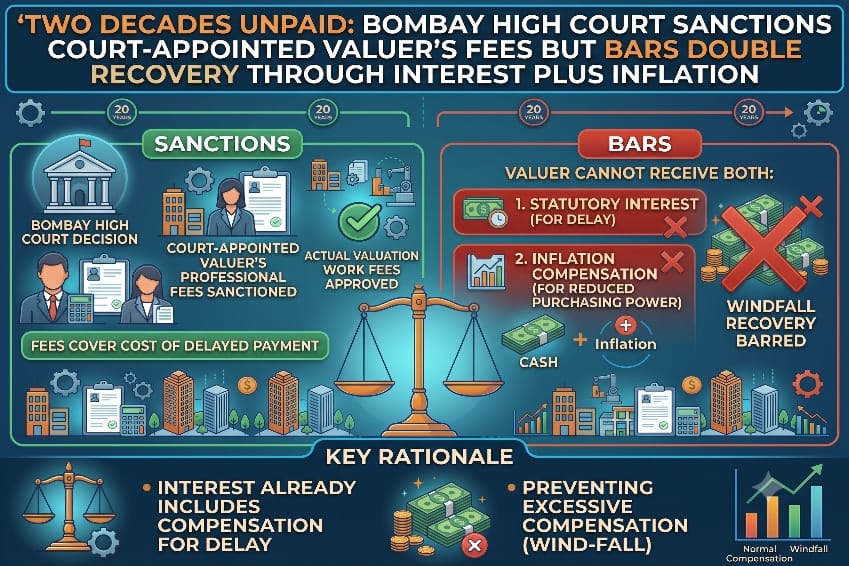
M/s. Kuber Mutual Benefits Ltd. & Ors. v. The State of Maharashtra & Ors. | High Court of Judicature at Bombay Appellate Side | 3rd September, 2026 A Court Receiver's Report…
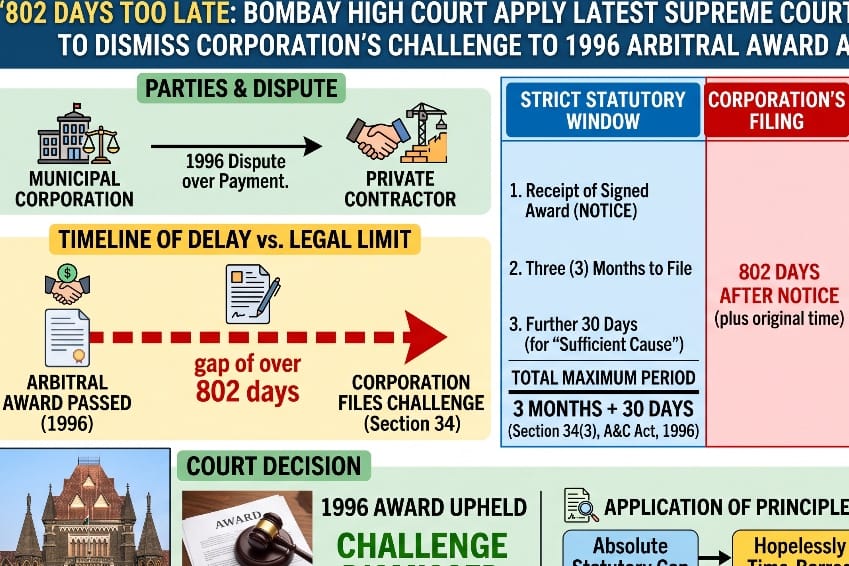
The Municipal Corporation of Greater Bombay v. M/s. Atul Raj Builders Pvt. Ltd. | High Court of Judicature at Bombay Ordinary Original Civil Jurisdiction | 3rd September, 2026 A…
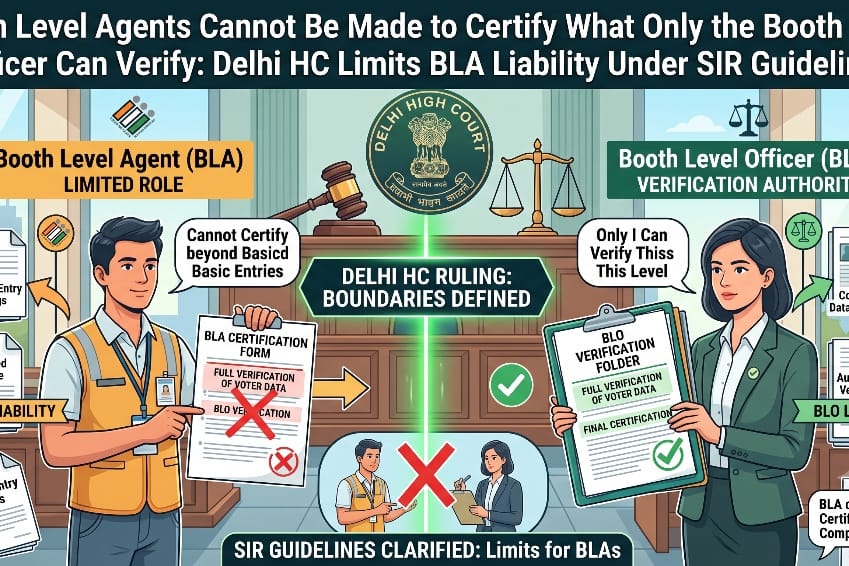
Devender Yadav & Anr. v. Election Commission of India & Anr. | High Court of Delhi Single Judge | Decided on: 03.09.2026 In a challenge to the Election Commission of India's…
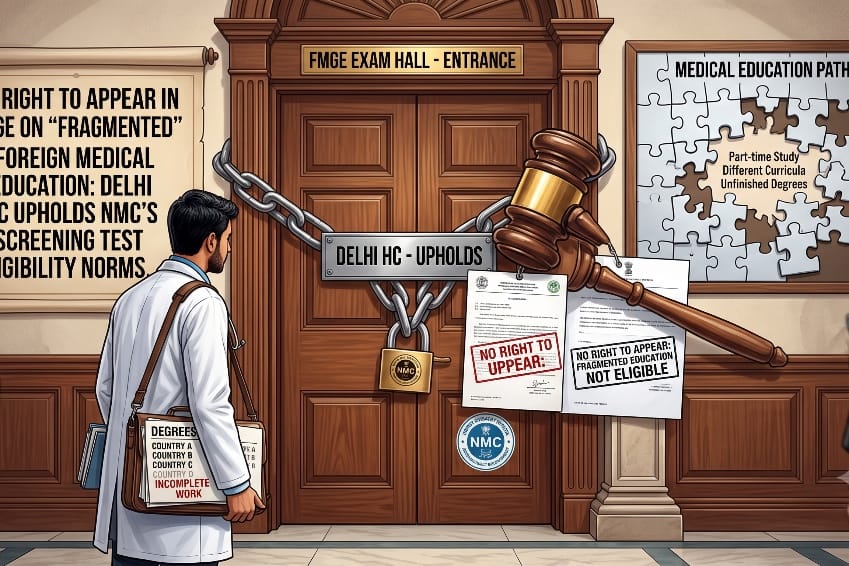
Brij Sharadbhai Bhatt & Ors. v. National Medical Commission & Ors. | High Court of Delhi Division Bench | Decided on: 03.09.2026 The Delhi High Court dismissed a challenge by…