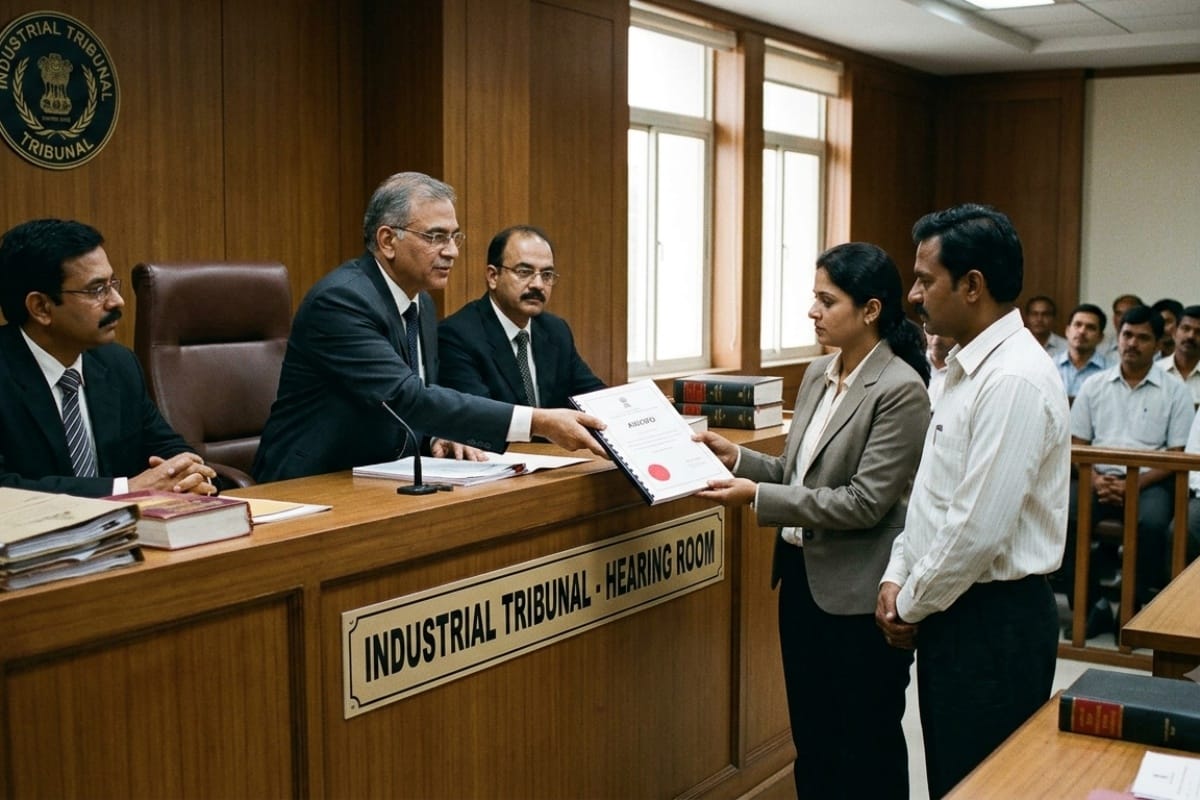
Deciding two connected writ petitions arising from a common Industrial Tribunal Award, the Delhi High Court set aside the Tribunal's direction granting hotel workmen a further…
Labour Laws
06/09/20264 min read
Update / Judgement Date
13 Oct 2025
Source
WCP News Bulletin
Author
Sakshi Bhardwaj — WCP Legal Desk
Reading Time
3 min read
Headnote:
The Supreme Court of India, in State of West Bengal & Ors. v. M/s Santi Ceramics Pvt. Ltd. & Anr., held that industrial entities cannot claim restoration of land acquired for the Singur Project based on the relief granted in Kedar Nath Yadav v. State of West Bengal (AIR 2016 SC 4156). The Court observed that the earlier judgment aimed to protect vulnerable cultivators and poor agricultural workers, not commercial enterprises. The appeal filed by the State of West Bengal was allowed, setting aside the Calcutta High Court’s direction to restore 28 bighas of industrial land to M/s Santi Ceramics Pvt. Ltd. However, the respondent was permitted to remove or auction its remaining structures and plant within a stipulated period.
Background:
Court’s Observations:
Legal Provisions and Precedents:
Citation: 2025 INSC 1222
Case: State of West Bengal & Ors. v. M/s Santi Ceramics Pvt. Ltd. & Anr.
Court: Supreme Court of India
Coram: Hon’ble Mr. Justice Surya Kant and Hon’ble Mr. Justice Joymalya Bagchi
Civil Appeal: Arising out of SLP (C) No. 33701 of 2018
Deciding two connected writ petitions arising from a common Industrial Tribunal Award, the Delhi High Court set aside the Tribunal's direction granting hotel workmen a further…
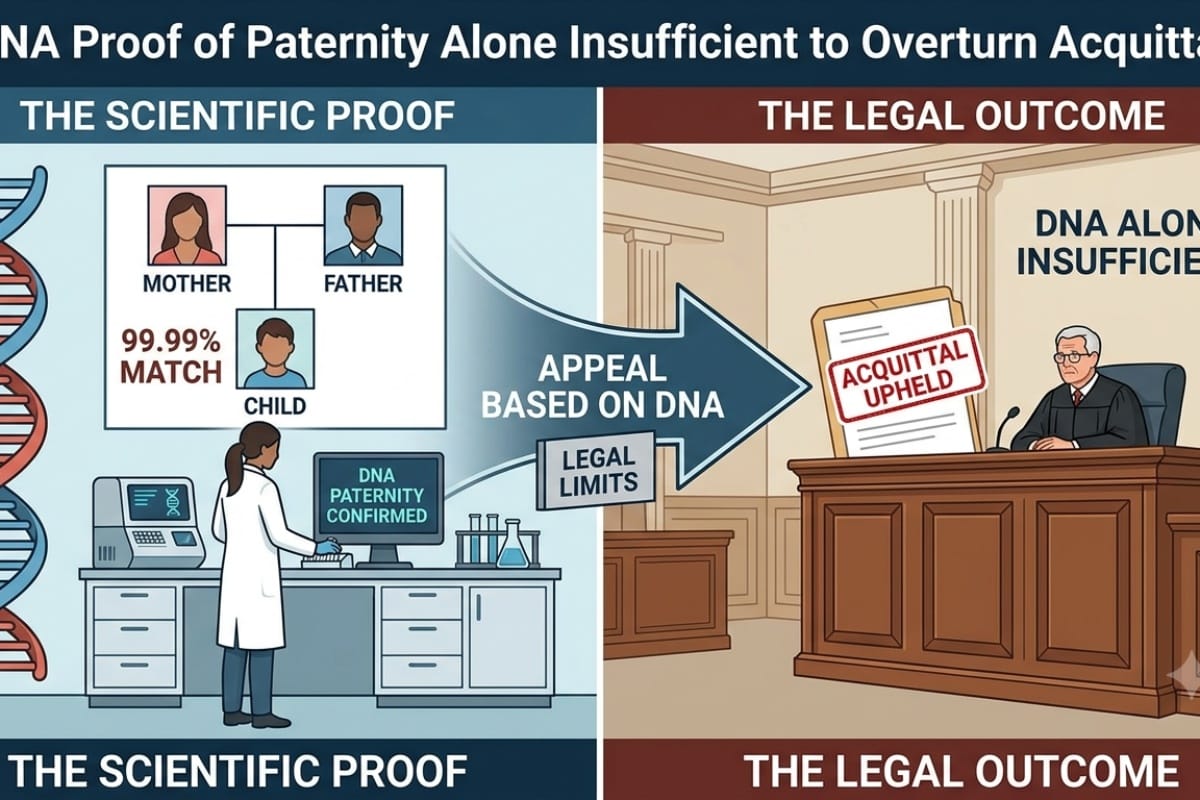
Headnote The Delhi High Court dismissed a prosecutrix's appeal against acquittal of the accused on charges under Sections 328/376 2 n /377/506/509 IPC, despite DNA evidence…
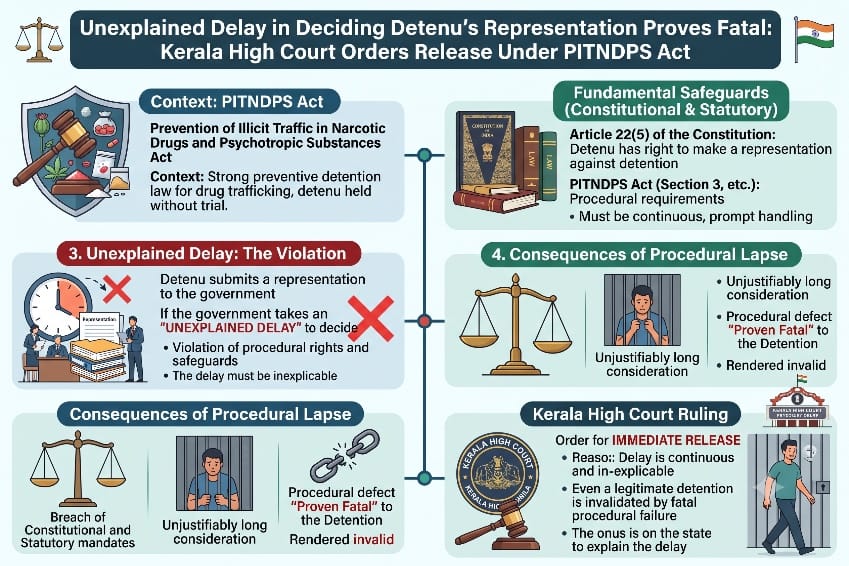
Fathimath Thasneem V.K. v. Union of India and Others | High Court of Kerala at Ernakulam | 3rd September, 2026 A habeas corpus writ petition by the wife of a detenu challenging…
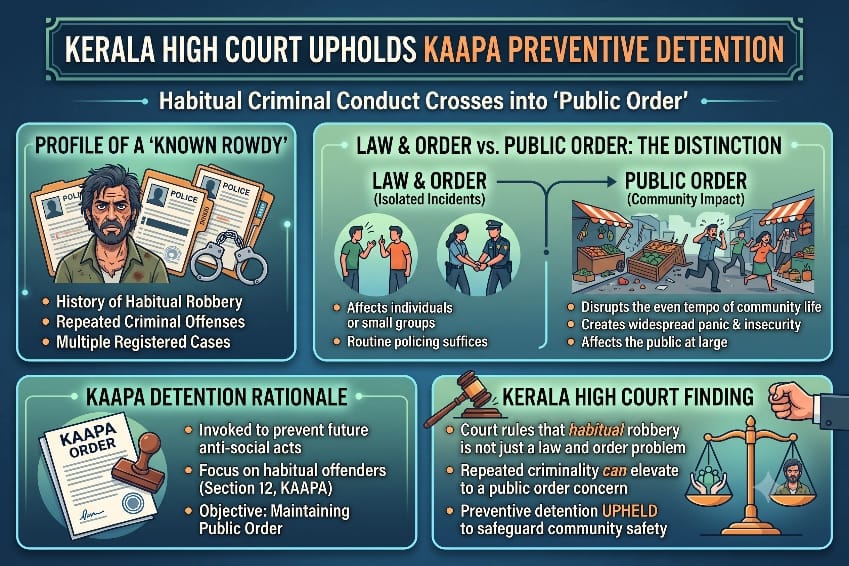
Thasmitha Abukutty v. State of Kerala and Others | High Court of Kerala at Ernakulam | 2nd September, 2026 A writ petition by the wife of a preventive detenu challenging a…
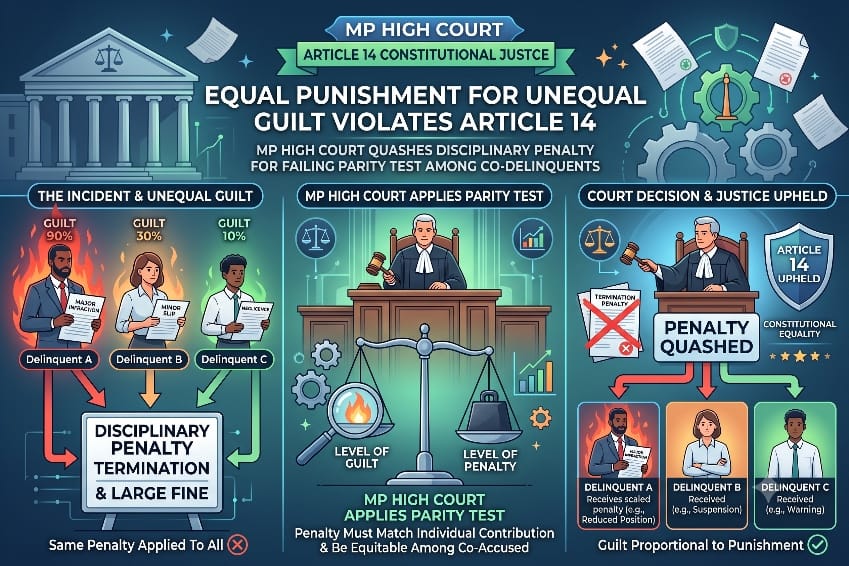
Brahm Kishore Dixit v. The State of Madhya Pradesh and Others | High Court of Madhya Pradesh, Gwalior | 1st September, 2026 A writ petition under Article 226 by a police Assistant…
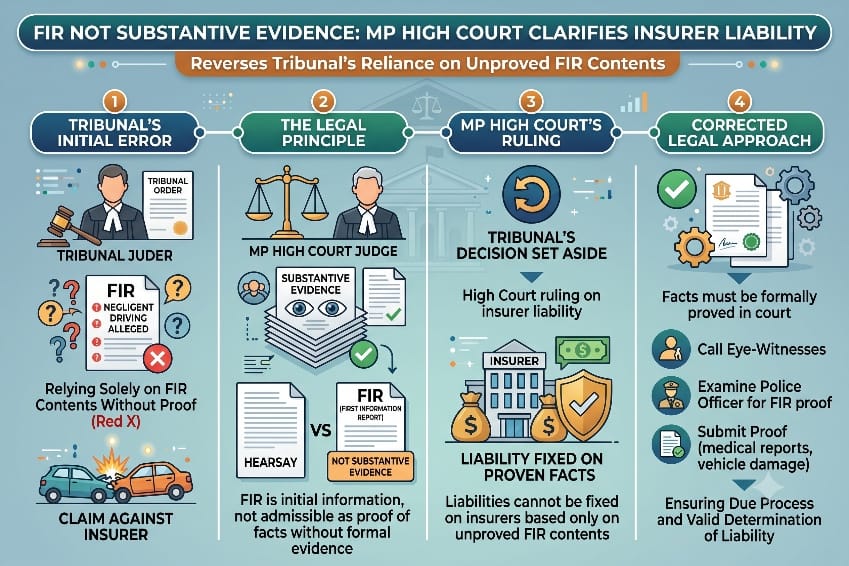
Anil Kumar Patel v. Smt. Munni Bai Barman and Others | High Court of Madhya Pradesh, Jabalpur | 1st September, 2026 A Motor Vehicle Act appeal under Section 173 1 against a Claims…
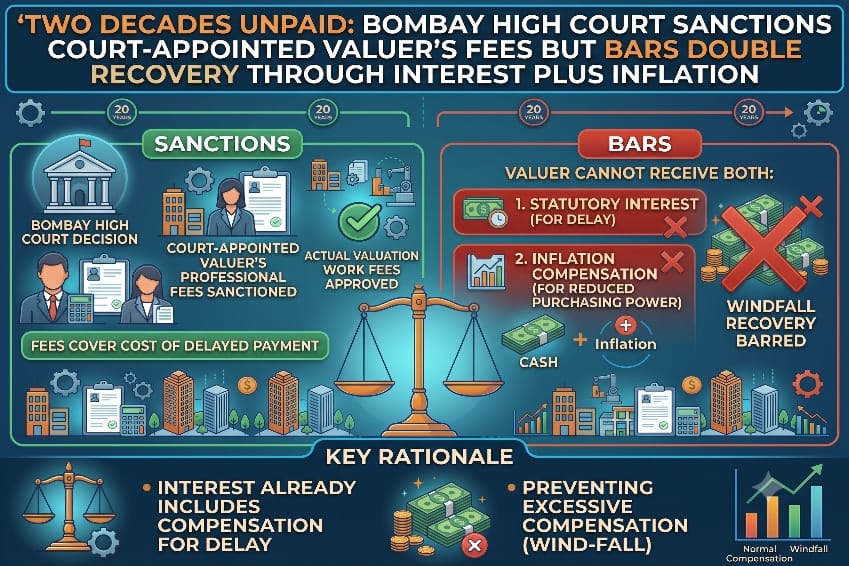
M/s. Kuber Mutual Benefits Ltd. & Ors. v. The State of Maharashtra & Ors. | High Court of Judicature at Bombay Appellate Side | 3rd September, 2026 A Court Receiver's Report…
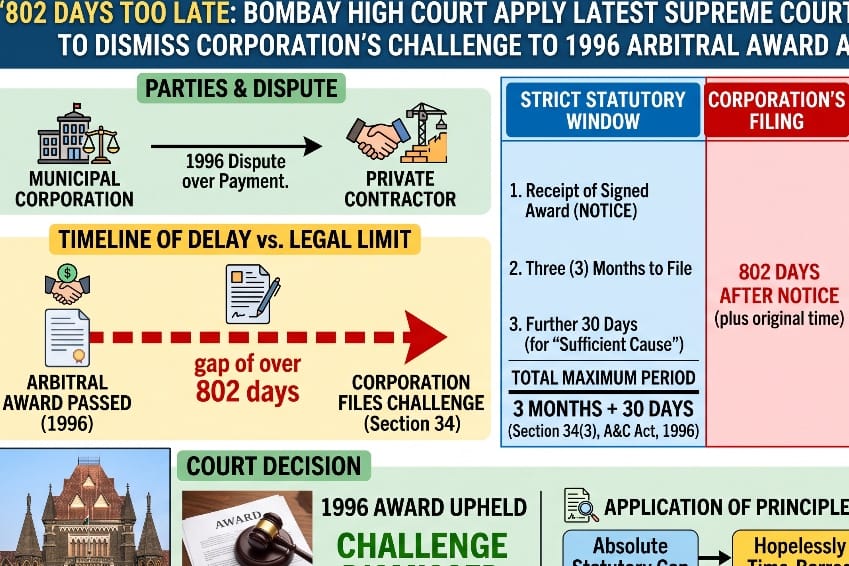
The Municipal Corporation of Greater Bombay v. M/s. Atul Raj Builders Pvt. Ltd. | High Court of Judicature at Bombay Ordinary Original Civil Jurisdiction | 3rd September, 2026 A…
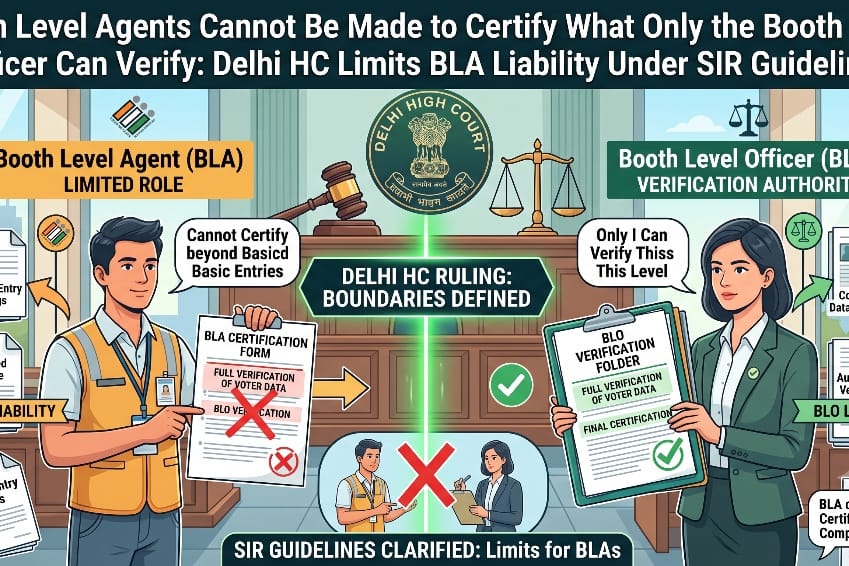
Devender Yadav & Anr. v. Election Commission of India & Anr. | High Court of Delhi Single Judge | Decided on: 03.09.2026 In a challenge to the Election Commission of India's…
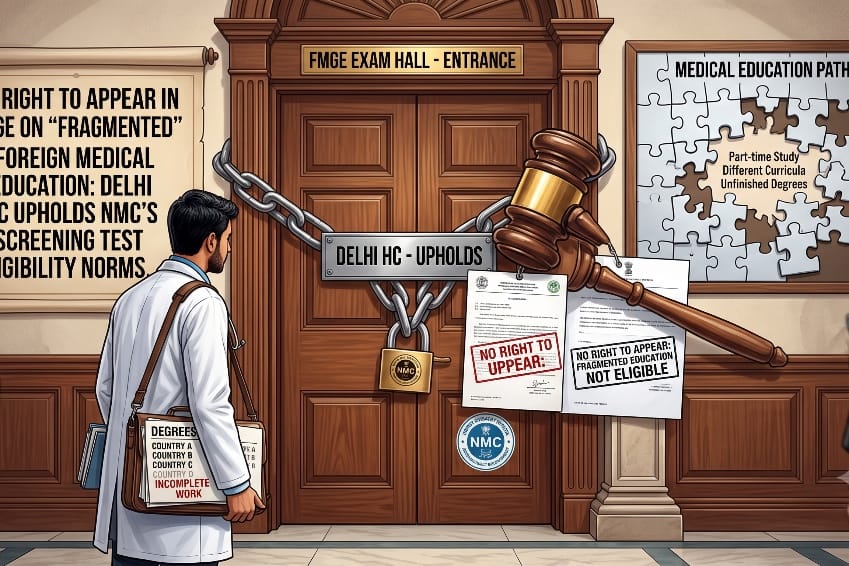
Brij Sharadbhai Bhatt & Ors. v. National Medical Commission & Ors. | High Court of Delhi Division Bench | Decided on: 03.09.2026 The Delhi High Court dismissed a challenge by…