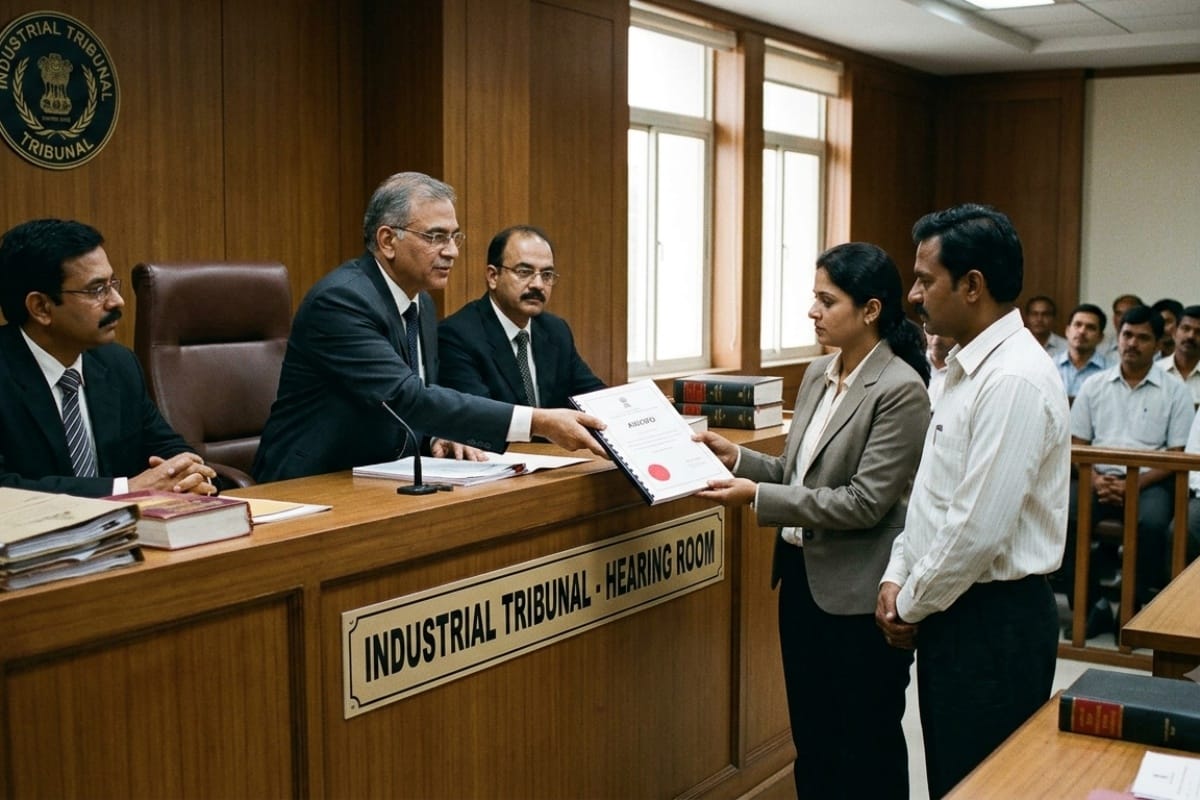
Deciding two connected writ petitions arising from a common Industrial Tribunal Award, the Delhi High Court set aside the Tribunal's direction granting hotel workmen a further…
Labour Laws
06/09/20264 min read
Update / Judgement Date
15 Dec 2025
Source
WCP News Bulletin
Author
Sakshi Bhardwaj — WCP Legal Desk
Reading Time
3 min read
The Supreme Court enhanced compensation awarded to the parents of a 14-year-old boy who died in a road accident caused by rash and negligent driving of a truck. Holding that compensation granted by the Tribunal and the High Court was inadequate, the Court applied minimum wages as notional income, added future prospects, adopted a multiplier of 15, and granted amounts under conventional heads including loss of filial consortium and pain and suffering. The Court clarified that claims arising from the death of a child stand on a different footing from claims involving permanent disability of a minor.
• The appellants’ 14-year-old son died in a road accident while proceeding to school with two classmates after a truck, driven rashly and negligently, hit them.
• The two classmates died on the spot, while the appellants’ son succumbed to injuries the following day in hospital.
• The Motor Accident Claims Tribunal awarded compensation of ₹1,29,500 with 6% interest.
• On appeal, the High Court enhanced the compensation to ₹4,70,000 with 6% interest.
• Aggrieved by the inadequacy of compensation, the parents approached the Supreme Court seeking enhancement.
Issues for Consideration• What should be the appropriate notional income for assessing compensation for the death of a minor child?
• Whether a multiplier of 18 or 15 should be applied in such cases?
• Whether parents are entitled to compensation for pain and suffering endured by the child prior to death?
• The Court held that minimum wages under the Minimum Wages Act, 1948 could be adopted as notional income, fixing it at ₹5,400 per month for a Class-B city.
• A 40% addition towards future prospects was held to be justified.
• Relying on Reshma Kumari v. Madan Mohan, the Court applied a multiplier of 15, clarifying that cases involving permanent disability of a minor (such as Baby Sakshi Greola) stand on a different footing from cases involving death.
• One-half deduction towards personal expenses was applied.
• The Court granted compensation under conventional heads including loss of estate, funeral expenses, and loss of filial consortium.
• Since the child survived for a day after the accident, compensation for pain and suffering suffered by the child was awarded, which would enure to the benefit of the parents as legal heirs.
Compensation Awarded• Loss of dependency: ₹6,80,400
• Loss of estate: ₹15,000
• Loss of filial consortium: ₹80,000
• Medical expenses: ₹50,000
• Funeral expenses: ₹15,000
• Pain and suffering: ₹25,000
Total Compensation: ₹8,65,400
Final Directions• The appeal was allowed.
• The respondents were directed to pay the enhanced compensation of ₹8,65,400, after deducting amounts already paid.
• Payment to be made within two months with interest at the rate of 7.5% per annum.
• Pending applications were disposed of.
• Minimum Wages Act, 1948 – Adoption of minimum wages as notional income.
• Reshma Kumari v. Madan Mohan – Application of multiplier in motor accident claims.
• Motor Vehicles Act, 1988 – Principles governing just compensation.
Citation: 2025 INSC 1429
Case: Devendra Kumar Tripathi & Ors. v. The Oriental Insurance Company Ltd. & Anr.
Court: Supreme Court of India
Coram: Justice Ahsanuddin Amanullah & Justice K. Vinod Chandran
Date of Decision: 15 December 2025
Deciding two connected writ petitions arising from a common Industrial Tribunal Award, the Delhi High Court set aside the Tribunal's direction granting hotel workmen a further…
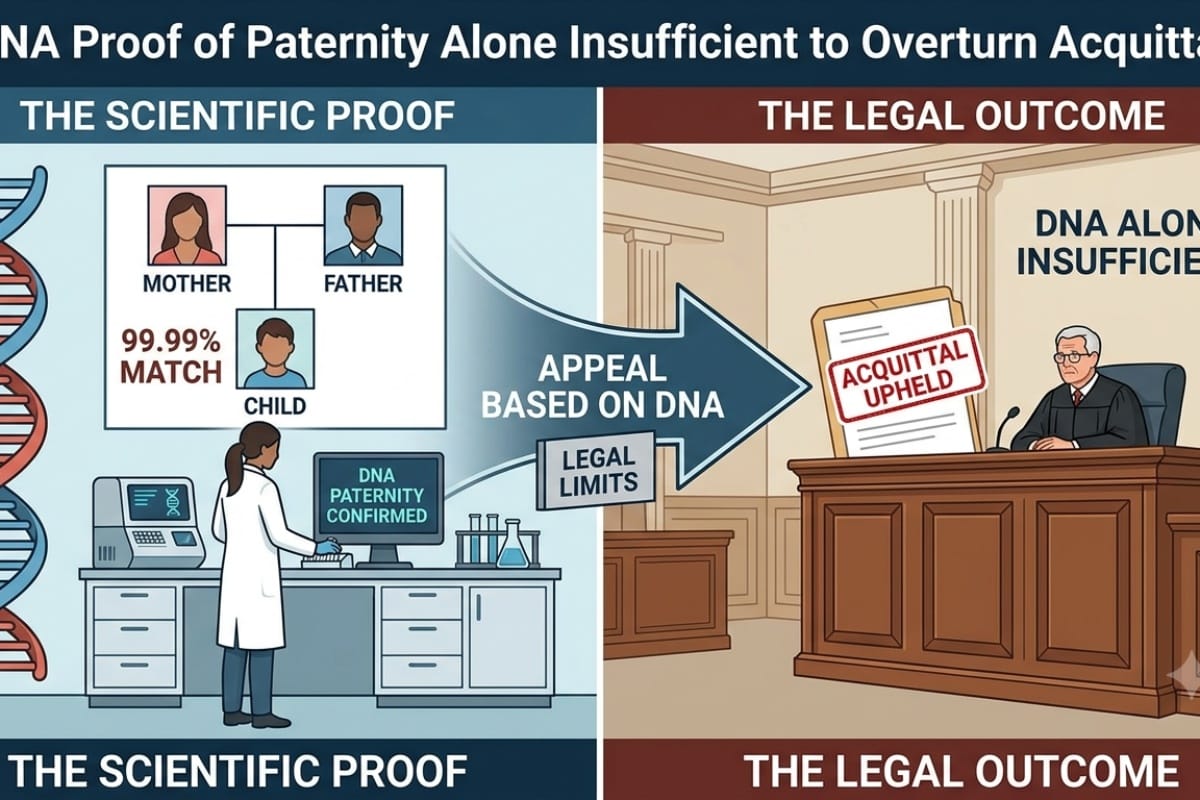
Headnote The Delhi High Court dismissed a prosecutrix's appeal against acquittal of the accused on charges under Sections 328/376 2 n /377/506/509 IPC, despite DNA evidence…
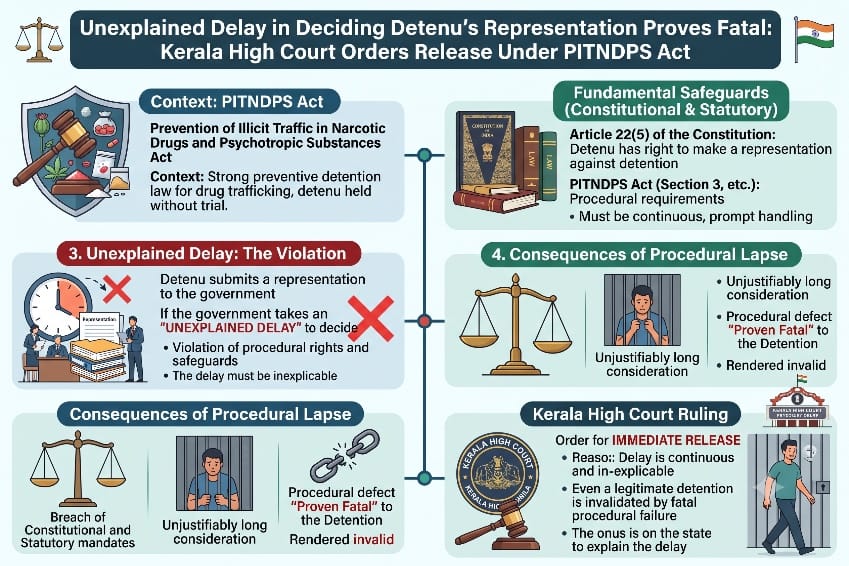
Fathimath Thasneem V.K. v. Union of India and Others | High Court of Kerala at Ernakulam | 3rd September, 2026 A habeas corpus writ petition by the wife of a detenu challenging…
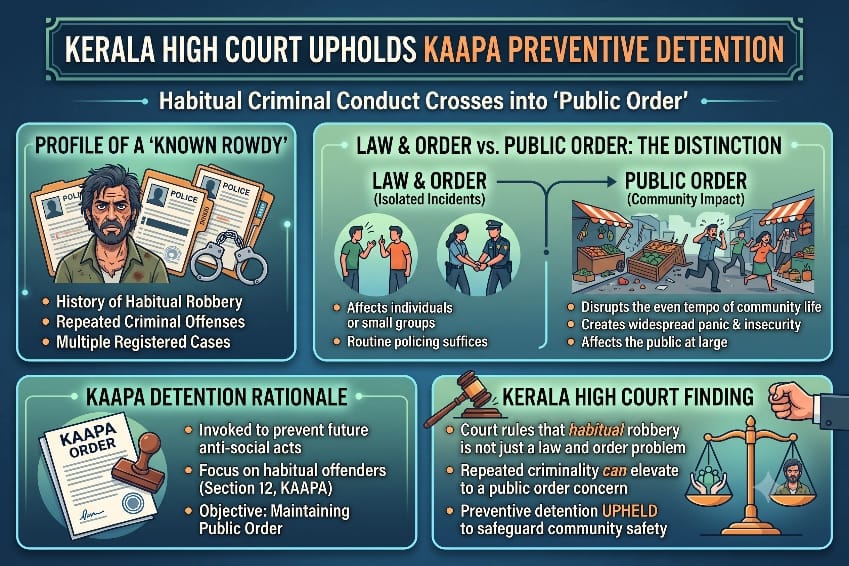
Thasmitha Abukutty v. State of Kerala and Others | High Court of Kerala at Ernakulam | 2nd September, 2026 A writ petition by the wife of a preventive detenu challenging a…
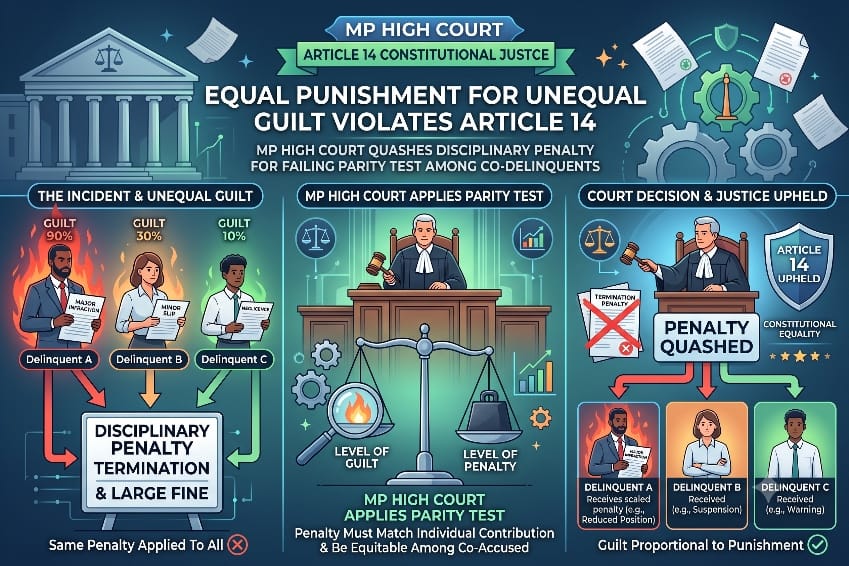
Brahm Kishore Dixit v. The State of Madhya Pradesh and Others | High Court of Madhya Pradesh, Gwalior | 1st September, 2026 A writ petition under Article 226 by a police Assistant…
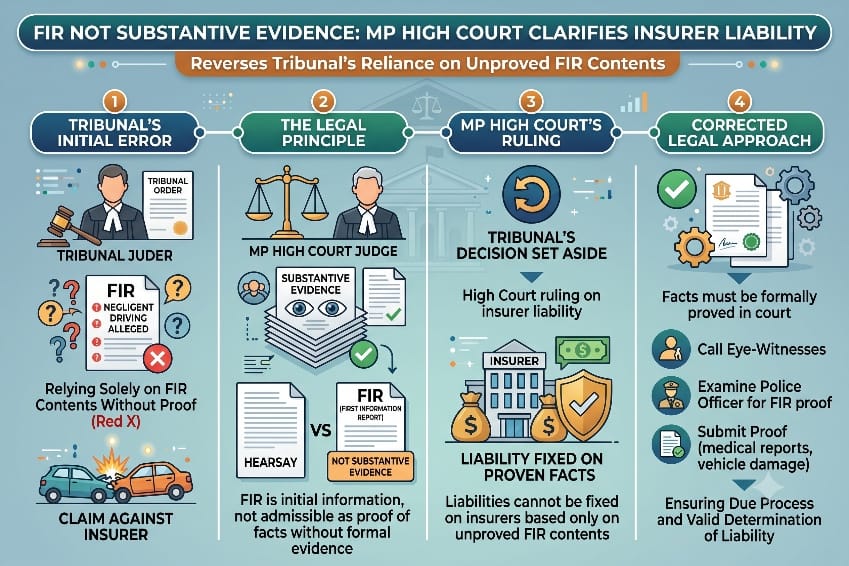
Anil Kumar Patel v. Smt. Munni Bai Barman and Others | High Court of Madhya Pradesh, Jabalpur | 1st September, 2026 A Motor Vehicle Act appeal under Section 173 1 against a Claims…
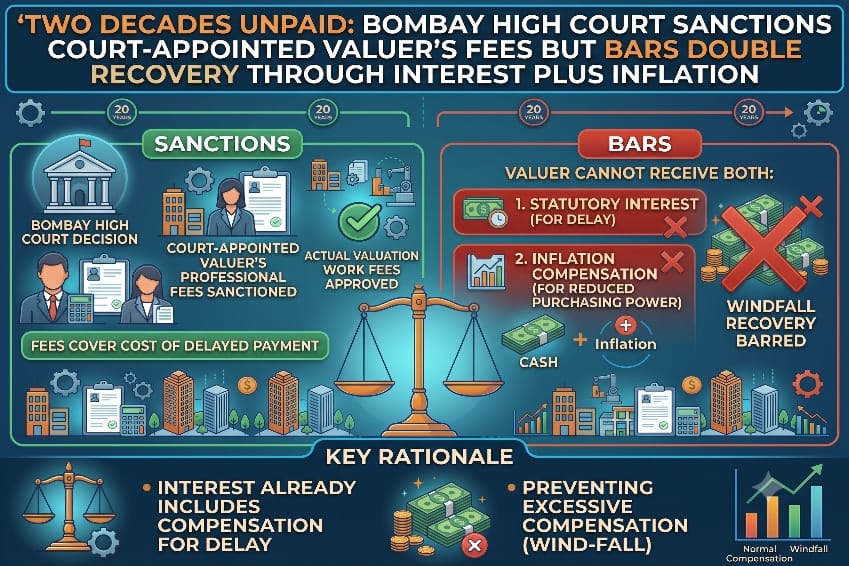
M/s. Kuber Mutual Benefits Ltd. & Ors. v. The State of Maharashtra & Ors. | High Court of Judicature at Bombay Appellate Side | 3rd September, 2026 A Court Receiver's Report…
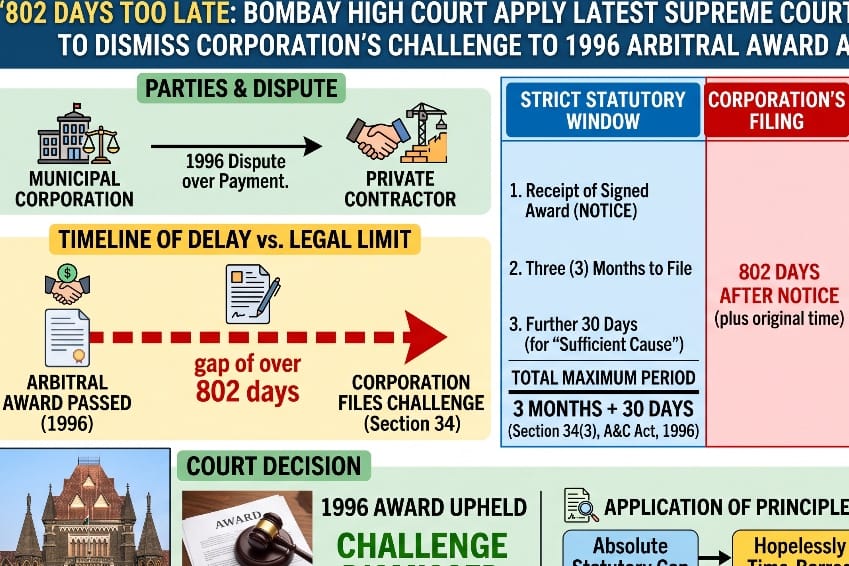
The Municipal Corporation of Greater Bombay v. M/s. Atul Raj Builders Pvt. Ltd. | High Court of Judicature at Bombay Ordinary Original Civil Jurisdiction | 3rd September, 2026 A…
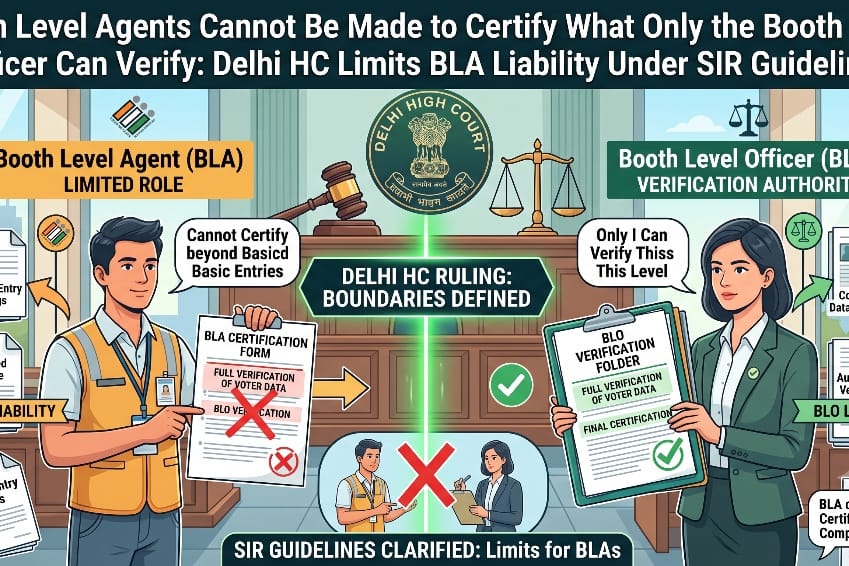
Devender Yadav & Anr. v. Election Commission of India & Anr. | High Court of Delhi Single Judge | Decided on: 03.09.2026 In a challenge to the Election Commission of India's…
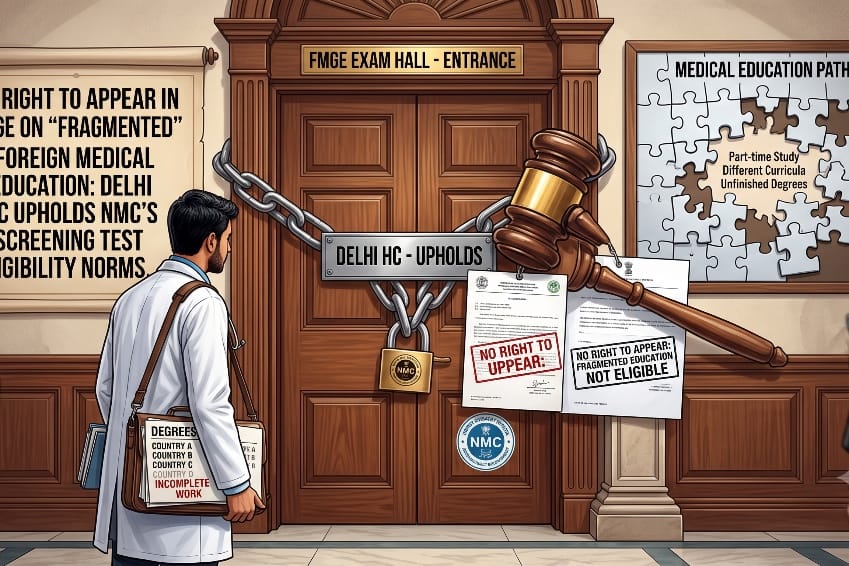
Brij Sharadbhai Bhatt & Ors. v. National Medical Commission & Ors. | High Court of Delhi Division Bench | Decided on: 03.09.2026 The Delhi High Court dismissed a challenge by…