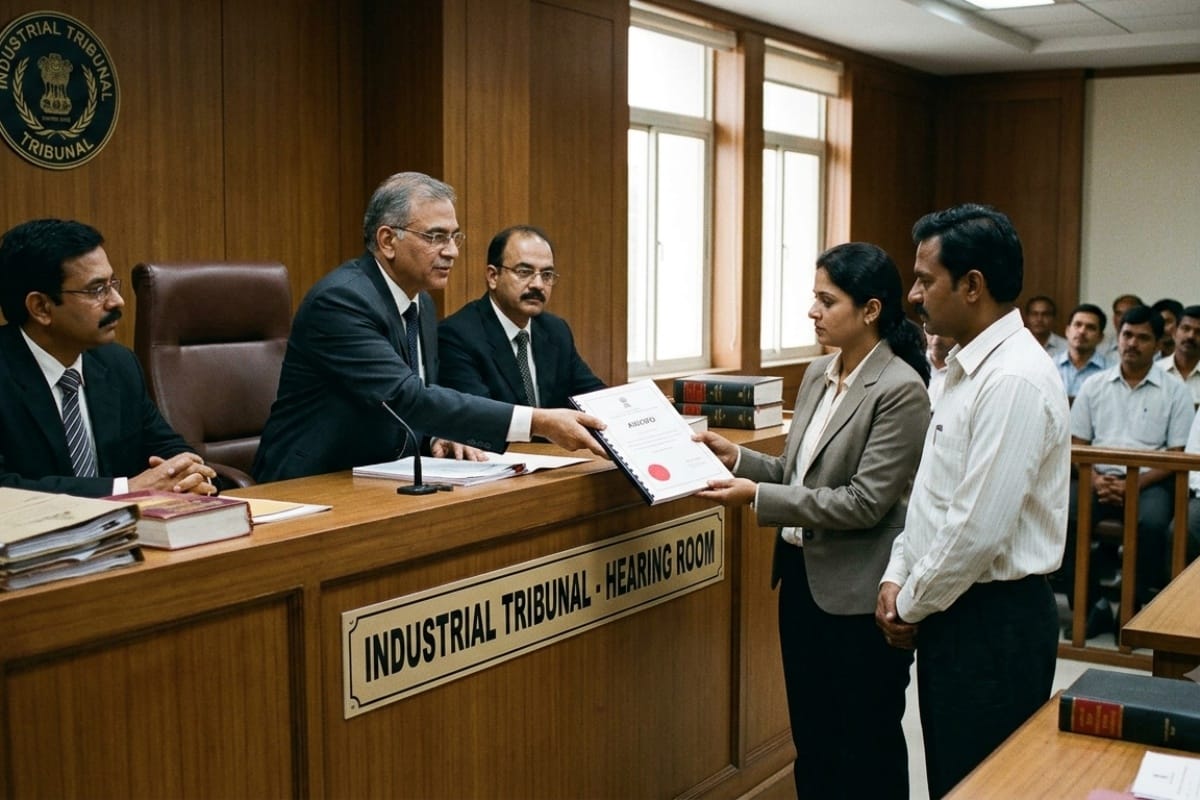
Deciding two connected writ petitions arising from a common Industrial Tribunal Award, the Delhi High Court set aside the Tribunal's direction granting hotel workmen a further…
Labour Laws
06/09/20264 min read
Update / Judgement Date
01 Dec 2025
Source
WCP News Bulletin
Author
Sakshi Bhardwaj — WCP Legal Desk
Reading Time
3 min read
The Supreme Court allowed the appeal filed by Rousanara Begum, holding that property and gifts given to a daughter at the time of marriage (or to the bridegroom) can be reclaimed by the divorced woman under Section 3 of The Muslim Women (Protection of Rights on Divorce) Act, 1986. The Court emphasized the purpose of the Act is to secure dignity, equality, and financial protection for Muslim women post-divorce. Discrepancies in marriage registry entries could not override the statutory right of the divorced wife to receive gifts, dower (mehr), and other property given at marriage. The High Court’s order denying the return of Rs.7,00,000 and 30 bhories of gold was set aside.
Section 3(1)(d), 1986 Act: Entitles divorced women to all properties given to her at or before marriage by relatives, friends, husband, or his relatives.
Discrepancy in Evidence:
Father stated gifts were given to the respondent; marriage registrar’s entry showed otherwise.
Supreme Court held the registrar’s entry was decisive, as trial proceedings under Section 498A IPC acquitted the respondent.
Mere suspicion or overwriting in records cannot override statutory rights.
Purpose of the Act:
Protect dignity, equality, and financial security of Muslim women post-divorce.
Aligns with Article 21 rights and social justice.
High Court Misstep:
Treated matter purely as civil dispute, ignoring statutory protection under 1986 Act.
Failed purposive construction of law in favor of divorced woman.
Judges:
Decision Date: 02 December 2025
Deciding two connected writ petitions arising from a common Industrial Tribunal Award, the Delhi High Court set aside the Tribunal's direction granting hotel workmen a further…
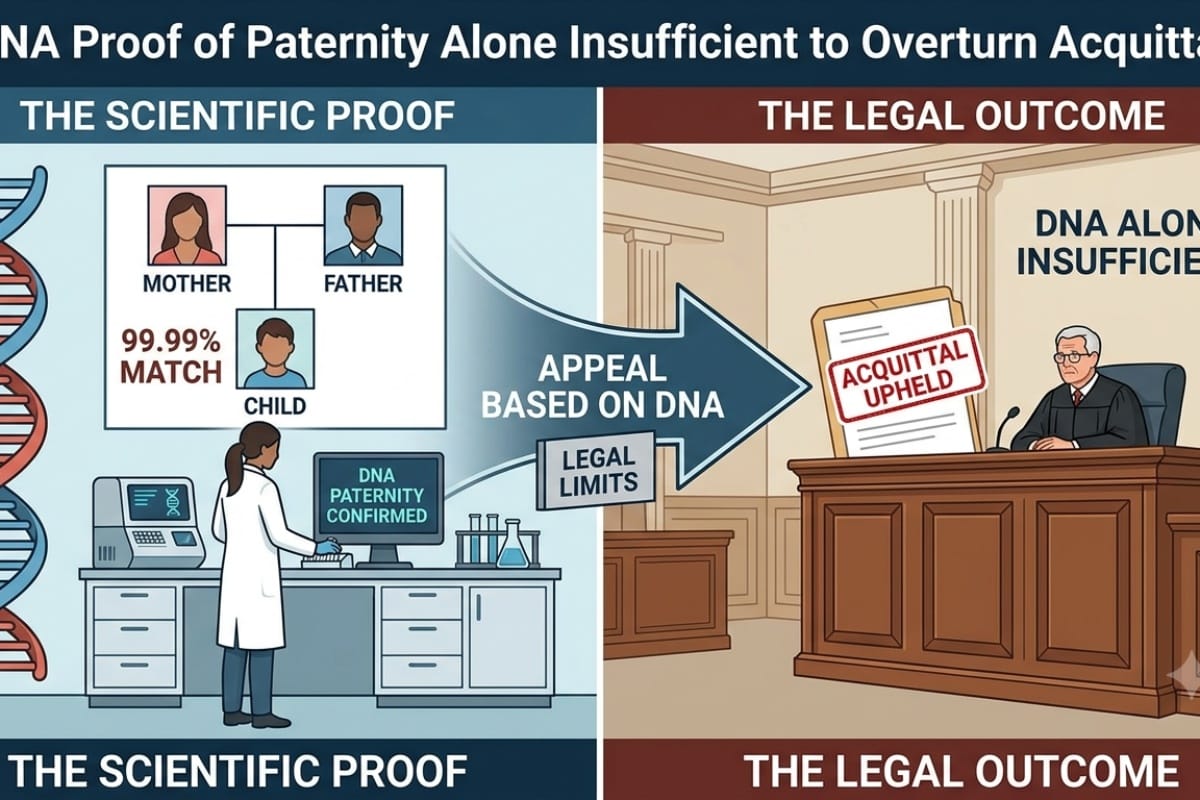
Headnote The Delhi High Court dismissed a prosecutrix's appeal against acquittal of the accused on charges under Sections 328/376 2 n /377/506/509 IPC, despite DNA evidence…
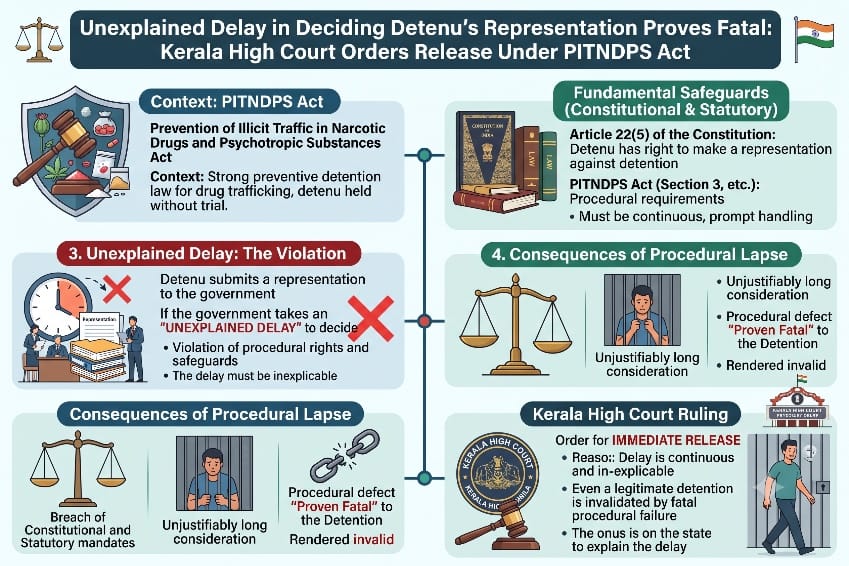
Fathimath Thasneem V.K. v. Union of India and Others | High Court of Kerala at Ernakulam | 3rd September, 2026 A habeas corpus writ petition by the wife of a detenu challenging…
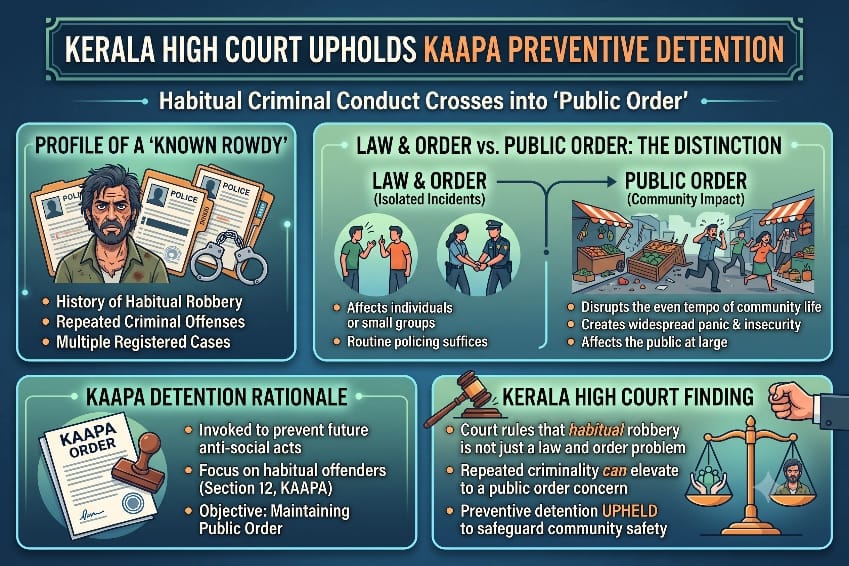
Thasmitha Abukutty v. State of Kerala and Others | High Court of Kerala at Ernakulam | 2nd September, 2026 A writ petition by the wife of a preventive detenu challenging a…
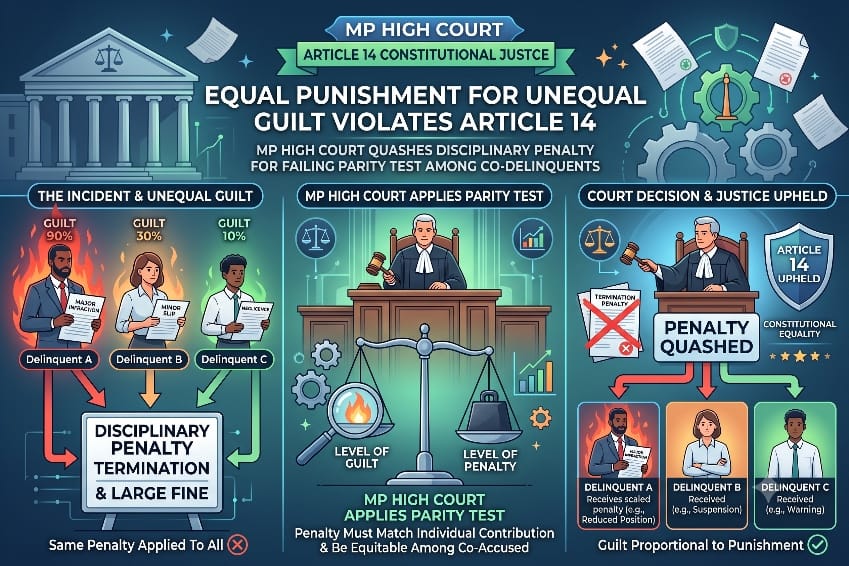
Brahm Kishore Dixit v. The State of Madhya Pradesh and Others | High Court of Madhya Pradesh, Gwalior | 1st September, 2026 A writ petition under Article 226 by a police Assistant…
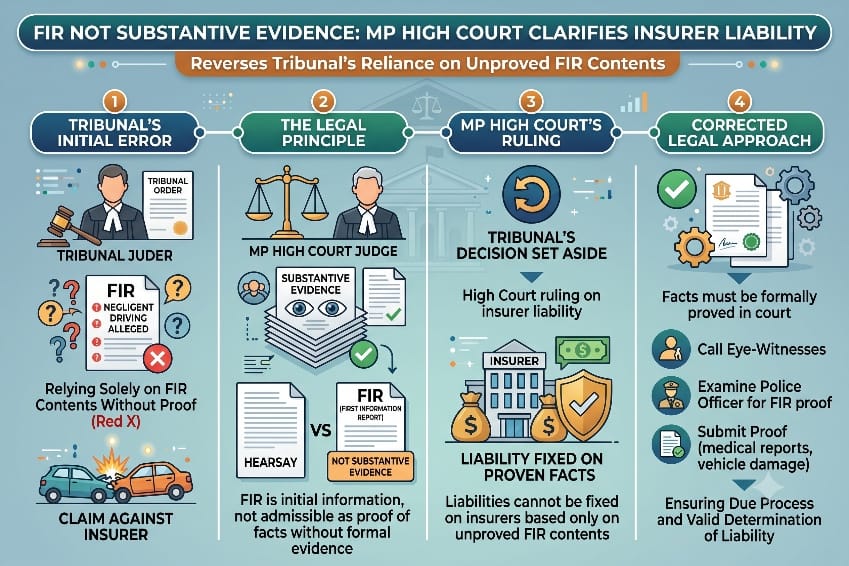
Anil Kumar Patel v. Smt. Munni Bai Barman and Others | High Court of Madhya Pradesh, Jabalpur | 1st September, 2026 A Motor Vehicle Act appeal under Section 173 1 against a Claims…
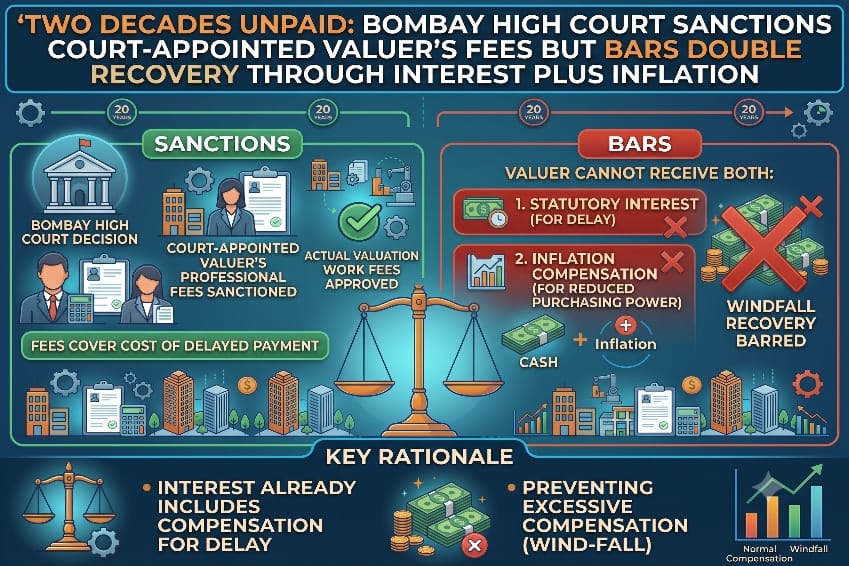
M/s. Kuber Mutual Benefits Ltd. & Ors. v. The State of Maharashtra & Ors. | High Court of Judicature at Bombay Appellate Side | 3rd September, 2026 A Court Receiver's Report…
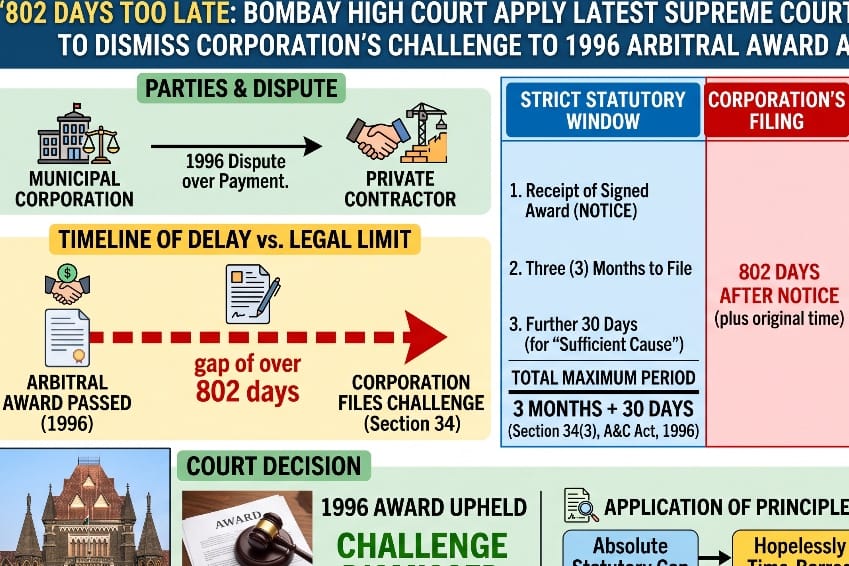
The Municipal Corporation of Greater Bombay v. M/s. Atul Raj Builders Pvt. Ltd. | High Court of Judicature at Bombay Ordinary Original Civil Jurisdiction | 3rd September, 2026 A…
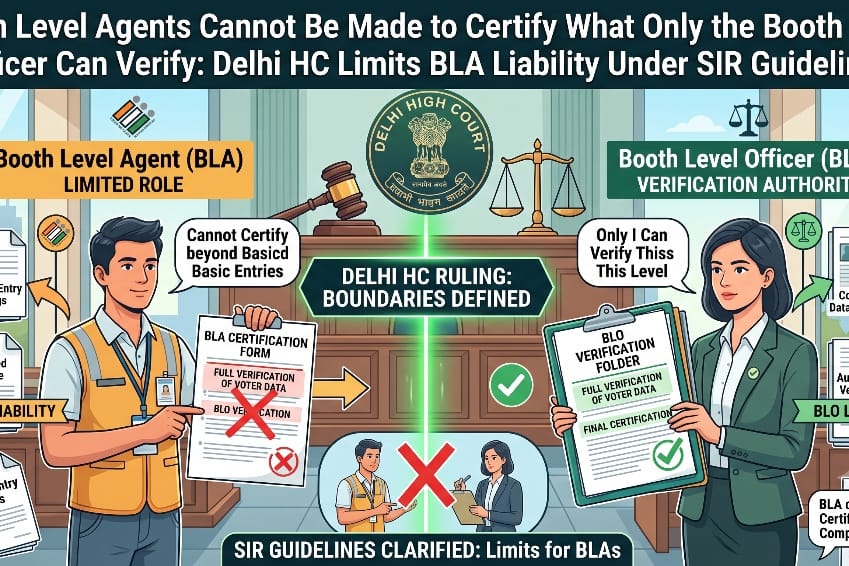
Devender Yadav & Anr. v. Election Commission of India & Anr. | High Court of Delhi Single Judge | Decided on: 03.09.2026 In a challenge to the Election Commission of India's…
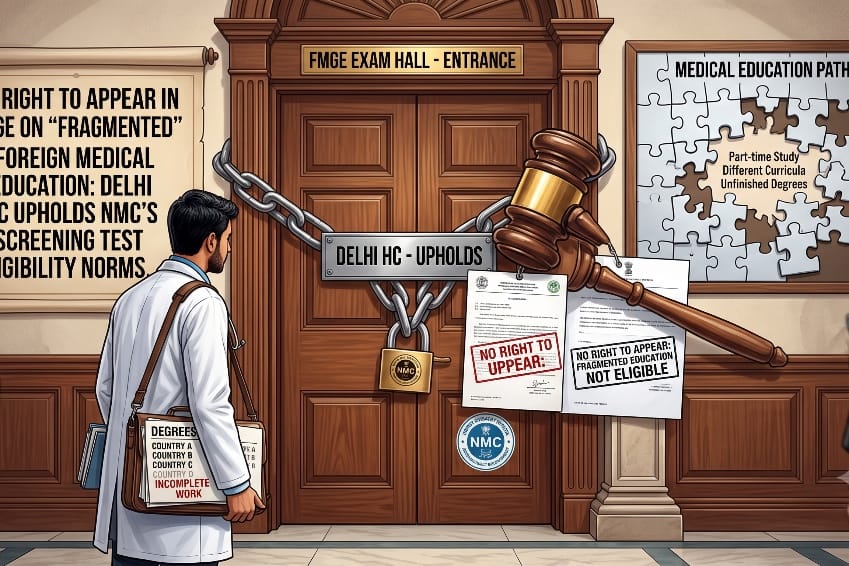
Brij Sharadbhai Bhatt & Ors. v. National Medical Commission & Ors. | High Court of Delhi Division Bench | Decided on: 03.09.2026 The Delhi High Court dismissed a challenge by…