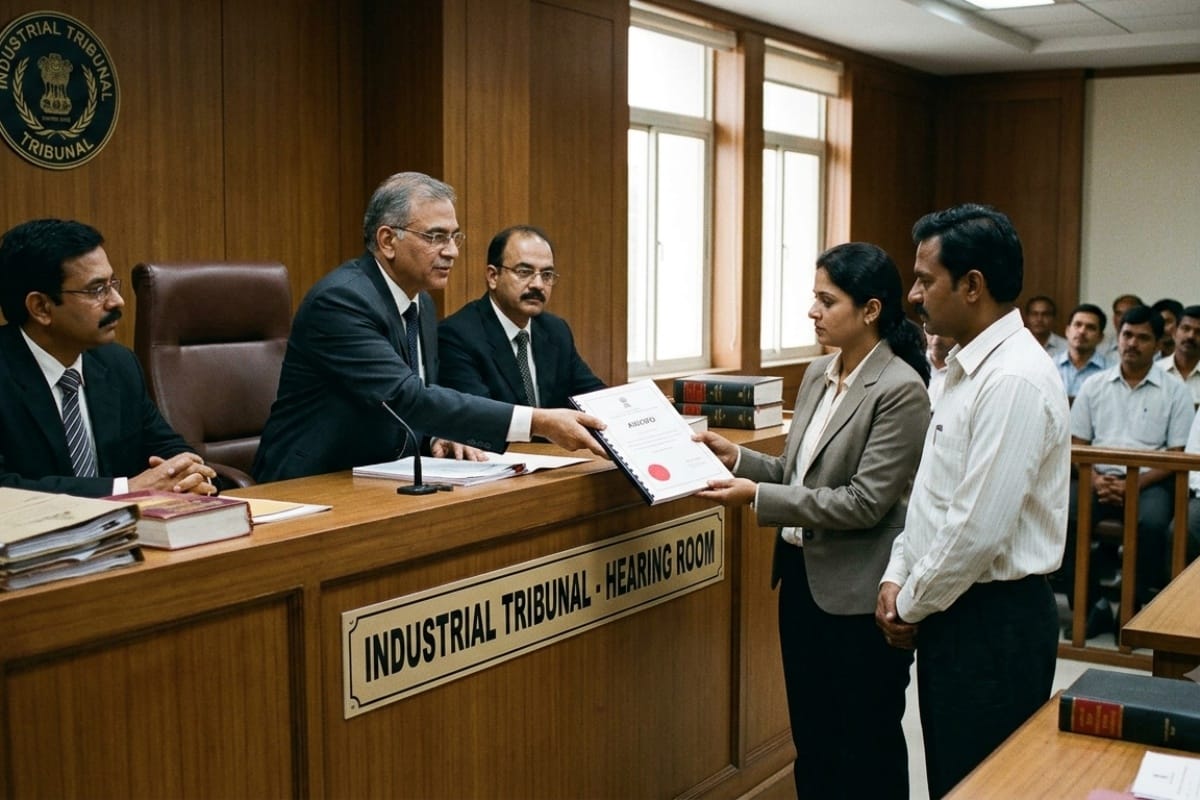
Deciding two connected writ petitions arising from a common Industrial Tribunal Award, the Delhi High Court set aside the Tribunal's direction granting hotel workmen a further…
Labour Laws
06/09/20264 min read
Update / Judgement Date
20 Nov 2025
Source
WCP News Bulletin
Author
Sakshi Bhardwaj — WCP Legal Desk
Reading Time
3 min read
The Supreme Court took suo motu cognisance of large-scale pollution of the Jojari, Bandi, and Luni river system in Rajasthan, affecting nearly two million people. The Court found long-standing regulatory failures, administrative apathy, and severe ecological damage caused by the discharge of untreated industrial effluents and sewage. Recognising the threat to the fundamental right to life under Article 21, the Court directed robust remedial measures, modified the interim stay on an NGT order, and constituted a High-Level Ecosystem Oversight Committee to supervise restoration efforts.
• The Court initiated proceedings after viewing a documentary titled “2 Million Lives at Risk | India’s Deadliest River | Marudhara | Jojari | Rajasthan,” which exposed hazardous pollution in the Jojari river.
• The suo motu case was later expanded to include the interconnected Bandi and Luni rivers due to shared contamination sources.
• The case was tagged with multiple pending civil appeals involving issues of industrial pollution, CETP/STP inefficiencies, and environmental compliance in districts such as Jodhpur, Pali, and Balotra.
• For years, industrial units and municipal bodies discharged untreated effluents, leading to groundwater contamination, soil toxicity, agricultural collapse, livestock harm, and unavailability of safe drinking water.
• The river system had effectively turned into channels for untreated industrial and municipal waste, causing irreversible ecological and human health risks.
• The State of Rajasthan had acted only after judicial intervention; the situation revealed major lapses in environmental regulation and monitoring.
• Article 21 guarantees the right to a clean and healthy environment; enforcement mechanisms must act with urgency and accountability.
• The interim stay on the National Green Tribunal’s order dated 25 February 2022 could not be allowed to impede immediate environmental restoration.
• The Court held that systemic delay and inaction had worsened the crisis and warranted strict judicial supervision.
• A High-Level Ecosystem Oversight Committee was constituted to monitor, supervise, and report on detoxification and restoration of the rivers.
• The State was directed to:
– Install and operationalise CETPs, STPs, flow meters, and SCADA systems.
– Ensure real-time reporting of inflow and discharge data.
– Enforce Zero Liquid Discharge (ZLD) norms wherever applicable.
– Conduct strict inspections of industrial units discharging into the river system.
• The stay on the NGT order was clarified/modified to allow immediate implementation of environmental remediation directions.
• Authorities were instructed to prioritise safe water supply, rehabilitation of contaminated zones, and long-term ecological recovery.
• Article 21, Constitution of India – Right to clean and healthy environment.
• Articles 47, 48A and 51A(g) – Duties of the State and citizens regarding environmental protection.
• Water (Prevention and Control of Pollution) Act, 1974 – Regulatory framework for preventing water pollution.
• National Green Tribunal Act, 2010 – Adjudication of environmental disputes.
Citation: 2025 INSC 1341
Case: In Re: 2 Million Lives at Risk, Contamination in Jojari River, Rajasthan
Court: Supreme Court of India
Coram: Justice Mehta
Date of Decision: 21 November 2025
Matter: Suo Motu Writ Petition (Civil) No. 8 of 2025 with connected Civil Appeals
Deciding two connected writ petitions arising from a common Industrial Tribunal Award, the Delhi High Court set aside the Tribunal's direction granting hotel workmen a further…
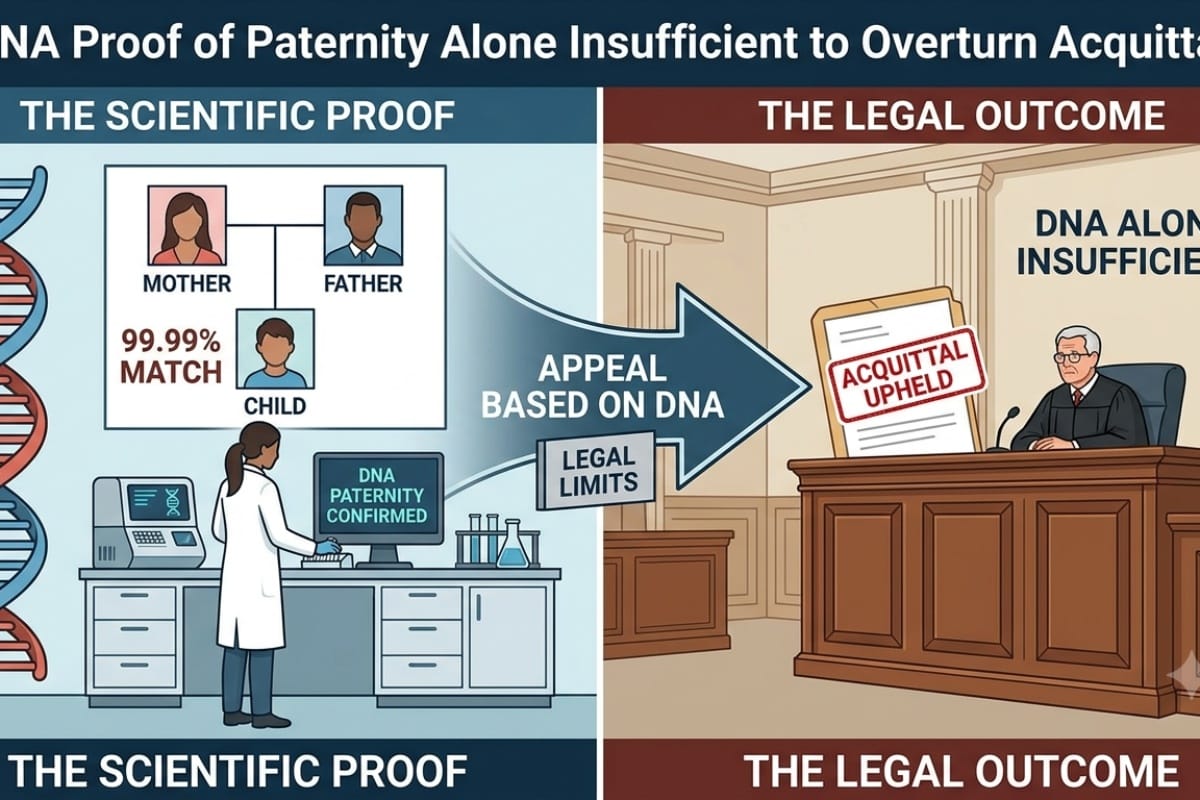
Headnote The Delhi High Court dismissed a prosecutrix's appeal against acquittal of the accused on charges under Sections 328/376 2 n /377/506/509 IPC, despite DNA evidence…
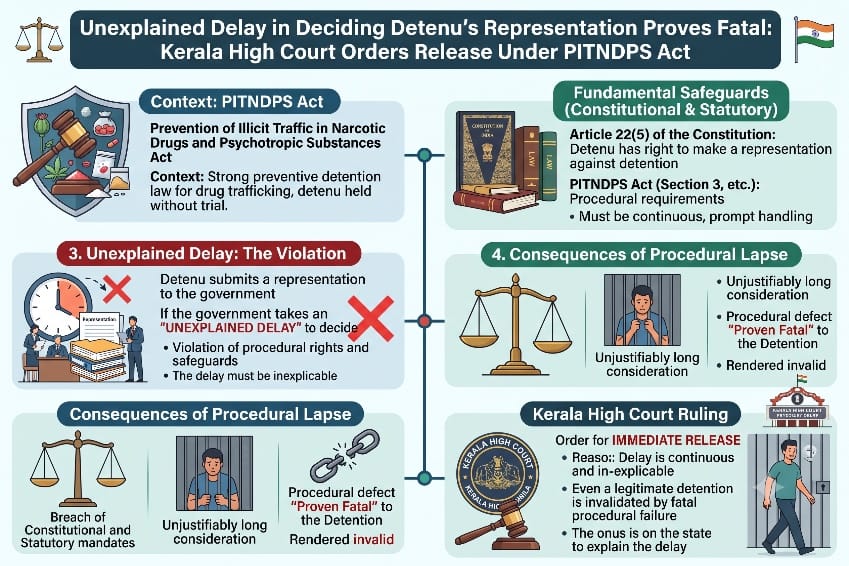
Fathimath Thasneem V.K. v. Union of India and Others | High Court of Kerala at Ernakulam | 3rd September, 2026 A habeas corpus writ petition by the wife of a detenu challenging…
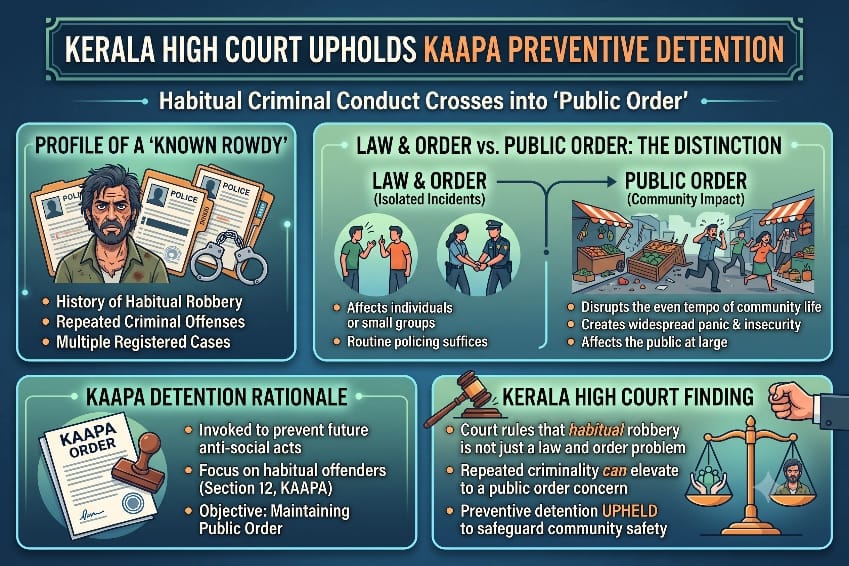
Thasmitha Abukutty v. State of Kerala and Others | High Court of Kerala at Ernakulam | 2nd September, 2026 A writ petition by the wife of a preventive detenu challenging a…
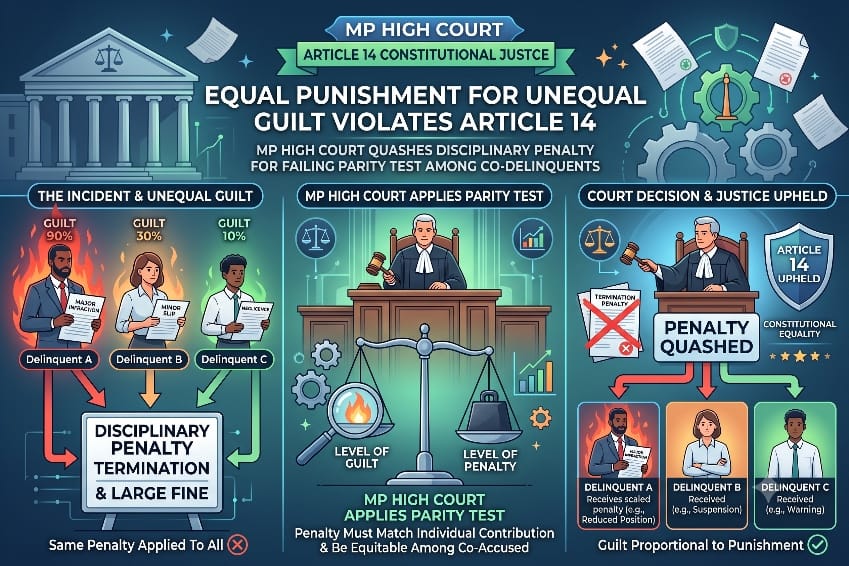
Brahm Kishore Dixit v. The State of Madhya Pradesh and Others | High Court of Madhya Pradesh, Gwalior | 1st September, 2026 A writ petition under Article 226 by a police Assistant…
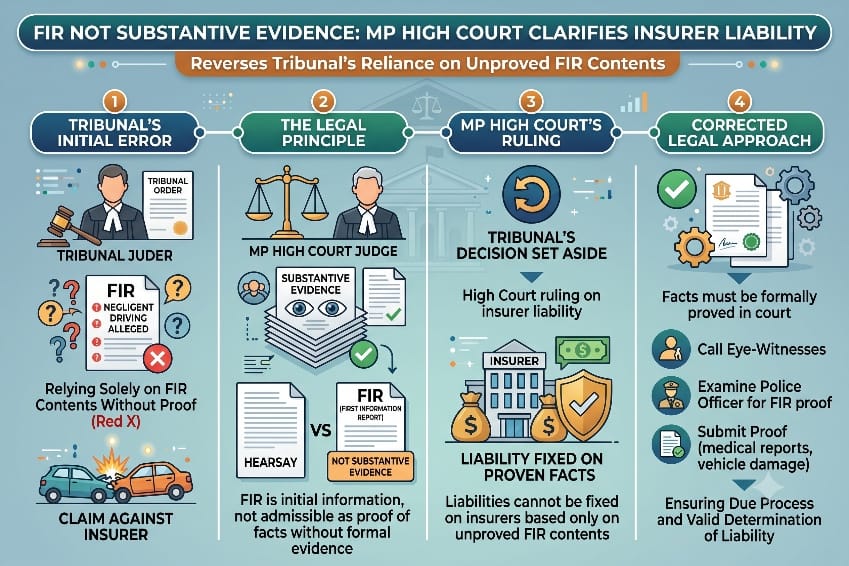
Anil Kumar Patel v. Smt. Munni Bai Barman and Others | High Court of Madhya Pradesh, Jabalpur | 1st September, 2026 A Motor Vehicle Act appeal under Section 173 1 against a Claims…
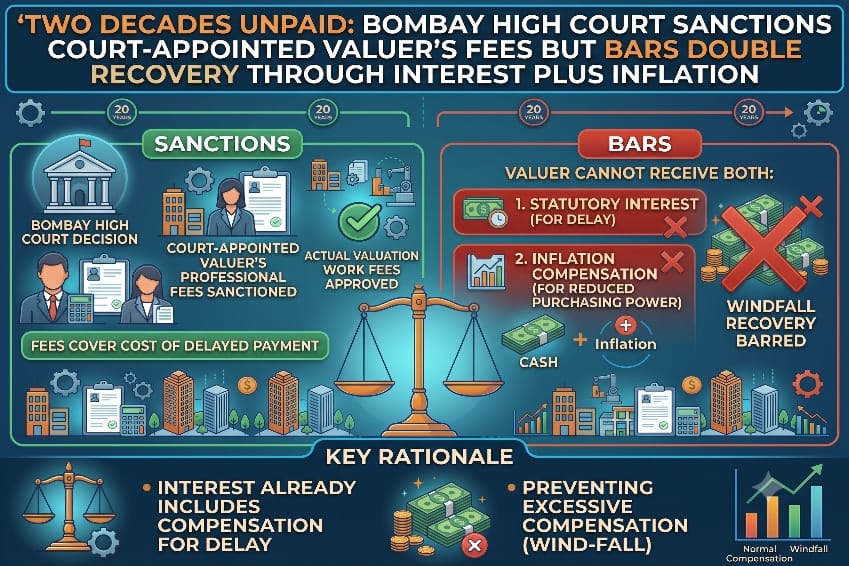
M/s. Kuber Mutual Benefits Ltd. & Ors. v. The State of Maharashtra & Ors. | High Court of Judicature at Bombay Appellate Side | 3rd September, 2026 A Court Receiver's Report…
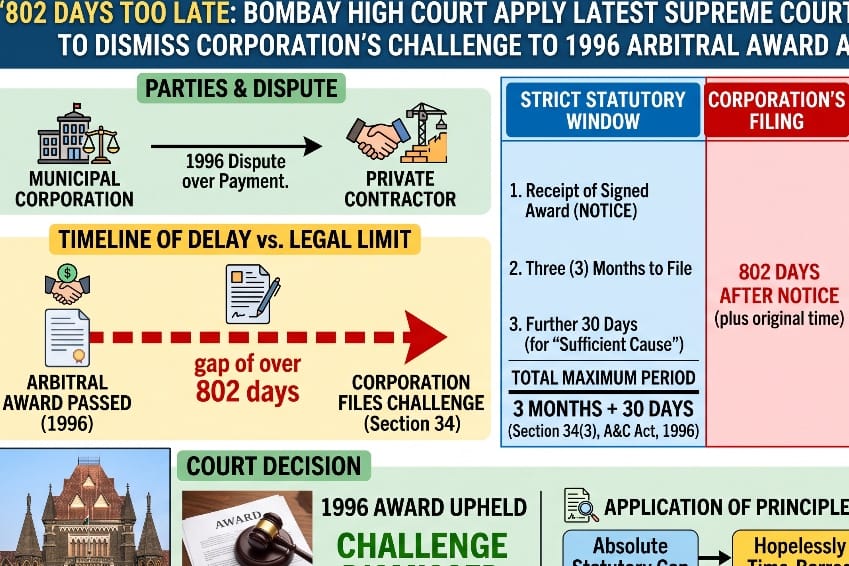
The Municipal Corporation of Greater Bombay v. M/s. Atul Raj Builders Pvt. Ltd. | High Court of Judicature at Bombay Ordinary Original Civil Jurisdiction | 3rd September, 2026 A…
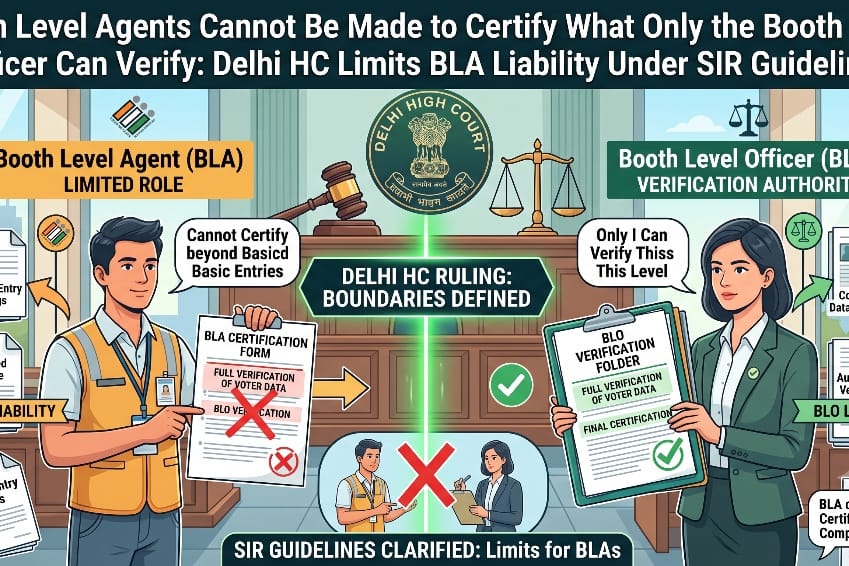
Devender Yadav & Anr. v. Election Commission of India & Anr. | High Court of Delhi Single Judge | Decided on: 03.09.2026 In a challenge to the Election Commission of India's…
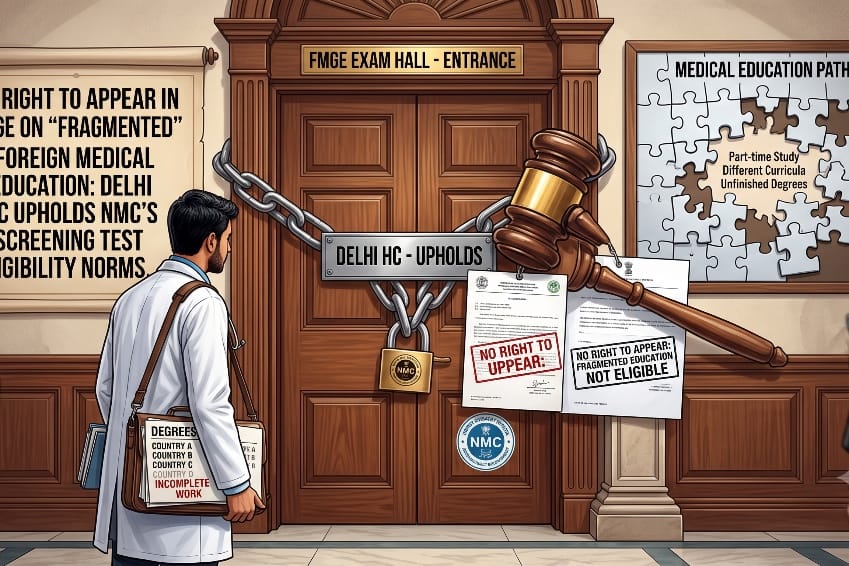
Brij Sharadbhai Bhatt & Ors. v. National Medical Commission & Ors. | High Court of Delhi Division Bench | Decided on: 03.09.2026 The Delhi High Court dismissed a challenge by…