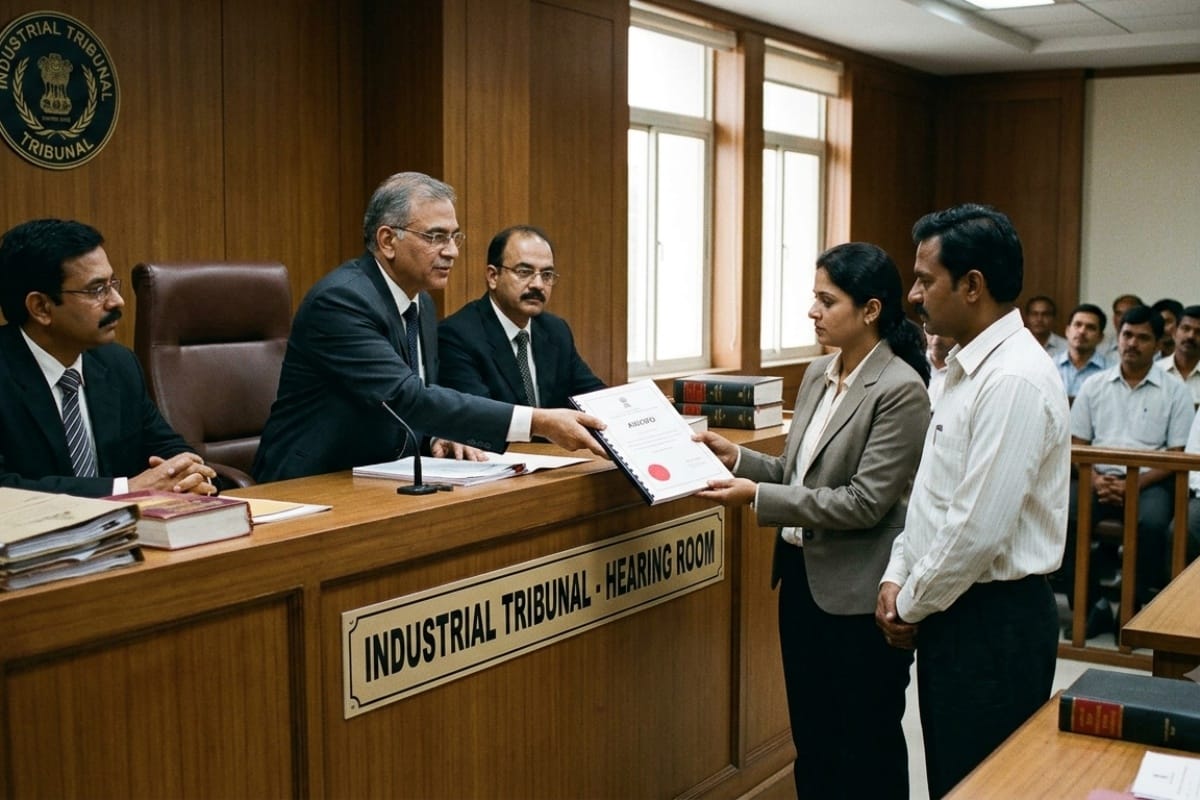
Deciding two connected writ petitions arising from a common Industrial Tribunal Award, the Delhi High Court set aside the Tribunal's direction granting hotel workmen a further…
Labour Laws
06/09/20264 min read
Update / Judgement Date
19 Dec 2025
Source
WCP News Bulletin
Author
Sakshi Bhardwaj — WCP Legal Desk
Reading Time
4 min read
The Supreme Court held that a criminal revision does not abate upon the death of the revisionist, particularly where the revision has been filed by an informant or complainant and the main criminal proceedings continue. The Court clarified that revisional jurisdiction under Sections 397 and 401 CrPC is discretionary and supervisory in nature, exercisable even suo motu, and is not governed by the strict rules of locus or abatement applicable to appeals under Section 394 CrPC. The Court further held that a victim, as defined under Section 2(wa) CrPC, may be permitted to assist the revisional court even though substitution as a matter of right is not provided under the Code.
• The father of the appellant filed an application under Section 156(3) CrPC leading to registration of an FIR against respondents for offences including cheating, forgery, conspiracy, and use of forged documents.
• After investigation, the accused were charge-sheeted for multiple IPC offences, but were discharged by the Sessions Court from all offences except Section 420 IPC.
• Aggrieved, the informant filed Criminal Revision No. 1986 of 2020 before the Madhya Pradesh High Court.
• During pendency of the revision, the informant died. The appellant (his son), who was cited as a witness, sought permission to continue the revision.
• The High Court dismissed the revision as abated and rejected the appellant’s application, holding that there is no provision for substitution in criminal revisions.
• Nature of Revisional Jurisdiction:
• Abatement Not Applicable to Revisions:
• Distinction Based on Nature of Revision:
• Role of Victim under Section 2(wa) CrPC:
• Substitution vs Assistance:
• Application to Present Case:
• The appeals were allowed.
• The High Court orders dated 21.02.2024 and 31.08.2024 were set aside.
• Criminal Revision No. 1986 of 2020 was restored to the file of the High Court.
• The appellant was permitted to assist the revisional court in the capacity of a victim.
• The High Court was directed to decide the revision expeditiously, on merits, without being influenced by observations of the Supreme Court.
• Sections 397 & 401, Code of Criminal Procedure, 1973 – Revisional jurisdiction
• Section 394, Code of Criminal Procedure, 1973 – Abatement of appeals
• Section 2(wa), Code of Criminal Procedure, 1973 – Definition of “victim”
• Section 156(3), Code of Criminal Procedure, 1973 – Magistrate’s power to order investigation
Deciding two connected writ petitions arising from a common Industrial Tribunal Award, the Delhi High Court set aside the Tribunal's direction granting hotel workmen a further…
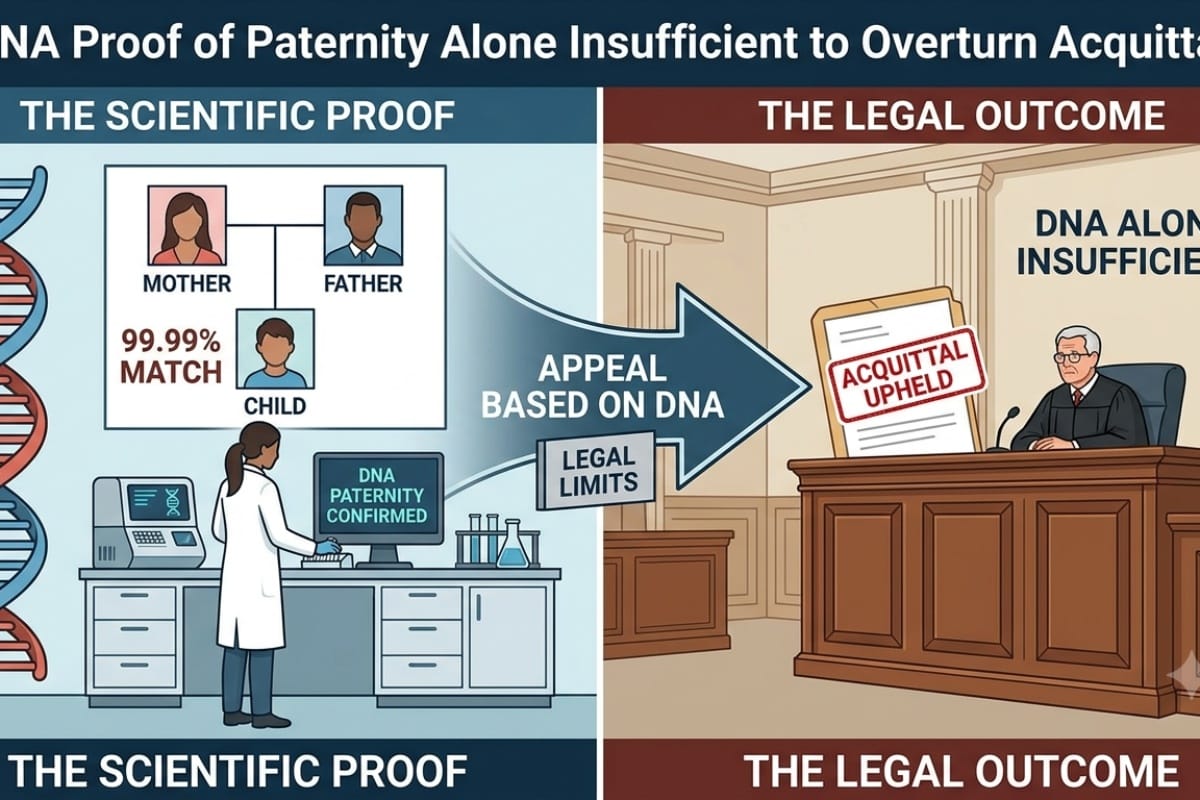
Headnote The Delhi High Court dismissed a prosecutrix's appeal against acquittal of the accused on charges under Sections 328/376 2 n /377/506/509 IPC, despite DNA evidence…
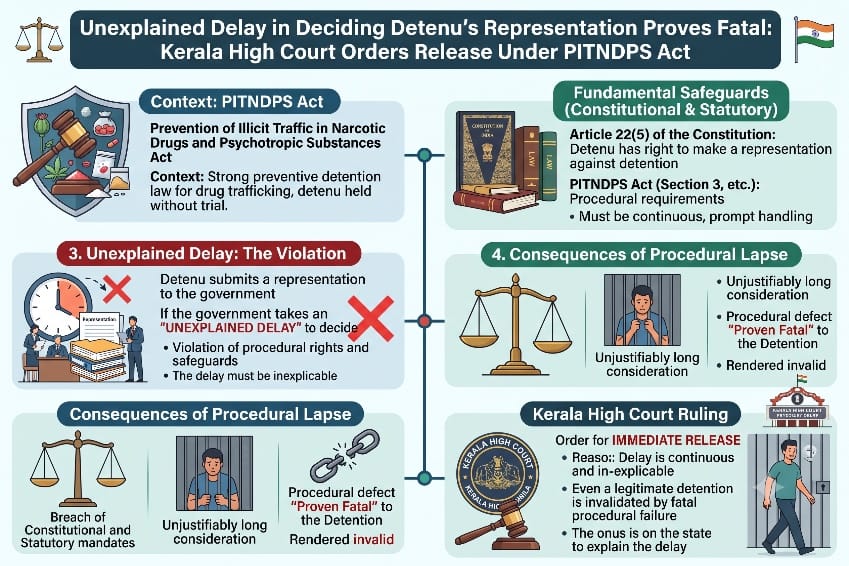
Fathimath Thasneem V.K. v. Union of India and Others | High Court of Kerala at Ernakulam | 3rd September, 2026 A habeas corpus writ petition by the wife of a detenu challenging…
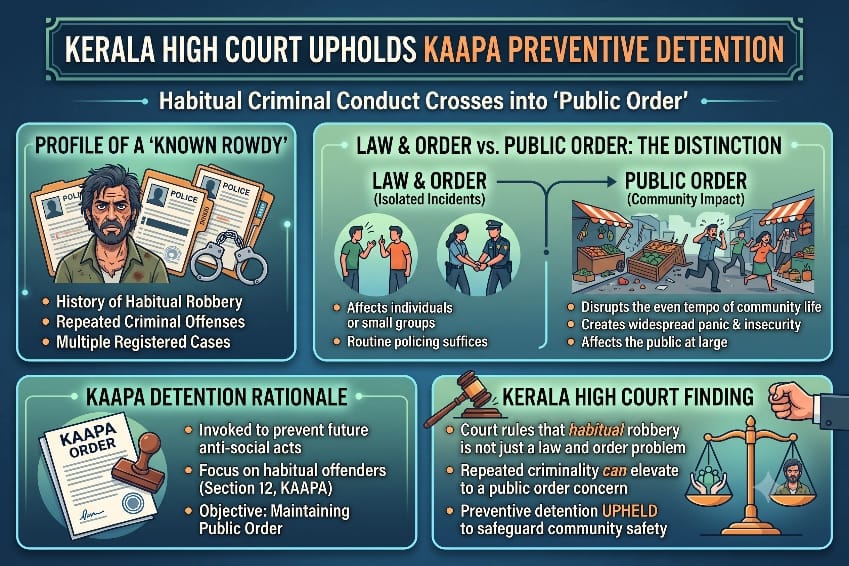
Thasmitha Abukutty v. State of Kerala and Others | High Court of Kerala at Ernakulam | 2nd September, 2026 A writ petition by the wife of a preventive detenu challenging a…
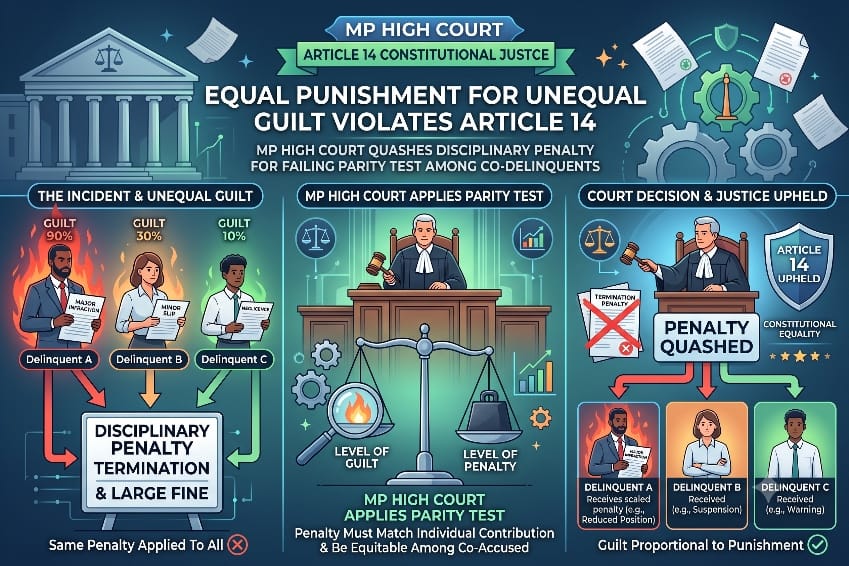
Brahm Kishore Dixit v. The State of Madhya Pradesh and Others | High Court of Madhya Pradesh, Gwalior | 1st September, 2026 A writ petition under Article 226 by a police Assistant…
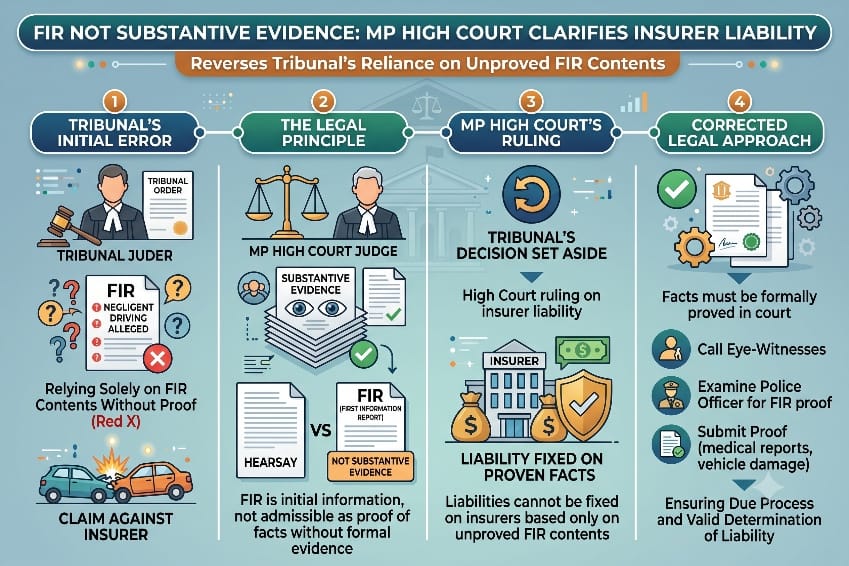
Anil Kumar Patel v. Smt. Munni Bai Barman and Others | High Court of Madhya Pradesh, Jabalpur | 1st September, 2026 A Motor Vehicle Act appeal under Section 173 1 against a Claims…
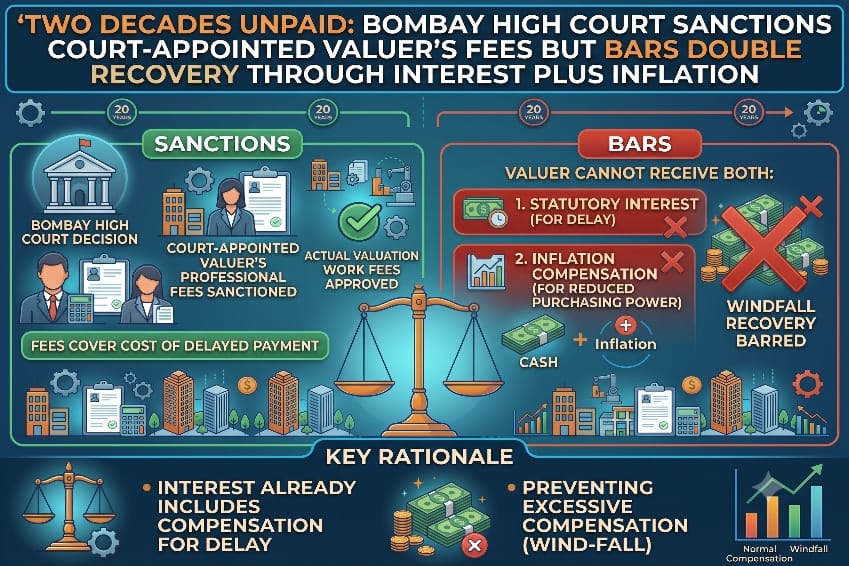
M/s. Kuber Mutual Benefits Ltd. & Ors. v. The State of Maharashtra & Ors. | High Court of Judicature at Bombay Appellate Side | 3rd September, 2026 A Court Receiver's Report…
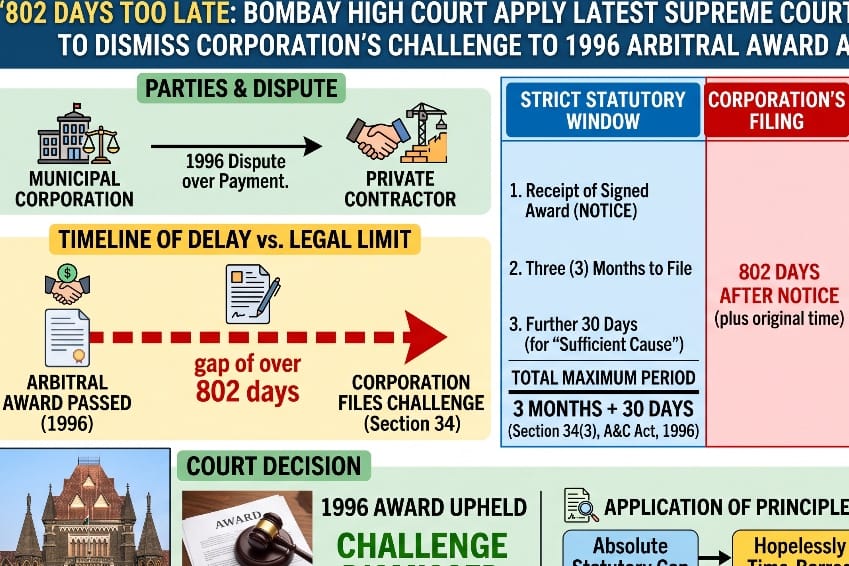
The Municipal Corporation of Greater Bombay v. M/s. Atul Raj Builders Pvt. Ltd. | High Court of Judicature at Bombay Ordinary Original Civil Jurisdiction | 3rd September, 2026 A…
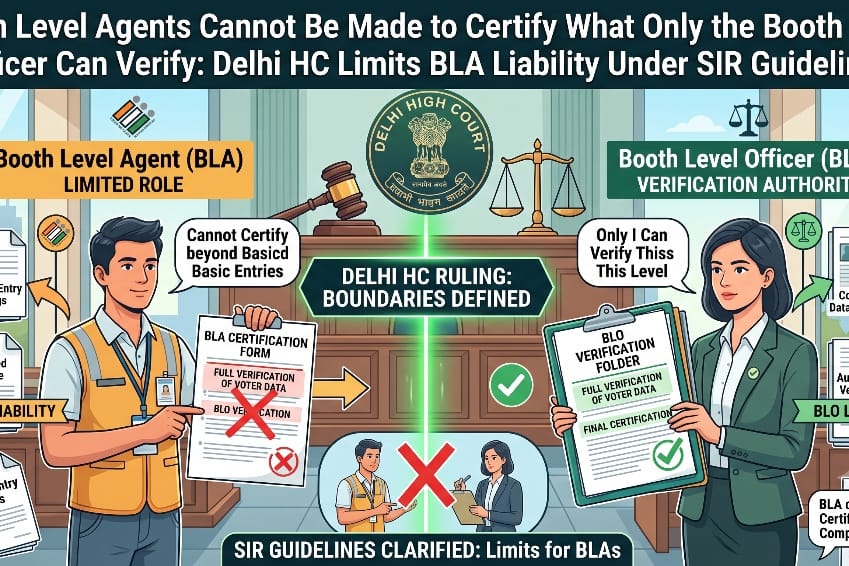
Devender Yadav & Anr. v. Election Commission of India & Anr. | High Court of Delhi Single Judge | Decided on: 03.09.2026 In a challenge to the Election Commission of India's…
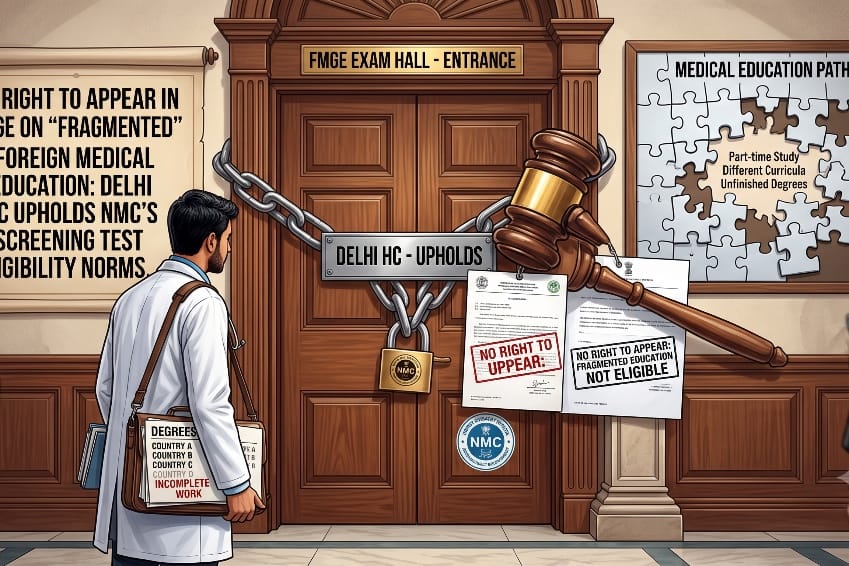
Brij Sharadbhai Bhatt & Ors. v. National Medical Commission & Ors. | High Court of Delhi Division Bench | Decided on: 03.09.2026 The Delhi High Court dismissed a challenge by…