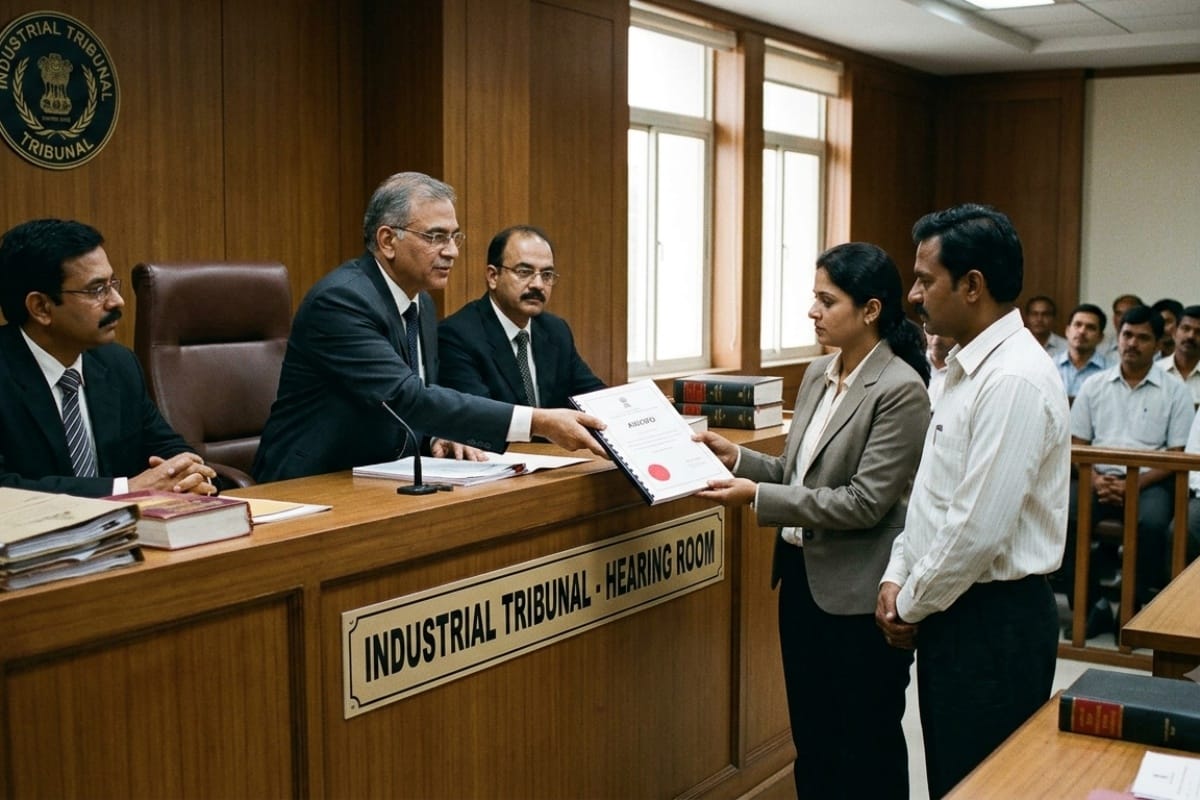
Deciding two connected writ petitions arising from a common Industrial Tribunal Award, the Delhi High Court set aside the Tribunal's direction granting hotel workmen a further…
Labour Laws
06/09/20264 min read
Update / Judgement Date
17 Oct 2025
Source
WCP News Bulletin
Author
Sakshi Bhardwaj — WCP Legal Desk
Reading Time
3 min read
The Supreme Court held that a temporary lull or suspension in business activities does not amount to cessation of business for the purpose of claiming deductions under Sections 37(1), 71, and 32(2) of the Income Tax Act, 1961. The Court ruled that a non-resident company may still be “carrying on business” in India even without a permanent establishment, provided its conduct reflects an intent to continue business operations. The judgment clarifies that business continuity can be inferred from efforts to obtain contracts and maintain commercial engagement, even during inactive periods.
Appellant: Pride Foramer S.A., a French company engaged in offshore oil drilling.
Facts:
Held a 10-year drilling contract with ONGC from 1983–1993.
No active drilling contract between 1993–1998 but maintained correspondence and bid submissions with ONGC, including a 1996 tender.
In 1999, secured a new drilling contract with ONGC.
Claimed business expenditure and set-off of unabsorbed depreciation during the interim period.
Dispute: The Assessing Officer and CIT (Appeals) disallowed the deductions, holding the company was not carrying on business in India during those years.
ITAT’s View: Reversed the disallowance, treating the period as a “temporary lull” and not cessation of business.
High Court’s View: Set aside ITAT’s order, holding absence of contracts or permanent establishment meant no business was being carried on in India.
Citation: 2025 INSC 1247
Case: Pride Foramer S.A. v. Commissioner of Income Tax & Anr.
Court: Supreme Court of India
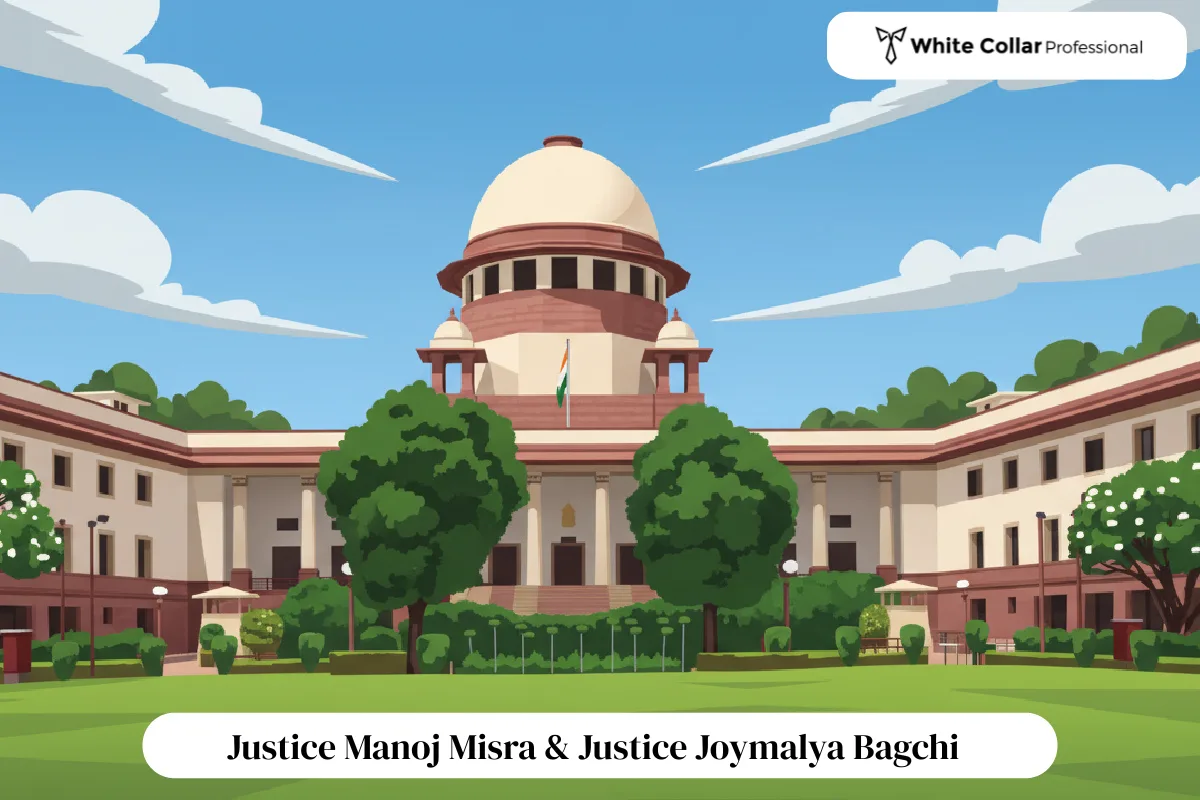
Coram: Justice Manoj Misra & Justice Joymalya Bagchi
Civil Appeal Nos.: 4395–4397 of 2010
Deciding two connected writ petitions arising from a common Industrial Tribunal Award, the Delhi High Court set aside the Tribunal's direction granting hotel workmen a further…
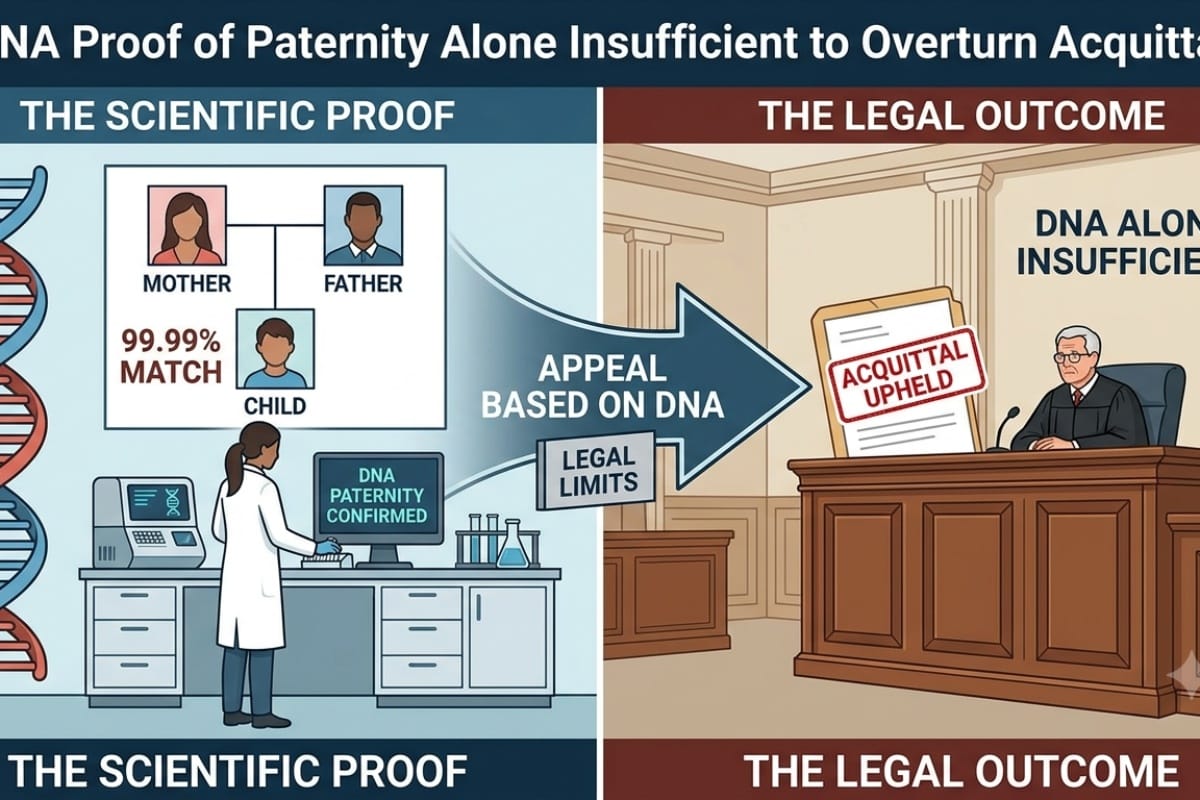
Headnote The Delhi High Court dismissed a prosecutrix's appeal against acquittal of the accused on charges under Sections 328/376 2 n /377/506/509 IPC, despite DNA evidence…
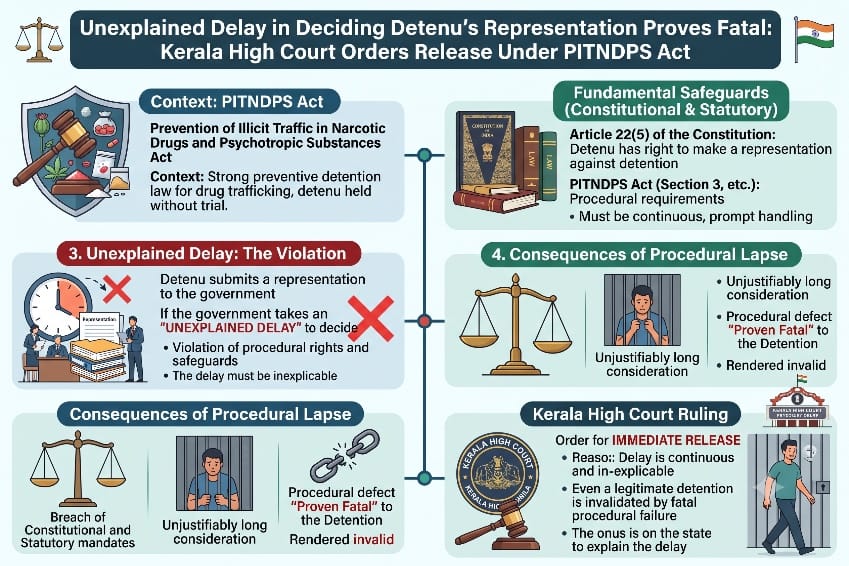
Fathimath Thasneem V.K. v. Union of India and Others | High Court of Kerala at Ernakulam | 3rd September, 2026 A habeas corpus writ petition by the wife of a detenu challenging…
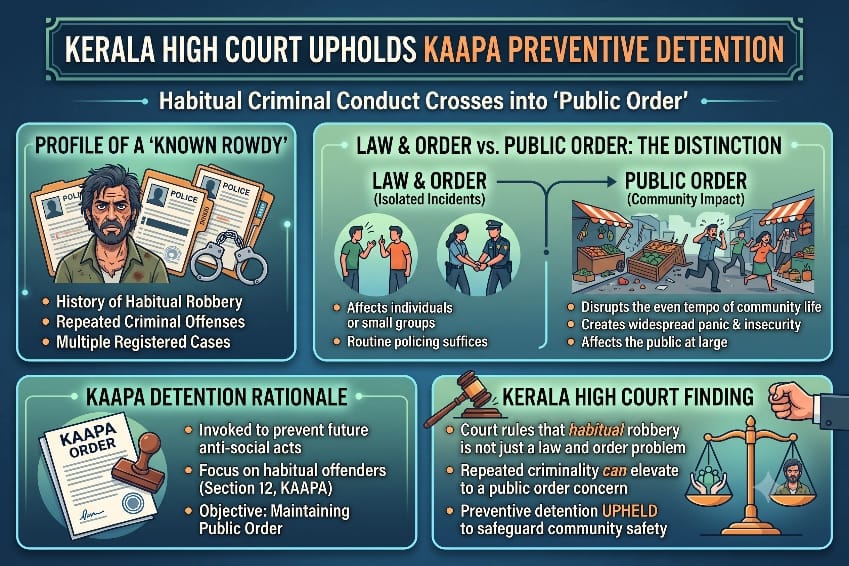
Thasmitha Abukutty v. State of Kerala and Others | High Court of Kerala at Ernakulam | 2nd September, 2026 A writ petition by the wife of a preventive detenu challenging a…
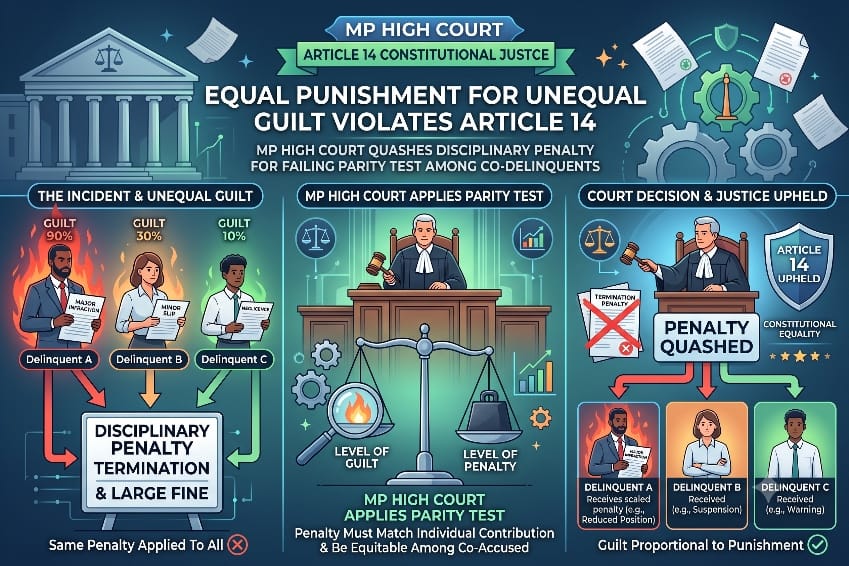
Brahm Kishore Dixit v. The State of Madhya Pradesh and Others | High Court of Madhya Pradesh, Gwalior | 1st September, 2026 A writ petition under Article 226 by a police Assistant…
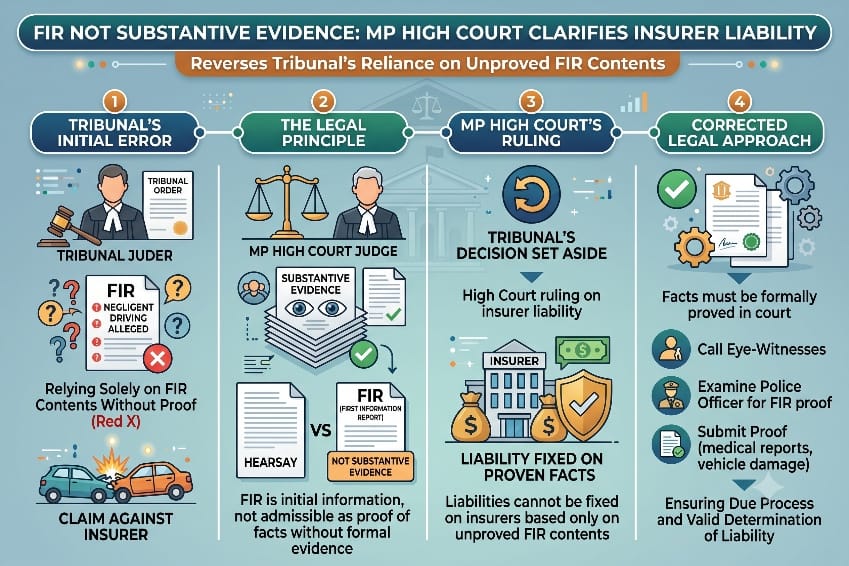
Anil Kumar Patel v. Smt. Munni Bai Barman and Others | High Court of Madhya Pradesh, Jabalpur | 1st September, 2026 A Motor Vehicle Act appeal under Section 173 1 against a Claims…
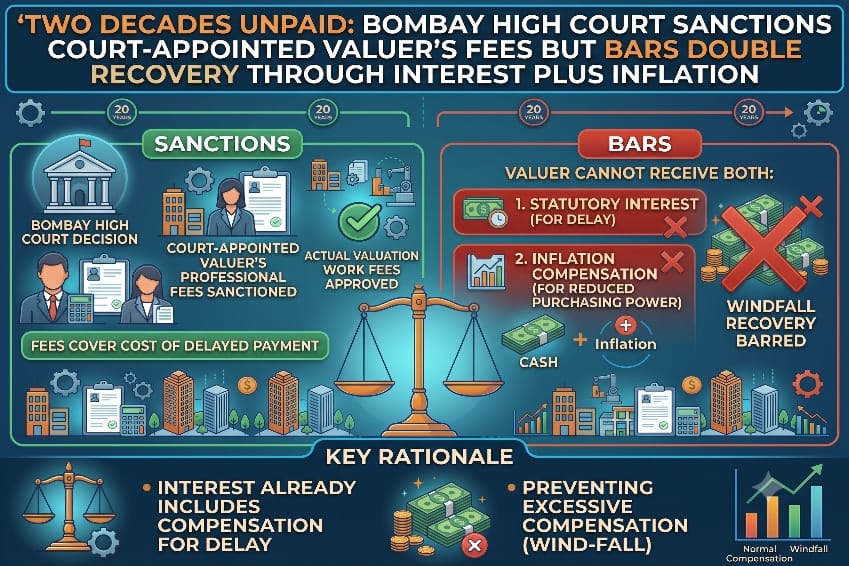
M/s. Kuber Mutual Benefits Ltd. & Ors. v. The State of Maharashtra & Ors. | High Court of Judicature at Bombay Appellate Side | 3rd September, 2026 A Court Receiver's Report…
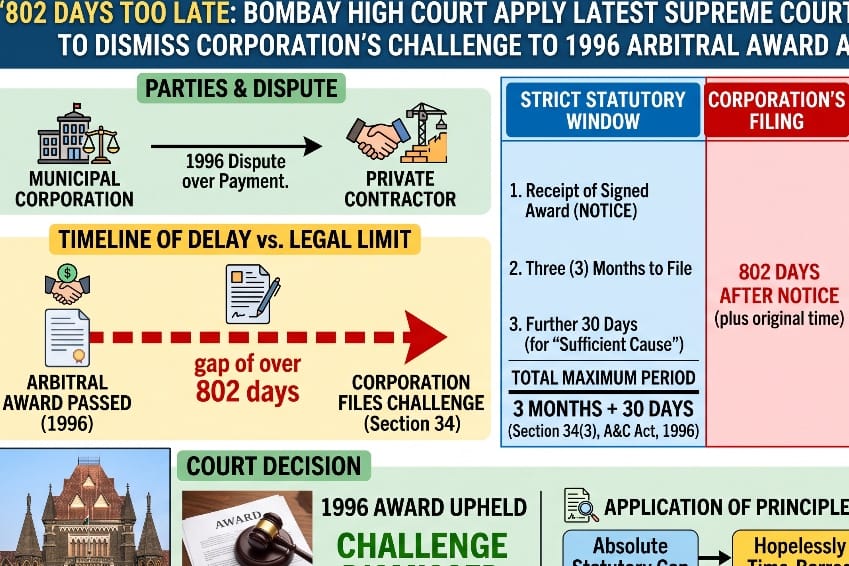
The Municipal Corporation of Greater Bombay v. M/s. Atul Raj Builders Pvt. Ltd. | High Court of Judicature at Bombay Ordinary Original Civil Jurisdiction | 3rd September, 2026 A…
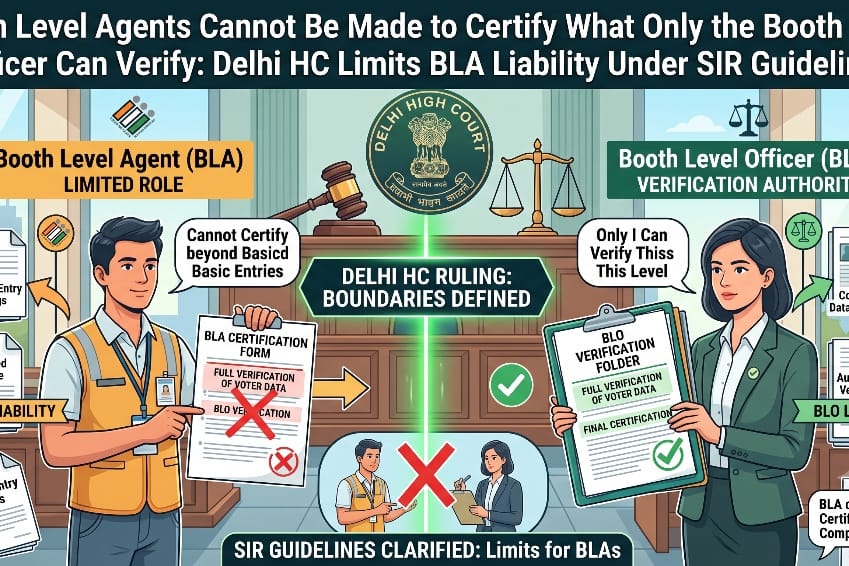
Devender Yadav & Anr. v. Election Commission of India & Anr. | High Court of Delhi Single Judge | Decided on: 03.09.2026 In a challenge to the Election Commission of India's…
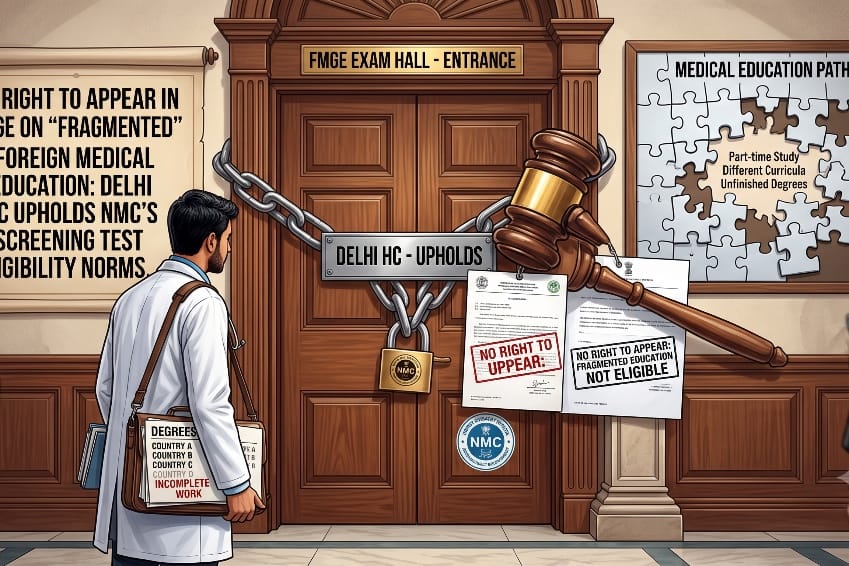
Brij Sharadbhai Bhatt & Ors. v. National Medical Commission & Ors. | High Court of Delhi Division Bench | Decided on: 03.09.2026 The Delhi High Court dismissed a challenge by…