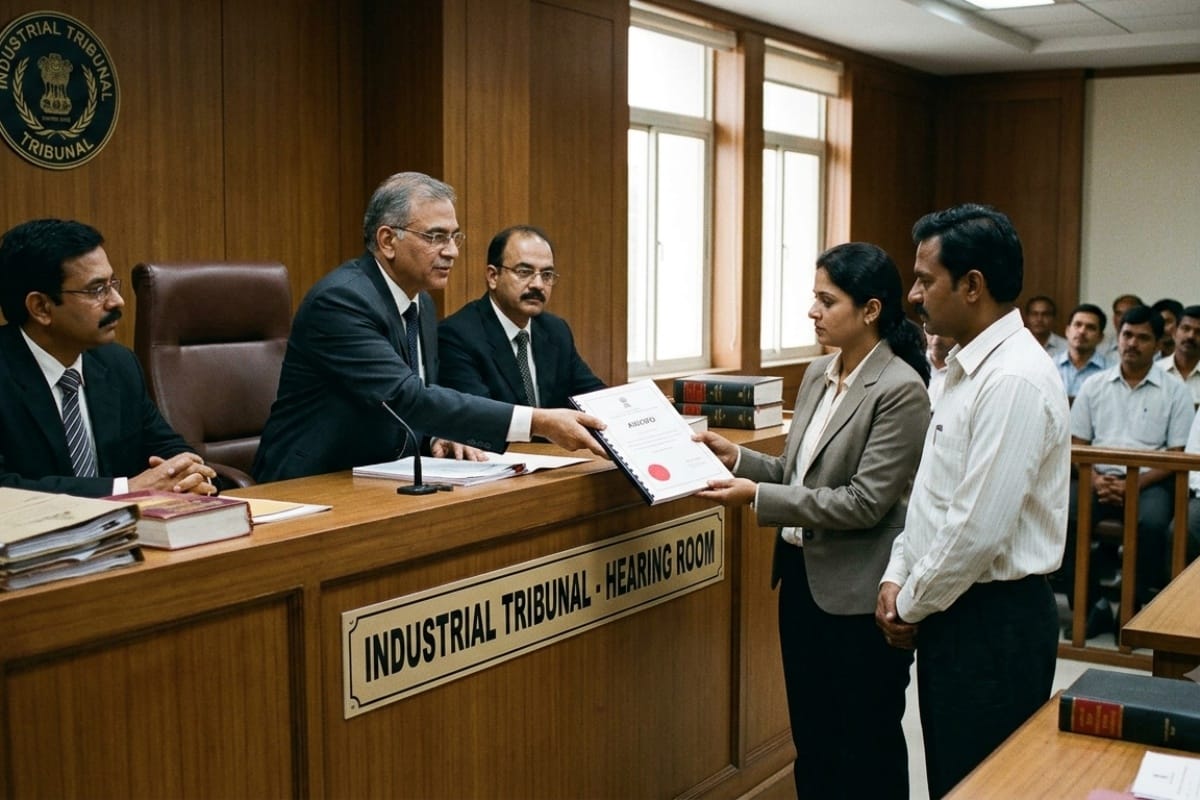
Deciding two connected writ petitions arising from a common Industrial Tribunal Award, the Delhi High Court set aside the Tribunal's direction granting hotel workmen a further…
Labour Laws
06/09/20264 min read
Update / Judgement Date
06 Nov 2025
Source
WCP News Bulletin
Author
Sakshi Bhardwaj — WCP Legal Desk
Reading Time
4 min read
The Supreme Court held that informing an arrested person of the grounds of arrest is a constitutional and statutory safeguard under Article 22(1) of the Constitution and Section 47 of the Bharatiya Nagarik Suraksha Sanhita, 2023 (BNSS) (earlier Section 50 CrPC). While oral communication may suffice in ordinary offences, a written copy of the grounds of arrest must be furnished in cases under special statutes such as the PMLA and UAPA.
In the present case, non-furnishing of a written copy of the arrest grounds vitiated the arrest, and the Court declared the custody and remand proceedings invalid.
• The appellant, Mihir Rajesh Shah, was arrested on 09 July 2024 in connection with a fatal accident (FIR No. 378/2024, Worli Police Station, Mumbai) involving rash and negligent driving.
• He contended that his arrest was illegal as the police failed to communicate the grounds of arrest in writing, violating Article 22(1) and Section 47 BNSS 2023.
• The Bombay High Court acknowledged that written grounds were not furnished but upheld the arrest, noting that the appellant had absconded.
• The appellant approached the Supreme Court challenging the legality of the arrest on the basis of violation of procedural safeguards.
• The Court emphasized that Article 22(1) guarantees that an arrested person must be informed “as soon as may be” of the grounds of arrest and be allowed to consult a lawyer.
• Section 47 BNSS 2023 (replacing Section 50 CrPC) obligates the arresting officer to communicate the “full particulars of the offence or other grounds for arrest.”
• Referring to earlier precedents—
– Pankaj Bansal v. Union of India, where the Court mandated furnishing written grounds of arrest under the PMLA, and
– Vihaan Kumar v. State of Haryana, which held that oral communication may suffice in ordinary cases—
the Court harmonized the law.
Key Principles Laid Down:
• The Supreme Court found that Mihir Shah was not provided with a written copy of the grounds of arrest.
• This amounted to violation of Article 22(1) and Section 47 BNSS 2023, thereby vitiating the arrest.
• The Court quashed the arrest and held that subsequent remand and custody proceedings were invalid.
• It directed that the appellant be released forthwith, unless required in connection with any other case.
• Article 22(1), Constitution of India – Protection of personal liberty and right to be informed of grounds of arrest.
• Section 47, Bharatiya Nagarik Suraksha Sanhita, 2023 (BNSS) – Duty of police officer to communicate grounds of arrest.
• Section 19, Prevention of Money Laundering Act, 2002 (PMLA) – Grounds of arrest to be furnished in writing.
• Relevant Case Law:
– Pankaj Bansal v. Union of India (2023)
– Vihaan Kumar v. State of Haryana (2024)
Significance• This ruling reaffirms constitutional safeguards against arbitrary arrest.
• Establishes a clear distinction between ordinary criminal cases and special statutes regarding written grounds of arrest.
• Strengthens procedural accountability for investigating agencies.
• Serves as binding precedent ensuring written communication of arrest grounds in cases under statutes with stricter consequences.
Citation: 2025 INSC 1288
Case: Mihir Rajesh Shah v. State of Maharashtra & Anr.
Court: Supreme Court of India
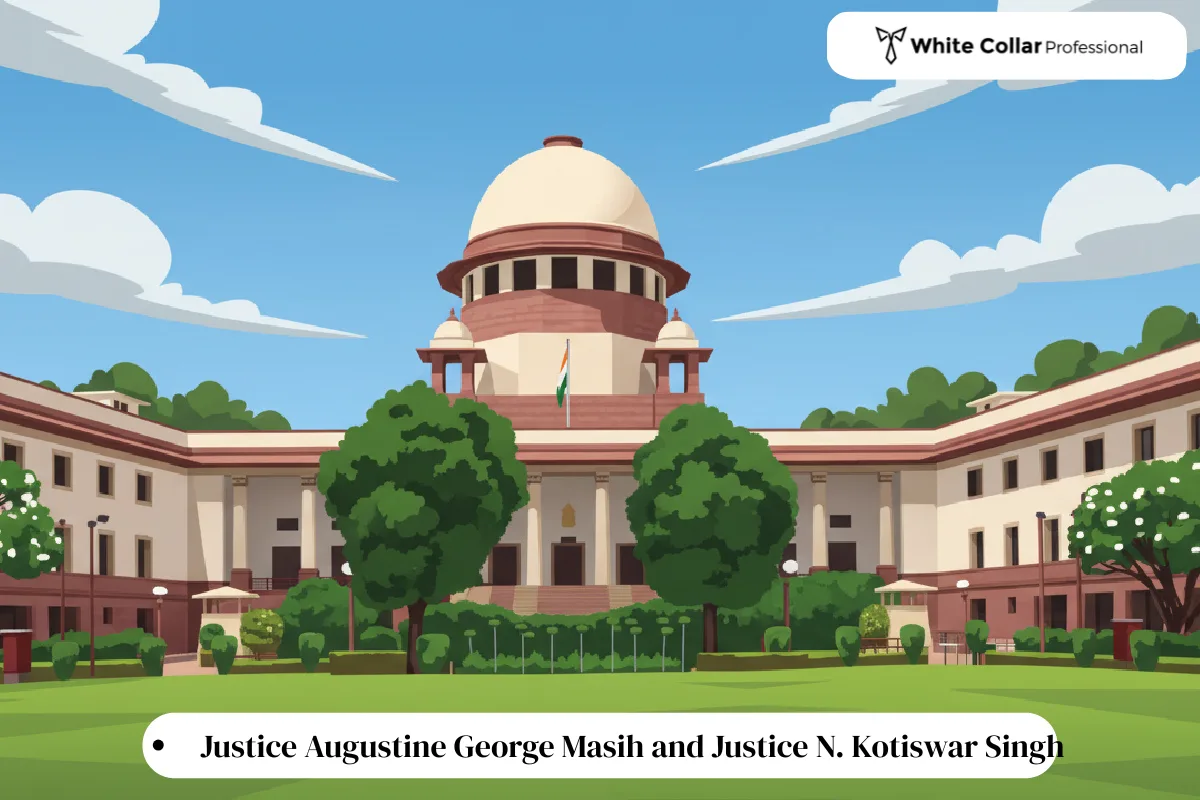
Coram: Justice Augustine George Masih and Justice N. Kotiswar Singh
Date of Decision: 06 November 2025
Criminal Appeal Nos.: 2195, 2189, 2190 of 2025 & SLP (Crl.) No. 8704 of 2025
Deciding two connected writ petitions arising from a common Industrial Tribunal Award, the Delhi High Court set aside the Tribunal's direction granting hotel workmen a further…

Headnote The Delhi High Court dismissed a prosecutrix's appeal against acquittal of the accused on charges under Sections 328/376 2 n /377/506/509 IPC, despite DNA evidence…
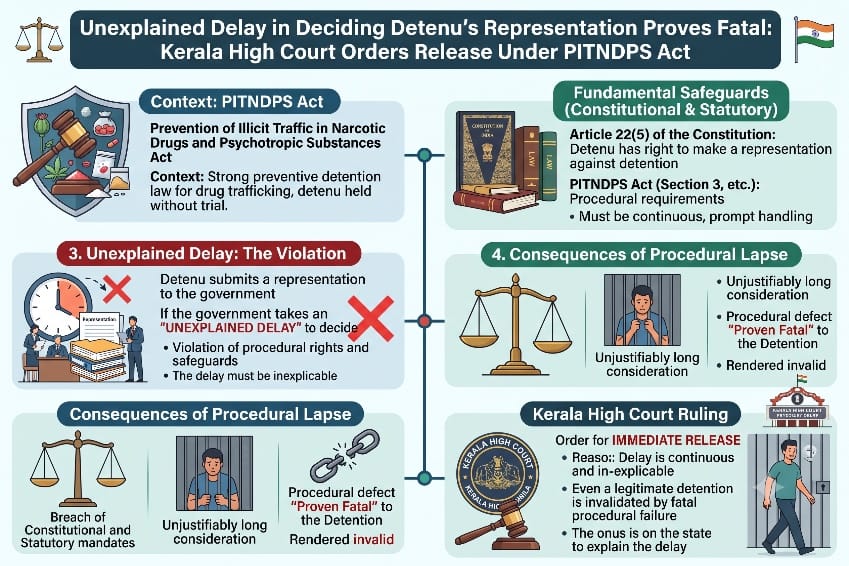
Fathimath Thasneem V.K. v. Union of India and Others | High Court of Kerala at Ernakulam | 3rd September, 2026 A habeas corpus writ petition by the wife of a detenu challenging…
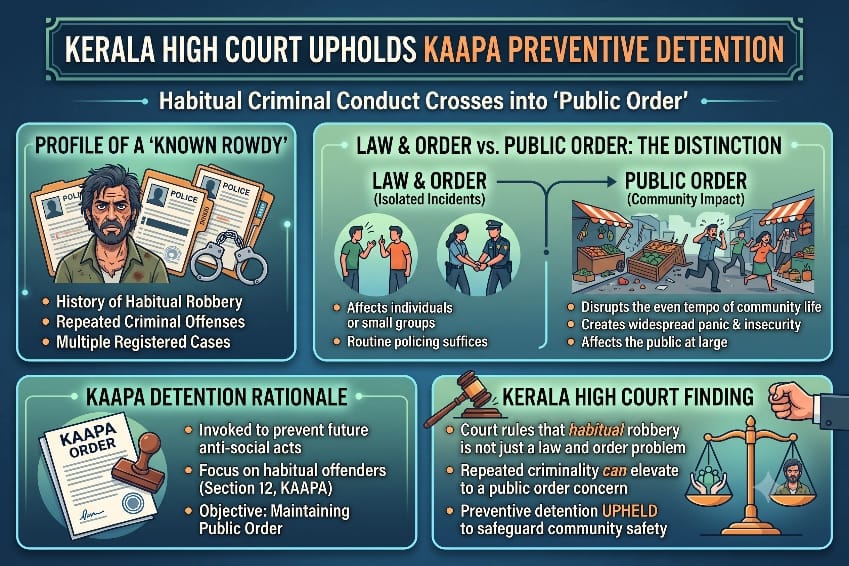
Thasmitha Abukutty v. State of Kerala and Others | High Court of Kerala at Ernakulam | 2nd September, 2026 A writ petition by the wife of a preventive detenu challenging a…
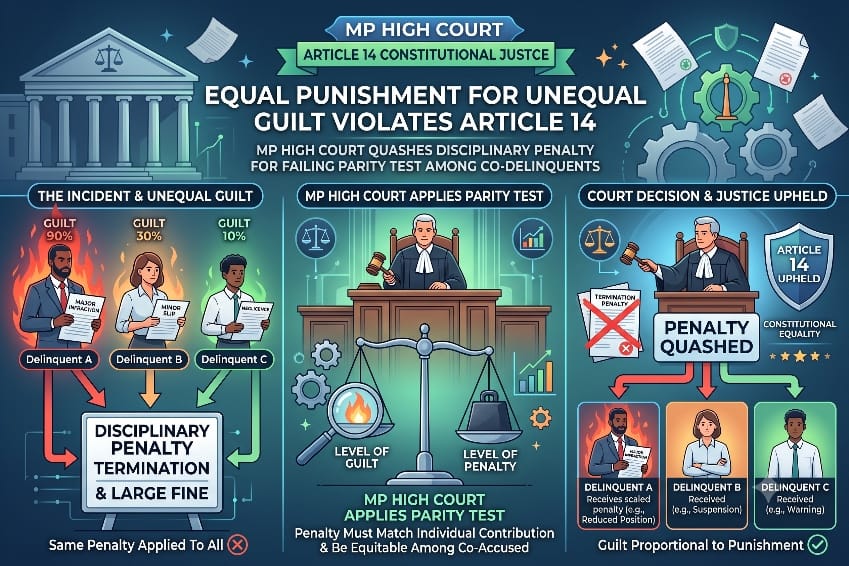
Brahm Kishore Dixit v. The State of Madhya Pradesh and Others | High Court of Madhya Pradesh, Gwalior | 1st September, 2026 A writ petition under Article 226 by a police Assistant…
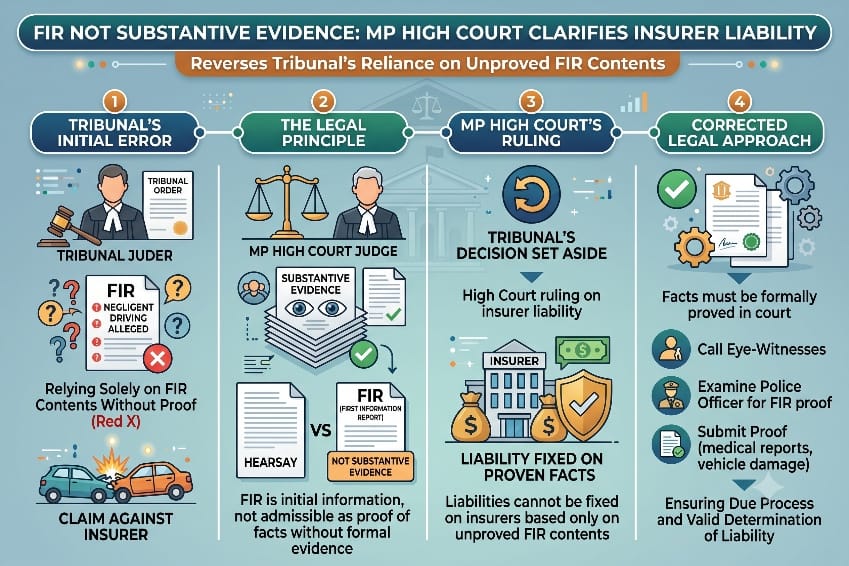
Anil Kumar Patel v. Smt. Munni Bai Barman and Others | High Court of Madhya Pradesh, Jabalpur | 1st September, 2026 A Motor Vehicle Act appeal under Section 173 1 against a Claims…
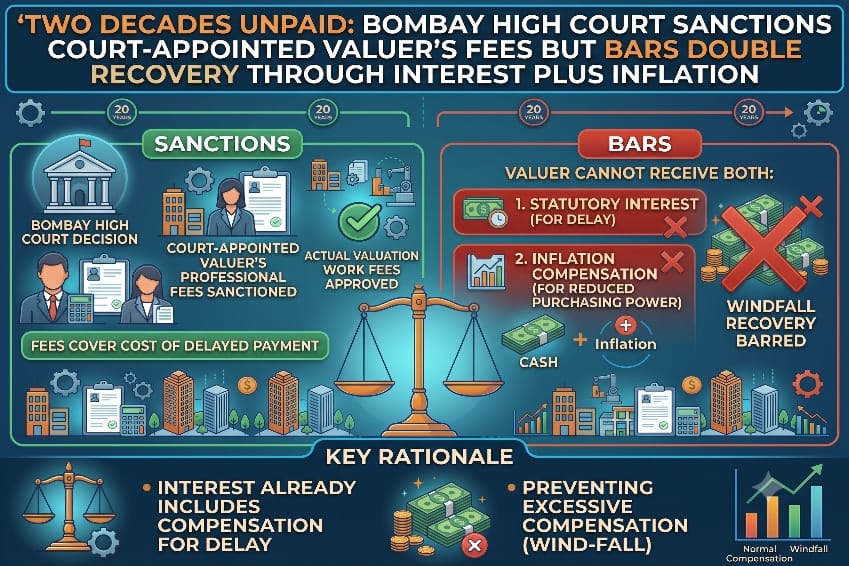
M/s. Kuber Mutual Benefits Ltd. & Ors. v. The State of Maharashtra & Ors. | High Court of Judicature at Bombay Appellate Side | 3rd September, 2026 A Court Receiver's Report…
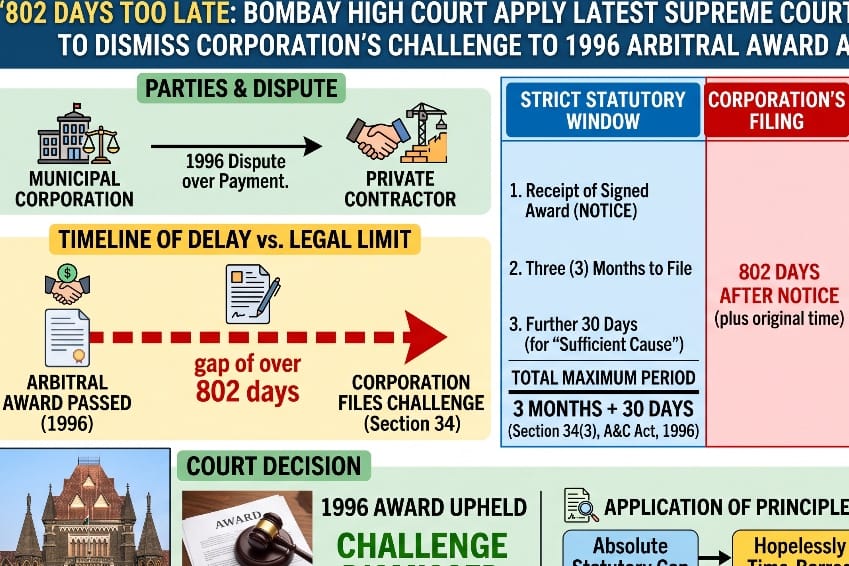
The Municipal Corporation of Greater Bombay v. M/s. Atul Raj Builders Pvt. Ltd. | High Court of Judicature at Bombay Ordinary Original Civil Jurisdiction | 3rd September, 2026 A…
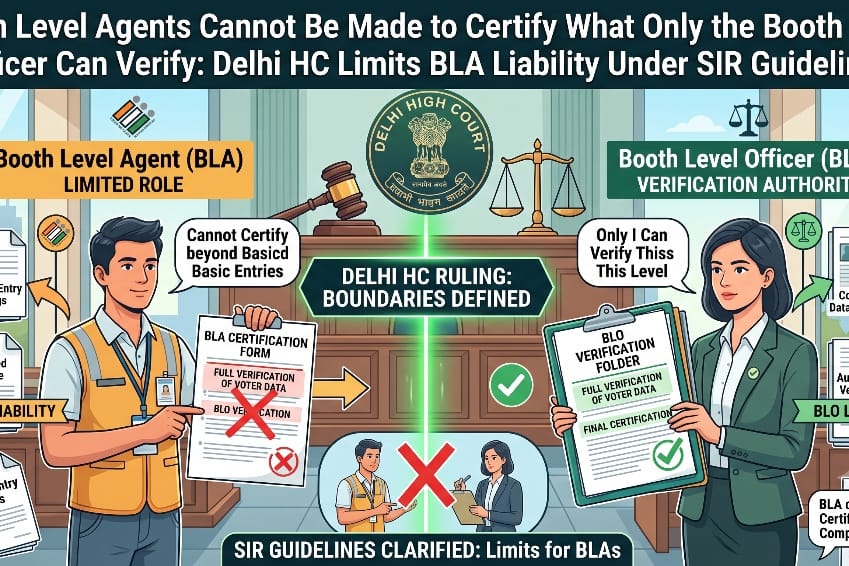
Devender Yadav & Anr. v. Election Commission of India & Anr. | High Court of Delhi Single Judge | Decided on: 03.09.2026 In a challenge to the Election Commission of India's…
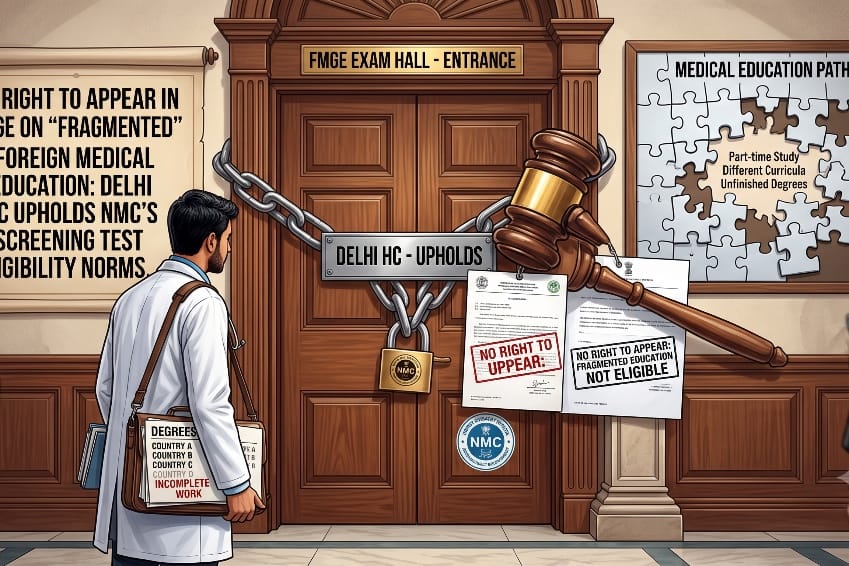
Brij Sharadbhai Bhatt & Ors. v. National Medical Commission & Ors. | High Court of Delhi Division Bench | Decided on: 03.09.2026 The Delhi High Court dismissed a challenge by…