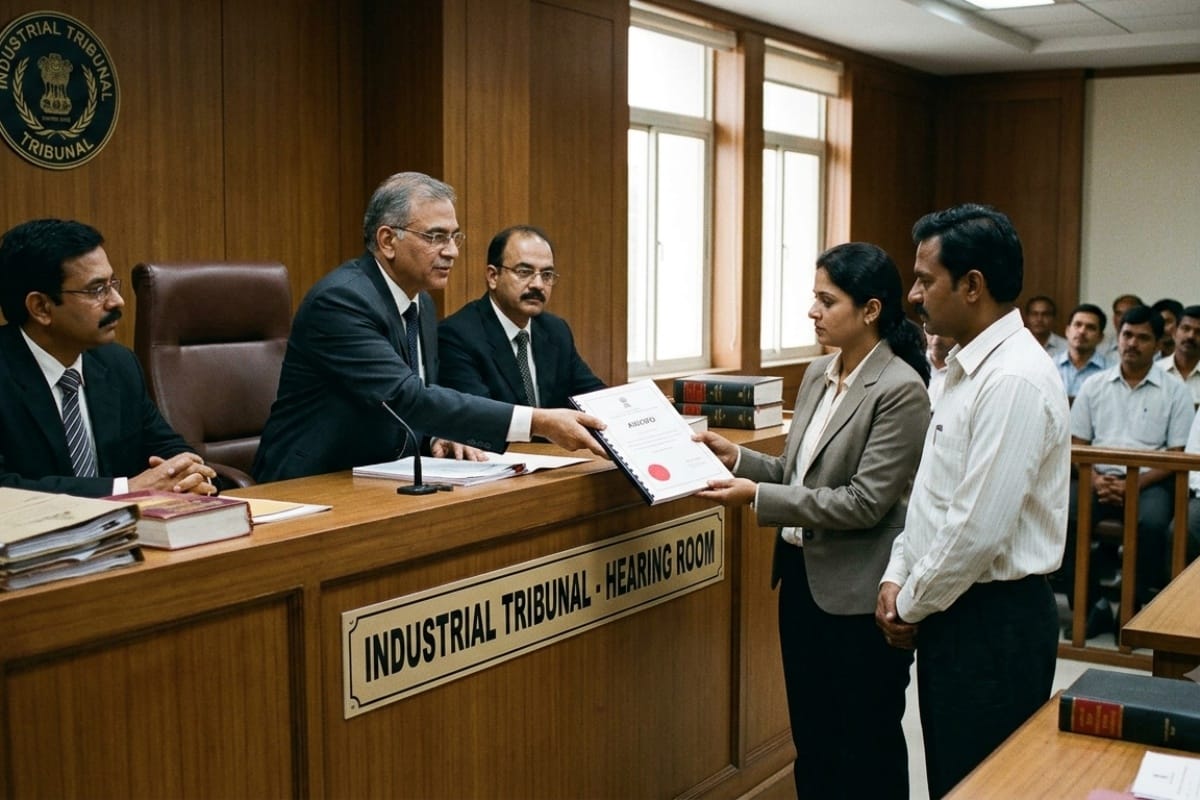
Deciding two connected writ petitions arising from a common Industrial Tribunal Award, the Delhi High Court set aside the Tribunal's direction granting hotel workmen a further…
Labour Laws
06/09/20264 min read
Update / Judgement Date
30 Nov 2025
Source
WCP News Bulletin
Author
Sakshi Bhardwaj — WCP Legal Desk
Reading Time
3 min read
The Supreme Court set aside the conviction of three accused in a 2016 murder case after finding that their examination under Section 313 CrPC was conducted in a vague, defective, and perfunctory manner. The Court held that the Trial Court failed to put all material incriminating circumstances to the accused, thereby causing serious prejudice. Since proper compliance with Section 313 is mandatory and central to a fair trial, the case was remitted to the Trial Court to redo proceedings from the stage of Section 313 within four months. Convictions of the remaining co-accused were left undisturbed.
• Six persons were convicted in Sessions Trial No. 256/2016 for offences under Sections 302/34, 448, and 323/34 IPC relating to the murder of Ghughali Pasi on 31 March 2016.
• The Patna High Court affirmed the conviction and sentence.
• Only three accused—Chandan Pasi, Pappu Pasi, and Gidik Pasi—approached the Supreme Court.
• At the stage of issuing notice, the Court limited the scope of appeal to examining whether there was proper compliance with Section 313 CrPC.
• The appellants argued that their Section 313 statements were almost identical, lacked specificity, and failed to put crucial evidence and circumstances to them.
• Section 313 CrPC is not a mere procedural ritual—it establishes a direct dialogue between the court and the accused and ensures fairness.
• Every material incriminating circumstance appearing in evidence must be put to the accused; otherwise, such circumstances cannot be used against him.
• The Trial Court asked only two generic questions, failing to present specific details such as weapon use, individual roles, medical evidence, or witness statements.
• The statements of all three accused were carbon copies, showing clear non-application of mind.
• Prosecution also failed to assist the court in ensuring proper compliance with Section 313.
• Such defective examination caused real prejudice, vitiating the conviction.
• Conviction and sentence of the three appellants were set aside.
• The matter was remanded to the Trial Court to recommence proceedings from the stage of Section 313 CrPC.
• The Trial Court must complete this exercise within four months of receiving the judgment.
• Findings are restricted only to the three appellants; the conviction of the remaining accused remains undisturbed.
• Section 313, Code of Criminal Procedure, 1973 — Examination of accused.
• Sections 302/34, 448, 323/34 IPC — Murder with common intention, house trespass, and simple hurt.
• Article 136, Constitution of India — Special leave jurisdiction.
• Precedents discussed:
– Sanatan Naskar v. State of West Bengal (2010)
– Raj Kumar v. State (NCT of Delhi) (2023)
– Indrakunwar v. State of Chhattisgarh (2023)
– Aejaz Ahmad Sheikh v. State of UP (2025)
Citation: 2025 INSC 1371
Case: Chandan Pasi & Ors. v. State of Bihar
Court: Supreme Court of India
Date of Decision: 1 December 2025
Criminal Appeal Nos.: 3965–3967 of 2024 (arising out of SLP (Crl.) Nos. 7736–7738 of 2023)
Deciding two connected writ petitions arising from a common Industrial Tribunal Award, the Delhi High Court set aside the Tribunal's direction granting hotel workmen a further…
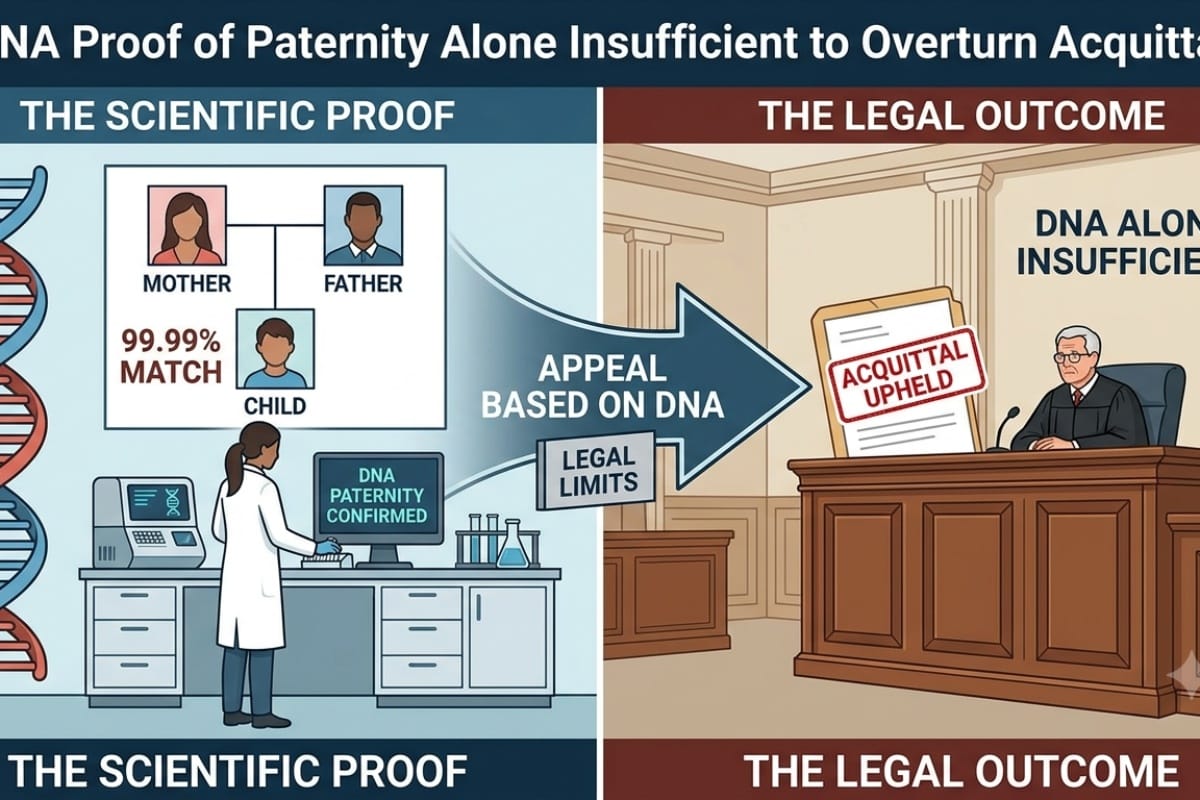
Headnote The Delhi High Court dismissed a prosecutrix's appeal against acquittal of the accused on charges under Sections 328/376 2 n /377/506/509 IPC, despite DNA evidence…
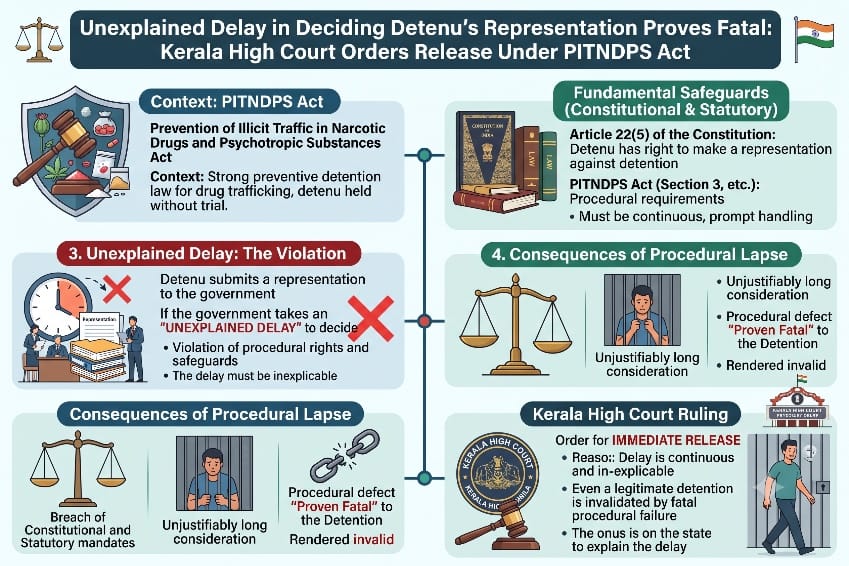
Fathimath Thasneem V.K. v. Union of India and Others | High Court of Kerala at Ernakulam | 3rd September, 2026 A habeas corpus writ petition by the wife of a detenu challenging…
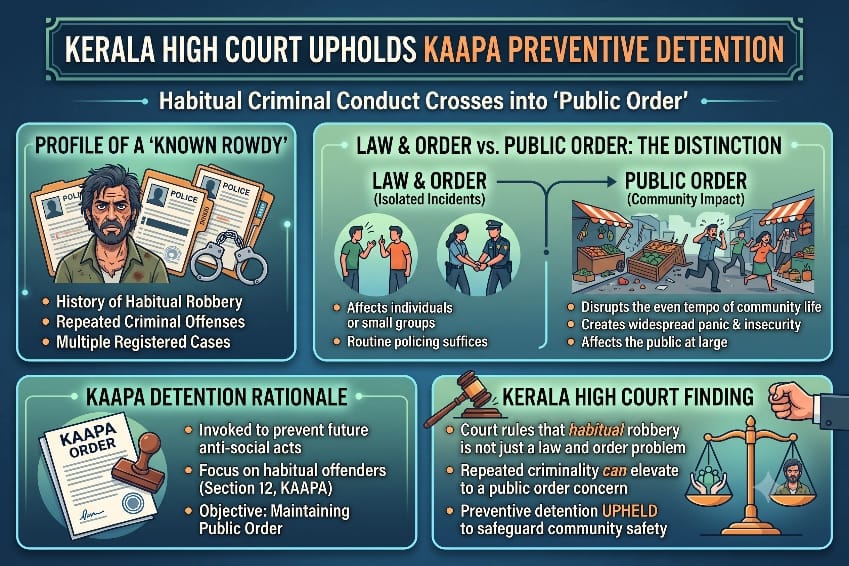
Thasmitha Abukutty v. State of Kerala and Others | High Court of Kerala at Ernakulam | 2nd September, 2026 A writ petition by the wife of a preventive detenu challenging a…
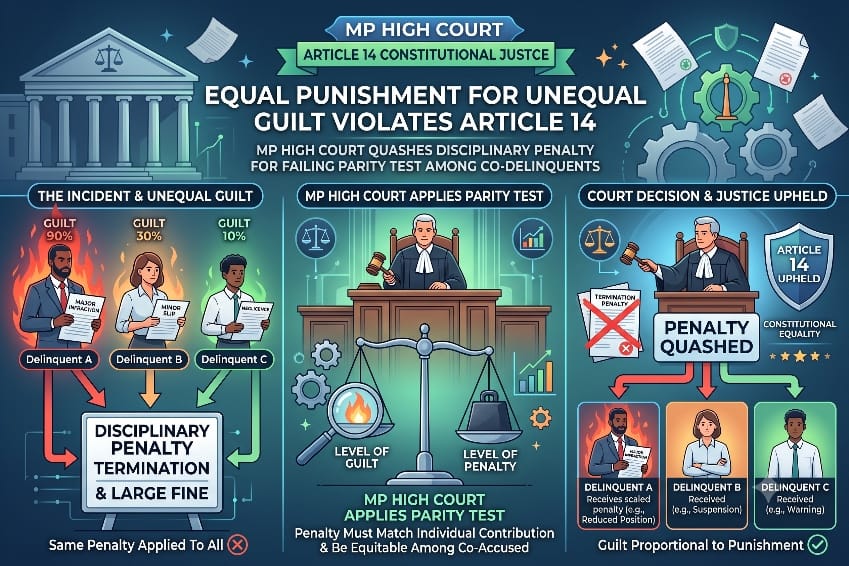
Brahm Kishore Dixit v. The State of Madhya Pradesh and Others | High Court of Madhya Pradesh, Gwalior | 1st September, 2026 A writ petition under Article 226 by a police Assistant…
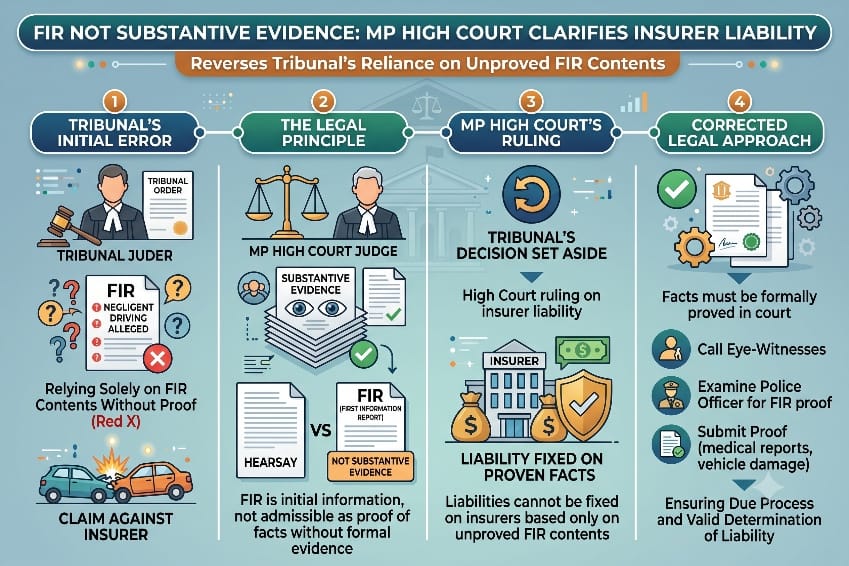
Anil Kumar Patel v. Smt. Munni Bai Barman and Others | High Court of Madhya Pradesh, Jabalpur | 1st September, 2026 A Motor Vehicle Act appeal under Section 173 1 against a Claims…
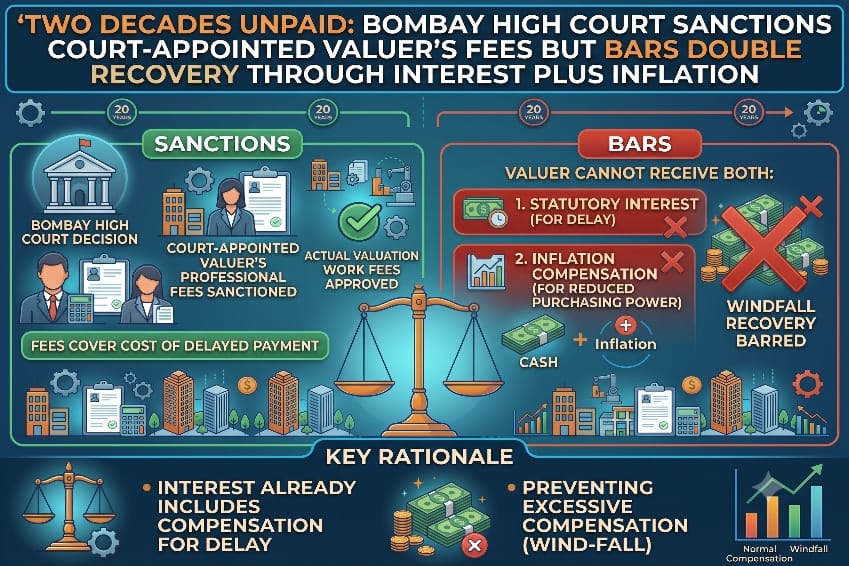
M/s. Kuber Mutual Benefits Ltd. & Ors. v. The State of Maharashtra & Ors. | High Court of Judicature at Bombay Appellate Side | 3rd September, 2026 A Court Receiver's Report…
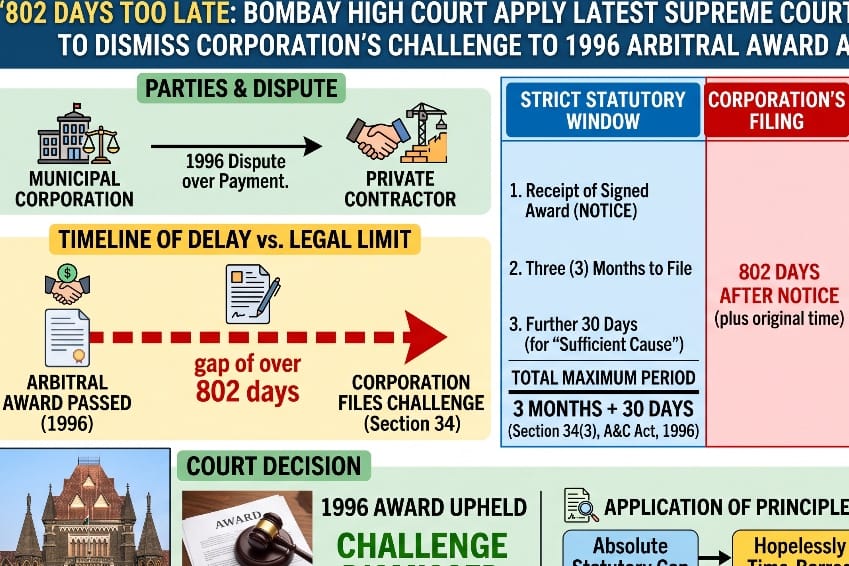
The Municipal Corporation of Greater Bombay v. M/s. Atul Raj Builders Pvt. Ltd. | High Court of Judicature at Bombay Ordinary Original Civil Jurisdiction | 3rd September, 2026 A…
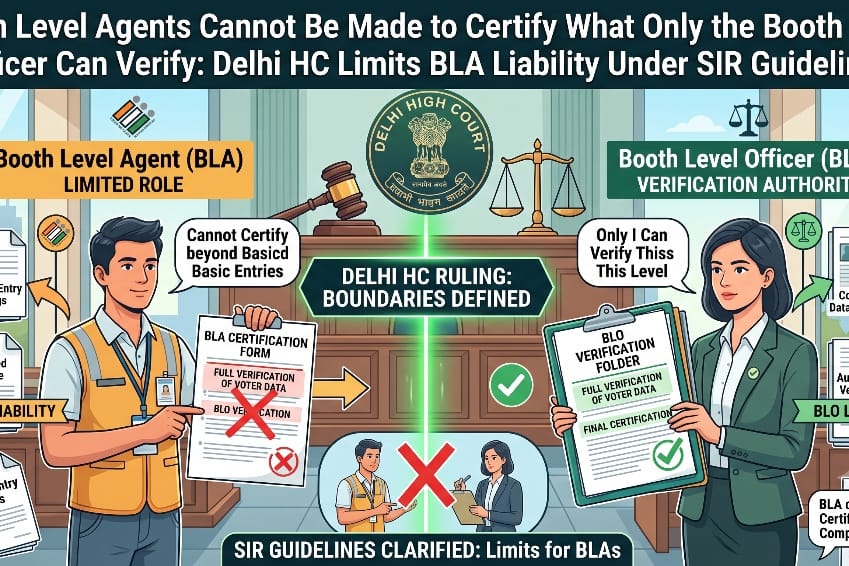
Devender Yadav & Anr. v. Election Commission of India & Anr. | High Court of Delhi Single Judge | Decided on: 03.09.2026 In a challenge to the Election Commission of India's…
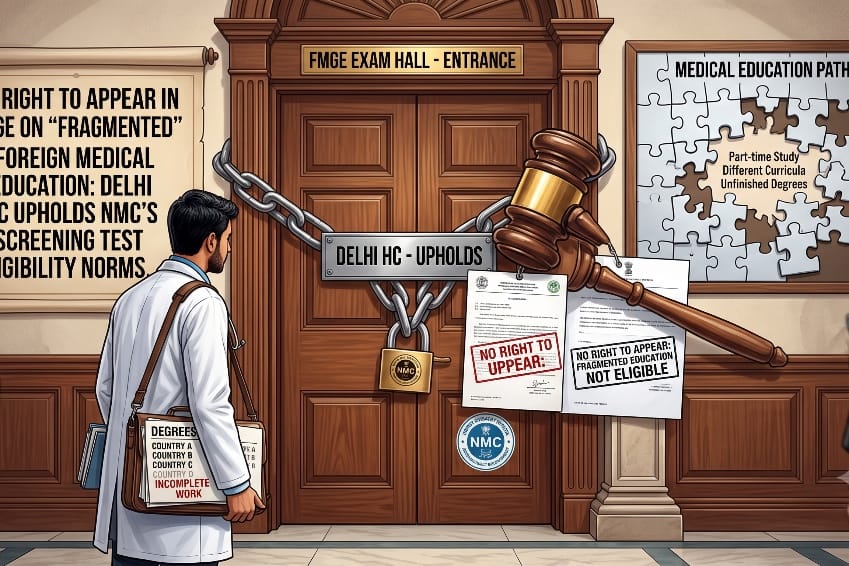
Brij Sharadbhai Bhatt & Ors. v. National Medical Commission & Ors. | High Court of Delhi Division Bench | Decided on: 03.09.2026 The Delhi High Court dismissed a challenge by…