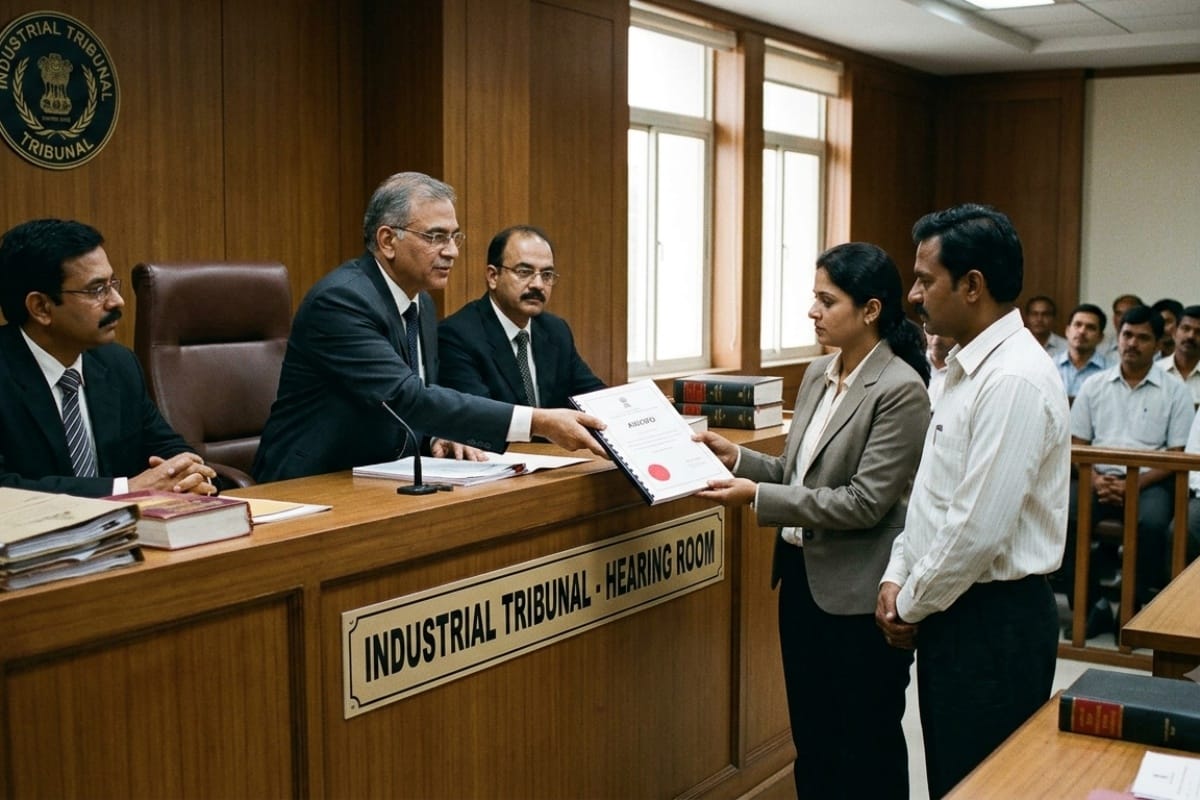
Deciding two connected writ petitions arising from a common Industrial Tribunal Award, the Delhi High Court set aside the Tribunal's direction granting hotel workmen a further…
Labour Laws
06/09/20264 min read
Update / Judgement Date
27 Oct 2025
Source
WCP News Bulletin
Author
Sakshi Bhardwaj — WCP Legal Desk
Reading Time
3 min read
Headnote:
The Supreme Court restored the order of the Central Administrative Tribunal (CAT) which had set aside the dismissal of a Travelling Ticket Examiner (TTE) on grounds of lack of evidence and violation of natural justice. The Court held that when the findings of a departmental enquiry are perverse and unsupported by evidence, judicial review is justified. The High Court erred in reversing the well-reasoned decision of the CAT.
Background:
• The appellant was serving as a TTE in Central Railway, Nagpur. On 31.05.1988, a vigilance check led to allegations of demanding illegal gratification from passengers, possessing excess undeclared cash, failing to recover fare difference, and forging a duty card pass.
• A charge sheet was issued on 03.07.1989 under the Railway Services (Conduct) Rules, 1966, and after enquiry, he was dismissed from service on 07.06.1996.
• The CAT, Mumbai Bench, set aside the dismissal on 21.03.2002, holding that the charges were unproved and directing reinstatement with all consequential benefits.
• The Bombay High Court (Nagpur Bench), by judgment dated 21.09.2017, reversed the CAT’s order and upheld the dismissal.
• During pendency of proceedings, the appellant died, and his legal heirs pursued the matter before the Supreme Court.
Court’s Observations:
• The main complainant, Hemant Kumar, whose statement formed the basis of the bribery charge, was never examined, depriving the appellant of cross-examination and violating fair hearing principles.
• Other passengers, Dinesh Choudhary and Rajkumar Jaiswal, did not support the bribery allegation, and their statements were misinterpreted.
• Possession of ₹1254/- was not misconduct since no rule prescribed a cash limit for TTEs, and the amount was duly deposited in Railway Sundry Accounts.
• The charge of failing to recover ₹18/- from a passenger was unsubstantiated; relevant receipts and witnesses were not produced.
• The forgery charge relating to the duty card pass remained unproved as no handwriting expert opinion was obtained.
• CAT was justified in finding that the enquiry findings were perverse and unsupported by evidence.
• The High Court failed to recognize that judicial review can be exercised when disciplinary findings are based on no evidence.
Legal Provisions Discussed:
• Rule 3(1)(i) & (ii), Railway Services (Conduct) Rules, 1966 – Integrity and devotion to duty.
• Principles of Natural Justice – Right to fair hearing and cross-examination.
• Article 226, Constitution of India – Scope of judicial review.
The Supreme Court set aside the High Court’s judgment and restored the CAT’s order quashing the dismissal of the appellant. Considering that the incident dated back to 1988 and the appellant had passed away, the Court directed that all consequential monetary and pensionary benefits be released in favour of his legal heirs within three months.
Citation: 2025 INSC 1257
Case: V.M. Saudagar (Dead) through Legal Heirs v. The Divisional Commercial Manager, Central Railway & Anr.
Court: Supreme Court of India
Coram: Justice Sanjay Karol & Justice Prashant Kumar Mishra
Civil Appeal No.: 13017 of 2025 (Arising out of S.L.P. (Civil) No. 30819 of 2025) [@ Diary No. 19424 of 2019]
Deciding two connected writ petitions arising from a common Industrial Tribunal Award, the Delhi High Court set aside the Tribunal's direction granting hotel workmen a further…
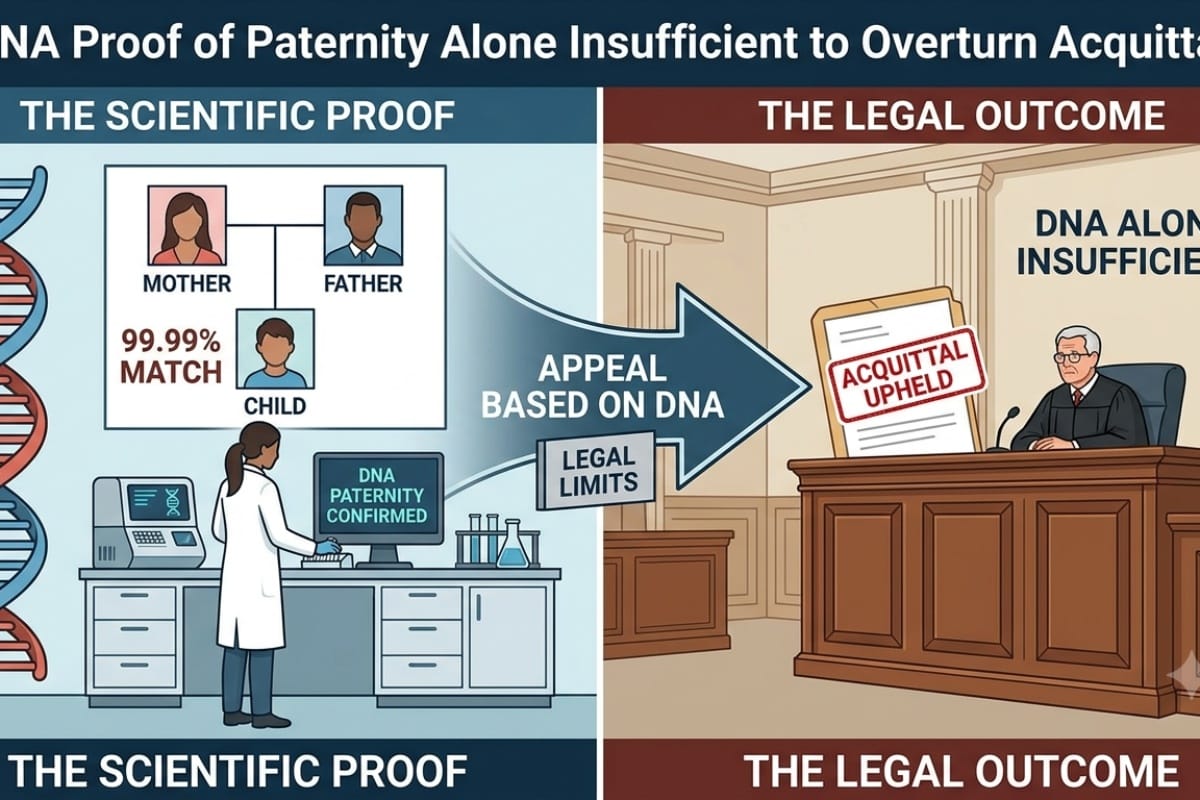
Headnote The Delhi High Court dismissed a prosecutrix's appeal against acquittal of the accused on charges under Sections 328/376 2 n /377/506/509 IPC, despite DNA evidence…
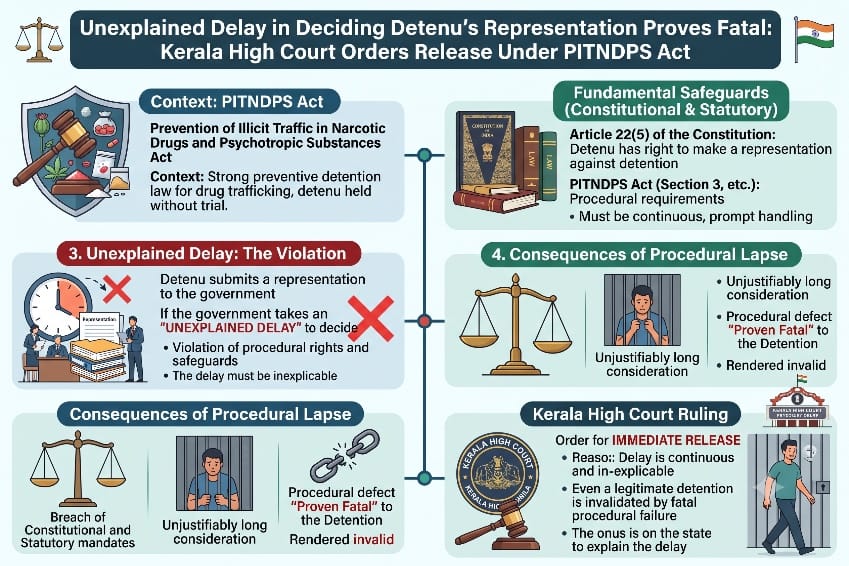
Fathimath Thasneem V.K. v. Union of India and Others | High Court of Kerala at Ernakulam | 3rd September, 2026 A habeas corpus writ petition by the wife of a detenu challenging…
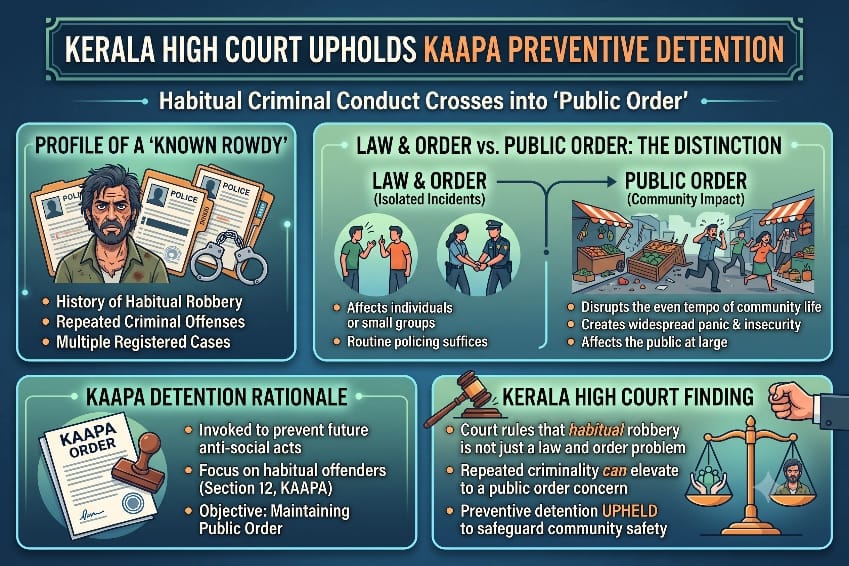
Thasmitha Abukutty v. State of Kerala and Others | High Court of Kerala at Ernakulam | 2nd September, 2026 A writ petition by the wife of a preventive detenu challenging a…
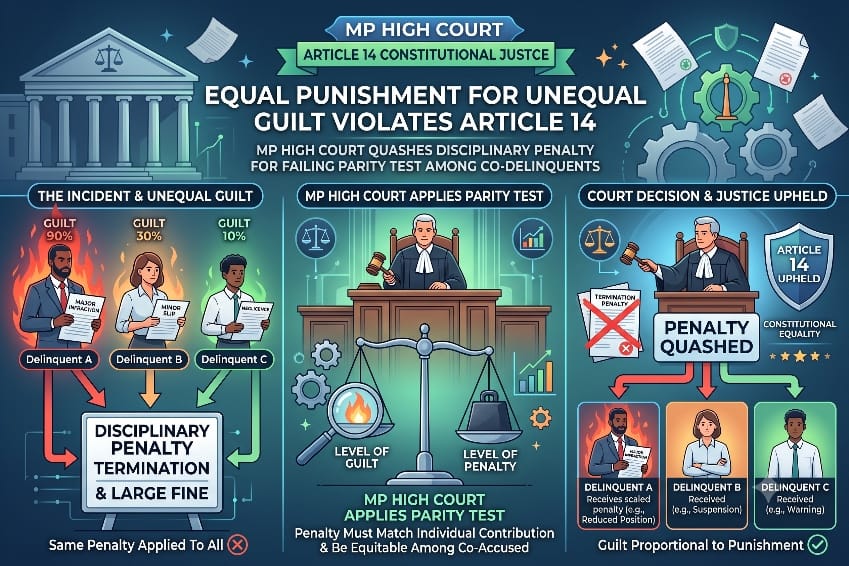
Brahm Kishore Dixit v. The State of Madhya Pradesh and Others | High Court of Madhya Pradesh, Gwalior | 1st September, 2026 A writ petition under Article 226 by a police Assistant…
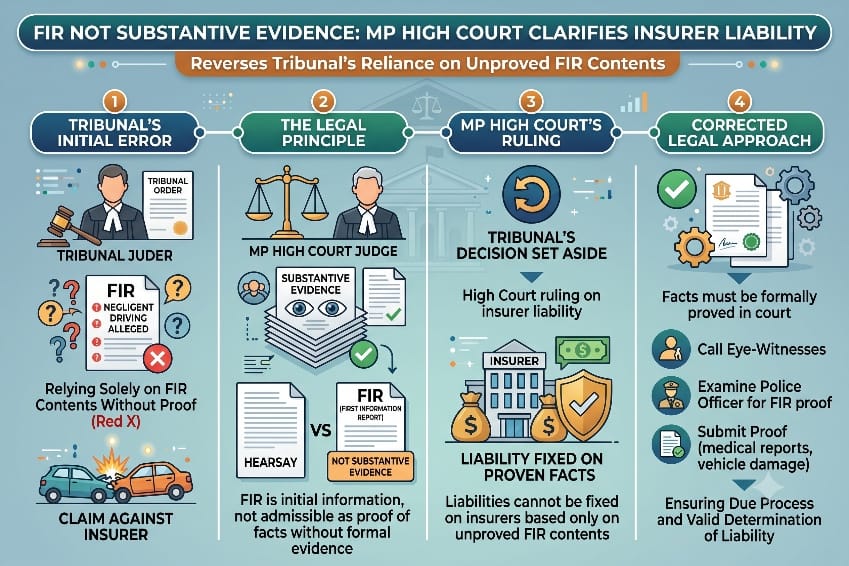
Anil Kumar Patel v. Smt. Munni Bai Barman and Others | High Court of Madhya Pradesh, Jabalpur | 1st September, 2026 A Motor Vehicle Act appeal under Section 173 1 against a Claims…
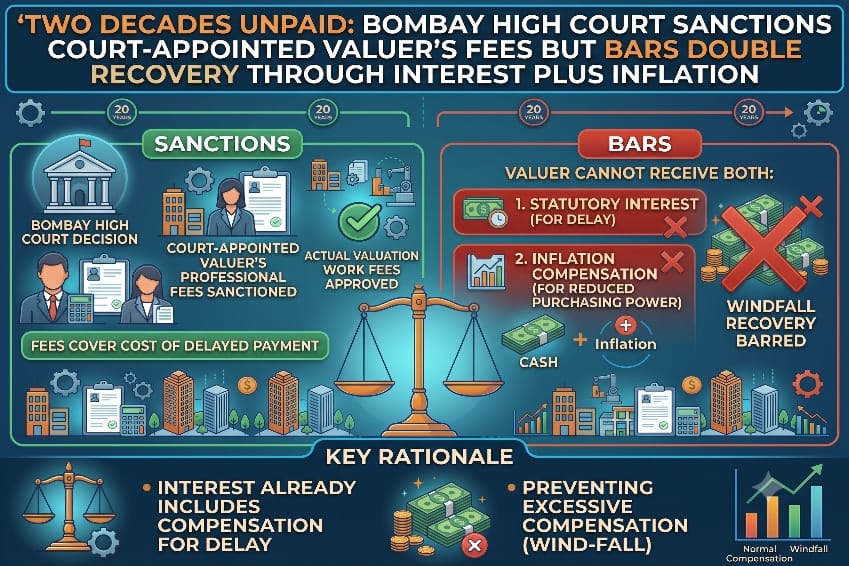
M/s. Kuber Mutual Benefits Ltd. & Ors. v. The State of Maharashtra & Ors. | High Court of Judicature at Bombay Appellate Side | 3rd September, 2026 A Court Receiver's Report…
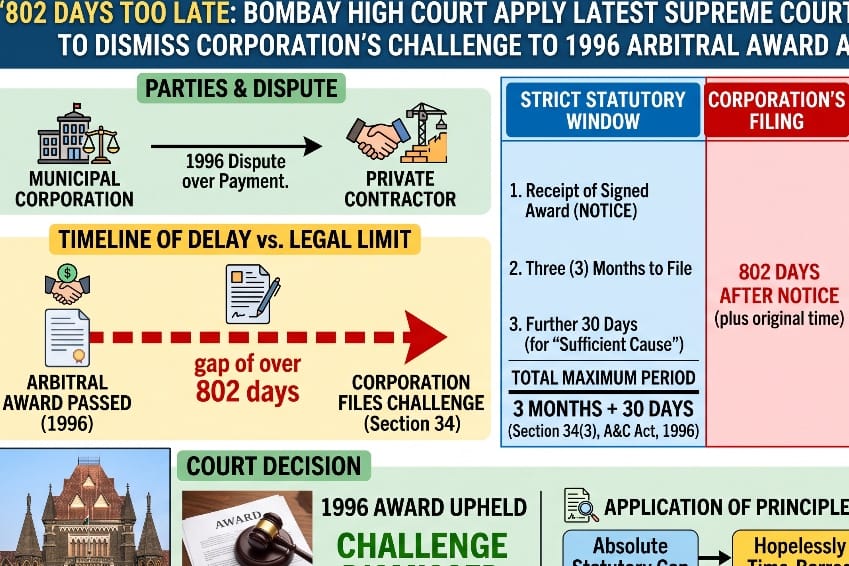
The Municipal Corporation of Greater Bombay v. M/s. Atul Raj Builders Pvt. Ltd. | High Court of Judicature at Bombay Ordinary Original Civil Jurisdiction | 3rd September, 2026 A…
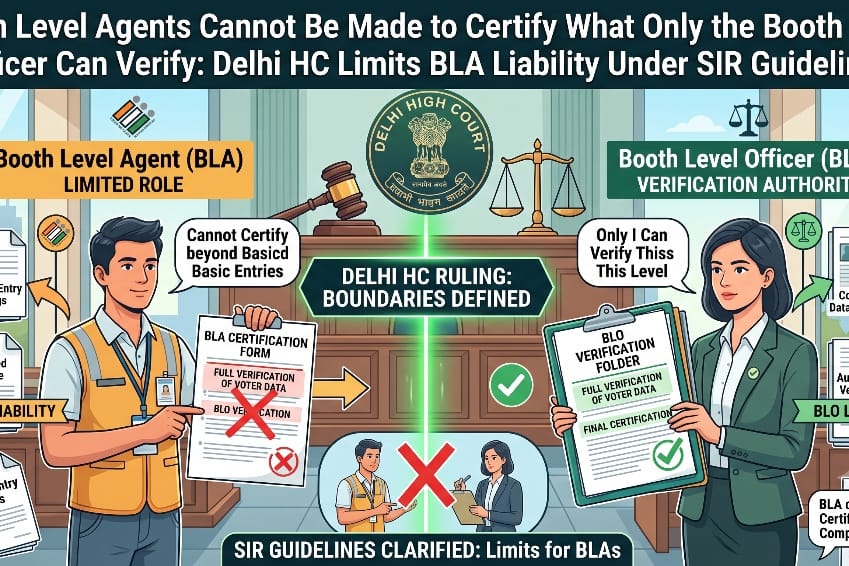
Devender Yadav & Anr. v. Election Commission of India & Anr. | High Court of Delhi Single Judge | Decided on: 03.09.2026 In a challenge to the Election Commission of India's…
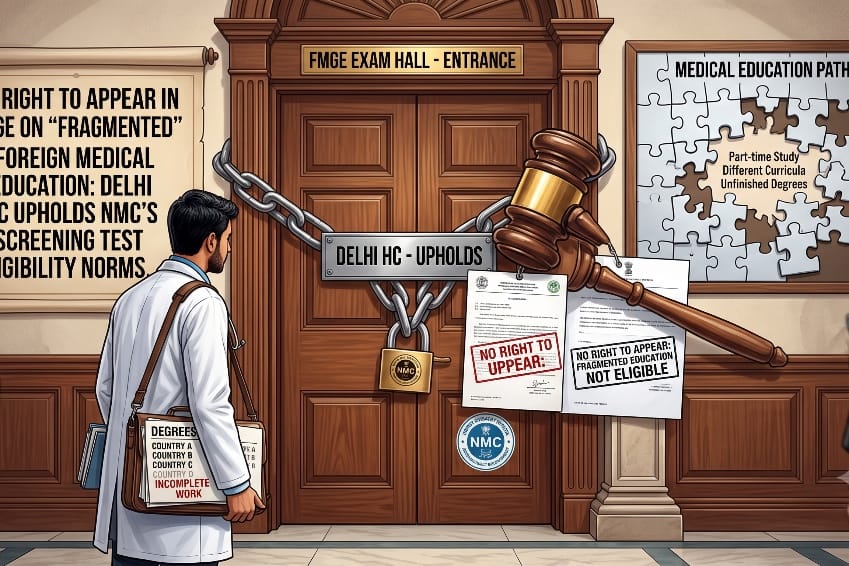
Brij Sharadbhai Bhatt & Ors. v. National Medical Commission & Ors. | High Court of Delhi Division Bench | Decided on: 03.09.2026 The Delhi High Court dismissed a challenge by…