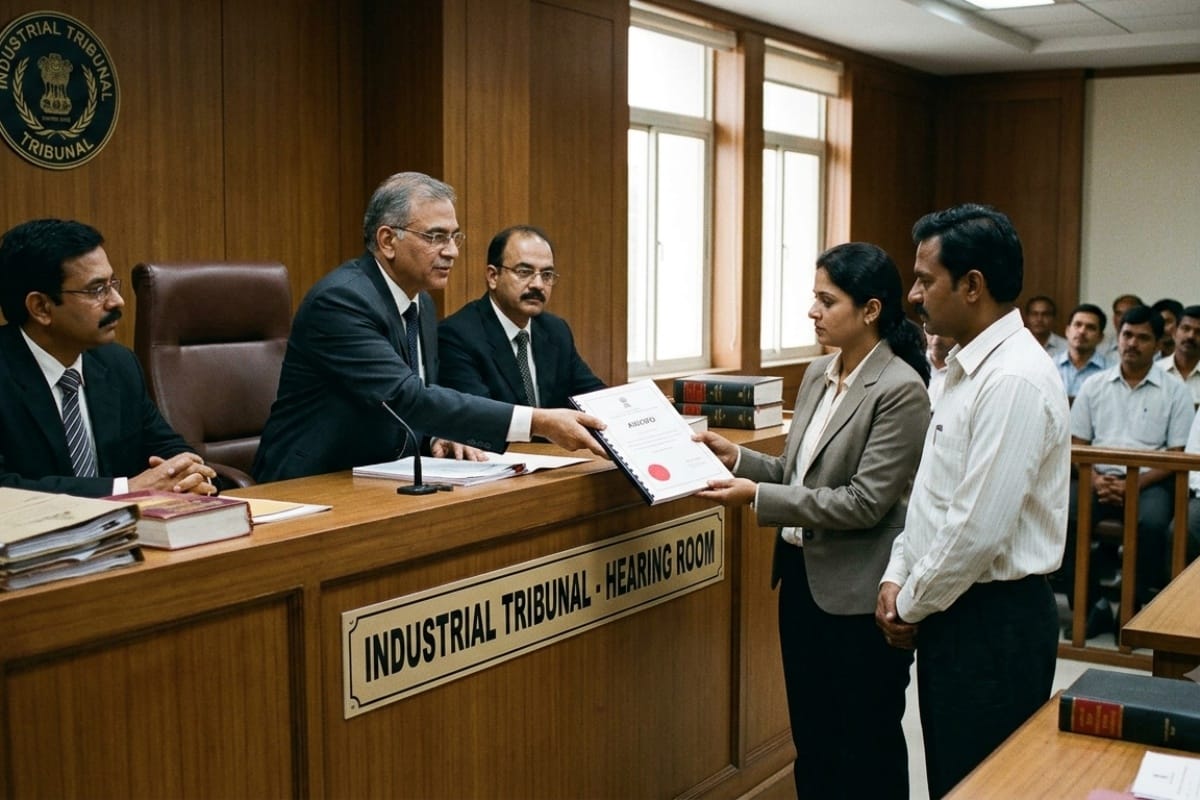
Deciding two connected writ petitions arising from a common Industrial Tribunal Award, the Delhi High Court set aside the Tribunal's direction granting hotel workmen a further…
Labour Laws
06/09/20264 min read
Update / Judgement Date
29 Oct 2025
Source
WCP News Bulletin
Author
Sakshi Bhardwaj — WCP Legal Desk
Reading Time
4 min read
The Supreme Court dissolved a marriage on the ground of irretrievable breakdown of the marital relationship, exercising its powers under Article 142 of the Constitution of India. The Court noted that the parties had been living separately for over fifteen years, with all reconciliation efforts having failed. As part of the final settlement, the Court directed the husband to pay ₹1 crore as permanent alimony to the wife, Rekha Minocha, as a full and final settlement of all claims between the parties, including maintenance for their minor child. All pending civil and criminal proceedings arising from the marriage were ordered to stand quashed and closed upon payment.
• The marriage between the appellant-wife and respondent-husband was solemnized on 5 October 2009.
• The appellant alleged mental and physical harassment by her in-laws and left the matrimonial home on 15 April 2010.
• While living with her parents, she gave birth to a son on 28 December 2010.
• On 9 July 2013, she filed an application under Section 125 CrPC seeking maintenance for herself and her minor child.
• On 16 January 2019, she filed a complaint under Section 12 of the Protection of Women from Domestic Violence Act, 2005 (DV Act), where the Trial Court granted her ₹10,000/month as maintenance, ₹5,000/month for the child, and ₹4,00,000 as compensation under Section 22 DV Act. Custody of the minor child was also granted to her.
• Both parties filed appeals—Criminal Appeals No. 03/2019 and 07/2019—which were dismissed by the appellate court on 29 July 2021.
• Later, the Family Court in Section 125 proceedings (order dated 15 October 2022) awarded an additional ₹2,000/month to the wife and ₹1,000/month to the child.
• The husband challenged these orders before the Rajasthan High Court, which on 3 July 2023 set aside the Family Court’s order and dismissed the wife’s Section 125 application, also setting aside the ₹4 lakh compensation under Section 22 DV Act.
• The wife then filed SLP (Crl) No. 6685/2024 before the Supreme Court.
• The parties had lived separately since April 2010, i.e., for more than 15 years.
• Multiple mediation attempts, including through the Supreme Court Mediation Centre, failed, and the relationship had become one of “acrimony and bitterness.”
• The Court observed that “no marital bond survives” between the parties and that continuation of the legal relationship would serve no purpose.
• The husband’s offer to pay ₹1 crore as permanent alimony was found to be fair and reasonable, considering the parties’ financial status and circumstances.
• The Court held that the settlement amount would cover all pending claims, including those of the minor child (represented by the mother).
• The husband was, however, permitted to contribute further toward the child’s education, if he wished.
• Article 142, Constitution of India – Power of the Supreme Court to do complete justice between parties.
• Section 125, Code of Criminal Procedure, 1973 – Maintenance of wife and children.
• Sections 12, 21 & 22, Protection of Women from Domestic Violence Act, 2005 – Reliefs for maintenance, custody, and compensation.
• The marriage between Rekha Minocha and Amit Shah Minocha was dissolved under Article 142.
• The husband was directed to pay ₹1,00,00,000 (one crore) as permanent alimony and full and final settlement of all claims, within three months.
• The wife was directed to furnish her bank details for transfer.
• All pending civil and criminal proceedings between the parties were quashed and closed.
Citation: 2025 INSC 1265
Case: Rekha Minocha v. Amit Shah Minocha & Ors.
Court: Supreme Court of India
Coram: Justice Vikram Nath & Justice Sandeep Mehta
Date of Decision: 29 October 2025
Criminal Appeal No.: 1595 of 2025
Deciding two connected writ petitions arising from a common Industrial Tribunal Award, the Delhi High Court set aside the Tribunal's direction granting hotel workmen a further…
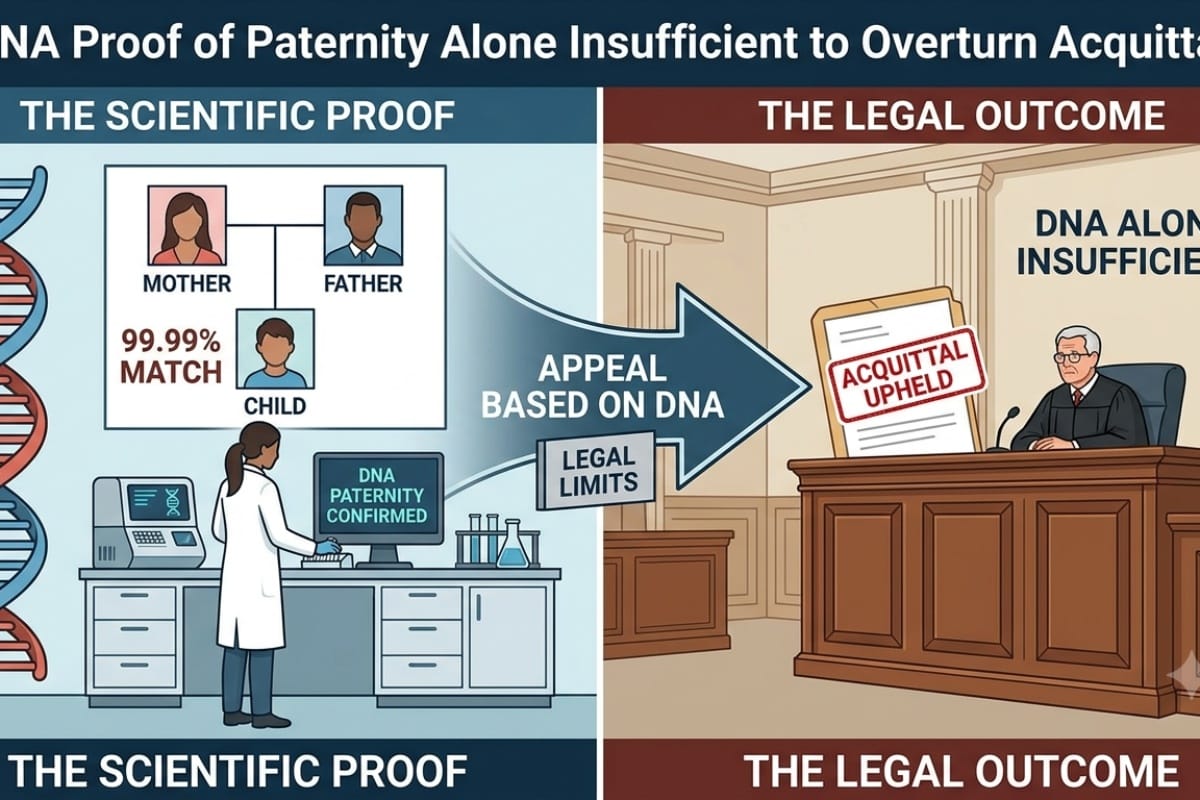
Headnote The Delhi High Court dismissed a prosecutrix's appeal against acquittal of the accused on charges under Sections 328/376 2 n /377/506/509 IPC, despite DNA evidence…
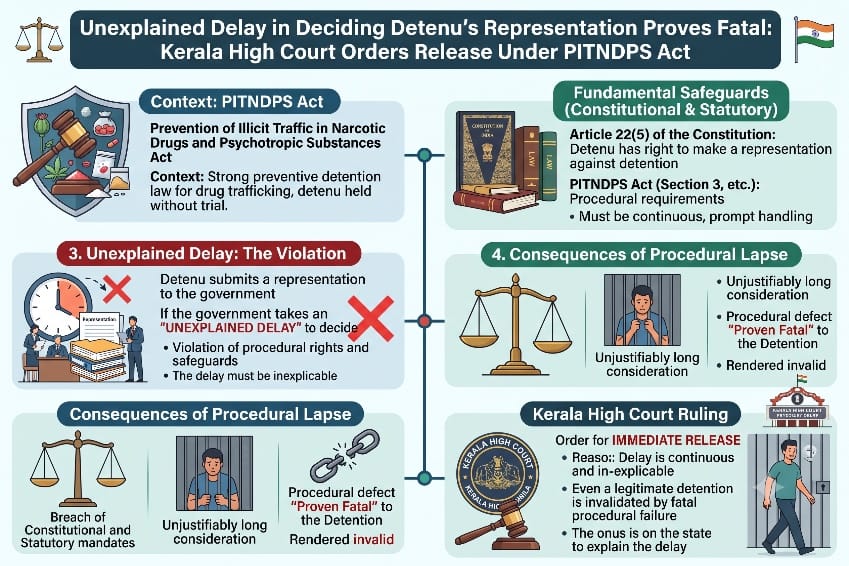
Fathimath Thasneem V.K. v. Union of India and Others | High Court of Kerala at Ernakulam | 3rd September, 2026 A habeas corpus writ petition by the wife of a detenu challenging…
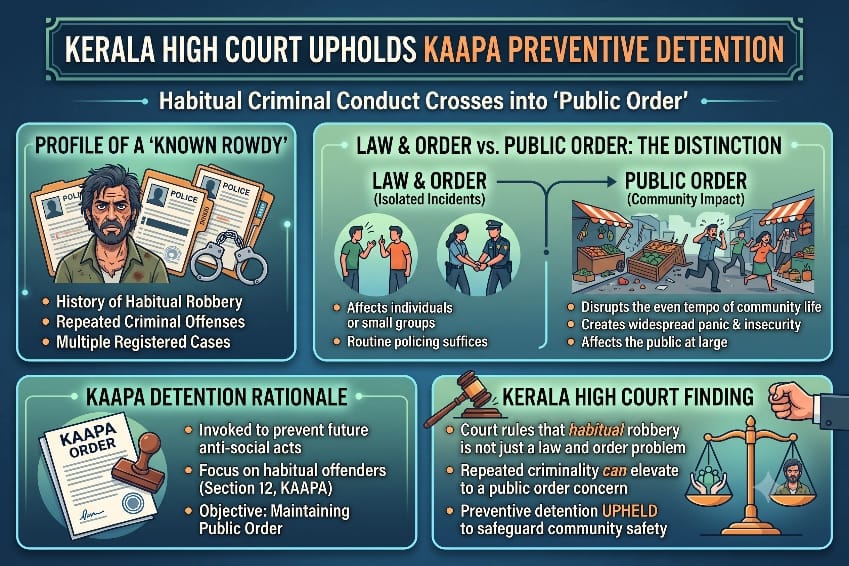
Thasmitha Abukutty v. State of Kerala and Others | High Court of Kerala at Ernakulam | 2nd September, 2026 A writ petition by the wife of a preventive detenu challenging a…
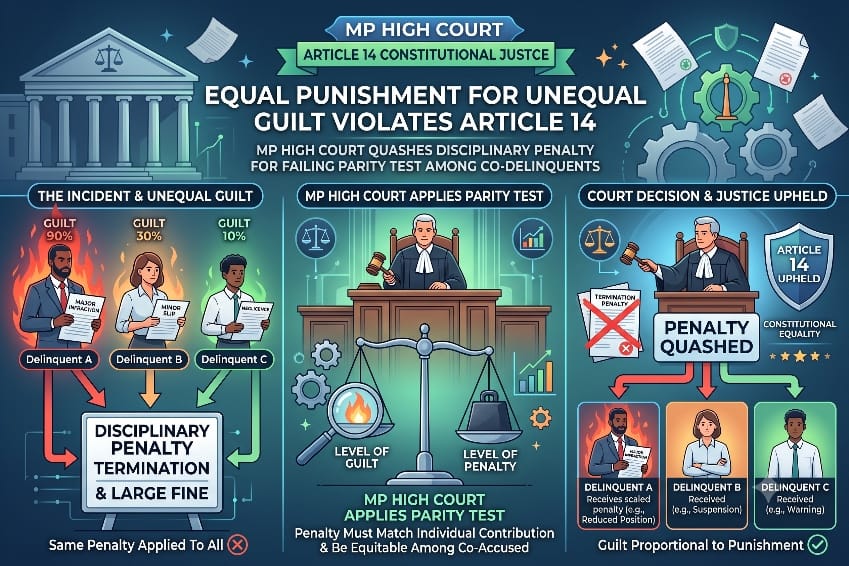
Brahm Kishore Dixit v. The State of Madhya Pradesh and Others | High Court of Madhya Pradesh, Gwalior | 1st September, 2026 A writ petition under Article 226 by a police Assistant…
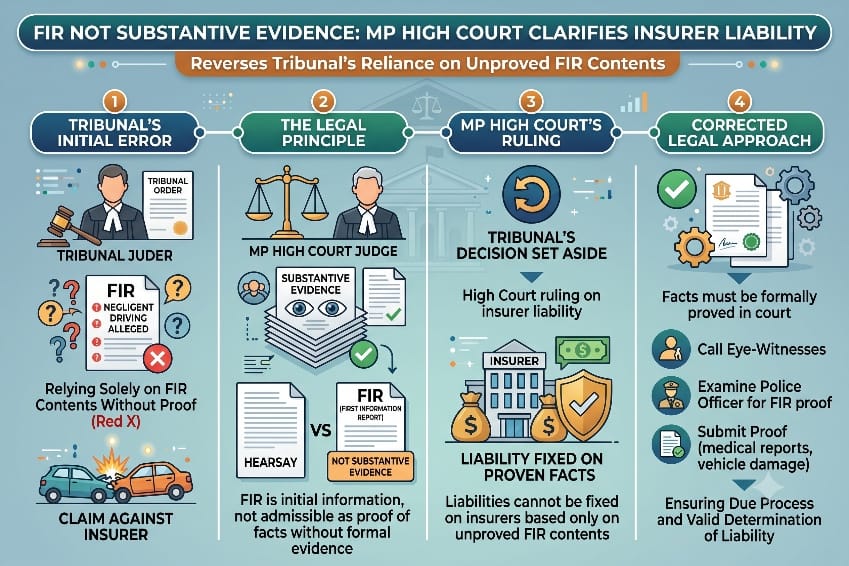
Anil Kumar Patel v. Smt. Munni Bai Barman and Others | High Court of Madhya Pradesh, Jabalpur | 1st September, 2026 A Motor Vehicle Act appeal under Section 173 1 against a Claims…
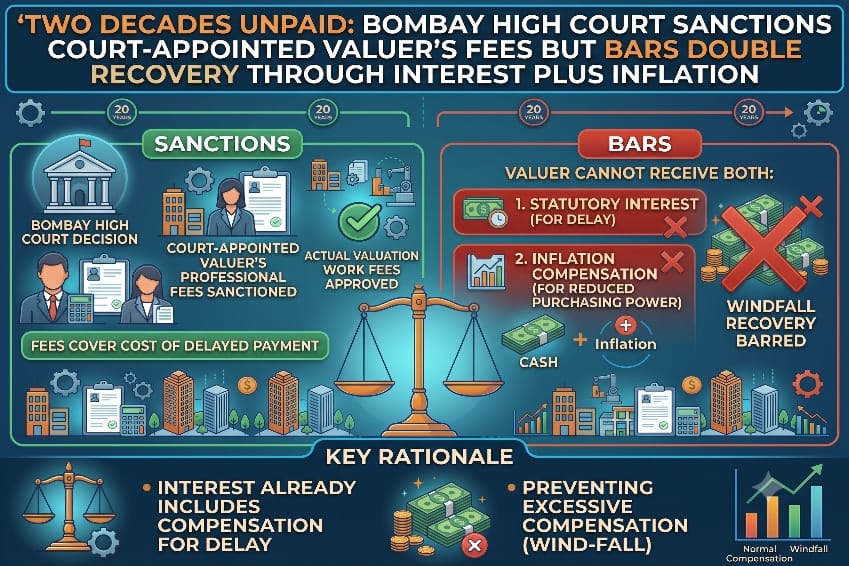
M/s. Kuber Mutual Benefits Ltd. & Ors. v. The State of Maharashtra & Ors. | High Court of Judicature at Bombay Appellate Side | 3rd September, 2026 A Court Receiver's Report…
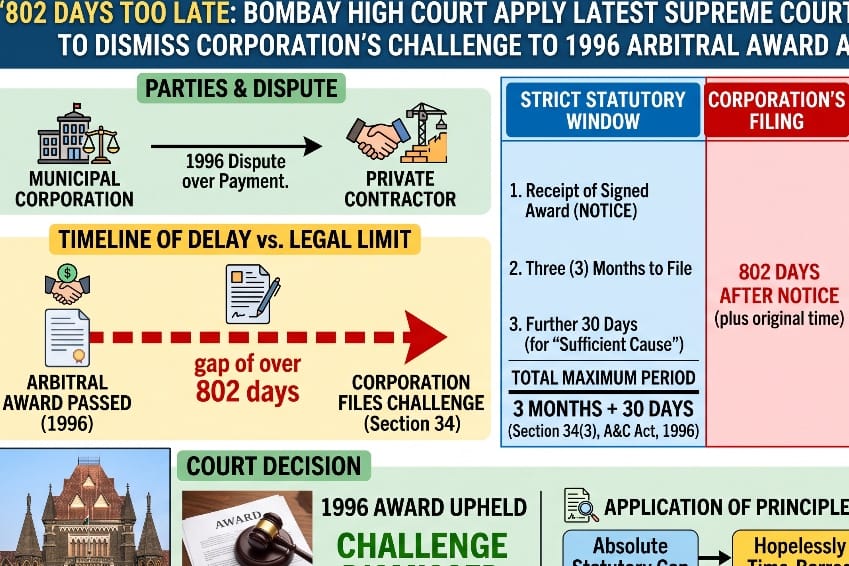
The Municipal Corporation of Greater Bombay v. M/s. Atul Raj Builders Pvt. Ltd. | High Court of Judicature at Bombay Ordinary Original Civil Jurisdiction | 3rd September, 2026 A…
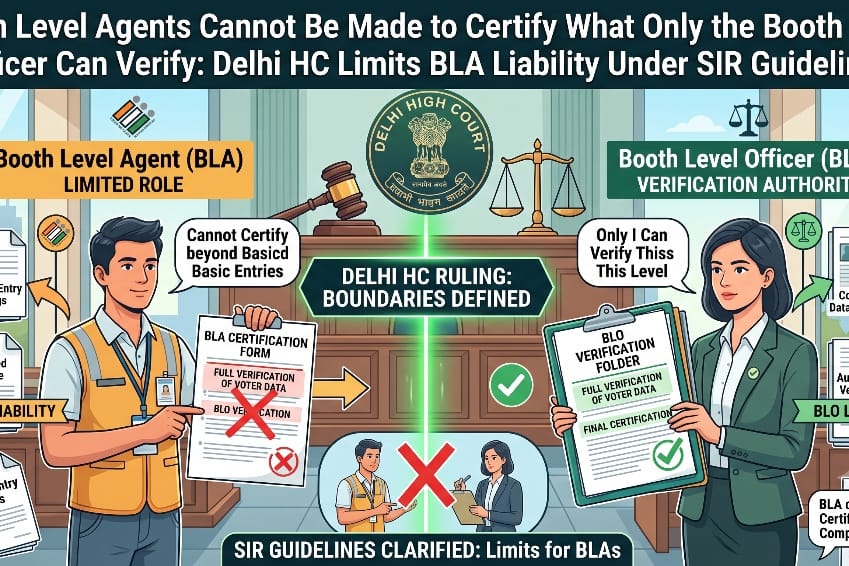
Devender Yadav & Anr. v. Election Commission of India & Anr. | High Court of Delhi Single Judge | Decided on: 03.09.2026 In a challenge to the Election Commission of India's…
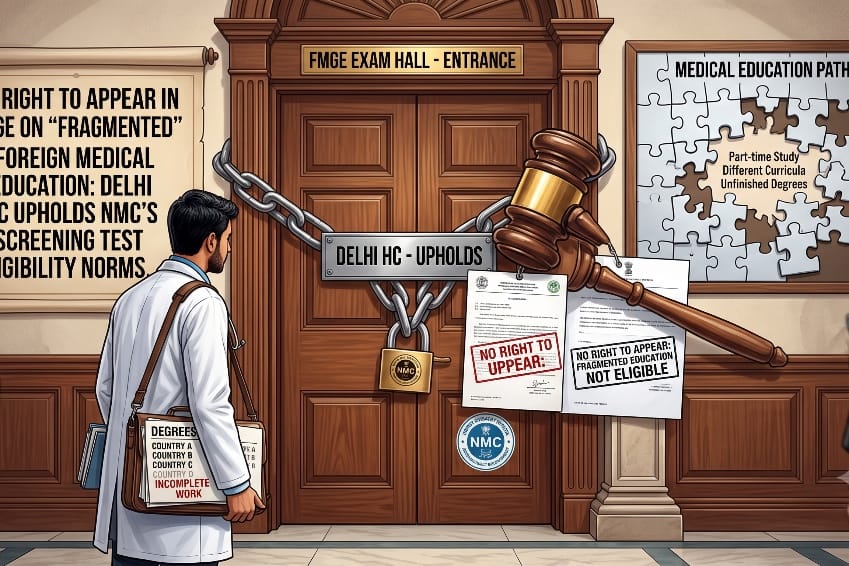
Brij Sharadbhai Bhatt & Ors. v. National Medical Commission & Ors. | High Court of Delhi Division Bench | Decided on: 03.09.2026 The Delhi High Court dismissed a challenge by…