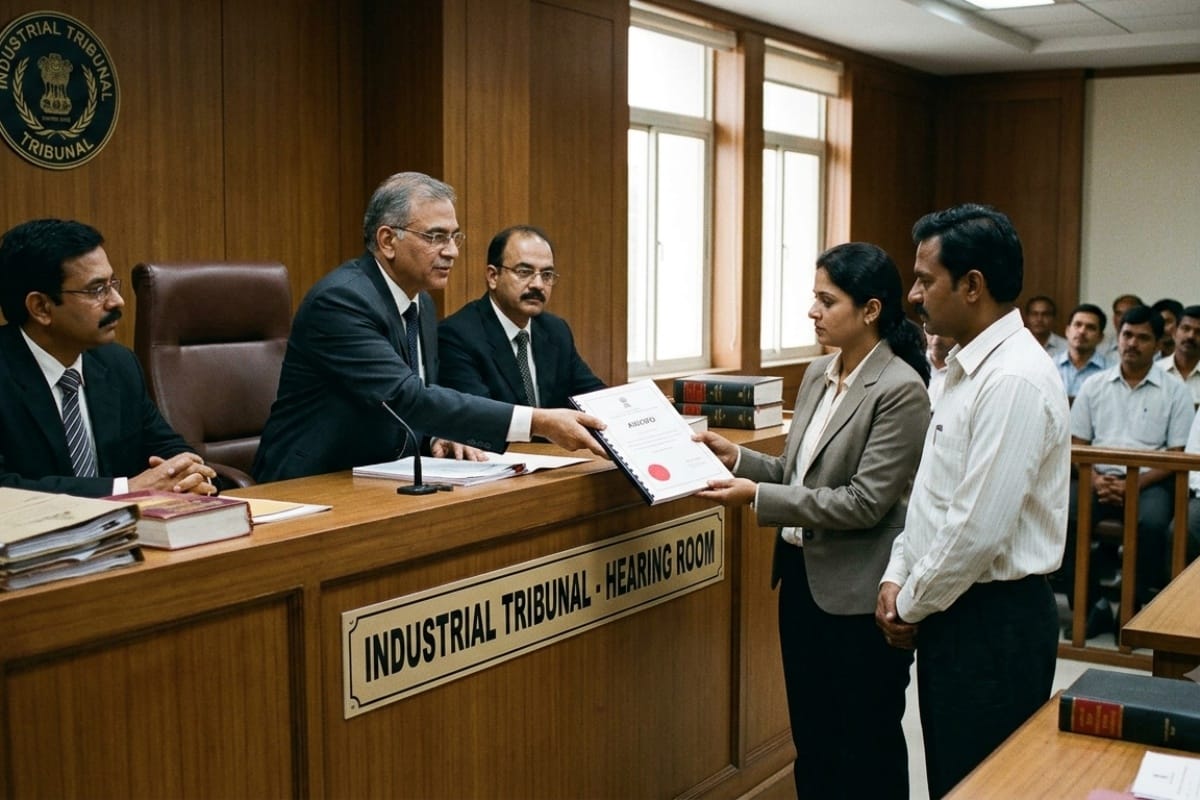
Deciding two connected writ petitions arising from a common Industrial Tribunal Award, the Delhi High Court set aside the Tribunal's direction granting hotel workmen a further…
Labour Laws
06/09/20264 min read
Update / Judgement Date
29 Oct 2025
Source
WCP News Bulletin
Author
Sakshi Bhardwaj — WCP Legal Desk
Reading Time
3 min read
Headnote
The Supreme Court upheld the conviction of the appellant for murder under Section 302 IPC, confirming the Gujarat High Court’s decision that reversed the trial court’s acquittal. The Court held that the first dying declaration made by the deceased before a doctor, being voluntary and reliable, carries high evidentiary value even if subsequent statements contain minor inconsistencies. It ruled that minor discrepancies cannot overshadow credible medical and circumstantial evidence supporting the prosecution case. The decision reaffirmed that when the trial court overlooks reliable evidence, the High Court is justified in setting aside an acquittal.
Background
• The appellant, Jemaben, was accused of conspiring with a co-accused to murder Leelaben by pouring kerosene and setting her ablaze while she and her young son were asleep in their hut on the night of 29–30 November 2004.
• Leelaben sustained 100% burn injuries and died on 4 December 2004; her 4-year-old son suffered 10–12% burns.
• The Trial Court acquitted both accused, citing inconsistencies in three dying declarations made by the deceased.
• The State of Gujarat appealed, and the High Court convicted Jemaben under Section 302 IPC, relying on the first dying declaration and corroborating medical and forensic evidence.
Court’s Observations
• The deceased’s first statement to Dr. Shivrambhai Patel (PW-3) was consistent, voluntary, and made while she was conscious. She clearly identified her aunt-in-law, Jemaben, as the person who poured kerosene and set her on fire after she refused to accompany a man named Mania Dabhawala.
• The doctor’s medical certificate and the Yadi (police intimation) confirmed the deceased’s mental fitness and the authenticity of her statement.
• Physical evidence, including an empty kerosene container and soil soaked with kerosene, supported the prosecution’s version.
• The partial burns on the child and total burns on the deceased negated the theory of accidental fire.
• The Court held that minor inconsistencies in later dying declarations do not diminish the reliability of the first statement when corroborated by medical and circumstantial evidence.
• The trial court erred in granting acquittal despite clear proof, and the High Court rightly reversed it.
Legal Provisions Discussed
• Section 302, Indian Penal Code, 1860 (IPC) – Punishment for murder.
• Sections 307, 436, 34, 120B, IPC – Attempt to murder, mischief by fire, common intention, and criminal conspiracy.
• Section 135, Bombay Police Act, 1951 – Offence relating to possession of prohibited articles.
• Doctrine on Multiple Dying Declarations – Each dying declaration must be independently evaluated for truthfulness and evidentiary worth.
• Precedent: Nallam Veera Stayanandam & Ors. v. Public Prosecutor, High Court of A.P., (2004) 10 SCC 769 – Reliability of dying declarations upheld.
Outcome: Appeal dismissed; conviction and life imprisonment under Section 302 IPC confirmed.
Citation: 2025 INSC 1268
Case: Jemaben v. State of Gujarat
Court: Supreme Court of India
Coram: Justice Rajesh Bindal & Justice Vipul M. Pancholi
Date of Decision: 29 October 2025
Criminal Appeal No.: 1934 of 2017
Deciding two connected writ petitions arising from a common Industrial Tribunal Award, the Delhi High Court set aside the Tribunal's direction granting hotel workmen a further…
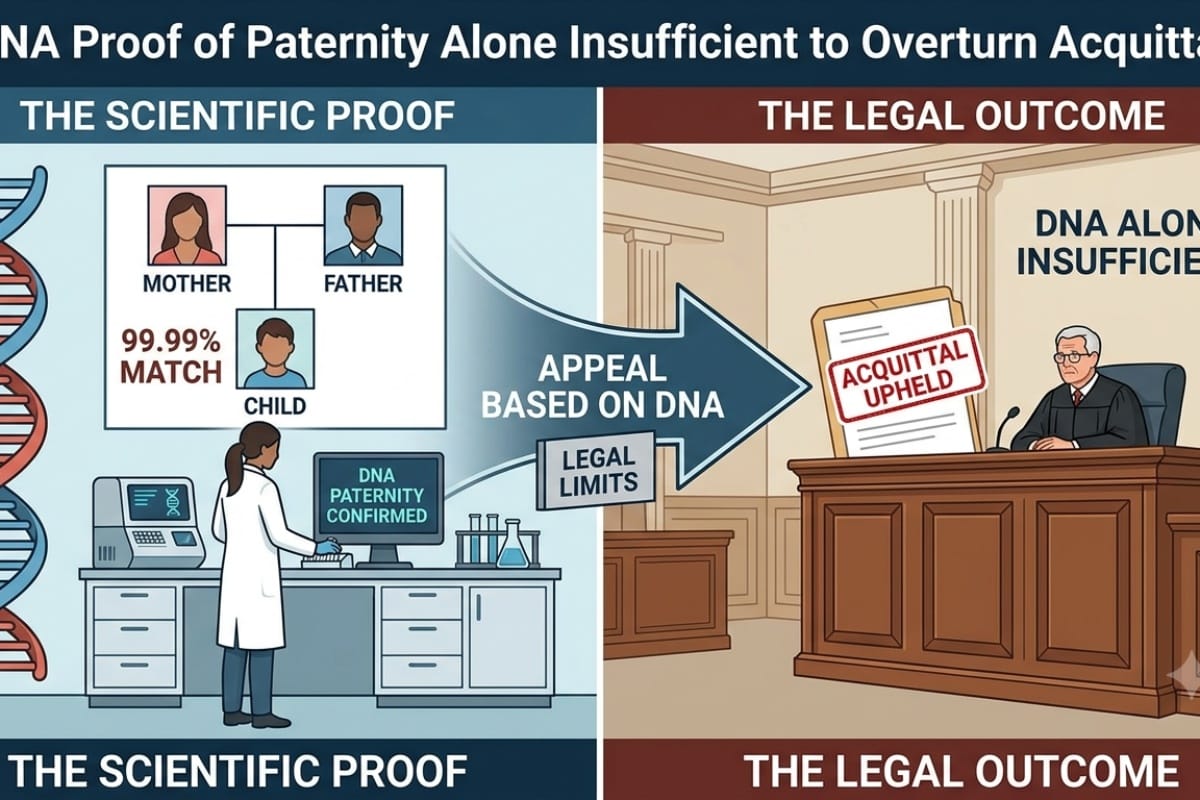
Headnote The Delhi High Court dismissed a prosecutrix's appeal against acquittal of the accused on charges under Sections 328/376 2 n /377/506/509 IPC, despite DNA evidence…
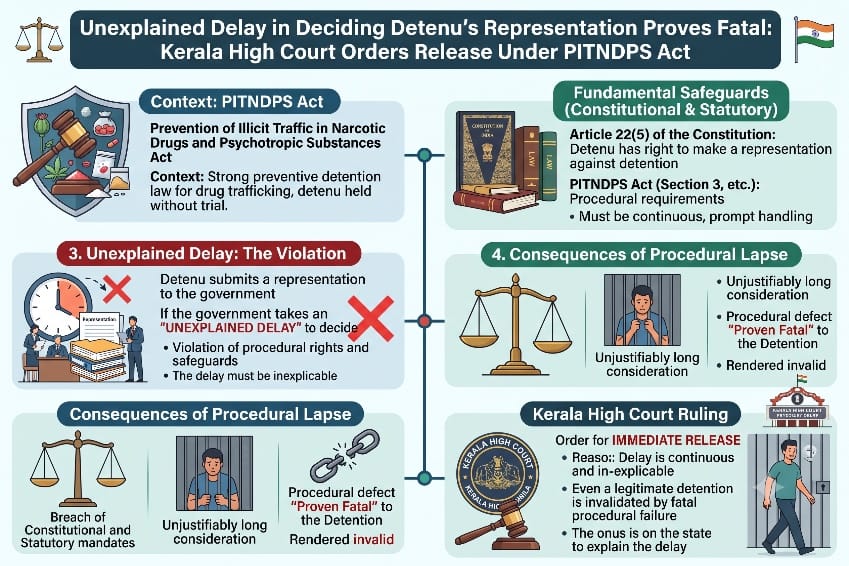
Fathimath Thasneem V.K. v. Union of India and Others | High Court of Kerala at Ernakulam | 3rd September, 2026 A habeas corpus writ petition by the wife of a detenu challenging…
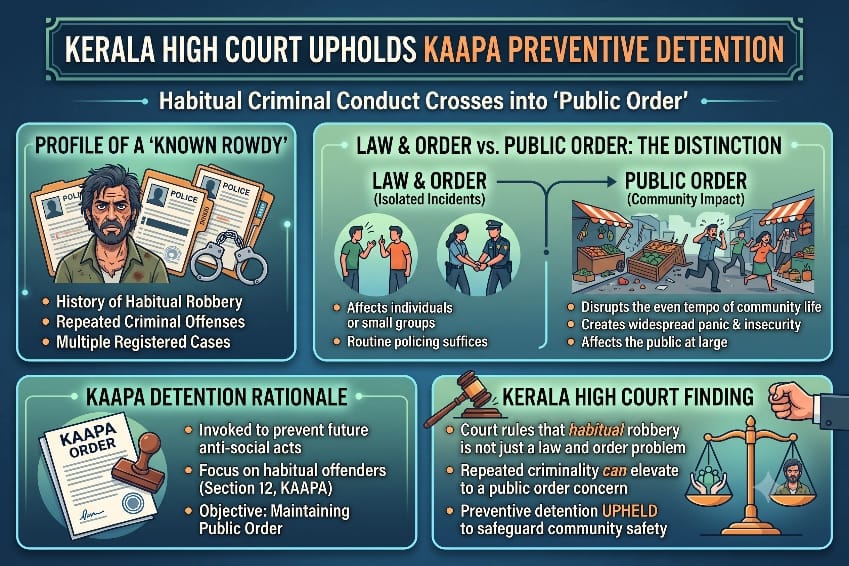
Thasmitha Abukutty v. State of Kerala and Others | High Court of Kerala at Ernakulam | 2nd September, 2026 A writ petition by the wife of a preventive detenu challenging a…
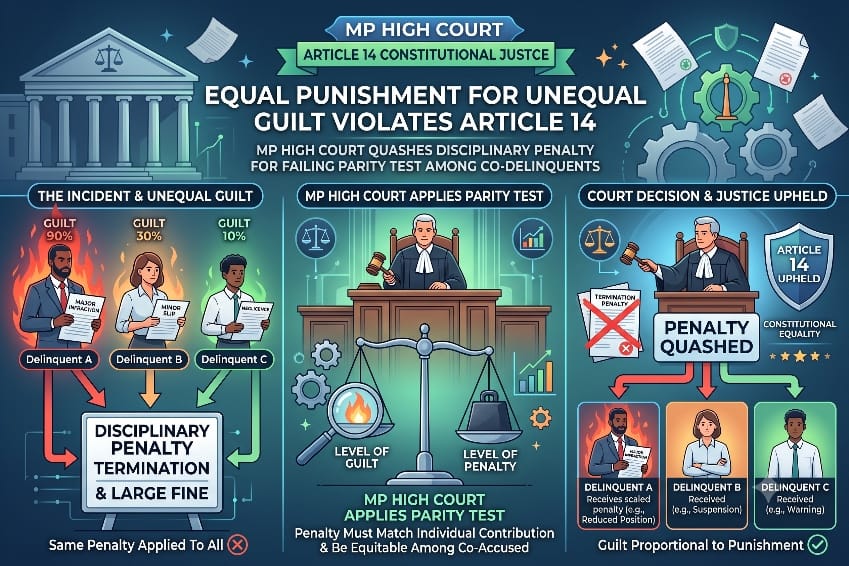
Brahm Kishore Dixit v. The State of Madhya Pradesh and Others | High Court of Madhya Pradesh, Gwalior | 1st September, 2026 A writ petition under Article 226 by a police Assistant…
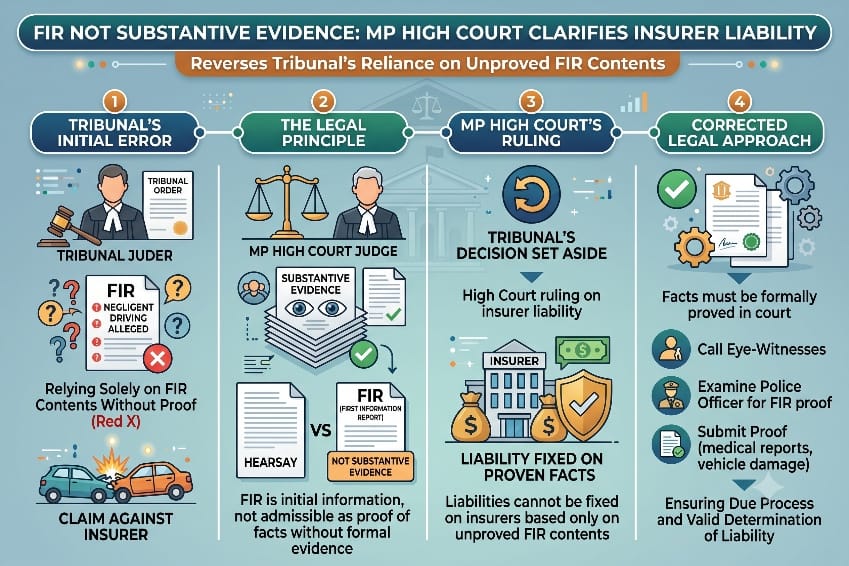
Anil Kumar Patel v. Smt. Munni Bai Barman and Others | High Court of Madhya Pradesh, Jabalpur | 1st September, 2026 A Motor Vehicle Act appeal under Section 173 1 against a Claims…
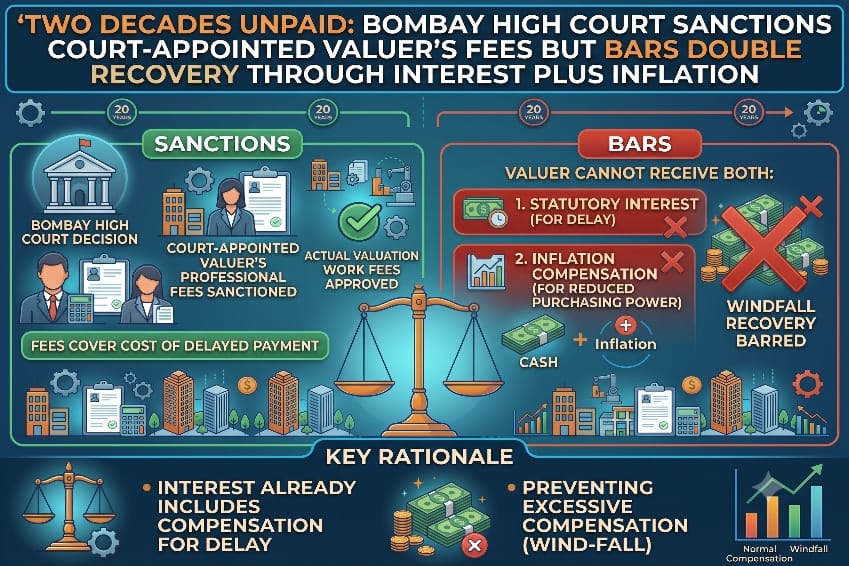
M/s. Kuber Mutual Benefits Ltd. & Ors. v. The State of Maharashtra & Ors. | High Court of Judicature at Bombay Appellate Side | 3rd September, 2026 A Court Receiver's Report…
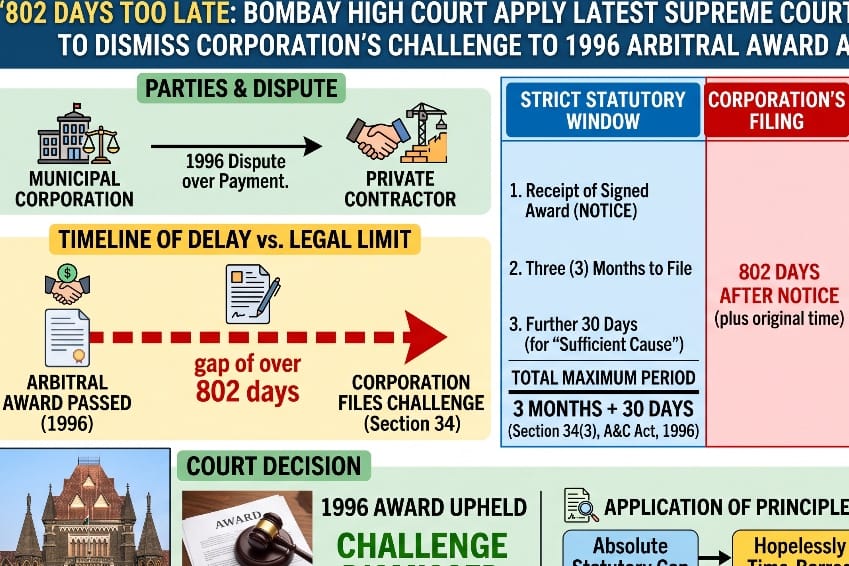
The Municipal Corporation of Greater Bombay v. M/s. Atul Raj Builders Pvt. Ltd. | High Court of Judicature at Bombay Ordinary Original Civil Jurisdiction | 3rd September, 2026 A…
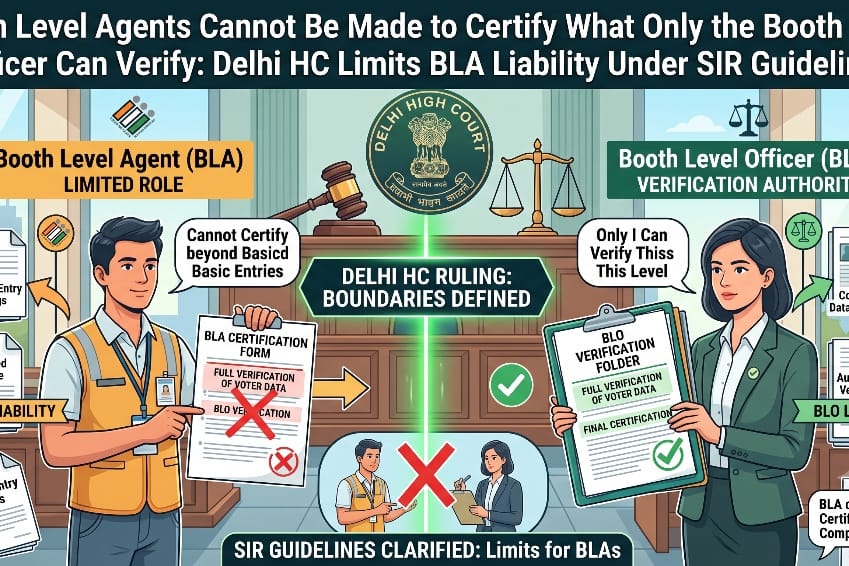
Devender Yadav & Anr. v. Election Commission of India & Anr. | High Court of Delhi Single Judge | Decided on: 03.09.2026 In a challenge to the Election Commission of India's…
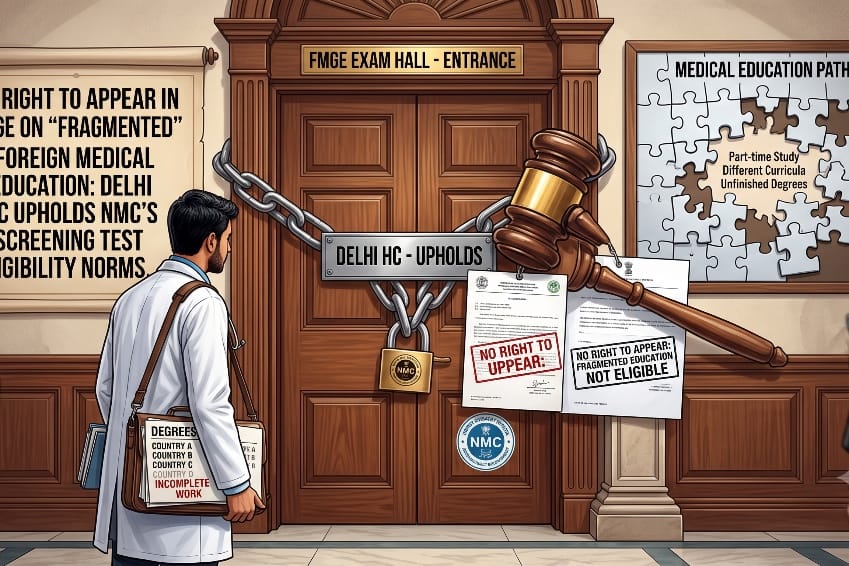
Brij Sharadbhai Bhatt & Ors. v. National Medical Commission & Ors. | High Court of Delhi Division Bench | Decided on: 03.09.2026 The Delhi High Court dismissed a challenge by…