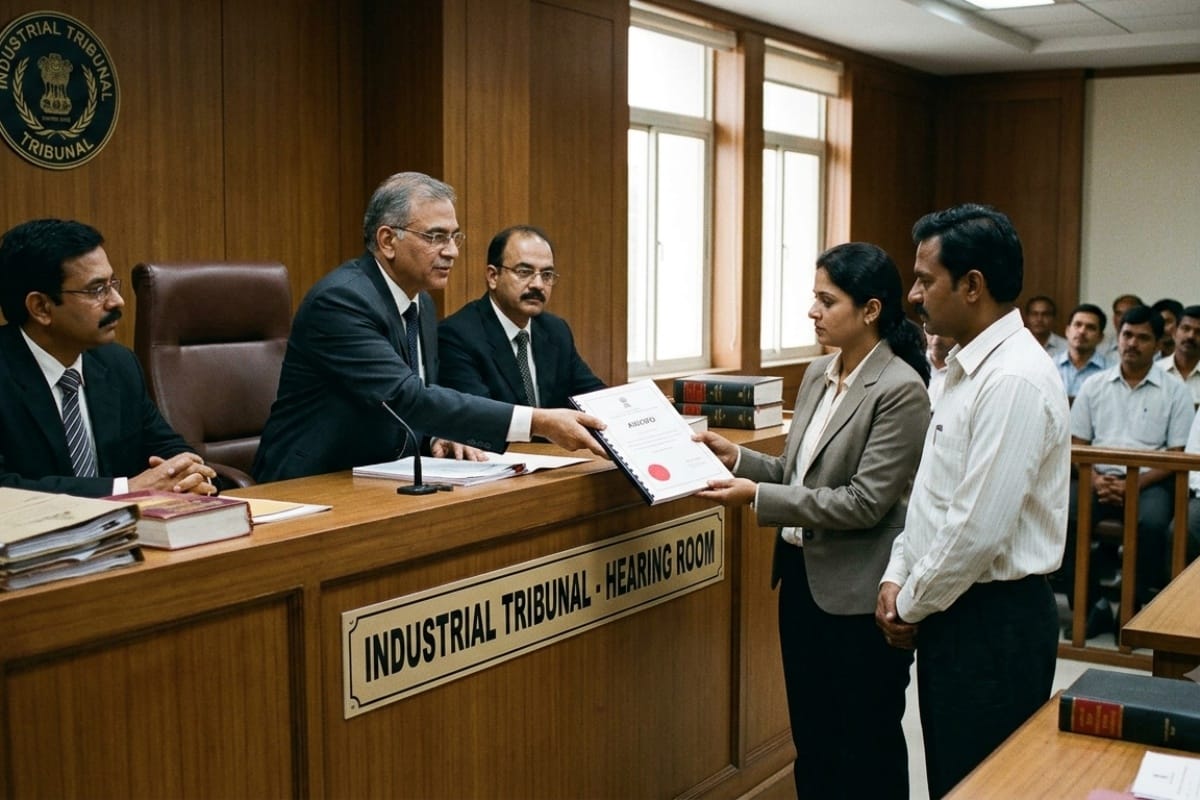
Deciding two connected writ petitions arising from a common Industrial Tribunal Award, the Delhi High Court set aside the Tribunal's direction granting hotel workmen a further…
Labour Laws
06/09/20264 min read
Update / Judgement Date
01 Dec 2025
Source
WCP News Bulletin
Author
Sakshi Bhardwaj — WCP Legal Desk
Reading Time
3 min read
The Supreme Court held that cotton fabrics processed through multiple interconnected stages—bleaching, mercerizing, squeezing, stentering, and packing—constitute a single, continuous manufacturing process, and if any stage uses power, the manufacturer is not entitled to exemption under Notification No. 5/98-CE. The Court ruled that the CESTAT erred in treating the two units as independent and in holding that processing was without the aid of power. The exemption was denied, and the Commissioner’s findings were upheld.
• The Department alleged that two units, Bhagyalaxmi Processor Industry (Unit 1) and Famous Textile Packers (Unit 2), were jointly processing cotton fabrics with the aid of power but claiming exemption meant for units operating without power.
• A search on 21.01.2003 revealed:
– Power-operated machines such as mercerizing machines, bleaching machines, stentering units, squeezing machines, and bail-packing machines.
– Multiple electricity meters, including industrial connections.
• A show-cause notice dated 14.07.2003 demanded:
– Duty under Section 11A(1)
– Interest under Section 11AB
– Penalty under Section 11AC
• The Commissioner confirmed the demand, finding that:
– Both units were engaged in an integrated process.
– Power was used at various stages.
– Exemption under Entry 106 of Notification No. 5/98-CE was not available.
• CESTAT, however, set aside the order, holding that the units were separate and that the revenue had not proved use of power in Unit 1.
• The Supreme Court emphasized that manufacture under Section 2(f) of the Central Excise Act involves all processes—primary, ancillary, auxiliary, and incidental.
• Exemption under Entry 106 is available only when the entire processing of the fabric is completed without the aid of power.
• The Court relied upon leading precedents, including:
– Rajasthan State Chemical Works v. CCE (1991)
– Impression Prints (2005)
– Standard Fireworks (1987)
• In this case, the materials clearly demonstrated that:
– Bleaching and mercerizing (Unit 1)
– Squeezing and stentering (Unit 2)
– Packing (Unit 1)
formed a single, integrated process.
• Power was undisputedly used in several stages (especially in Unit 2).
• The CESTAT erred in ignoring these findings and treating the two units in isolation.
• Retraction affidavits filed six months later were not reliable.
• Since even one essential stage used power, the entire process becomes “manufacture with aid of power,” and exemption fails.
• Section 2(f), Central Excise Act, 1944 – Definition of manufacture
• Section 35-L(b), Central Excise Act, 1944 – Supreme Court’s appellate jurisdiction
• Section 11A(1), Central Excise Act, 1944 – Recovery of duties not levied
• Section 11AB – Interest on duty
• Section 11AC – Penalty for suppression
• Notification No. 5/98-CE, Entry 106 – Exemption for cotton fabrics processed without power
Citation: 2025 INSC 1374
Case: Commissioner of Customs, Central Excise & Service Tax, Rajkot v. Narsibhai Karamsibhai Gajera & Ors.
Court: Supreme Court of India
Coram: Justice Atul S. Chandurkar
Date of Decision: 02 December 2025
Civil Appeal Nos.: 3405–3407 of 2012
Deciding two connected writ petitions arising from a common Industrial Tribunal Award, the Delhi High Court set aside the Tribunal's direction granting hotel workmen a further…
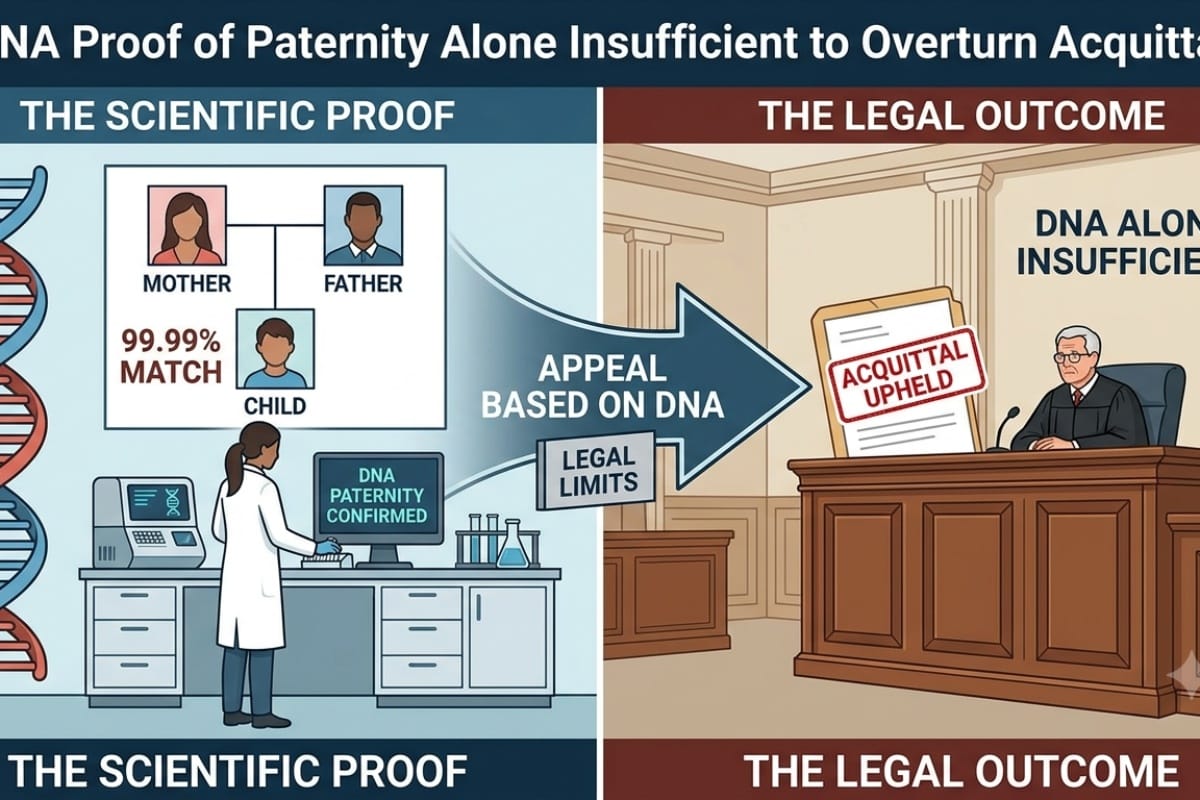
Headnote The Delhi High Court dismissed a prosecutrix's appeal against acquittal of the accused on charges under Sections 328/376 2 n /377/506/509 IPC, despite DNA evidence…
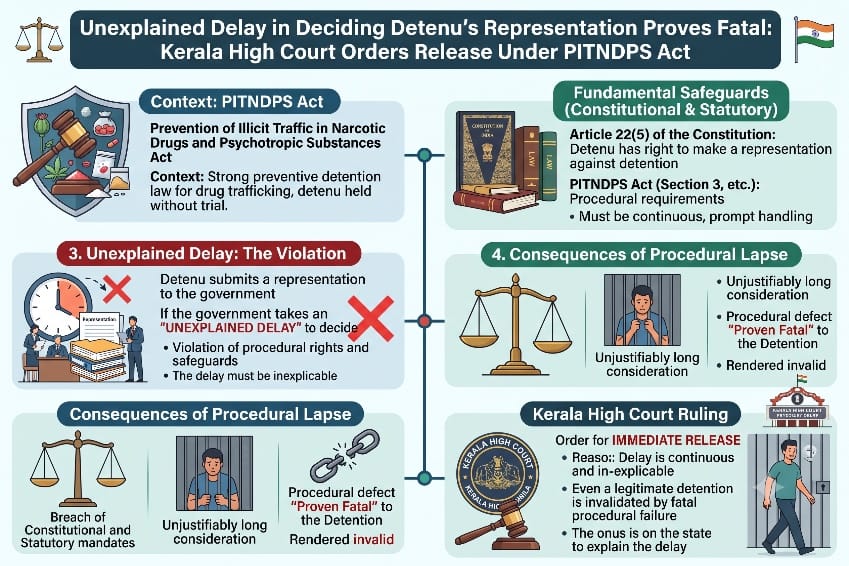
Fathimath Thasneem V.K. v. Union of India and Others | High Court of Kerala at Ernakulam | 3rd September, 2026 A habeas corpus writ petition by the wife of a detenu challenging…
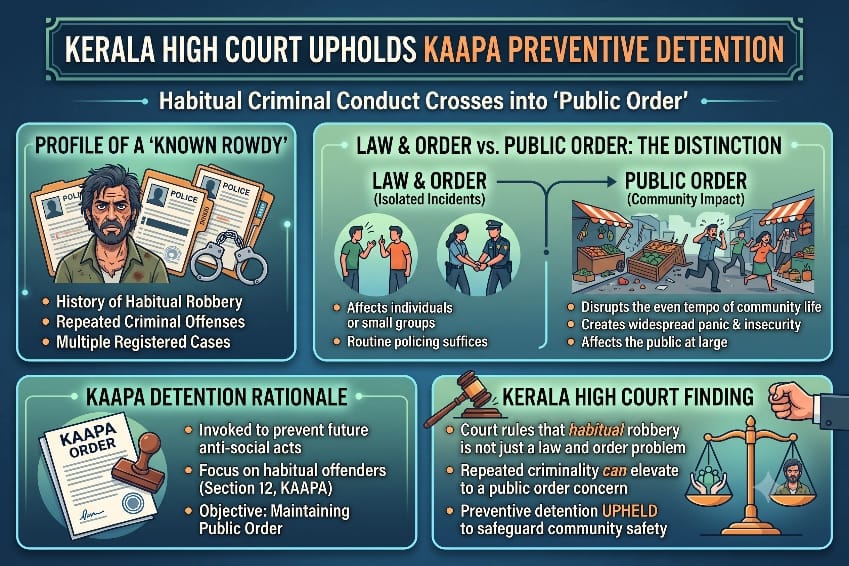
Thasmitha Abukutty v. State of Kerala and Others | High Court of Kerala at Ernakulam | 2nd September, 2026 A writ petition by the wife of a preventive detenu challenging a…
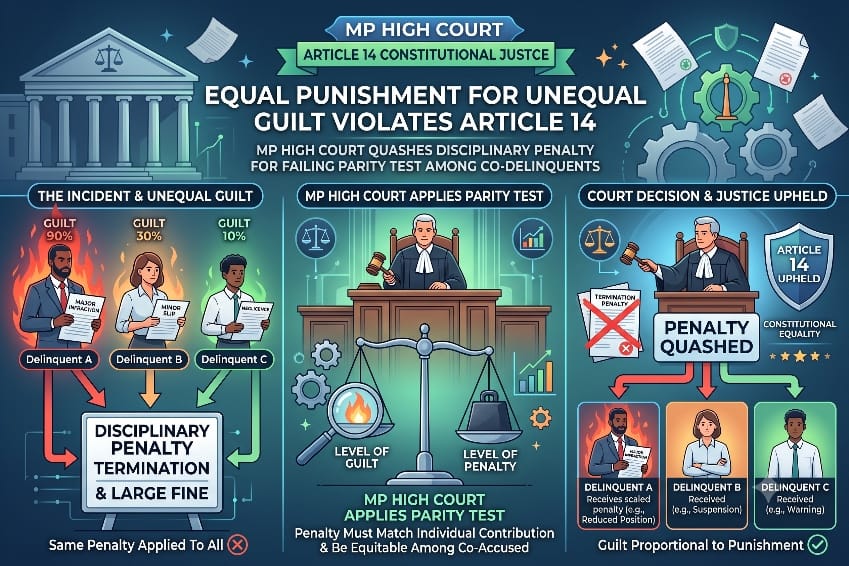
Brahm Kishore Dixit v. The State of Madhya Pradesh and Others | High Court of Madhya Pradesh, Gwalior | 1st September, 2026 A writ petition under Article 226 by a police Assistant…
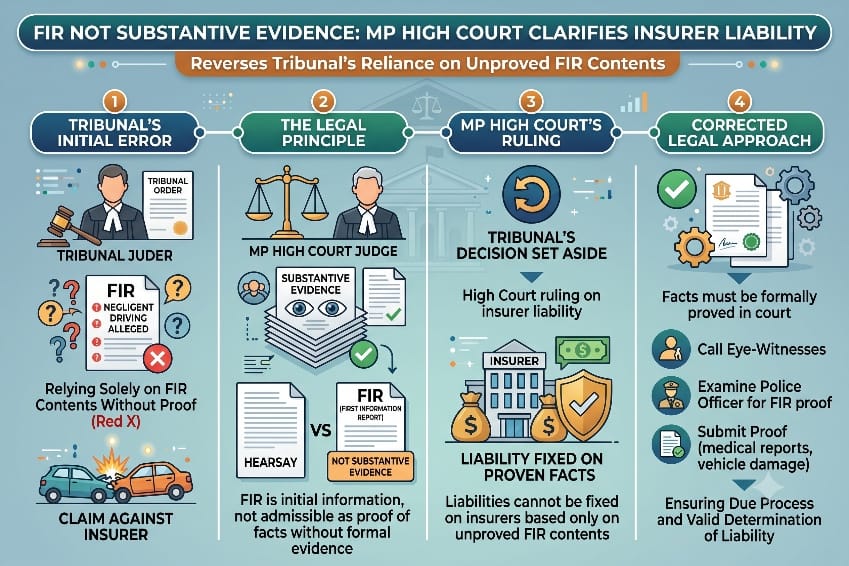
Anil Kumar Patel v. Smt. Munni Bai Barman and Others | High Court of Madhya Pradesh, Jabalpur | 1st September, 2026 A Motor Vehicle Act appeal under Section 173 1 against a Claims…
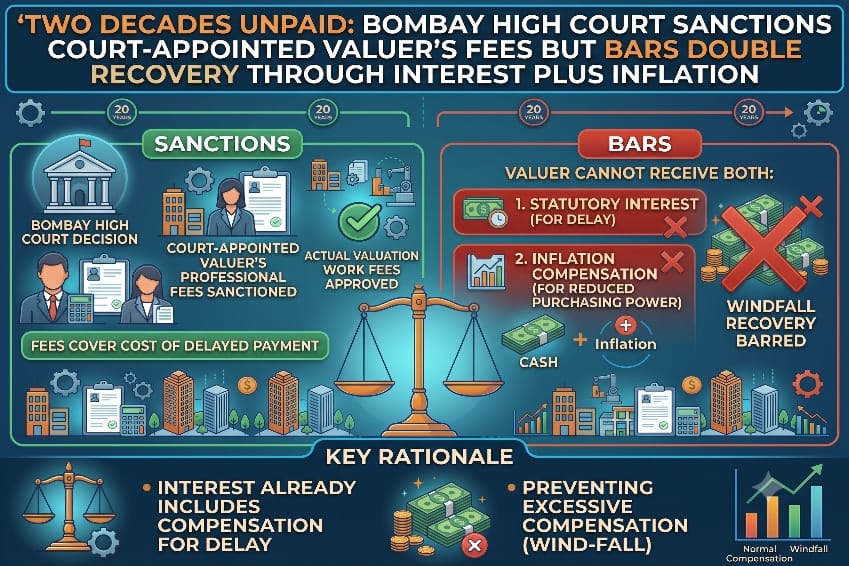
M/s. Kuber Mutual Benefits Ltd. & Ors. v. The State of Maharashtra & Ors. | High Court of Judicature at Bombay Appellate Side | 3rd September, 2026 A Court Receiver's Report…
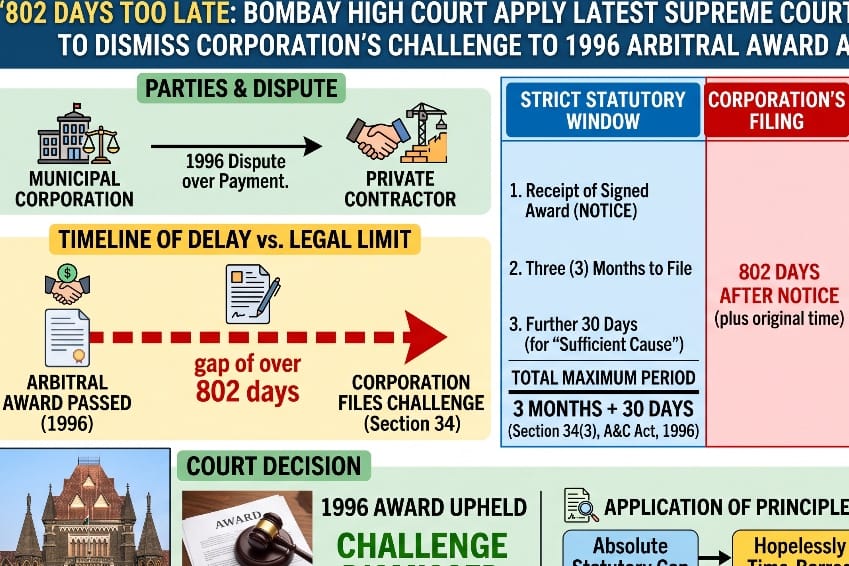
The Municipal Corporation of Greater Bombay v. M/s. Atul Raj Builders Pvt. Ltd. | High Court of Judicature at Bombay Ordinary Original Civil Jurisdiction | 3rd September, 2026 A…
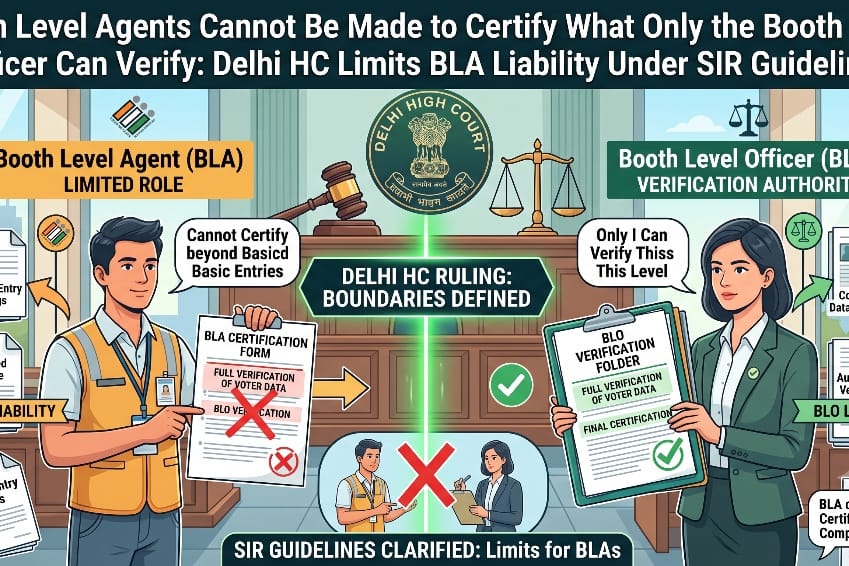
Devender Yadav & Anr. v. Election Commission of India & Anr. | High Court of Delhi Single Judge | Decided on: 03.09.2026 In a challenge to the Election Commission of India's…
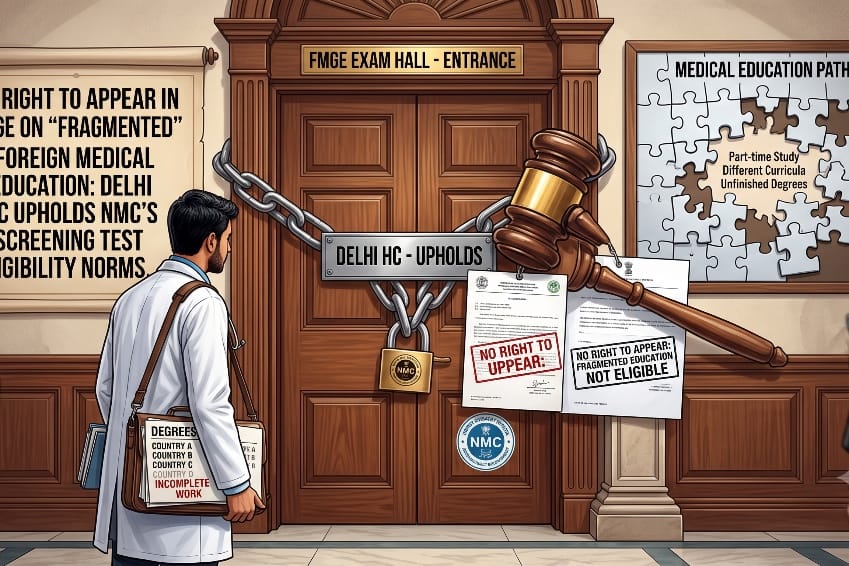
Brij Sharadbhai Bhatt & Ors. v. National Medical Commission & Ors. | High Court of Delhi Division Bench | Decided on: 03.09.2026 The Delhi High Court dismissed a challenge by…