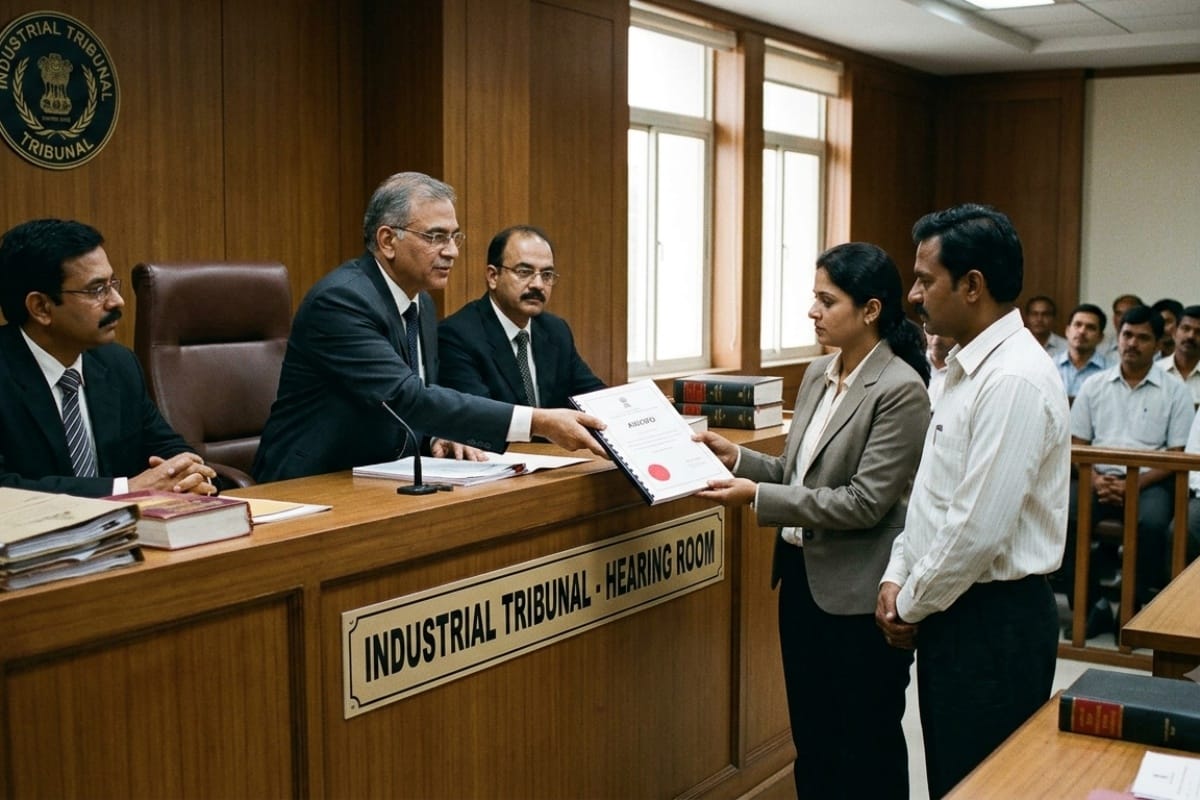
Deciding two connected writ petitions arising from a common Industrial Tribunal Award, the Delhi High Court set aside the Tribunal's direction granting hotel workmen a further…
Labour Laws
06/09/20264 min read
Update / Judgement Date
24 Nov 2025
Source
WCP News Bulletin
Author
Sakshi Bhardwaj — WCP Legal Desk
Reading Time
3 min read
The Supreme Court held that judgment debtors cannot challenge an execution sale on grounds that were available to them before the finalisation of the sale proclamation but were not raised at that stage. In view of Order XXI Rule 90(3) CPC, the bar applies when the judgment debtor had notice of execution proceedings and failed to object despite multiple opportunities. Although the executing court must ordinarily assess whether only part of the property is sufficient to satisfy the decree, the Court ruled that this irregularity cannot be invoked later if the judgment debtor acquiesced. The decision restores the validity of the auction sale and rejects the High Court’s interference.
• A money decree was passed in 1997 in favour of Smt. Rasheeda Yasin, leading to execution proceedings against the judgment debtors’ residential property in Chennai.
• Multiple sale attempts were made between 1998 and 2002, with the upset price being reduced several times after issuing notice to the judgment debtors, who appeared, filed counters, and sought adjournments.
• The property was eventually sold in 2002 to auction purchaser G.R. Selvaraj for ₹11,03,000/-, and the sale certificate was issued after full payment.
• Only after the sale’s completion did the judgment debtors file an application under Order XXI Rule 90 CPC, alleging improper reduction of the upset price, irregularities in the sale process, and failure to consider whether a partial sale would suffice.
• The executing court and lower appellate court dismissed the challenge, but the High Court set aside the sale, holding that non-compliance with Order XXI Rule 66(2)(a) (consideration of part sale) caused substantial injury.
• Order XXI Rule 90(3) CPC bars judgment debtors from taking grounds in a sale-set-aside application if those grounds were available prior to the sale proclamation and they failed to object at the appropriate time.
• The judgment debtors had been served notices, appeared before the court, filed objections, and participated in execution proceedings but never raised the “part sale” argument.
• Precedents such as Ambati Narasayya and Takkaseela Pedda Subba Reddi were distinguished as they were decided before the 1976 amendment introducing Rule 90(3).
• The Court relied on Desh Bandhu Gupta v. N.L. Anand to affirm that although sale procedures must be adhered to, objections after acquiescence are barred.
• The High Court erred in overlooking the statutory bar under Rule 90(3) and in interfering with the sale despite consistent notice and participation of judgment debtors.
• Accordingly, the Supreme Court held that the challenge to the auction sale could not be sustained and restored the sale.
• Order XXI Rule 64 CPC – Sale of only so much of the property as necessary to satisfy the decree.
• Order XXI Rule 66 CPC – Contents and preparation of sale proclamation.
• Order XXI Rule 90 CPC, especially Rule 90(3) – Bar against raising belated objections to execution sales.
• Order XXI Rule 92 CPC – Confirmation of sale.
• Relevant portions of the Code of Civil Procedure, 1908.
Citation: 2025 INSC 1353
Case: G.R. Selvaraj (Dead), through LRs v. K.J. Prakash Kumar & Ors.
Court: Supreme Court of India
Coram: Hon’ble Justice Sanjay Kumar
Date of Decision: —
Civil Appeal No.: 8887 of 2011
Deciding two connected writ petitions arising from a common Industrial Tribunal Award, the Delhi High Court set aside the Tribunal's direction granting hotel workmen a further…

Headnote The Delhi High Court dismissed a prosecutrix's appeal against acquittal of the accused on charges under Sections 328/376 2 n /377/506/509 IPC, despite DNA evidence…
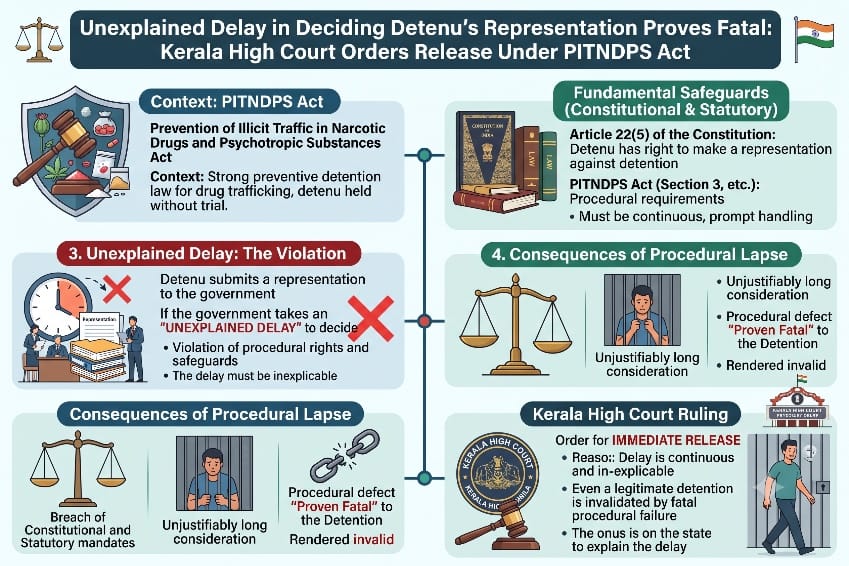
Fathimath Thasneem V.K. v. Union of India and Others | High Court of Kerala at Ernakulam | 3rd September, 2026 A habeas corpus writ petition by the wife of a detenu challenging…
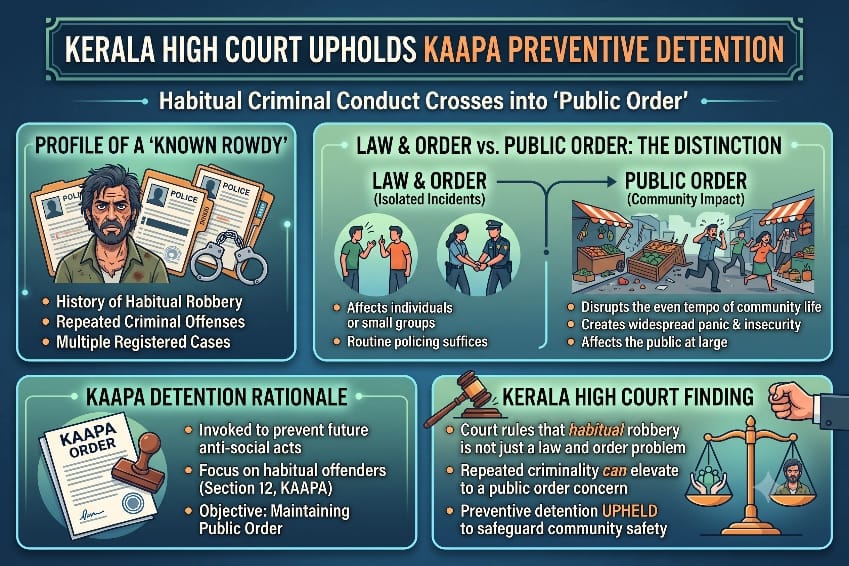
Thasmitha Abukutty v. State of Kerala and Others | High Court of Kerala at Ernakulam | 2nd September, 2026 A writ petition by the wife of a preventive detenu challenging a…
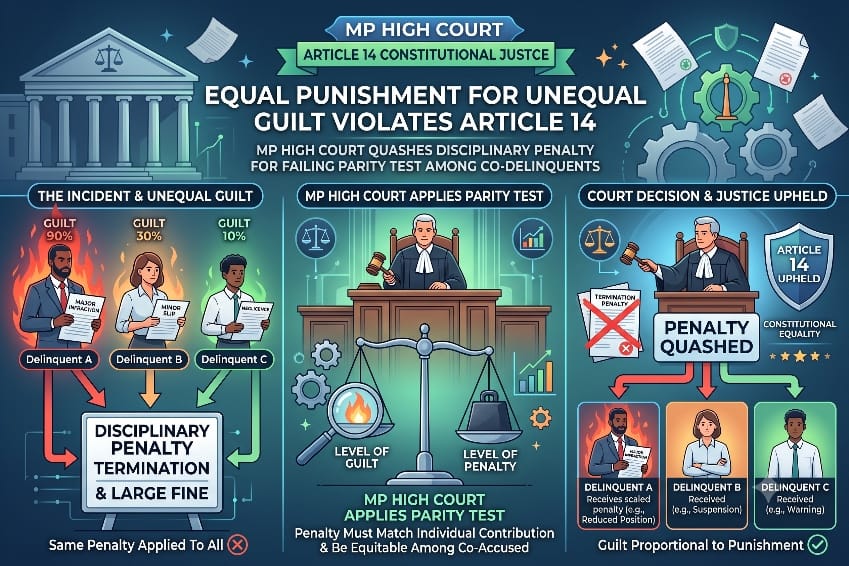
Brahm Kishore Dixit v. The State of Madhya Pradesh and Others | High Court of Madhya Pradesh, Gwalior | 1st September, 2026 A writ petition under Article 226 by a police Assistant…
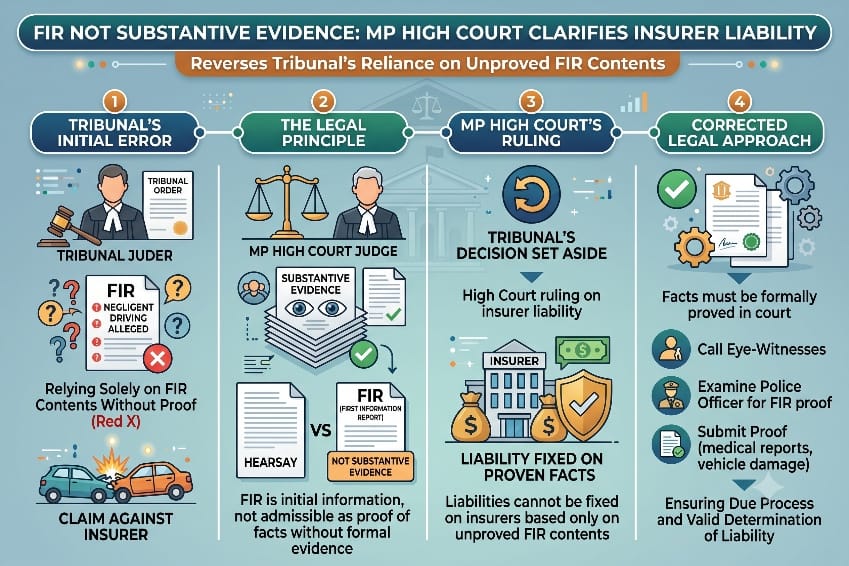
Anil Kumar Patel v. Smt. Munni Bai Barman and Others | High Court of Madhya Pradesh, Jabalpur | 1st September, 2026 A Motor Vehicle Act appeal under Section 173 1 against a Claims…
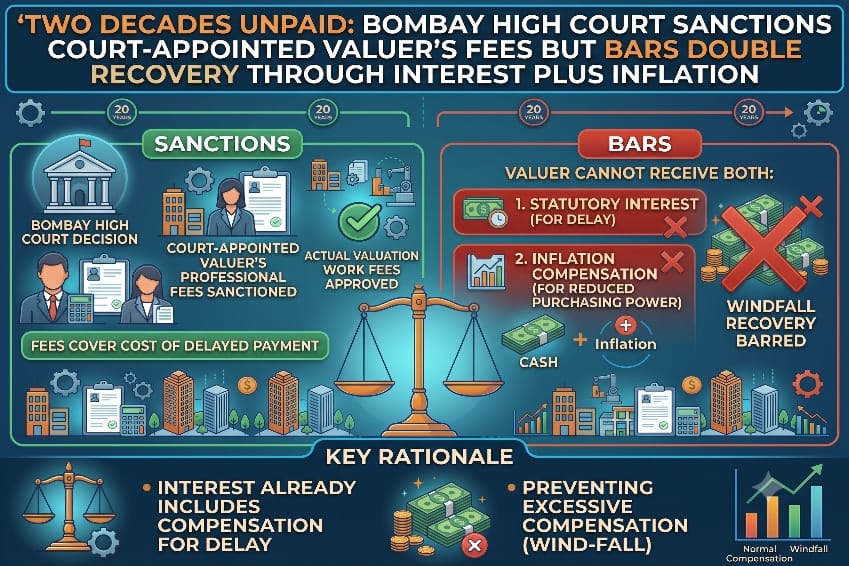
M/s. Kuber Mutual Benefits Ltd. & Ors. v. The State of Maharashtra & Ors. | High Court of Judicature at Bombay Appellate Side | 3rd September, 2026 A Court Receiver's Report…
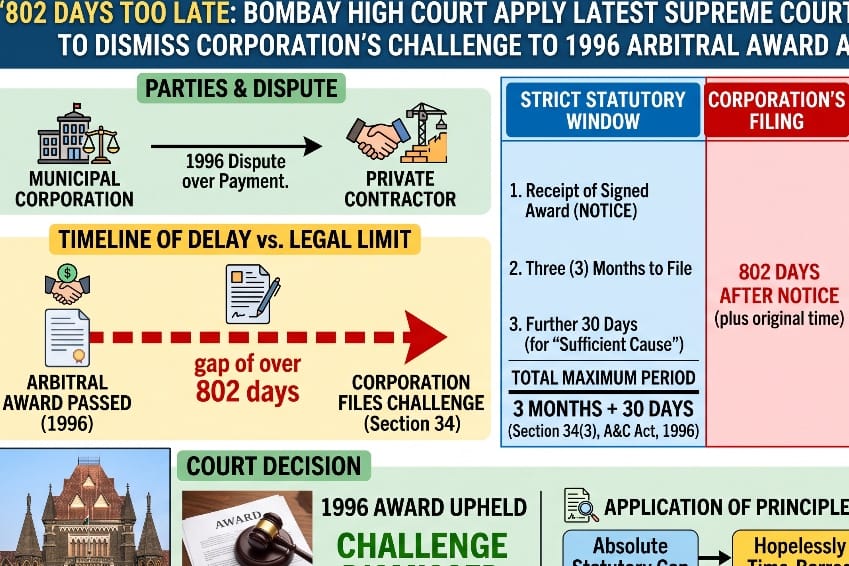
The Municipal Corporation of Greater Bombay v. M/s. Atul Raj Builders Pvt. Ltd. | High Court of Judicature at Bombay Ordinary Original Civil Jurisdiction | 3rd September, 2026 A…
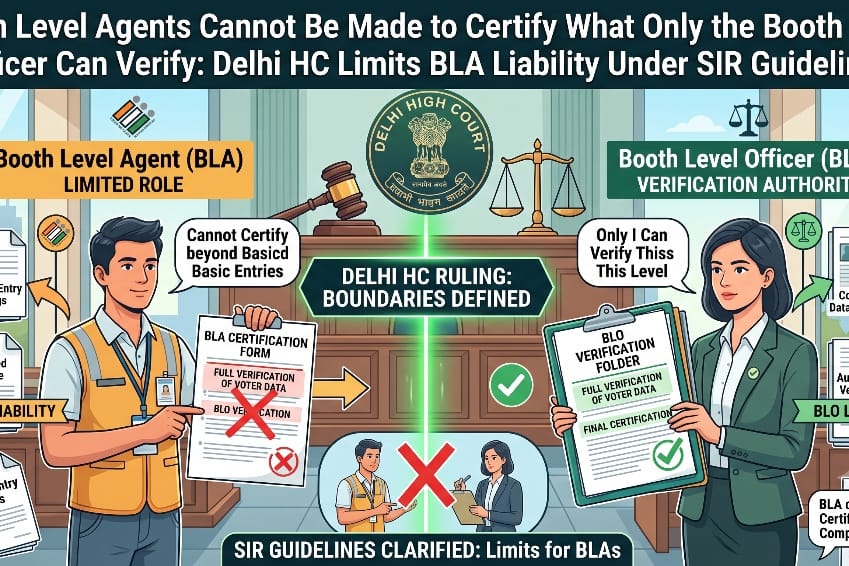
Devender Yadav & Anr. v. Election Commission of India & Anr. | High Court of Delhi Single Judge | Decided on: 03.09.2026 In a challenge to the Election Commission of India's…
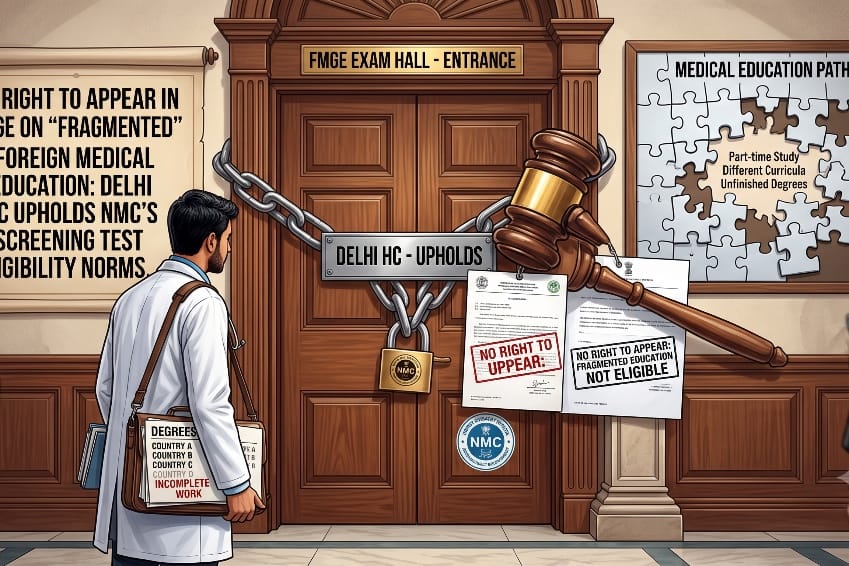
Brij Sharadbhai Bhatt & Ors. v. National Medical Commission & Ors. | High Court of Delhi Division Bench | Decided on: 03.09.2026 The Delhi High Court dismissed a challenge by…