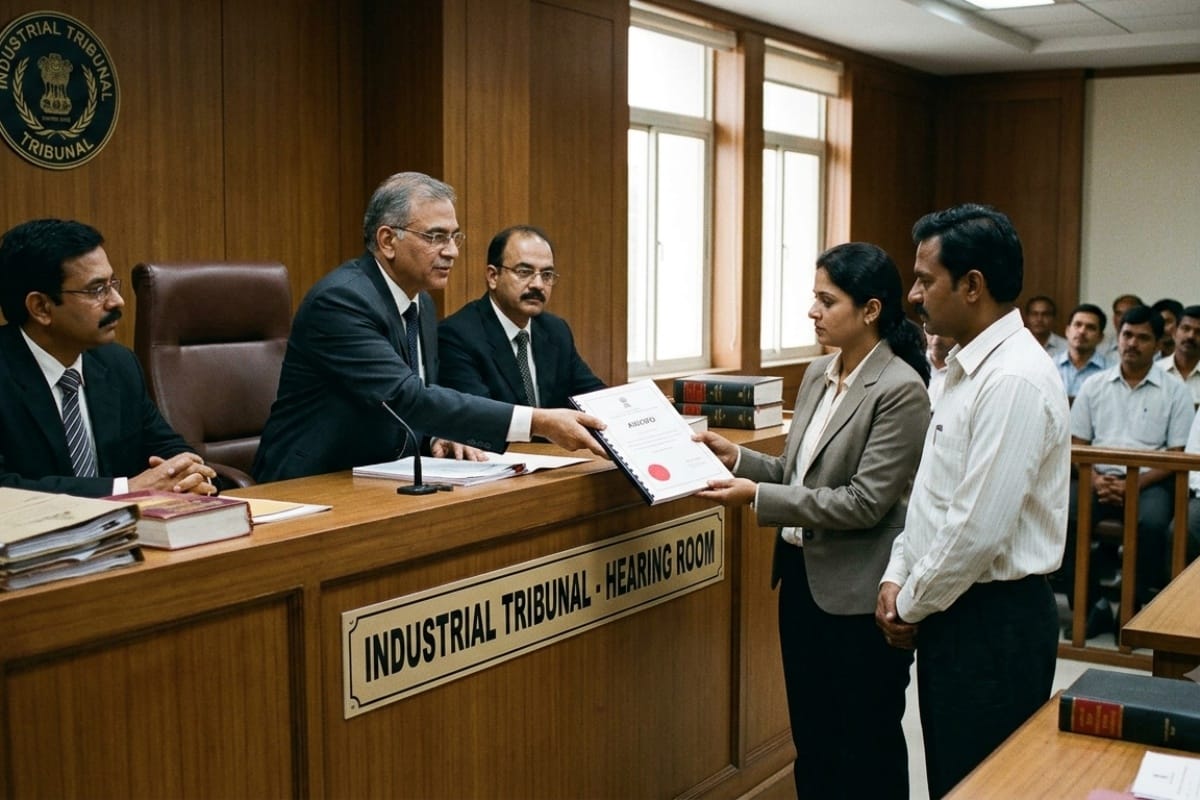
Deciding two connected writ petitions arising from a common Industrial Tribunal Award, the Delhi High Court set aside the Tribunal's direction granting hotel workmen a further…
Labour Laws
06/09/20264 min read
Update / Judgement Date
05 Nov 2025
Source
WCP News Bulletin
Author
Sakshi Bhardwaj — WCP Legal Desk
Reading Time
3 min read
Headnote:
The Supreme Court allowed the appeal and set aside the judgments of the High Court of Karnataka and the trial court in a partition suit. The Court held that the registered release deeds executed by two coparceners were valid and binding, and that the palupatti (family arrangement) though unregistered was admissible for collateral purposes to establish severance of joint family status and separate enjoyment of property. Accordingly the partitionable estate, shares and hotchpot were to be re-worked out in accordance with those findings.
Background:
• The suit related to properties (Schedule “A”, “B” & “C”) traced to a common ancestor Pillappa. The plaintiffs sought partition and separate possession of the properties, asserting they were joint family properties. (pp.2-3)
• Defendant No. 5 (now appellant) contested: (i) two of the plaintiffs had executed registered release deeds (Ex.D-15 on 9 Nov 1956 and Ex.D-16 on 14 Sept 1967) relinquishing their coparcenary rights, (ii) an alleged family settlement/palupatti dated 11 Feb 1972 (Ex.D-17) was invoked for severance of joint family.
• The trial court declared the estate partitionable, rejected the release deeds and palupatti, and gave shares accordingly.
• The High Court upheld the trial court’s decision.
Court’s Observations:
• The Court held that Ex.D-15 (registered release of plaintiff no. 2) was valid and binding; the presumption under Section 90 Indian Evidence Act (old) applied since the document was registered, and no credible rebuttal was led.
• The objection that the release had not been “acted upon” or appeared in later palupatti was held to be misconceived; execution of registered deed with consideration and admissions was sufficient to effect relinquishment.
• Regarding Ex.D-16 (release by defendant no. 3), the Court found it also valid and binding, despite the High Court’s concern over stamp duty and non-acting upon; the consistent post-transaction conduct corroborated severance.
• The Court further held that an unregistered palupatti (Ex.D-17) could be looked at for collateral purposes (i.e., proof of severance of status and character of possession/enjoyment) even though it was not registered, so long as used for such purpose.
• On the basis of the above, the Court re-worked the partitionable pool: Schedule “A” and items 1–16 of Schedule “C” formed the hotchpot; Schedule “B” and item 17 of Schedule “C” were excluded from the family pool and held half by defendant no. 5 and half by defendant no. 6. (pp.27-28)
• Shares among parties were accordingly adjusted: plaintiff no. 1 and defendant no. 5 each were entitled to 8/21 of the partitionable pool; each of the five daughters’ branches to 1/21; plaintiff no. 2 and defendant no. 3 took no share due to valid releases.
Legal Provisions Discussed:
• Section 90, Indian Evidence Act, 1872 – presumption as to genuineness of registered documents.
• Section 17, Registration Act, 1908 – registration of non-testamentary instruments in respect of immovable property.
• Principles of Hindu law on joint family property, severance of status, family settlement, and collateral use of unregistered documents.
Outcome:
The appeal is allowed; the judgments of the lower courts are set aside; a fresh preliminary decree is substituted incorporating the above findings and directing accordingly for further proceedings. (p.28-29)
Citation: 2025 INSC 1286
Case: P. Anjanappa (D) by LRs v. A.P. Nanjundappa & Ors.
Court: Supreme Court of India
Coram: Justice Vikram Nath
Date of Decision: 6 November 2025
Civil Appeal No.: 3934 of 2006
Deciding two connected writ petitions arising from a common Industrial Tribunal Award, the Delhi High Court set aside the Tribunal's direction granting hotel workmen a further…
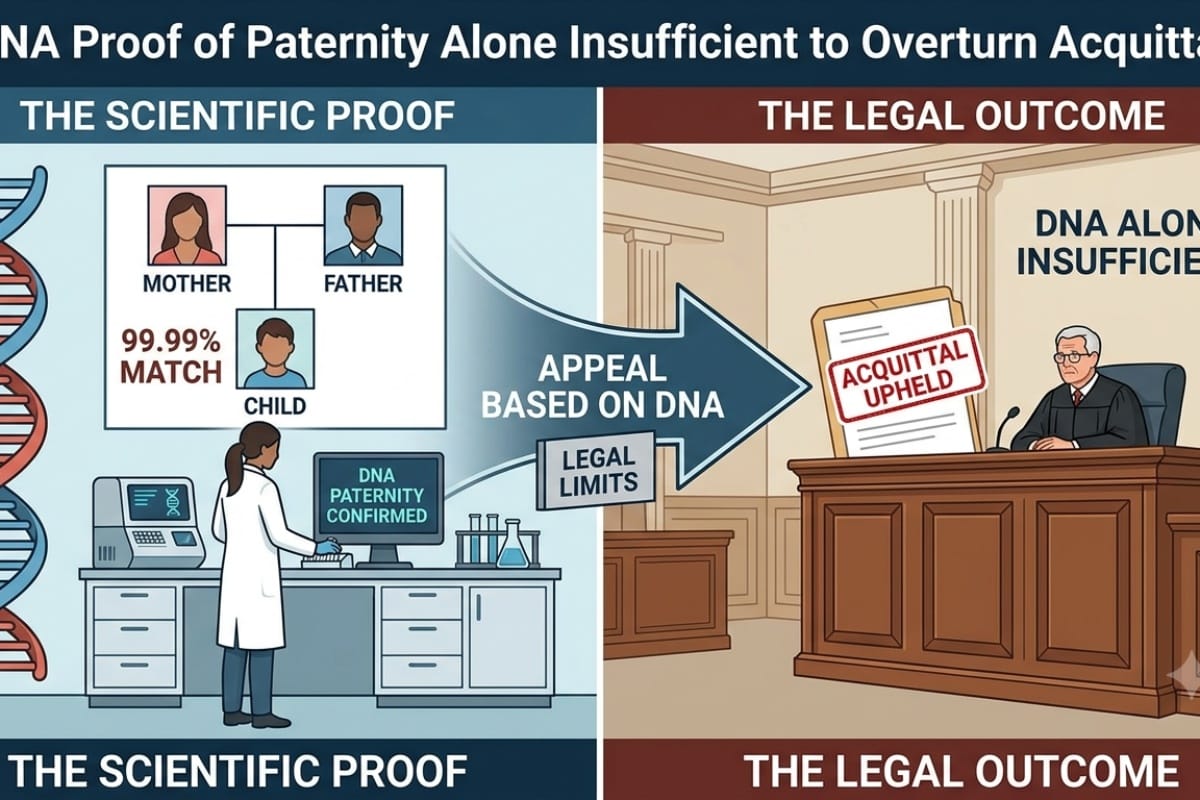
Headnote The Delhi High Court dismissed a prosecutrix's appeal against acquittal of the accused on charges under Sections 328/376 2 n /377/506/509 IPC, despite DNA evidence…
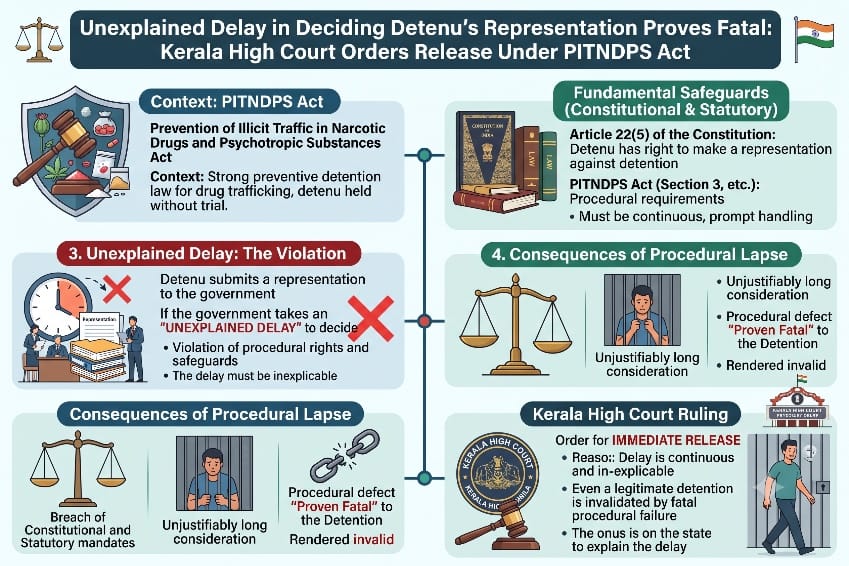
Fathimath Thasneem V.K. v. Union of India and Others | High Court of Kerala at Ernakulam | 3rd September, 2026 A habeas corpus writ petition by the wife of a detenu challenging…
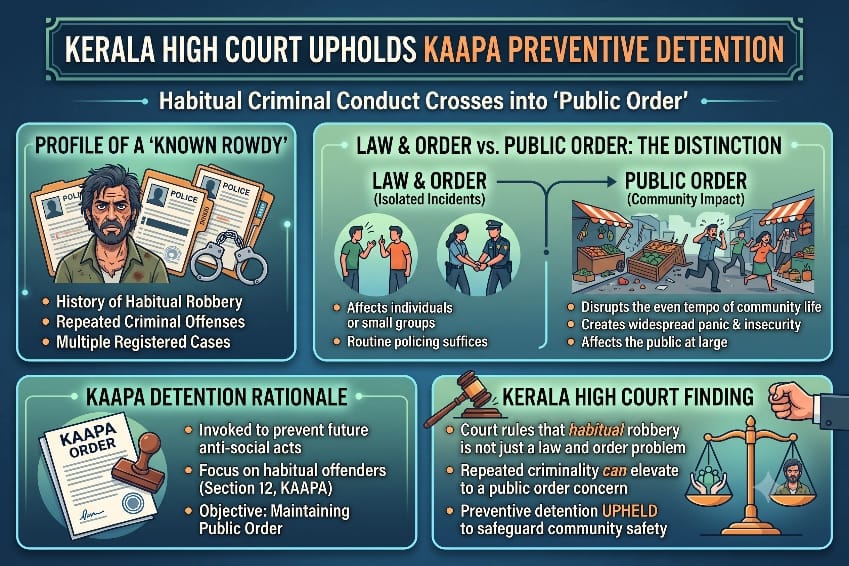
Thasmitha Abukutty v. State of Kerala and Others | High Court of Kerala at Ernakulam | 2nd September, 2026 A writ petition by the wife of a preventive detenu challenging a…
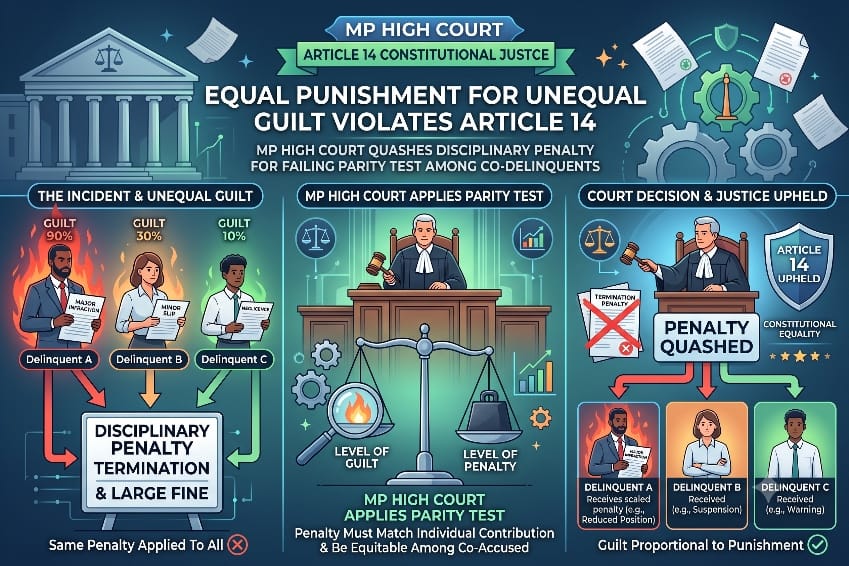
Brahm Kishore Dixit v. The State of Madhya Pradesh and Others | High Court of Madhya Pradesh, Gwalior | 1st September, 2026 A writ petition under Article 226 by a police Assistant…
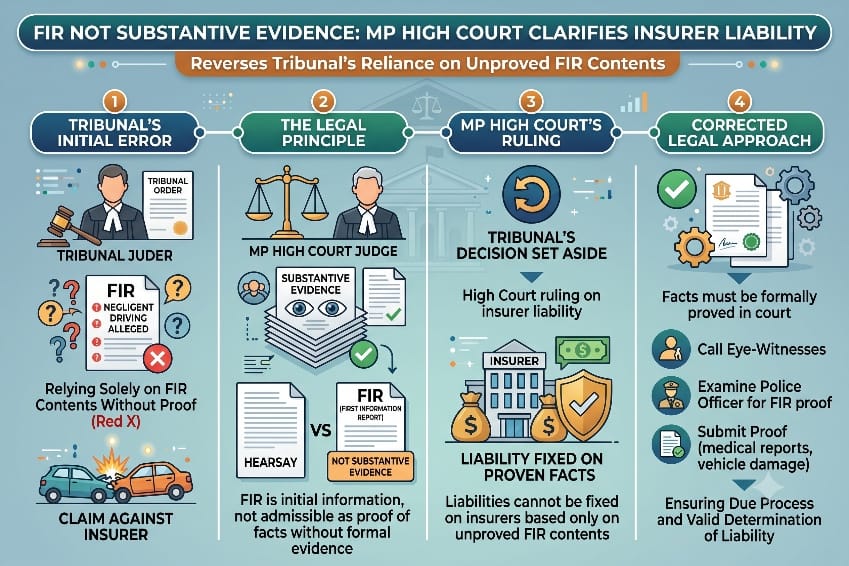
Anil Kumar Patel v. Smt. Munni Bai Barman and Others | High Court of Madhya Pradesh, Jabalpur | 1st September, 2026 A Motor Vehicle Act appeal under Section 173 1 against a Claims…
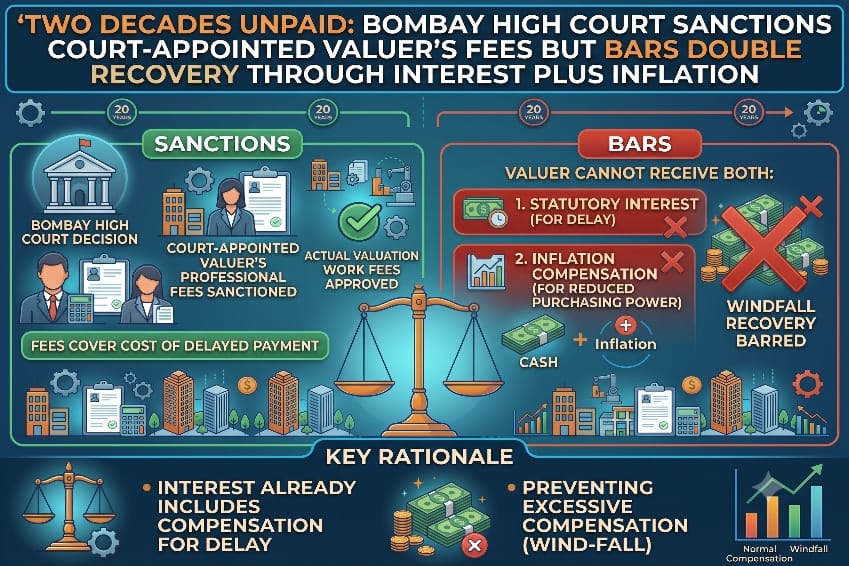
M/s. Kuber Mutual Benefits Ltd. & Ors. v. The State of Maharashtra & Ors. | High Court of Judicature at Bombay Appellate Side | 3rd September, 2026 A Court Receiver's Report…
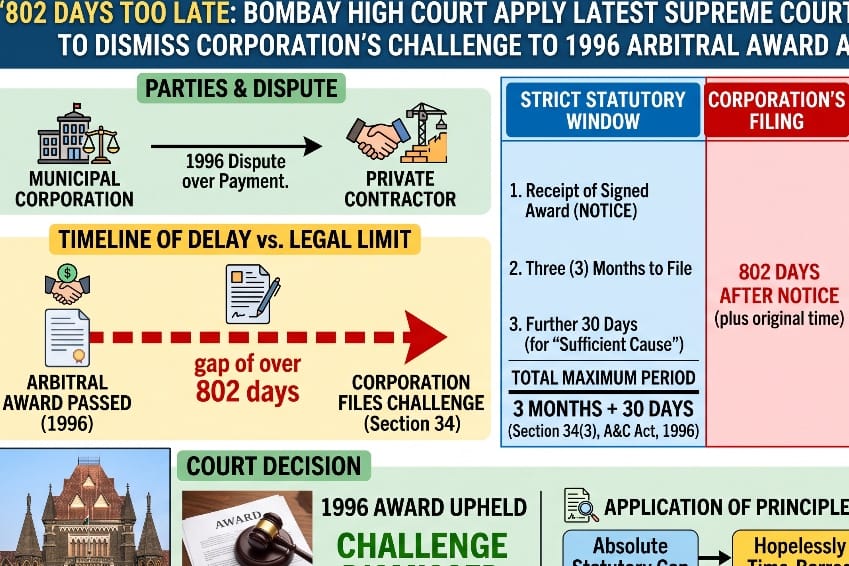
The Municipal Corporation of Greater Bombay v. M/s. Atul Raj Builders Pvt. Ltd. | High Court of Judicature at Bombay Ordinary Original Civil Jurisdiction | 3rd September, 2026 A…
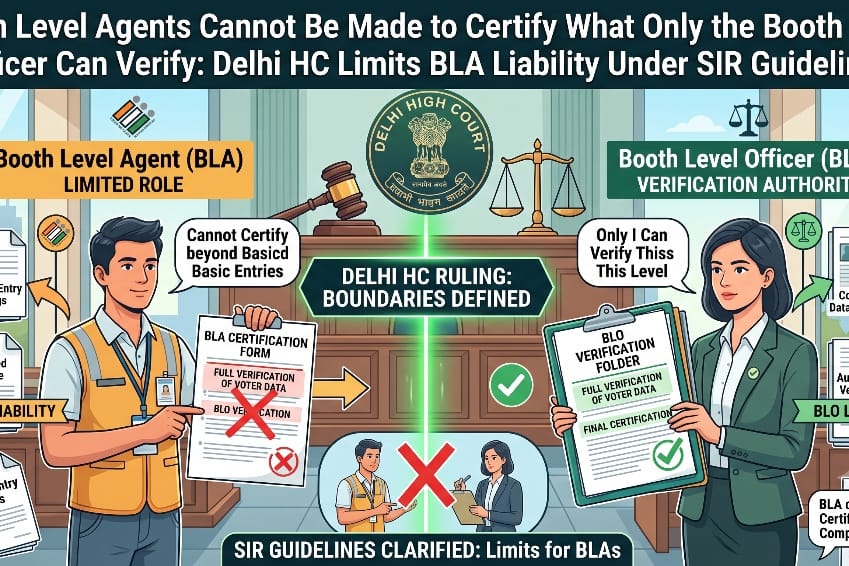
Devender Yadav & Anr. v. Election Commission of India & Anr. | High Court of Delhi Single Judge | Decided on: 03.09.2026 In a challenge to the Election Commission of India's…
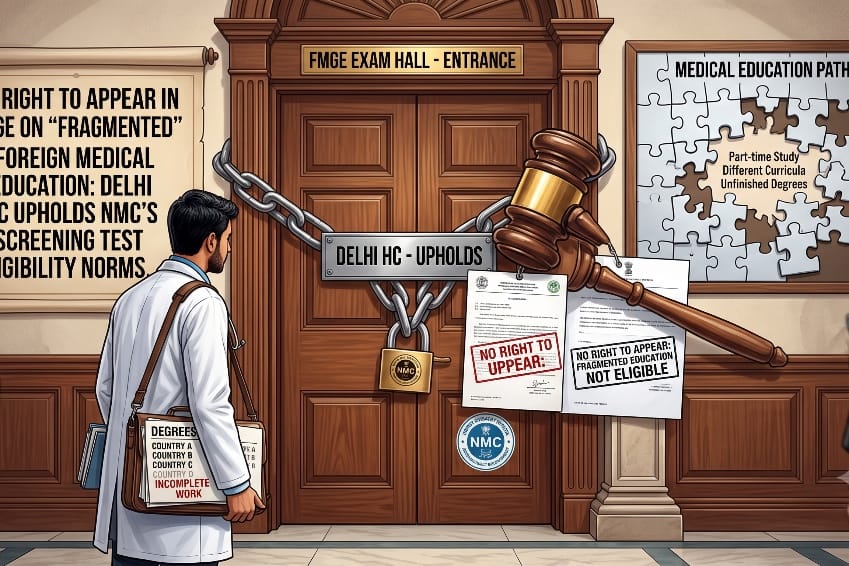
Brij Sharadbhai Bhatt & Ors. v. National Medical Commission & Ors. | High Court of Delhi Division Bench | Decided on: 03.09.2026 The Delhi High Court dismissed a challenge by…