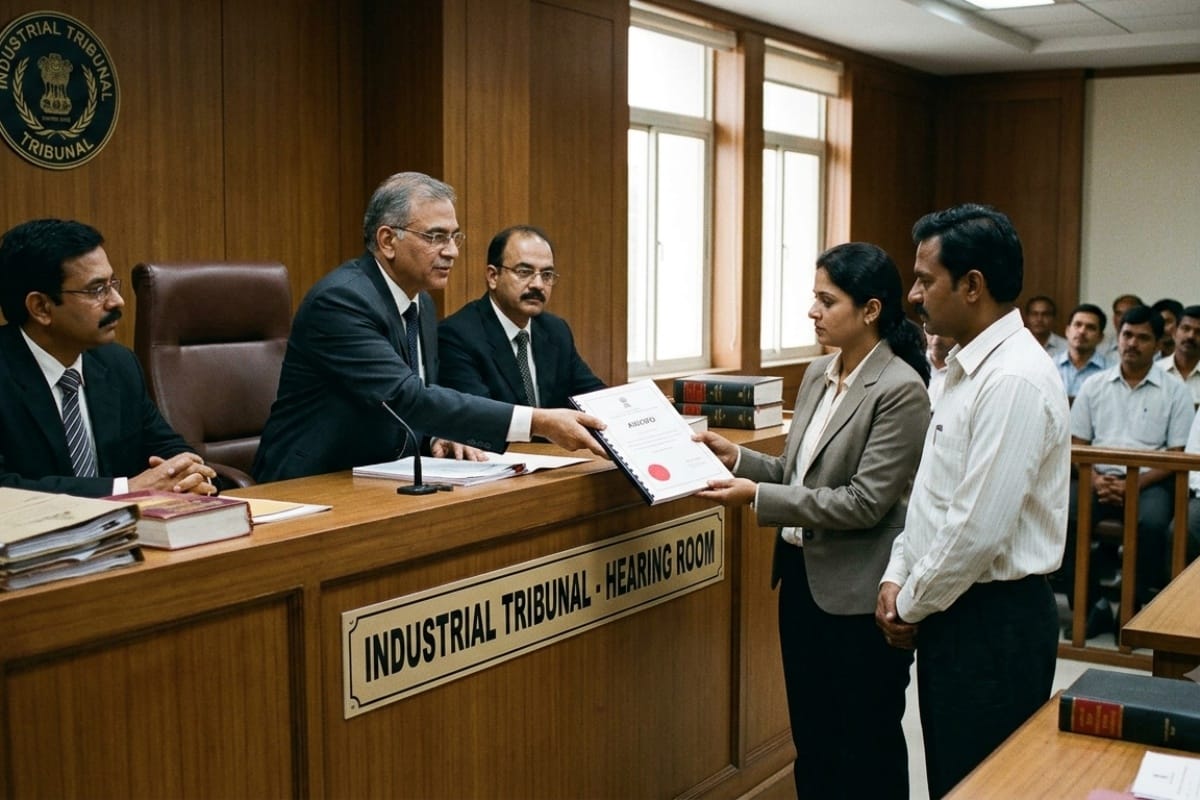
Deciding two connected writ petitions arising from a common Industrial Tribunal Award, the Delhi High Court set aside the Tribunal's direction granting hotel workmen a further…
Labour Laws
06/09/20264 min read
Update / Judgement Date
17 Dec 2025
Source
WCP News Bulletin
Author
Sakshi Bhardwaj — WCP Legal Desk
Reading Time
3 min read
The Supreme Court set aside the conviction of a doctor for rape under Section 376(2)(d) IPC, holding that when the victim and her husband turn hostile and do not support the prosecution case, conviction cannot be sustained merely on the basis of the FIR, investigating officer’s testimony, or uncorroborated circumstantial evidence. The Court emphasized that presuming witnesses were “won over” without evidence is impermissible and that hostile testimony, unsupported by reliable medical or forensic corroboration, cannot form the basis of conviction.
• The appellant, a medical practitioner, was accused of committing rape on a patient during examination at his clinic in Himmatnagar, Gujarat on 08.05.2001.
• An FIR was lodged on the basis of the victim’s allegations. After investigation, a charge-sheet was filed under Section 376(2)(d) IPC.
• The Trial Court convicted the appellant and sentenced him to six years’ rigorous imprisonment.
• On appeal, the Gujarat High Court dismissed the accused’s appeal and enhanced the sentence to ten years’ rigorous imprisonment on the State’s appeal.
• Aggrieved, the accused approached the Supreme Court.
• The victim (PW-1) and her husband (PW-2), the most material witnesses, did not support the prosecution case during trial and were declared hostile.
• Courts must be slow to rely on testimony of hostile witnesses unless corroborated by reliable independent evidence.
• The High Court erred in presuming, without evidence, that the victim and her husband were “won over” by the accused.
• Conviction cannot be based on the FIR or statements recorded during investigation when the same are not proved through substantive evidence at trial.
• Panch witnesses to recovery of clothes turned hostile and stated that their signatures were obtained on prepared documents at the instance of police.
• Medical evidence did not support recent sexual intercourse; no injuries were found on the victim’s private parts and semen was not detected during medical examination.
• Non-examination of independent witnesses present at the clinic further weakened the prosecution case.
• The prosecution failed to prove the charge beyond reasonable doubt.
• The Supreme Court allowed the appeals.
• The conviction and sentence imposed by the Trial Court and affirmed by the High Court were quashed and set aside.
• The appellant was acquitted of all charges, and bail bonds stood discharged.
• Section 376(2)(d), Indian Penal Code, 1860 – Rape by a person in a position of trust or authority.
• Section 313, Code of Criminal Procedure, 1973 – Examination of accused.
• Principles governing appreciation of evidence of hostile witnesses.
• Evidentiary value of FIR and investigation-stage statements.
Citation: 2025 INSC 1443
Case: Jayantibhai Chaturbhai Patel v. State of Gujarat
Court: Supreme Court of India
Bench: Justice Sanjay Karol & Justice Vipul M. Pancholi
Date of Decision: 16 December 2025
Criminal Appeal Nos.: 890–891 of 2017
Deciding two connected writ petitions arising from a common Industrial Tribunal Award, the Delhi High Court set aside the Tribunal's direction granting hotel workmen a further…
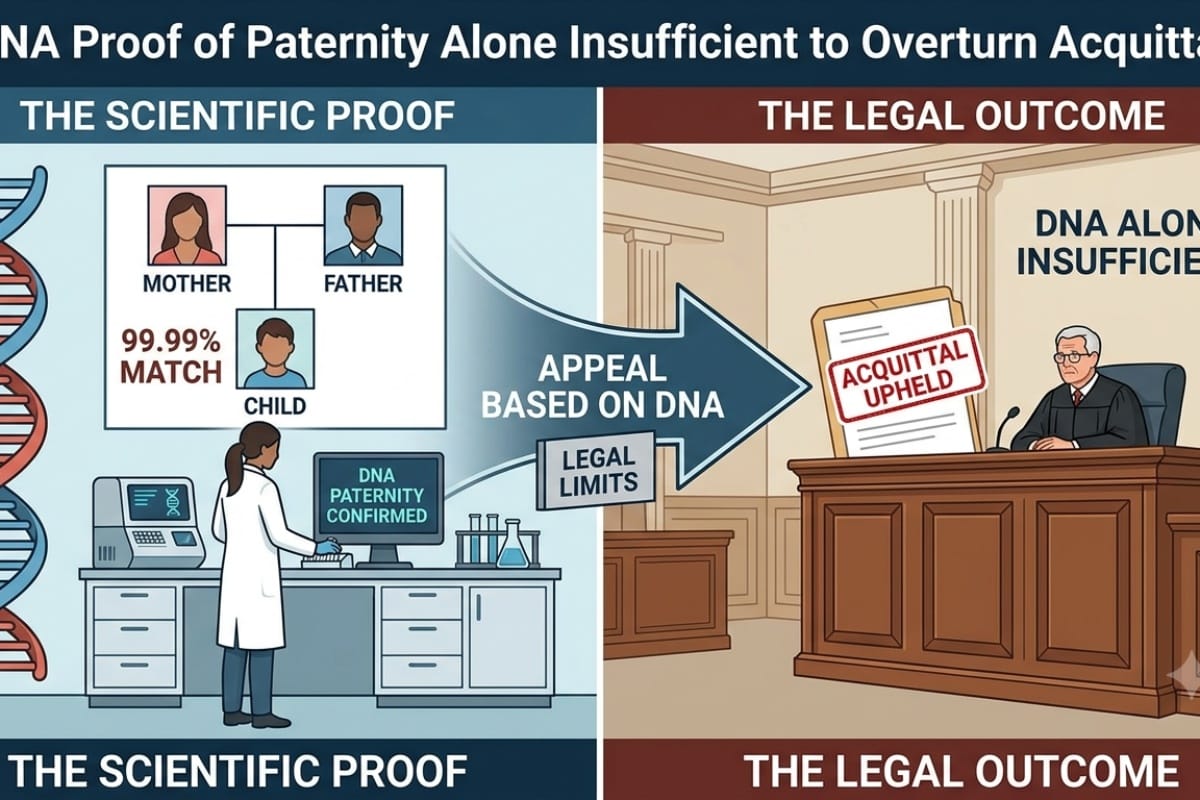
Headnote The Delhi High Court dismissed a prosecutrix's appeal against acquittal of the accused on charges under Sections 328/376 2 n /377/506/509 IPC, despite DNA evidence…
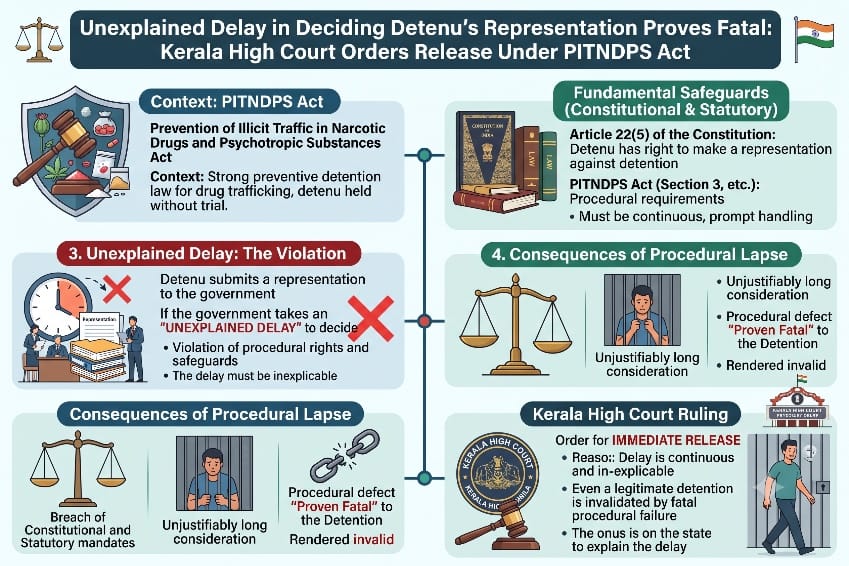
Fathimath Thasneem V.K. v. Union of India and Others | High Court of Kerala at Ernakulam | 3rd September, 2026 A habeas corpus writ petition by the wife of a detenu challenging…
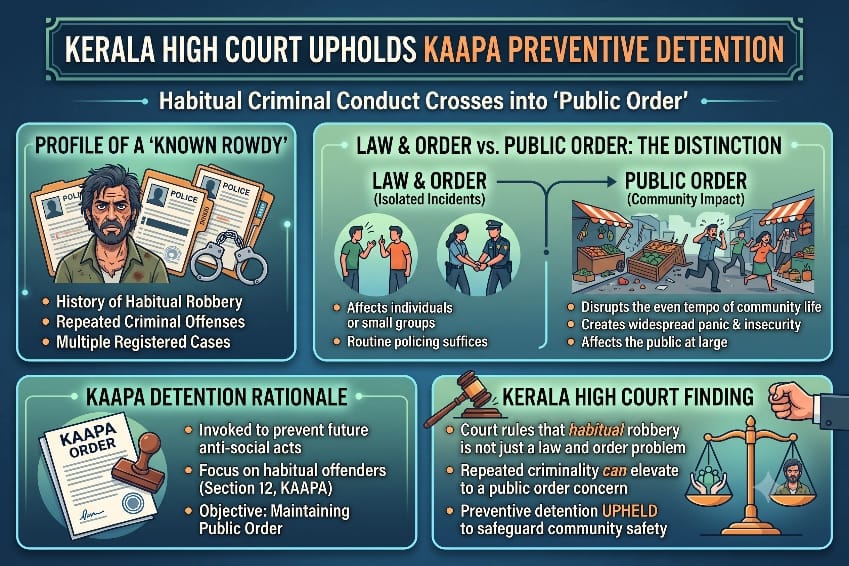
Thasmitha Abukutty v. State of Kerala and Others | High Court of Kerala at Ernakulam | 2nd September, 2026 A writ petition by the wife of a preventive detenu challenging a…
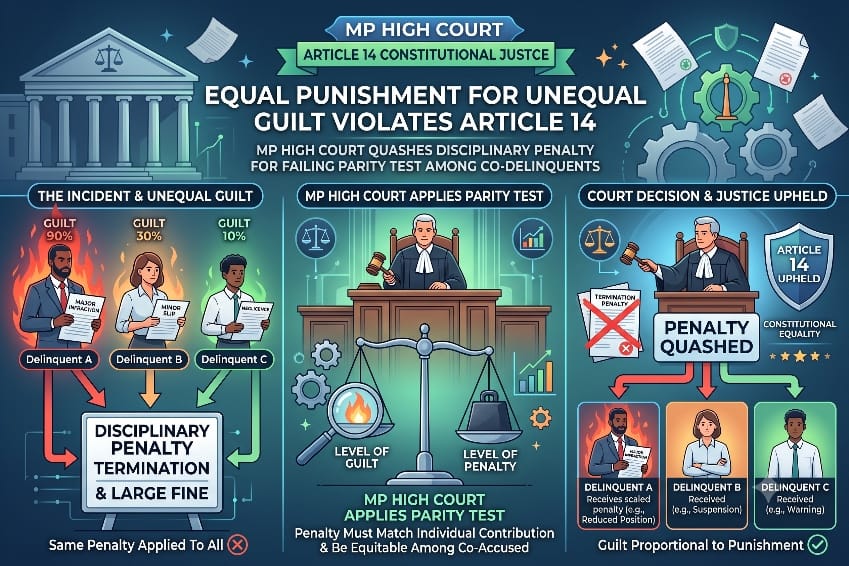
Brahm Kishore Dixit v. The State of Madhya Pradesh and Others | High Court of Madhya Pradesh, Gwalior | 1st September, 2026 A writ petition under Article 226 by a police Assistant…
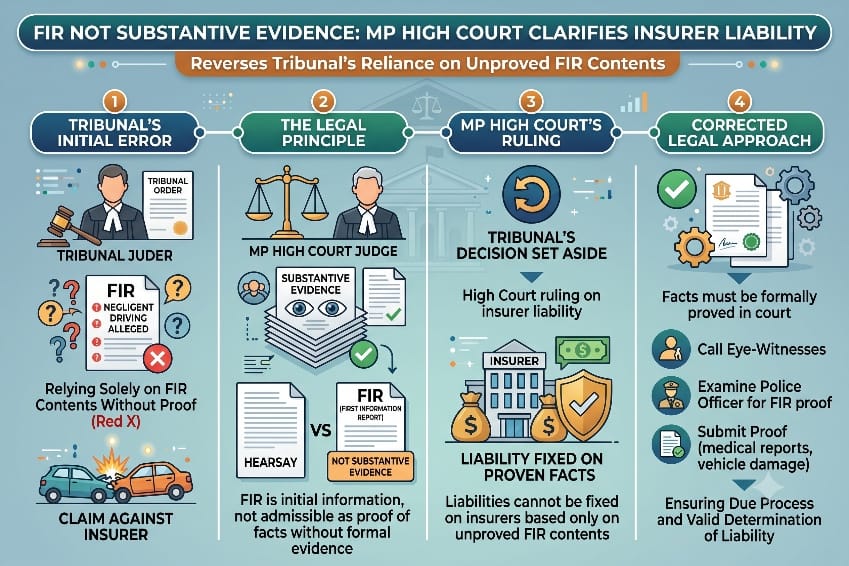
Anil Kumar Patel v. Smt. Munni Bai Barman and Others | High Court of Madhya Pradesh, Jabalpur | 1st September, 2026 A Motor Vehicle Act appeal under Section 173 1 against a Claims…
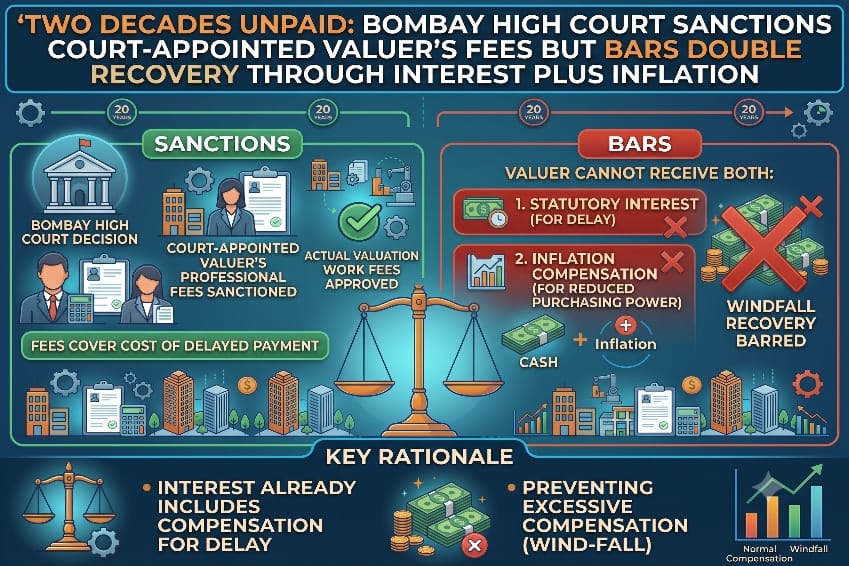
M/s. Kuber Mutual Benefits Ltd. & Ors. v. The State of Maharashtra & Ors. | High Court of Judicature at Bombay Appellate Side | 3rd September, 2026 A Court Receiver's Report…
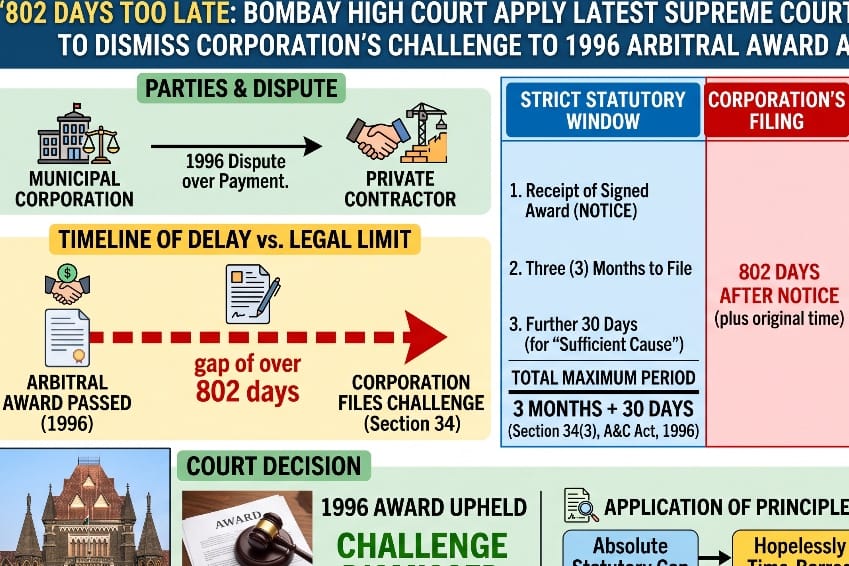
The Municipal Corporation of Greater Bombay v. M/s. Atul Raj Builders Pvt. Ltd. | High Court of Judicature at Bombay Ordinary Original Civil Jurisdiction | 3rd September, 2026 A…
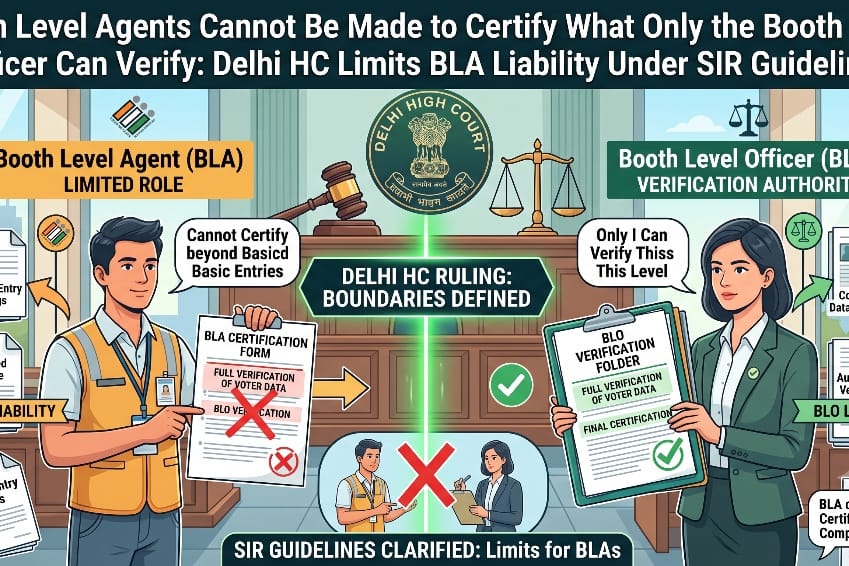
Devender Yadav & Anr. v. Election Commission of India & Anr. | High Court of Delhi Single Judge | Decided on: 03.09.2026 In a challenge to the Election Commission of India's…
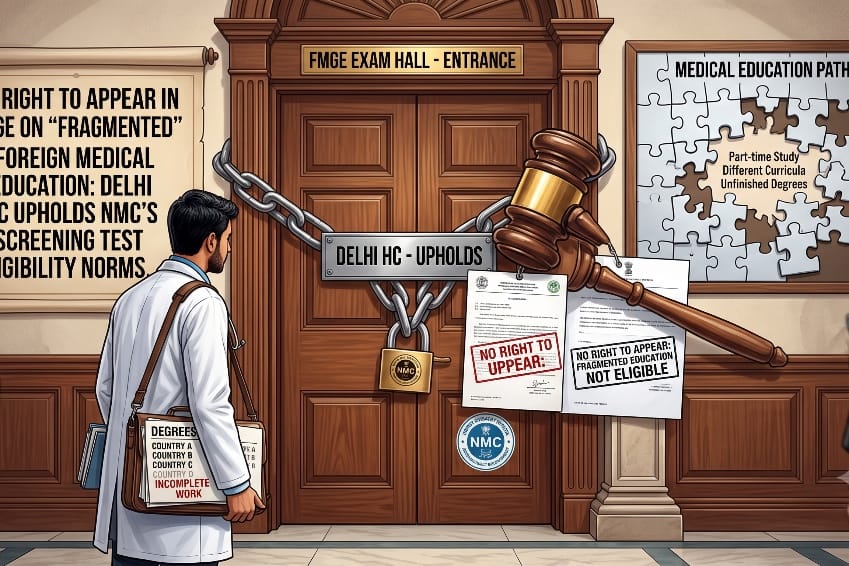
Brij Sharadbhai Bhatt & Ors. v. National Medical Commission & Ors. | High Court of Delhi Division Bench | Decided on: 03.09.2026 The Delhi High Court dismissed a challenge by…