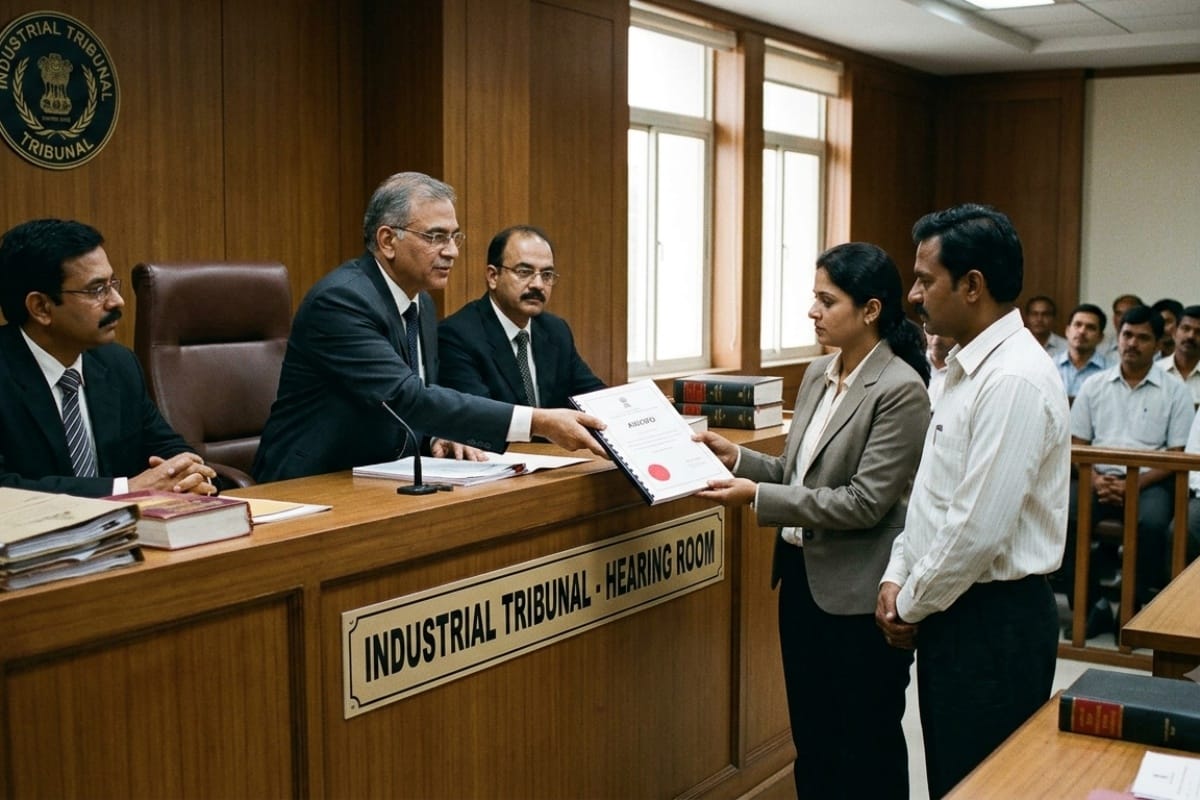
Deciding two connected writ petitions arising from a common Industrial Tribunal Award, the Delhi High Court set aside the Tribunal's direction granting hotel workmen a further…
Labour Laws
06/09/20264 min read
Update / Judgement Date
01 Dec 2025
Source
WCP News Bulletin
Author
Sakshi Bhardwaj — WCP Legal Desk
Reading Time
3 min read
The Supreme Court set aside the conviction of three appellants on the ground of serious non-compliance with Section 313 CrPC. The Trial Court had asked only four generic and identical questions to all accused, failing to place specific incriminating evidence before them. The Court held that such a “mechanical, superficial and ritualistic” examination amounts to violation of a valuable statutory right, rendering the conviction unsustainable. The matter was remanded to the Trial Court to begin afresh from the stage of proper Section 313 CrPC questioning, while the convictions of other co-accused remain undisturbed.
• The Trial Court convicted six accused under:
– Section 302/34 IPC – life imprisonment + fine
– Sections 448 & 323/34 IPC – one year SI
• Conviction was upheld by the Patna High Court on 04.09.2024 and 26.09.2024.
• The incident (31.03.2016) involved the murder of Ghughali Pasi, who was assaulted with sharp weapons while returning from agricultural fields.
• The prosecution also alleged house trespass and assault of minor family members.
• Three of the convicted accused—Chandan Pasi, Pappu Pasi, and Gidik Pasi—challenged their conviction before the Supreme Court.
• They argued that the Trial Court failed to comply with Section 313 CrPC, denying them an opportunity to explain incriminating circumstances.
• Section 313 CrPC is not a mere formality; it is a mandatory safeguard ensuring fair trial.
• The Trial Court asked only four questions, all generic, vague, and identical for each accused.
• No specific evidence, witness statements, or material circumstances were put to the accused.
• Such a truncated examination violates the principle that every piece of incriminating evidence must be explained to the accused in clear terms.
• The Court termed it an “abject failure” by both the Trial Court and the Prosecutor.
• Reliance was placed on settled jurisprudence:
– Sanatan Naskar v. State of Bengal
– Indrakunwar v. State of Chhattisgarh
– Aejaz Ahmad Sheikh v. State of Maharashtra
• Incriminating facts not put to an accused cannot be used to convict them.
• Appeal allowed for the three appellants.
• The matter is remanded to the Trial Court, which must restart proceedings from the Section 313 CrPC stage.
• Trial Court directed to complete the process within four months.
• Convictions of other accused (not before the Court) remain undisturbed.
• Supreme Court directed the Registrar (Judicial) to send a copy of the judgment to the Patna High Court and the concerned Trial Court for immediate compliance.
• Section 313, Code of Criminal Procedure, 1973 – Examination of the accused.
• Sections 302/34, 448/34, 323/34 IPC – Murder, house trespass, simple hurt.
Article 136, Constitution of India – Special leave jurisdiction.
Citation: 2025 INSC 1371
Case: Chandan Pasi & Ors. v. State of Bihar
Court: Supreme Court of India
Deciding two connected writ petitions arising from a common Industrial Tribunal Award, the Delhi High Court set aside the Tribunal's direction granting hotel workmen a further…
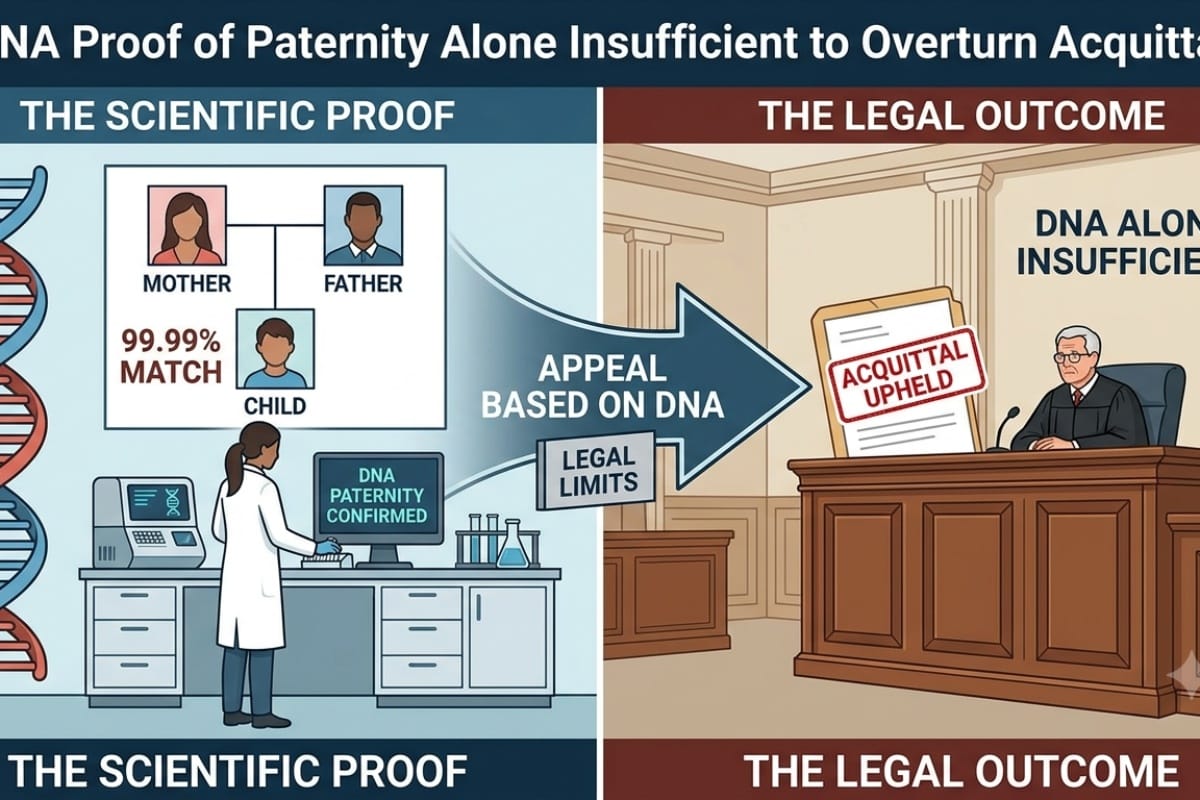
Headnote The Delhi High Court dismissed a prosecutrix's appeal against acquittal of the accused on charges under Sections 328/376 2 n /377/506/509 IPC, despite DNA evidence…
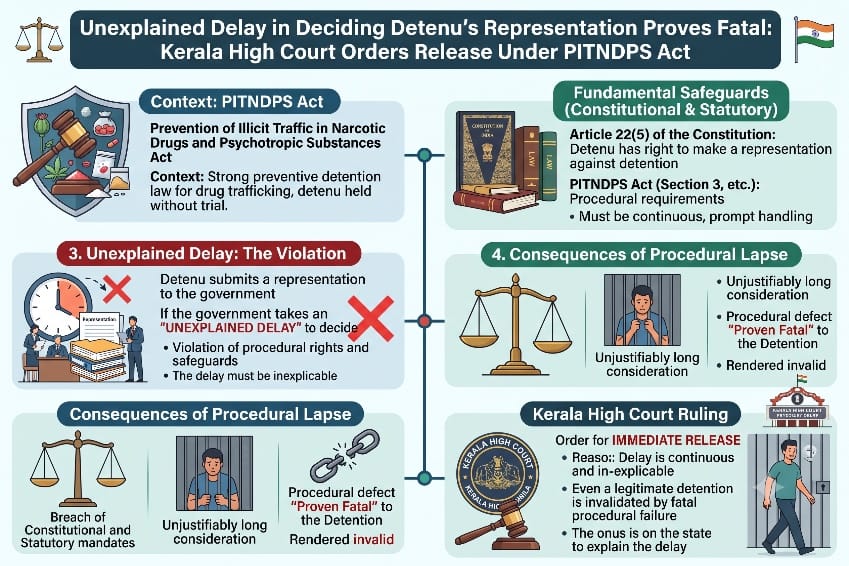
Fathimath Thasneem V.K. v. Union of India and Others | High Court of Kerala at Ernakulam | 3rd September, 2026 A habeas corpus writ petition by the wife of a detenu challenging…
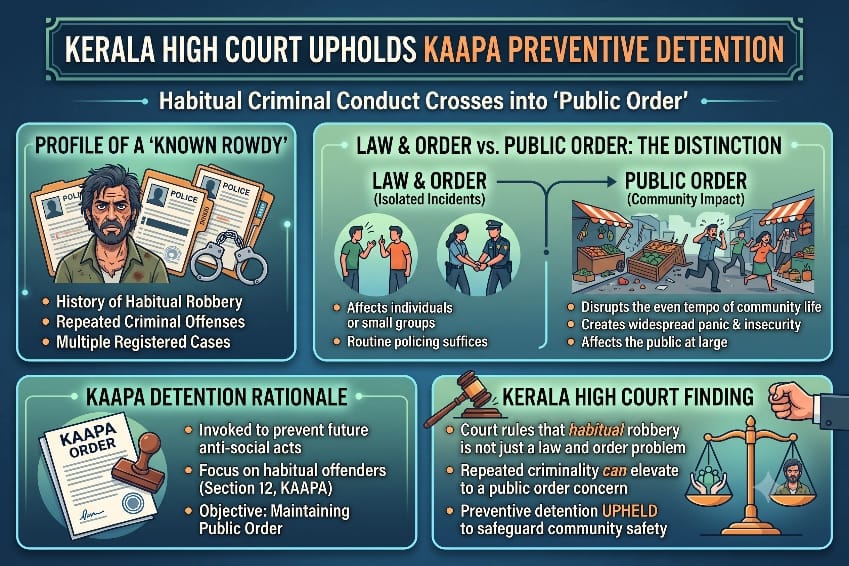
Thasmitha Abukutty v. State of Kerala and Others | High Court of Kerala at Ernakulam | 2nd September, 2026 A writ petition by the wife of a preventive detenu challenging a…
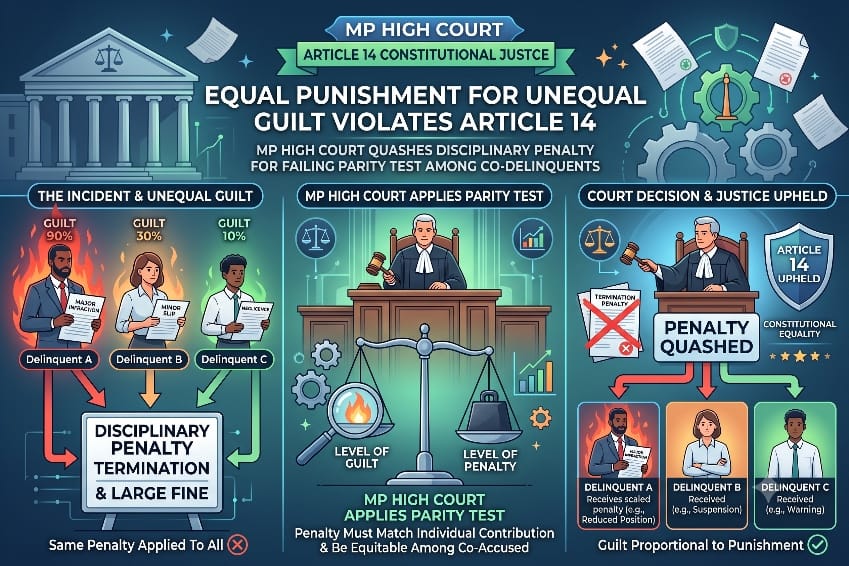
Brahm Kishore Dixit v. The State of Madhya Pradesh and Others | High Court of Madhya Pradesh, Gwalior | 1st September, 2026 A writ petition under Article 226 by a police Assistant…
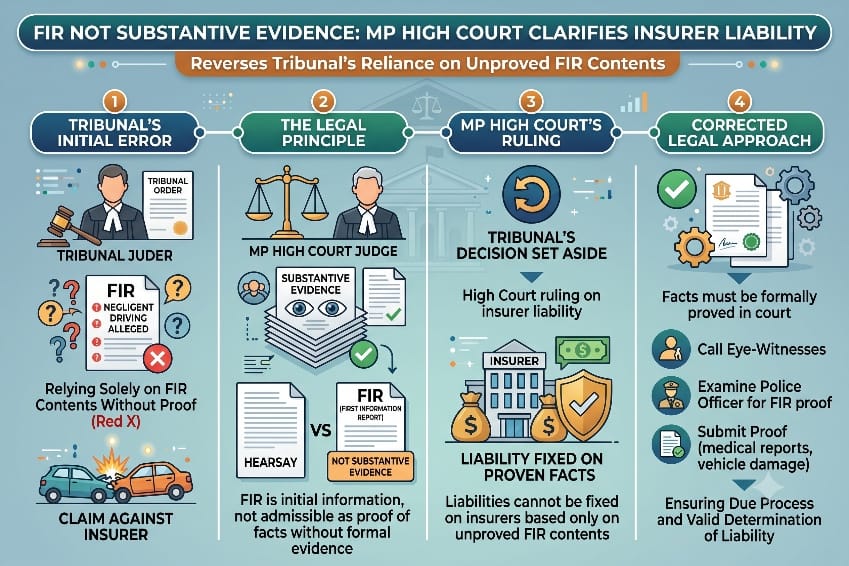
Anil Kumar Patel v. Smt. Munni Bai Barman and Others | High Court of Madhya Pradesh, Jabalpur | 1st September, 2026 A Motor Vehicle Act appeal under Section 173 1 against a Claims…
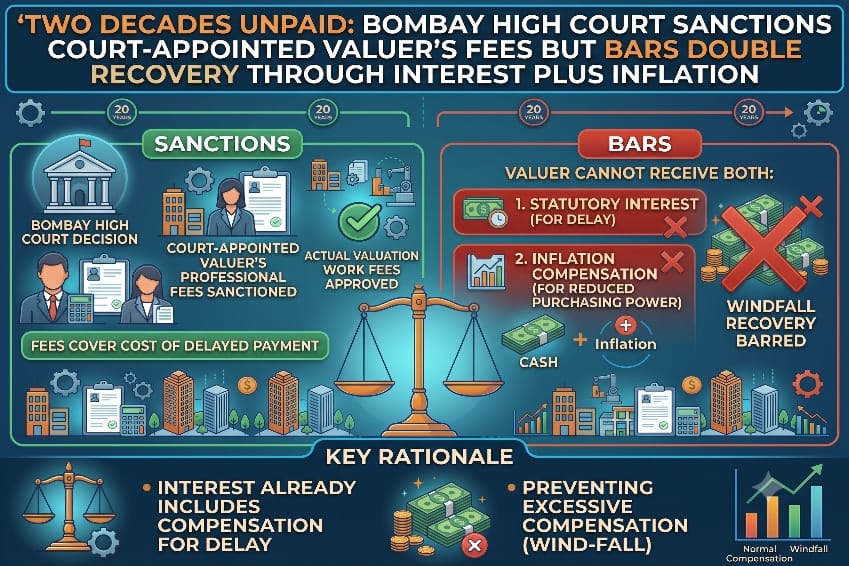
M/s. Kuber Mutual Benefits Ltd. & Ors. v. The State of Maharashtra & Ors. | High Court of Judicature at Bombay Appellate Side | 3rd September, 2026 A Court Receiver's Report…
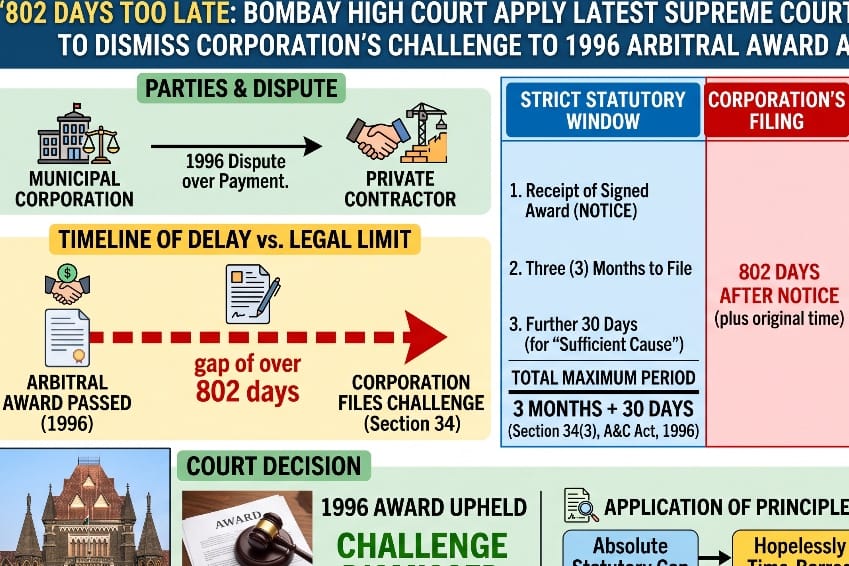
The Municipal Corporation of Greater Bombay v. M/s. Atul Raj Builders Pvt. Ltd. | High Court of Judicature at Bombay Ordinary Original Civil Jurisdiction | 3rd September, 2026 A…
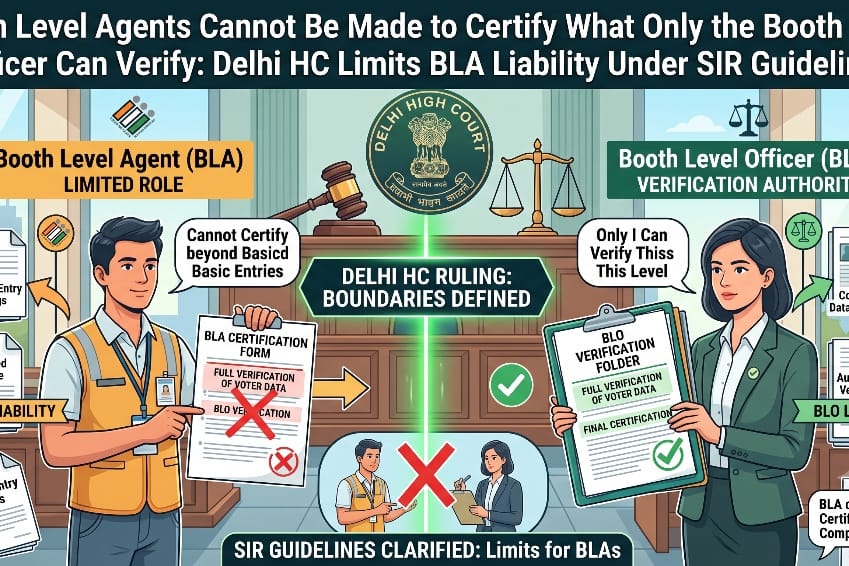
Devender Yadav & Anr. v. Election Commission of India & Anr. | High Court of Delhi Single Judge | Decided on: 03.09.2026 In a challenge to the Election Commission of India's…
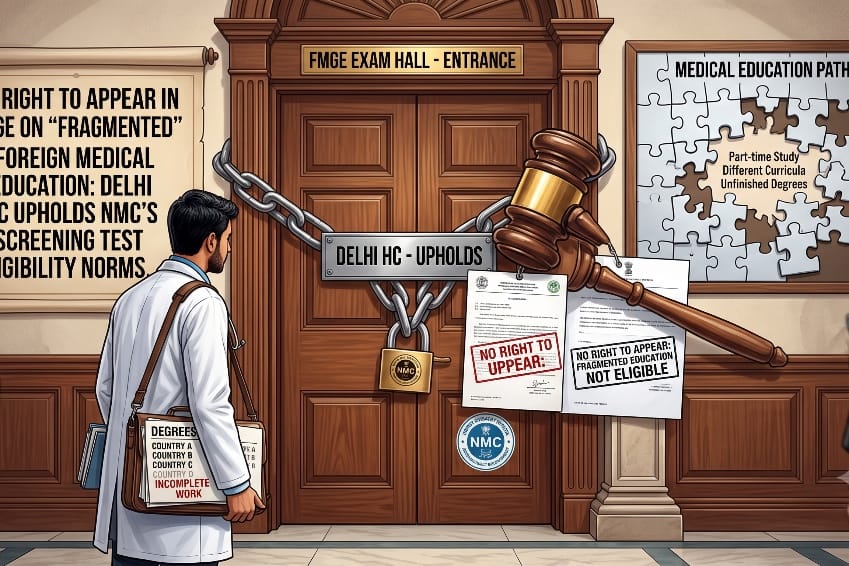
Brij Sharadbhai Bhatt & Ors. v. National Medical Commission & Ors. | High Court of Delhi Division Bench | Decided on: 03.09.2026 The Delhi High Court dismissed a challenge by…