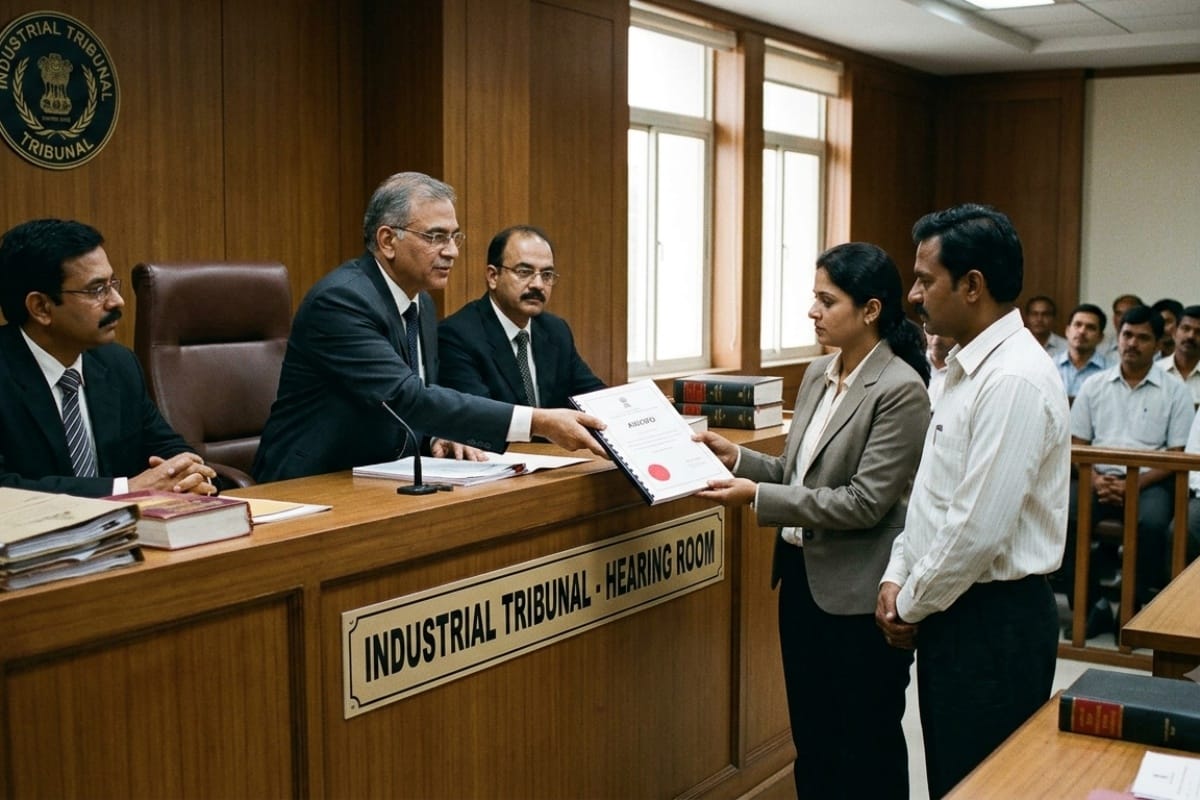
Deciding two connected writ petitions arising from a common Industrial Tribunal Award, the Delhi High Court set aside the Tribunal's direction granting hotel workmen a further…
Labour Laws
06/09/20264 min read
Update / Judgement Date
17 Dec 2025
Source
WCP News Bulletin
Author
Sakshi Bhardwaj — WCP Legal Desk
Reading Time
4 min read
The Supreme Court set aside the judgment of the High Court granting permanent injunction in favour of the plaintiffs, holding that an injunction cannot be granted unless the plaintiff establishes clear title and precise identification of the suit property. The Court ruled that a rectification deed executed two decades later, without valid reasons and after the underlying acquisition itself had been quashed, could not confer enforceable rights. Reliance by the High Court on an unproved and unilateral survey conducted by the Bangalore Development Authority (BDA) was held to be legally unsustainable.
• The respondents (plaintiffs) filed a suit for permanent injunction seeking protection against interference with Site No. 66, claimed to be situated in Survey Nos. 350/9, 350/10 and 350/11, allegedly allotted by the Bangalore Development Authority (BDA).
• The property originally pertained to Survey Nos. 349/1 and 350/12 at Kempapura Agrahara Village, Bengaluru North Taluk, owned by the appellants’ predecessors.
• The BDA had initiated acquisition proceedings, but possession was never taken and the acquisition was later set aside by the High Court in a writ petition filed by the appellants.
• Despite non-compliance with conditions of allotment—particularly construction of a residential house within two years—a sale deed was executed in 2003 in favour of the respondents’ father.
• During pendency of litigation, a rectification deed was executed by the BDA in 2012 altering the survey numbers of the allotted site.
• The Trial Court dismissed the suit, holding that title was not established and the property was not identifiable.
• The High Court reversed the Trial Court’s judgment relying on an alleged survey conducted by the BDA.
• The defendants approached the Supreme Court challenging the High Court’s decision.
• The original allotment was based on acquisition proceedings which were subsequently quashed, rendering the foundation of the respondents’ claim untenable.
• The conditions of allotment mandated construction of a residential house within two years, which was admittedly not complied with even after nearly two decades.
• The rectification deed changing survey numbers after about 20 years, without cogent reasons and after acquisition was set aside, could not be treated as valid or reliable.
• The alleged BDA survey relied upon by the High Court was not proved in accordance with law—there was no seal, no authenticated signature, and the author was not examined.
• A document merely being produced does not amount to proof; reliance on an unproved and unilateral survey conducted behind the back of the defendants was impermissible.
• There was serious ambiguity regarding identification of Site No. 66, and the plaintiffs failed to seek appointment of a Commissioner to properly demarcate the property.
• Grant of injunction requires clear proof of title and identifiable possession, both of which were absent in the present case.
• The Supreme Court allowed the appeal.
• The judgment of the High Court in First Appeal was set aside.
• The Trial Court’s order dismissing the suit for permanent injunction was restored.
• All pending applications were disposed of accordingly.
• Injunction cannot be granted in the absence of established title and proper identification of property.
• Rectification deeds altering material particulars after long delay require strict scrutiny.
• Acquisition-based allotments lose validity once acquisition proceedings are quashed.
• Unproved documents and unilateral surveys cannot form the basis of judicial findings.
• Burden lies on the plaintiff to clearly identify suit property, including by seeking appointment of a Commissioner where necessary.
Citation: 2025 INSC 1450
Case: Obalappa & Ors. v. Pawan Kumar Bhihani & Ors.
Court: Supreme Court of India
Bench: Justice K. Vinod Chandran & Justice Ahsanuddin Amanullah
Date of Decision: 17 December 2025
Civil Appeal: Civil Appeal No. … of 2025
(@ Special Leave Petition (C) No. 14966 of 2025)
Deciding two connected writ petitions arising from a common Industrial Tribunal Award, the Delhi High Court set aside the Tribunal's direction granting hotel workmen a further…
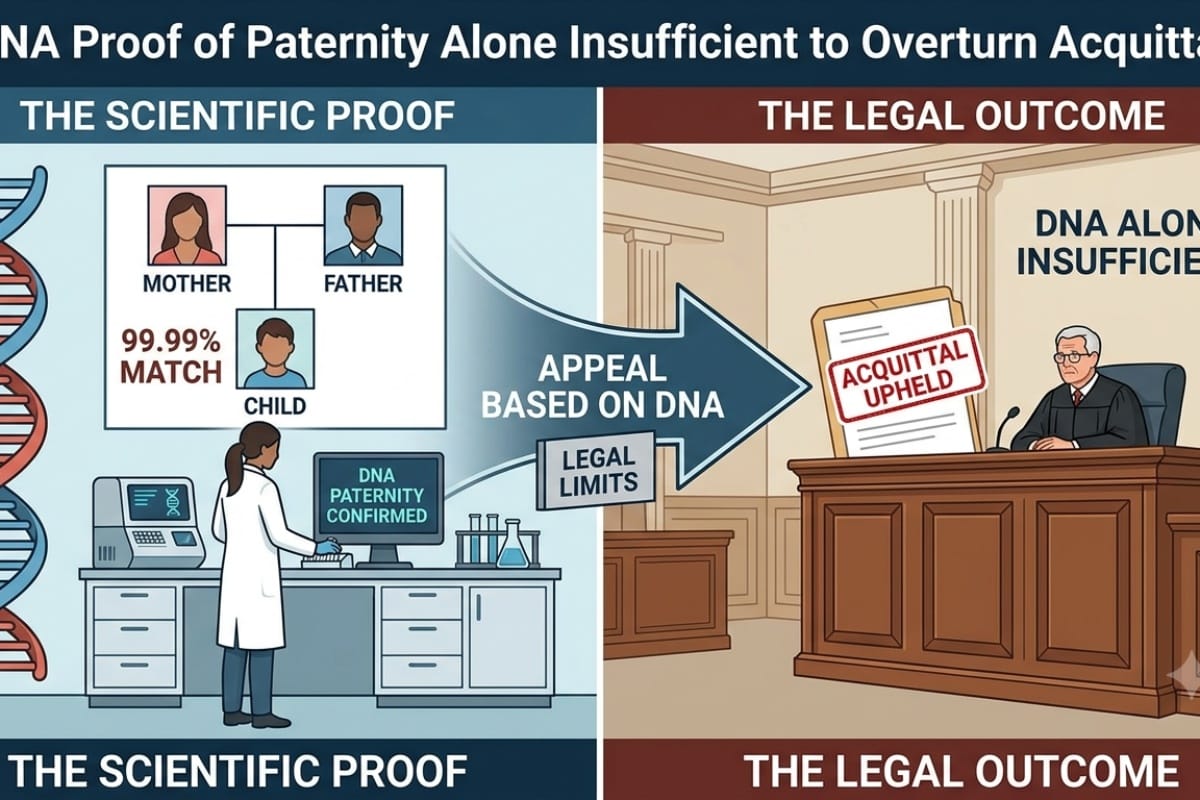
Headnote The Delhi High Court dismissed a prosecutrix's appeal against acquittal of the accused on charges under Sections 328/376 2 n /377/506/509 IPC, despite DNA evidence…
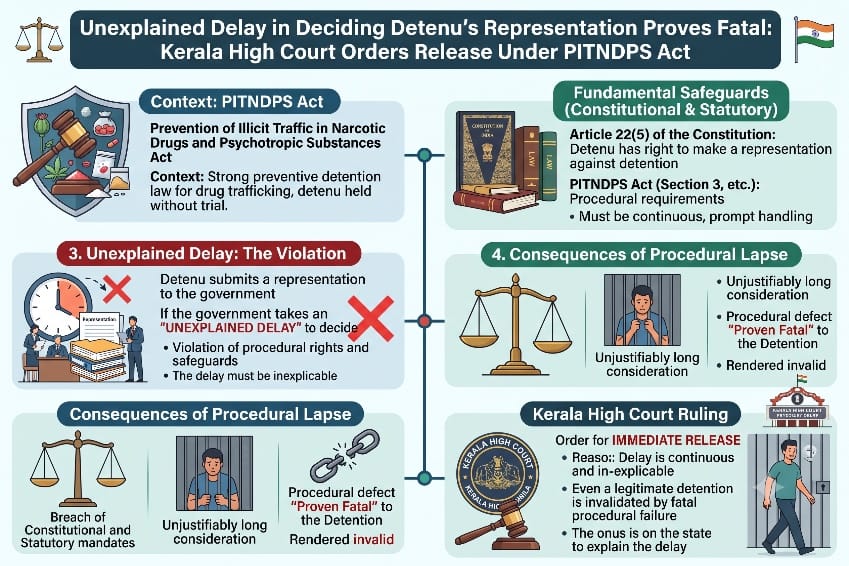
Fathimath Thasneem V.K. v. Union of India and Others | High Court of Kerala at Ernakulam | 3rd September, 2026 A habeas corpus writ petition by the wife of a detenu challenging…
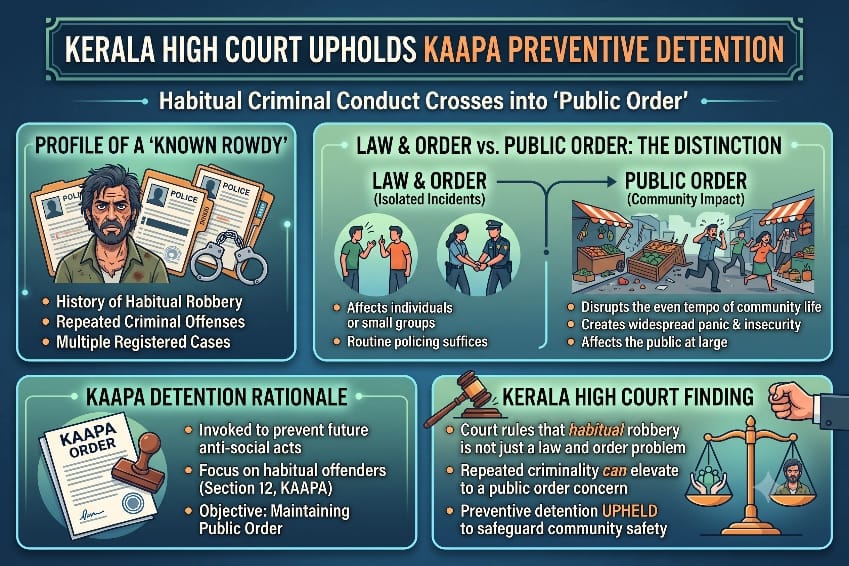
Thasmitha Abukutty v. State of Kerala and Others | High Court of Kerala at Ernakulam | 2nd September, 2026 A writ petition by the wife of a preventive detenu challenging a…
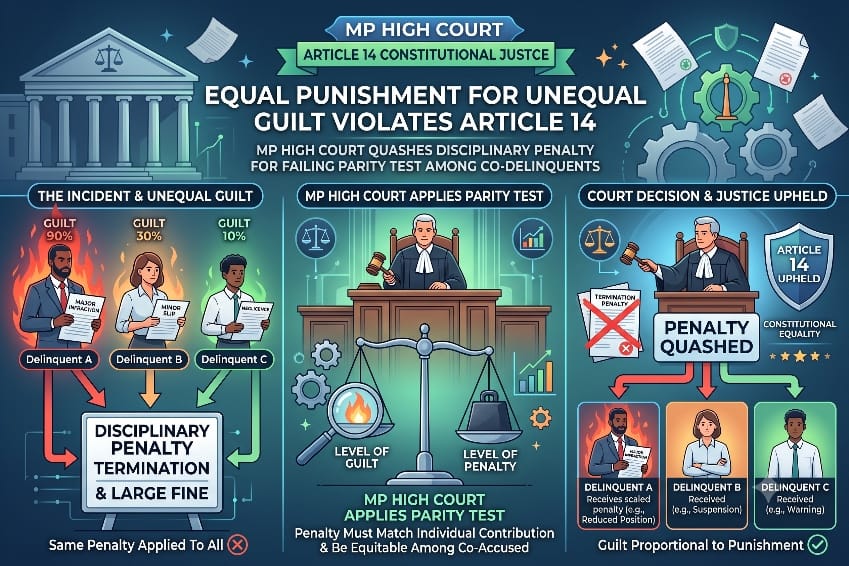
Brahm Kishore Dixit v. The State of Madhya Pradesh and Others | High Court of Madhya Pradesh, Gwalior | 1st September, 2026 A writ petition under Article 226 by a police Assistant…
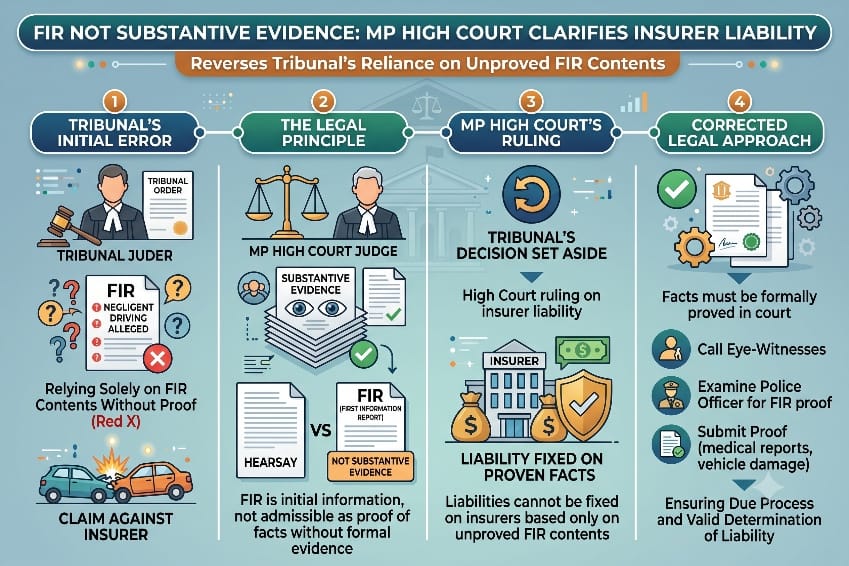
Anil Kumar Patel v. Smt. Munni Bai Barman and Others | High Court of Madhya Pradesh, Jabalpur | 1st September, 2026 A Motor Vehicle Act appeal under Section 173 1 against a Claims…
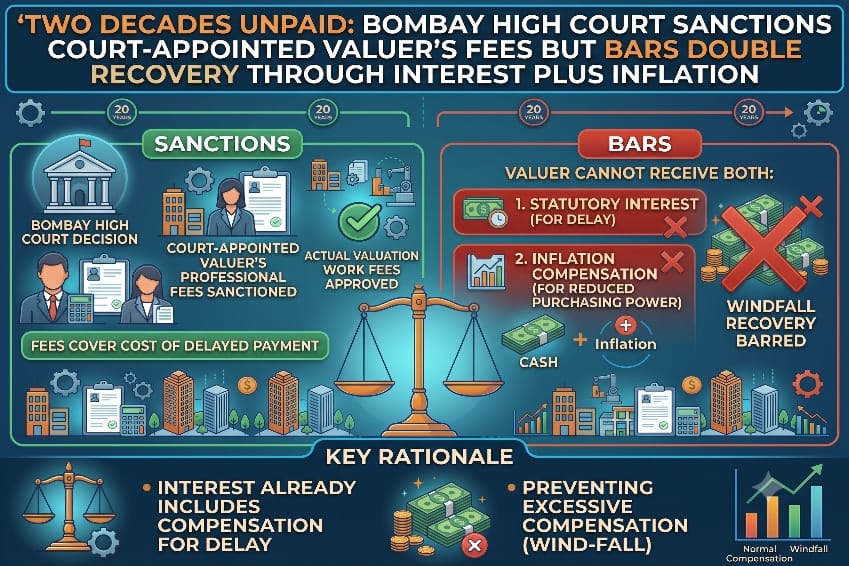
M/s. Kuber Mutual Benefits Ltd. & Ors. v. The State of Maharashtra & Ors. | High Court of Judicature at Bombay Appellate Side | 3rd September, 2026 A Court Receiver's Report…
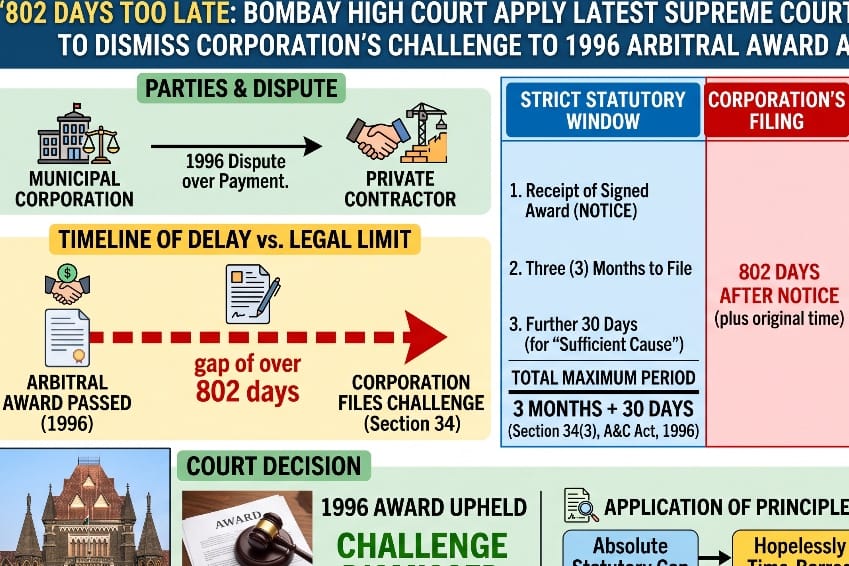
The Municipal Corporation of Greater Bombay v. M/s. Atul Raj Builders Pvt. Ltd. | High Court of Judicature at Bombay Ordinary Original Civil Jurisdiction | 3rd September, 2026 A…
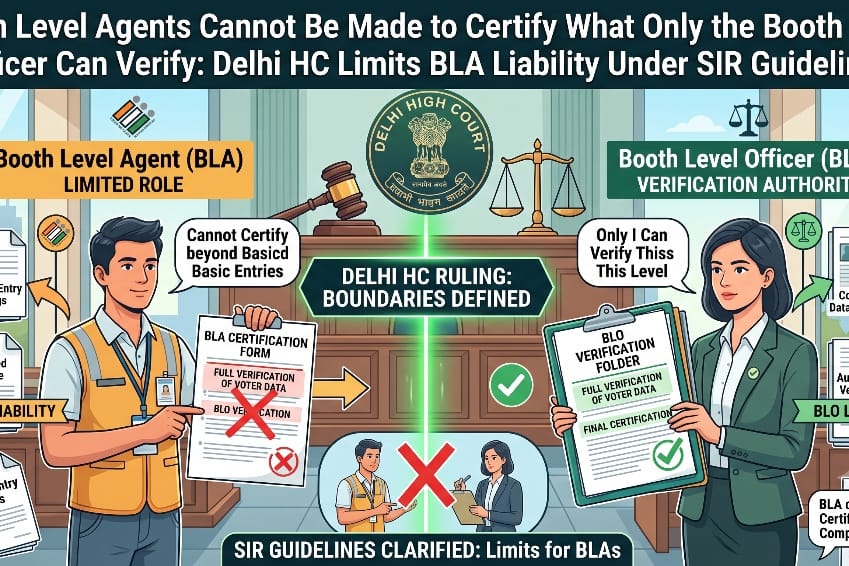
Devender Yadav & Anr. v. Election Commission of India & Anr. | High Court of Delhi Single Judge | Decided on: 03.09.2026 In a challenge to the Election Commission of India's…
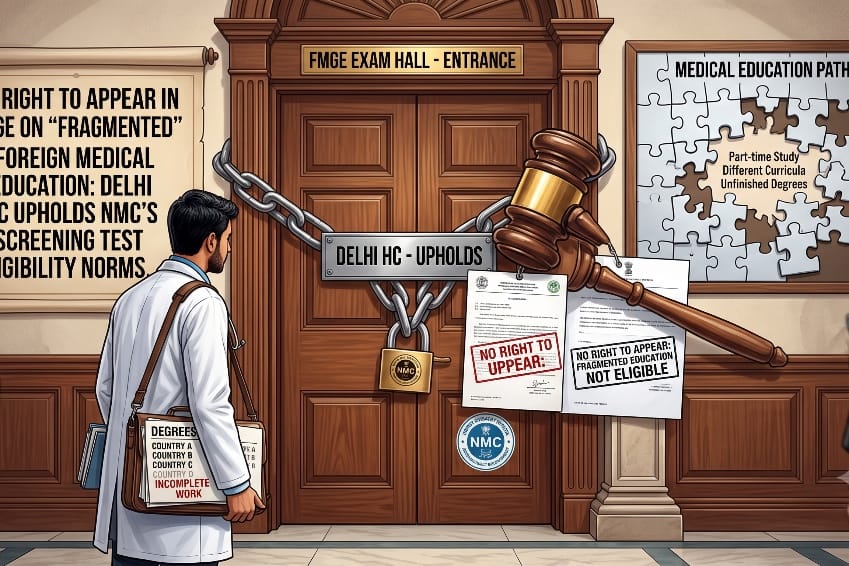
Brij Sharadbhai Bhatt & Ors. v. National Medical Commission & Ors. | High Court of Delhi Division Bench | Decided on: 03.09.2026 The Delhi High Court dismissed a challenge by…