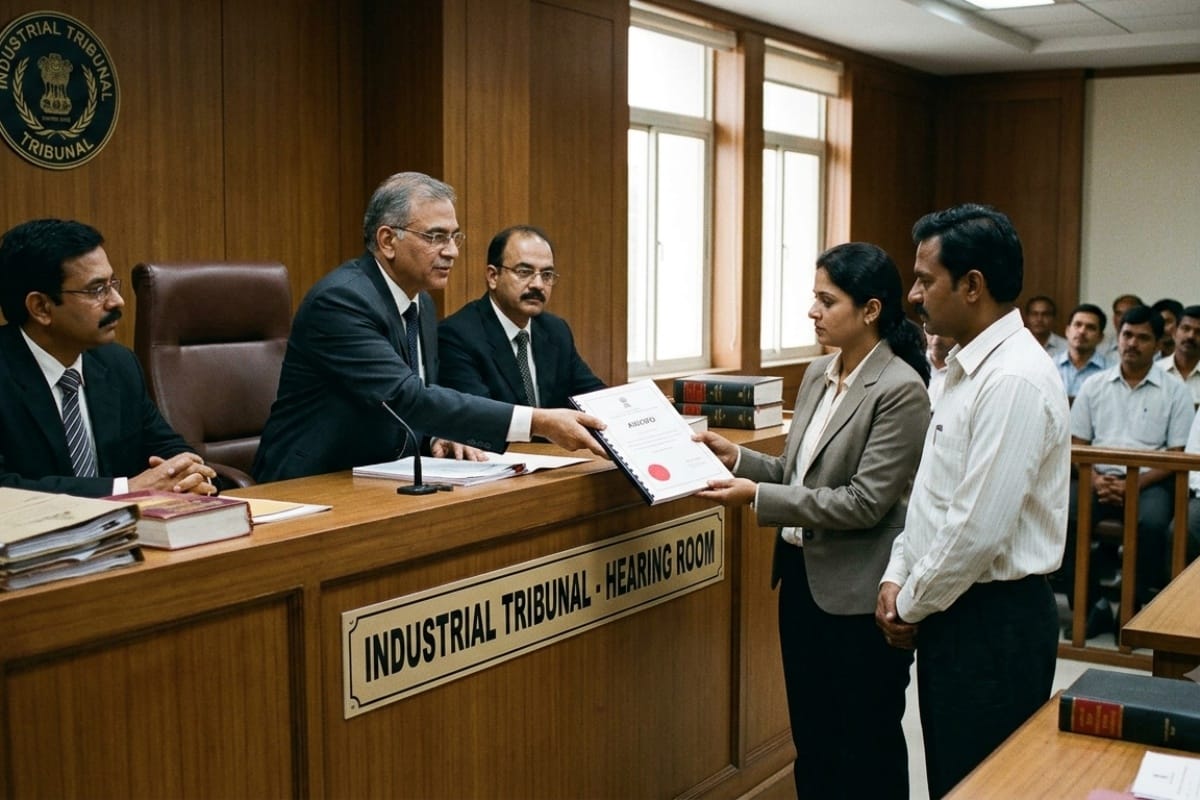
Deciding two connected writ petitions arising from a common Industrial Tribunal Award, the Delhi High Court set aside the Tribunal's direction granting hotel workmen a further…
Labour Laws
06/09/20264 min read
Update / Judgement Date
29 Oct 2025
Source
WCP News Bulletin
Author
Sakshi Bhardwaj — WCP Legal Desk
Reading Time
3 min read
The Supreme Court upheld the Karnataka High Court’s application of the “pay and recover” principle, directing the Insurance Company to first compensate the victims of a fatal road accident and then recover the amount from the vehicle owner. The Court held that a deviation from the permitted route constitutes a violation of the terms of the insurance policy but does not absolve the insurer from its initial statutory obligation to compensate third parties. Balancing the rights of victims and insurers, the Court ruled that compensation must be paid by the insurer and recoverable from the owner due to the permit breach.
• On 7 October 2014, Srinivasa alias Murthy died in an accident when his motorcycle was hit by a bus (KA-52-9099) driven rashly and negligently.
• His dependents filed a claim seeking ₹50,00,000 compensation, asserting he earned ₹15,000 per month through his Shamiyana Centre and ration shop business.
• The Tribunal awarded ₹18,86,000 with 6% interest, assessing the income at ₹8,000 per month.
• On appeal, the High Court reassessed the deceased’s income at ₹15,750 per month, added 40% for future prospects, deducted ¼ for personal expenses, and applied a multiplier of 16—awarding ₹31,84,000 in total, including consortium and funeral expenses.
• The Insurance Company appealed, arguing the vehicle violated its route permit by entering Channapatna City, where the accident occurred—beyond the authorized Bengaluru–Mysore route.
• The Court reiterated that using a vehicle beyond the scope of its permit constitutes a statutory violation under Section 66 of the Motor Vehicles Act, 1988.
• Relying on precedents including National Insurance Co. Ltd. v. Swaran Singh (2004) 3 SCC 297, Amrit Paul v. TATA AIG (2018) 7 SCC 558, and New India Assurance Co. v. Kamla (2001) 4 SCC 342, the Court affirmed that insurers must pay third-party victims even when policy terms are breached, but can later recover the amount from the insured.
• The Court observed that victims should not suffer due to technical route deviations beyond their control, while insurers cannot be forced to bear unlimited liability outside policy terms.
• The “pay and recover” doctrine ensures fairness between victims’ rights to compensation and insurers’ contractual limitations.
• Section 66, Motor Vehicles Act, 1988 – Necessity of permit for transport vehicles.
• Section 149, Motor Vehicles Act, 1988 – Duty of insurers to satisfy judgments against persons insured.
• Doctrine of “Pay and Recover” – Judicially evolved principle balancing compensation to victims with insurer’s right to reimbursement from the vehicle owner.
The Supreme Court dismissed the appeals and upheld the High Court’s order. The Insurance Company must pay the awarded compensation to the claimants and may recover the amount from the vehicle owner. No order as to costs.
Citation: 2025 INSC 1270
Case: K. Nagendra v. The New India Insurance Co. Ltd. & Ors.
Court: Supreme Court of India
Coram: Justice Sanjay Karol & Justice Prashant Kumar Mishra
Date of Decision: 29 October 2025
Civil Appeal Nos.: Arising out of SLP (C) Nos. 7139–7140 of 2023
Deciding two connected writ petitions arising from a common Industrial Tribunal Award, the Delhi High Court set aside the Tribunal's direction granting hotel workmen a further…
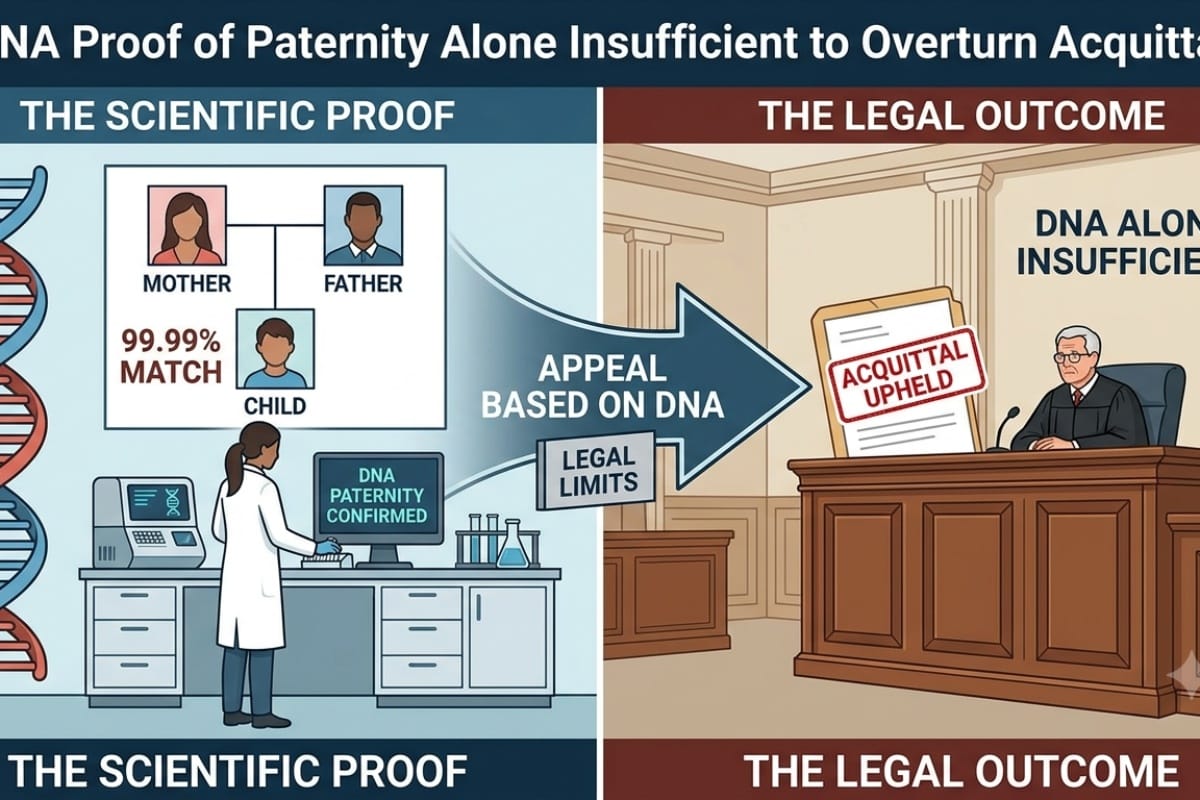
Headnote The Delhi High Court dismissed a prosecutrix's appeal against acquittal of the accused on charges under Sections 328/376 2 n /377/506/509 IPC, despite DNA evidence…
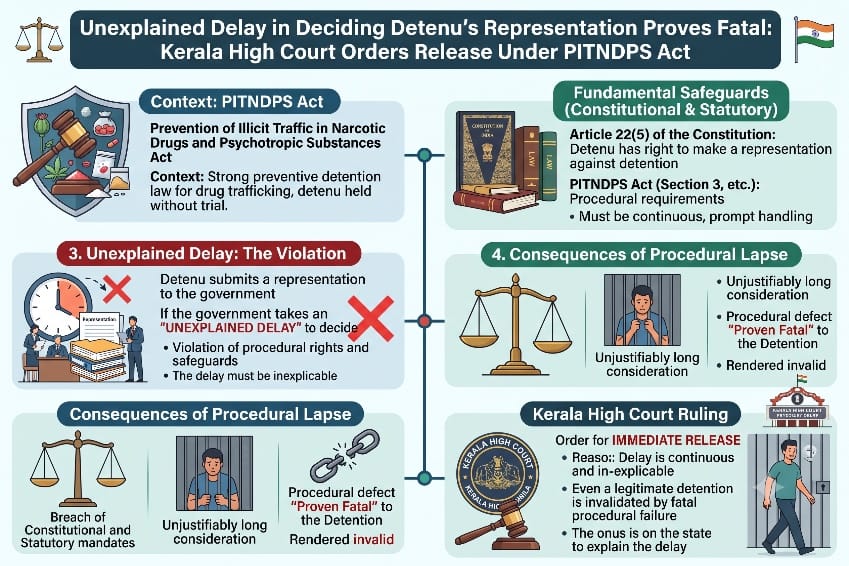
Fathimath Thasneem V.K. v. Union of India and Others | High Court of Kerala at Ernakulam | 3rd September, 2026 A habeas corpus writ petition by the wife of a detenu challenging…
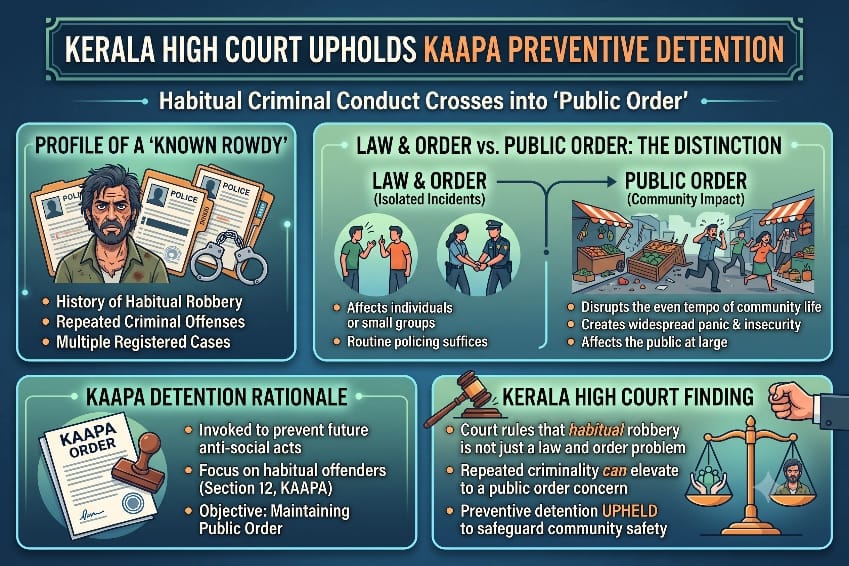
Thasmitha Abukutty v. State of Kerala and Others | High Court of Kerala at Ernakulam | 2nd September, 2026 A writ petition by the wife of a preventive detenu challenging a…
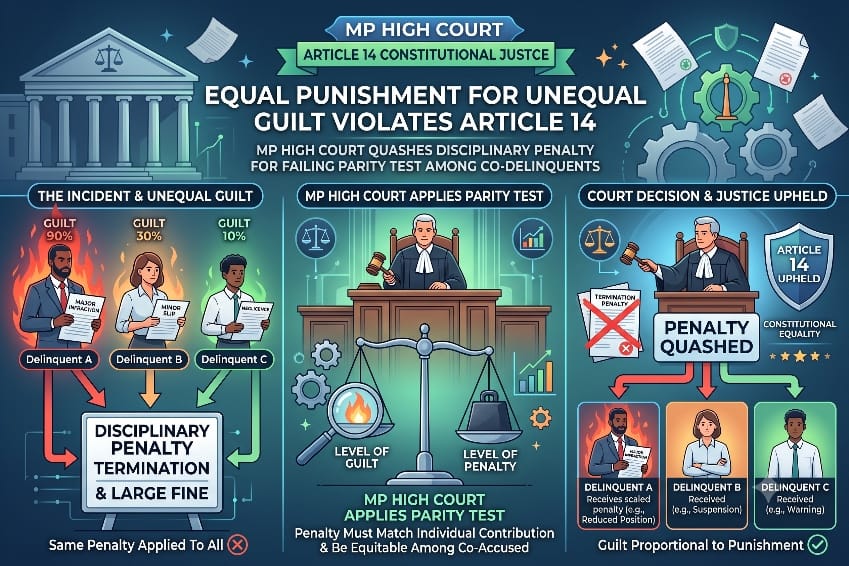
Brahm Kishore Dixit v. The State of Madhya Pradesh and Others | High Court of Madhya Pradesh, Gwalior | 1st September, 2026 A writ petition under Article 226 by a police Assistant…
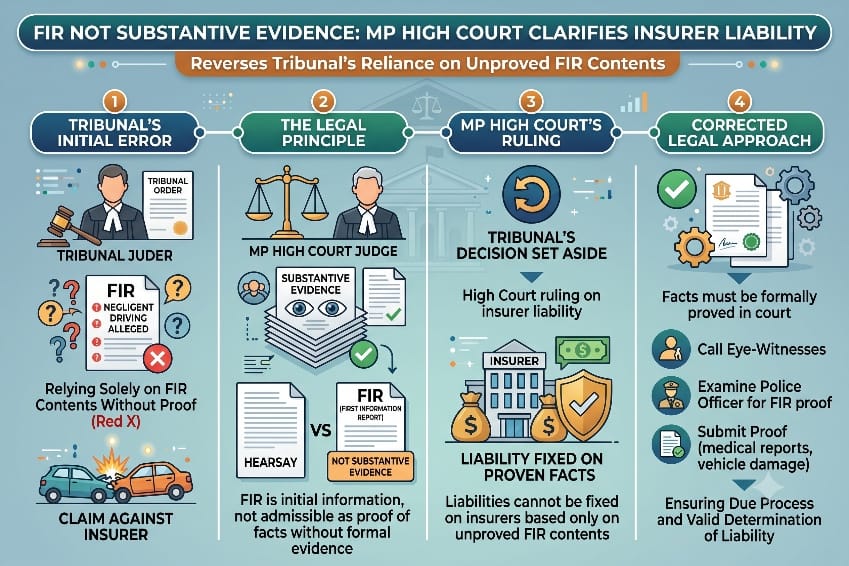
Anil Kumar Patel v. Smt. Munni Bai Barman and Others | High Court of Madhya Pradesh, Jabalpur | 1st September, 2026 A Motor Vehicle Act appeal under Section 173 1 against a Claims…
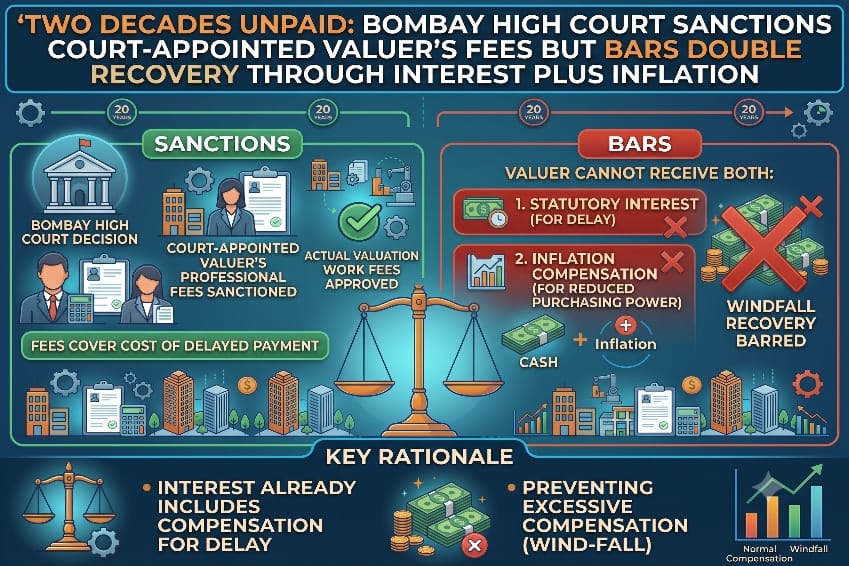
M/s. Kuber Mutual Benefits Ltd. & Ors. v. The State of Maharashtra & Ors. | High Court of Judicature at Bombay Appellate Side | 3rd September, 2026 A Court Receiver's Report…
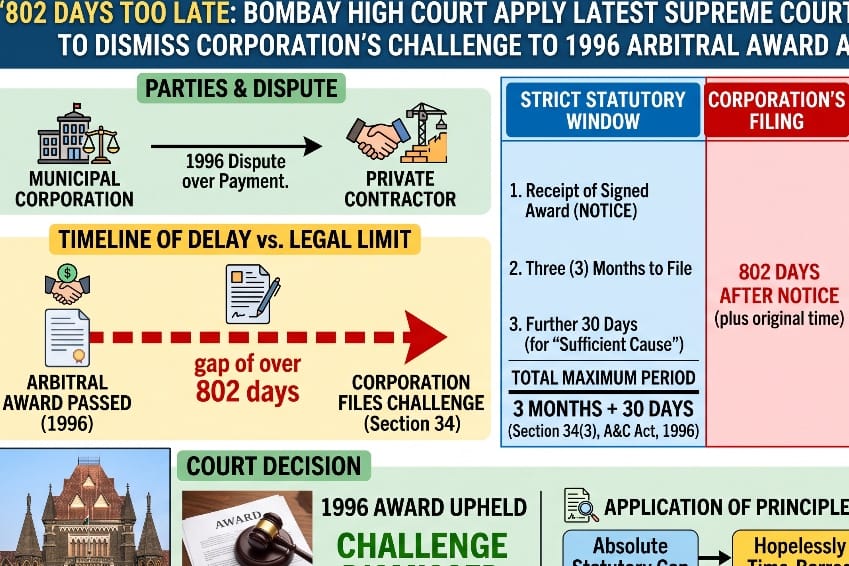
The Municipal Corporation of Greater Bombay v. M/s. Atul Raj Builders Pvt. Ltd. | High Court of Judicature at Bombay Ordinary Original Civil Jurisdiction | 3rd September, 2026 A…
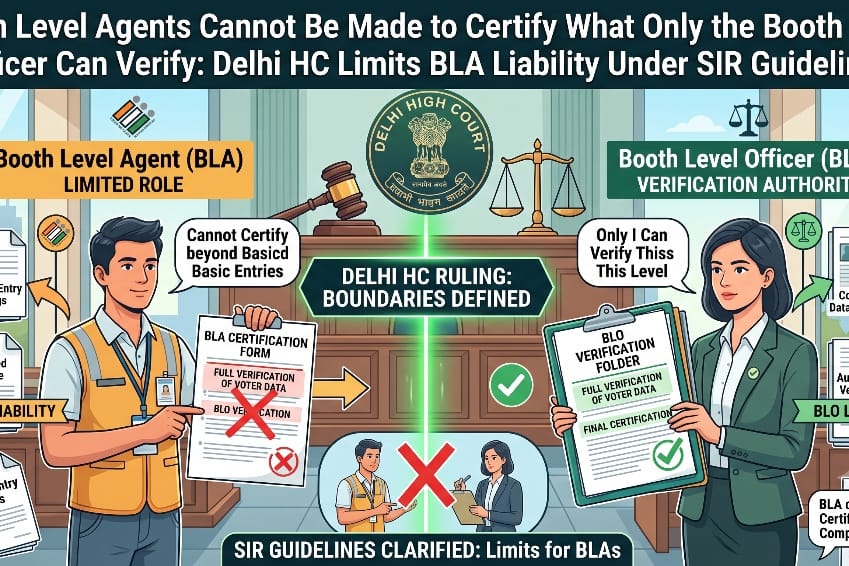
Devender Yadav & Anr. v. Election Commission of India & Anr. | High Court of Delhi Single Judge | Decided on: 03.09.2026 In a challenge to the Election Commission of India's…
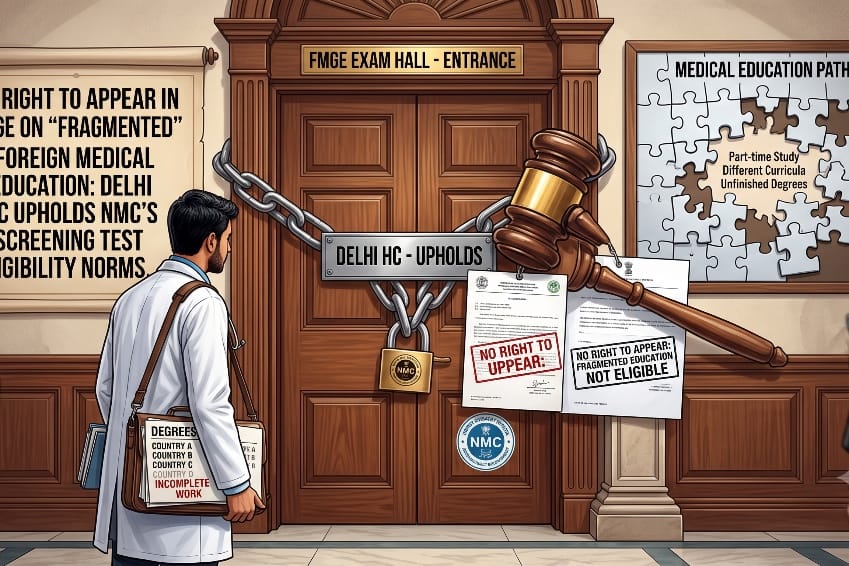
Brij Sharadbhai Bhatt & Ors. v. National Medical Commission & Ors. | High Court of Delhi Division Bench | Decided on: 03.09.2026 The Delhi High Court dismissed a challenge by…