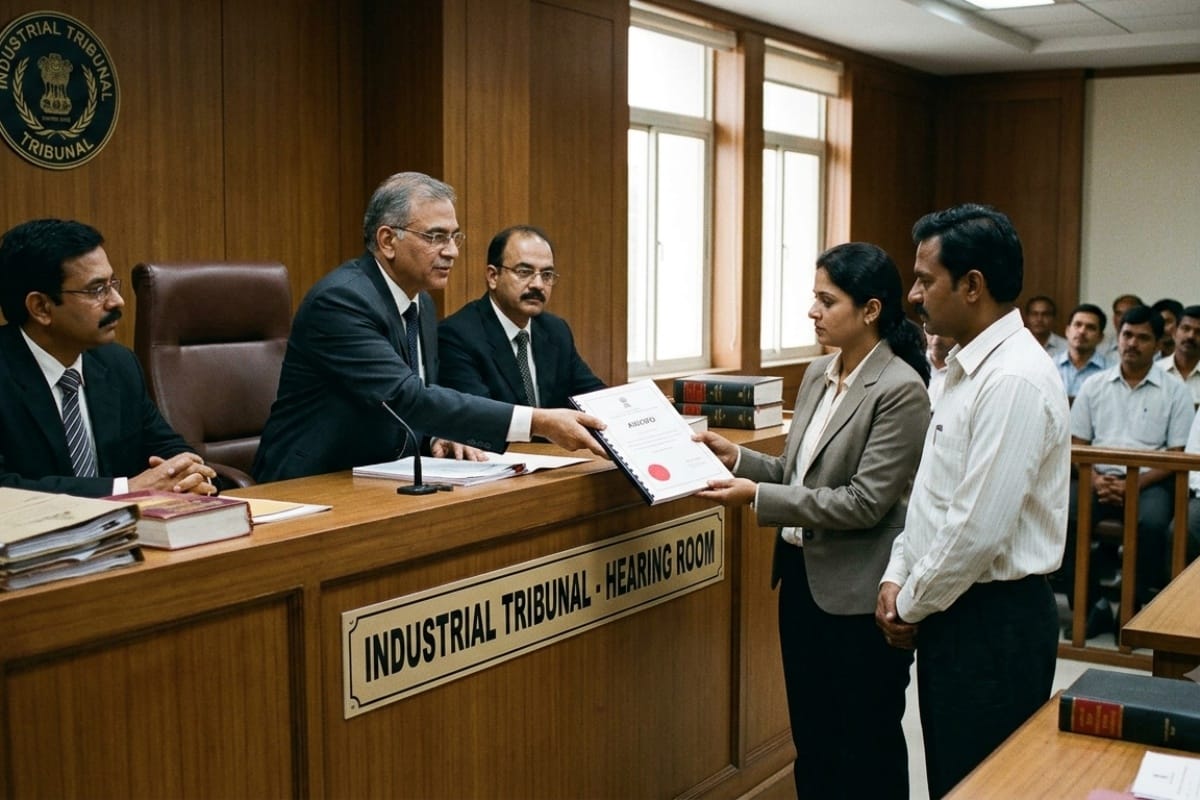
Deciding two connected writ petitions arising from a common Industrial Tribunal Award, the Delhi High Court set aside the Tribunal's direction granting hotel workmen a further…
Labour Laws
06/09/20264 min read
Update / Judgement Date
27 Oct 2025
Source
WCP News Bulletin
Author
Sakshi Bhardwaj — WCP Legal Desk
Reading Time
3 min read
Headnote:
The Supreme Court held that the Special Court under the NDPS Act retains jurisdiction to grant interim custody of vehicles seized under the Act, despite the 2022 Rules empowering the Drug Disposal Committee for disposal of seized articles. The Court ruled that subordinate legislation such as the NDPS (Seizure, Storage, Sampling and Disposal) Rules, 2022, cannot override the parent statute or curtail judicial powers under Sections 451 & 457 CrPC (now 497 & 503 BNSS). The appeal was allowed, setting aside orders of the High Court and Special Court, directing release of the vehicle to the owner on suitable conditions.
Background:
• The appellant, lawful owner of lorry TN 52 Q 0315, had hired it to transport iron sheets from Chhattisgarh to Tamil Nadu.
• On 14 July 2024, the vehicle was intercepted by Neyveli Township Police and 6 kg of ganja was found concealed under the driver’s seat and on three other occupants.
• Crime No. 220/2024 was registered under Sections 8(c), 20(b)(ii)(B), 25, and 29(1) of the Narcotic Drugs and Psychotropic Substances Act, 1985 (NDPS Act).
• The appellant was not arrayed as an accused in the charge sheet but sought interim custody of the lorry under Section 497 BNSS (formerly 451 CrPC).
• The Special Court, Thanjavur, rejected the application holding that seized vehicles are liable for confiscation under Section 63 NDPS Act and cannot be released pending trial.
• The Madras High Court (Madurai Bench) upheld the rejection, stating that under the NDPS (Seizure, Storage, Sampling and Disposal) Rules, 2022, disposal lies exclusively with the Drug Disposal Committee.
Court’s Observations:
• The NDPS (Seizure, Storage, Sampling and Disposal) Rules, 2022, are subordinate legislation and cannot override the parent NDPS Act.
• Sections 60(3) and 63 of the NDPS Act vest the power of confiscation in the Special Court, not in the Drug Disposal Committee.
• The Rules of 2022 provide for physical disposal of seized items but do not empower the Committee to decide interim custody or ownership disputes.
• The right of a bona fide owner to seek interim custody cannot be defeated by administrative rules.
• The Special Court has powers under Sections 451 & 457 CrPC (now 497 & 503 BNSS) to order interim release of seized property pending trial.
• Confiscation can only be ordered after a full trial ensuring compliance with natural justice.
• Thus, the High Court erred in holding that the Special Court’s powers were excluded by the 2022 Rules.
Decision:
• Appeal allowed.
• Orders of the High Court and Special Court set aside.
• The seized lorry directed to be released to the appellant on appropriate conditions.
Legal Provisions Discussed:
• Sections 8(c), 20(b)(ii)(B), 25 & 29(1), Narcotic Drugs and Psychotropic Substances Act, 1985 – Offences relating to possession, transport, and abetment.
• Sections 60(3) & 63, NDPS Act – Confiscation of vehicles and powers of Special Court.
• Sections 451 & 457 CrPC / Sections 497 & 503 BNSS – Interim custody and disposal of seized property.
• NDPS (Seizure, Storage, Sampling and Disposal) Rules, 2022 – Procedure for handling seized narcotic substances.
Citation: 2025 INSC 1258
Case: Denash v. State of Tamil Nadu
Court: Supreme Court of India
Criminal Appeal: Arising out of SLP (Crl.) No. 8698 of 2025
Jurisdiction: Criminal Appellate
Deciding two connected writ petitions arising from a common Industrial Tribunal Award, the Delhi High Court set aside the Tribunal's direction granting hotel workmen a further…
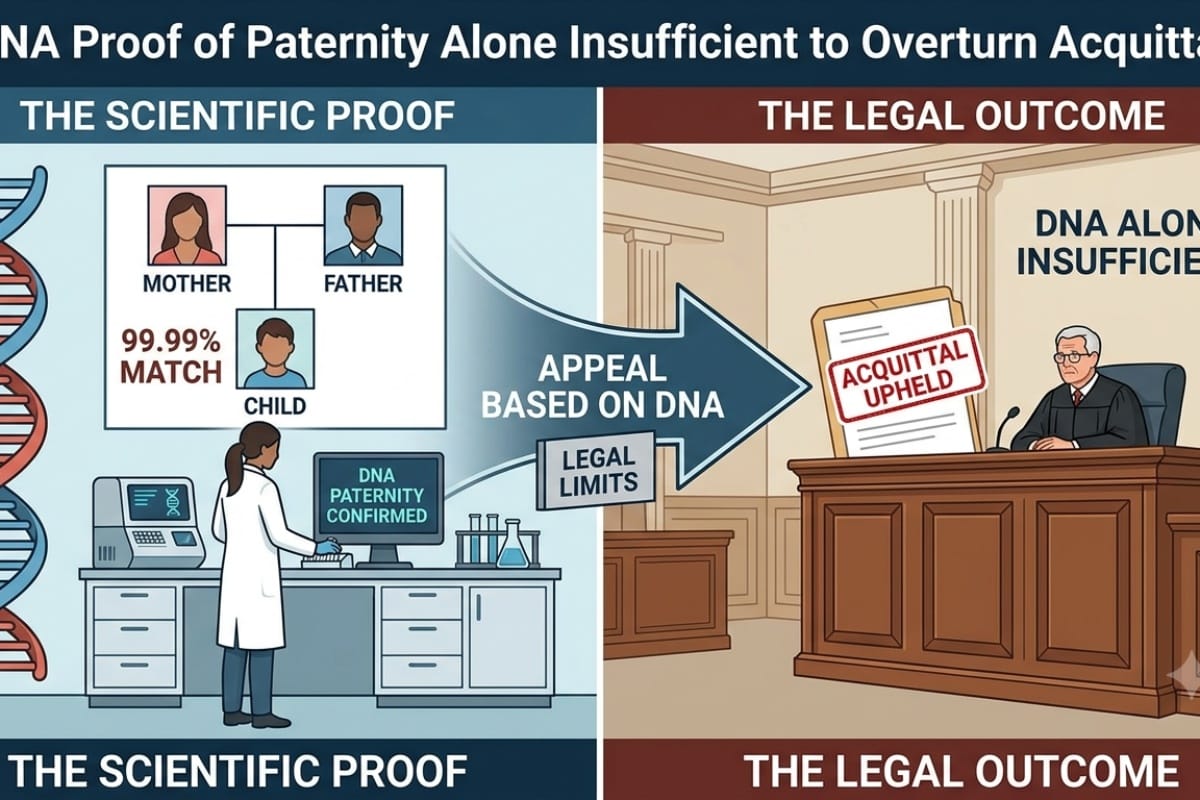
Headnote The Delhi High Court dismissed a prosecutrix's appeal against acquittal of the accused on charges under Sections 328/376 2 n /377/506/509 IPC, despite DNA evidence…
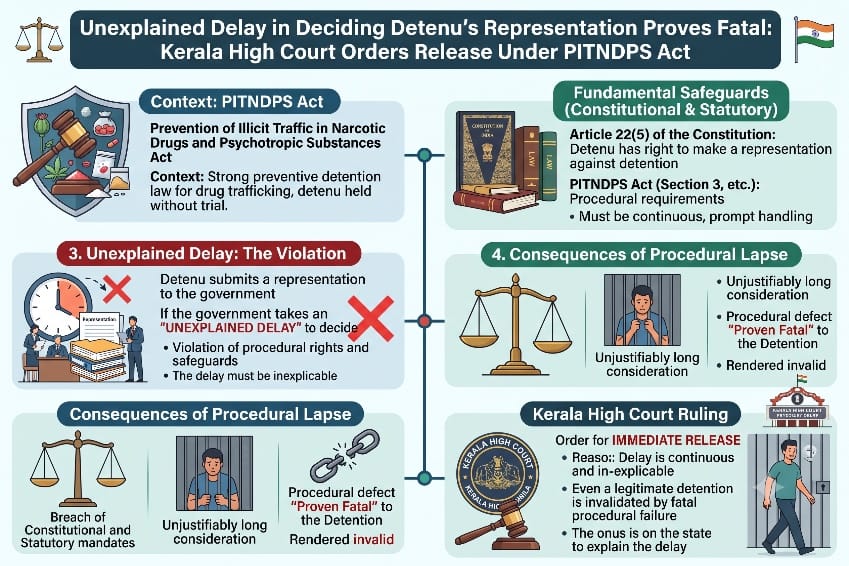
Fathimath Thasneem V.K. v. Union of India and Others | High Court of Kerala at Ernakulam | 3rd September, 2026 A habeas corpus writ petition by the wife of a detenu challenging…
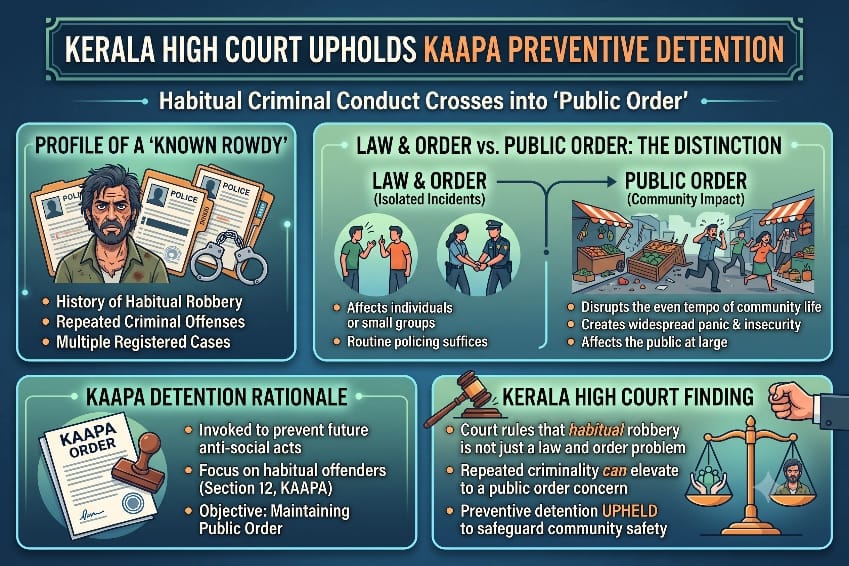
Thasmitha Abukutty v. State of Kerala and Others | High Court of Kerala at Ernakulam | 2nd September, 2026 A writ petition by the wife of a preventive detenu challenging a…
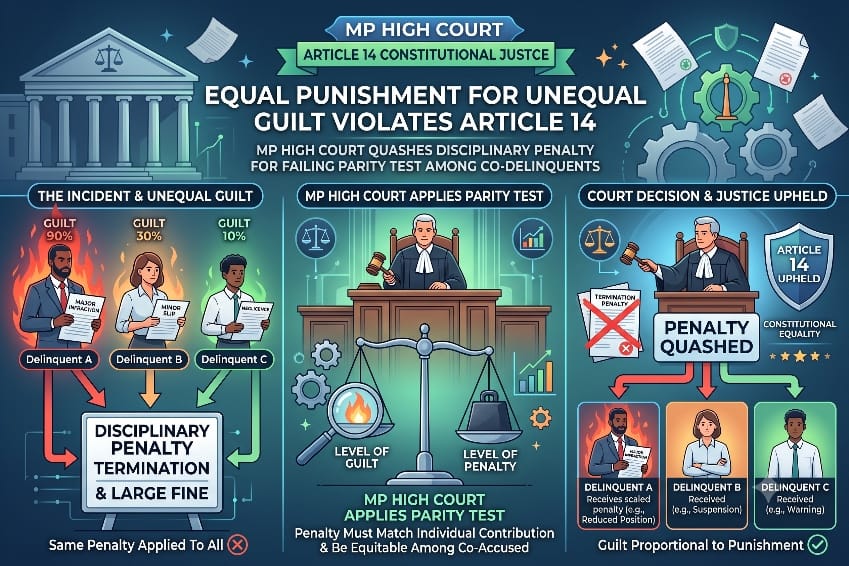
Brahm Kishore Dixit v. The State of Madhya Pradesh and Others | High Court of Madhya Pradesh, Gwalior | 1st September, 2026 A writ petition under Article 226 by a police Assistant…
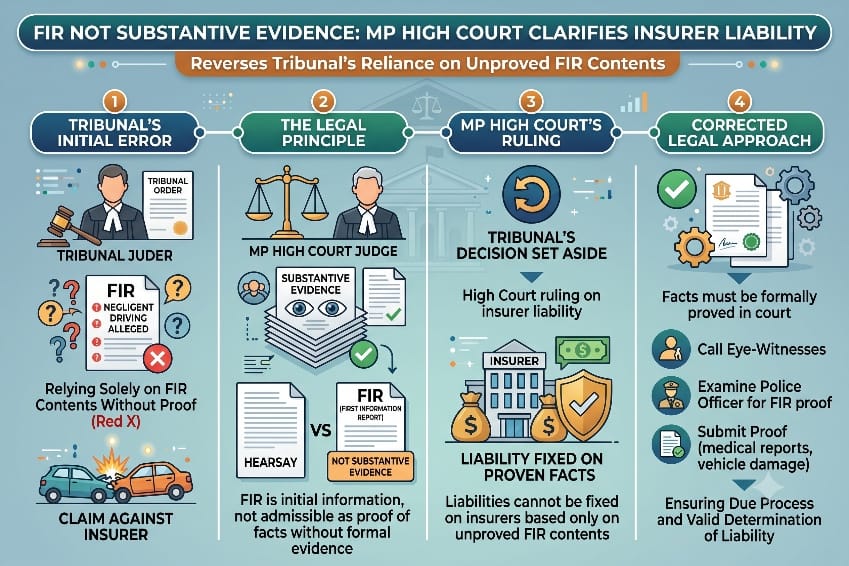
Anil Kumar Patel v. Smt. Munni Bai Barman and Others | High Court of Madhya Pradesh, Jabalpur | 1st September, 2026 A Motor Vehicle Act appeal under Section 173 1 against a Claims…
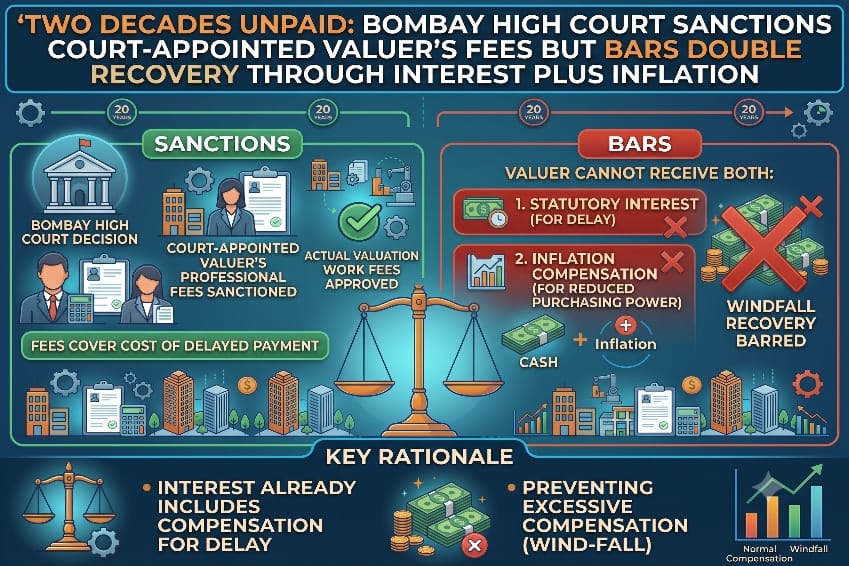
M/s. Kuber Mutual Benefits Ltd. & Ors. v. The State of Maharashtra & Ors. | High Court of Judicature at Bombay Appellate Side | 3rd September, 2026 A Court Receiver's Report…
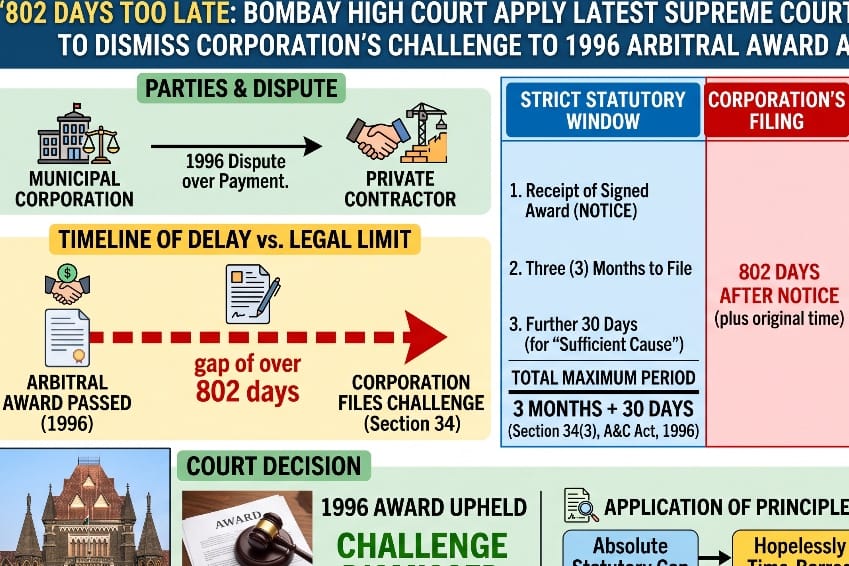
The Municipal Corporation of Greater Bombay v. M/s. Atul Raj Builders Pvt. Ltd. | High Court of Judicature at Bombay Ordinary Original Civil Jurisdiction | 3rd September, 2026 A…
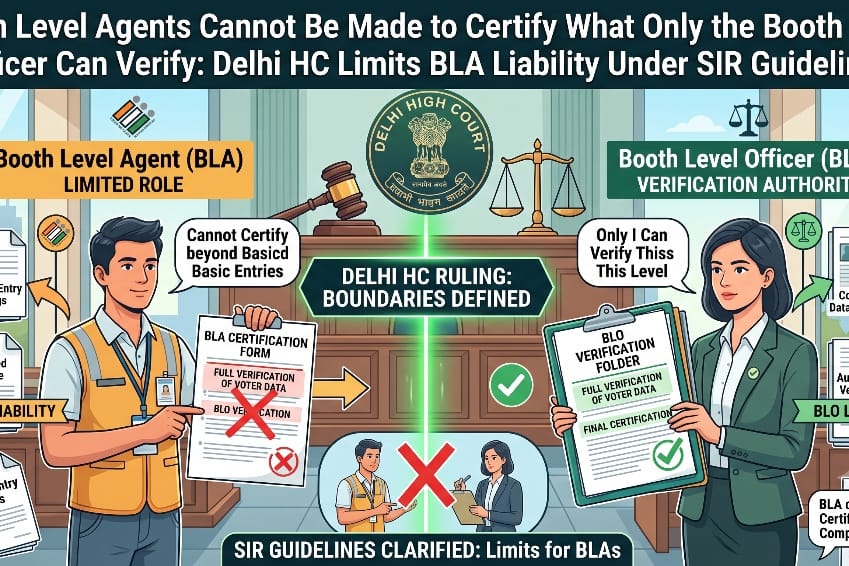
Devender Yadav & Anr. v. Election Commission of India & Anr. | High Court of Delhi Single Judge | Decided on: 03.09.2026 In a challenge to the Election Commission of India's…
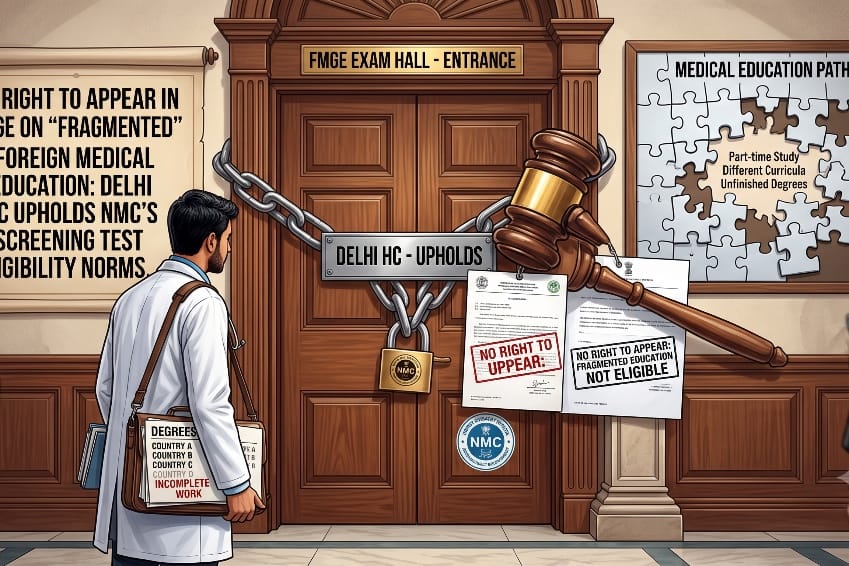
Brij Sharadbhai Bhatt & Ors. v. National Medical Commission & Ors. | High Court of Delhi Division Bench | Decided on: 03.09.2026 The Delhi High Court dismissed a challenge by…