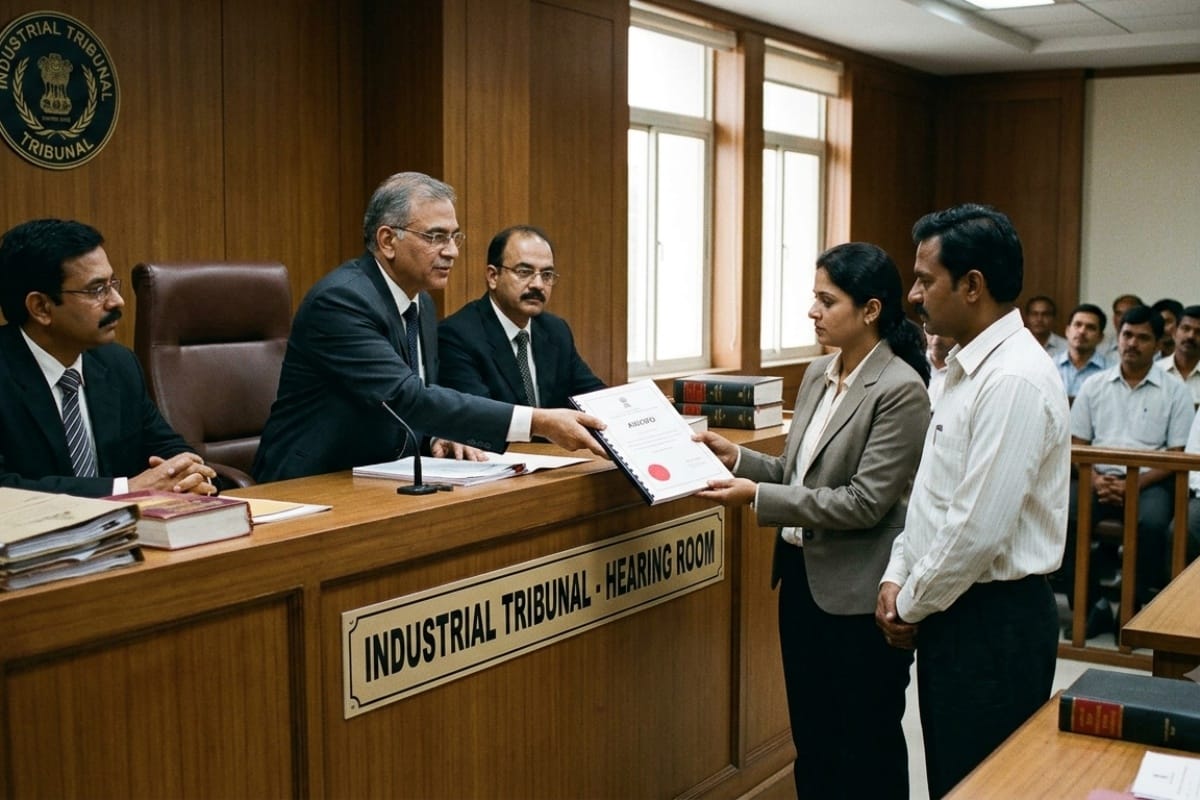
Deciding two connected writ petitions arising from a common Industrial Tribunal Award, the Delhi High Court set aside the Tribunal's direction granting hotel workmen a further…
Labour Laws
06/09/20264 min read
Update / Judgement Date
14 Dec 2025
Source
WCP News Bulletin
Author
Sakshi Bhardwaj — WCP Legal Desk
Reading Time
4 min read
The Supreme Court dissolved a marriage that had subsisted only on paper for over two decades, holding that a prolonged period of separation without any possibility of reconciliation amounts to cruelty and constitutes irretrievable breakdown of marriage. Exercising its powers under Article 142 of the Constitution, the Court set aside the High Court judgment and granted divorce, clarifying that the power to do “complete justice” is not fettered by the doctrine of fault and blame.
• The marriage between the appellant-husband and respondent-wife was solemnized on 4 August 2000 at Shillong.
• Both parties were working as Development Officers with the Life Insurance Corporation of India and were acquainted prior to marriage.
• The respondent-wife alleged that she was pressured by the appellant and his family to give up her job, despite her responsibility towards her dependent family members.
• She left the matrimonial home in 2001 due to alleged ill-treatment.
• The appellant-husband first filed for divorce in 2003, which was dismissed as premature; a subsequent suit filed in 2007 resulted in a decree of divorce on the ground of desertion in 2010.
• The Gauhati High Court (Shillong Bench), by judgment dated 13 April 2011, reversed the decree, holding that desertion was not proved and that the wife had reasonable cause to live separately.
• The husband appealed to the Supreme Court.
Issues for Consideration• Whether long separation without reconciliation constitutes cruelty and irretrievable breakdown of marriage.
• Whether the Supreme Court can dissolve the marriage under Article 142 despite the wife’s opposition and absence of a statutory ground.
• The parties have been living separately for nearly 24 years, with matrimonial litigation pending for over 22 years, and there is no child from the wedlock.
• Despite mediation efforts, reconciliation has failed and is no longer a realistic possibility.
• Long and continuous separation without hope of reunion amounts to cruelty to both spouses.
• Strongly held and incompatible views of spouses, coupled with refusal to accommodate each other over a prolonged period, constitute mental cruelty.
• An unworkable marriage that has ceased to exist in substance should not be continued as a legal fiction.
• The Court reiterated that irretrievable breakdown, though not a statutory ground, can be the basis for dissolution under Article 142.
• The doctrine of fault and blame does not fetter the Court’s power to do complete justice in exceptional matrimonial cases.
• Naveen Kohli v. Neelu Kohli (2006) – Long separation indicates a marriage beyond repair.
• Samar Ghosh v. Jaya Ghosh (2007) – Prolonged separation may itself amount to mental cruelty.
• Rakesh Raman v. Kavita (2023) – Marriage surviving only on paper constitutes cruelty.
• Shilpa Sailesh v. Varun Sreenivasan (2023) – Article 142 power not limited by fault theory.
• Pradeep Bhardwaj v. Priya (2025) and Kumari Rekha v. Shambhu Saran Paswan (2025) – Irretrievable breakdown justifies dissolution under Article 142.
• The Supreme Court held that the marriage had irretrievably broken down and there was no sanctity left in continuing the marital tie.
• Exercising powers under Article 142 of the Constitution, the Court dissolved the marriage.
• The High Court judgment dated 13 April 2011 was set aside.
• The decree of divorce granted by the Additional Deputy Commissioner (Judicial), Shillong, was restored.
• Article 142(1), Constitution of India – Power of the Supreme Court to do complete justice.
• Section 13, Hindu Marriage Act, 1955 – Grounds for divorce, including cruelty and desertion.
Citation: 2025 INSC 1436
Case: Nayan Bhowmick v. Aparna Chakraborty
Court: Supreme Court of India
Coram: Justice Manmohan & Justice Joymalya Bagchi
Date of Decision: 15 December 2025
Civil Appeal No.: 5167 of 2012
Deciding two connected writ petitions arising from a common Industrial Tribunal Award, the Delhi High Court set aside the Tribunal's direction granting hotel workmen a further…
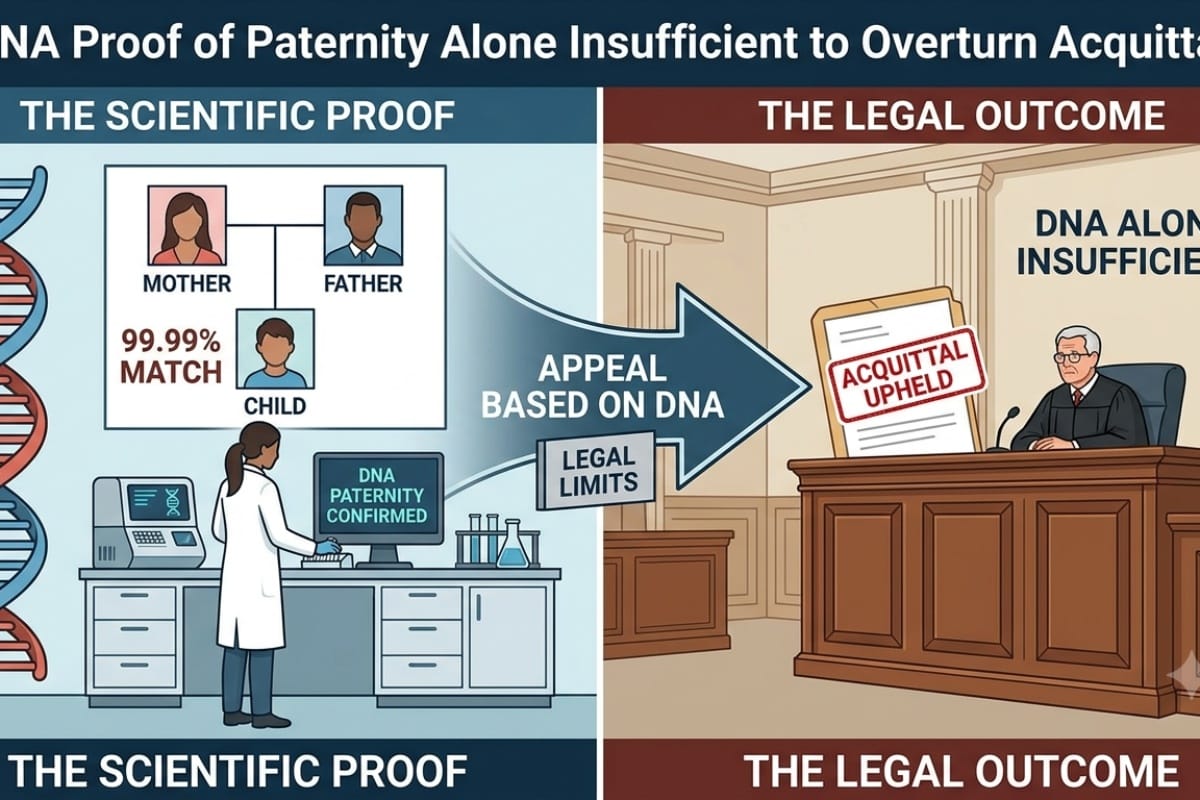
Headnote The Delhi High Court dismissed a prosecutrix's appeal against acquittal of the accused on charges under Sections 328/376 2 n /377/506/509 IPC, despite DNA evidence…
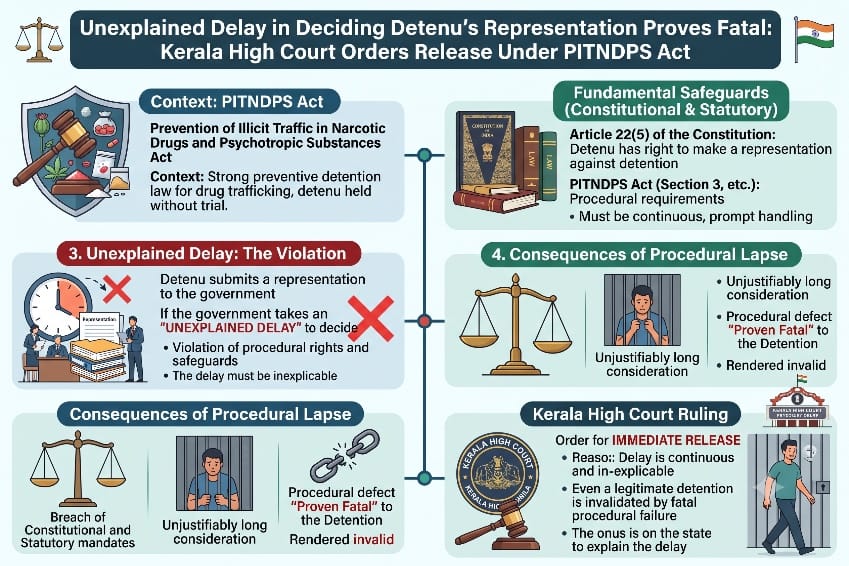
Fathimath Thasneem V.K. v. Union of India and Others | High Court of Kerala at Ernakulam | 3rd September, 2026 A habeas corpus writ petition by the wife of a detenu challenging…
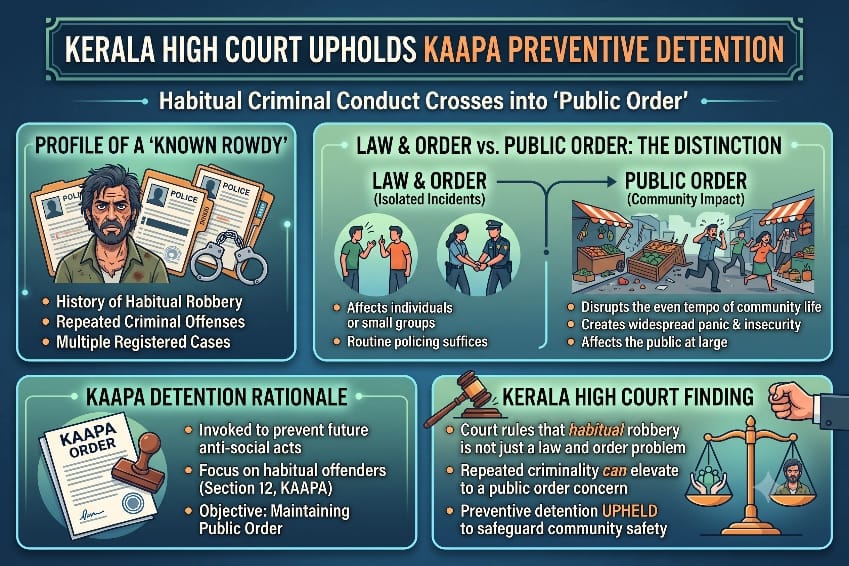
Thasmitha Abukutty v. State of Kerala and Others | High Court of Kerala at Ernakulam | 2nd September, 2026 A writ petition by the wife of a preventive detenu challenging a…
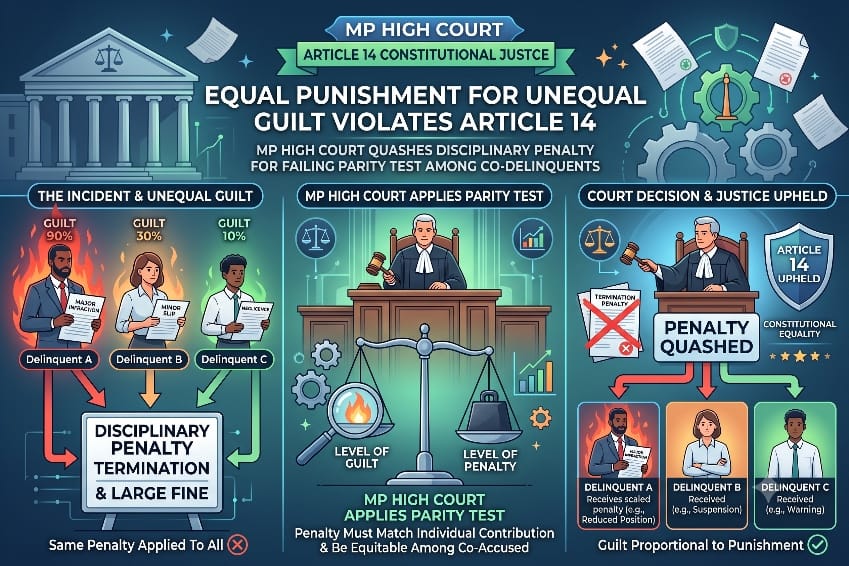
Brahm Kishore Dixit v. The State of Madhya Pradesh and Others | High Court of Madhya Pradesh, Gwalior | 1st September, 2026 A writ petition under Article 226 by a police Assistant…
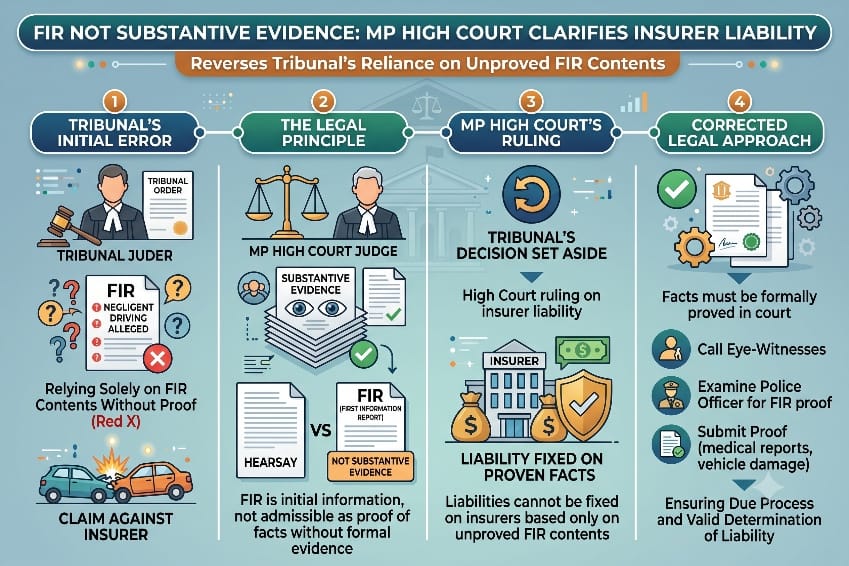
Anil Kumar Patel v. Smt. Munni Bai Barman and Others | High Court of Madhya Pradesh, Jabalpur | 1st September, 2026 A Motor Vehicle Act appeal under Section 173 1 against a Claims…
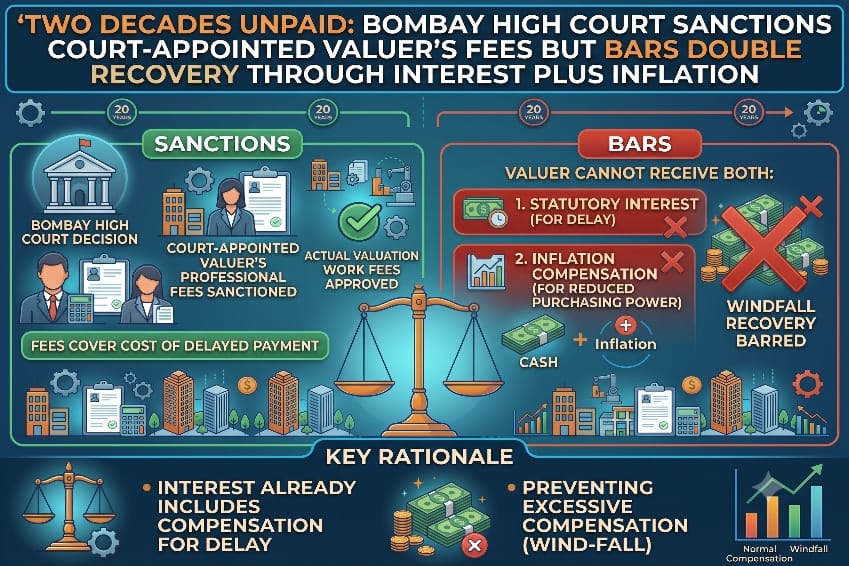
M/s. Kuber Mutual Benefits Ltd. & Ors. v. The State of Maharashtra & Ors. | High Court of Judicature at Bombay Appellate Side | 3rd September, 2026 A Court Receiver's Report…
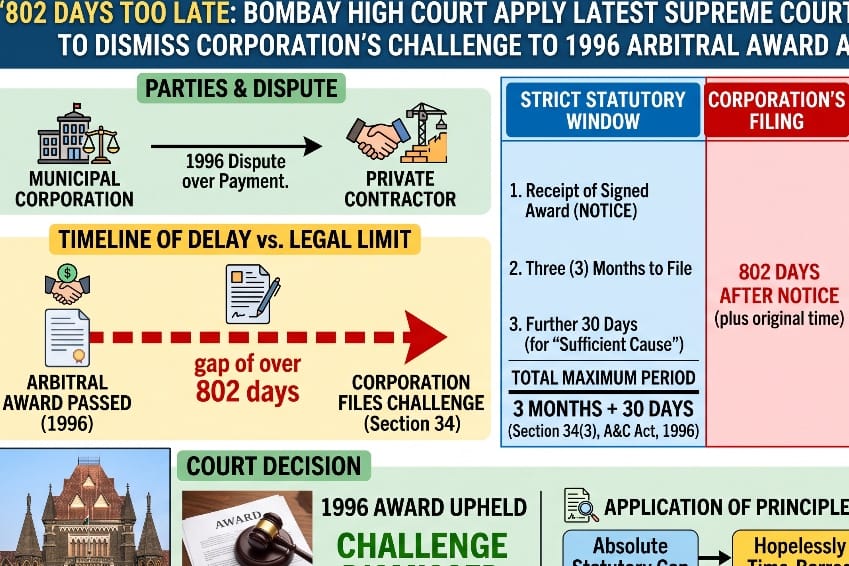
The Municipal Corporation of Greater Bombay v. M/s. Atul Raj Builders Pvt. Ltd. | High Court of Judicature at Bombay Ordinary Original Civil Jurisdiction | 3rd September, 2026 A…
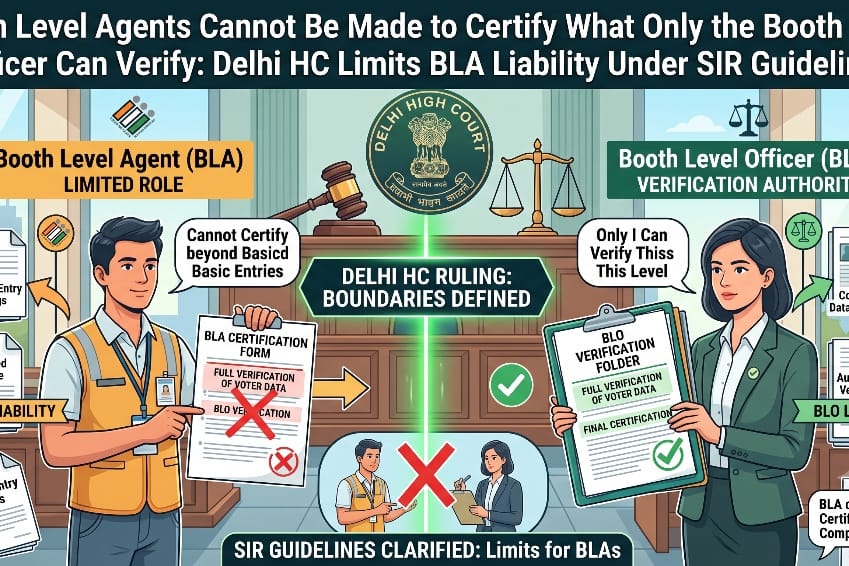
Devender Yadav & Anr. v. Election Commission of India & Anr. | High Court of Delhi Single Judge | Decided on: 03.09.2026 In a challenge to the Election Commission of India's…
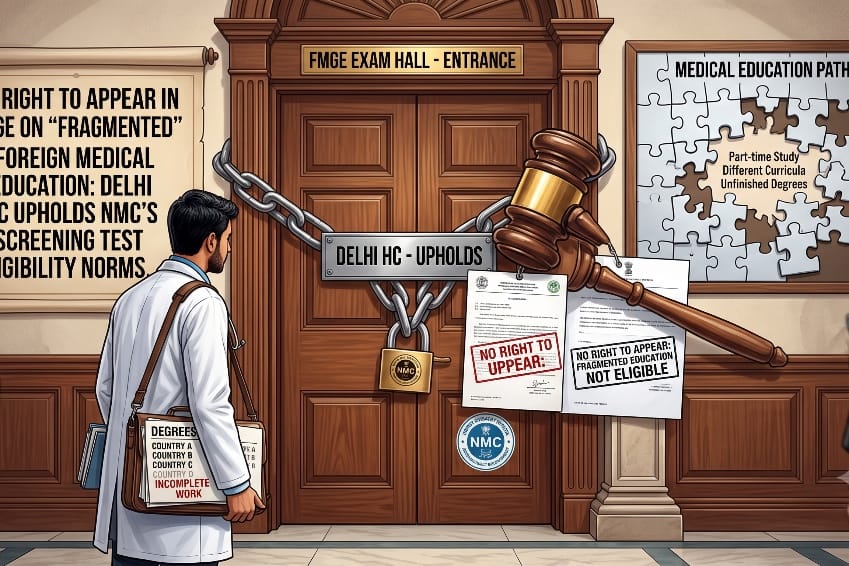
Brij Sharadbhai Bhatt & Ors. v. National Medical Commission & Ors. | High Court of Delhi Division Bench | Decided on: 03.09.2026 The Delhi High Court dismissed a challenge by…